


Ski Wax Science: The Best Wax for Man-Made, Cold & Spring Snow
If you’ve ever wondered why your skis felt amazing at 10am and then felt like they were dragging through glue after lunch… you’re not alone.
The truth is: you’re not just skiing on “snow.” You’re skiing on a constantly changing surface made of different crystal shapes, temperatures, and (sometimes) a thin film of water.
Waxing is basically the art (and science!) of controlling what happens where your base meets snow—so your skis keep gliding smoothly whether you’re on early-season man-made in the Italian Alps, cold fresh snow in February, or warm spring snow in the Canadian Rockies.

What wax is really doing under your skis
At the microscopic level, ski wax helps manage three things:
Dry friction (common in cold, dry snow)
Abrasion (common on hard man-made snow)
Water suction (the big one in damp spring snow)
Most “bad glide days” come down to one of these three.
1) December in the Italian Alps: man-made snow + the occasional cold storm
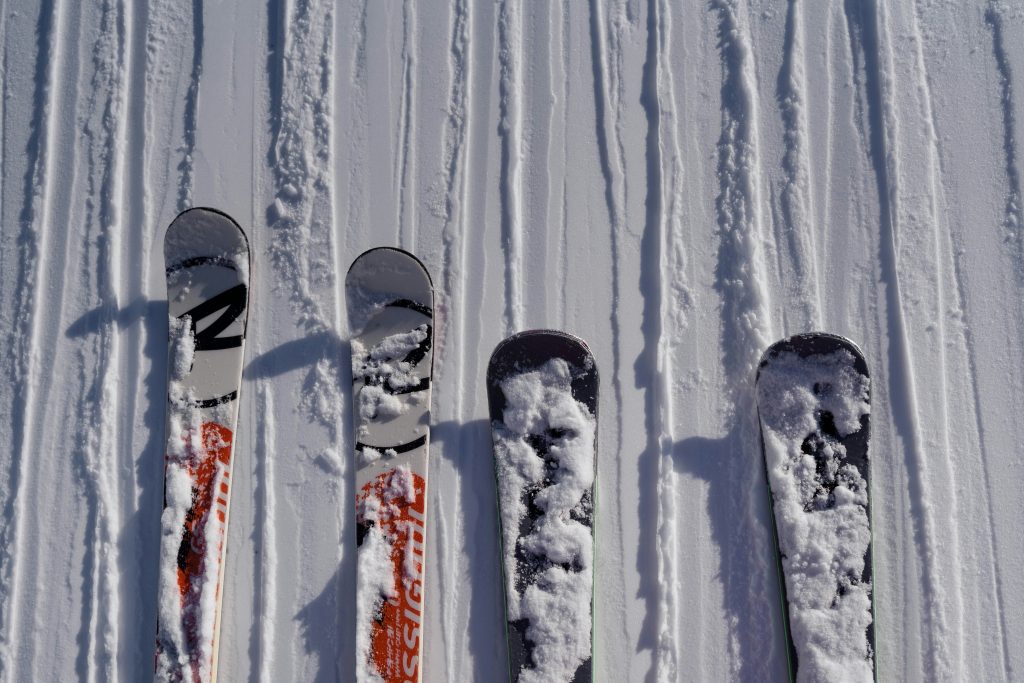
Early season in Italy often means lots of snowmaking. Man-made snow tends to be harder and more abrasive, which means it can wear wax off faster and leave bases feeling dry.
The typical problem
Skis feel decent in the morning
Then slowly feel more “dead” as the day goes on
You waxed recently… but it doesn’t feel like it lasted

What helps most
Use a durable cold-to-mid hot wax as your “workhorse” layer
Wax more often than you would in mid-winter natural snow
Brush properly (it matters!)
And if you do get a cold fresh snowfall in December: a very soft warm wax can feel grabby because sharp crystals can bite into it. That’s why a slightly harder winter wax usually makes sense for this month.
2) February in the Alps: the “mixed winter” sweet spot
February is often a mix of:
Cold mornings
Sun-softened afternoons
Groomed runs + some natural snow
The typical problem
Skis feel great one day, slow the next
Conditions swing enough that a single “universal” wax feels hit-or-miss
What helps most
This is where a simple two-wax mindset works:
A mid-range all-round hot wax for most days
Swap to a colder wax when it’s truly cold and squeaky (especially with fresh snow)
You don’t need five waxes. You need the right direction (colder vs warmer) for the snow you’re actually skiing.
3) April in the Canadian Rockies: spring snow, moisture… and suction
April is when many skiers suddenly think something is wrong with their skis.
Nothing is wrong. The snow changed.
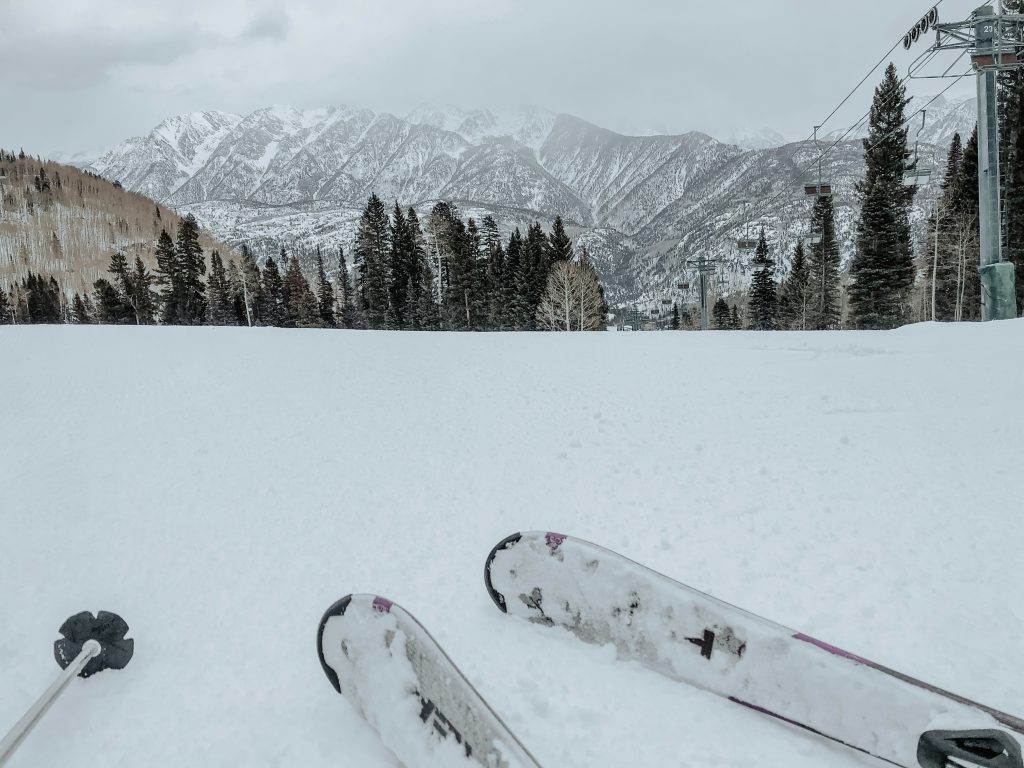
As temperatures rise, snow crystals round off and free water appears. Now your base isn’t only sliding on crystals—it’s also dealing with a thin water layer that can create suction (that sticky, slow feeling).
The typical problem
Fast early
Sticky after lunch
Worst on flatter sections and run-outs
What helps most (the spring formula)
1) Warm/wet wax
Choose a wax designed for warmer temps and wetter snow. This is the single biggest improvement most skiers feel in spring.
2) Structure (the secret weapon)
In wet snow, structure becomes crucial:
Fine structure = best for cold snow
Linear/coarser structure = better for wet spring snow because it channels water away and reduces suction
If you ski spring conditions often, asking a shop for a spring/wet structure can be a game-changer.
Bonus field hack: bring a small warm rub-on wax for quick top-ups at lunch on changeable days.

A realistic wax strategy for your season (Italy Dec/Feb + Rockies April)
Here’s a simple “capsule wardrobe” that covers your whole winter without overthinking:
The minimal 3-wax kit
Durable cold-to-mid hot wax → December man-made + colder days
Mid-range all-round hot wax → February mixed conditions
Warm/wet spring hot wax → April Rockies (and any warm, damp days)
The habit that matters most
If you ski lots of man-made snow: wax more frequently. Abrasive snow strips wax quickly, and a dry base is a slow base.
Quick checklist: if your skis feel slow…
Cold, squeaky snow? Go colder/harder on wax.
Man-made, hardpack, lots of grooming? Use durable hot wax and wax more often.
Warm, damp, spring-like? Go warm/wet wax + consider more structure to fight suction.
Start planning your next trip!
If looking to stay in the heart of the Mont Blanc Valley in the Aosta Valley, check the direct booking for Il Coure della Valdigne here. This is our own family home in the mountains, that I am renting out when not using.

Il Cuore della Valdigne. Book your lodging directly with me here.Il Cuore della Valdigne. Stay at the Heart of the Valdigne to ski in Courmayeur, La Thuile and Pila/Aosta.
If you prefer, you can also book my apartment through Booking.com
Booking might be cheaper if you have Genius status!
Check my Mountain Art on my Shop
You can go to my shop and see what have been inspiring me lately, lots mountain landscapes in soft pastels, and now in oils too. Go here to check my latest works!
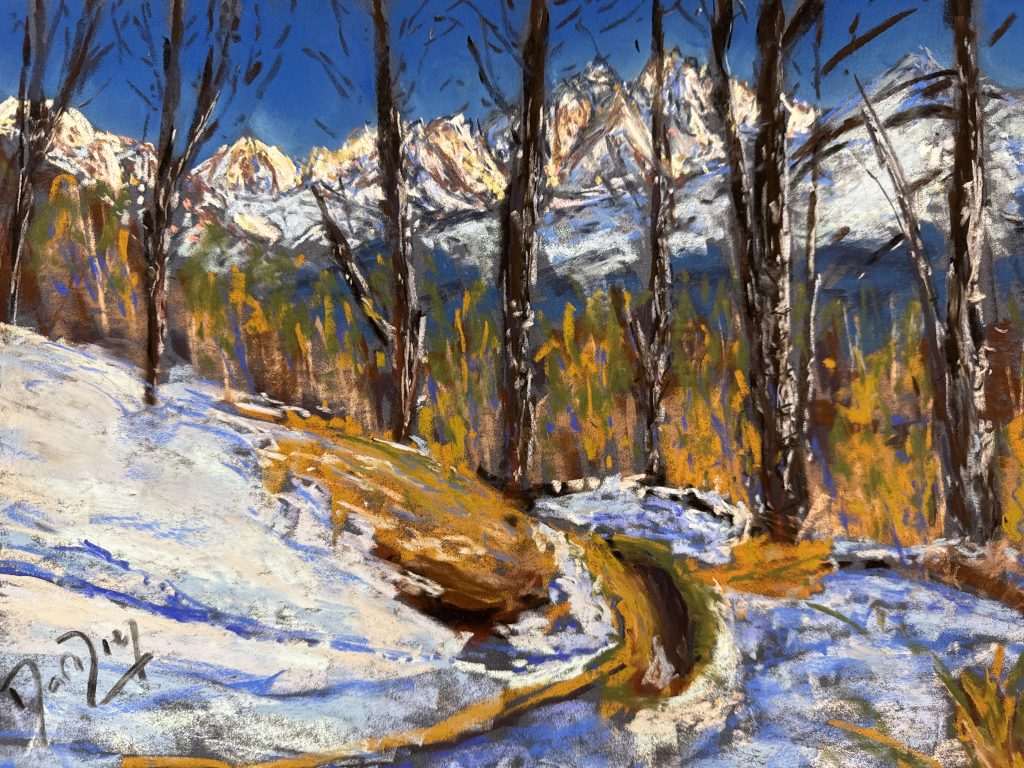
If interested in me doing a special commission for you, let’s talk!
Featured Image: The Science of Ski Wax: How to Glide on Man-Made Snow, Fresh Powder, and Sticky Spring Slush. Photo: Boris Misevic. Unsplash.


Discover more from The-Ski-Guru
Subscribe to get the latest posts sent to your email.
 Subscribe to The-Ski-Guru here.
You must be logged in to post a comment.