


Avalanche Danger Levels Explained: What Level 3 “Considerable” Really Means
After many avalanche accidents, reports often mention that the danger level was “3 – Considerable.”
This confuses many skiers — especially because Level 3 is not the highest rating.
In fact, most fatal avalanches occur at Level 3, making it one of the most misunderstood danger levels in the Alps.
Many accidents occur during periods shaped by extreme weather in the Alps, particularly when conditions change rapidly.
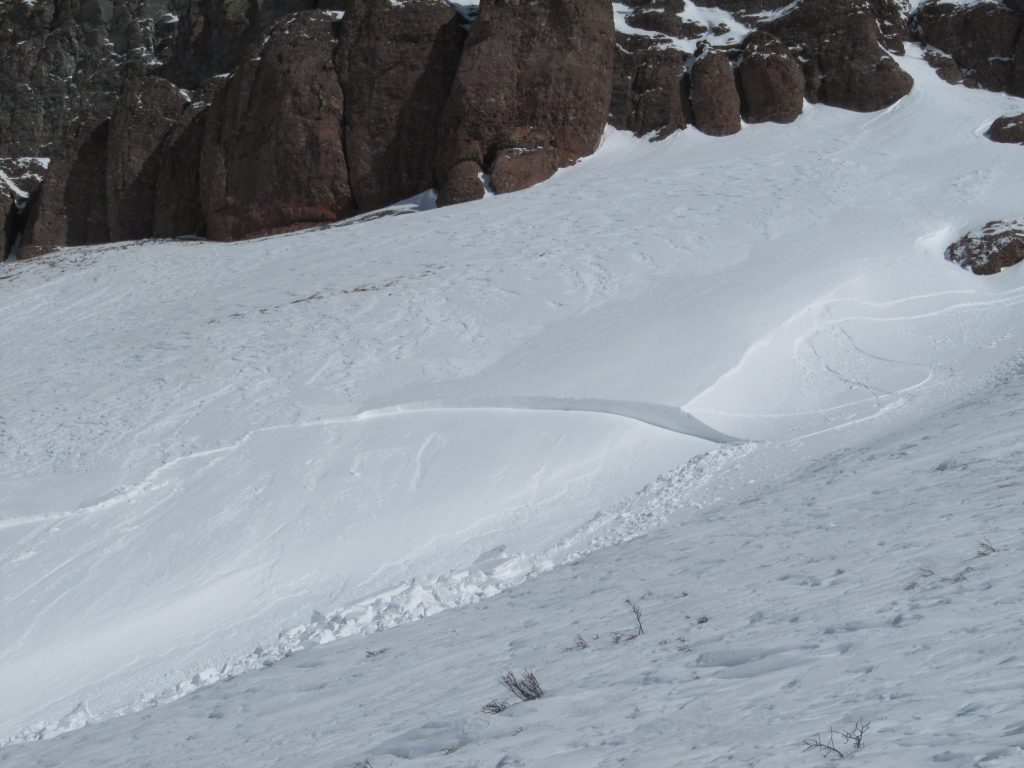
A recent example can be seen in this analysis of wind slab avalanches across the French Alps following strong winds and fresh snow, where multiple incidents were reported in Tarentaise and Maurienne.
Recent events continue to underline this pattern, including four fatalities in separate avalanches in northern British Columbia during Level 3 conditions, and in the French Alps avalanches during April 2026, where similar instability patterns were observed.
The European avalanche danger scale (1–5)
Avalanche danger in Europe is reported using the European Avalanche Danger Scale, which classifies conditions from Level 1 (Low) to Level 5 (Very High).
- Level 1 – Low
- Level 2 – Moderate
- Level 3 – Considerable
- Level 4 – High
- Level 5 – Very High
While Level 4 and 5 sound more dramatic, they are often associated with obvious danger, closed areas, and fewer people skiing.
For readers seeking a full breakdown of what Level 4 avalanche danger means and how it affects safety and travel choices, see what Level 4 avalanche danger means.
Level 3 is different.
Continue reading “Avalanche Danger Levels Explained: What “Level 3 – Considerable” Really Means”
 Subscribe to The-Ski-Guru here.
You must be logged in to post a comment.