Most skiers assume that if a run is open, it is avalanche-proof. In reality, ski resorts reduce avalanche risk dramatically — but they cannot eliminate it completely, especially during Level 4 (Strong) and Level 5 (Very Strong) danger periods on the European avalanche danger scale.
During recent Alpine storm cycles, including February 2026, several incidents raised an important operational question: how can an avalanche reach or cross an open piste — and what systems are supposed to prevent that?
This explainer walks through the real-world avalanche control toolkit used by Alpine resorts, and what “extreme conditions” mean for in-bounds safety.
What Is PIDA?
In France, avalanche control on or near ski slopes is typically organised under a PIDA:
Level 5 avalanche danger is classified as “Very High” on the European Avalanche Danger Scale. It represents the most extreme level of avalanche risk and is issued only in rare and severe conditions.
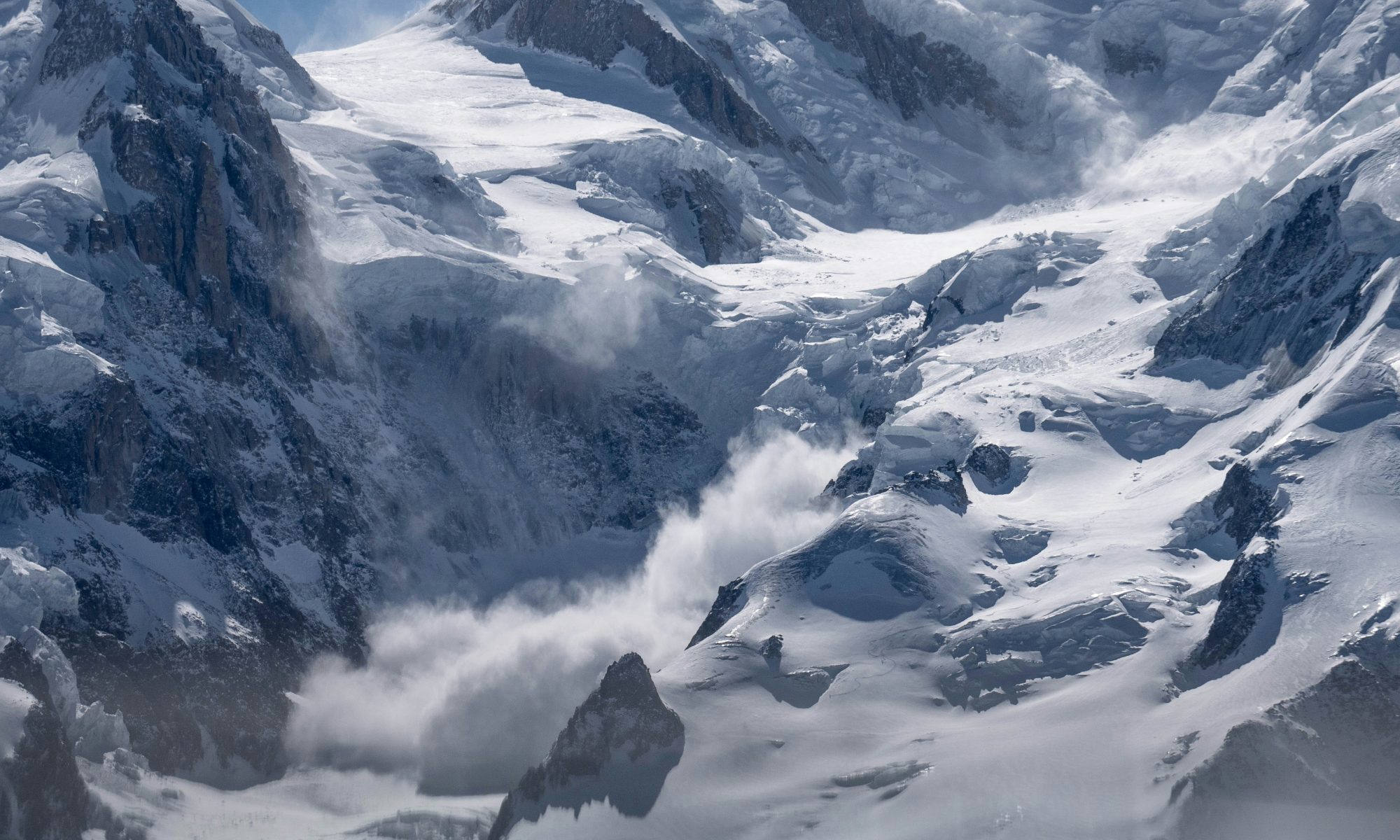
When authorities declare Level 5, widespread natural avalanches are expected — including large, destructive slides that can reach valley floors and infrastructure.
Many accidents occur during periods shaped by extreme weather in the Alps, particularly when conditions change rapidly.
The European Avalanche Danger Scale (1–5)
Avalanche danger in Europe is rated from 1 to 5:
1 – Low 2 – Moderate 3 – Considerable 4 – High 5 – Very High
Level 5 is the highest and rarest classification.
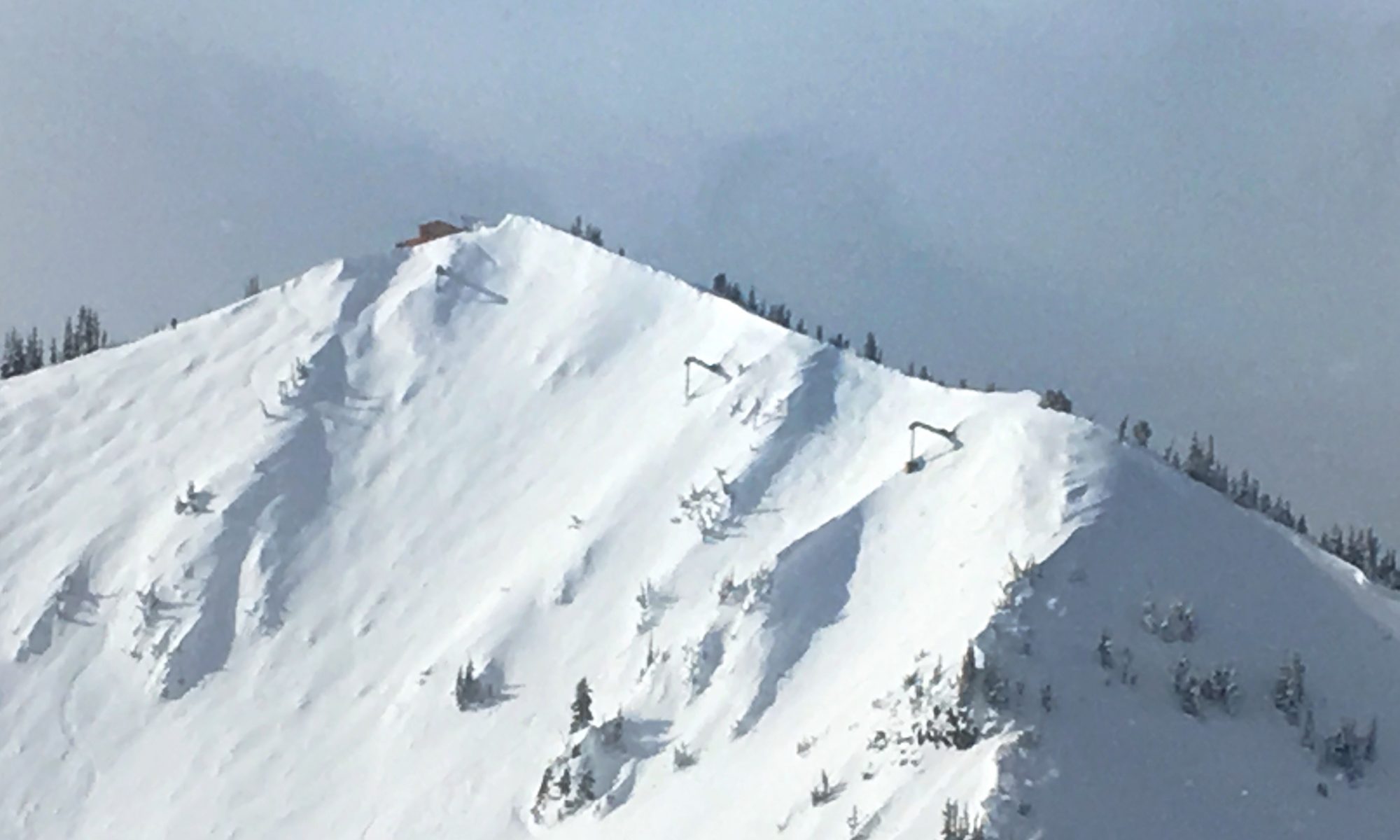
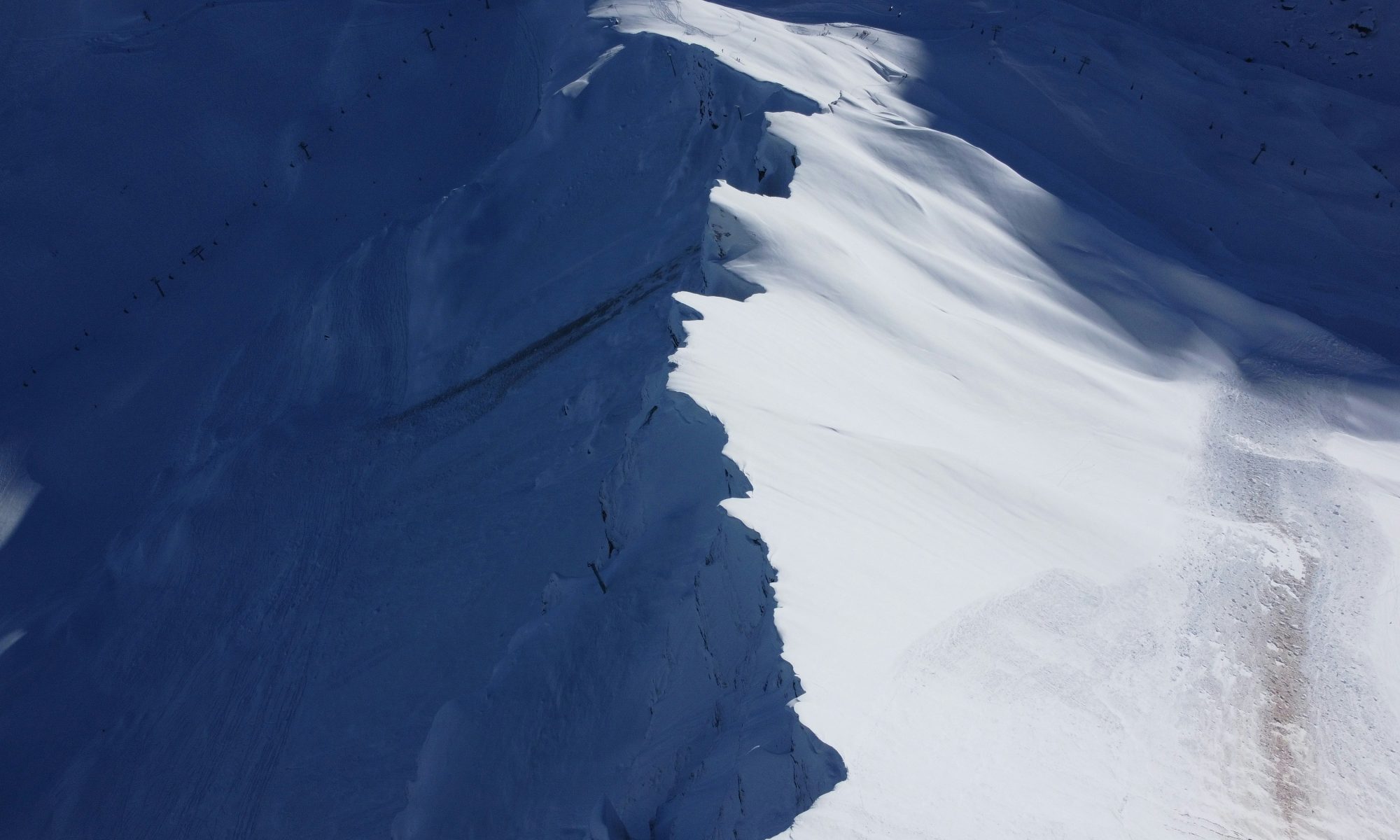
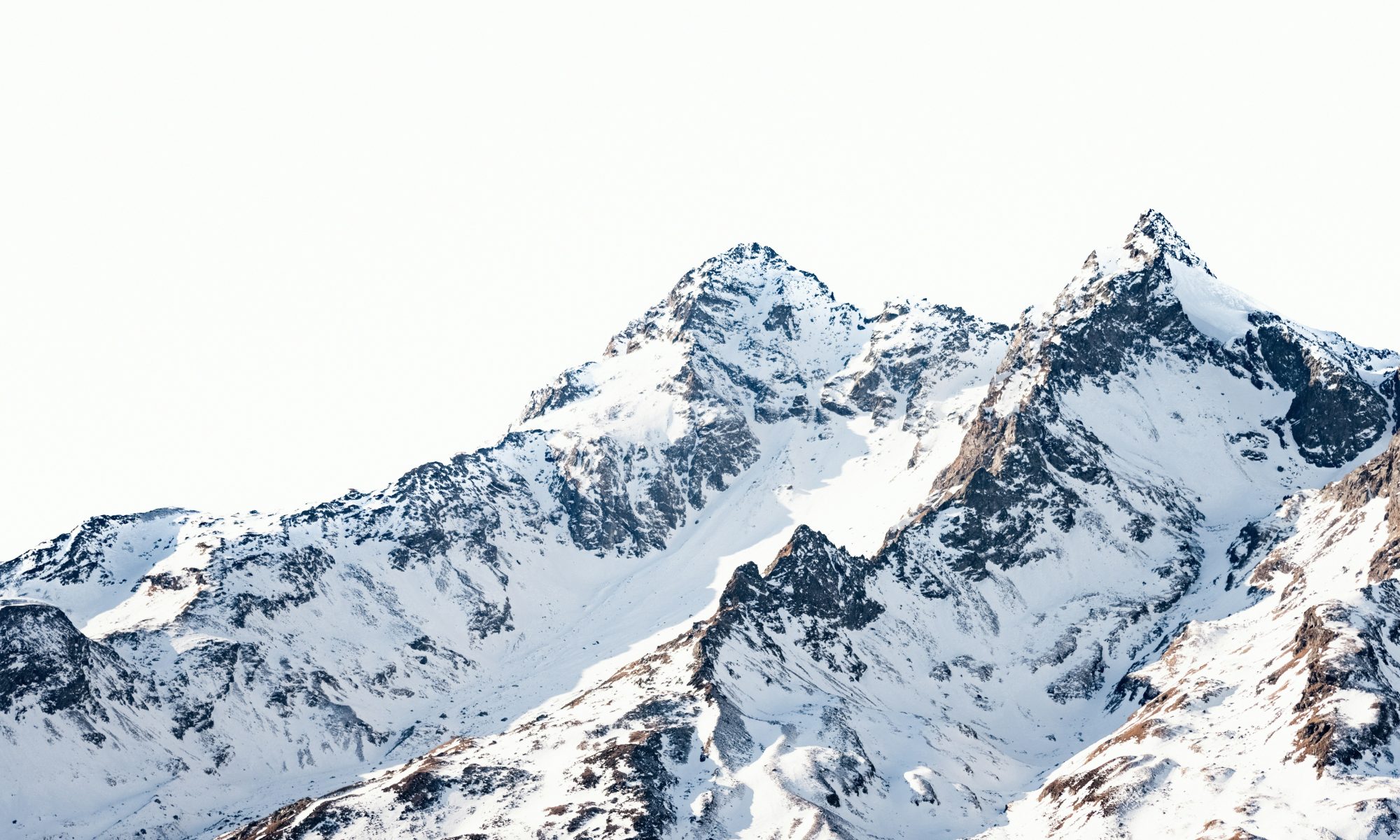
Wind slab. Scottish Avalanche Information Service. Sais.gov.
What Happens at Level 5?
Under Level 5 conditions:
Numerous natural avalanches are expected
Very large and destructive avalanches are likely
Avalanches may reach roads, forests, ski runs and buildings
Travel in alpine terrain becomes extremely dangerous
Even low-angle slopes may be unstable
Unlike Level 4, where human-triggered avalanches are very likely, Level 5 means the snowpack is so unstable that avalanches occur naturally and widely without human involvement.
What Level 5 Means for Skiers and Visitors
At Level 5:
✔ Off-piste travel should be avoided entirely ✔ Backcountry touring is strongly discouraged ✔ Some ski resorts may close terrain or entire sectors ✔ Roads and mountain passes may shut due to avalanche risk ✔ Controlled blasting and mitigation efforts intensify
Authorities may issue emergency alerts during Level 5 situations.
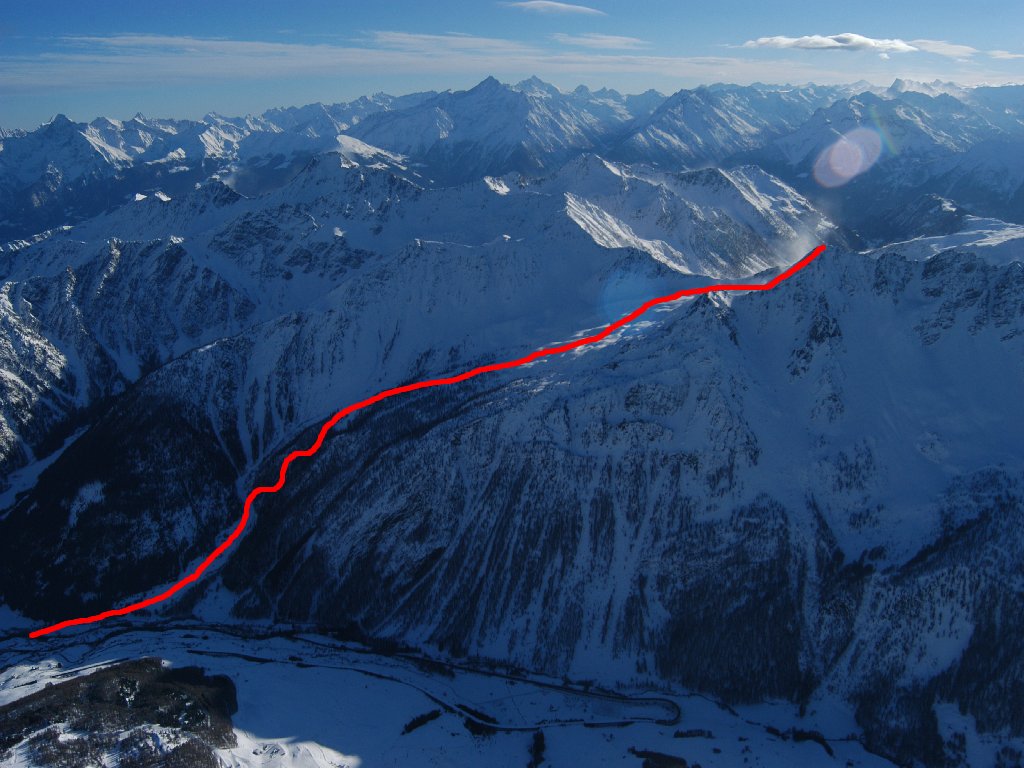
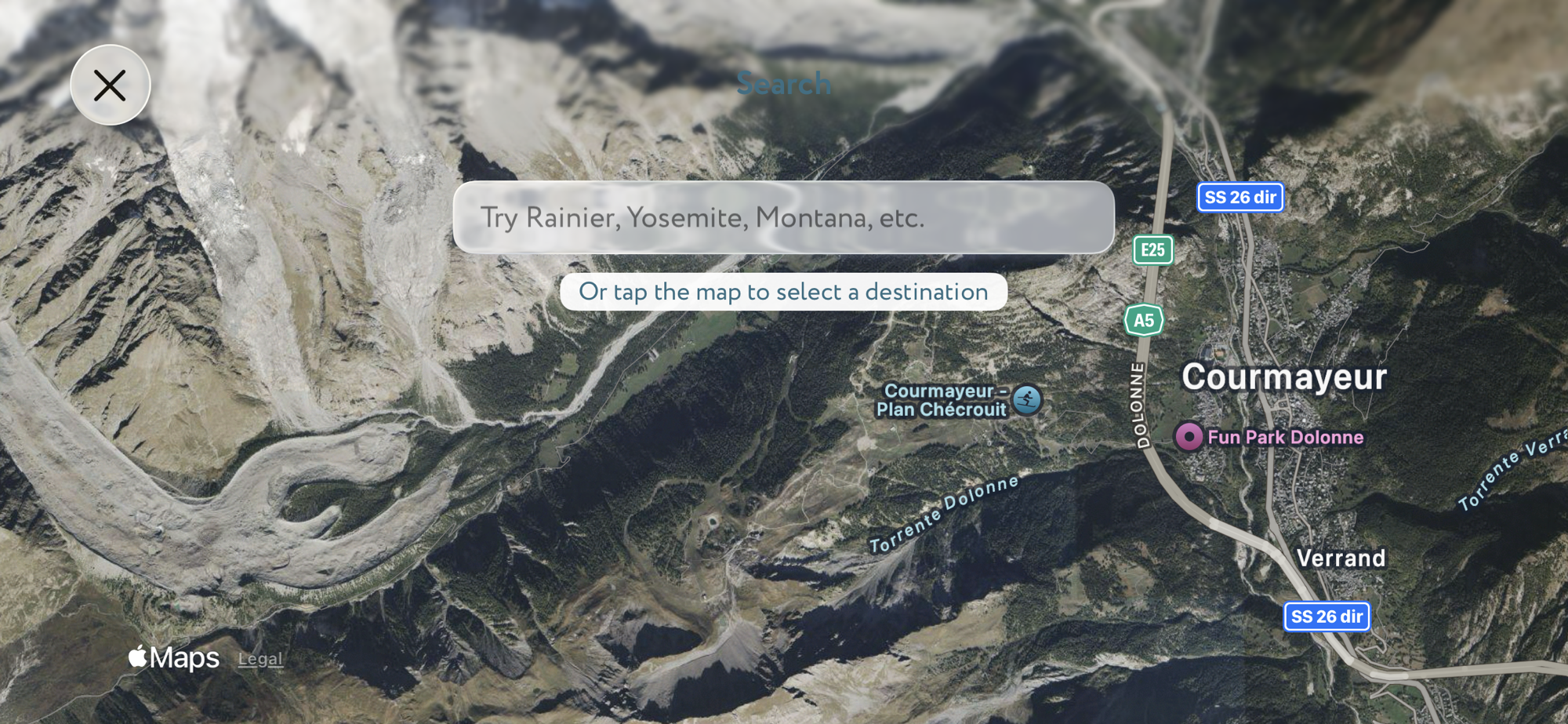
Skiing in Courmayeur. Aretu Wall. In my shop here.
Level 4 avalanche danger is classified as “High” on the European Avalanche Danger Scale. It indicates a very unstable snowpack and a significant probability of both natural and human-triggered avalanches.
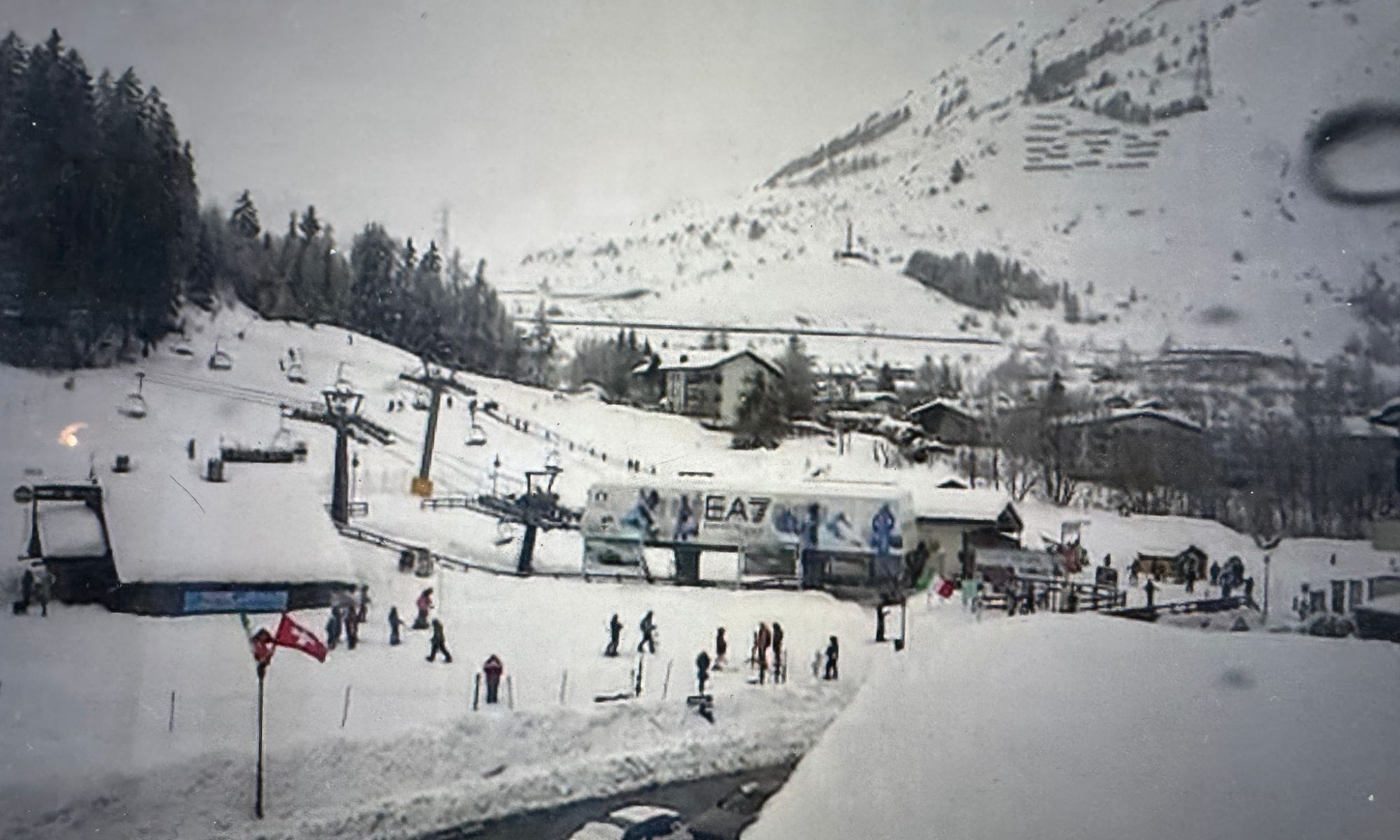
An avalanche occurred today at Punta Valletta, above the resort of Pila in the Aosta Valley, involving two ski mountaineers.
According to local reports, the avalanche was triggered shortly after 14:15. Both skiers were caught and temporarily buried.
They were rescued by the Soccorso Alpino Valdostano and transported by helicopter to the Ospedale Parini in Aosta. Fortunately, neither sustained serious injuries and they were expected to be discharged.
Punta Valletta is a well-known ski touring objective above Pila, frequently accessed by experienced ski mountaineers seeking terrain beyond the marked ski area boundaries.
While full technical details of the snowpack at the exact release point have not yet been officially published, the incident once again highlights how unstable layers and wind-loaded slopes can persist even when conditions appear manageable.
An avalanche struck above Madesimo in the Lago Nero area of Valchiavenna on Sunday, February 15, 2026, involving four people travelling by snowmobile.
According to Italian media reports, three individuals have been rescued alive, while one person remains missing. Search and rescue operations are ongoing at the time of publication.
Authorities have not yet released the identities of those involved.
Incident Overview
The avalanche occurred in a mountainous area above Madesimo, in the province of Sondrio (Lombardy), near Lago Nero — a zone known for winter recreation but also exposed to avalanche risk following heavy snowfall.
A third skier has died following the avalanche in Val Veny, bringing the confirmed death toll to three.
Authorities have now identified the victims as:
Hugo Neuville, 31, of Chamonix
Quentin Philippe, 29, of Chamonix
Alexis Rassat, 35, of Chamonix
Rassat died on Monday at San Giovanni Bosco hospital in Turin after being critically injured. The three were described in local reporting as experienced freeriders familiar with the terrain.
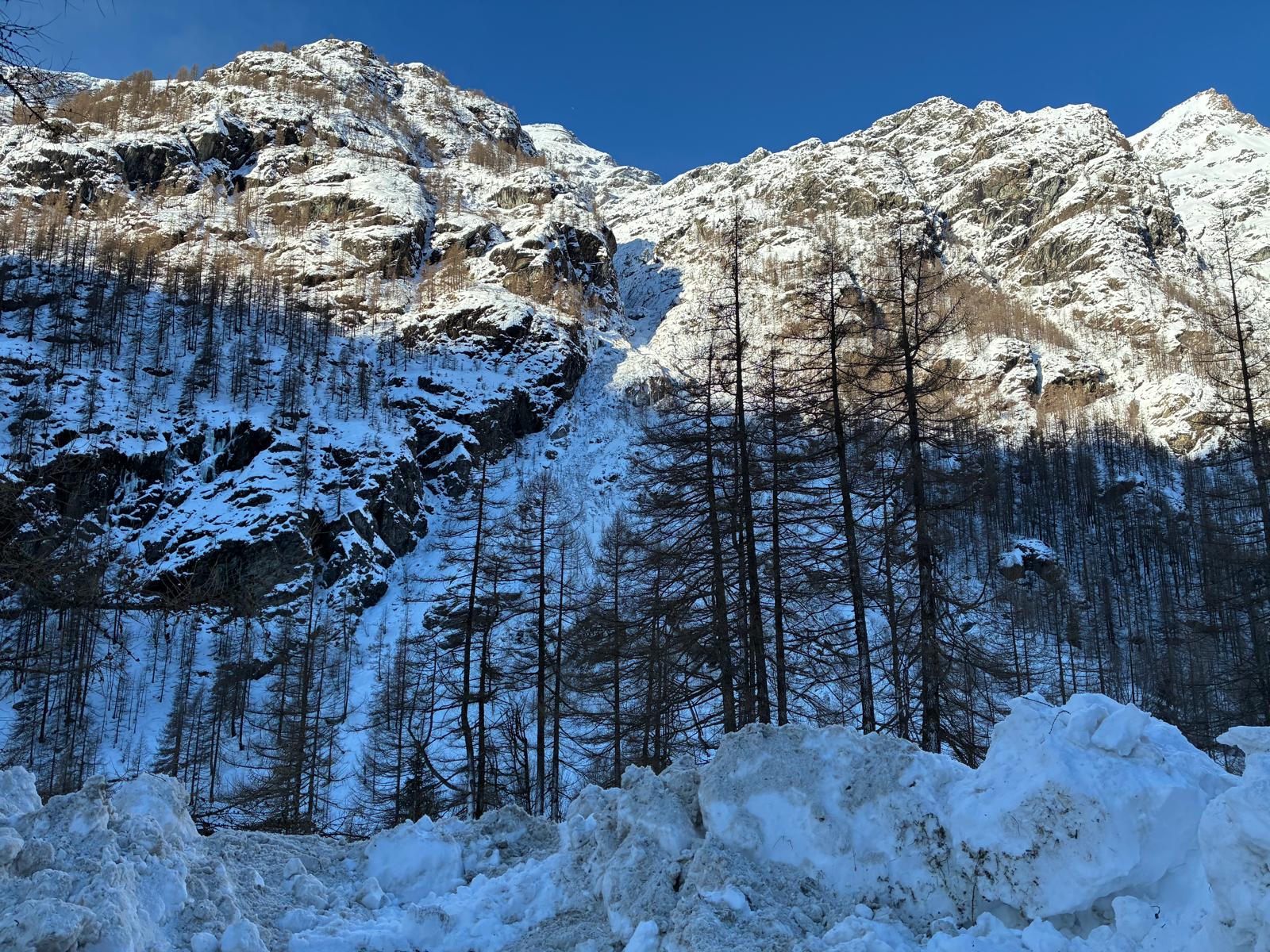
An avalanche occurred on the morning of Sunday, February 15, 2026, above Courmayeur, in the upper reaches of Val Veny, on the southern side of the Mont Blanc.
According to initial reporting by Corriere della Sera (Torino edition), several off-piste skiers were caught in a slide in the steep terrain known as the Canale del Ves, a well-known freeride couloir outside marked pistes.
At the time of publication, no fatalities or confirmed injury details have been officially released for this February 15 event. Rescue operations were still ongoing as regional authorities assessed the situation.
⸻
Rescue Response
The Soccorso Alpino Valdostano responded to the scene alongside emergency services.
The Canale del Ves lies outside controlled ski-area boundaries and requires full avalanche awareness and equipment. Helicopter access and avalanche safety protocols are standard in such terrain, though weather and snowpack conditions can complicate rescue efforts.
Further official updates are expected from regional authorities.
⸻
Terrain & Avalanche Context
Val Veny is a lateral valley southwest of Courmayeur, beneath the southern slopes of the Mont Blanc massif. The Canale del Ves is a steep alpine couloir that descends toward the valley floor and is popular with experienced freeriders.
This terrain is:
• Steep and exposed
• Frequently wind-loaded after storms
• Outside patrolled ski area limits
• Subject to avalanche hazard during unstable snowpack periods
Recent avalanche bulletins for the Aosta Valley indicated elevated avalanche danger around mid-February following heavy snowfall and wind transport at higher elevations.
Skiers venturing off-piste are responsible for assessing avalanche conditions, carrying rescue equipment (transceiver, probe, shovel), and making independent terrain decisions.
⸻
Confirmed Facts So Far
✔ Avalanche occurred on February 15, 2026
✔ Location: Val Veny above Courmayeur
✔ Off-piste terrain (Canale del Ves)
✔ Rescue operations launched
Not yet confirmed:
❌ Number of skiers involved
❌ Injury severity
❌ Fatalities
This article will be updated as soon as official information becomes available.
⸻
SEO FAQ
Where did the Courmayeur avalanche happen?
The avalanche occurred in Val Veny above Courmayeur, specifically in a steep off-piste couloir known as the Canale del Ves.
Were there fatalities in the February 15, 2026 Courmayeur avalanche?
As of the latest official reports, no fatalities or confirmed injury details have been released. Rescue operations were ongoing at the time of publication.
Is Canale del Ves inside the ski area?
No. The Canale del Ves is outside marked and controlled ski runs. It is considered off-piste terrain and carries inherent avalanche risk.
What was the avalanche danger level in the area?
Regional avalanche bulletins indicated elevated danger in the Aosta Valley around mid-February following recent snowfall and wind loading at higher elevations.
This article has been updated to reflect the confirmed death of a third skier.
If you’re heading to the Aosta Valley, take a look at Il Cuore della Valdigne, our family-owned apartment in Morgex, available for rent when we’re not using it ourselves.
You can go to my shop and see what have been inspiring me lately, lots mountain landscapes in soft pastels, and now in oils too. Go here to check my latest works!
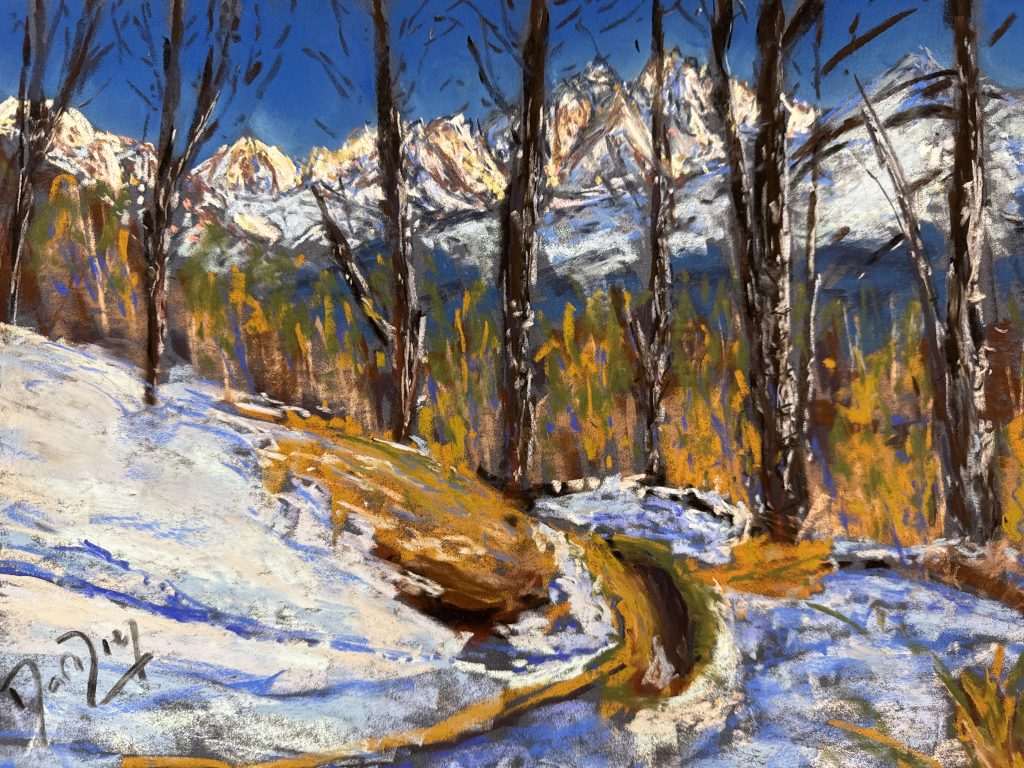
The View from the path from Challancin to Morge 1. Soft pastels on pastel paper (30 cm x 40 cm) Check my mountain art in my shop here.
An avalanche fatality has been reported in Airolo, Switzerland, adding to a series of serious avalanche incidents across the western Alps during a period of heightened snow instability.
Authorities confirmed that one person died following an avalanche in the Airolo area. Further details about the circumstances and terrain are still emerging.
The incident comes amid elevated avalanche danger levels in multiple Alpine regions after recent heavy snowfall and wind transport.
📍 Incident Summary
Location: Airolo, Canton Ticino, Switzerland Date: [Insert confirmed date] Type: Avalanche Casualties: 1 fatality confirmed Terrain: Mountain terrain near Airolo (details pending official clarification) Source: Swiss local reporting / authorities
More official information will be added as it becomes available.
A dramatic rescue operation unfolded on 13 February 2026 after a 44-year-old hiker was caught by a large avalanche above Gressoney-La-Trinité in the Aosta Valley. Trapped for around three hours under about 1.5 metres of snow, the man managed to call Italy’s emergency number 112 before losing movement — a call that would become the critical lifeline leading to his survival.
Rescue teams, including Alpine rescuers, the Guardia di Finanza avalanche dog unit, vigili del fuoco (firefighters), forest rangers, drones and specialised search crews, worked through challenging conditions to locate and extract him. When finally freed, his body temperature was around 27 °C and he was suffering from severe cold exposure. He was flown to the hospital in Aosta and is now reported to be in stable condition.
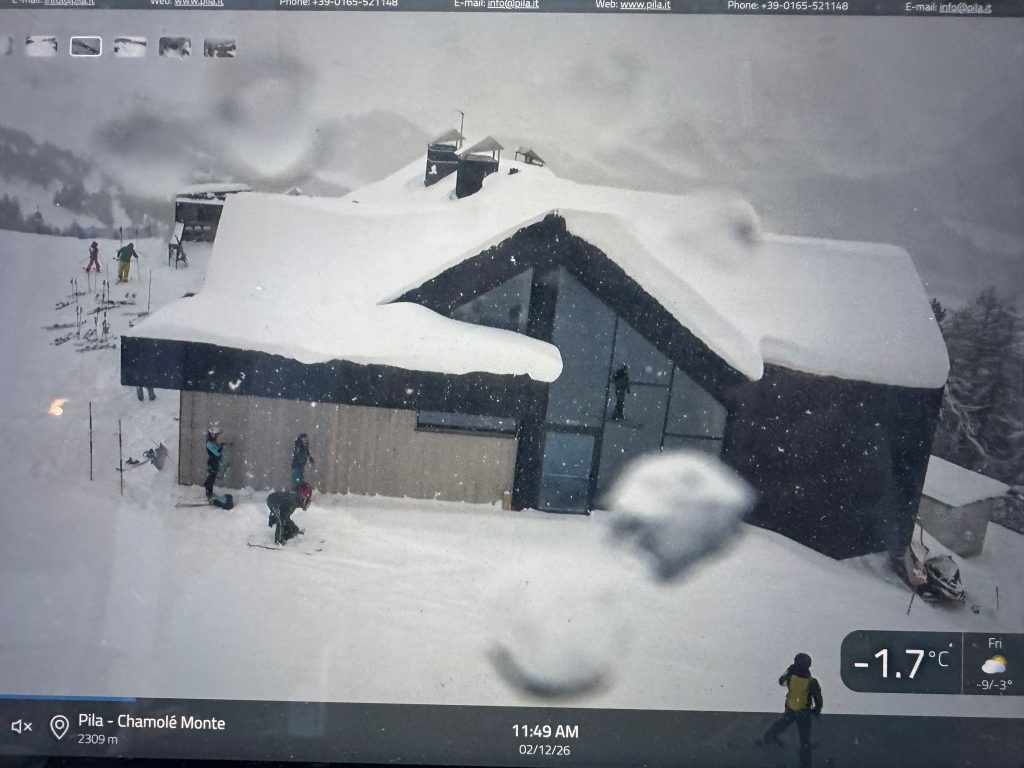
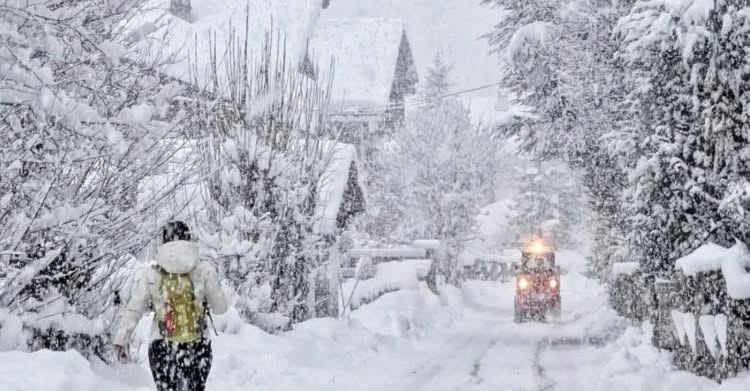
In just 48 hours, parts of western Valle d’Aosta were transformed into a deep mid-winter landscape, with storm totals reaching a full metre near Courmayeur.
A powerful western snowstorm delivered exceptional snowfall across the Mont Blanc sector between 10–11 February 2026, rapidly loading the snowpack across western Valle d’Aosta.
Authorities in Valle d’Aosta have issued a Level 4 – High avalanche danger for Thursday 12 February 2026.
According to Fondazione Montagna Sicura and the regional bulletin published in coordination with AINEVA, conditions are considered critical in many sectors, particularly along:
The French border
The Swiss border
Mont Blanc and western valleys
Affected areas include:
Cervinia, Valtournenche, Valsavarenche, Val di Rhêmes, Val Veny, Valgrisenche, Morgex–La Salle, Val Ferret, La Thuile, Gran San Bernardo (Ollomont), and parts of Valpelline.
What Level 4 Means
Level 4 (“High”) indicates:
Natural avalanches are likely
Large avalanches possible
Triggering is very likely on many steep slopes
Critical situation in specific sectors
This level is rare and should be treated seriously.
Similar elevated avalanche conditions have been reported across parts of the French Alps near the border, according to Météo-France.
Aosta Valley avalanche danger is rising rapidly as fresh snowfall, strong winds and weak layers combine to create a phase of marked instability across the region, according to official monitoring services.
Current avalanche situation
According to Fondazione Montagna Sicura and AINEVA, the snowpack in the Aosta Valley is entering a critical phase, with avalanche danger expected to increase further over the coming days.
Snowfall has been ongoing since Tuesday, with peak accumulations expected by Thursday. In the north-western sectors of the region, fresh snow totals may exceed 1 metre above 1,600 m.
### Local civil protection alert (Aosta Valley): According to local authorities cited by Aosta Sera, an **official weather and avalanche alert**is in place across parts of the Aosta Valley as snowfall and strong winds intensify. An initial **yellow alert (ordinary criticality)** is expected to escalate to an **orange alert (moderate criticality)** by Wednesday, with affected areas including Valdigne, Gran Paradiso, Gran San Bernardo and Valtournenche. Forecasts indicate up to **35–40 cm of new snow around 1,500 m**, with wind transport further increasing avalanche risk.
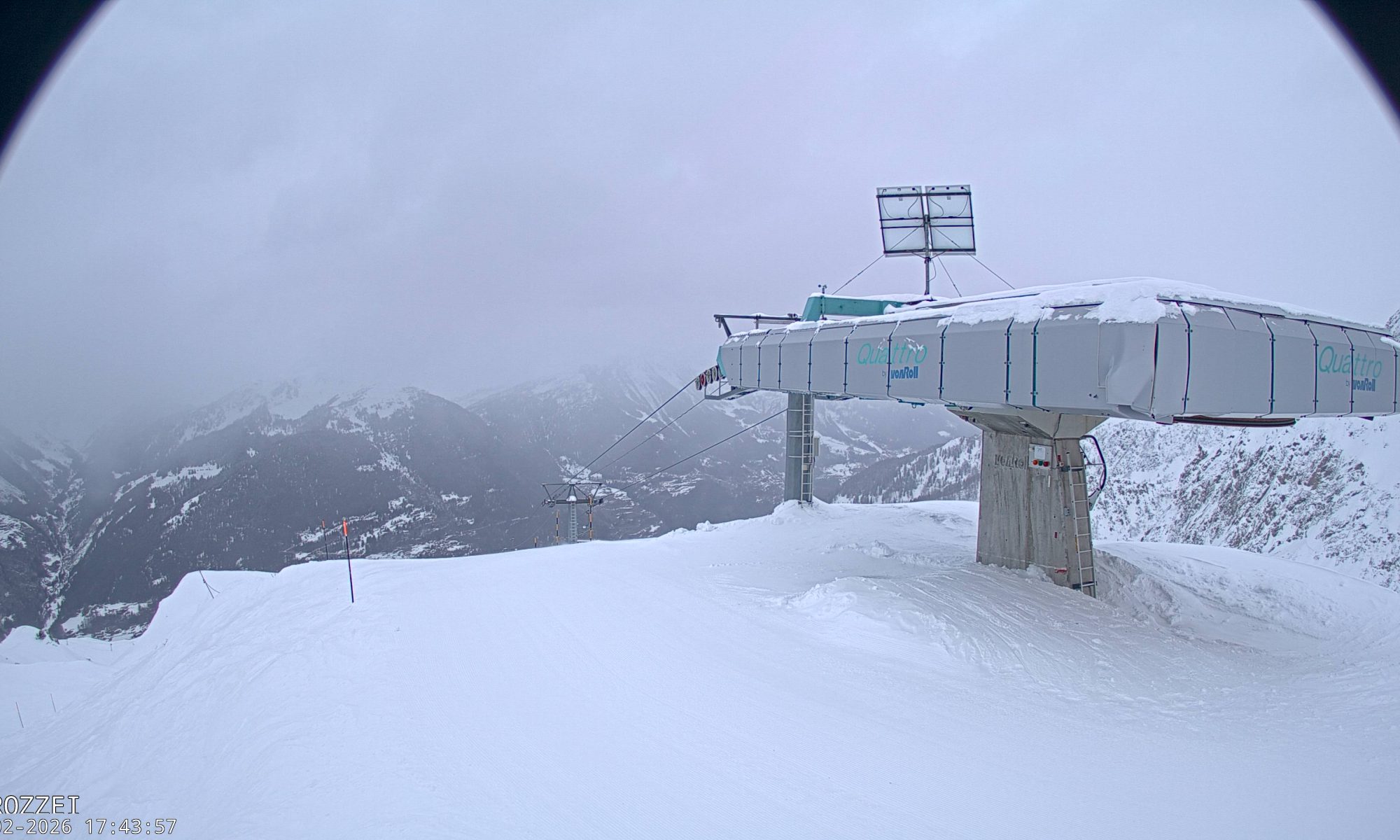
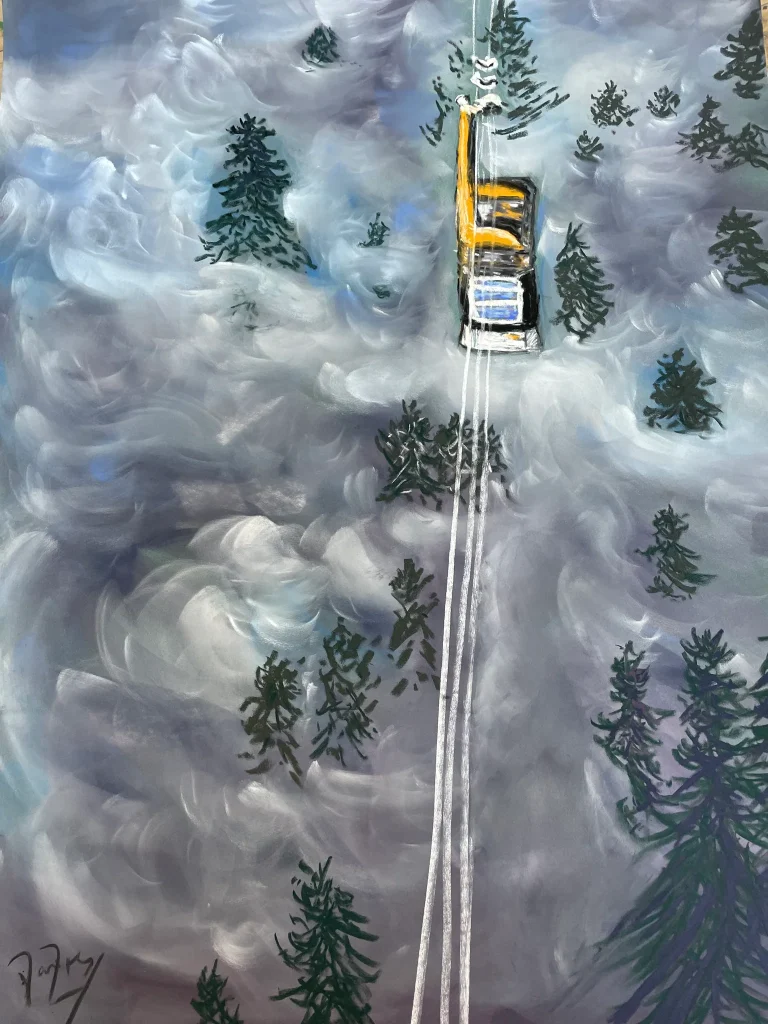
Funicular within the clouds, which is exhibiting at Chalet Svizzero in Courmayeur, is for sale in my shop here.
Enjoyed this post? Get my latest ski guides, weather insights, resort updates and travel tips directly in your inbox. Subscribe to The-Ski-Guru here.
Manage Cookie Consent
To provide the best experiences, we use technologies like cookies to store and/or access device information. Consenting to these technologies will allow us to process data such as browsing behavior or unique IDs on this site. Not consenting or withdrawing consent, may adversely affect certain features and functions.
Functional
Always active
The technical storage or access is strictly necessary for the legitimate purpose of enabling the use of a specific service explicitly requested by the subscriber or user, or for the sole purpose of carrying out the transmission of a communication over an electronic communications network.
Preferences
The technical storage or access is necessary for the legitimate purpose of storing preferences that are not requested by the subscriber or user.
Statistics
The technical storage or access that is used exclusively for statistical purposes.The technical storage or access that is used exclusively for anonymous statistical purposes. Without a subpoena, voluntary compliance on the part of your Internet Service Provider, or additional records from a third party, information stored or retrieved for this purpose alone cannot usually be used to identify you.
Marketing
The technical storage or access is required to create user profiles to send advertising, or to track the user on a website or across several websites for similar marketing purposes.


 Planning your next trip to the Italian Alps?
 Ski in Courmayeur,
 Enjoy the mountains in summer (hiking, biking, nature)
 Subscribe to The-Ski-Guru here.
You must be logged in to post a comment.