Are Ski Resorts Becoming Too Concentrated? Antitrust Scrutiny Reaches the Ski Industry

Dolomiti Superski- 3 Zinnen Dolomiten- New Chairlift Mittelstation-Helm. Photo credit: Dolomiti Superski. Dolomiti Superski ski lifts as ski resort antitrust debate grows worldwide.

For decades, the ski industry has moved steadily towards larger resort groups, multi-resort passes and integrated mountain networks. Now, regulators on three continents are beginning to ask whether that growing concentration is reducing competition.

On 7 August, Italy’s competition authority closed its investigation into Dolomiti Superski after accepting commitments that include €30 million in compensation for skiers and, perhaps more significantly for the industry, changes to the way individual ski areas within the network coordinate prices and distribution.

The Italian decision comes just weeks after a proposed acquisition involving some of Chile’s largest ski resorts was abandoned following competition concerns, and only a day after another antitrust lawsuit was filed against several of the biggest ski operators in the United States.

Taken individually, the cases are very different. Together, however, they raise a broader question for the ski industry: as resorts increasingly consolidate into larger networks and multi-resort passes become the norm, how much competition remains between individual ski areas?

For skiers, the issue is simple: as lift ticket prices continue to climb, regulators want to know whether rising costs are being driven solely by inflation and investment—or whether reduced competition is also playing a role.

Continue reading “Are Ski Resorts Becoming Too Concentrated? Antitrust Scrutiny Reaches the Ski Industry”

Swiss Hotels Warn of Growing Dependence on Booking Platforms

Denis Emery - photo-genic.ch- Courtesy Crans Montana Tourism Office.

Swiss hotels are raising concerns about pricing control and the growing influence of online travel agencies (OTAs), highlighting a challenge that extends well beyond Switzerland and increasingly affects mountain destinations across Europe.

A recent survey by HotellerieSuisse found that around half of Swiss hotels have experienced some form of price undercutting on online booking platforms. Hotels report that rooms are sometimes offered online at lower rates than expected, often through complex distribution chains involving wholesalers, bed banks, affiliates and third-party resellers.

Continue reading “Swiss Hotels Warn of Growing Dependence on Booking Platforms”

Can Summer Tourism Save Mountain Resorts After a Difficult Winter?

The view just in the entrance to Lago d'Arpy- the view of the Catena di Monte Bianco. Photo: The-Ski-Guru. Can Summer Tourism Save Mountain Resorts After a Difficult Winter?

Western mountain destinations in North America are heading into summer 2026 with growing optimism after one of the most challenging winters in recent years. But behind the upbeat headlines, the picture is far more complicated.

New lodging data from Inntopia’s DestiMetrics division suggests that summer bookings across western mountain resorts are rising strongly after a weak and warm winter season. Occupancy, rates and revenues for the May-to-October period are currently ahead of last year. Yet the same data also reveals just how difficult the 2025/26 winter became for many mountain economies — and raises larger questions about whether summer tourism can really compensate for increasingly volatile winters.

This is not just a North American story. Across the Alps and other mountain regions worldwide, resorts are increasingly trying to diversify beyond skiing through hiking, biking, wellness, festivals and year-round tourism. But whether summer can truly replace winter revenue remains uncertain.

Continue reading “Can Summer Tourism Save Mountain Resorts After a Difficult Winter?”

Swiss Consumer Group Denounces Hidden Ski Ticket Price Increases

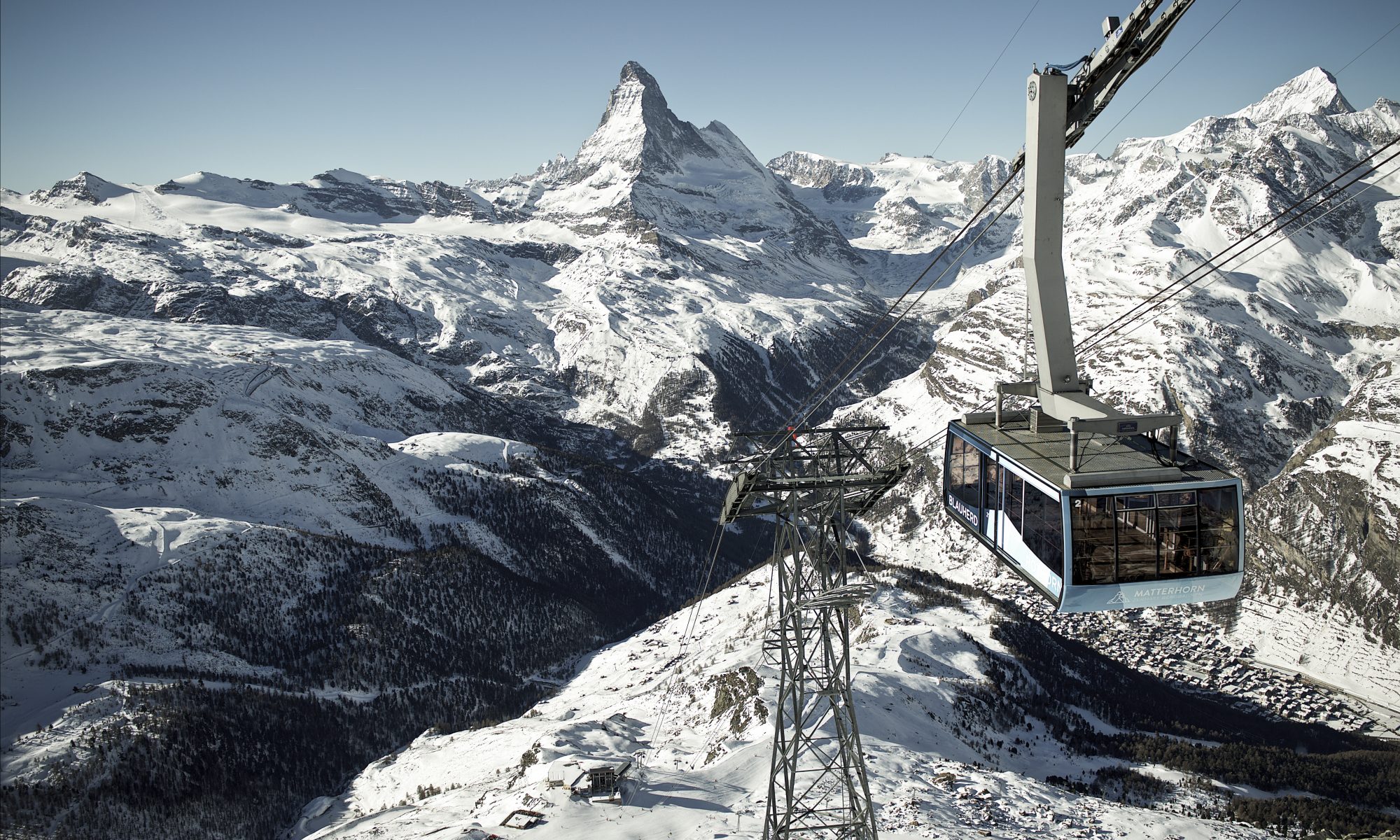
The Matterhorn, seen from Zermatt. Matterhorn Paradise photo. Rothorn. Ikon Pass to include Zermatt and Cervinia for the 2019/20 ski season.

Skiers planning a winter holiday in Switzerland may face less-transparent pricing models for lift tickets this season, according to recent reporting by Swissinfo. Consumer protection advocates are criticising the way many Swiss ski resorts sell tickets, saying that “dynamic pricing” systems can lead to hidden price increases without clear information for customers. 

Under these dynamic pricing schemes, ticket prices can vary depending on demand — meaning that on busier days or when lots of people are expected on the slopes, prices can rise sharply without clear caps or limits disclosed in advance. Critics argue that this system lacks transparency and can make it difficult for holidaymakers to know the true cost of a ski day before they book. 


Continue reading “Swiss Consumer Group Denounces Hidden Ski Ticket Price Increases”