Who Owns The Mountains? Why Some Ski Communities Are Pushing Back Against Consolidation

Flims Laax Falera photo: Irvin Aloise/Unsplash.

For more than a decade, one of the defining trends in the ski industry has been consolidation.

Large operators have expanded across North America and increasingly into Europe. Vail Resorts, Alterra Mountain Company, Compagnie des Alpes, Mountain Capital Partners and other groups have acquired resorts, developed pass alliances and built networks that span multiple destinations.

For many ski areas, access to capital has become essential. New lifts, snowmaking systems, mountain restaurants, summer attractions and employee housing projects often require investments that smaller operators struggle to fund.

This article is not arguing that local ownership is replacing consolidation. Rather, it examines a handful of recent examples where communities and local stakeholders have sought greater influence over the future of their ski resorts.

While consolidation remains the dominant trend, a small number of destinations are asking a different question:

Who should own the mountains?
Continue reading “Who Owns The Mountains? Why Some Ski Communities Are Pushing Back Against Consolidation”

Vail Resorts Faces New Park City Ski Patrol Arbitration and Epic Pass Tax Pressure

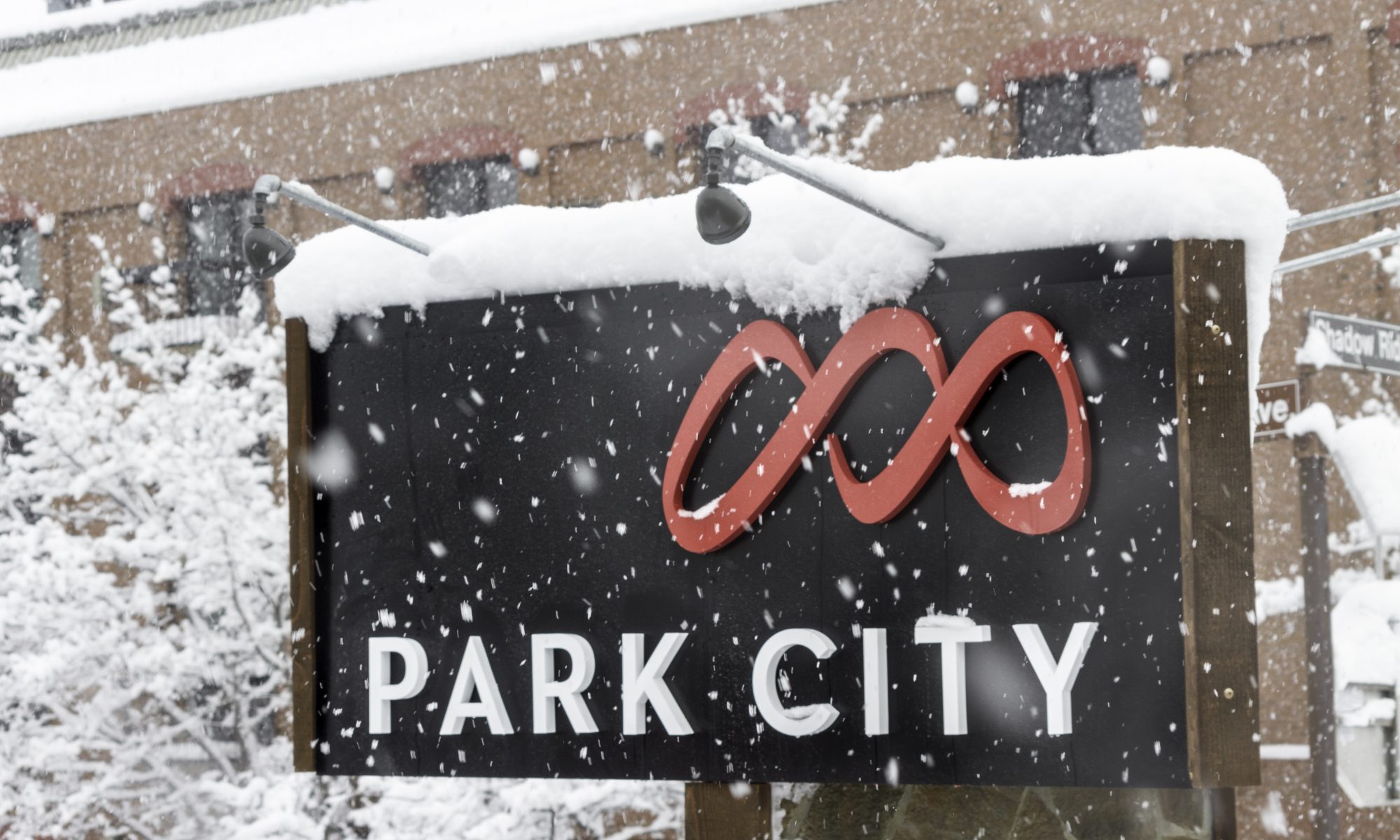
Park City signage. Photo: Andrew Braden. Park City Ski Resort. Vail Resorts.

Vail Resorts is facing another round of scrutiny in the United States, this time from two different directions: ski patrol workers in Park City and state officials in New Hampshire.

The new developments come after a difficult period for the company, which has already faced criticism over the 2024–25 Park City ski patrol strike, customer disruption during peak holiday weeks, broader legal scrutiny over ski pass pricing, and questions about how large corporate ski resort operators balance profitability, staffing and guest experience.

Now, the Park City Professional Ski Patrol Association has accused Vail Resorts of violating its collective bargaining agreement by offering a benefit to non-union ski patrollers that unionized patrols have not received. At the same time, New Hampshire officials have been challenging Vail Resorts over a controversial “blended sales tax” added to some Epic Pass products, despite New Hampshire being a state with no sales tax.

Together, the stories point to a wider issue for Vail Resorts: the company’s operating model is increasingly being challenged not only by workers, but also by customers, state officials and local communities.

Continue reading “Vail Resorts Faces New Park City Ski Patrol Arbitration and Epic Pass Tax Pressure”

Mountain Capital Partners Plans US$17.5 Million Investment to Modernise Chile’s La Parva and Valle Nevado

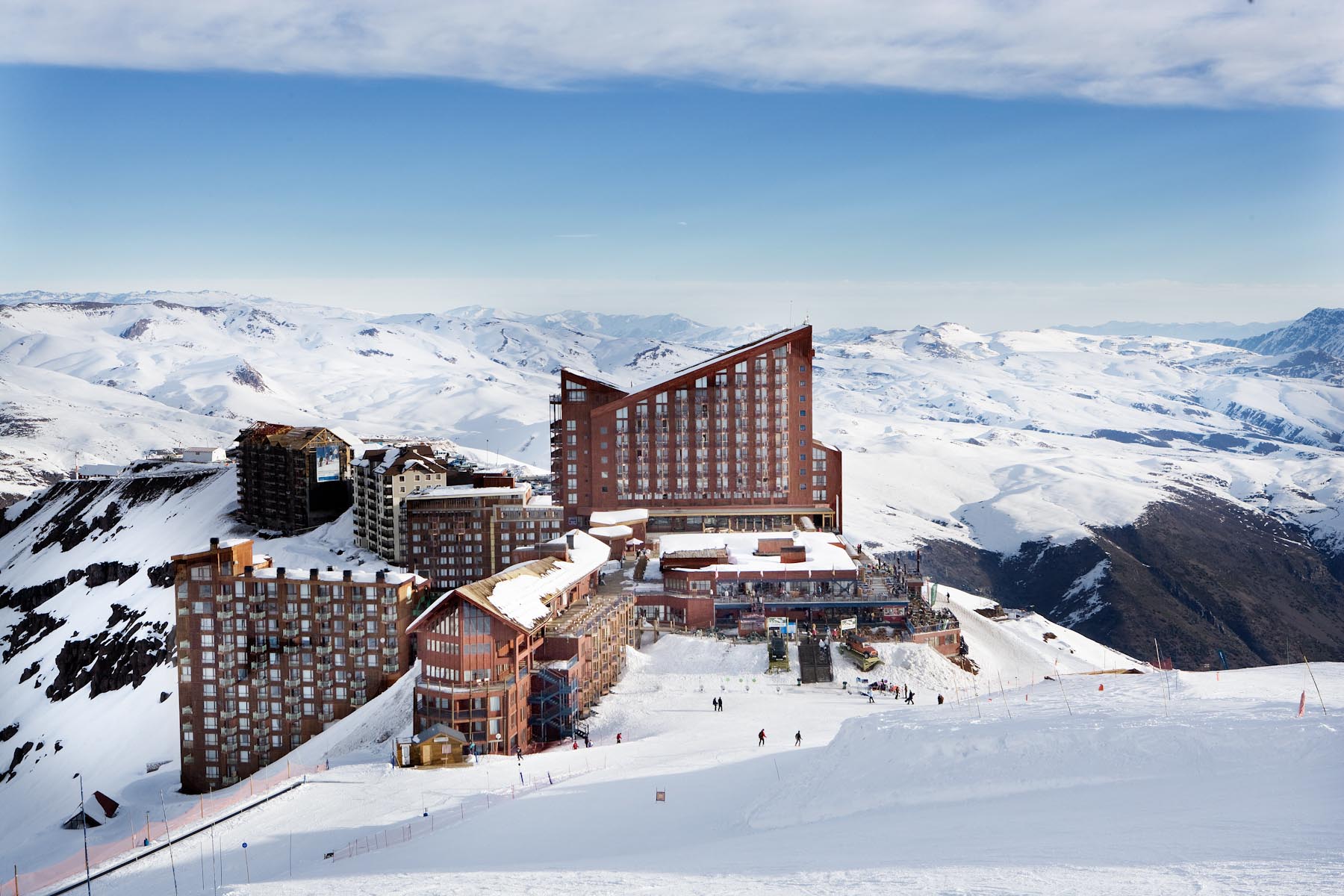
The Hotel Valle Nevado in the front, with the towering Puerta del Sol in the background. Photo courtesy Valle Nevado.

Mountain Capital Partners has announced plans for a major US$17.5 million investment aimed at modernising Chilean ski resorts La Parva and Valle Nevado, in what could become one of the most significant ski infrastructure projects in South America in recent years.

This is as part of a wider US$37.5 million capital-improvement programme across its portfolio.

Correction: An earlier version of this article stated that the planned investment was US$175 million. The correct figure is more than US$17.5 million for Valle Nevado and La Parva, as part of MCP’s wider 2026 capital-improvement programme.

The investment is designed to strengthen the connection and operational integration between the two resorts, creating a larger and more internationally competitive ski domain in the Andes above Santiago. The project reflects a broader global trend already visible across North America and parts of Europe, where ski operators are increasingly investing in interconnected terrain, upgraded lift systems, snowmaking infrastructure, and year-round destination appeal.

Continue reading “Mountain Capital Partners Plans US$17.5 Million Investment to Modernise Chile’s La Parva and Valle Nevado”

Giro d’Italia Returns to Val d’Aosta With Major Summit Finish in Pila

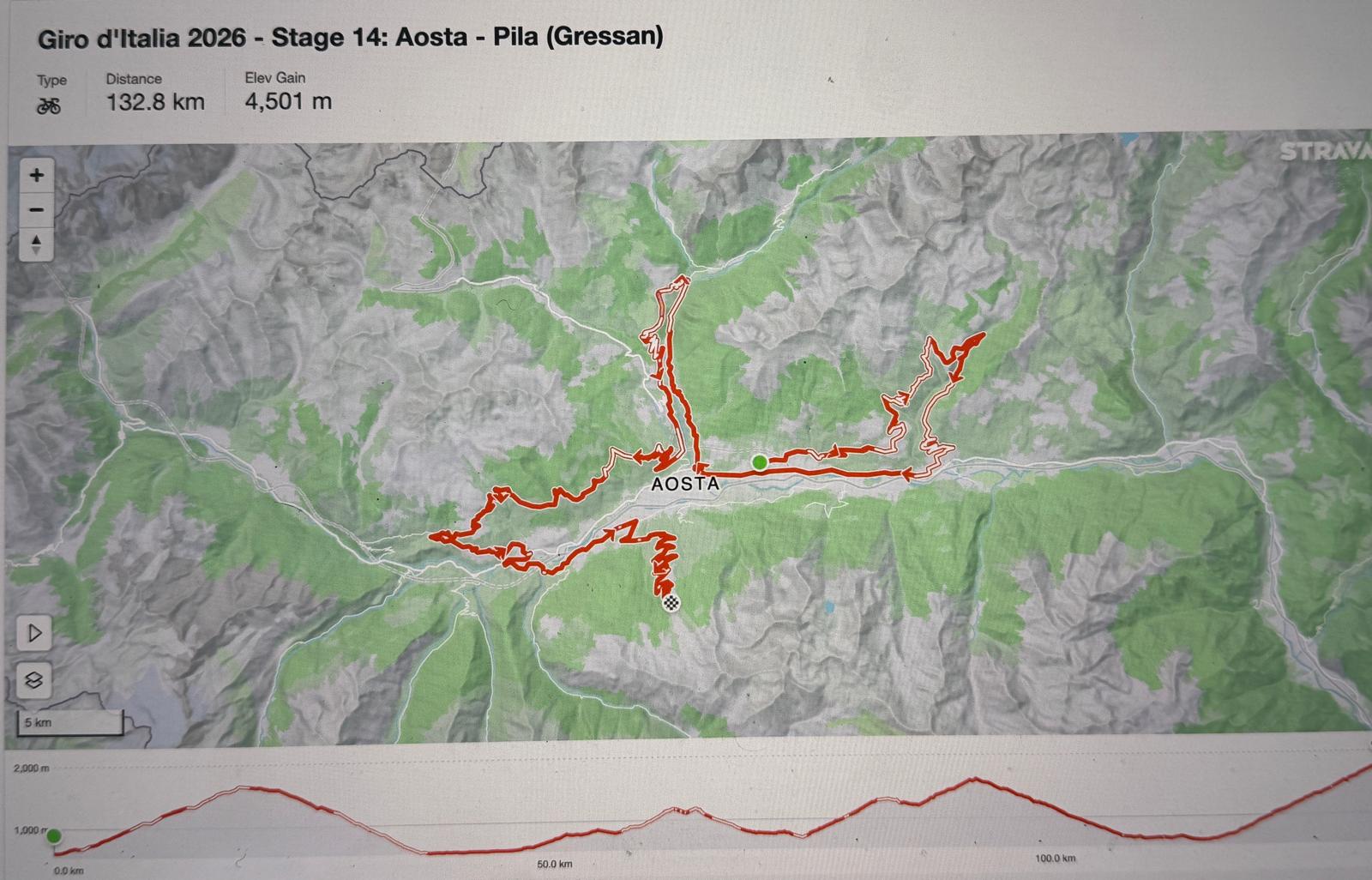
Etape of the Giro d'Italia. Strava.

The Giro d’Italia 2026 is returning to the Aosta Valley this May with one of the most important Alpine stages of the race, as Stage 14 finishes in Pila on Saturday 23 May.

The stage, officially running from Aosta to Pila (Gressan), is already being described as one of the decisive mountain stages of the 2026 Giro. The route packs more than 4,000 metres of climbing into just 133km, with the final ascent to Pila expected to create major time gaps between the race favourites. 

According to the official race route, riders will tackle a series of climbs across the Aosta Valley before the final ascent from Gressan to Pila, a climb measuring approximately 16.5km at an average gradient above 7%. The finish line will sit high above the valley with views toward Mont Blanc, Monte Rosa, the Matterhorn and Gran Paradiso. 

Continue reading “Giro d’Italia Returns to Val d’Aosta With Major Summit Finish in Pila”

Housing the Workforce: The Growing Constraint on Mountain Tourism from Aspen to the Alps

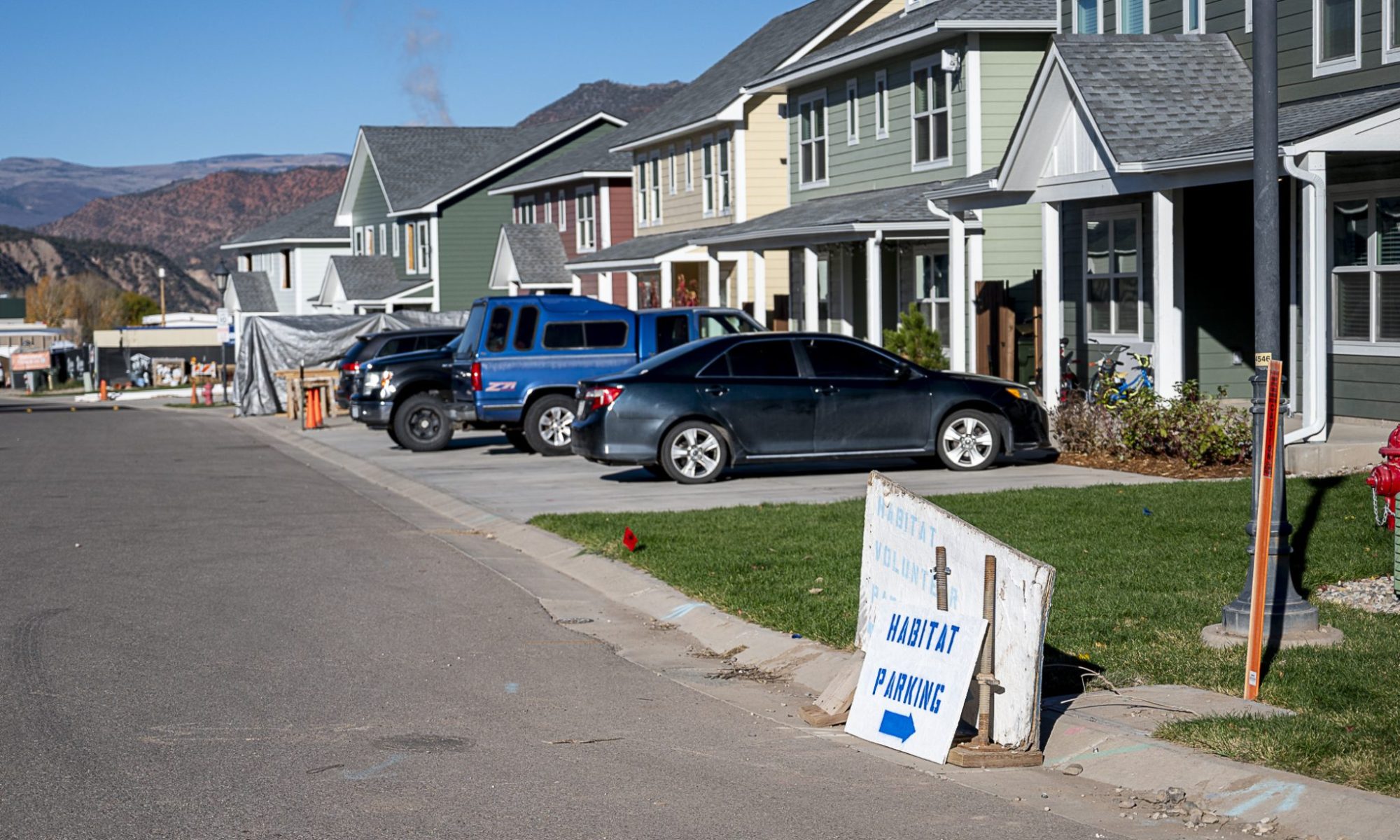
Homes built by Habitat for Humanity Vail Valley. Stratton Flats Neighborhood in Gypsum Photo: Ben Roof/Special to the Summit Daily

The conversation around ski destinations has long focused on snow, infrastructure, and demand. Yet across North America and Europe, a different constraint is becoming increasingly visible: whether the people who operate these destinations can still afford to live within reach of them.

What appears at first as a local issue in individual resorts is, in reality, a structural challenge affecting mountain tourism globally. From Aspen to Zermatt, from Whistler to Cortina d’Ampezzo, the same question is emerging in different forms: who can still afford to live where tourism takes place, and how far can they be pushed away before the system begins to strain.

In North America, the issue is often framed directly as workforce housing. In Aspen, one of the most developed housing systems in ski tourism has been in place for decades, yet demand continues to exceed supply. Access to subsidised housing remains competitive, with strict qualification systems and long waiting lists. The conclusion is difficult to avoid: even a mature, highly structured model does not fully resolve the imbalance between housing supply and workforce demand.

Continue reading “Housing the Workforce: The Growing Constraint on Mountain Tourism from Aspen to the Alps”

U.S. Skier Visits Drop 14% in 2025–26 — A Weak Winter With Structural Signals

Some pistes in Vail Mountain. Photo: David Maunsell. Unsplash.

New data from the National Ski Areas Association (NSAA) confirms what operators across North America have been experiencing throughout the winter: skier visits in the United States fell by around 14% during the 2025–26 season.

The figures mark one of the most significant declines in recent years and a clear break after four consecutive seasons exceeding 60 million visits.

A Season Defined by the West

The decline is closely tied to what has been one of the weakest winters on record across large parts of the western United States.

Continue reading “U.S. Skier Visits Drop 14% in 2025–26 — A Weak Winter With Structural Signals”

Are Lower-Elevation Ski Resorts Becoming Unviable?

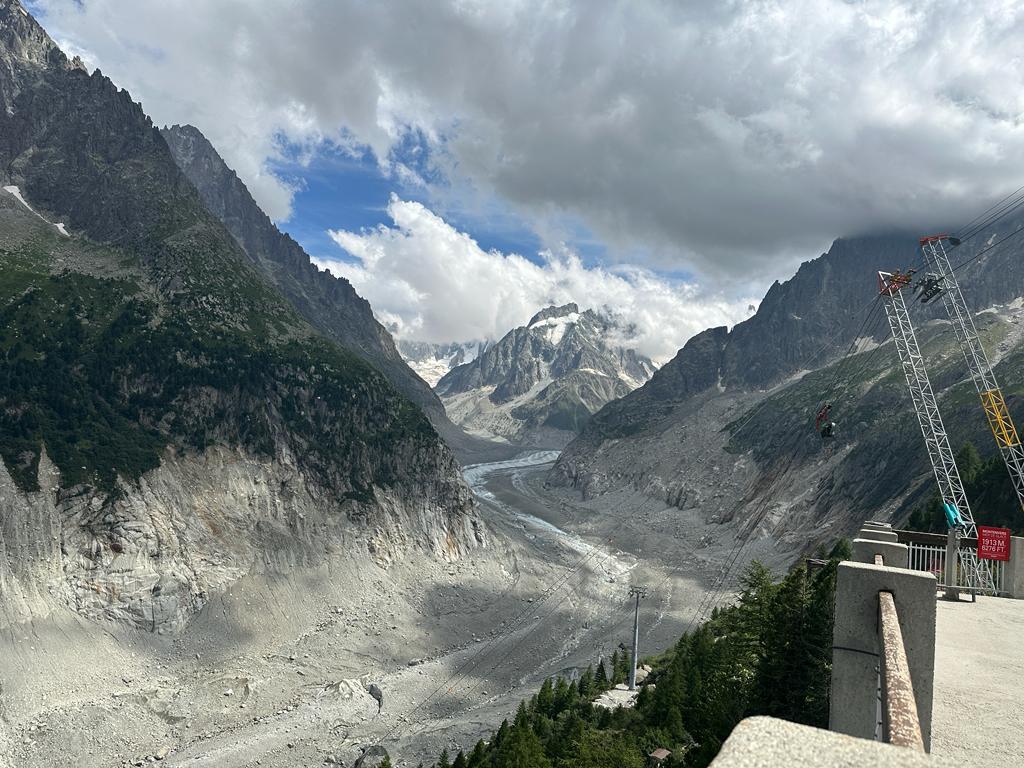
Resorts are adapting from depending only on snow-availability, to four seasons activities. Photo: Montenvers Glacier in Chamonix. The-Ski-Guru.

The question of whether lower-elevation ski resorts in the Alps can remain viable is no longer theoretical. It is already being tested in real time.

Following a winter that, despite perception, failed to deliver consistent snowpack across much of the range, the structural weaknesses of lower-altitude skiing are becoming harder to ignore. As explored in The Alps Did Not Have a Snow-Rich Winter: Why 2026 Resembles 2022 for Glaciers, the idea of a snow-rich season does not reflect the underlying reality of increasingly uneven snowfall and reduced snow retention.

What matters now is not just how much snow falls, but where—and how long it lasts.


The Altitude Problem Is Becoming Structural

For decades, ski resort viability in the Alps was closely tied to a relatively stable threshold. Resorts above roughly 1200 metres could expect reliable snow seasons, while those below faced more variability.

That line is shifting.

Continue reading “Are Lower-Elevation Ski Resorts Becoming Unviable?”

Europe’s Summer 2026 Tourism Paradox: Record Demand, But a Weaker Season?

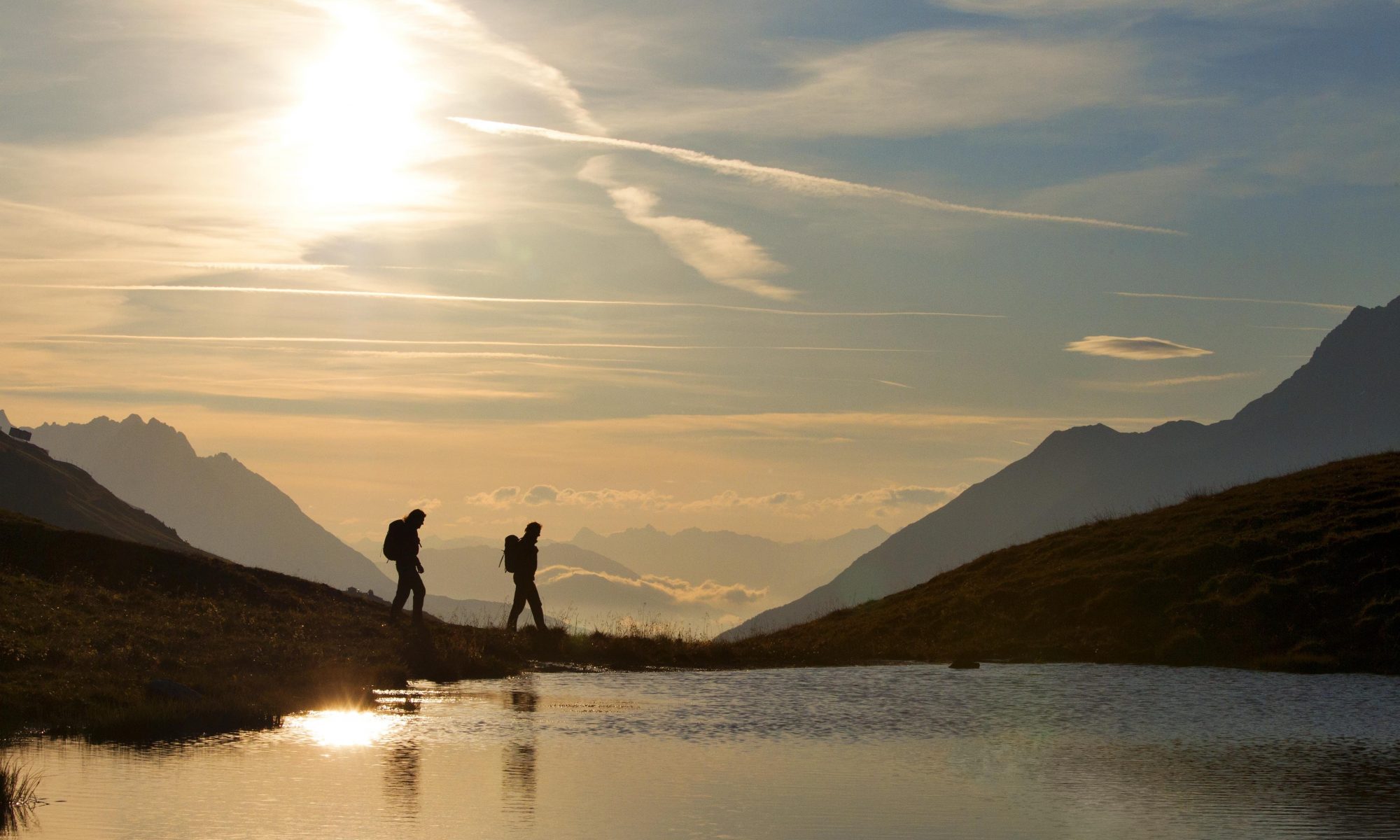
Wanderszene auf Galzig bei St. Anton, Lechtaler Alpen, Tirol, Österreich.

Europe’s Summer 2026 Tourism Paradox: Record Demand, But a Weaker Season?

The European tourism sector is heading into the summer of 2026 with what appears, at first glance, to be a strong tailwind. Travel intent is at record levels, international demand remains resilient, and key destinations continue to attract global visitors. Yet beneath those headline figures, a more complex and uneven reality is emerging.

Early signals from Switzerland suggest that the season ahead may be far less robust than expected. According to Swissinfo, parts of the hotel sector are already reporting a slowdown in bookings, an increase in cancellations, and a shift towards last-minute reservations. The outlook has been described as “clearly clouded,” with operators pointing to geopolitical instability, particularly in the Middle East, as a factor disrupting travel flows and air connectivity.

This tension between strong demand and weakening booking quality is increasingly visible across Europe, and it reflects a broader structural shift in how travel demand is behaving in 2026.

Continue reading “Europe’s Summer 2026 Tourism Paradox: Record Demand, But a Weaker Season?”

Chamonix Invests in Snowmaking at La Flégère — But for How Long?

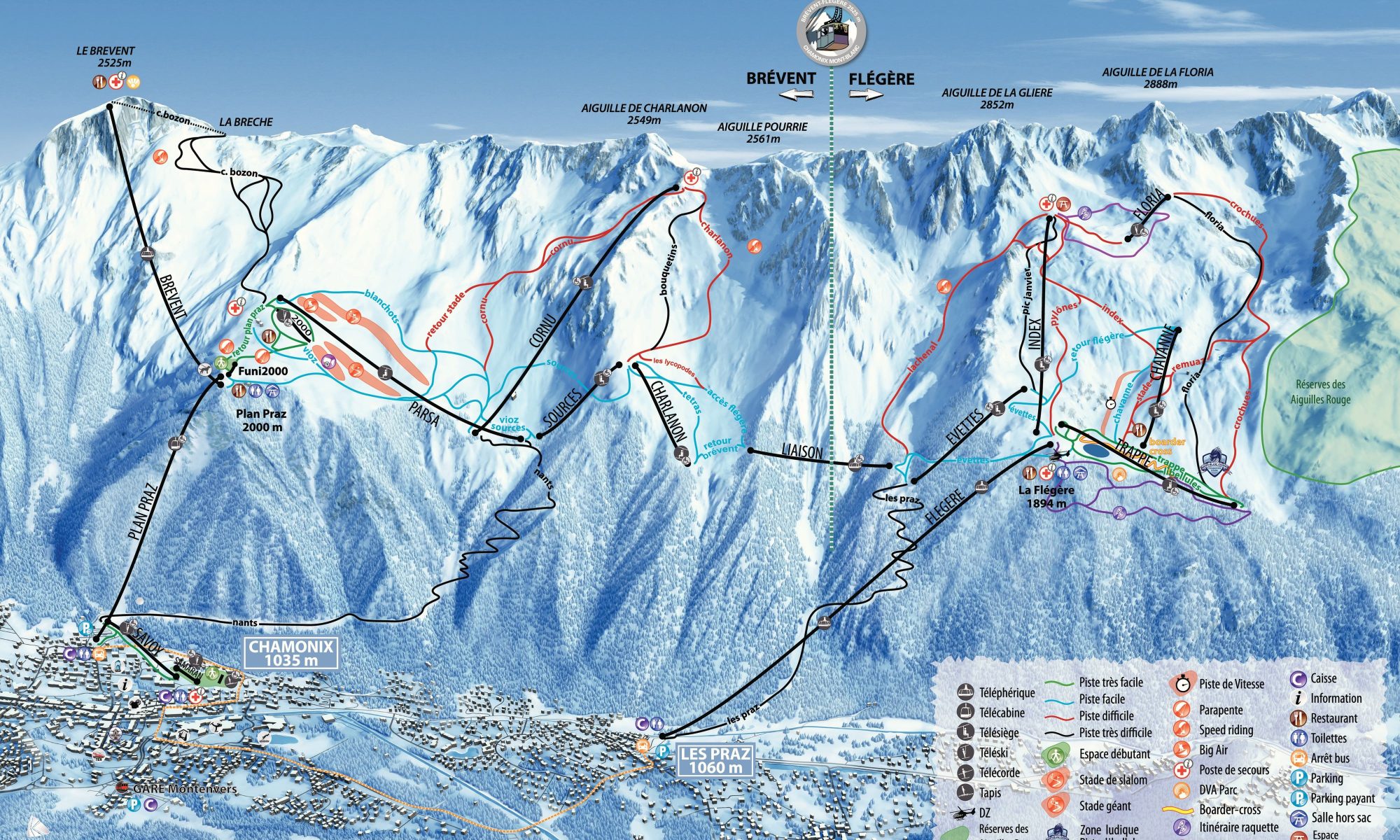
Skimap- Le Brévent. Flégère. Chamonix. Compagnie du Mont Blanc.

The future of Alpine snow is increasingly being measured not just in snowfall, but in water.

A recent report highlighted by MeteoWeb suggests that Italy could lose up to 60% of its mountain water reserves by 2070, as warming temperatures reduce the snowpack that traditionally acts as a natural storage system. Across the Alps, this shift is already visible, with earlier melt cycles, reduced accumulation, and growing variability between regions. These trends are already being observed on the ground, as explored in our analysis of snow conditions in a warming Alpine climate.

Against that backdrop, investment decisions being made today by ski resorts take on a different meaning. They are no longer simply about improving infrastructure. They are about how long the current model can realistically be sustained.

Continue reading “Chamonix Invests in Snowmaking at La Flégère — But for How Long?”

Mountain Planet 2026: Innovation, Infrastructure, and the Future of Mountain Tourism

Mountain Planet 2026 show photo.

The 2026 edition of Mountain Planet 2026 has confirmed its position as one of the key global gatherings for the mountain industry, bringing together operators, manufacturers, policymakers and technology providers at a time when the sector is undergoing significant change.

Held in Grenoble, the event highlighted a clear shift in priorities across the industry. While innovation remains central, the focus is increasingly on resilience, energy transition, and the diversification of mountain tourism models.

This year’s edition recorded a 4.5% increase in visitors, underlining continued engagement from across the sector despite a winter season marked by uneven snow conditions in many regions.

Continue reading “Mountain Planet 2026: Innovation, Infrastructure, and the Future of Mountain Tourism”