From Delayed Opening to October Skiing: Portillo Extends an Extraordinary 2026 Season

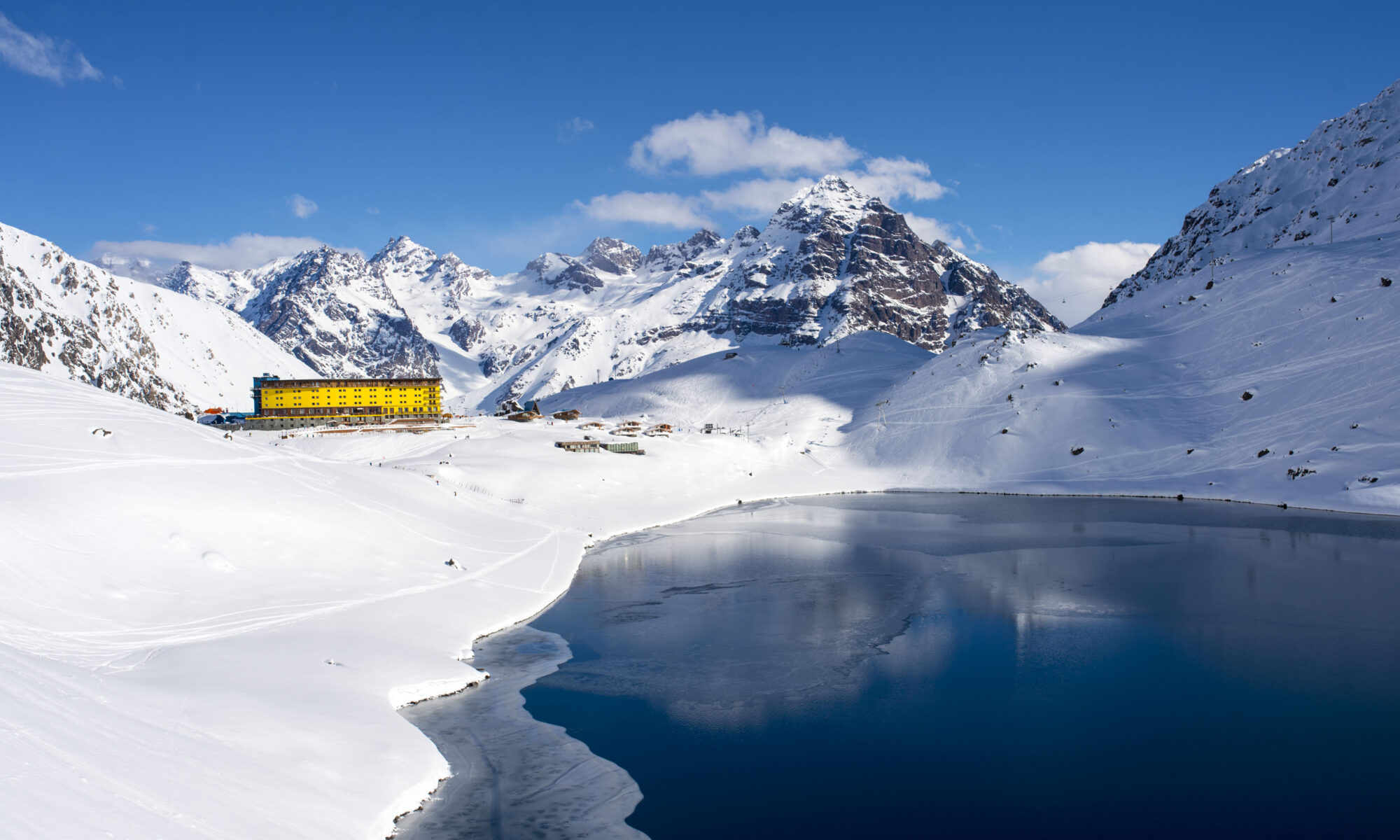
Aereal View of Portillo. Photo by Pia Vergara. Courtesy Ski Portillo.

After opening late because of insufficient snow and then losing almost one-third of its season to a prolonged road closure, Ski Portillo has accumulated more than seven metres and will now continue operating until 11 October.

Ski Portillo has extended its 2026 season by more than two weeks, completing an extraordinary turnaround in a winter that began with too little snow, delivered one of the largest storm cycles in recent years and then left the Chilean resort largely isolated during a crucial part of its short operating season.

The resort had originally planned to close on 26 September. It will now continue operating until Sunday 11th October, with a 20% discount available for stays between 30 September and the new closing date.

Portillo attributed the extension to the exceptional amount of snow received this winter. The resort announced more than seven metres of accumulated snowfall, while its official snow report was showing a seasonal total of 8.19 metres by 21 August.

However, the abundance of snow tells only part of the story.

A Season That Began With Too Little Snow

Portillo had initially planned to open on 20 June, in time for the beginning of the main South American winter holiday period.

Historically, the resort aims to open around the end of June. As with every ski area relying heavily on natural snowfall, this is always subject to conditions, but being operational by early July is particularly important. Families from Chile, Argentina, Brazil and other South American markets traditionally travel during their winter school holidays.

In 2026, the expected snowfall did not arrive in time. Although an early storm produced approximately 40 centimetres and the resort supplemented it with snowmaking, Portillo said it did not yet have the base required to open safely and provide an adequate skiing experience.

The planned 20 June opening was therefore postponed.

Portillo eventually began limited operations on 4 July, exclusively for hotel guests. Only three runs — Plateau, Las Lomas and Corralito — were initially available, and the resort was not yet accepting day skiers.

Then, just ten days after the delayed opening, the situation changed completely.

Continue reading “From Delayed Opening to October Skiing: Portillo Extends an Extraordinary 2026 Season”

Mont Blanc Tunnel to Remain Open This Autumn as 15-Week Closure is Cancelled

Coming out the Italian side of the Mont Blanc Tunnel. Photo: The-Ski-Guru

Good news for anyone planning to drive between France and Italy this autumn. Unlike the previous two years, the Mont Blanc Tunnel will not close for 15 weeks during the autumn of 2026.

The decision means travellers heading to the Aosta Valley, Courmayeur, Chamonix and many other Alpine destinations will once again be able to use one of the Alps’ most important road links throughout the autumn season.

Why Was the Tunnel Closed in Previous Years?

During the autumns of 2024 and 2025, the Mont Blanc Tunnel underwent major renovation works to replace sections of the tunnel vault. Those essential engineering projects required a complete closure lasting around fifteen weeks each year, forcing motorists to use alternative Alpine crossings.

Continue reading “Mont Blanc Tunnel to Remain Open This Autumn as 15-Week Closure is Cancelled”

What Is A Glacial Lake Outburst Flood? The Risk Facing Mountain Communities From Canada To The Alps

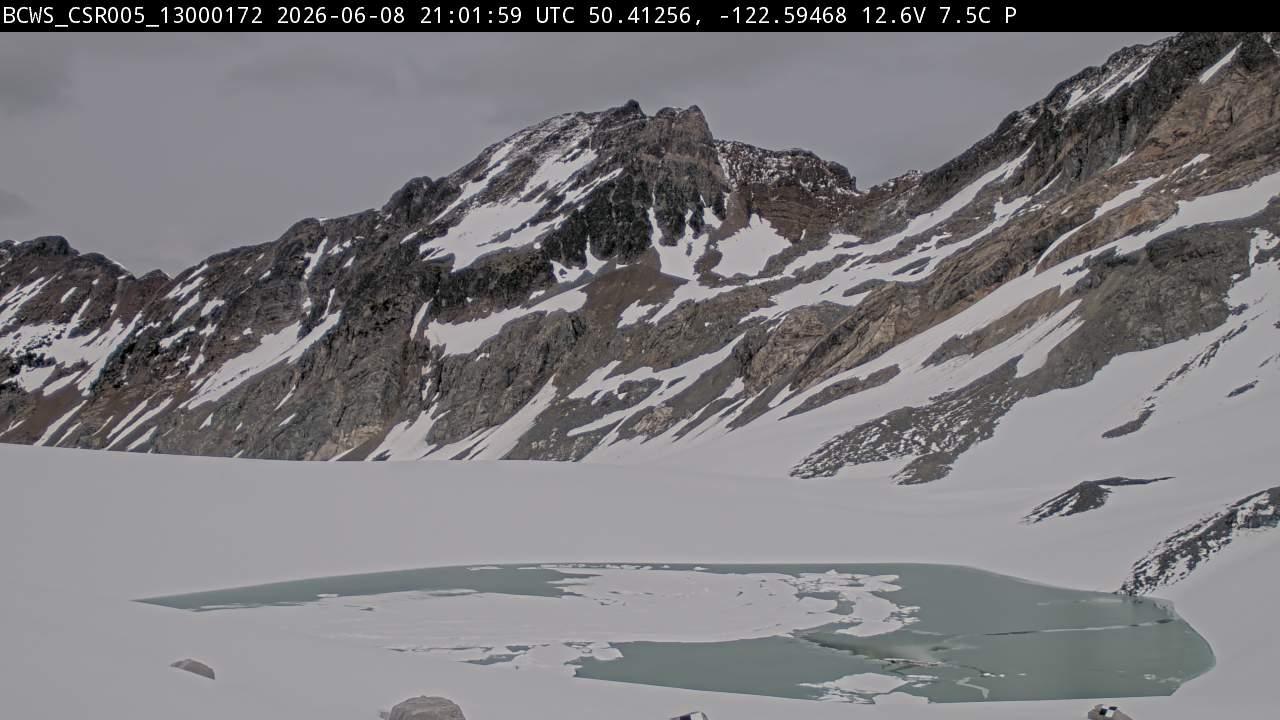
Place Glacier Ice Marginal Lake on Saturday June 8th. Photo credit: https://www.slrd.bc.ca/inside-slrd/current-projects-initiatives/place-glacier-outburst-flood-hazard-0

An evacuation alert near Place Glacier in British Columbia highlights a growing mountain hazard that scientists are monitoring from Canada and Alaska to the Alps and the Himalayas.

Why It Matters

A small community in British Columbia, Canada, is once again preparing for the possibility of a sudden flood originating high in the mountains.

Authorities in the Squamish-Lillooet Regional District (SLRD) recently issued an evacuation alert for properties near Gates Lake and Poole Creek after monitoring equipment showed that a lake at Place Glacier had reached approximately 24 metres in depth. That is roughly the same level recorded before a damaging outburst event in 2025.

The alert does not mean a flood is certain. However, officials believe there is a credible risk of overland flooding and debris flows if the lake drains suddenly.

Continue reading “What Is A Glacial Lake Outburst Flood? The Risk Facing Mountain Communities From Canada To The Alps”

Mont Blanc Tunnel Second Tube: France Resists as Italy Pushes for Impact Studies

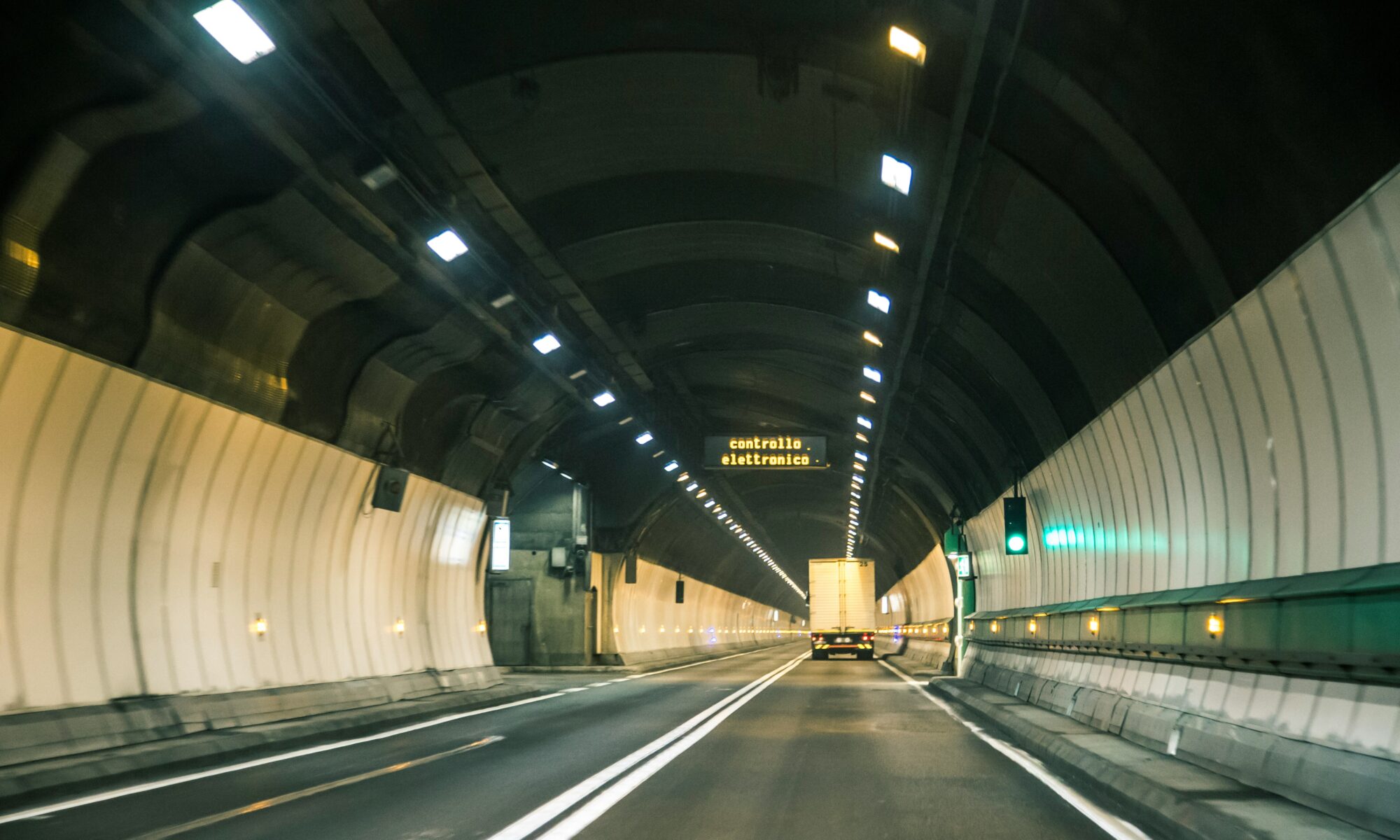
Mont Blanc Tunnel. Photo: Milada Vigerova. Unsplash.

  • Tunnel length: 11.6 km between Courmayeur (Italy) and Chamonix (France)
  • Traffic volume: Around 1.7 million vehicles use the tunnel annually
  • 2026 maintenance closures: Ongoing structural renovation works are causing periods of full closure, night-time closures and alternating one-way traffic during parts of 2026
  • Second tube proposal: No agreement has been reached; the idea remains under discussion between Italy and France and would require extensive studies and approvals before any construction could proceed

Continue reading “Mont Blanc Tunnel Second Tube: France Resists as Italy Pushes for Impact Studies”

The future of one of the Alps’ most important transport corridors is back on the political agenda.

Key Facts

  • Tunnel length: 11.6 km between Courmayeur (Italy) and Chamonix (France)
  • Traffic volume: Around 1.7 million vehicles use the tunnel annually
  • 2026 maintenance closures: Ongoing structural renovation works are causing periods of full closure, night-time closures and alternating one-way traffic during parts of 2026
  • Second tube proposal: No agreement has been reached; the idea remains under discussion between Italy and France and would require extensive studies and approvals before any construction could proceed

Continue reading “Mont Blanc Tunnel Second Tube: France Resists as Italy Pushes for Impact Studies”

Schilthorn Completes Major Swiss Mountain Infrastructure Project as New Summit Facilities Open

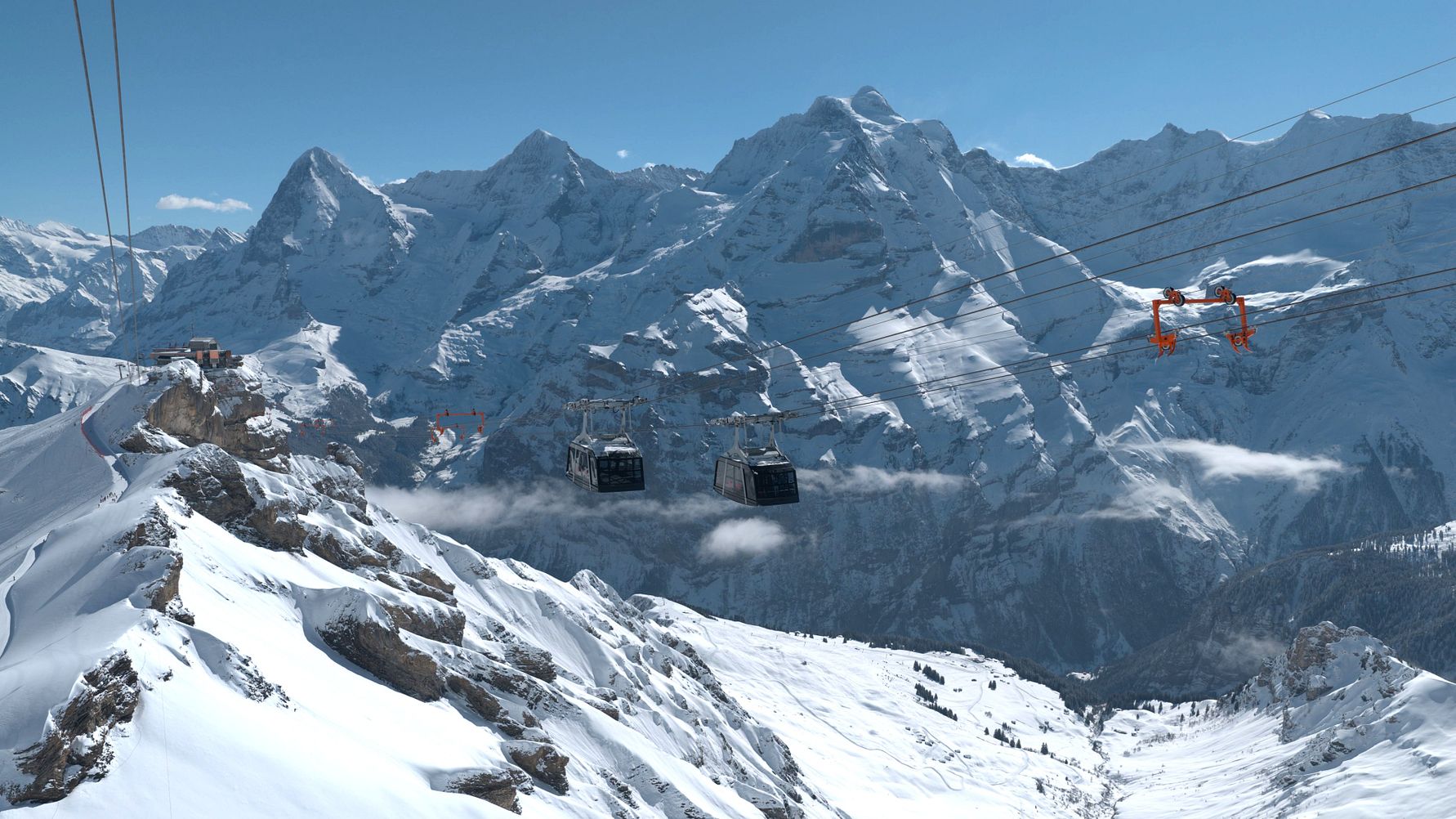
Funifor lifts in Schilthorn. Photo: Schilthorn Cableway Ltd.

One of the most ambitious lift infrastructure projects in the Swiss Alps has now reached completion, with the final section of the multi-year SCHILTHORNBAHN 20XX redevelopment entering service at the famous Schilthorn summit above Mürren.

The project has transformed access to the 2,970-metre peak overlooking the Bernese Oberland, with entirely new cable cars, stations and visitor facilities linking Stechelberg, Mürren, Birg and the summit. 

The redevelopment includes the reopening of the famous Piz Gloria summit complex, known worldwide as the James Bond filming location for On Her Majesty’s Secret Service, as well as new panoramic visitor areas, upgraded retail and hospitality facilities, and the completion of a modern Funifor cable car system designed to improve wind stability and year-round operations. 

Continue reading “Schilthorn Completes Major Swiss Mountain Infrastructure Project as New Summit Facilities Open”

Europe’s Alpine Passes and Tunnels Under Pressure as Summer Mountain Travel Surges

Splugenpass in Switzerland. Photo: Daniele Levis Pelusi. Unsplash.

Summer traffic jams in the Alps are no longer limited to a few notorious holiday weekends. Across Europe’s mountain corridors, tunnels, high passes and border crossings are experiencing growing pressure as heatwaves, synchronized holiday patterns, campervan tourism and the rise of “coolcation” travel push more visitors toward Alpine destinations.

The latest queues at the Gotthard Road Tunnel, where traffic recently stretched for several kilometres even before the main summer season, are part of a wider trend affecting many of Europe’s major Alpine crossings. In Italy, the term “Sabato Nero” — Black Saturday — has long described the intense weekend traffic linked to summer holiday departures and arrivals. But increasingly, similar congestion patterns are being seen throughout the Alps, from the Brenner Pass to the Mont Blanc Tunnel and the scenic passes connecting Switzerland, France, Austria and Italy.

For decades, many of these routes were primarily associated with winter ski tourism or freight transport. Today, they are becoming year-round tourism corridors carrying cyclists, hikers, motorcyclists, campervans, second-home owners and travellers escaping increasingly hot cities in search of cooler mountain temperatures.

Continue reading “Europe’s Alpine Passes and Tunnels Under Pressure as Summer Mountain Travel Surges”

Are Fragmented Alpine Ski Resorts Becoming Unsustainable?

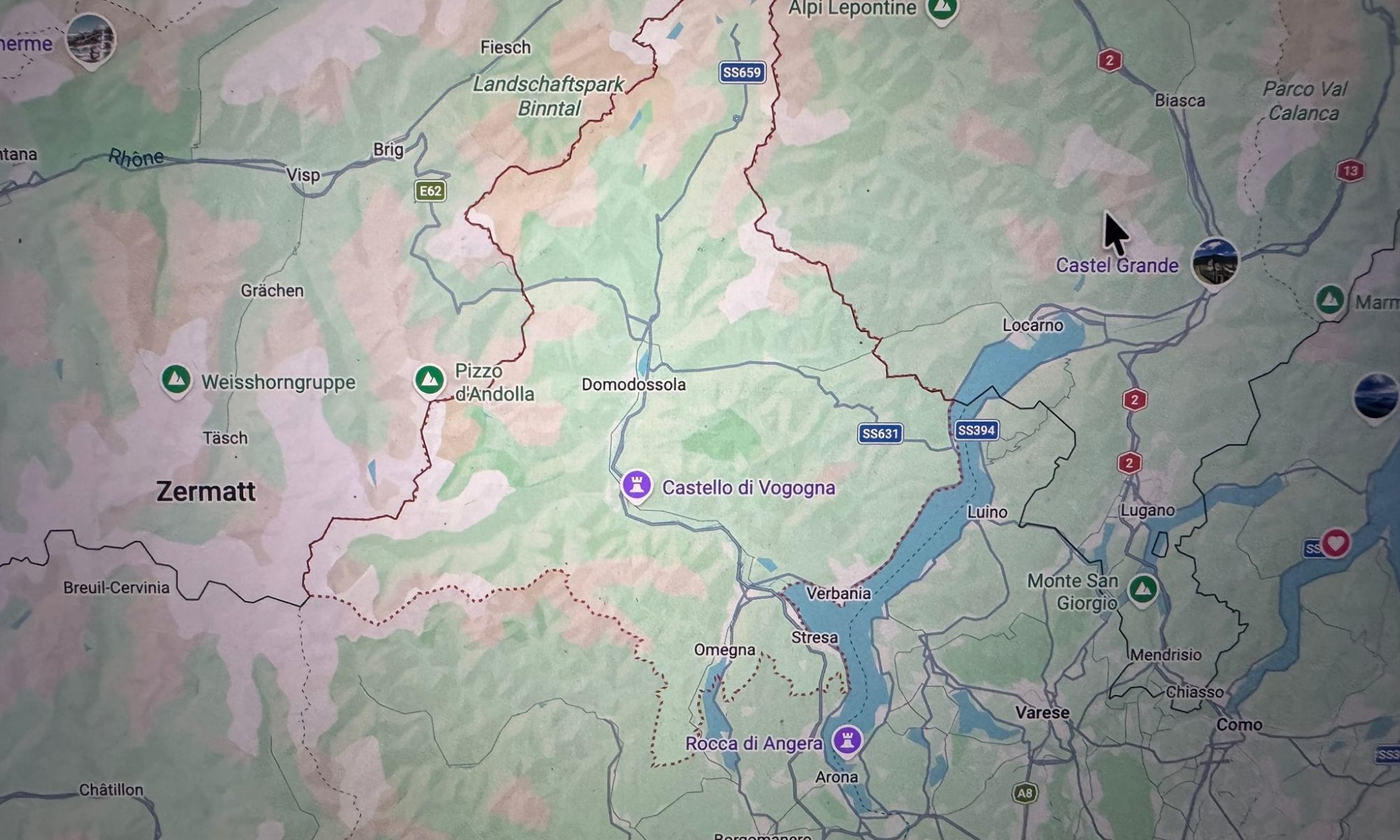
Verbano-Cusio-Ossola. Google Maps.

Across the Alps, a growing number of ski destinations are facing the same difficult question: can smaller mountain municipalities still afford to develop and modernise ski infrastructure on their own?

Two recent stories from northern Italy suggest the Alpine ski industry may be entering a new phase — one defined less by endless expansion and more by consolidation, selective investment and regional cooperation.

In Lombardy, the municipality of Valfurva recently abandoned plans for a new lift connection linking the valley more directly to Bormio’s ski area. The proposed project, intended to connect the S. Antonio/S. Nicolò area with the Bormio slopes, had already secured part of its public funding but ultimately failed to move forward because the remaining financing and permitting timelines proved too difficult to complete. Local officials described the decision as “painful, but inevitable.”

Continue reading “Are Fragmented Alpine Ski Resorts Becoming Unsustainable?”

Valfurva Abandons Planned Lift Connection to Bormio Ahead of Milan-Cortina 2026

Santa Caterina. Province of Sondrio. Photo: Jan Jirasek. Unsplash.

Not every Alpine resort is rushing into new ski lift expansion ahead of the Milan-Cortina 2026 Winter Olympics. In Alta Valtellina, the municipality of Valfurva has officially abandoned plans for a new lift connection that would have provided direct access from the lower Valfurva valley to the Bormio ski area. 

The proposed “S. Antonio/S. Nicolò – Località Cimino” lift and return piste would have linked Valfurva more directly to Bormio’s slopes, in what had been presented as part of a broader vision of greater integration between the ski areas of Alta Valtellina. 

According to local reports and comments from Valfurva mayor Luca Bellotti, the decision was ultimately driven by a combination of timing, financing and permitting issues. The project, valued at more than €9 million, had already secured approximately €4.5 million in public funding through Italy’s Fondo Comuni Confinanti, but the remaining financing was never fully secured. The municipality also faced extremely tight deadlines tied to the funding programme, requiring feasibility documentation to be completed by September. 

Continue reading “Valfurva Abandons Planned Lift Connection to Bormio Ahead of Milan-Cortina 2026”

Future Mobility in Andorra: Why Grandvalira’s Next Big Challenge May Be Transport, Not Lifts

The prospective Tramvalira trail. Google Maps: DigitalAndorra.com

Andorra’s ski economy has long been built around access by road. Visitors arrive by car, coach or private transfer. Workers commute along narrow valley corridors. Skiers move between hotels, villages and lift bases by bus, taxi, shuttle or rental car. For years, that model has more or less worked because Andorra’s geography left few alternatives.

But the pressure is becoming harder to ignore.

After looking at why employee housing has become a global challenge for ski resorts, Andorra offers the next part of the same story: what happens when ski resorts, workers and visitors increasingly depend on mobility systems that were not designed for today’s scale of tourism?

The most visible sign of that shift is Tramvalira, the proposed tram-train connection between La Seu d’Urgell and Andorra. In February 2026, the Andorran and Catalan governments held the first pilot meeting for the project, which would study a public transport link between La Seu d’Urgell and Sant Julià de Lòria, connecting with Andorra’s planned internal tram system. The project has received €329,841.56 in European POCTEFA funding, covering around 45% of its current study phase. 

Continue reading “Future Mobility in Andorra: Why Grandvalira’s Next Big Challenge May Be Transport, Not Lifts”

Is the Future of Ski Resorts Becoming Local Again?

Black Mountain, operated by Indy Pass. Photo: Indy Pass.

As climate pressures, rising infrastructure costs, labour shortages and industry consolidation reshape skiing on both sides of the Atlantic, an unexpected trend is emerging: communities, municipalities and cooperative groups are increasingly stepping in to save, buy or directly influence ski areas they see as essential to local survival.

What once looked like isolated rescue stories is beginning to resemble a wider structural shift in how smaller ski resorts survive.

The latest example comes from Canada, where the Sault Ste. Marie Economic Development Corporation in Ontario stepped in to purchase the historic Searchmont Resort. Local officials described the ski hill as a “vital community asset” tied not only to tourism, but also to jobs, economic development and the wider identity of the region. The acquisition followed years of operational struggles and municipal support aimed at keeping the mountain open.

The story reflects a growing idea emerging across mountain regions: ski hills are increasingly being viewed less as standalone private businesses and more as strategic community infrastructure.

Continue reading “Is the Future of Ski Resorts Becoming Local Again?”