The Colorado town of Nederland remains committed to purchasing Eldora Mountain Resort from POWDR, but rising borrowing costs, investor concerns and a revised financing structure have complicated the ambitious community ownership plan.
The proposed $120 million acquisition of Eldora Mountain Resort by the town of Nederland, Colorado, has entered a more challenging phase, with local officials working to restructure the financing after the original purchase agreement with POWDR expired.
Despite the setbacks, Nederland Mayor Nichole Sterling and the Board of Trustees insist that the municipality remains committed to completing the transaction.
In an official update released on September 30, 2026, town officials acknowledged that prospective bond investors had requested stronger financial safeguards, reduced debt exposure and more conservative assumptions about the resort’s performance during poor snow seasons.
The town is now developing a philanthropic fundraising strategy targeting approximately $20 million to support improvements at Eldora without adding further debt to the acquisition.
The developments represent a significant change since January, when Nederland approved moving forward with the purchase.
Update October 23, 2026: Residents challenge Nederland’s Eldora purchase plans
Nederland’s proposed purchase of Eldora Mountain Resort faced fresh public opposition at the town’s October 20 Board of Trustees meeting. According to BusinessDen’s October 21 report, residents challenged town leaders over the stalled acquisition, questioning their handling of the process and the financial exposure associated with pursuing the deal.
The Denver Business Journal also reported on October 21 that the revised sale-and-leaseback proposal had met strong resistance from residents. The proposed structure would allow Nederland to operate the ski area while leasing it from a trustee representing bondholders.
These objections add a further political challenge to the financing difficulties outlined below. The comments reflect opposition from residents who spoke at the meeting; they should not be interpreted as a formal town-wide vote against the purchase or an announcement that the transaction has been cancelled.
From flexible ski breaks to wellness, gastronomy and year-round mountain experiences, travellers are looking beyond the slopes when choosing their next Alpine holiday.
For decades, planning a ski holiday followed a familiar formula: choose a resort, book accommodation, arrange flights and transfers, and hope for good snow conditions.
But as the 2026/27 winter season approaches, mountain travel is becoming more varied. Skiing remains at the heart of the winter holiday, yet the choice of destination increasingly involves much more than kilometres of pistes and the number of ski lifts.
Hotels, restaurants, wellness facilities, outdoor activities and transport connections can all influence where travellers decide to spend their holidays.
And with mountain destinations developing their summer and autumn offerings, the traditional distinction between ski resorts and year-round holiday destinations is becoming less clear.
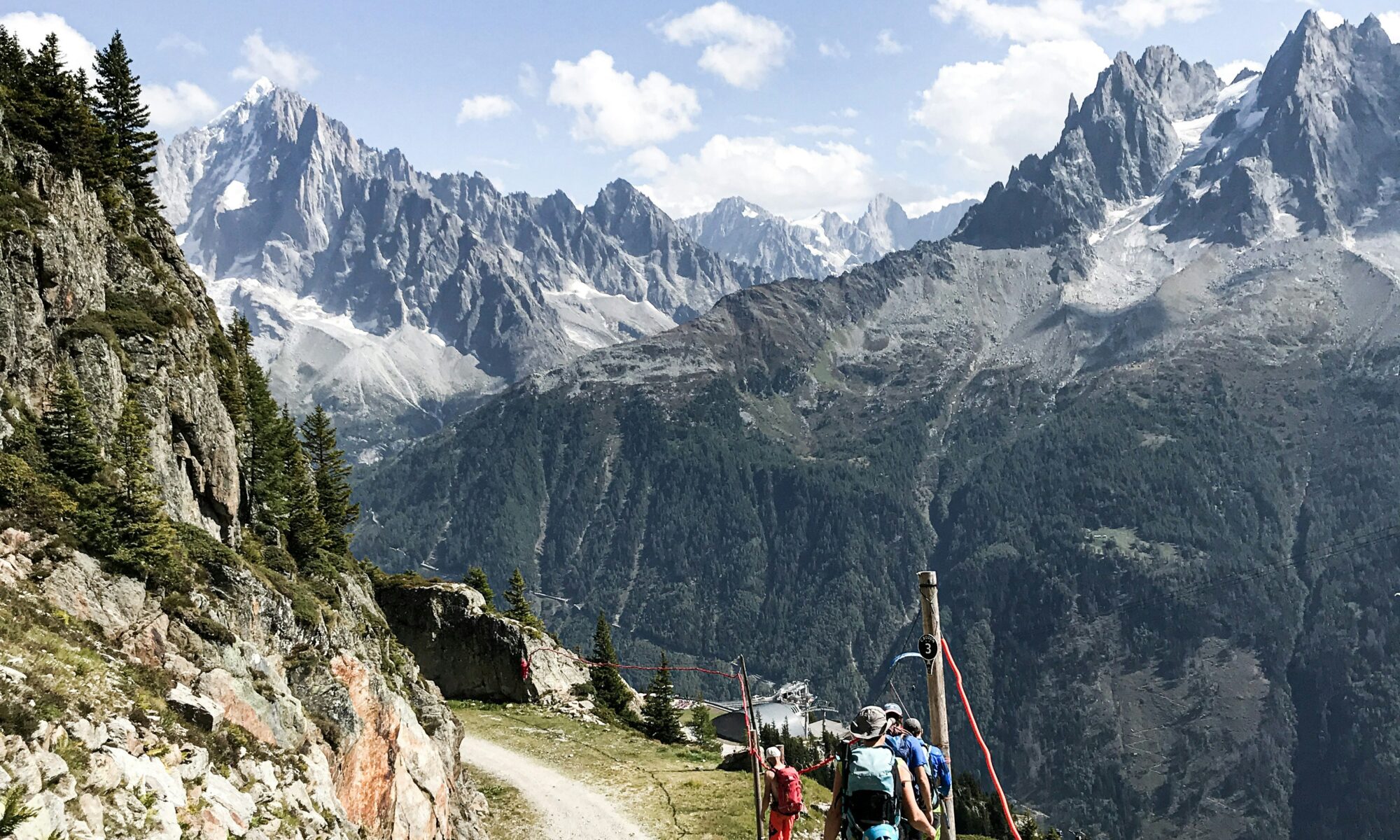
One of the Alps’ most famous long-distance hiking routes could face tighter controls from 2027, as local authorities and mountain professionals seek to curb wild camping, environmental damage and increasingly crowded trails.
The days of treating the Tour du Mont Blanc as an unrestricted hiking route may be coming to an end.
Local authorities and mountain professionals on the French side of the Mont Blanc massif have agreed on the principle of a new charter aimed at better managing one of Europe’s most popular long-distance treks, following another summer of exceptionally heavy use.
The Tour du Mont Blanc — generally known simply as the TMB — covers around 170 kilometres and approximately 10,000 metres of elevation gain as it circles the Mont Blanc massif through France, Italy and Switzerland.
The rapid increase is now raising concerns about erosion, biodiversity, sanitation, safety and the overall experience of walking one of the Alps’ classic routes.
“The open-bar approach is over”
Representatives of the seven French municipalities crossed by the TMB met in September alongside refuge and campsite operators, mountain guides, transport companies, environmental organisations and French state services.
Among the proposals being developed are the systematic reservation of recognised accommodation during the summer season and stronger restrictions on wild camping.
Jean-Marc Peillex, mayor of Saint-Gervais-les-Bains and president of the Communauté de Communes Pays du Mont-Blanc, told AFP that the aim was not to prohibit access to the mountains, but to organise it.
His description of the change was considerably more colourful: the “open-bar” approach, he said, was over.
Other measures being considered include improving authorised bivouac areas with basic facilities, limiting the size and weight of luggage transported between stages, reducing the movement of large suitcases by taxi and potentially establishing a “green brigade” to help enforce local regulations.
Quotas, however, are not currently part of the proposals.
Not all the new rules are decided yet
The direction is clear, but exactly how the system will work is still being negotiated.
The charter is being finalised, and there are differences among local authorities and tourism professionals over how far regulation should go.
One of the most significant ideas is that, from 2027, hikers completing the TMB could be required to have accommodation booked in advance.
But this should not yet be interpreted as a finalised three-country permit system for the entire Tour du Mont Blanc.
The route crosses France, Italy and Switzerland, making coordinated regulation significantly more complicated. Any comprehensive system would ultimately need to account for rules and authorities on all three sides of the massif.
Wild camping is already restricted in several areas
The changes would also build on restrictions that already exist.
Wild camping and bivouacking are not freely permitted everywhere along the Tour du Mont Blanc.
In parts of the French side, including protected areas of the Aiguilles Rouges massif, hikers must already reserve designated bivouac spaces. Vallorcine also prohibits wild camping across its municipal territory outside the specific rules governing nature reserves.
The proposed charter would therefore move towards a more consistent approach rather than introducing regulation from scratch.
A route struggling with its own success
The debate reflects a wider challenge facing the Alps.
Mountain destinations have spent decades encouraging summer tourism as a way of reducing their dependence on skiing and building a stronger year-round economy.
The success of routes such as the Tour du Mont Blanc shows how effective that strategy can be — but also where its limits may lie.
Heavy concentrations of hikers can damage vegetation, accelerate trail erosion and put pressure on water, sanitation and waste infrastructure. Local officials have also complained about inappropriate behaviour, including illegal camping and hikers leaving human waste in the landscape.
At the same time, the TMB has become an important source of summer income for refuges, hotels, restaurants, guides and communities along the route.
That makes the challenge less about keeping visitors away than deciding how many people fragile mountain environments can accommodate — and how those visitors should move through them.
Planning the Tour du Mont Blanc in 2027
For hikers already considering the Tour du Mont Blanc next summer, advance planning will become increasingly important regardless of what final form the new charter takes.
The official Tour du Mont Blanc accommodation platform says reservations for summer 2027 will open on 15 October 2026.
It already strongly recommends booking refuges ahead, warning that the most popular properties can fill several months in advance.
The final rules for 2027 are still taking shape.
But after a summer in which more than 90,000 people reportedly circled the Mont Blanc massif, the message from local authorities is becoming increasingly difficult to miss: one of the Alps’ most famous trails can no longer be managed as though its capacity were unlimited.
After a summer marked by glacier retreat, rockfalls, unstable permafrost and repeated disruption across the Alps, an increasingly difficult question is emerging: how should mountain tourism adapt to a rapidly changing environment?
The debate has been brought into sharper focus by Legambiente, one of Italy’s largest environmental organisations, which argues that Alpine communities can no longer plan their future on the assumption that glaciers, water resources and snow conditions will remain as they have been in the past.
Speaking to Corriere della Sera during the 2026 Carovana dei Ghiacciai, Vanda Bonardo, the campaign’s coordinator and national head of Legambiente’s Alps division, said mountain regions need to move from planning based on stability towards managing continuous change.
Her comments come during an extraordinary summer across the Alps, with developments around Mont Blanc providing some of the clearest examples.
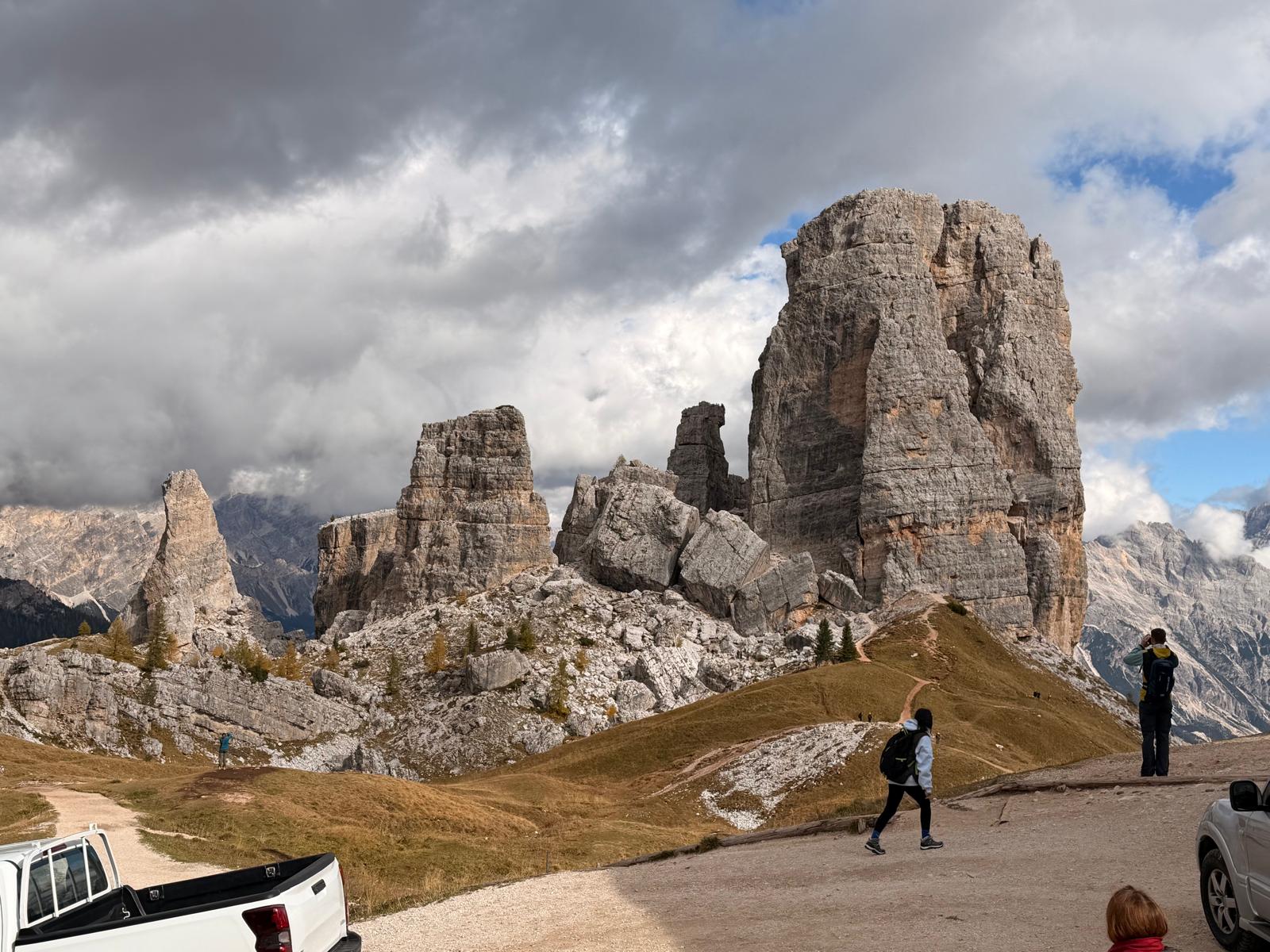
A €4 krapfen served at a mountain hut high in the Italian Dolomites has become the latest symbol of a much bigger problem facing some of Europe’s most spectacular mountain destinations: what happens when a place suddenly goes viral.
The Friedrich August refuge, located at around 2,300 metres between Col Rodella and Passo Sella in Val di Fassa, has long been known for serving freshly made krapfen, the jam-filled fried pastries common across the Alpine region.
But after videos of the pastries began spreading across social media, the hut itself became a destination.
Visitors are now reportedly arriving early in the morning — and in some cases even camping nearby — to make sure they can buy one before supplies run out. Long queues have formed outside the refuge, while photographs and videos of the pastry against the dramatic Dolomite backdrop continue to circulate online.
The Aosta Valley is beginning to recover after a week marked by intense storms, flooding and rockfalls, but scientists warn that the longer-term picture remains deeply concerning. While tourist facilities are reopening and emergency conditions are easing, 2026 has already become the worst year on record for glacier loss in Italy’s smallest Alpine region, underlining the accelerating impact of climate change.
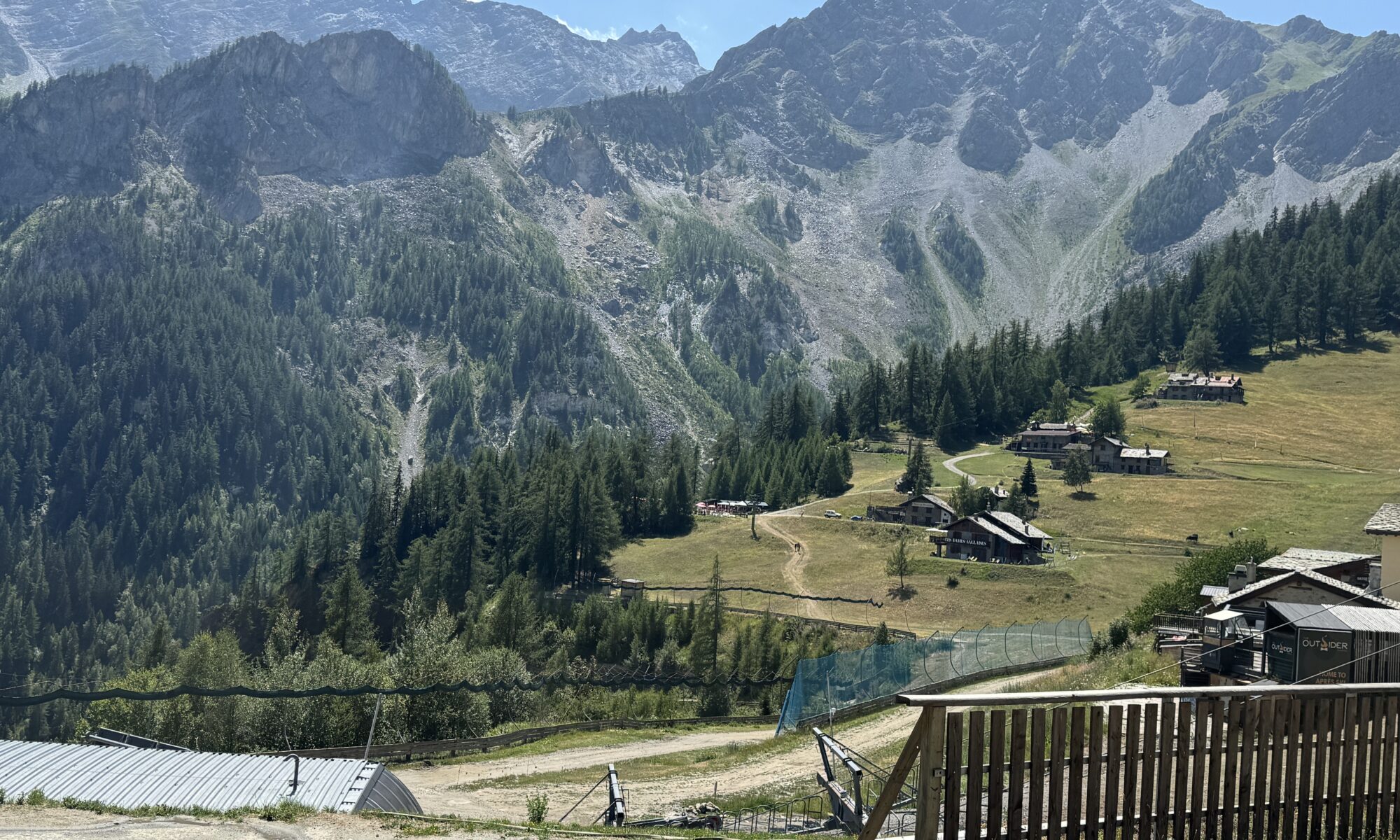
One of the clearest signs of recovery has come from Breuil-Cervinia, where the local golf course has partially reopened following the severe thunderstorms that hit the resort earlier this week. Although only a temporary nine-hole course is currently available while repairs continue, the reopening is an important step for the resort’s summer tourism industry after heavy rain and mudflows disrupted the area.
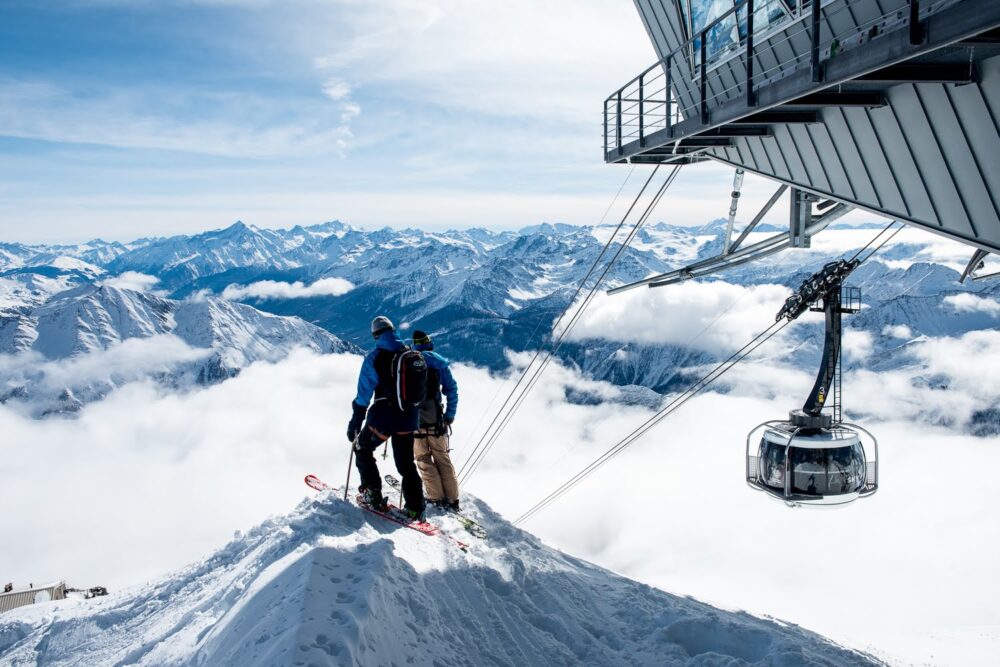
One of the Alps’ most iconic mountain resorts has reached a major milestone. Breuil-Cervinia is celebrating the 90th anniversary of the opening of its first cable car, the Breuil-Cervinia–Plan Maison lift inaugurated in 1936, a project that forever changed access to the slopes beneath the Matterhorn and helped shape the resort into one of Europe’s premier ski destinations.
The anniversary celebrations, held on August 1–2, bring together residents, visitors and industry partners for two days of concerts, storytelling, exhibitions and outdoor activities that honour nine decades of engineering innovation and mountain tourism.
As another summer of record-breaking temperatures grips much of southern Europe, the Alps are emerging as one of the season’s biggest winners. Across Italy’s mountain regions, hotels, mountain huts and hiking destinations are welcoming a surge of visitors looking to escape the heat, highlighting how climate change is reshaping travel patterns well beyond the winter ski season.
According to Italy’s JFC Summer Mountain Observatory, mountain destinations are expected to welcome around 7.8 million visitors this summer, an increase of 14.4% compared with 2025. Overnight stays are forecast to surpass 79 million, while the sector is expected to generate approximately €6.6 billion in tourism revenue. Those figures reflect a clear shift in holiday choices as more travellers seek cooler temperatures at higher elevations.
As climate change reshapes the Alps, ski resorts are beginning to discover that one of their most valuable investments may have a second life beyond winter.
In Switzerland, researchers are exploring whether snowmaking systems—traditionally used to guarantee ski conditions during increasingly unpredictable winters—could also help combat one of the mountains’ fastest-growing threats: forest fires.
The concept is surprisingly simple. The same network of reservoirs, pumping stations and high-pressure snow cannons that cover ski slopes with artificial snow during winter could potentially be used in summer to spray water onto vulnerable forest areas, helping firefighters slow or contain wildfires before they spread.
A New Role for Snowmaking Infrastructure
Swiss mountain resorts already possess extensive water management systems designed to support snowmaking operations. These include water reservoirs, underground pipelines, powerful pumps and strategically positioned snow cannons across the mountainside.
Rather than building entirely new firefighting infrastructure, researchers believe these existing systems could be adapted to provide rapid water distribution during wildfire emergencies.
The proposal is not intended to replace traditional firefighting methods or aerial water bombing. Instead, it could provide valuable support by creating wet buffer zones, protecting critical infrastructure, slowing the advance of flames and buying precious time until emergency services arrive.
Climate Change Is Changing the Alps
The idea reflects a broader reality facing mountain destinations.
Today, the conversation has expanded dramatically.
Longer periods of drought, rising temperatures and increasingly frequent heatwaves are creating conditions that make wildfires more likely even in regions traditionally associated with snow-covered landscapes.
Several Alpine countries have already experienced more frequent forest fires during recent summers, highlighting that mountain communities now face climate challenges throughout the entire year—not just during winter.
Year-Round Resorts Face Year-Round Risks
Modern ski resorts are no longer purely winter destinations.
Many now depend heavily on summer tourism, attracting hikers, mountain bikers, trail runners and nature lovers. Protecting forests, trails, lift infrastructure, hotels and surrounding communities has become essential for maintaining year-round operations.
Using existing snowmaking infrastructure for wildfire prevention could therefore offer an additional layer of resilience while maximising investments that were originally designed solely for winter operations.
A Smarter Use of Existing Resources
One of the most attractive aspects of the proposal is that it makes use of infrastructure already in place.
Many ski resorts have invested millions in sophisticated snowmaking systems over recent decades to adapt to changing winter conditions. Repurposing those networks during summer could provide added value without requiring entirely new water distribution systems.
Researchers still need to determine how effective snow cannons would be under real wildfire conditions, including factors such as wind, terrain, water pressure and accessibility. However, the concept represents an innovative example of climate adaptation using existing mountain infrastructure.
This Is Part of a Bigger Trend
Switzerland’s proposal is not an isolated idea. Around the world, mountain destinations are exploring new ways to use technology and existing infrastructure to reduce wildfire risk.
Earlier this year, The-Ski-Guru reported on how mountain communities in Colorado are testing AI-powered drones capable of detecting and attacking wildfires within minutes of ignition. While Colorado is looking to the skies with autonomous aircraft, Switzerland is focusing on the ground by repurposing snowmaking systems already installed across its ski resorts.
Together, these initiatives point to a new era in mountain management, where ski infrastructure is evolving beyond winter tourism to help protect forests, communities and alpine ecosystems throughout the year.
The Future of Mountain Tourism
As climate change continues to reshape alpine environments, ski resorts are increasingly being asked to perform multiple roles.
Beyond winter recreation, they are becoming year-round tourism destinations, environmental managers and, potentially, valuable partners in protecting mountain communities from natural hazards.
The Swiss proposal illustrates how infrastructure originally designed for skiing may become an important tool in adapting to a changing climate—demonstrating that the future of mountain tourism may depend as much on resilience as on recreation.
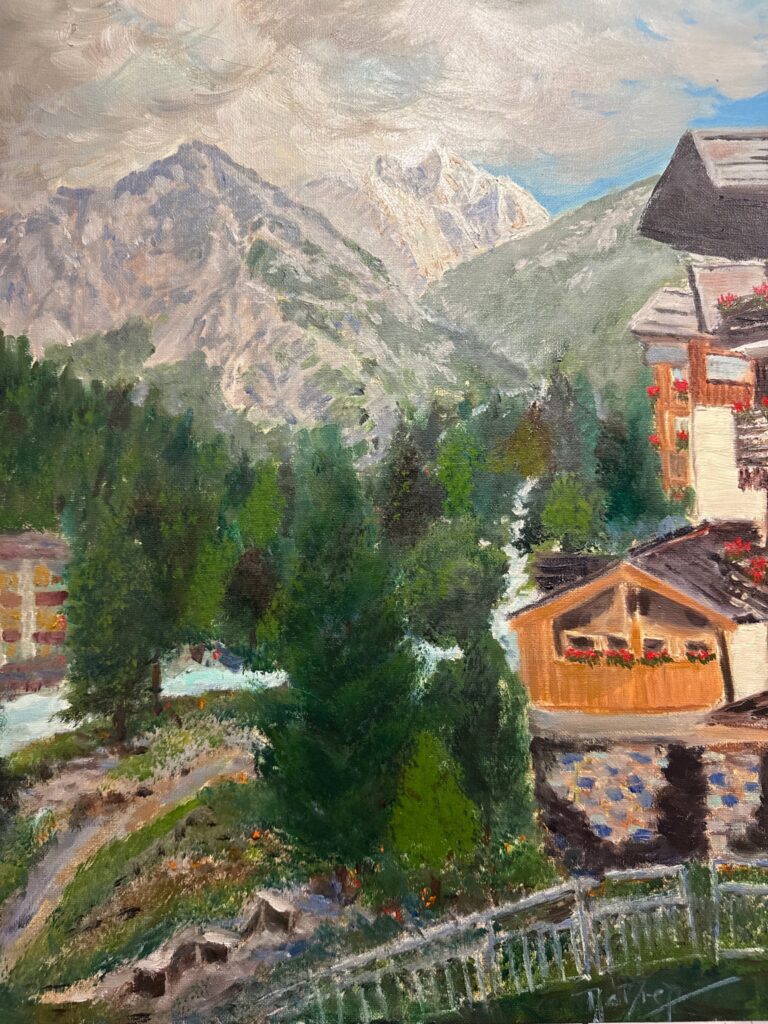
Madonna di Campiglio – after the storm. See the painting in my shop here.Changing seasons in Courmayeur. Oil on board. In my shop here.
Planning your next trip to the Italian Alps?
If you’re heading to the Aosta Valley, take a look at Il Cuore della Valdigne, our family-owned apartment in Morgex, available for rent when we’re not using it ourselves.
You can go to my shop and see what have been inspiring me lately, lots mountain landscapes in soft pastels, and now in oils too. Go here to check my latest works!
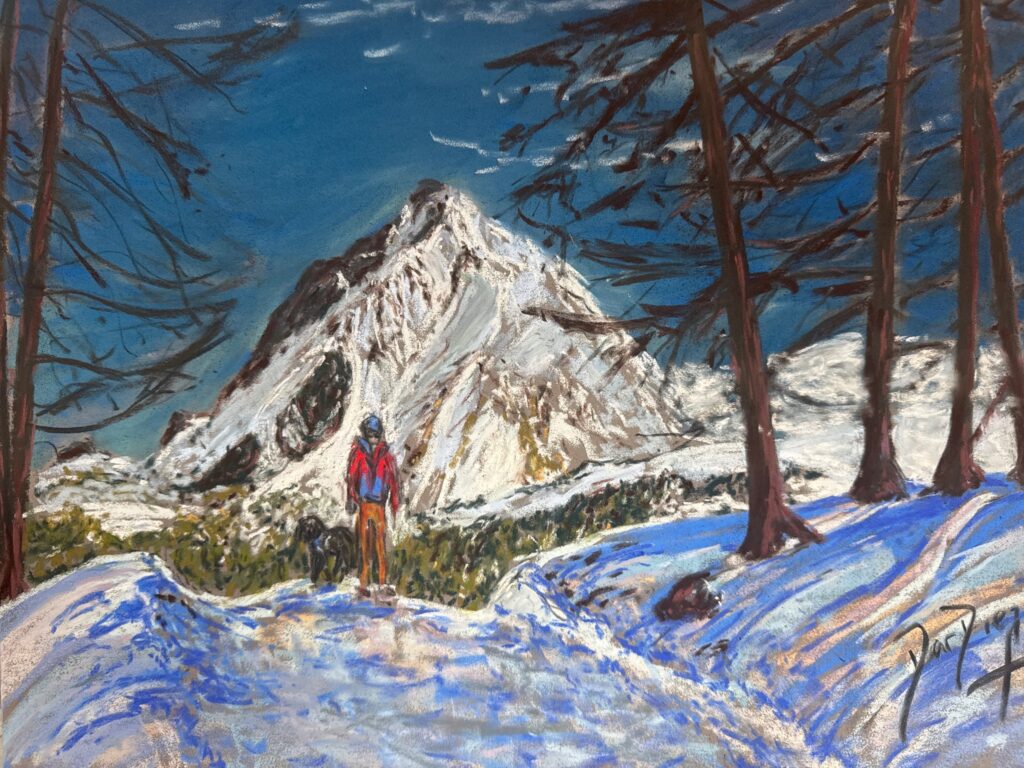
Becca di Nona in Pila, walking with the dog. Soft pastels in pastel paper. In my shop here.
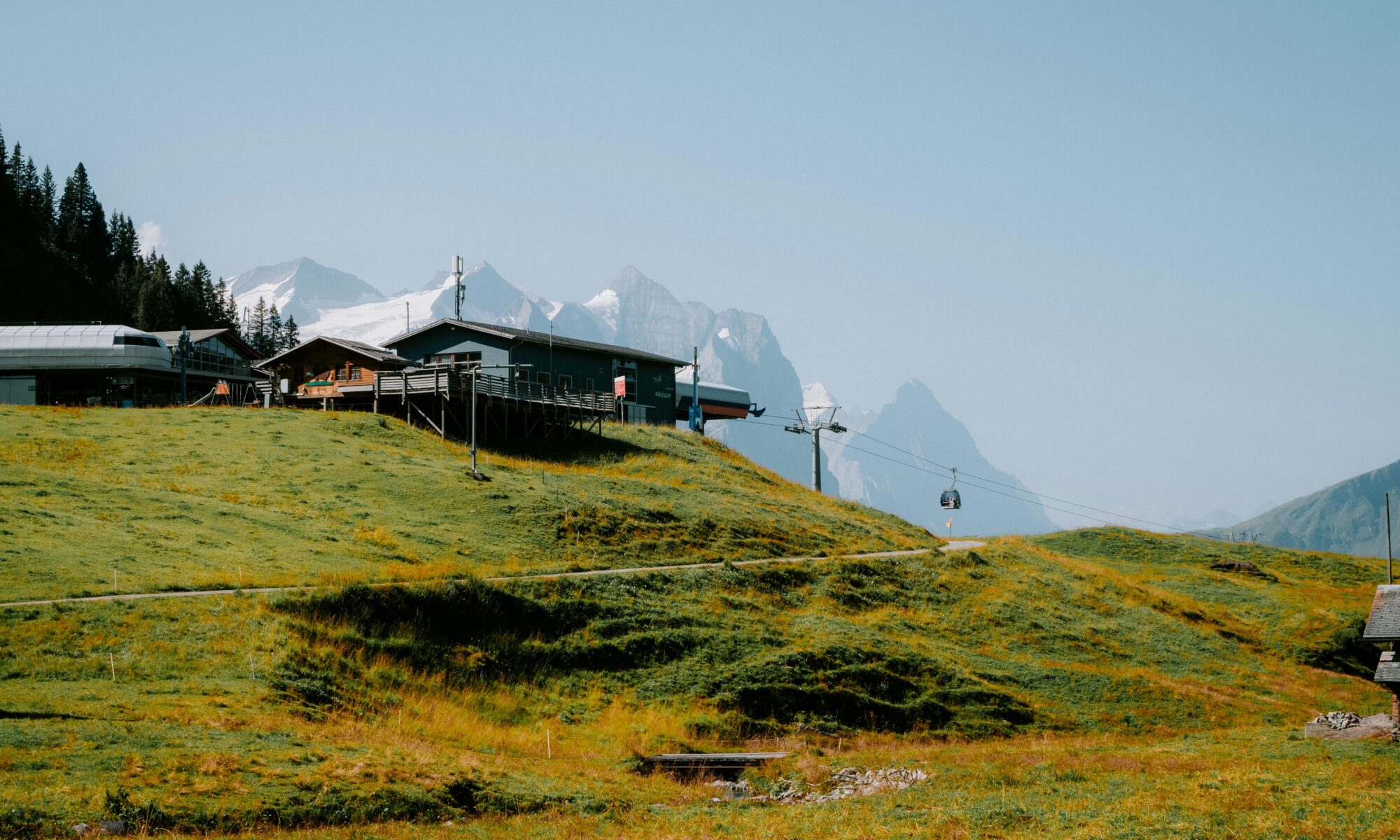
Featured Image: Hasliberg- Photo: Ben Grayland. Unsplash.
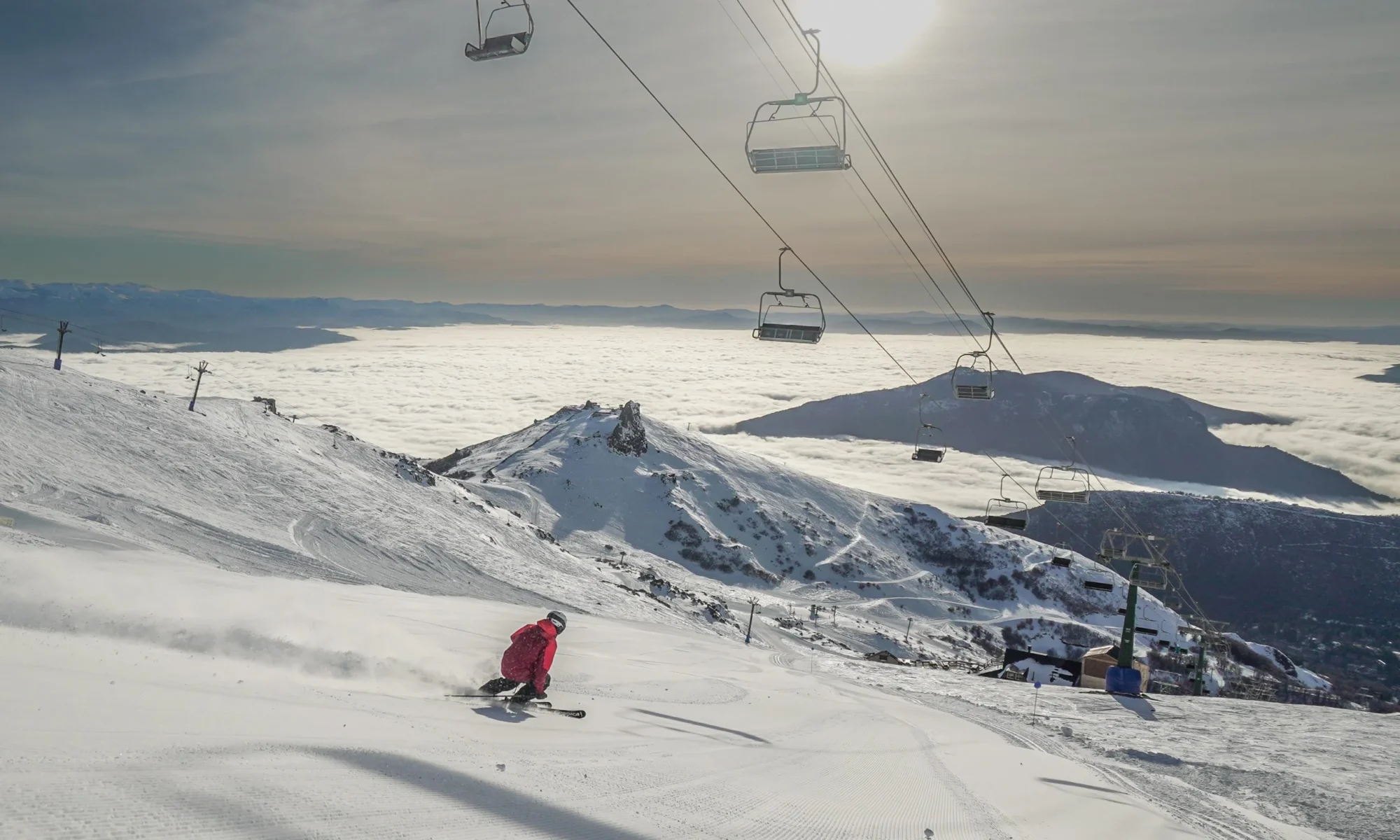
Bariloche is rapidly evolving into a year-round destination while remaining South America’s leading ski resort. Set on the shores of Lake Nahuel Huapi and surrounded by the Patagonian Andes, the city is home to Cerro Catedral, Argentina’s largest ski resort and one of the biggest in the Southern Hemisphere.
Every winter, thousands of Argentine, Brazilian, Chilean and international visitors head to Bariloche for its combination of skiing, spectacular scenery and alpine atmosphere.
Yet today, the city is pursuing a broader vision.
Rather than depending solely on winter, Bariloche is steadily evolving into a year-round mountain destination, combining skiing with hiking, trail running, mountain biking, lake activities, gastronomy, business events and international sporting competitions.
It is a strategy increasingly seen across mountain destinations worldwide. Resorts from the Alps to North America are investing in experiences that attract visitors throughout the year while strengthening winter operations through improved infrastructure and snowmaking.
Enjoyed this post? Get my latest ski guides, weather insights, resort updates and travel tips directly in your inbox. Subscribe to The-Ski-Guru here.
Manage Cookie Consent
To provide the best experiences, we use technologies like cookies to store and/or access device information. Consenting to these technologies will allow us to process data such as browsing behavior or unique IDs on this site. Not consenting or withdrawing consent, may adversely affect certain features and functions.
Functional
Always active
The technical storage or access is strictly necessary for the legitimate purpose of enabling the use of a specific service explicitly requested by the subscriber or user, or for the sole purpose of carrying out the transmission of a communication over an electronic communications network.
Preferences
The technical storage or access is necessary for the legitimate purpose of storing preferences that are not requested by the subscriber or user.
Statistics
The technical storage or access that is used exclusively for statistical purposes.The technical storage or access that is used exclusively for anonymous statistical purposes. Without a subpoena, voluntary compliance on the part of your Internet Service Provider, or additional records from a third party, information stored or retrieved for this purpose alone cannot usually be used to identify you.
Marketing
The technical storage or access is required to create user profiles to send advertising, or to track the user on a website or across several websites for similar marketing purposes.




 Subscribe to The-Ski-Guru here.