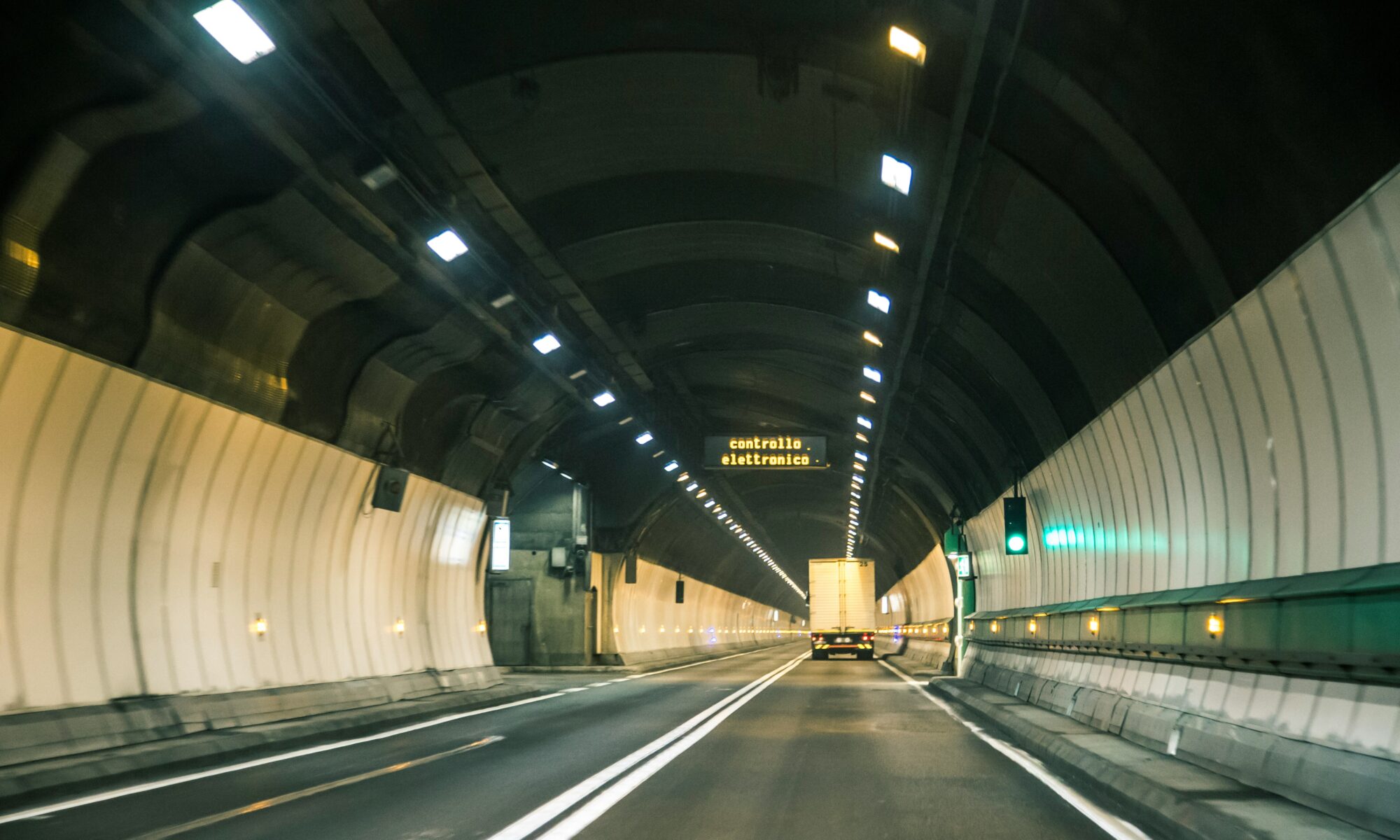
Mont Blanc Tunnel Second Tube: France Resists as Italy Pushes for Impact Studies

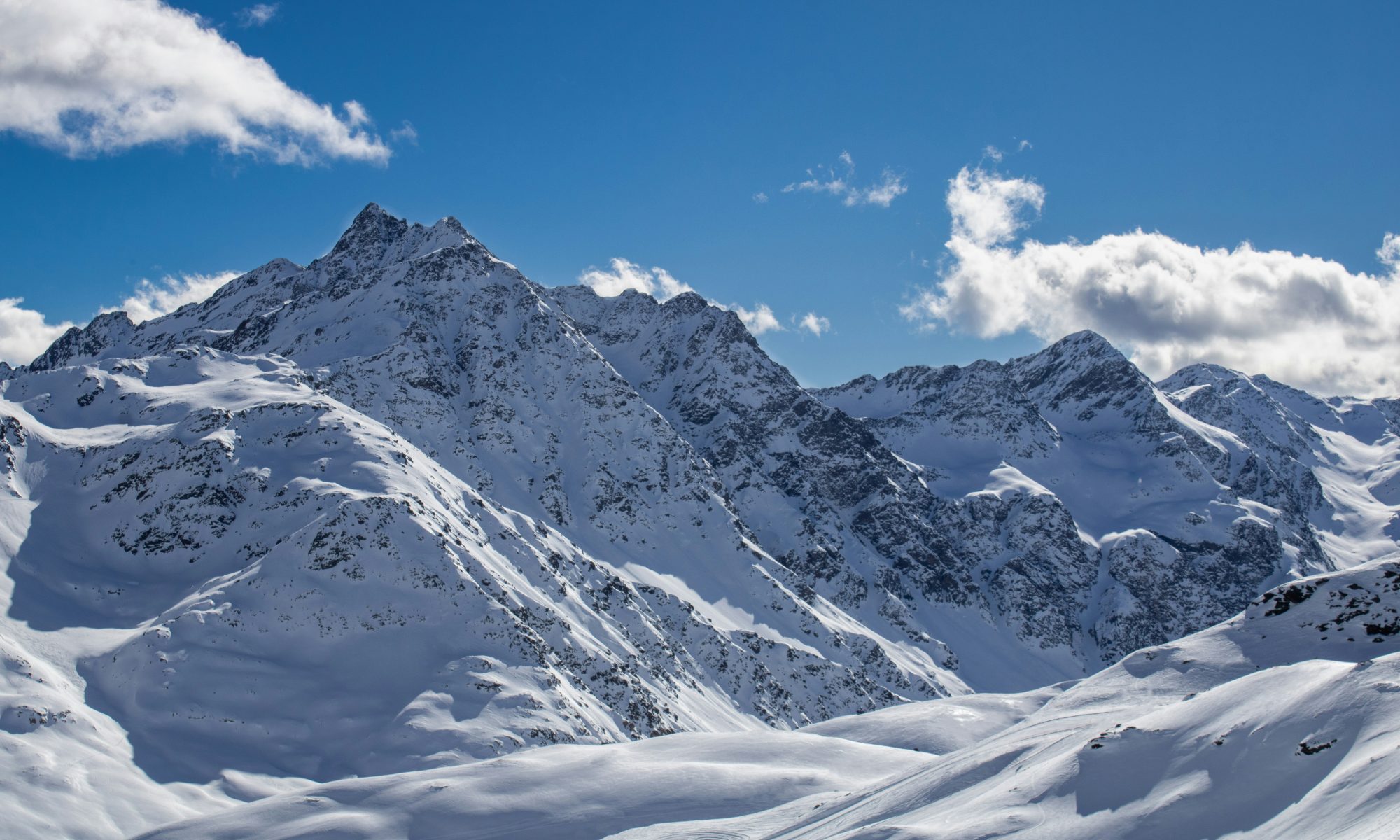
Mont Blanc Tunnel. Photo: Milada Vigerova. Unsplash.

  • Tunnel length: 11.6 km between Courmayeur (Italy) and Chamonix (France)
  • Traffic volume: Around 1.7 million vehicles use the tunnel annually
  • 2026 maintenance closures: Ongoing structural renovation works are causing periods of full closure, night-time closures and alternating one-way traffic during parts of 2026
  • Second tube proposal: No agreement has been reached; the idea remains under discussion between Italy and France and would require extensive studies and approvals before any construction could proceed

Continue reading “Mont Blanc Tunnel Second Tube: France Resists as Italy Pushes for Impact Studies”

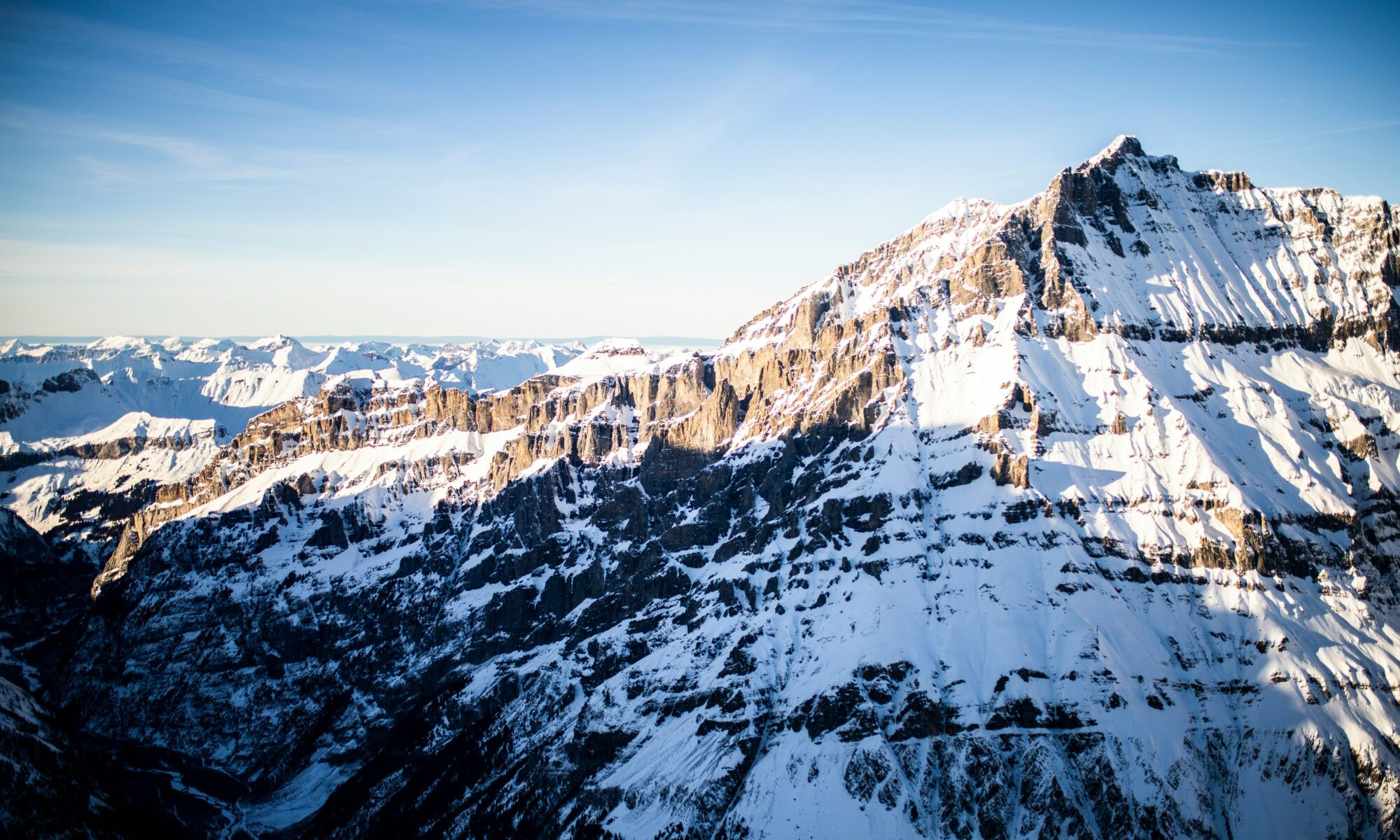
The future of one of the Alps’ most important transport corridors is back on the political agenda.

Key Facts

  • Tunnel length: 11.6 km between Courmayeur (Italy) and Chamonix (France)
  • Traffic volume: Around 1.7 million vehicles use the tunnel annually
  • 2026 maintenance closures: Ongoing structural renovation works are causing periods of full closure, night-time closures and alternating one-way traffic during parts of 2026
  • Second tube proposal: No agreement has been reached; the idea remains under discussion between Italy and France and would require extensive studies and approvals before any construction could proceed

Continue reading “Mont Blanc Tunnel Second Tube: France Resists as Italy Pushes for Impact Studies”
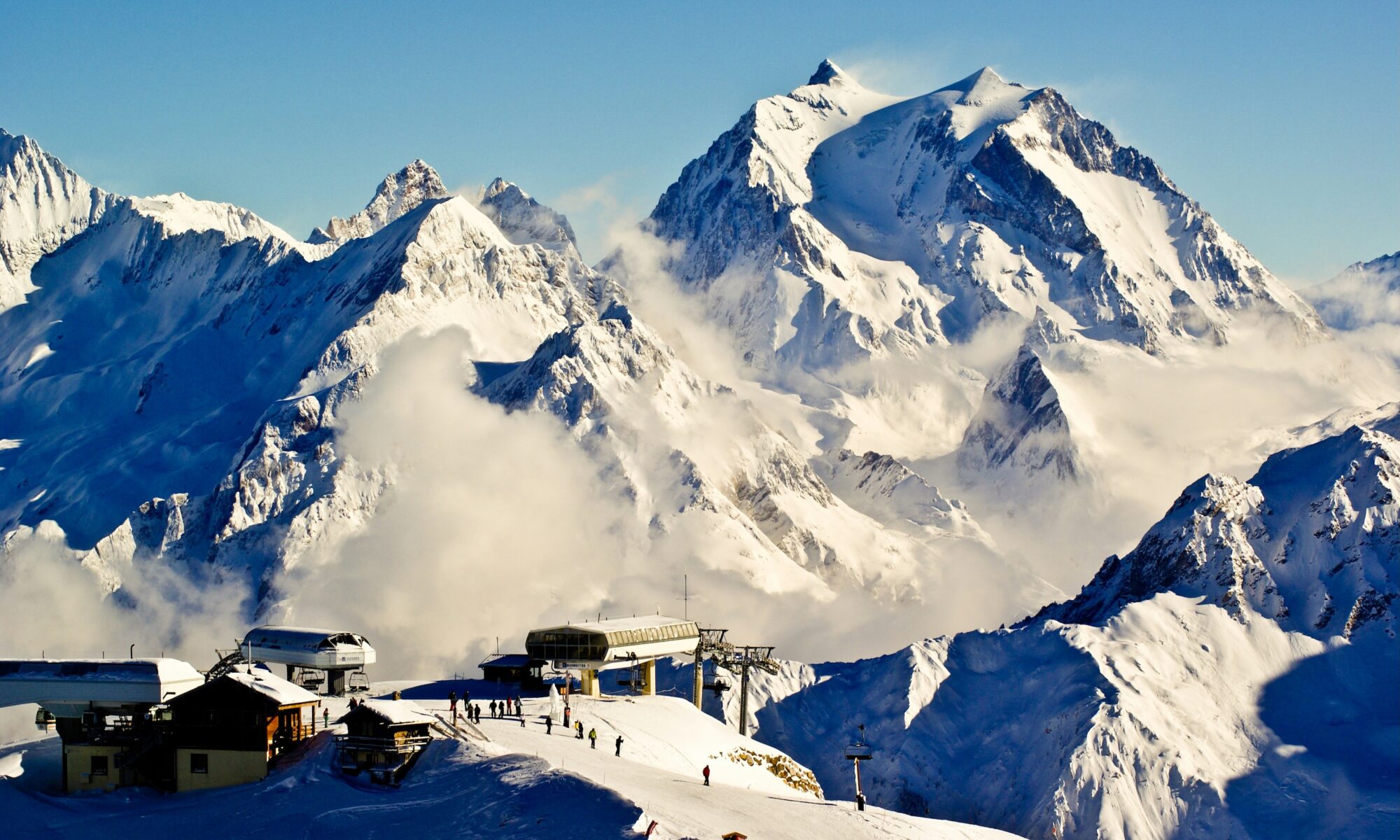
La Thuile Replaces Two Ageing Chairlifts with Major Gondola Upgrade for 2026/27

Pista 3, Franco Berthod, a renown super steep black run in La Thuile. Photo: Tourism Office La Thuile.

Italian resort La Thuile is preparing one of its biggest lift infrastructure upgrades in recent years, with a new 10-seater gondola set to replace two of the ski area’s older chairlifts ahead of the 2026/27 winter season.

The project will replace the ageing La Combe and Chaz Dura fixed-grip chairlifts on the front side of the mountain, one of the main circulation areas linking the Italian resort with the wider Espace San Bernardo ski domain shared with La Rosière in France.

According to local and regional reporting, the new gondola — officially referred to as the Les Suches–Chaz Dura telecabina — is designed to significantly improve uphill transport capacity, skier flow, and beginner access on one of the resort’s busiest sectors.


Update — October 2026: La Thuile’s new gondola will be called Vedette, with opening planned for December 2026. Its design draws inspiration from historic Alpine fortifications, while a panoramic restaurant is expected to follow in December 2027. Read our latest update on the Vedette gondola, its name and the story behind its architecture.


Continue reading “La Thuile Replaces Two Ageing Chairlifts with Major Gondola Upgrade for 2026/27”

Swiss Glacier Instability Near Blatten Highlights Growing Alpine Risk

Lauchernalp. Lötschental, Valais, Switzerland. Photo: Caspar Camille Rubin. Unsplash.

Nearly a year after the catastrophic collapse that destroyed much of the Swiss village of Blatten, authorities are again monitoring instability in the same high-mountain area above the Lötschental valley. The renewed concerns are a reminder that the risks linked to glacier retreat, thawing permafrost, and unstable rock faces in the Alps are not disappearing after a single event — and may instead become a longer-term operational challenge for mountain communities, infrastructure, transport routes, and tourism regions. 

Swiss authorities confirmed this week that parts of the glacier and surrounding mountain terrain near Blatten continue to show signs of instability, while access to the disaster zone remains dangerous because of ongoing rockfall and debris movement. The original collapse on 28 May 2025 saw millions of cubic metres of rock, ice, and mud surge down the mountain in less than a minute, destroying most of the village after a successful evacuation of around 300 residents. One person died in the disaster. Continue reading “Swiss Glacier Instability Near Blatten Highlights Growing Alpine Risk”

Courchevel’s Sinking Reservoir Highlights Growing Alpine Infrastructure Risks

Courchevel. Photo: Piotr Figlarz. Unsplash.

High above the famous French ski resort of Courchevel, a giant artificial water reservoir built to support snowmaking operations is now raising serious concerns about Alpine infrastructure stability in a warming climate.

The reservoir, located above the village of La Tania at around 2,270 metres altitude, was constructed to supply artificial snow for the new Éclipse piste, developed for the 2023 Alpine World Ski Championships and linked to preparations for future international winter sports events. But according to recent investigations by Le Monde, the structure is now subsiding at an alarming rate.

Continue reading “Courchevel’s Sinking Reservoir Highlights Growing Alpine Infrastructure Risks”

Valfurva Abandons Planned Lift Connection to Bormio Ahead of Milan-Cortina 2026

Santa Caterina. Province of Sondrio. Photo: Jan Jirasek. Unsplash.

Not every Alpine resort is rushing into new ski lift expansion ahead of the Milan-Cortina 2026 Winter Olympics. In Alta Valtellina, the municipality of Valfurva has officially abandoned plans for a new lift connection that would have provided direct access from the lower Valfurva valley to the Bormio ski area. 

The proposed “S. Antonio/S. Nicolò – Località Cimino” lift and return piste would have linked Valfurva more directly to Bormio’s slopes, in what had been presented as part of a broader vision of greater integration between the ski areas of Alta Valtellina. 

According to local reports and comments from Valfurva mayor Luca Bellotti, the decision was ultimately driven by a combination of timing, financing and permitting issues. The project, valued at more than €9 million, had already secured approximately €4.5 million in public funding through Italy’s Fondo Comuni Confinanti, but the remaining financing was never fully secured. The municipality also faced extremely tight deadlines tied to the funding programme, requiring feasibility documentation to be completed by September. 

Continue reading “Valfurva Abandons Planned Lift Connection to Bormio Ahead of Milan-Cortina 2026”

The “Ghost Tunnel” Project That Could Offer Another Route Between Piemonte and the French Riviera

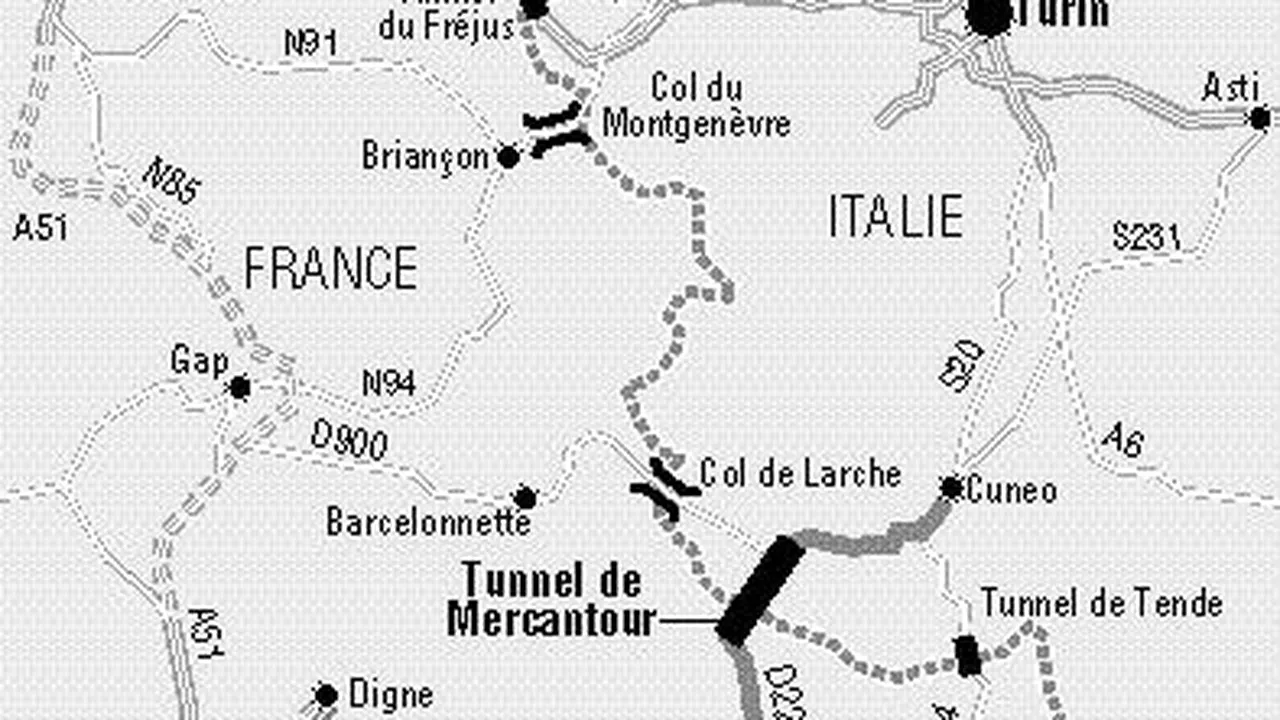
Tunnel Mercantour. Les Echos.

A long-abandoned proposal for a new Alpine tunnel linking Piemonte with the French Riviera has unexpectedly returned to public discussion in Italy, reviving debate over mountain connectivity, infrastructure resilience, and the future of cross-border transport in the Alps.

The project, recently described by Italian media as the “ghost tunnel” of the Mercantour, would potentially create an additional connection between the Cuneo area in Piemonte and the Côte d’Azur region around Nice.

While the idea has existed for decades, it has never moved beyond the conceptual and political discussion stage. However, renewed attention has emerged as Alpine regions increasingly reassess the vulnerability of existing transport corridors.

Continue reading “The “Ghost Tunnel” Project That Could Offer Another Route Between Piemonte and the French Riviera”

Why the Tenda Tunnel Has Become a Symbol of Alpine Infrastructure Fragility

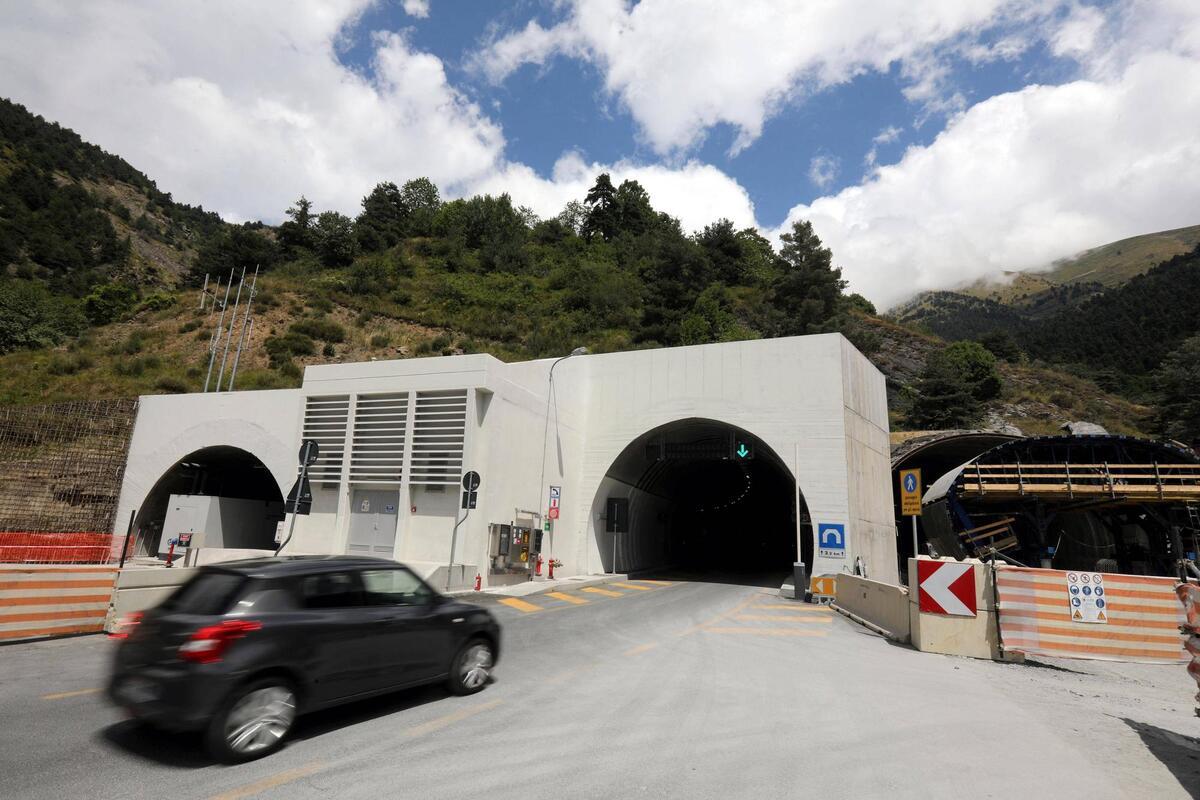
Tenda Tunnel. Photo: Nice Matin.

The reopening delays and ongoing reconstruction saga surrounding the Col de Tende Road Tunnel have become far more than a local infrastructure story. Increasingly, the tunnel is being seen as a symbol of how vulnerable Alpine transport corridors have become in an era of extreme weather, ageing infrastructure, and growing pressure on mountain mobility.

The Tenda Tunnel links Piemonte in north-west Italy with the Roya Valley in France, connecting the Cuneo region and resorts such as Limone Piemonte with Nice and the Côte d’Azur. Opened in 1882, it remains one of the most important historic road crossings between Italy and southern France.

For decades, the route has been strategically important not only for local communities and freight transport, but also for tourism. The tunnel provides a key connection between the Mediterranean coast and the mountains of Piemonte, including ski destinations and outdoor tourism areas that depend heavily on reliable cross-border access.

Continue reading “Why the Tenda Tunnel Has Become a Symbol of Alpine Infrastructure Fragility”

Giro d’Italia Returns to Val d’Aosta With Major Summit Finish in Pila

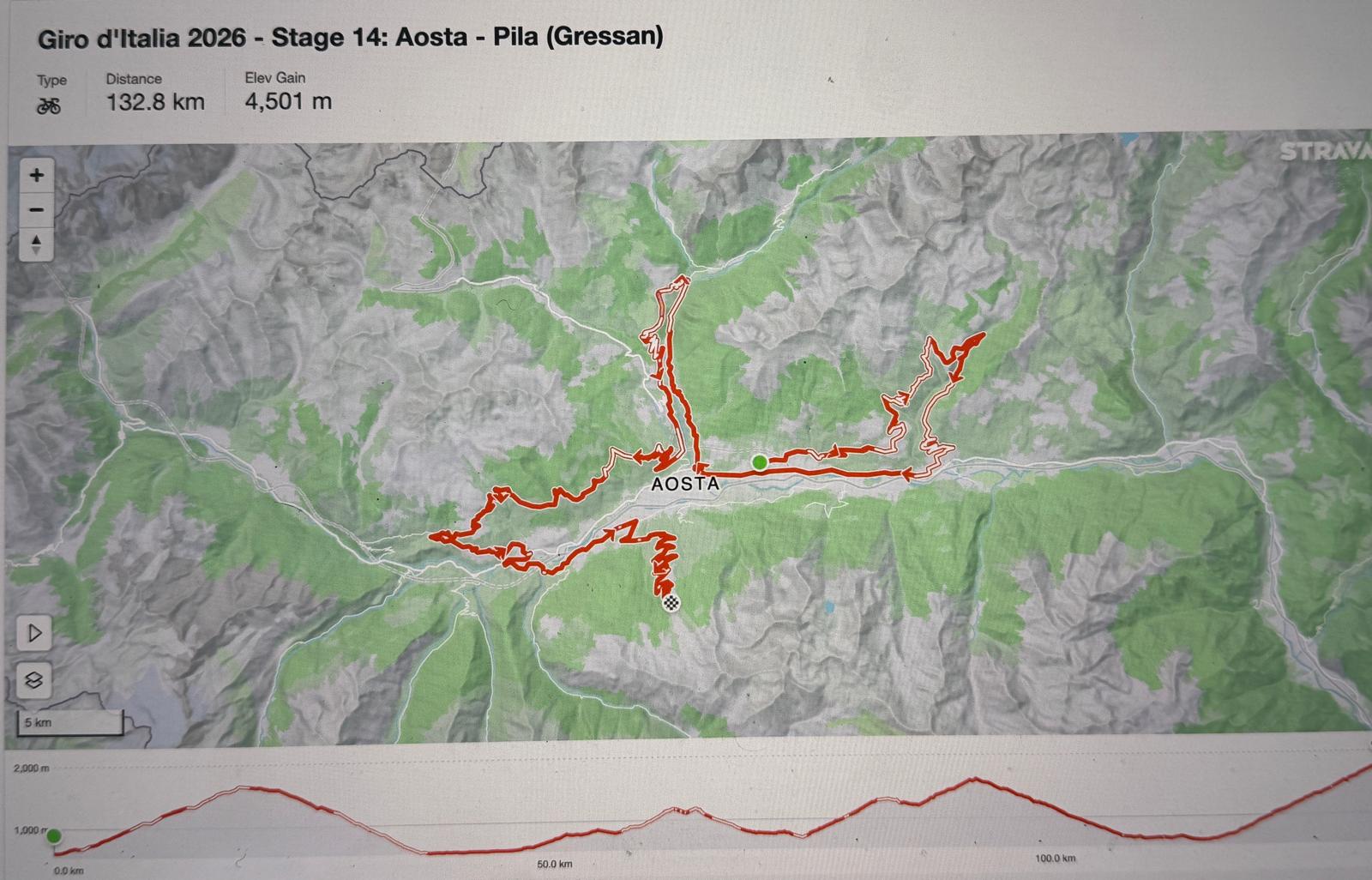
Etape of the Giro d'Italia. Strava.

The Giro d’Italia 2026 is returning to the Aosta Valley this May with one of the most important Alpine stages of the race, as Stage 14 finishes in Pila on Saturday 23 May.

The stage, officially running from Aosta to Pila (Gressan), is already being described as one of the decisive mountain stages of the 2026 Giro. The route packs more than 4,000 metres of climbing into just 133km, with the final ascent to Pila expected to create major time gaps between the race favourites. 

According to the official race route, riders will tackle a series of climbs across the Aosta Valley before the final ascent from Gressan to Pila, a climb measuring approximately 16.5km at an average gradient above 7%. The finish line will sit high above the valley with views toward Mont Blanc, Monte Rosa, the Matterhorn and Gran Paradiso. 

Continue reading “Giro d’Italia Returns to Val d’Aosta With Major Summit Finish in Pila”

Mountain Planet 2026: Innovation, Infrastructure, and the Future of Mountain Tourism

Mountain Planet 2026 show photo.

The 2026 edition of Mountain Planet 2026 has confirmed its position as one of the key global gatherings for the mountain industry, bringing together operators, manufacturers, policymakers and technology providers at a time when the sector is undergoing significant change.

Held in Grenoble, the event highlighted a clear shift in priorities across the industry. While innovation remains central, the focus is increasingly on resilience, energy transition, and the diversification of mountain tourism models.

This year’s edition recorded a 4.5% increase in visitors, underlining continued engagement from across the sector despite a winter season marked by uneven snow conditions in many regions.

Continue reading “Mountain Planet 2026: Innovation, Infrastructure, and the Future of Mountain Tourism”

The Future of Ski Resorts: What the 2026 Mountain Planet’s Innovation Book Reveals

The Future of Ski Resorts: What the 2026 Mountain Planet's Innovation Book Reveals

The latest edition of the Innovation Book, released alongside the Mountain Planet trade show, offers a detailed snapshot of how the ski industry is attempting to adapt to a rapidly changing environment. Rather than simply showcasing new products, it provides insight into the direction of travel for ski resorts facing increasing pressure from climate variability, operational costs and shifting visitor expectations.

What emerges is not a single breakthrough, but a pattern. Across snowmaking, infrastructure, digital systems and mobility, the focus is on optimisation, efficiency and resilience rather than expansion.

Snowmaking Becomes Precision Infrastructure

One of the clearest themes running through the Innovation Book is the continued evolution of snowmaking. The emphasis is no longer on producing more snow, but on producing it more efficiently, using less water and energy while adapting to narrower temperature windows.

This reflects a structural shift already visible across the Alps. Resorts are increasingly dependent on artificial snow not as a supplement, but as a core layer of their operating model. The innovations presented focus on automation, real-time monitoring and improved targeting of snow production, allowing operators to respond quickly to changing conditions.

👉 You can read more about the broader context in Snow Conditions in a Warming Alpine Climate 

Digitalisation Moves to the Core of Operations

Another dominant trend is the integration of digital tools into daily resort management. From predictive maintenance of lift systems to data-driven crowd management and real-time operational dashboards, resorts are becoming increasingly reliant on data.

Continue reading “The Future of Ski Resorts: What the 2026 Mountain Planet’s Innovation Book Reveals”