Southern Alps Avalanches February 2026 (Western Alps Overview)

St. Foy-Tarentaise-Photo: Valdemaras Januska. Unsplash. Southern Alps avalanches February 2026.

Southern Alps avalanches February 2026 highlight a continued instability phase across multiple Alpine massifs between 21 and 26 February.

Between 21 and 26 February 2026, widespread avalanche activity was observed across the Southern and Western Alps, including the Écrins, Queyras, Vanoise, Beaufortain, Haute Tarentaise and the Aosta Valley.

Unlike isolated accident reports, these observations show a broader structural pattern:
• Deep slab failures
• Spontaneous releases during warming
• Glide avalanches and reptation
• Hard slabs transitioning into wet snow on south-facing slopes

This phase followed the intense storm cycle and coincided with rising freezing levels across the Alps.

Most of the following observations are drawn from the public database at data-avalanche.org, complemented where possible by regional reporting.

Continue reading “Southern Alps Avalanches February 2026 (Western Alps Overview)”
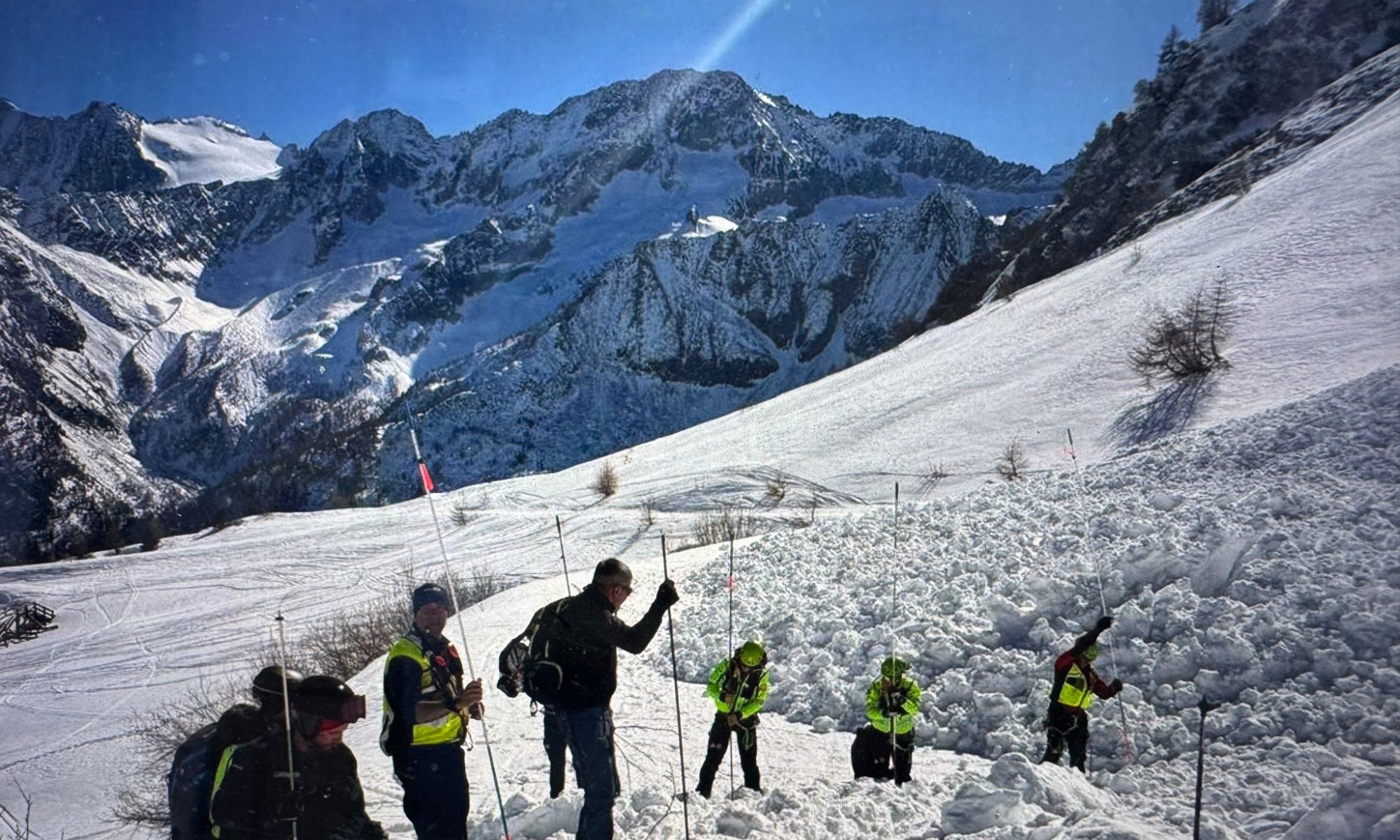
Passo del Tonale Avalanche Near Valbiolo Blue Run Triggers Major Rescue Operation

Avalanche at the Valbiolo piste in Passo del Tonale. Photo: CLV Vermiglio- Trentino Province Press Office.

PASSO DEL TONALE, Italy — 25 February 2026

A large avalanche released late Wednesday morning near the Valbiolo blue run at Passo del Tonale, on the border between Trentino and Lombardy, prompting a major multi-agency rescue operation, according to regional civil protection authorities.

The slide occurred at around 2,000 metres above sea level and was immediately reported to the national emergency number 112. Helicopter units, alpine rescue teams and law enforcement were deployed to secure the area and verify whether any skiers had been involved.

Initial checks confirmed that no people were buried or injured.

Major Emergency Response

Rescue operations involved:

  • Helicopter unit of the Permanent Fire Brigade of Trento
  • Trentino Emergency medical services
  • Alpine and Speleological Rescue teams from Trentino and Lombardy
  • Carabinieri and State Police
  • The Avalanche Commission of Vermiglio

Continue reading “Passo del Tonale Avalanche Near Valbiolo Blue Run Triggers Major Rescue Operation”

Avalanche Reaches Blue Piste in Méribel – Two Skiers Buried, Rescued Safely

Méribel Ski Map.

Méribel, France – 21 February 2026

An avalanche reached a marked blue ski run in the Saulire sector of Méribel on Saturday 21 February, briefly burying two skiers before they were rescued safely.

The slide was triggered by a group of four skiers travelling off-piste above the piste known as “Biche.” The avalanche descended onto the groomed run below, prompting a rapid response from ski patrol teams.

According to regional newspaper Le Dauphiné Libéré, the two buried skiers were quickly located and freed. Both were evacuated as a precaution but did not suffer life-threatening injuries.

This event is part of a wider pattern of extreme weather in the Alps, where increasingly unstable conditions are affecting snowpack and safety.


What Happened in the Saulire Sector?

The avalanche released from terrain above the blue “Biche” piste, beneath the Saulire summit — a high-altitude sector linking Méribel and Courchevel within the Trois Vallées ski area.

Four skiers were reportedly travelling outside marked runs when a slab released. Two members of the group were caught and buried.

Continue reading “Avalanche Reaches Blue Piste in Méribel – Two Skiers Buried, Rescued Safely”

Northern French Alps Avalanche Cycle Update – Rapid Warming After Storm Triggers Widespread Instability (February 2026)

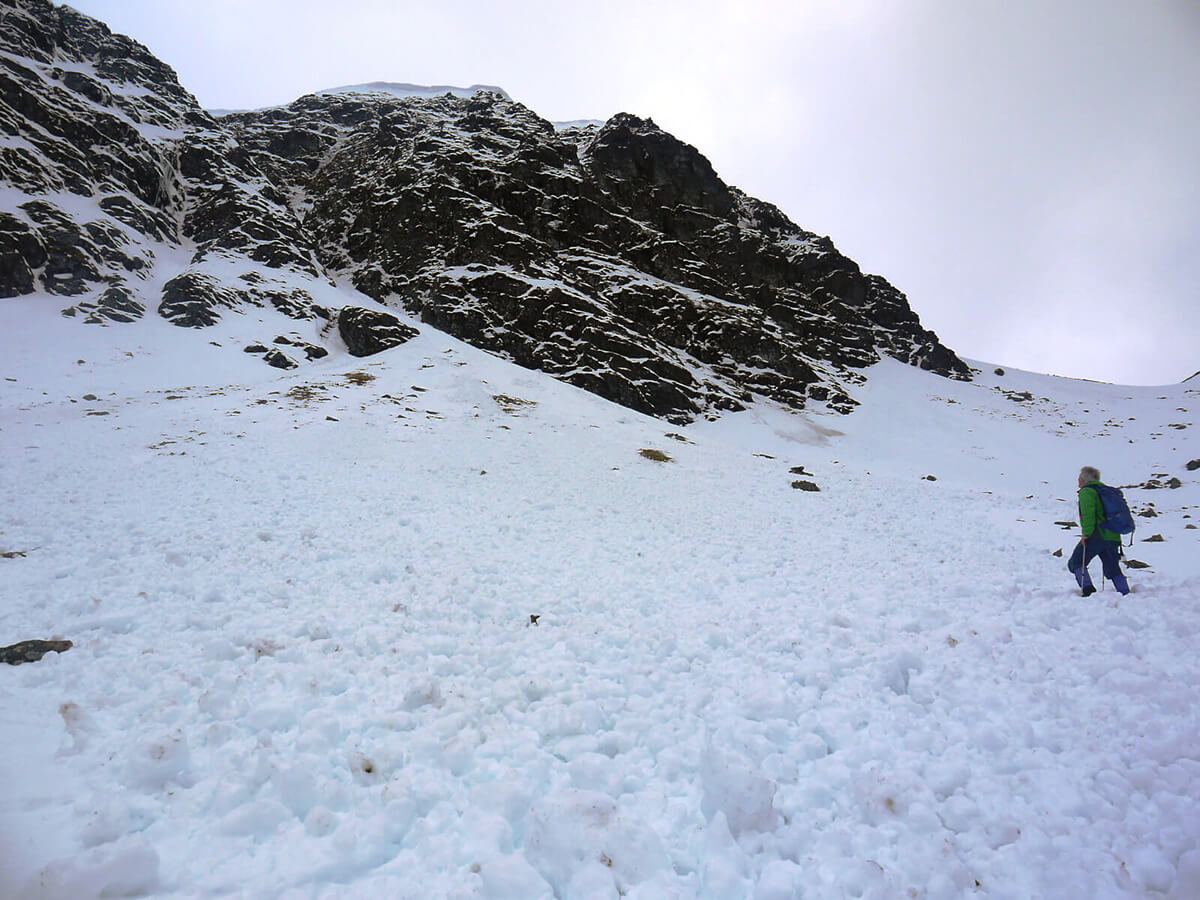
Wet snow avalanche. sais.gov.uk

Introduction

Following several days of heavy snowfall and strong winds across the Northern French Alps, a rapid rise in temperatures — with the freezing level climbing above 3000 metres — has triggered a new phase in the February 2026 avalanche cycle.

In the past 72 hours, avalanches have affected both backcountry terrain and managed ski domains across multiple massifs. A full overview of the February avalanche incidents across the Alps can be found here.

This update analyses what is happening across the massifs and why the snowpack is reacting now.


Table of Contents

  • Storm Loading Phase (Level 4–5)
  • The Rapid Warming Shift
  • In-Resort Avalanches: A Changing Risk Profile
  • Persistent Weak Layers Reactivated
  • What This Means Going Forward

1️⃣ Storm Loading Phase (Level 4–5)

Earlier in the week, heavy snowfall combined with strong wind transport created widespread slab formation across:

Continue reading “Northern French Alps Avalanche Cycle Update – Rapid Warming After Storm Triggers Widespread Instability (February 2026)”

Montgenèvre Avalanche Fatality: Skier Killed Off-Piste Amid Elevated Risk

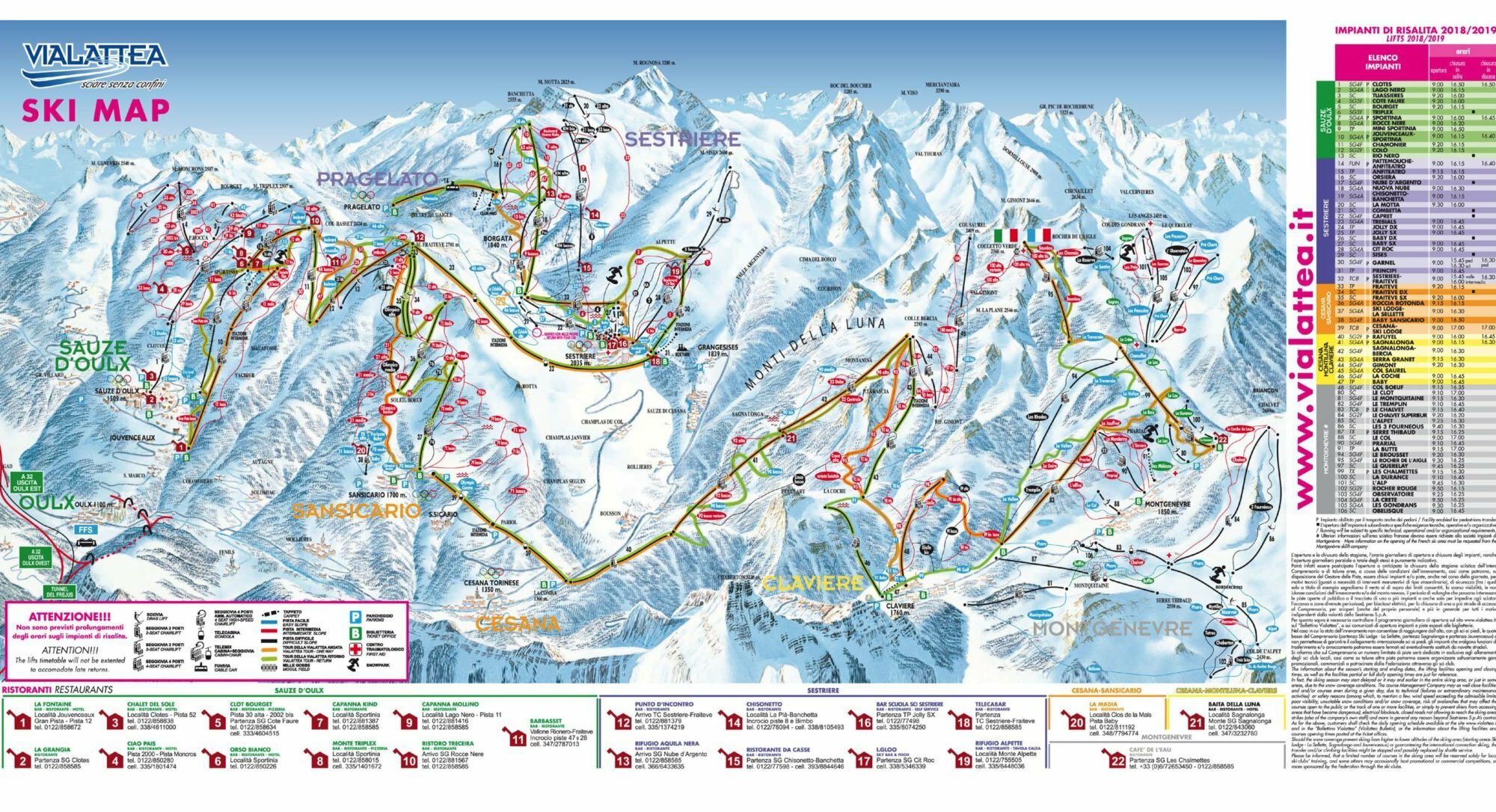
Ski Map Montgenèvre & Via Lattea.

Montgenèvre Avalanche Fatality: What Happened

A skier has died after being caught in an avalanche while skiing off-piste near Montgenèvre, close to the French-Italian border.

According to local authorities, the avalanche occurred in steep, unsecured terrain outside marked pistes. Rescue services were deployed, but the victim could not be saved. A companion was reportedly unharmed.

An official investigation has been opened to determine the precise circumstances of the incident.

Continue reading “Montgenèvre Avalanche Fatality: Skier Killed Off-Piste Amid Elevated Risk”

Avalanche in Tyrol, Austria: One Dead, No Other Victims Found as Searches Continue

The beautiful resort of Ischgl. Photo: Justus. Unsplash. Avalanche in Tyrol, Austria: One Dead, No Other Victims Found as Searches Continue.

Avalanche in Tyrol, Austria: One Dead, Searches Confirm No Other Victims

A fatal avalanche in Tyrol, Austria, has claimed the life of one skier, prompting an extensive rescue operation and renewed warnings about unstable snow conditions across the Alps.

The avalanche occurred off-piste near the Pardatschgratbahn lift area in Ischgl, one of Austria’s most popular ski resorts. The victim was reported missing after failing to return to their accommodation, triggering a search by local authorities and mountain rescue teams.

Rescuers later located the body beneath the avalanche debris. Following intensive probing and searches of the surrounding area, authorities have confirmed that no other people appear to be buried, though checks continued for several hours as a precaution.

Across the Alps, these incidents occur against a backdrop of labour and housing challenges in mountain communities, which can affect staffing levels and safety resources.

Continue reading “Avalanche in Tyrol, Austria: One Dead, No Other Victims Found as Searches Continue”

Why Wind Is One of the Most Dangerous Avalanche Triggers

A wind slab- photo: Avalanche.org. Why Wind Is One of the Most Dangerous Avalanche Triggers.

🌬️ The Hidden Role of Wind in Avalanche Accidents

When people think about avalanches, they often focus on heavy snowfall. In reality, wind is one of the most powerful — and underestimated — avalanche triggers in the mountains.

Wind can rapidly transform otherwise manageable snow conditions into high-risk terrain, often within hours, and frequently during periods of good weather and visibility when more people are on the mountain.


How Wind Affects the Snowpack

❄️ Snow Transport: Moving the Problem Elsewhere

Wind does not simply remove snow — it redistributes it.

  • Snow is stripped from wind-exposed ridges and faces
  • It is deposited on lee slopes, gullies, bowls and rollovers
  • Dense slabs form over weaker underlying layers

These slabs can be triggered by:

  • A single skier
  • A small additional load
  • Sometimes days after the wind event


Continue reading “Why Wind Is One of the Most Dangerous Avalanche Triggers”

Avalanche at Pila (Aosta Valley): One Person Found Dead Near Pointe de la Pierre

Avalanche at Pila (Aosta Valley): One Person Found Dead Near Pointe de la Pierre, Image: AI generated based on position provided.

Avalanche at Pila (Aosta Valley): One Person Found Dead Near Pointe de la Pierre

An avalanche above Pila, in Italy’s Aosta Valley, has resulted in one fatality, according to updated reports from Italian media and local authorities.

The avalanche occurred in the Pointe de la Pierre area, on steep high-altitude terrain above the ski area and outside the groomed piste network. After several hours of search and rescue operations, the person involved was located and confirmed dead.


Many avalanche accidents occur when forecasts are misunderstood — this guide explains how avalanche bulletins should be read and applied before heading into the mountains.

Beyond snow conditions, safety in ski areas also depends on the people who keep ski resorts running, from patrol teams to lift and maintenance staff.

Rescue efforts were carried out by Soccorso Alpino Valdostano, with support from SAGF (Italian Finance Police mountain rescue units) and search dog teams.

Operations were made particularly challenging by poor visibility and strong winds, which limited helicopter access and required rescuers to proceed on foot in difficult conditions.

Authorities have not released further details regarding the identity of the victim at this stage.

Continue reading “Avalanche at Pila (Aosta Valley): One Person Found Dead Near Pointe de la Pierre”

❗ Avalanche Danger Update: Current Conditions in the Alps & North America (January 2026)

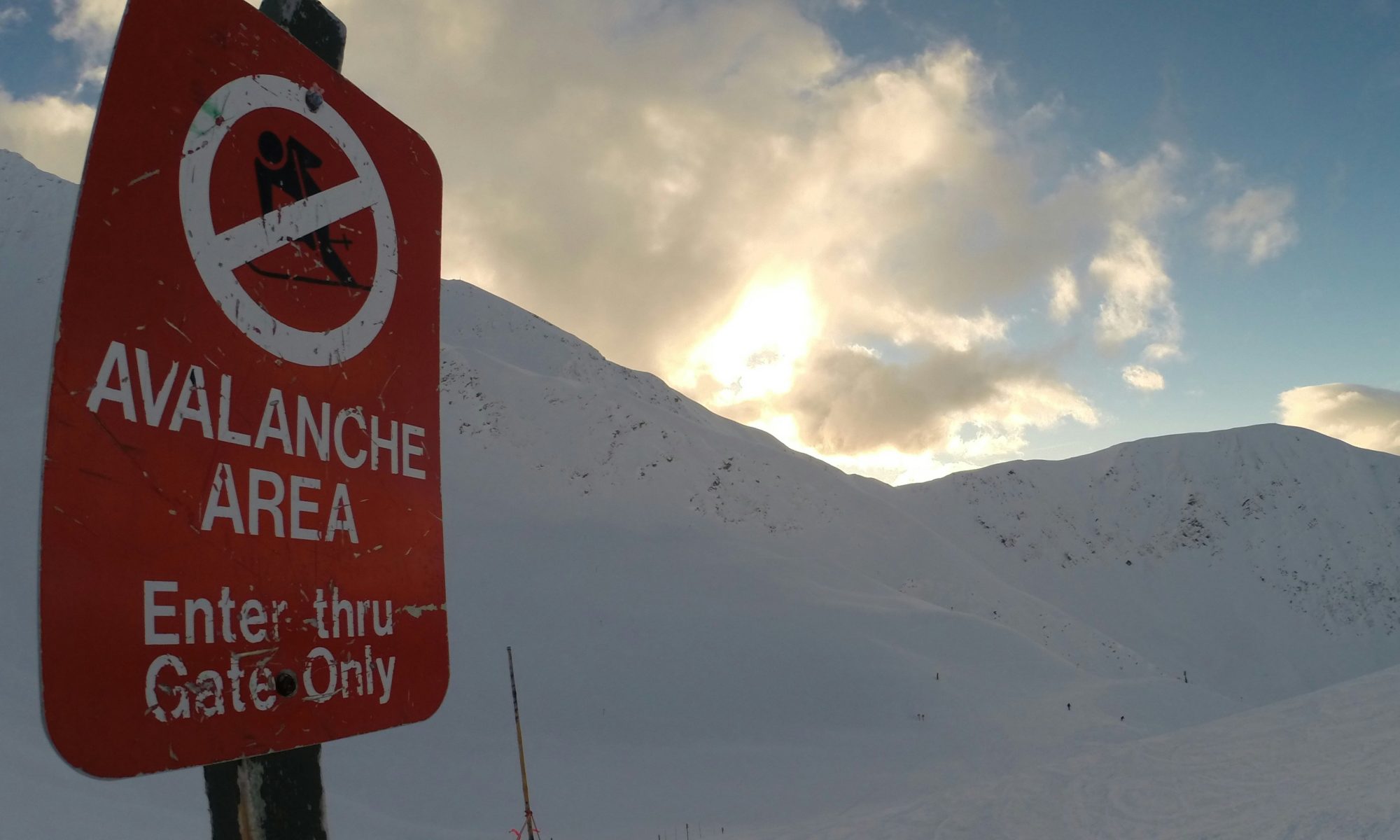
Avalanche danger sign. Photo: Bruce Warrington- Unsplash. Avalanche Activity Across the Alps & Pyrenees: Widespread Instability Raises Concerns (11–12 January 2026).

Avalanche Danger Update January 2026 | Alps & North America

Avalanche danger remains elevated in several mountain regions at the start of January 2026. Recent incidents in the Alps and ongoing warnings across North America highlight a familiar — and dangerous — combination: new snow, strong winds, and unstable early-season snowpacks.

Whether you’re ski touring, snowboarding out of bounds, or travelling to mountain destinations, understanding current avalanche conditions — and checking official, local forecasts — is essential.

Continue reading “❗ Avalanche Danger Update: Current Conditions in the Alps & North America (January 2026)”

Snow Cracks in the Central Zone of Chile: “This is a situation that should not be overlooked”

Snow cracks. Photo: Anders Jilden. Unsplash. Snow Cracks in the Central Zone of Chile: "This is a situation that should not be overlooked."

Snow Cracks in the Central Zone of Chile: “This is a situation that should not be overlooked”

From Avalancha Sport

One of the postcards that alarmed all lovers of the mountain were the cracks that appeared in some sectors of the central zone of Chile where users in social networks recorded this event that can cause an avalanche.

Snow Cracks in the Central Zone of Chile: "This is a situation that should not be overlooked". Photo: Avalancha Sport.
Snow Cracks in the Central Zone of Chile: “This is a situation that should not be overlooked”. Photo: Avalancha Sport.

In this context and after this situation, Avalancha Sport spoke with Diego Pizarro, Mountain Risks Specialist and Instructor of snow and avalanches of the National Association of French Snow Studies (ANENA), who said that this phenomenon is not unusual at the beginnings of the season.

“My impression is very likely that this happened because there was an intense rainfall with little wind and very low temperatures during that period,” he began.

Continue reading “Snow Cracks in the Central Zone of Chile: “This is a situation that should not be overlooked””