Vail Mountain is still scheduled to open for skiing and snowboarding on Friday, 13 November 2026, kicking off the 2026/27 season at the Colorado resort. Vail has kept the date on its official calendar. The question for anyone planning to ski this weekend is which lifts and runs will be available on day one. Vail Mountain
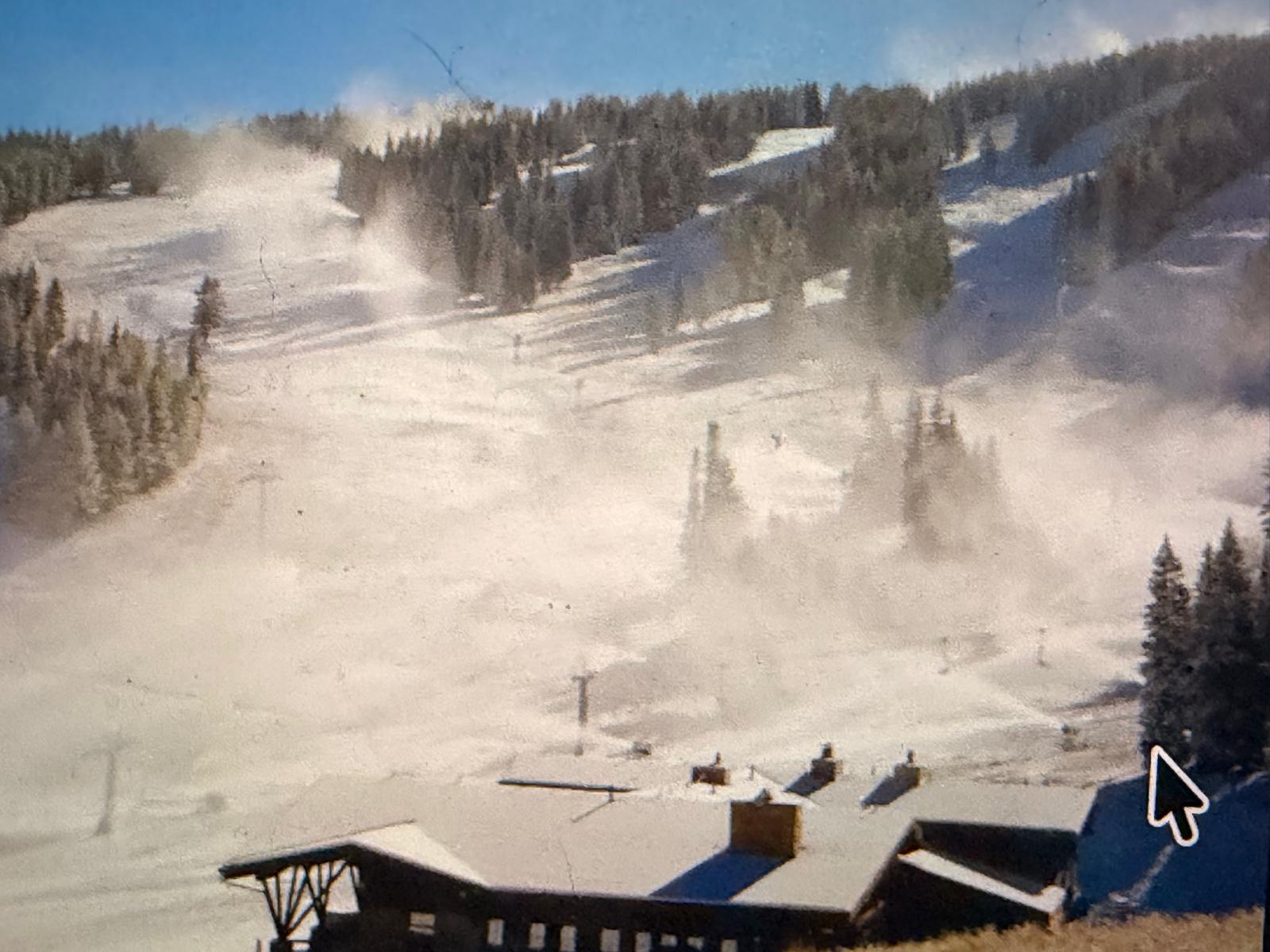
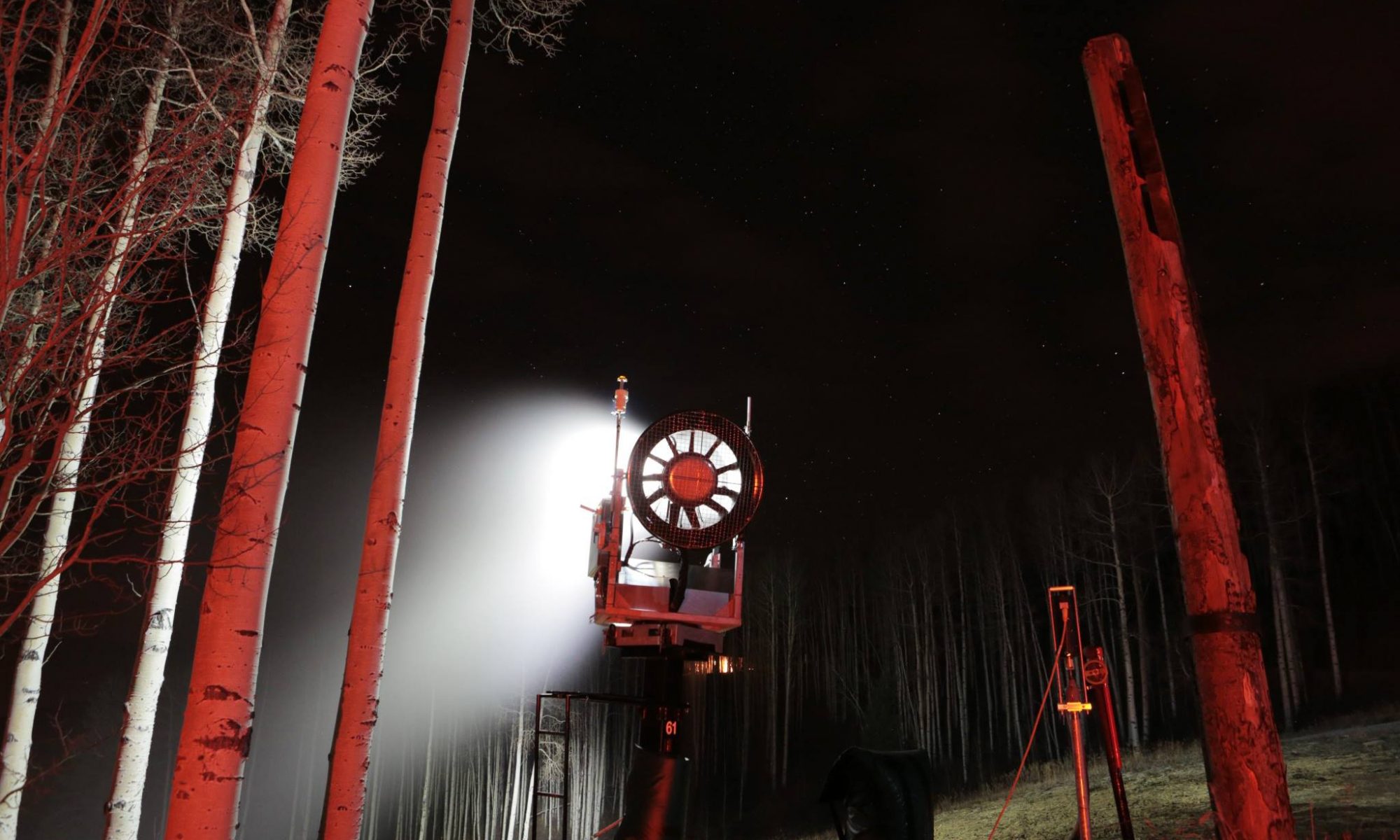
Snowmaking began in October
Vail Mountain recorded nearly three inches (about 7.5 cm) of snow in October, and the resort began its snowmaking preparations that week, according to local reporting. As opening day approaches, Vail Daily reports that the mountain’s chief operating officer is confident the snowmaking effort will keep Vail on track for Friday. www.koaa.comVail Daily
A snow gun needs cold enough conditions and a supply of water. A reservoir can help with the second part by storing water for use when conditions are right. But where will that water come from, and what happens to the people and ecosystems that already depend on it?
Those questions are at the heart of BECCA, a French–Italian climate adaptation project led by the Aosta Valley. At its final conference on 4 November 2026, the project presented a strategy for deciding whether and where to build small mountain reservoirs, alongside a bilingual technical guide for designing, building and maintaining them. www.interreg-alcotra.eu
The Europe winter 2026/27 snow forecast is beginning to take shape, with official seasonal outlooks offering early clues for skiers planning their holidays. Warmer-than-average conditions are favoured across much of the continent, with increased precipitation possible in several regions—but how much will fall as snow?
By Martina Diez-Routh | The Ski Guru 28 October 2026
Will Europe have a snowy winter? As skiers start planning their holidays, the first seasonal outlooks offer some clues about the months ahead.
The latest official guidance favours warmer-than-average conditions across much of Europe, alongside increased precipitation in several regions. But the relationship between a wet winter and a good ski season depends heavily on temperature, elevation and the weather accompanying each storm.
Resorts are also preparing their snowmaking systems. New equipment can improve production close to the temperature limit, while larger pumping networks and automated controls help operators achieve more during a brief cold spell.
Together, these developments tell a more useful story than a prediction of which country will receive the most snow.
The Trentino ski resort is investing in more efficient snowmaking, improved water management and a new online pricing system, as Alpine destinations prepare for another winter in which flexibility and reliability will be essential.
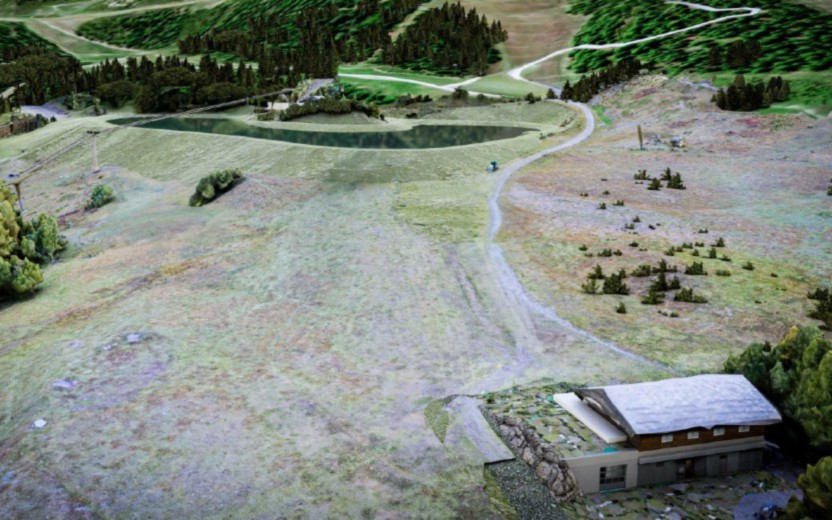
Paganella Ski, in Italy’s Trentino region, has announced two important developments ahead of the 2026/27 winter season: a new high-altitude water storage reservoir designed to improve snowmaking efficiency, and the introduction of dynamic pricing for ski passes purchased online.
The changes reflect two increasingly important priorities for Alpine ski destinations: making better use of the cold-weather windows available for snow production and encouraging visitors to plan and book their ski holidays in advance.
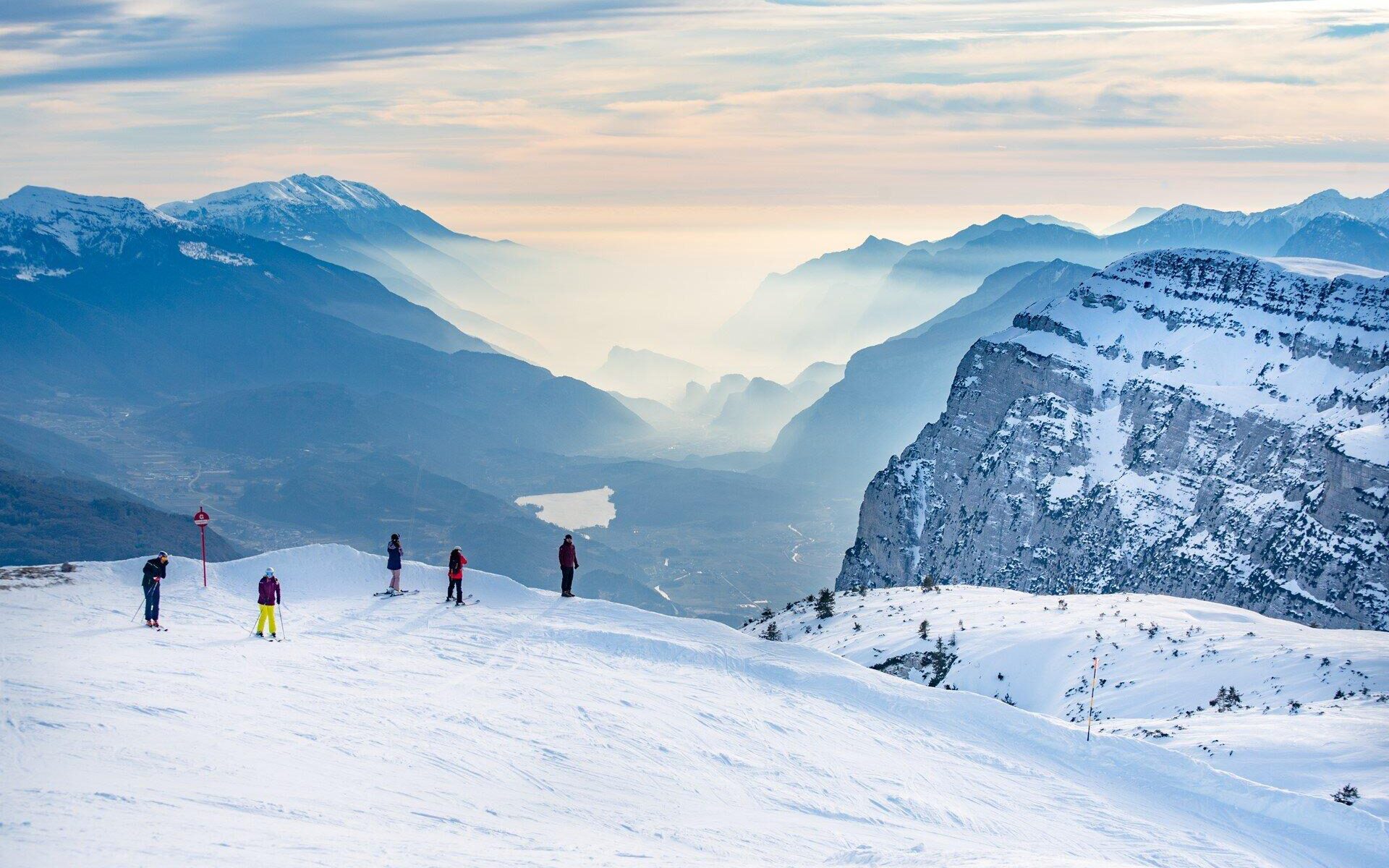
Located above Andalo and Fai della Paganella, with spectacular views of the Brenta Dolomites, Paganella offers approximately 50 kilometres of ski slopes and has established itself as a popular destination for families, recreational skiers and international visitors.
Pila is almost quadrupling the capacity of its Leissé reservoir to strengthen snowmaking at the Aosta Valley ski resort. But the investment has also reopened a debate about water use, competing demands and the long-term response to climate change.
The reservoir’s capacity is increasing from 38,500 to approximately 152,700 cubic metres. The project aims to store more water when it is naturally available, ready for use when cold conditions allow snow production before the winter season.
Why Pila wants more water storage
Speaking to La Vallée Notizie in July, Pila’s general director Fabio Junod explained that the reservoir was sized principally for the first snowmaking campaign, which helps prepare much of the ski area for the Christmas holidays.
After a summer marked by glacier retreat, rockfalls, unstable permafrost and repeated disruption across the Alps, an increasingly difficult question is emerging: how should mountain tourism adapt to a rapidly changing environment?
The debate has been brought into sharper focus by Legambiente, one of Italy’s largest environmental organisations, which argues that Alpine communities can no longer plan their future on the assumption that glaciers, water resources and snow conditions will remain as they have been in the past.
Speaking to Corriere della Sera during the 2026 Carovana dei Ghiacciai, Vanda Bonardo, the campaign’s coordinator and national head of Legambiente’s Alps division, said mountain regions need to move from planning based on stability towards managing continuous change.
Her comments come during an extraordinary summer across the Alps, with developments around Mont Blanc providing some of the clearest examples.
As climate change reshapes the Alps, ski resorts are beginning to discover that one of their most valuable investments may have a second life beyond winter.
In Switzerland, researchers are exploring whether snowmaking systems—traditionally used to guarantee ski conditions during increasingly unpredictable winters—could also help combat one of the mountains’ fastest-growing threats: forest fires.
The concept is surprisingly simple. The same network of reservoirs, pumping stations and high-pressure snow cannons that cover ski slopes with artificial snow during winter could potentially be used in summer to spray water onto vulnerable forest areas, helping firefighters slow or contain wildfires before they spread.
A New Role for Snowmaking Infrastructure
Swiss mountain resorts already possess extensive water management systems designed to support snowmaking operations. These include water reservoirs, underground pipelines, powerful pumps and strategically positioned snow cannons across the mountainside.
Rather than building entirely new firefighting infrastructure, researchers believe these existing systems could be adapted to provide rapid water distribution during wildfire emergencies.
The proposal is not intended to replace traditional firefighting methods or aerial water bombing. Instead, it could provide valuable support by creating wet buffer zones, protecting critical infrastructure, slowing the advance of flames and buying precious time until emergency services arrive.
Climate Change Is Changing the Alps
The idea reflects a broader reality facing mountain destinations.
Today, the conversation has expanded dramatically.
Longer periods of drought, rising temperatures and increasingly frequent heatwaves are creating conditions that make wildfires more likely even in regions traditionally associated with snow-covered landscapes.
Several Alpine countries have already experienced more frequent forest fires during recent summers, highlighting that mountain communities now face climate challenges throughout the entire year—not just during winter.
Year-Round Resorts Face Year-Round Risks
Modern ski resorts are no longer purely winter destinations.
Many now depend heavily on summer tourism, attracting hikers, mountain bikers, trail runners and nature lovers. Protecting forests, trails, lift infrastructure, hotels and surrounding communities has become essential for maintaining year-round operations.
Using existing snowmaking infrastructure for wildfire prevention could therefore offer an additional layer of resilience while maximising investments that were originally designed solely for winter operations.
A Smarter Use of Existing Resources
One of the most attractive aspects of the proposal is that it makes use of infrastructure already in place.
Many ski resorts have invested millions in sophisticated snowmaking systems over recent decades to adapt to changing winter conditions. Repurposing those networks during summer could provide added value without requiring entirely new water distribution systems.
Researchers still need to determine how effective snow cannons would be under real wildfire conditions, including factors such as wind, terrain, water pressure and accessibility. However, the concept represents an innovative example of climate adaptation using existing mountain infrastructure.
This Is Part of a Bigger Trend
Switzerland’s proposal is not an isolated idea. Around the world, mountain destinations are exploring new ways to use technology and existing infrastructure to reduce wildfire risk.
Earlier this year, The-Ski-Guru reported on how mountain communities in Colorado are testing AI-powered drones capable of detecting and attacking wildfires within minutes of ignition. While Colorado is looking to the skies with autonomous aircraft, Switzerland is focusing on the ground by repurposing snowmaking systems already installed across its ski resorts.
Together, these initiatives point to a new era in mountain management, where ski infrastructure is evolving beyond winter tourism to help protect forests, communities and alpine ecosystems throughout the year.
The Future of Mountain Tourism
As climate change continues to reshape alpine environments, ski resorts are increasingly being asked to perform multiple roles.
Beyond winter recreation, they are becoming year-round tourism destinations, environmental managers and, potentially, valuable partners in protecting mountain communities from natural hazards.
The Swiss proposal illustrates how infrastructure originally designed for skiing may become an important tool in adapting to a changing climate—demonstrating that the future of mountain tourism may depend as much on resilience as on recreation.
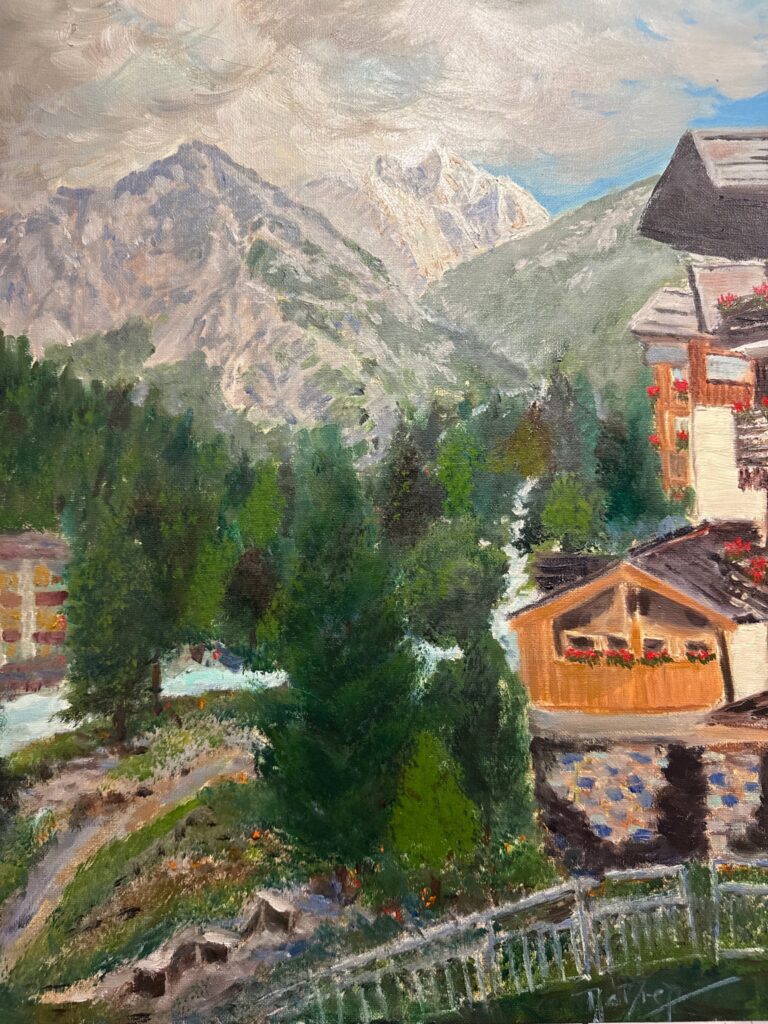
Madonna di Campiglio – after the storm. See the painting in my shop here.Changing seasons in Courmayeur. Oil on board. In my shop here.
Planning your next trip to the Italian Alps?
If you’re heading to the Aosta Valley, take a look at Il Cuore della Valdigne, our family-owned apartment in Morgex, available for rent when we’re not using it ourselves.
You can go to my shop and see what have been inspiring me lately, lots mountain landscapes in soft pastels, and now in oils too. Go here to check my latest works!
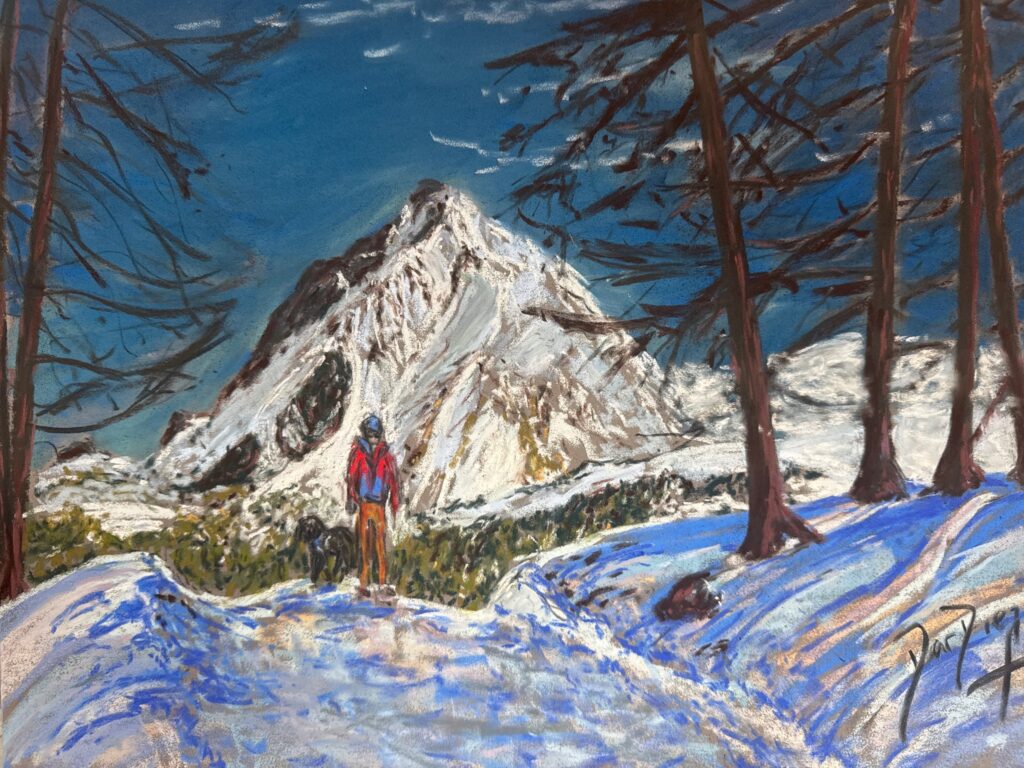
Becca di Nona in Pila, walking with the dog. Soft pastels in pastel paper. In my shop here.
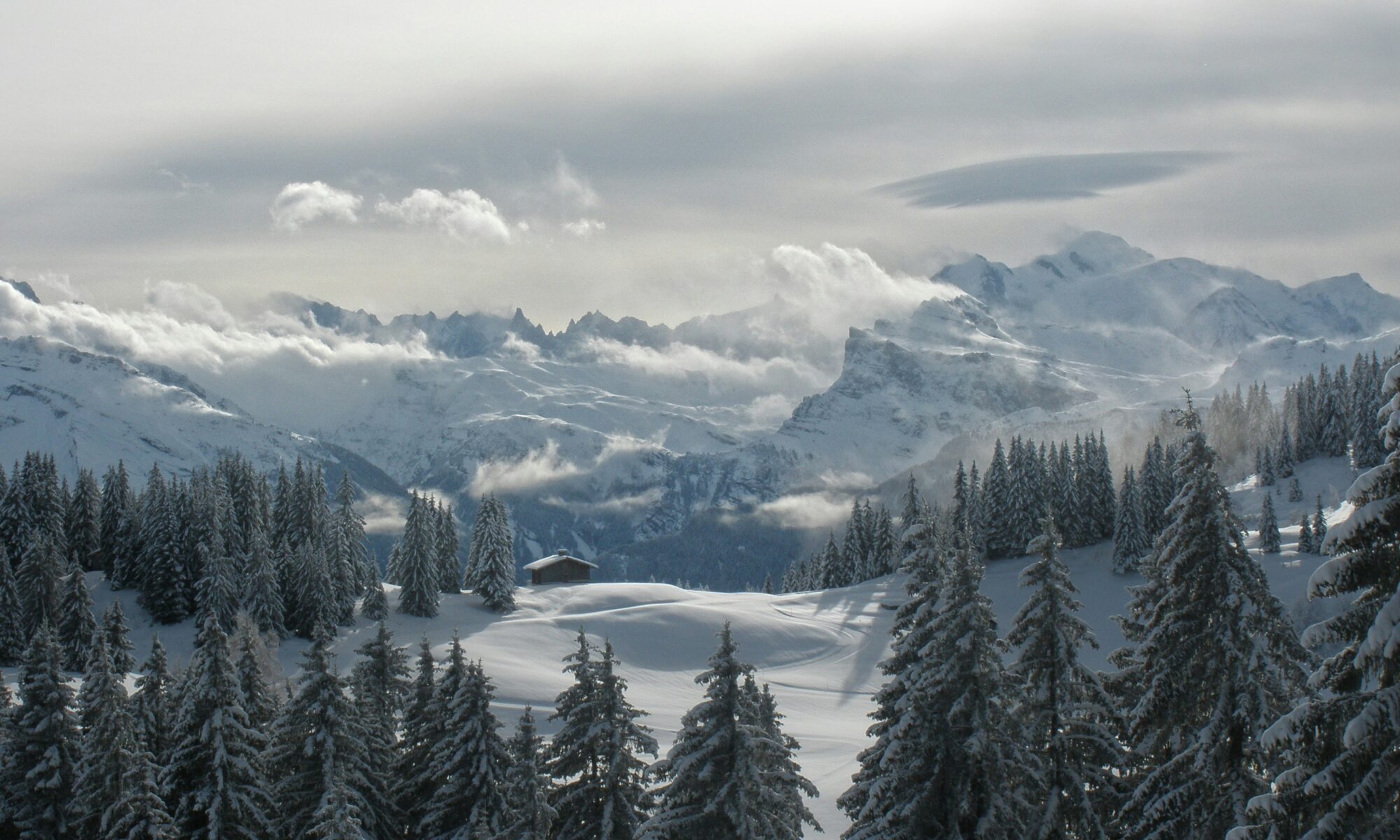
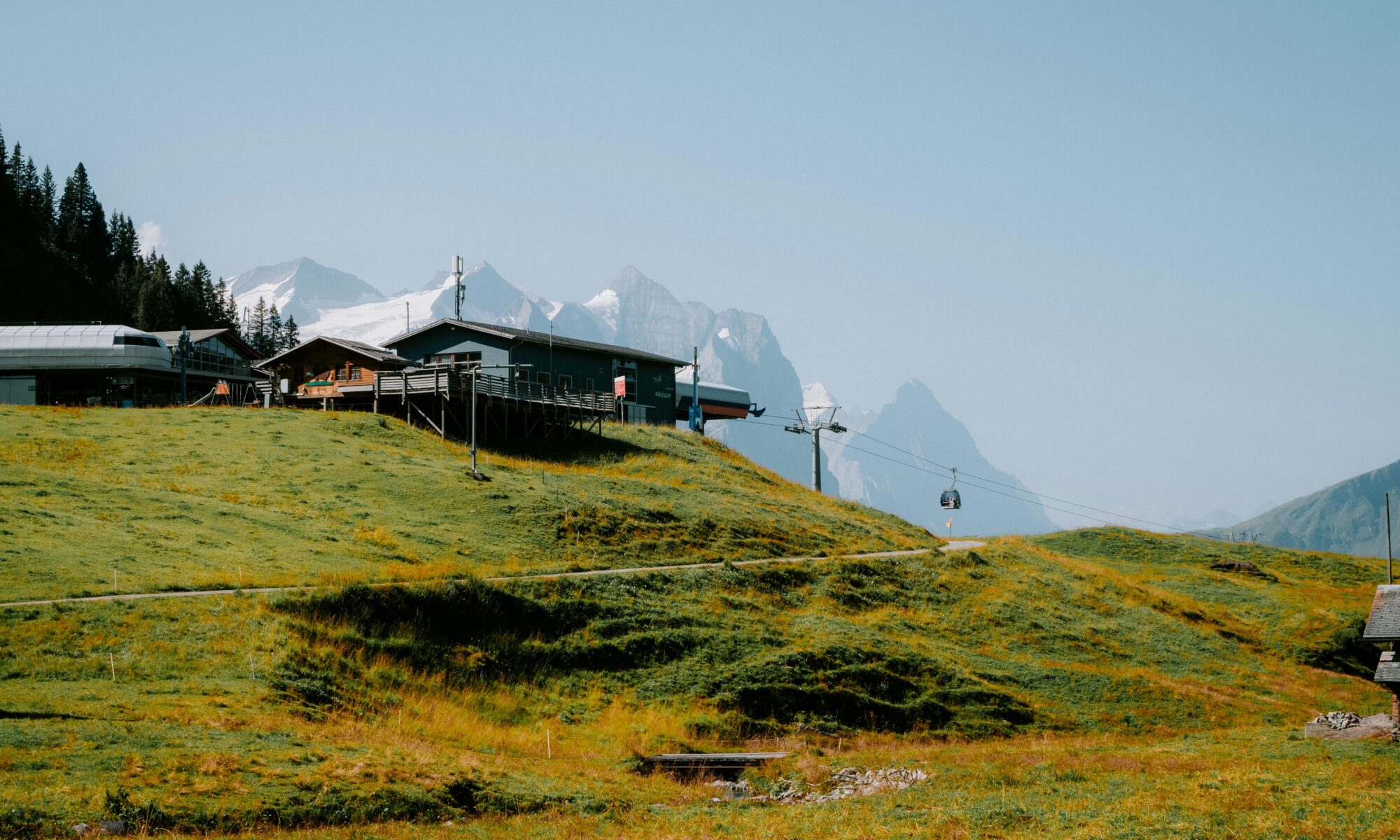
Featured Image: Hasliberg- Photo: Ben Grayland. Unsplash.
Colorado’s 2025/26 ski season will undoubtedly be remembered as one of the most challenging in recent history. Low snowfall, unusually warm temperatures and an early snowmelt created difficult conditions across much of the state, prompting renewed debate about the future of skiing in a warming climate.
A recent investigation by The Denver Post examines how climate change contributed to one of Colorado’s poorest snow seasons on record and explores what this could mean for the ski industry going forward.
The findings are certainly thought-provoking, but they should also be viewed in context.
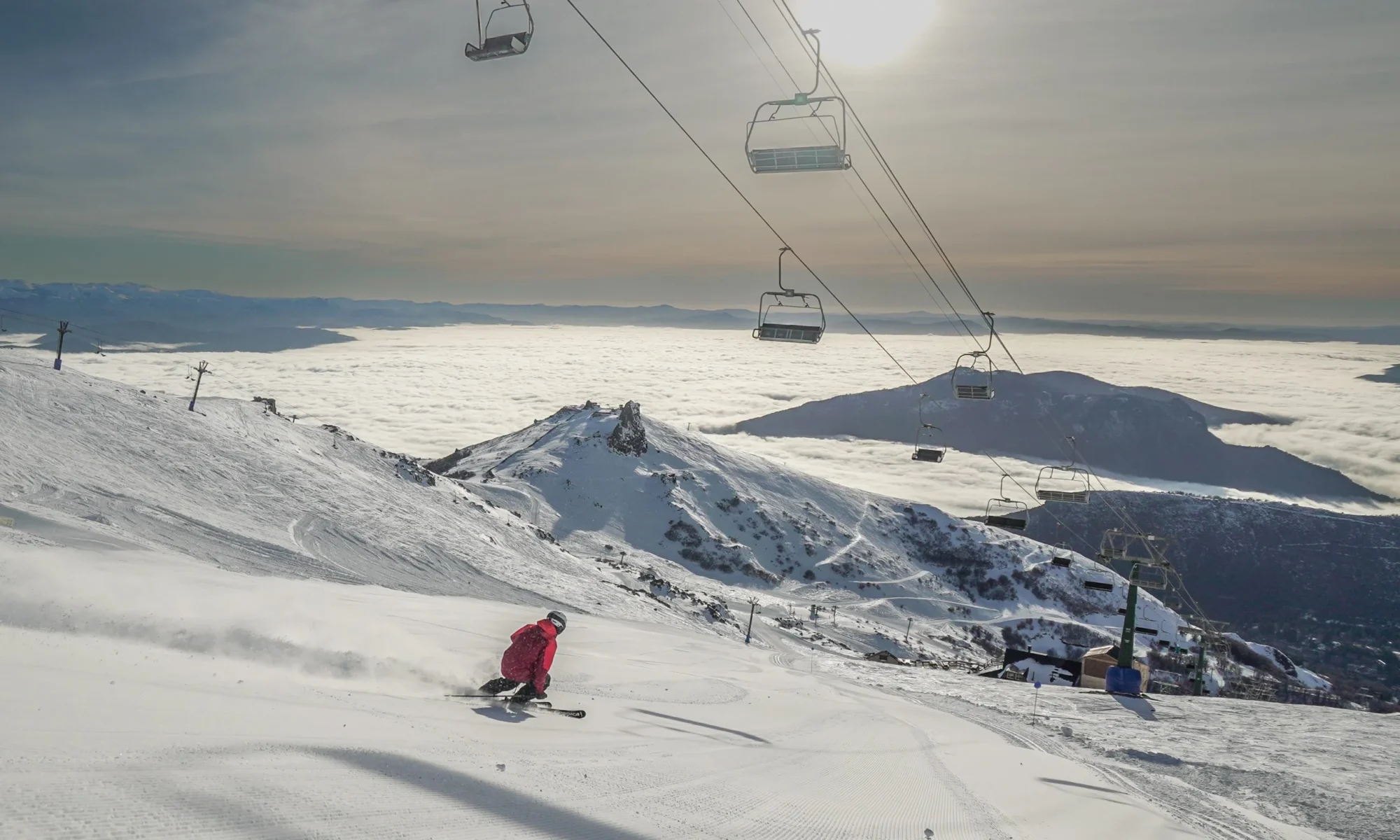
Bariloche is rapidly evolving into a year-round destination while remaining South America’s leading ski resort. Set on the shores of Lake Nahuel Huapi and surrounded by the Patagonian Andes, the city is home to Cerro Catedral, Argentina’s largest ski resort and one of the biggest in the Southern Hemisphere.
Every winter, thousands of Argentine, Brazilian, Chilean and international visitors head to Bariloche for its combination of skiing, spectacular scenery and alpine atmosphere.
Yet today, the city is pursuing a broader vision.
Rather than depending solely on winter, Bariloche is steadily evolving into a year-round mountain destination, combining skiing with hiking, trail running, mountain biking, lake activities, gastronomy, business events and international sporting competitions.
It is a strategy increasingly seen across mountain destinations worldwide. Resorts from the Alps to North America are investing in experiences that attract visitors throughout the year while strengthening winter operations through improved infrastructure and snowmaking.
Australia’s ski season 2026 has opened with the kind of image every resort wants: fresh snow before the long weekend, lifts preparing to turn, and skiers watching the webcams.
But behind the optimistic opening-weekend story is a more complicated reality. Australia’s ski industry is becoming increasingly dependent on snowmaking, not only as a back-up tool, but as a core part of its operating model.
The 2026 season began with reported snowfalls of around 20 cm to 40 cm across parts of the Victorian and New South Wales alpine regions, just in time for the official start of the winter season. Resorts including Thredbo, Perisher, Falls Creek and Hotham reported strong early interest, helped by cold conditions and opening-weekend activity.
That is the good news.
The less comfortable news is that Australia’s longer-term snow outlook remains fragile. Meteorologists and climate scientists have warned that a developing El Niño pattern could bring warmer and drier conditions to parts of Australia during winter 2026.
Enjoyed this post? Get my latest ski guides, weather insights, resort updates and travel tips directly in your inbox. Subscribe to The-Ski-Guru here.
Manage Cookie Consent
To provide the best experiences, we use technologies like cookies to store and/or access device information. Consenting to these technologies will allow us to process data such as browsing behavior or unique IDs on this site. Not consenting or withdrawing consent, may adversely affect certain features and functions.
Functional
Always active
The technical storage or access is strictly necessary for the legitimate purpose of enabling the use of a specific service explicitly requested by the subscriber or user, or for the sole purpose of carrying out the transmission of a communication over an electronic communications network.
Preferences
The technical storage or access is necessary for the legitimate purpose of storing preferences that are not requested by the subscriber or user.
Statistics
The technical storage or access that is used exclusively for statistical purposes.The technical storage or access that is used exclusively for anonymous statistical purposes. Without a subpoena, voluntary compliance on the part of your Internet Service Provider, or additional records from a third party, information stored or retrieved for this purpose alone cannot usually be used to identify you.
Marketing
The technical storage or access is required to create user profiles to send advertising, or to track the user on a website or across several websites for similar marketing purposes.



 Subscribe to The-Ski-Guru here.