European Christmas Markets to Visit on a Ski Holiday in 2026

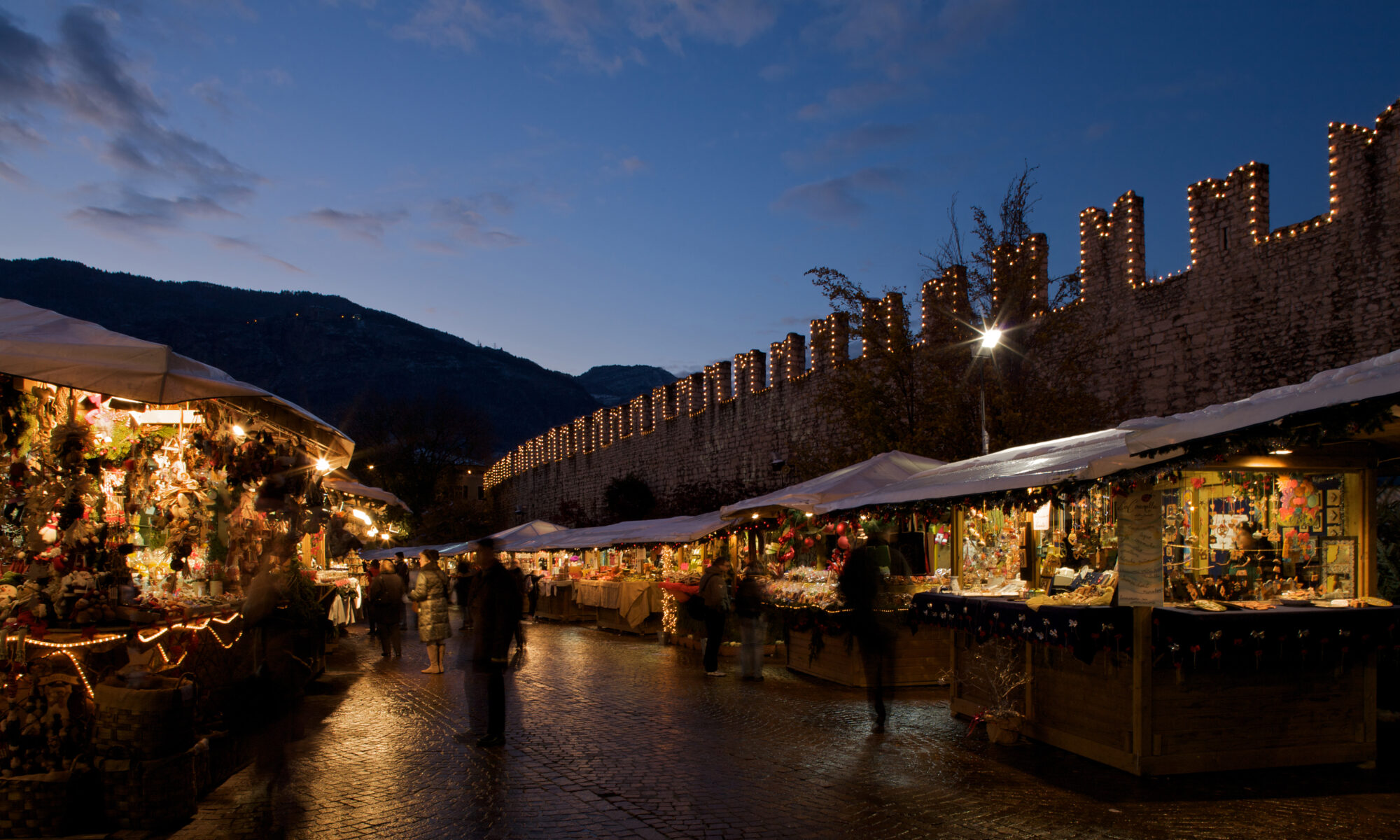
mercatini di Natale in Piazza Fiera a Trento. Photo: Marco Simonini. Trentino Marketing.

In Aosta, you can take the gondola up to Pila in the morning and be back in the Roman city for its Christmas market after skiing. In Vipiteno, it’s a short walk from the Monte Cavallo gondola to the market beneath the town’s medieval clock tower. And in Ossana, a lantern-lit trail winds past handmade nativity scenes on its way to a castle.

From the Alps to the Pyrenees, these Christmas markets are easy to pair with a December ski trip. Some are right in the resort, while others make a good stop on the way to the mountains. Check the dates before settling on a destination. Innsbruck’s old-town market finishes on 23 December, for example, while two of the city’s other markets continue until 6 January. Kitzbühel, Canazei and Annecy all publish opening hours for Christmas Day.

Continue reading “European Christmas Markets to Visit on a Ski Holiday in 2026”

Who Pays for Ski Rescue in the Alps and Pyrenees? Winter Costs and Insurance Explained

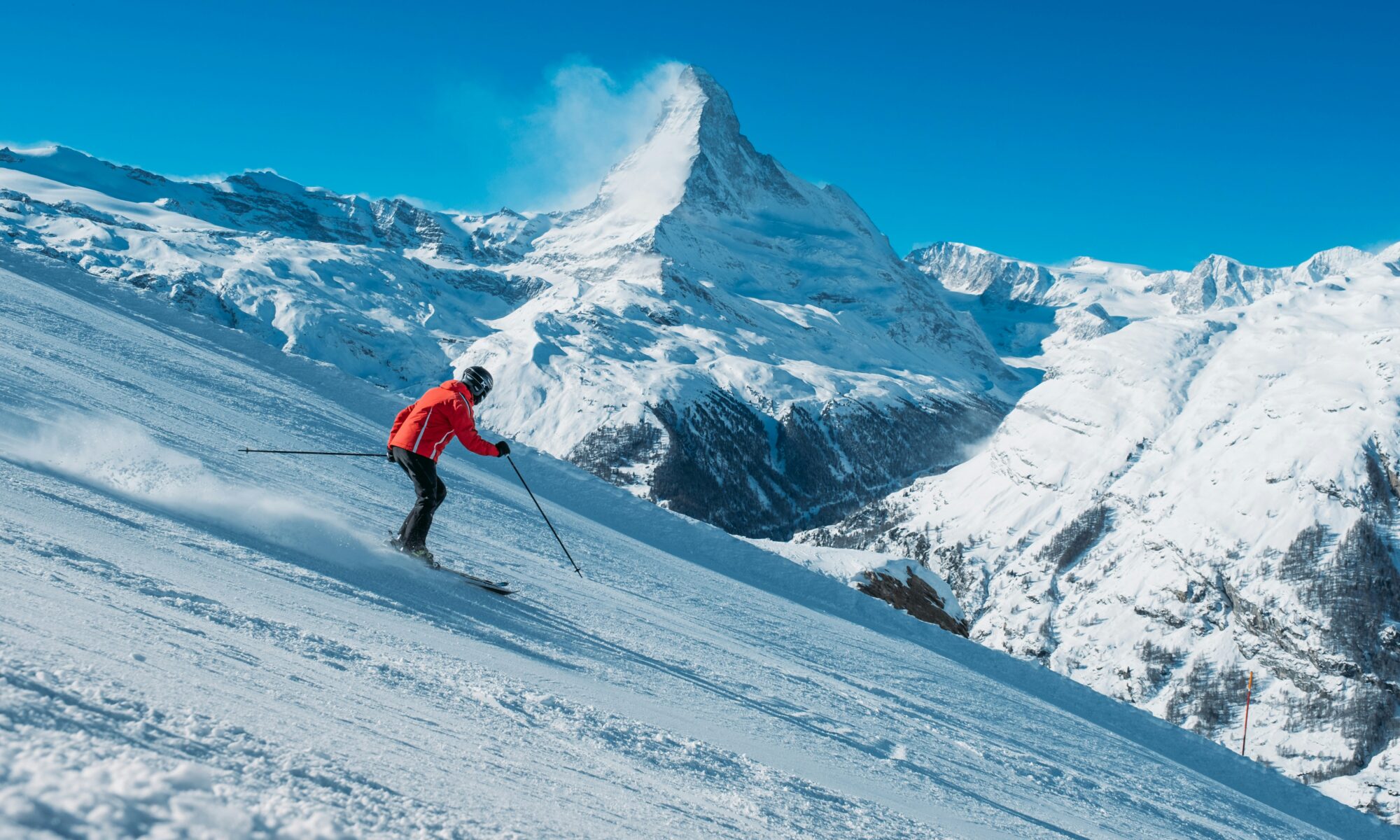
Featured Image: Patrick Robert Doyle. Zermatt. Unsplash.

A fall on a marked ski run can leave you with more than an injury. Depending on where you are skiing, you may also receive bills for ski patrol, evacuation by sledge, a helicopter, an ambulance and medical treatment.

There is no single system across the Alps and Pyrenees. Nor does a country’s approach to summer mountain rescue necessarily tell you what happens on its winter pistes.

Our summer mountain rescue guide explains the hiking and mountaineering picture. This winter guide looks at the distinctions skiers and snowboarders need to understand.

Information checked on 4 November 2026. Prices are examples published by the named operators, not national tariffs. Insurance examples explain differences in cover; availability, eligibility and the contract supplied at purchase must be checked.

Continue reading “Who Pays for Ski Rescue in the Alps and Pyrenees? Winter Costs and Insurance Explained”

Europe winter 2026/27 snow forecast: official outlooks and advances in snowmaking

Les Gets- Photo: Alan Turner. Unsplash.

The Europe winter 2026/27 snow forecast is beginning to take shape, with official seasonal outlooks offering early clues for skiers planning their holidays. Warmer-than-average conditions are favoured across much of the continent, with increased precipitation possible in several regions—but how much will fall as snow?

By Martina Diez-Routh | The Ski Guru
28 October 2026

Will Europe have a snowy winter? As skiers start planning their holidays, the first seasonal outlooks offer some clues about the months ahead.

The latest official guidance favours warmer-than-average conditions across much of Europe, alongside increased precipitation in several regions. But the relationship between a wet winter and a good ski season depends heavily on temperature, elevation and the weather accompanying each storm.

Resorts are also preparing their snowmaking systems. New equipment can improve production close to the temperature limit, while larger pumping networks and automated controls help operators achieve more during a brief cold spell.

Together, these developments tell a more useful story than a prediction of which country will receive the most snow.

Continue reading “Europe winter 2026/27 snow forecast: official outlooks and advances in snowmaking”

Alps and Pyrenees Snow Forecast: Fresh Snow and Falling Snow Levels

Snowy Megève. Photo credit: Mario la Pergola- Unsplash.

20 October 2026

Fresh snow is forecast for parts of the Alps this week, but elevation and timing will make a considerable difference. Official forecasts for several Italian Alpine regions show snow initially confined to higher slopes, followed by falling snow levels as colder air arrives.

In some areas, the colder conditions will reach the mountains as precipitation begins to ease. That means a lower snowline will not necessarily bring substantial accumulations to lower slopes.

The Catalan Pyrenees also have snow in the forecast, with AEMET predicting a falling snowline on Wednesday.

Continue reading “Alps and Pyrenees Snow Forecast: Fresh Snow and Falling Snow Levels”

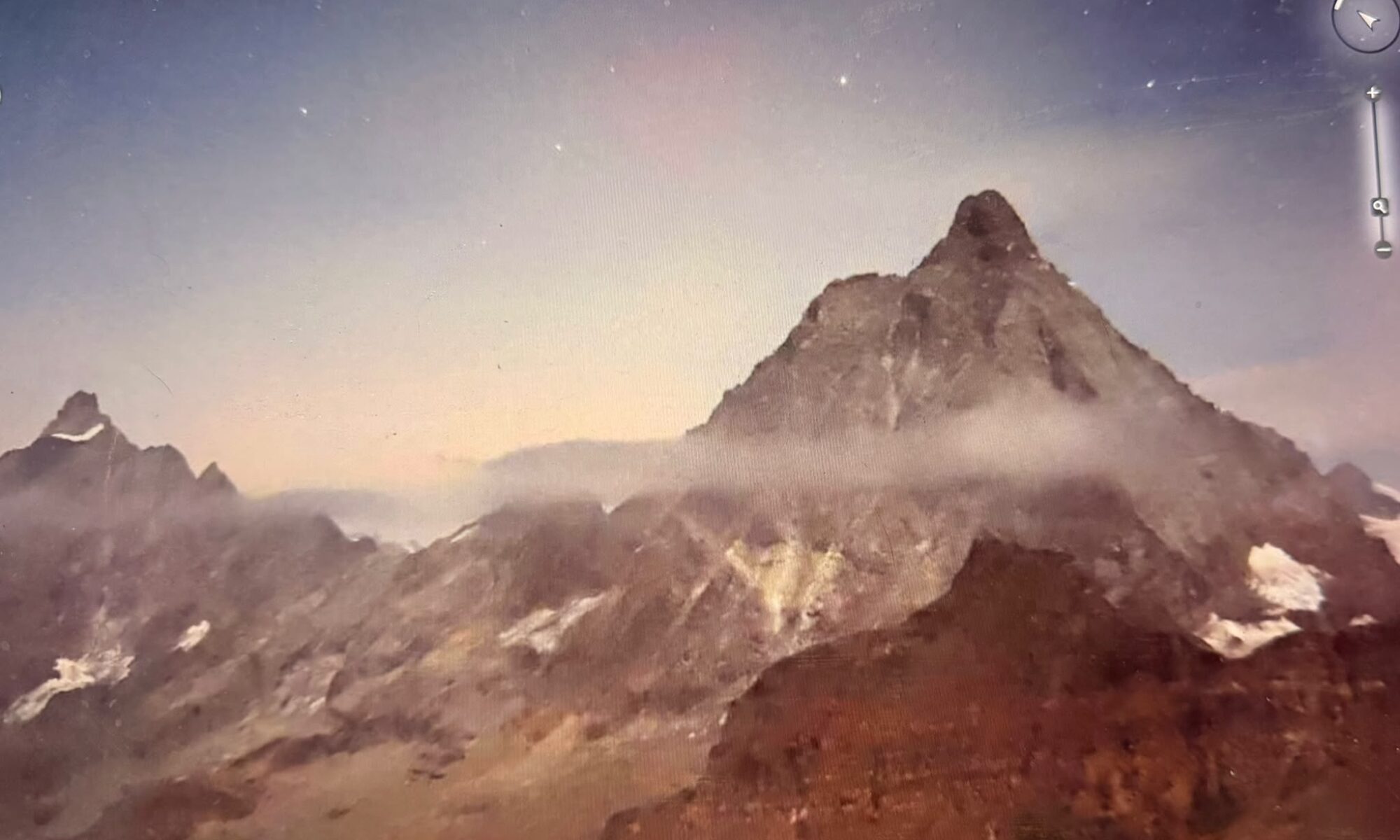
Matterhorn Without Snow: Hervé Barmasse Warns of a Changing Mountain

The Cervino, as seen on the early morning of 3rd October 2026. Photo: Webcam Cervino Ski Paradise.

The Matterhorn has appeared almost completely bare at the end of the 2026 summer season. For Italian alpinist and mountain guide Hervé Barmasse, who has spent his life beneath the mountain, the striking images are part of a much bigger change taking place at high altitude.

Only days after a new rockfall prompted the Cervino mountain guides to advise against climbing the Italian normal route, one of the mountain’s best-known alpinists has spoken about another striking feature of the Matterhorn in 2026: the lack of snow.

Hervé Barmasse, a fourth-generation mountain guide from Valtournenche, told Italian mountain publication L’AltraMontagna that he had never seen the Cervino — as the Matterhorn is known in Italy — quite so bare.

His comments are particularly significant because this is not a mountain he encounters occasionally.

Continue reading “Matterhorn Without Snow: Hervé Barmasse Warns of a Changing Mountain”

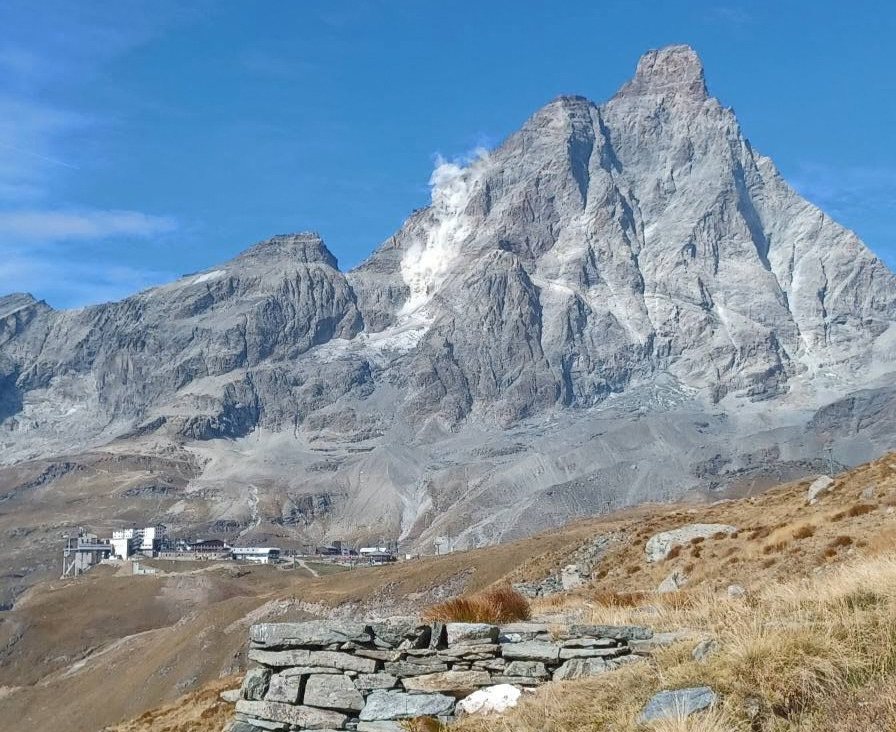
Matterhorn Italian Route Discouraged After New Rockfall — What About the Zermatt Side?

Il Cervino has been suffering many rockfalls this summer. Photo credit: Giorgio Schenone- Facebook- Gruppo Gente Innamorata di Breuil Cervinia.

Mountain guides in Cervinia are advising climbers against the Italian normal route after a new rockfall affected the Lenzuolo section. Across the mountain, the Swiss Hörnli Ridge had its own serious rockfall problems earlier this summer.

The Italian normal route up the Matterhorn (Cervino) is currently being discouraged by the Società Guide Alpine del Cervino following a new rockfall on 29 September.

According to the mountain guides, conditions on the Italian route have deteriorated further, particularly around the Lenzuolo section.

“The situation on the Matterhorn remains in continuous evolution and conditions can change rapidly,” the guides warned, urging climbers to check the latest information before attempting the mountain and to carefully assess whether an ascent is appropriate.

The warning does not amount to a legal closure of the mountain. Rather, the Cervinia guides are advising against climbing the Italian normal route under the present conditions. Rai News

What happened on the Italian side?

The latest rockfall occurred on 29 September, affecting the area around the Lenzuolo on the Italian normal route, which follows the Lion Ridge (Cresta del Leone) from the Breuil-Cervinia side of the mountain.

It is the latest in a series of instability events on the Matterhorn during an unusually difficult 2026 climbing season.

Continue reading “Matterhorn Italian Route Discouraged After New Rockfall — What About the Zermatt Side?”

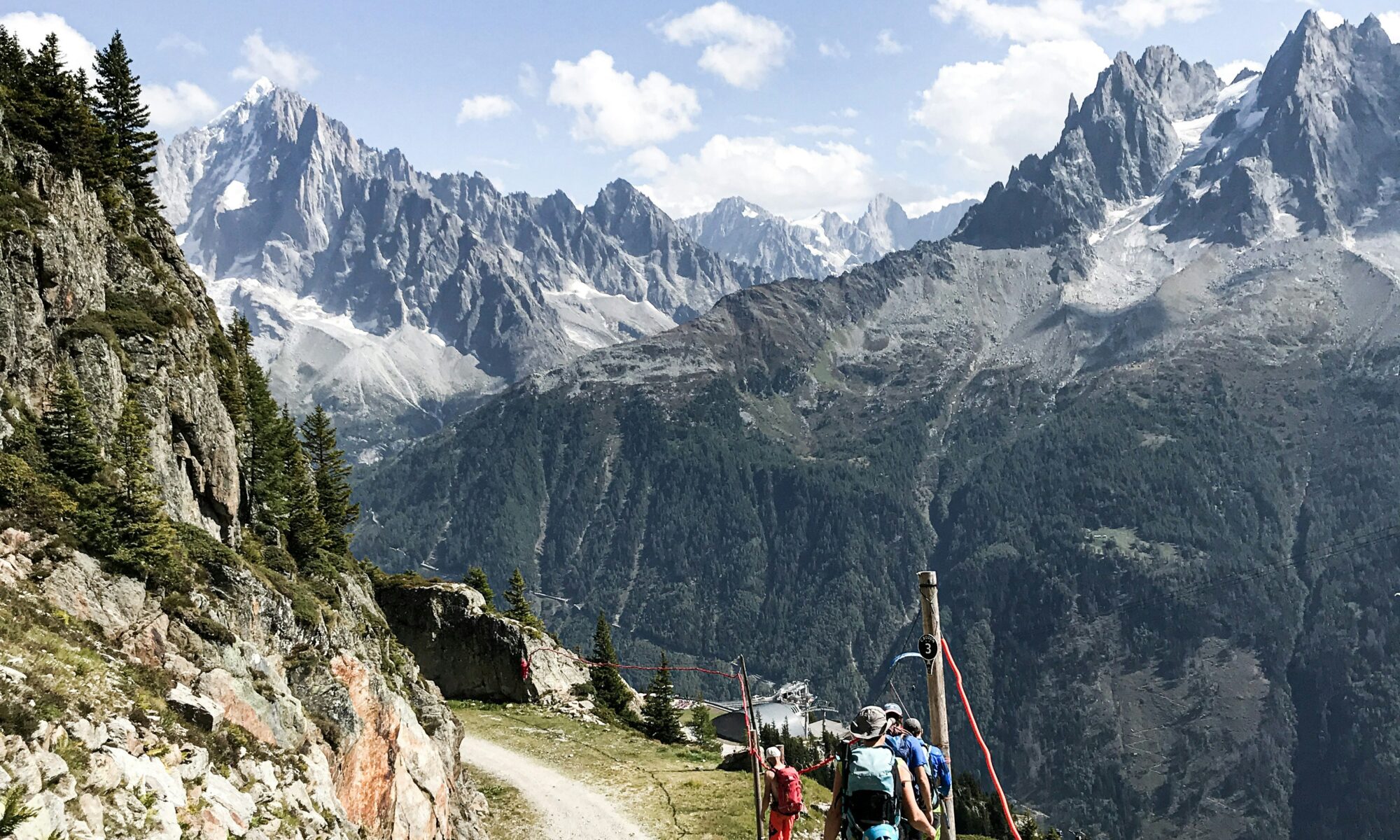
Tour du Mont Blanc Moves to Rein In Overtourism as Visitor Numbers Soar

Chamonix Mont Blanc. Photo credit: Antoine de Barquin. Unsplash.

One of the Alps’ most famous long-distance hiking routes could face tighter controls from 2027, as local authorities and mountain professionals seek to curb wild camping, environmental damage and increasingly crowded trails.

The days of treating the Tour du Mont Blanc as an unrestricted hiking route may be coming to an end.

Local authorities and mountain professionals on the French side of the Mont Blanc massif have agreed on the principle of a new charter aimed at better managing one of Europe’s most popular long-distance treks, following another summer of exceptionally heavy use.

The Tour du Mont Blanc — generally known simply as the TMB — covers around 170 kilometres and approximately 10,000 metres of elevation gain as it circles the Mont Blanc massif through France, Italy and Switzerland.

The rapid increase is now raising concerns about erosion, biodiversity, sanitation, safety and the overall experience of walking one of the Alps’ classic routes.

“The open-bar approach is over”

Representatives of the seven French municipalities crossed by the TMB met in September alongside refuge and campsite operators, mountain guides, transport companies, environmental organisations and French state services.

Among the proposals being developed are the systematic reservation of recognised accommodation during the summer season and stronger restrictions on wild camping.

Jean-Marc Peillex, mayor of Saint-Gervais-les-Bains and president of the Communauté de Communes Pays du Mont-Blanc, told AFP that the aim was not to prohibit access to the mountains, but to organise it.

His description of the change was considerably more colourful: the “open-bar” approach, he said, was over.

Other measures being considered include improving authorised bivouac areas with basic facilities, limiting the size and weight of luggage transported between stages, reducing the movement of large suitcases by taxi and potentially establishing a “green brigade” to help enforce local regulations.

Quotas, however, are not currently part of the proposals.

Not all the new rules are decided yet

The direction is clear, but exactly how the system will work is still being negotiated.

The charter is being finalised, and there are differences among local authorities and tourism professionals over how far regulation should go.

One of the most significant ideas is that, from 2027, hikers completing the TMB could be required to have accommodation booked in advance.

But this should not yet be interpreted as a finalised three-country permit system for the entire Tour du Mont Blanc.

The route crosses France, Italy and Switzerland, making coordinated regulation significantly more complicated. Any comprehensive system would ultimately need to account for rules and authorities on all three sides of the massif.

Wild camping is already restricted in several areas

The changes would also build on restrictions that already exist.

Wild camping and bivouacking are not freely permitted everywhere along the Tour du Mont Blanc.

In parts of the French side, including protected areas of the Aiguilles Rouges massif, hikers must already reserve designated bivouac spaces. Vallorcine also prohibits wild camping across its municipal territory outside the specific rules governing nature reserves.

The proposed charter would therefore move towards a more consistent approach rather than introducing regulation from scratch.

A route struggling with its own success

The debate reflects a wider challenge facing the Alps.

Mountain destinations have spent decades encouraging summer tourism as a way of reducing their dependence on skiing and building a stronger year-round economy.

The success of routes such as the Tour du Mont Blanc shows how effective that strategy can be — but also where its limits may lie.

Heavy concentrations of hikers can damage vegetation, accelerate trail erosion and put pressure on water, sanitation and waste infrastructure. Local officials have also complained about inappropriate behaviour, including illegal camping and hikers leaving human waste in the landscape.

At the same time, the TMB has become an important source of summer income for refuges, hotels, restaurants, guides and communities along the route.

That makes the challenge less about keeping visitors away than deciding how many people fragile mountain environments can accommodate — and how those visitors should move through them.

Planning the Tour du Mont Blanc in 2027

For hikers already considering the Tour du Mont Blanc next summer, advance planning will become increasingly important regardless of what final form the new charter takes.

The official Tour du Mont Blanc accommodation platform says reservations for summer 2027 will open on 15 October 2026.

It already strongly recommends booking refuges ahead, warning that the most popular properties can fill several months in advance.

The final rules for 2027 are still taking shape.

But after a summer in which more than 90,000 people reportedly circled the Mont Blanc massif, the message from local authorities is becoming increasingly difficult to miss: one of the Alps’ most famous trails can no longer be managed as though its capacity were unlimited.

Read More

Sources

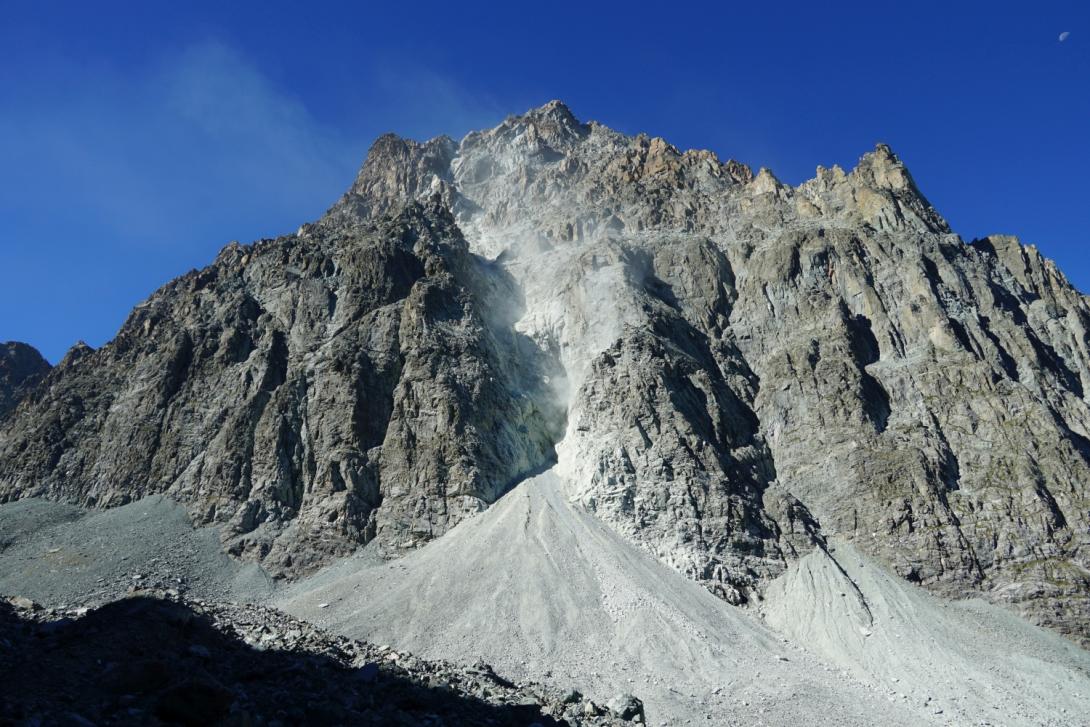
Monviso Rockfall Raises Questions Over Stability of the Italian Alps Landmark

Canalone del Monviso. Photo credit: Arpa.Piemonte.it

A rockfall on Monviso’s northeast face sent thousands of cubic metres of debris down the mountain on 1 September. No one was injured and the nearby Quintino Sella refuge and its access trail were not hit by the main collapse, but repeated failures on the same face have prompted authorities to examine how the mountain is evolving.


UPDATE — 18 September 2026: New Rockfall and Regional Action

A second significant rockfall on Monviso and new temperature data have prompted the Regione Piemonte to begin a wider assessment of the mountain, including its trails, refuge access and long-term monitoring.

At the first official Tavolo Monviso, held on 16 September, ARPA Piemonte revealed that between 10 June and 10 September temperatures at its monitoring station above 3,300 metres on Monviso did not fall below 0°C.

ARPA identifies thermal stress as a probable factor in the recent rockfalls and degradation of permafrost as a possible contributing factor within a rock mass that is already heavily fractured. However, the agency continues to stress that individual rockfalls need to be assessed on their specific geological and environmental conditions.

The meeting followed another rockfall during the night of 13–14 September, this time from the Torrioni Sari on Monviso’s southern side. Regional authorities say preliminary observations suggest that this event may have been larger than the 1 September collapse on the northeast face, although further surveys are needed to determine its scale.

The two events on different sides of the mountain have led authorities to broaden their assessment from individual rockfall sites to the Monviso massif as a whole.

Access to the mountain is also under review

The Regione Piemonte is now considering additional surveys, including drone inspections, an assessment of the most exposed trails and possible alternative routes to mountain refuges.

One proposal being examined is an alternative access route to the Rifugio Quintino Sella. Improved trail signage and temporary restrictions in particularly exposed areas are also being considered.

This does not currently amount to a general closure or restriction on access to Monviso.

Continue reading “Monviso Rockfall Raises Questions Over Stability of the Italian Alps Landmark”

Nepal’s Glacier Disaster Is a Warning for Mountain Regions Everywhere — Including the Alps

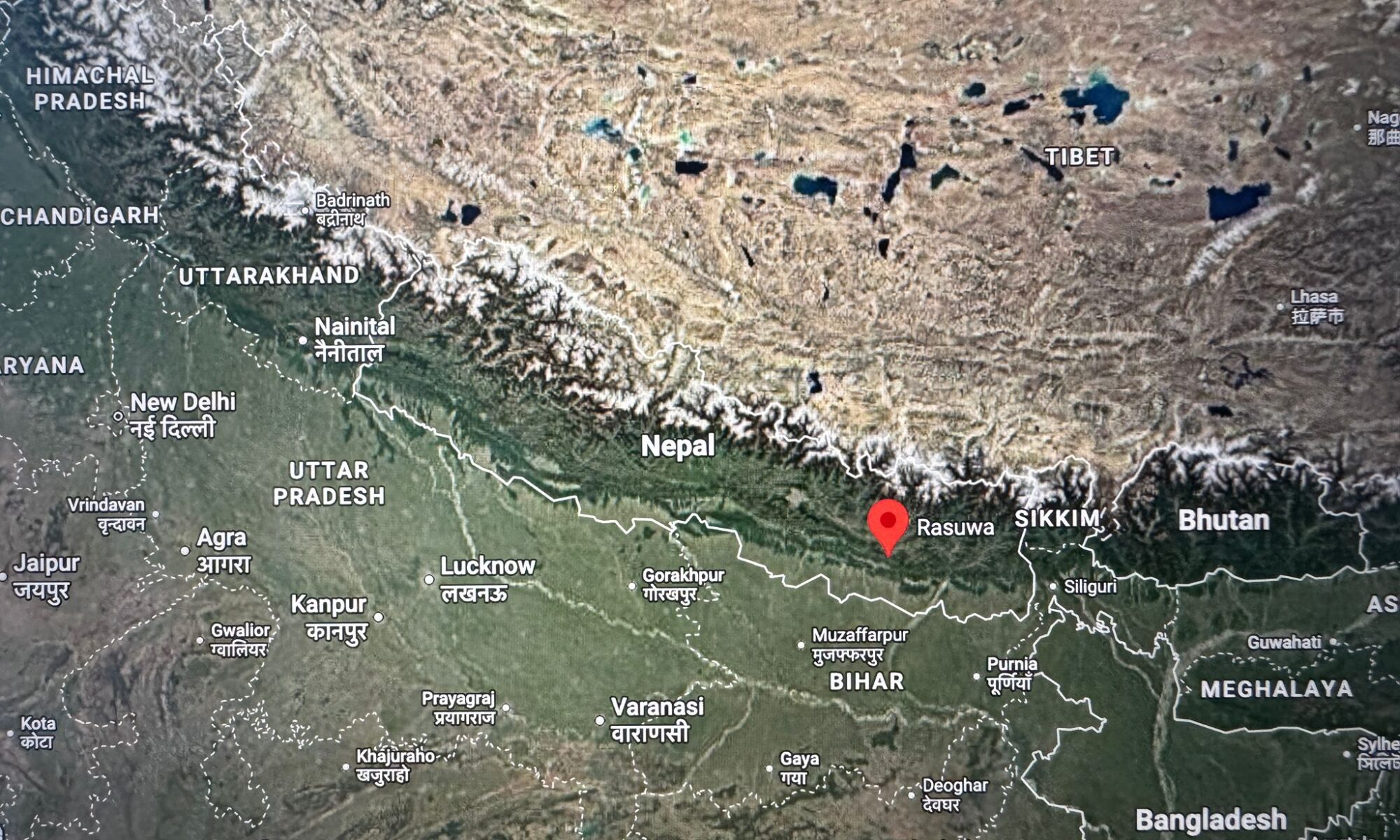
Map of Rasuwa in Nepal, where the floodings occurred. Photo: Google Maps.

A catastrophic glacier-related collapse in the Himalayas has killed hundreds of people across Nepal and Tibet and left many more missing.

But beyond the shocking images and the rapidly evolving casualty figures lies a much bigger question for mountain regions around the world:

Could something similar happen in the Alps?

The answer is uncomfortable.

The precise sequence that produced the Nepal disaster is still being investigated. But glacier collapses, rock avalanches, sudden releases of glacial water, debris flows and naturally dammed lakes are not unique to the Himalayas. They are hazards that also exist in the Alps — and Alpine history provides some dramatic examples.

What can be very different is the ability to identify certain dangers in advance, monitor them and evacuate people before the mountain moves.

And even in the best-monitored Alpine countries, that warning cannot always be guaranteed.

Continue reading “Nepal’s Glacier Disaster Is a Warning for Mountain Regions Everywhere — Including the Alps”

Alpine Glacier Retreat Raises Questions Over the Future of the Ski Economy

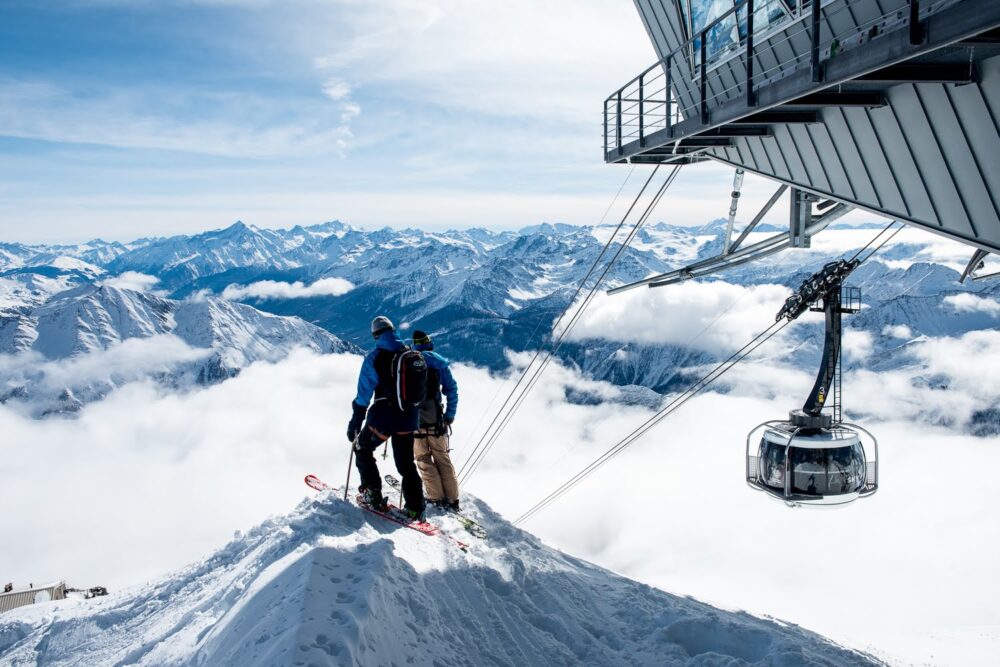
Photo credit: Skyway Monte Bianco.

After a summer marked by glacier retreat, rockfalls, unstable permafrost and repeated disruption across the Alps, an increasingly difficult question is emerging: how should mountain tourism adapt to a rapidly changing environment?

The debate has been brought into sharper focus by Legambiente, one of Italy’s largest environmental organisations, which argues that Alpine communities can no longer plan their future on the assumption that glaciers, water resources and snow conditions will remain as they have been in the past.

Speaking to Corriere della Sera during the 2026 Carovana dei Ghiacciai, Vanda Bonardo, the campaign’s coordinator and national head of Legambiente’s Alps division, said mountain regions need to move from planning based on stability towards managing continuous change.

Her comments come during an extraordinary summer across the Alps, with developments around Mont Blanc providing some of the clearest examples.

Continue reading “Alpine Glacier Retreat Raises Questions Over the Future of the Ski Economy”