Planning a Mountain Holiday in 2026/27? Why the Experience Matters as Much as the Skiing

Mountain holidays 2026/27 in the Italian Dolomites, Cortina d'Ampezzo

From flexible ski breaks to wellness, gastronomy and year-round mountain experiences, travellers are looking beyond the slopes when choosing their next Alpine holiday.

For decades, planning a ski holiday followed a familiar formula: choose a resort, book accommodation, arrange flights and transfers, and hope for good snow conditions.

But as the 2026/27 winter season approaches, mountain travel is becoming more varied. Skiing remains at the heart of the winter holiday, yet the choice of destination increasingly involves much more than kilometres of pistes and the number of ski lifts.

Hotels, restaurants, wellness facilities, outdoor activities and transport connections can all influence where travellers decide to spend their holidays.

And with mountain destinations developing their summer and autumn offerings, the traditional distinction between ski resorts and year-round holiday destinations is becoming less clear.

Continue reading “Planning a Mountain Holiday in 2026/27? Why the Experience Matters as Much as the Skiing”

Who Pays for a Mountain Rescue in the Alps? Summer Hiking, Insurance and Rescue Costs Explained

Photo: Kevin Schmid. Unsplash. Zermatt. Switzerland.

The rescue of 36 hikers, including babies in strollers, in Austria made headlines around the world. But beyond the unusual circumstances, it highlighted a question many visitors never think about until it’s too late:

Who pays if you need to be rescued in the Alps?

The answer depends on where you are. Rules vary significantly between Austria, France, Italy and Switzerland, and what applies to summer hiking or mountaineering is not necessarily the same as skiing in winter.

This guide focuses on summer mountain activities—including hiking, mountaineering, via ferratas and glacier trekking. Rescue rules on managed ski slopes during winter are often different and are covered by separate insurance systems.

Continue reading “Who Pays for a Mountain Rescue in the Alps? Summer Hiking, Insurance and Rescue Costs Explained”

🧾 Travel Documents & Border Requirements for Europe (Updated Guide)

🧾 Travel Documents & Border Requirements for Europe (Updated Guide). Photo: Ethan Wilkinson. Unsplash.

Why Travel Documents Matter More Than Ever

Travel to Europe has changed significantly in recent years. While movement across borders once felt simple for many travellers, today’s entry rules involve passport validity checks, digital border systems, visa exemptions and stricter enforcement.

Understanding what documents you need — and how border checks actually work — can save time, stress and unexpected problems at airports, train stations and land borders.

This guide explains the current travel documentation and border requirements for Europe, with practical advice for travellers.


Photo: Blake Guidry. Unsplash. 🧾 Travel Documents & Border Requirements for Europe (Updated Guide).

Passport Requirements for Travel to Europe

Passport validity rules

For most non-EU travellers entering the Schengen Area:

  • Your passport must be issued within the last 10 years
  • It must be valid for at least 3 months beyond your planned departure date
  • Damaged passports or those with insufficient blank pages may be refused

These rules apply regardless of whether you arrive by plane, train, ferry or car.

Continue reading “🧾 Travel Documents & Border Requirements for Europe (Updated Guide)”

🛂 What the EU Entry/Exit System (EES) Means for Travellers (Updated)

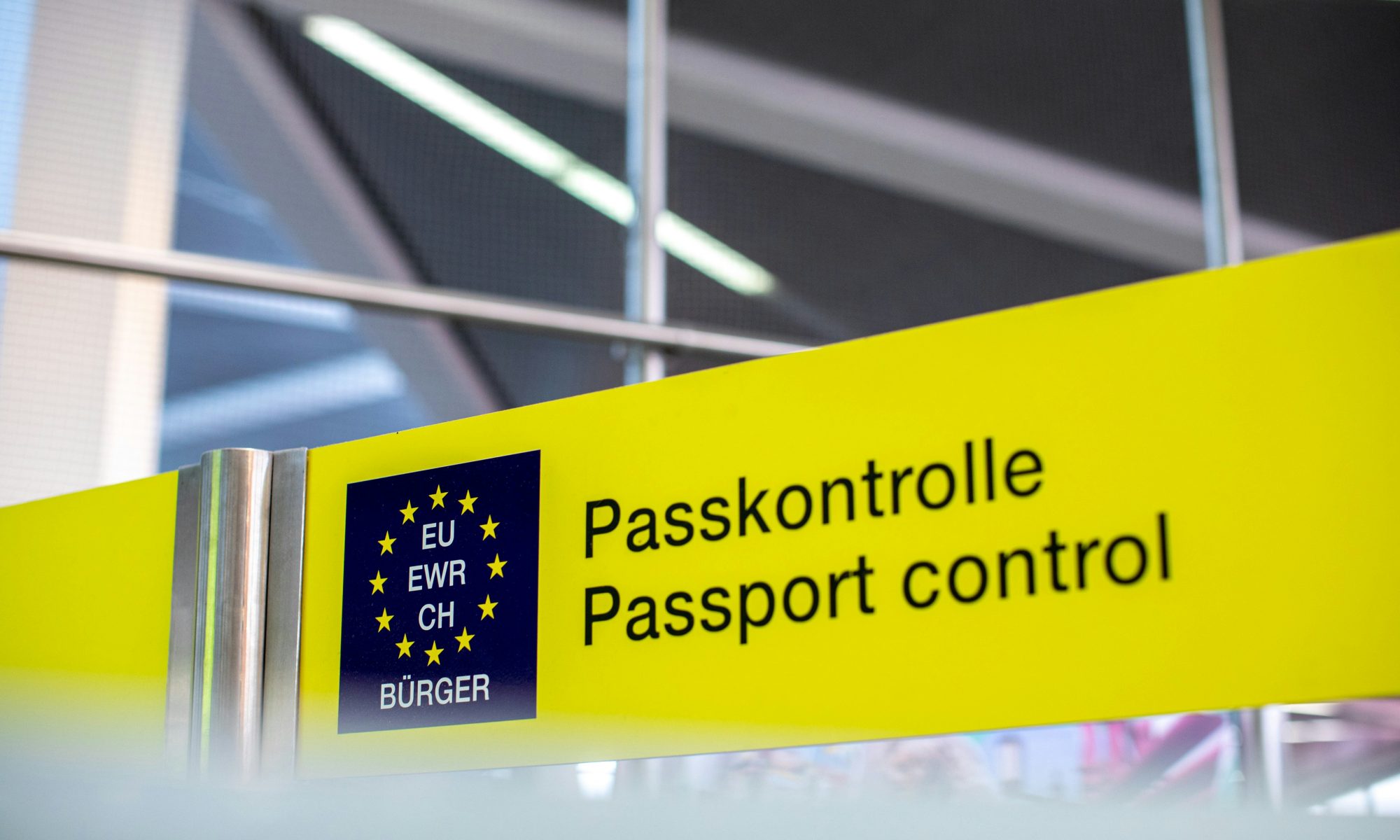
Airport in the EU. Photo: Daniel Schludi. Unsplash. 🛂 What the EU Entry/Exit System (EES) Means for Travellers (Updated).


The Entry/Exit System (EES) is a new digital border control system adopted by the European Union to register and monitor the movements of non-EU nationals entering and exiting the Schengen Area.

It replaces traditional passport stamping with an electronic system that records biometric information, specifically fingerprints and a facial image, alongside passport data.

The system is being rolled out in phases and is expected to become fully operational across the Schengen Area during 2026, following a period of gradual implementation.


Travel Disruption Concerns and Phased Rollout

In early 2026, EU authorities confirmed that full enforcement of EES would be introduced gradually, following concerns about long queues and border congestion during peak travel periods.

Continue reading “🛂 What the EU Entry/Exit System (EES) Means for Travellers (Updated)”