Britons and Americans in France Can Use PARAFE E-Gates Again

Photo: CDG Airport. John Cameron. Unsplash.

France has confirmed that eligible British and American passport holders can once again use PARAFE automated e-gates at French borders, restoring access to a system that had been temporarily disrupted during the rollout of the EU’s new Entry/Exit System.

The confirmation is especially relevant for Britons and Americans living in France, as well as for frequent travellers using French airports, Eurostar terminals, ferry ports and the Channel Tunnel at a time when border processing has become a much bigger travel issue. I have already written about Eurotunnel delays and the new EU Entry/Exit System, and this latest update adds another practical layer for travellers moving between the UK, France and the wider Schengen area.

Continue reading “Britons and Americans in France Can Use PARAFE E-Gates Again”
Eurotunnel, Dover and the New EU EES: What UK Drivers to the Alps Should Know This Summer

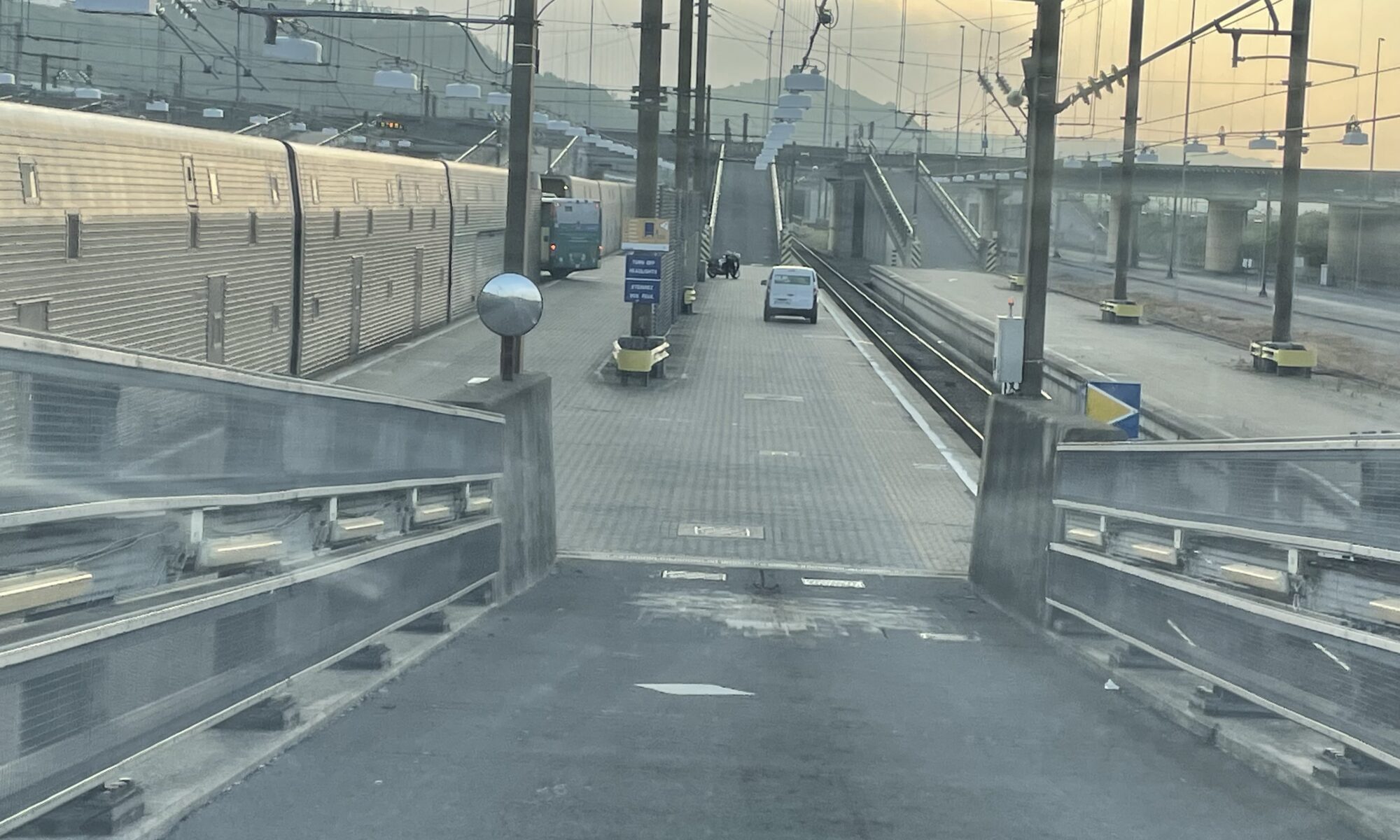
Getting onboard the Eurotunnel from Folkestone to Calais.

UK travellers driving to France, the Alps or onward to Italy and Switzerland may need to allow extra time at Channel crossings this summer, as the EU’s new Entry/Exit System continues to bed in at major UK-France border points.

The EU Entry/Exit System, known as EES, became fully operational on 10 April 2026. It replaces manual passport stamping for non-EU short-stay travellers with a digital record of entry and exit, including passport data and, where required, biometric information such as facial images and fingerprints.

For many mountain travellers, the practical question is not the technology itself, but whether it could add time at the border. Eurotunnel LeShuttle explains that EES records biometric data and border-crossing details for non-EU nationals entering or leaving the Schengen Area, while Getlink has said the system began with a gradual rollout at Eurotunnel terminals before extending to passenger vehicles.

Continue reading “Eurotunnel, Dover and the New EU EES: What UK Drivers to the Alps Should Know This Summer”

Aosta Valley Avalanche Bulletin: Danger Level 4 (Strong) with Wind Slab Risk

Aineva bulletin Aosta Valley. 16 FEB.

Avalanche danger remains high across Aosta Valley

The official Aosta Valley Snow & Avalanche Bulletin issued by Regione Autonoma Valle d’Aosta reports Danger Level 4 (Strong) across several forecast sectors on Monday.

Fresh snowfall combined with strong north-westerly winds is contributing to unstable snowpack conditions, particularly on steep slopes and wind-loaded terrain.

Official bulletin source:
https://bollettinovalanghe.regione.vda.it/home


Tuesday Trend (17 February)

According to the current regional forecast trend, avalanche danger is expected to remain elevated into Tuesday, with continued instability in areas affected by wind transport and fresh accumulations.

Continue reading “Aosta Valley Avalanche Bulletin: Danger Level 4 (Strong) with Wind Slab Risk”

100 cm in 48 Hours: Courmayeur Buried as Avalanche Danger Rises to Level 4

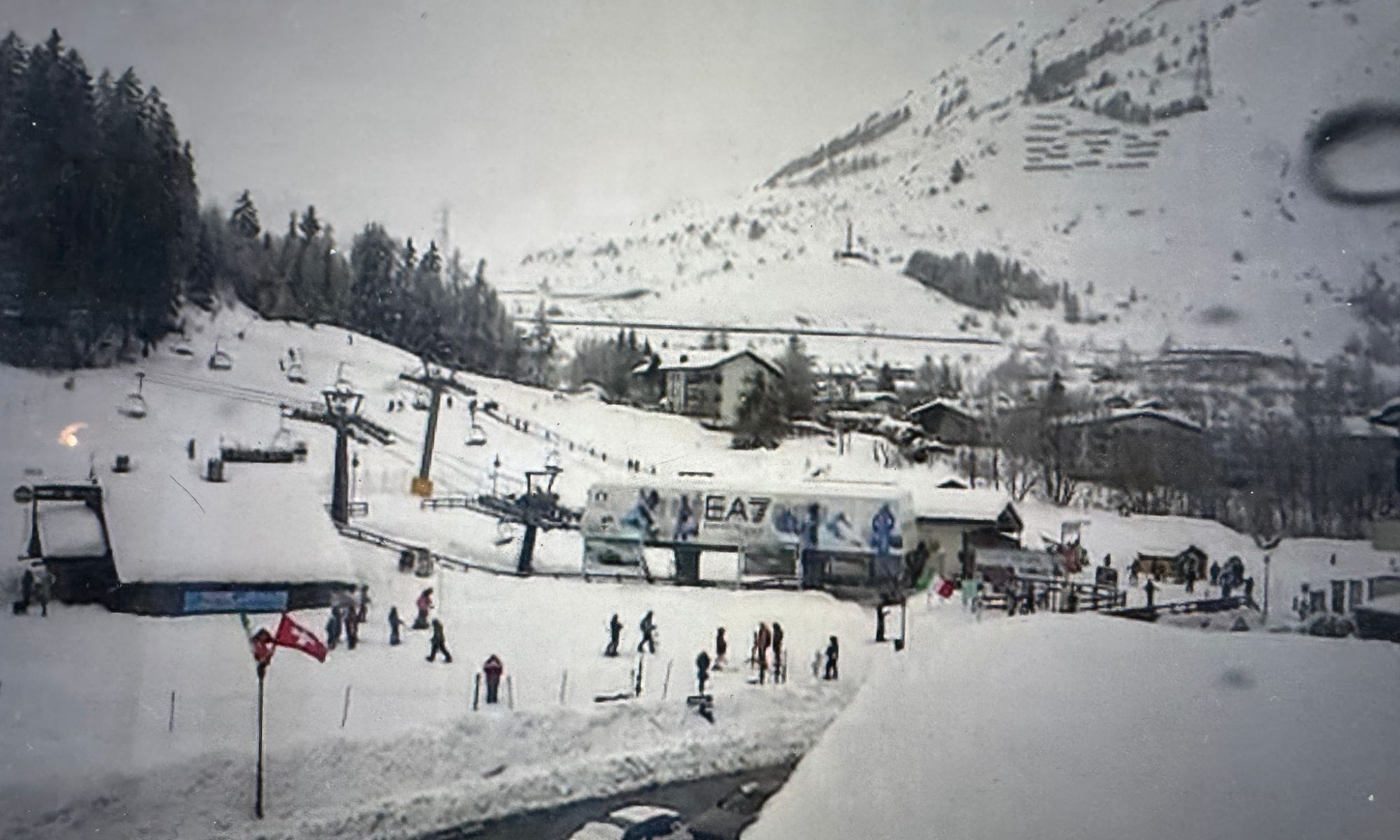
Base area La Thuile 12 FEB 26. Webcam La Thuile.

In just 48 hours, parts of western Valle d’Aosta were transformed into a deep mid-winter landscape, with storm totals reaching a full metre near Courmayeur.

A powerful western snowstorm delivered exceptional snowfall across the Mont Blanc sector between 10–11 February 2026, rapidly loading the snowpack across western Valle d’Aosta.

🔴 Avalanche Danger Level 4 (High) Issued – 12 February 2026

Authorities in Valle d’Aosta have issued a Level 4 – High avalanche danger for Thursday 12 February 2026.

According to Fondazione Montagna Sicura and the regional bulletin published in coordination with AINEVA, conditions are considered critical in many sectors, particularly along:

  • The French border

  • The Swiss border

  • Mont Blanc and western valleys

Affected areas include:

Cervinia, Valtournenche, Valsavarenche, Val di Rhêmes, Val Veny, Valgrisenche, Morgex–La Salle, Val Ferret, La Thuile, Gran San Bernardo (Ollomont), and parts of Valpelline.

What Level 4 Means

Level 4 (“High”) indicates:

  • Natural avalanches are likely

  • Large avalanches possible

  • Triggering is very likely on many steep slopes

  • Critical situation in specific sectors

This level is rare and should be treated seriously.

Similar elevated avalanche conditions have been reported across parts of the French Alps near the border, according to Météo-France.

This storm follows a period of unstable snow conditions across parts of the Alps — see our latest Alpine winter conditions & avalanche updates for wider regional context.


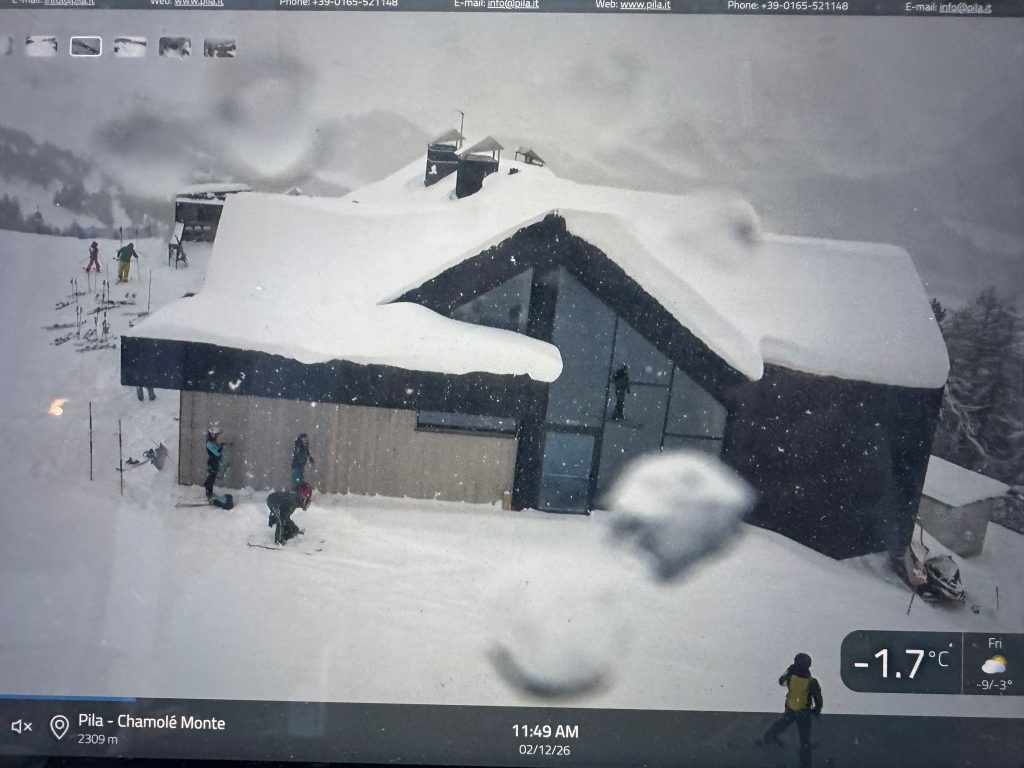
Top of Chamolé chair in Pila. 12 FEB 26. Photo: Webcam Pila.it

Continue reading “100 cm in 48 Hours: Courmayeur Buried as Avalanche Danger Rises to Level 4”