Randa Raises Alert Level as Weisshorn Hanging Glacier Accelerates Above Zermatt Valley

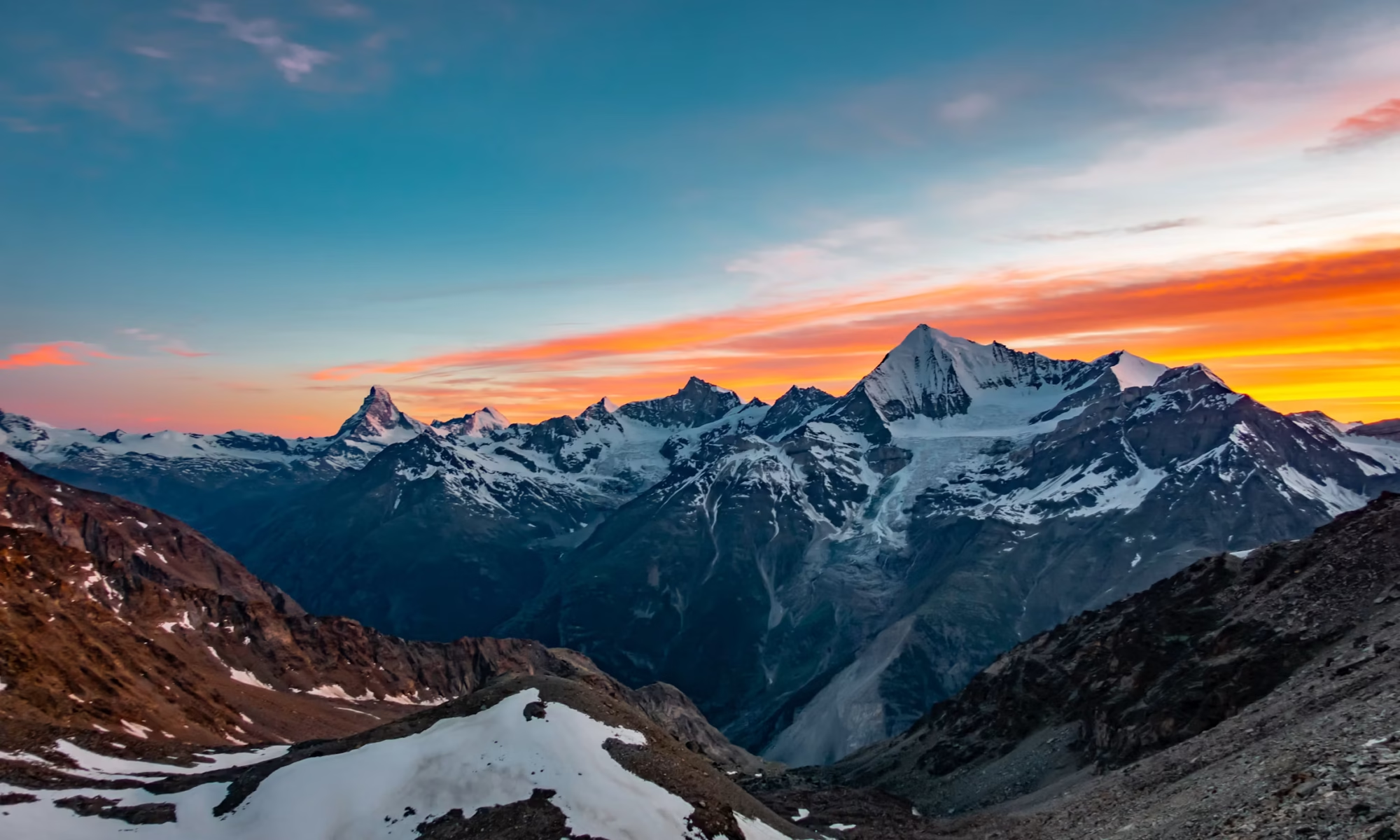
Sunset over the Matterhorn and Weisshorn, from Nadelgrat, Randa. Photo by: Sylvain Maroux. Unsplash.

Authorities in the Swiss canton of Valais have increased monitoring of the Weisshorn East hanging glacier above Randa to Level 3, following a marked acceleration in its movement and several ice break-offs.

Randa lies in the Mattertal, on the main valley approach towards Täsch and Zermatt, making the situation particularly relevant for visitors travelling through the region.

The municipality said movements of the hanging glacier have been monitored more closely since the end of June 2026. Following a significant increase in movement and acceleration, monitoring was raised to Level 3 on 24 August.

At least three break-offs occurred during the afternoon of 24 August, with the largest taking place between 17:00 and 18:00. The resulting ice deposits remained on the glacier plateau below.

Poor weather initially prevented experts from reliably estimating the volume involved.
Continue reading “Randa Raises Alert Level as Weisshorn Hanging Glacier Accelerates Above Zermatt Valley”

Who Pays for a Mountain Rescue in the Alps? Summer Hiking, Insurance and Rescue Costs Explained

Photo: Kevin Schmid. Unsplash. Zermatt. Switzerland.

The rescue of 36 hikers, including babies in strollers, in Austria made headlines around the world. But beyond the unusual circumstances, it highlighted a question many visitors never think about until it’s too late:

Who pays if you need to be rescued in the Alps?

The answer depends on where you are. Rules vary significantly between Austria, France, Italy and Switzerland, and what applies to summer hiking or mountaineering is not necessarily the same as skiing in winter.

This guide focuses on summer mountain activities—including hiking, mountaineering, via ferratas and glacier trekking. Rescue rules on managed ski slopes during winter are often different and are covered by separate insurance systems.

Continue reading “Who Pays for a Mountain Rescue in the Alps? Summer Hiking, Insurance and Rescue Costs Explained”

Monte Pelmo Rockfalls: Geologist Warns More Collapses Are Likely

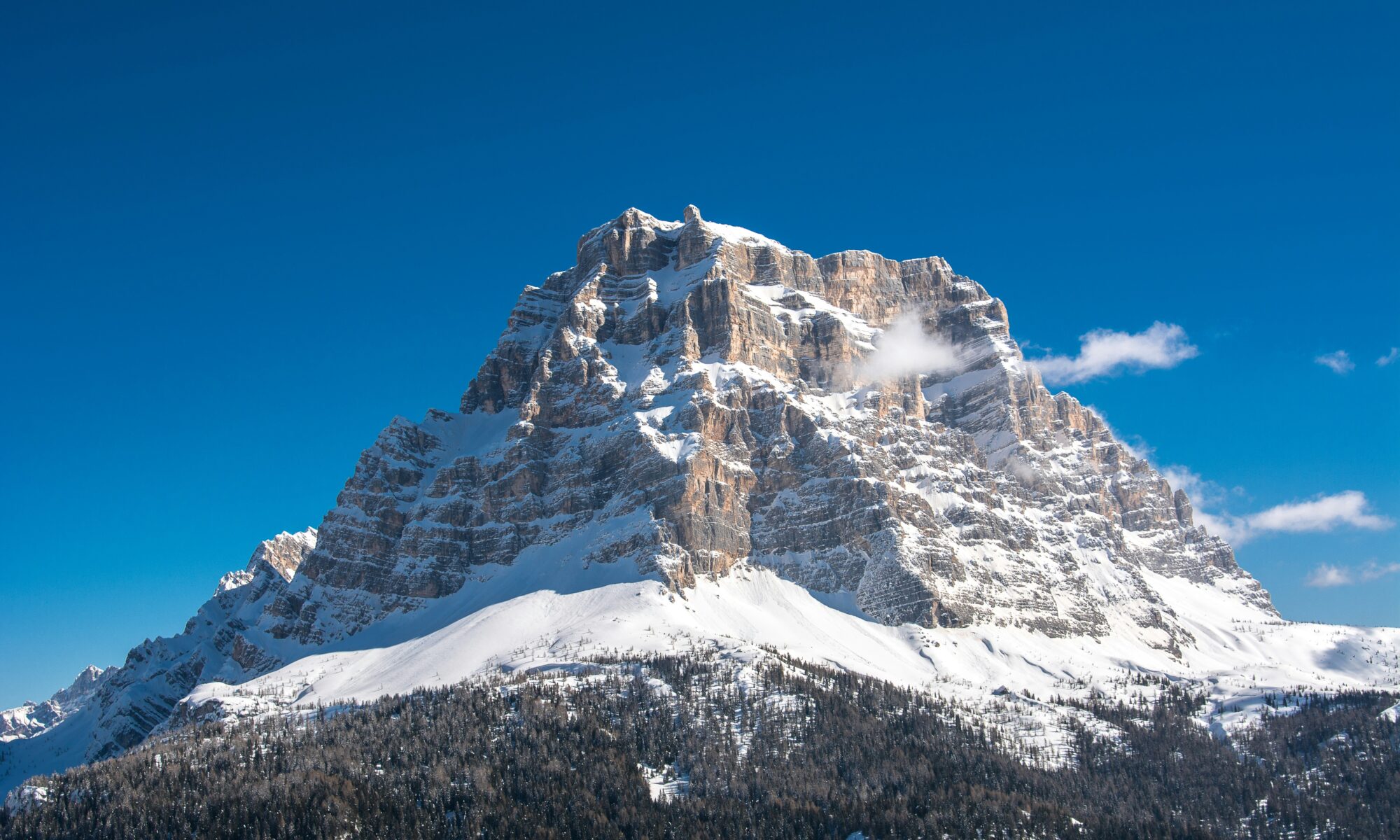
Monte Pelmo as seen from Borca di Cadore. Photo: Gian Pietro Dragoni. Unsplash.

A series of rockfalls on Monte Pelmo in the Italian Dolomites is raising concern after seven significant collapses were recorded in just three weeks, including five in five days, as exceptionally high temperatures continue to affect the Alps.

The latest warning comes from Aldino Bondesan, professor of Physical Geography and Geomorphology at the University of Padua, who says further collapses should be expected and has urged visitors to respect restrictions around affected mountain areas.

The 3,168-metre Monte Pelmo, one of the most recognisable peaks in the Dolomites, had already been affected by repeated rockfalls during the current Alpine heatwave. The situation was included in our wider report on the impact of extreme temperatures across the Alps.

READ MORE: Alps Heatwave Intensifies as Glacier and High-Mountain Closures Spread

Continue reading “Monte Pelmo Rockfalls: Geologist Warns More Collapses Are Likely”

Where to Check Mountain Closures in the Alps

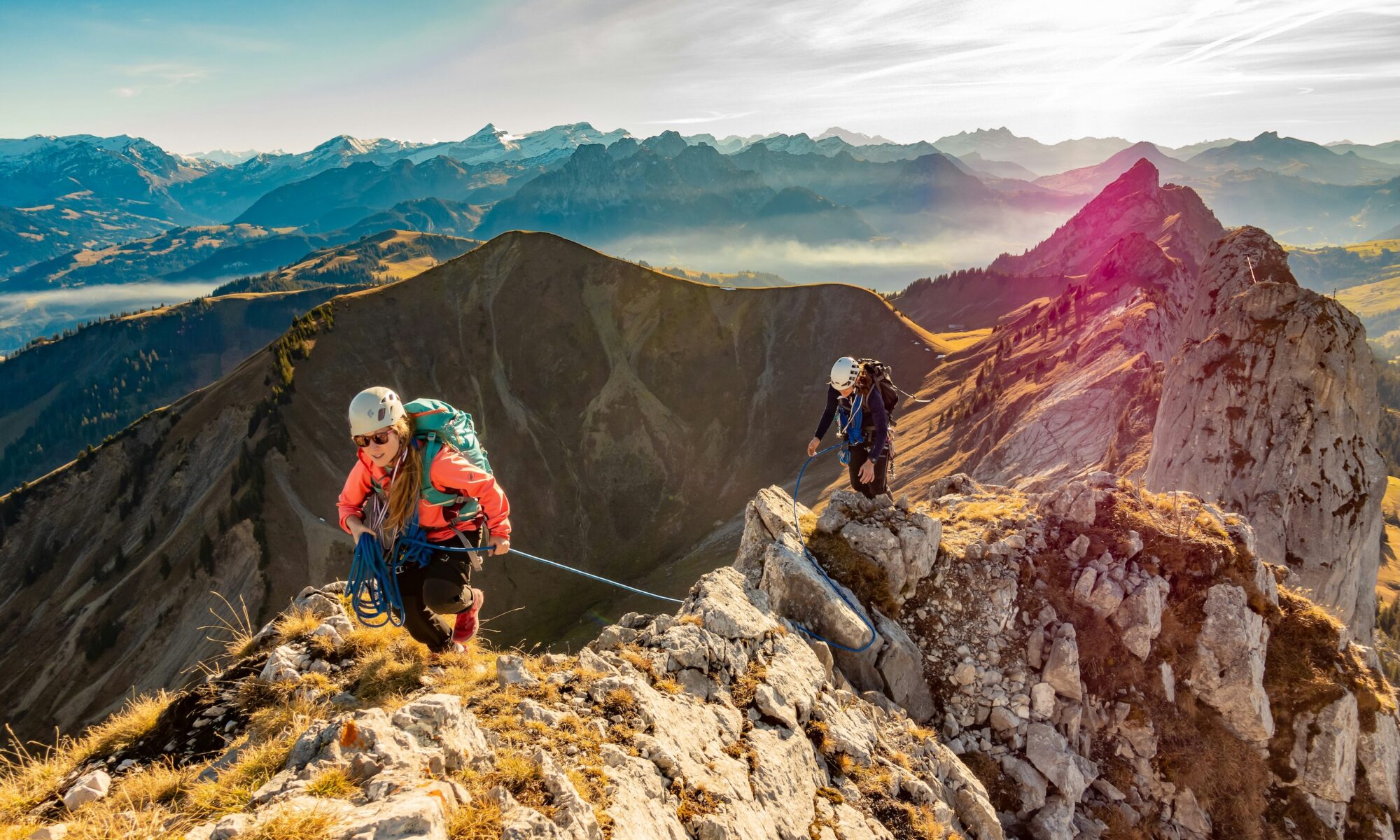
Mountaineering in the Swiss Alps in Gastlosen, Saanen. Photo credit: Sylvain Mauroux. Unsplash. Check mountain closures in the Alps

Knowing where to check mountain closures in the Alps is increasingly important as extreme heat, thunderstorms, rockfalls, flooding and rapidly changing glacier conditions affect trails, lifts, roads and mountaineering routes.

However, finding reliable information is not always straightforward. There is no single website covering every mountain closure across France, Italy, Switzerland, Austria and Slovenia. Information may be published by a lift operator, municipality, regional authority, mountain rescue organisation, alpine club or mountain hut — and each may be reporting on something different.

A cable car can be operating while a hiking trail from its upper station is closed. A mountain hut can be open even though one of its access routes is no longer considered safe. A mountaineering route may not be officially closed but may have been abandoned by local guides because of rockfall, crevasses or unstable ice.

Here is where to check before travelling into the Alps.

Continue reading “Where to Check Mountain Closures in the Alps”

La Grave, France: What You Need to Know Before Skiing One of the Alps’ Most Extreme Areas

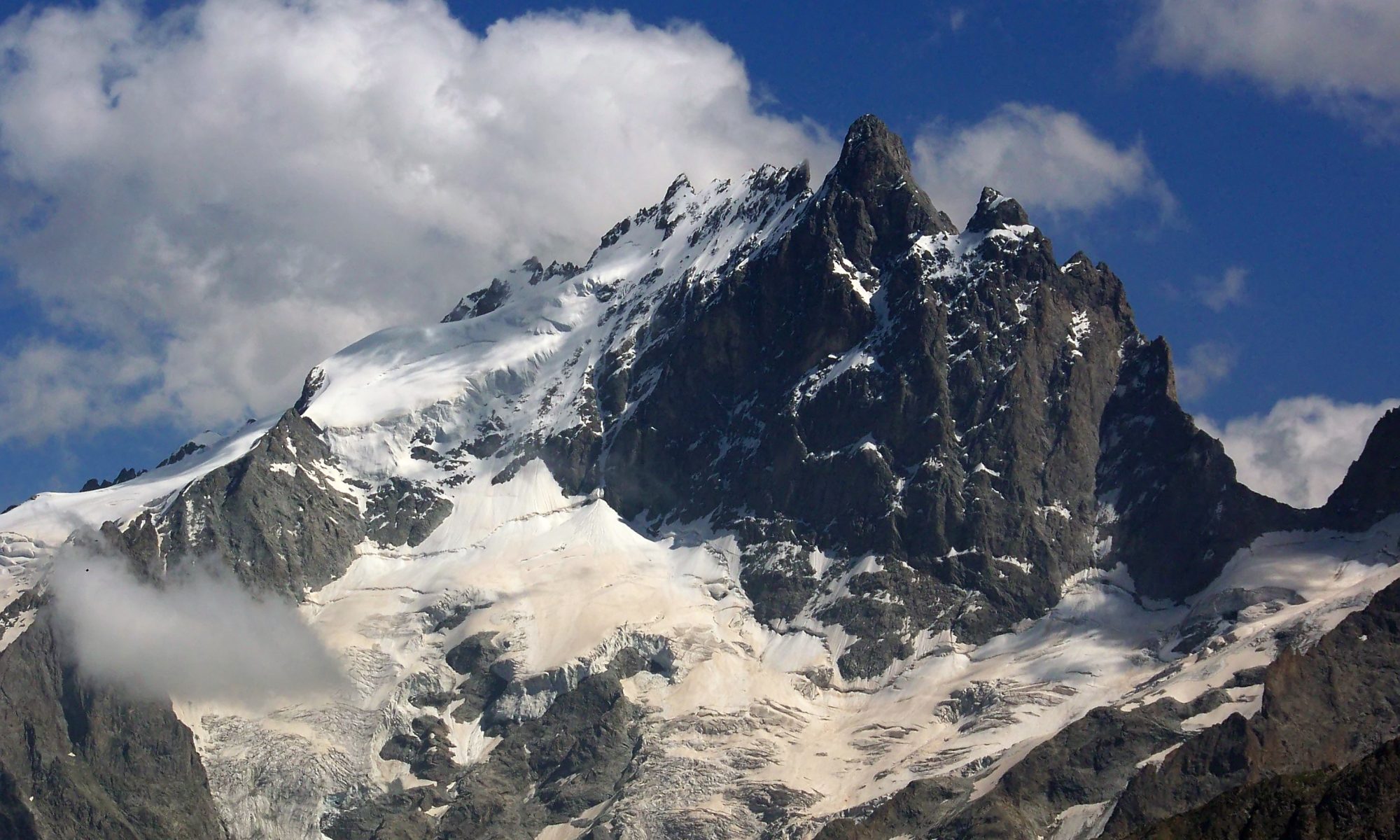
Pic de la Meije. Photo: Eusebius. Wikipedia.

🧭 Introduction

In an Alpine world increasingly defined by lift networks, snowmaking and controlled pistes, La Grave stands apart.

This is not a conventional ski resort. There are no marked runs, no groomed pistes in the usual sense, and no fully avalanche-controlled ski area. Instead, La Grave offers direct access to high-alpine terrain where skiing and mountaineering often overlap — and where the consequences of mistakes can be severe.


📍 What La Grave Actually Is

La Grave is best understood not as a resort, but as a village with lift access into extreme terrain.

A single cable car (the Téléphérique des Glaciers de la Meije) rises from the village to over 3,200 metres, opening access to more than 2,000 metres of vertical descent. From there, skiers enter a vast area of ungroomed, glaciated slopes, couloirs and high-mountain faces.

There is almost no piste infrastructure. Routes are not marked, conditions are not standardised, and the terrain is left largely in its natural state.

👉 In simple terms:
La Grave is designed to access the mountain — not to make skiing safe.

While La Grave represents one of Europe’s most extreme lift-served environments, other models of access are emerging globally — including private ski developments like this recent project in Nevada’s Ruby Mountains.


Continue reading “La Grave, France: What You Need to Know Before Skiing One of the Alps’ Most Extreme Areas”

La Grave: Mountain Guide Benjamin Ribeyre Killed in Écrins Accident

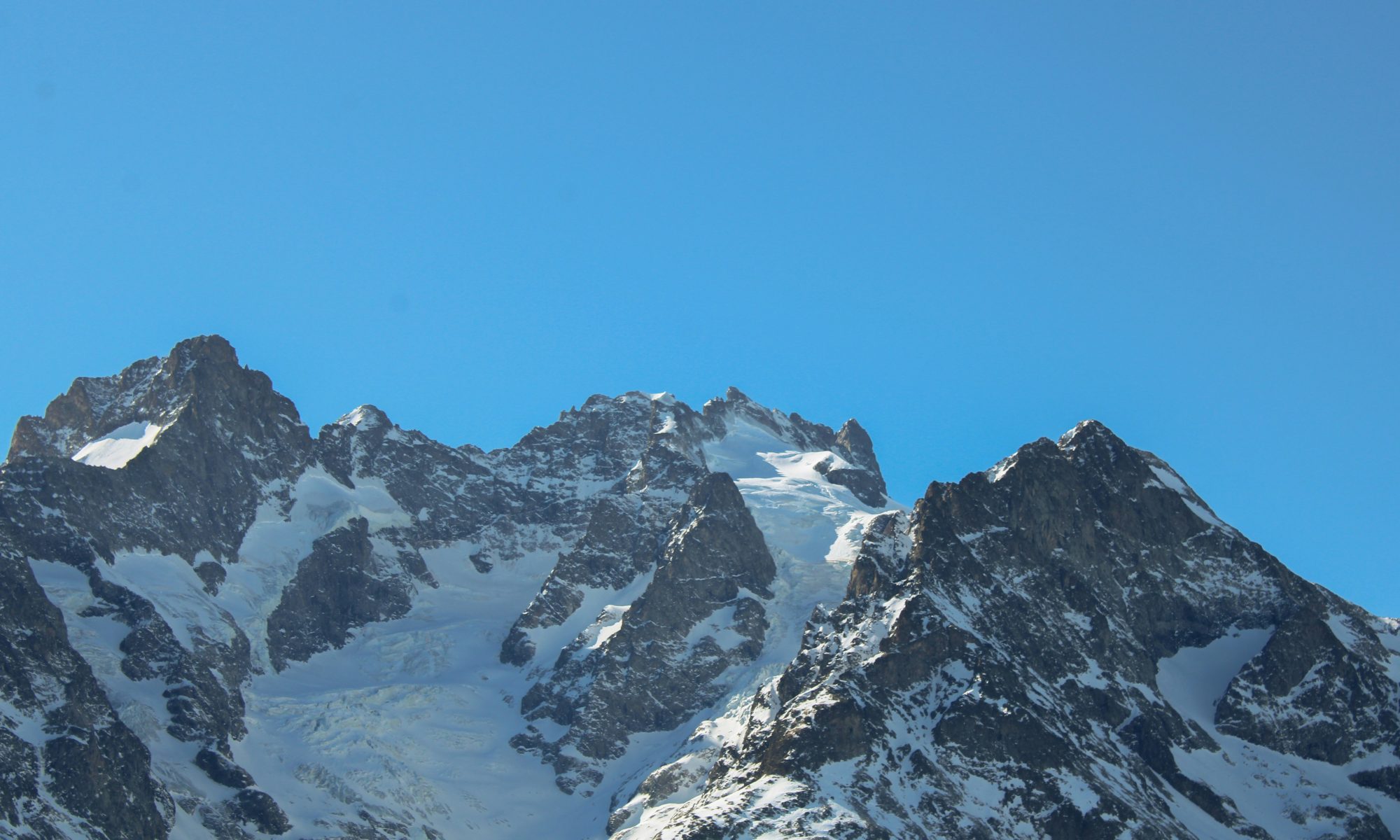
La Mejie. La Grave. Photo: Manon Soubeyrand. Unsplash.

A highly experienced mountain guide has died following a serious accident in one of the Alps’ most demanding freeride environments, underlining once again how unforgiving high-alpine terrain can be — even for professionals.

According to French regional reporting from Le Dauphiné Libéré and specialist outlet Outside, Benjamin Ribeyre, a guide based in La Grave, was killed on Tuesday 24 March 2026 while leading a client in the Écrins massif.

The accident occurred in the La Grave – La Meije sector, an area unlike conventional ski resorts. There are no marked pistes here — only high-altitude, glaciated terrain where progression often requires mountaineering techniques as much as skiing.

Ribeyre was guiding a client, reported to be American, on a descent of the couloir d’Orcière, a steep and committing line. The accident occurred during a rappel section; early reports suggest a fall during rope handling, with Ribeyre dropping approximately 50 metres.

Continue reading “La Grave: Mountain Guide Benjamin Ribeyre Killed in Écrins Accident”

Understanding the European Avalanche Danger Scale: Levels 1–5 Explained

Windslab avalanche. Photo: Colorado Avalanche Information Center. Why Wind Is One of the Most Dangerous Avalanche Triggers.

Avalanche danger in the Alps is reported using the European Avalanche Danger Scale, a five-level system used by national avalanche forecasting services across countries including France, Italy, Switzerland, Austria and Germany.

The scale helps skiers, mountaineers and backcountry travellers understand how stable or unstable the snowpack is and how likely avalanches are to occur.

It is important to understand that the scale does not simply measure the size of avalanches. Instead, it reflects a combination of factors including snowpack stability, the likelihood of triggering avalanches and the expected distribution of unstable slopes.

Understanding these levels is essential for anyone travelling in avalanche terrain, whether skiing off-piste, touring, snowshoeing or mountaineering.

Continue reading “Understanding the European Avalanche Danger Scale: Levels 1–5 Explained”

Mountain Wildfires: Rising Risk in Colorado & the Alps

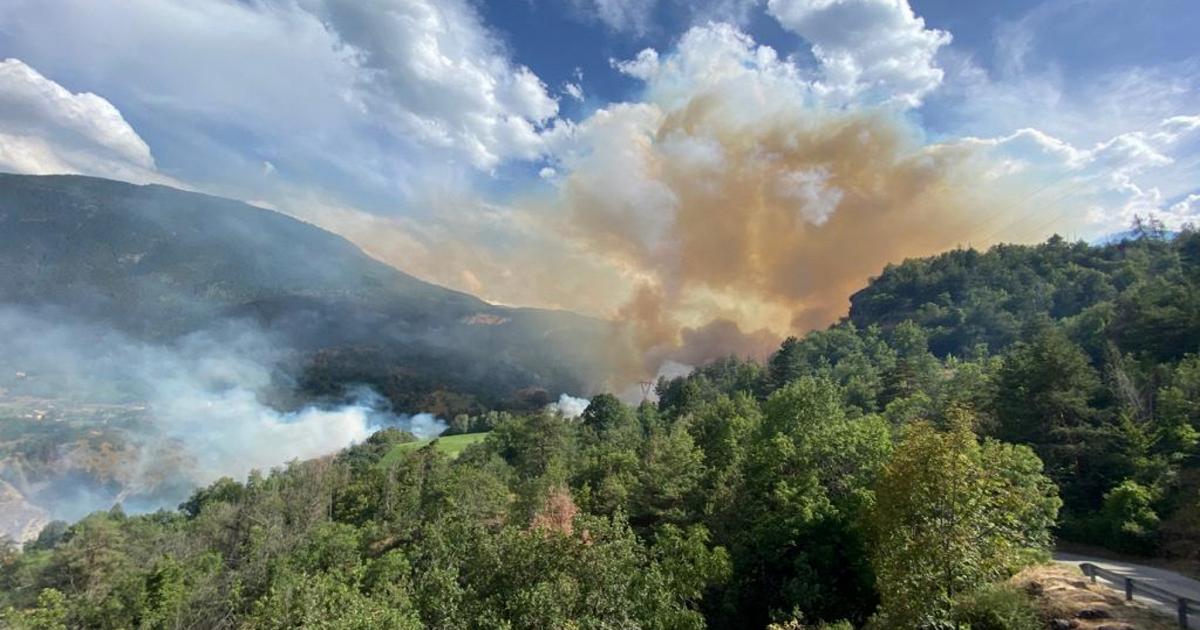
Fire in Aymavilles in the Aosta Valley in the summer of 2025. Photo: Rai News.

While much of this winter has focused on avalanche instability across the Alps, mountain regions elsewhere are facing a different but equally significant hazard: wildfire risk linked to changing climate patterns.

In the U.S. state of Colorado — particularly around high-elevation communities such as Aspen — authorities are increasingly concerned about longer fire seasons, drought stress and more extreme weather variability.

📈 A Growing Trend in Mountain Environments

Over the past two decades, Colorado has experienced:

  • Larger and more frequent wildfires
  • Fire seasons extending beyond traditional summer months
  • Increased drought and reduced snowpack
  • Stronger wind events contributing to rapid fire spread

Several of the largest wildfires in Colorado’s recorded history have occurred since 2000 — a shift widely linked to warmer temperatures and drier forest conditions.

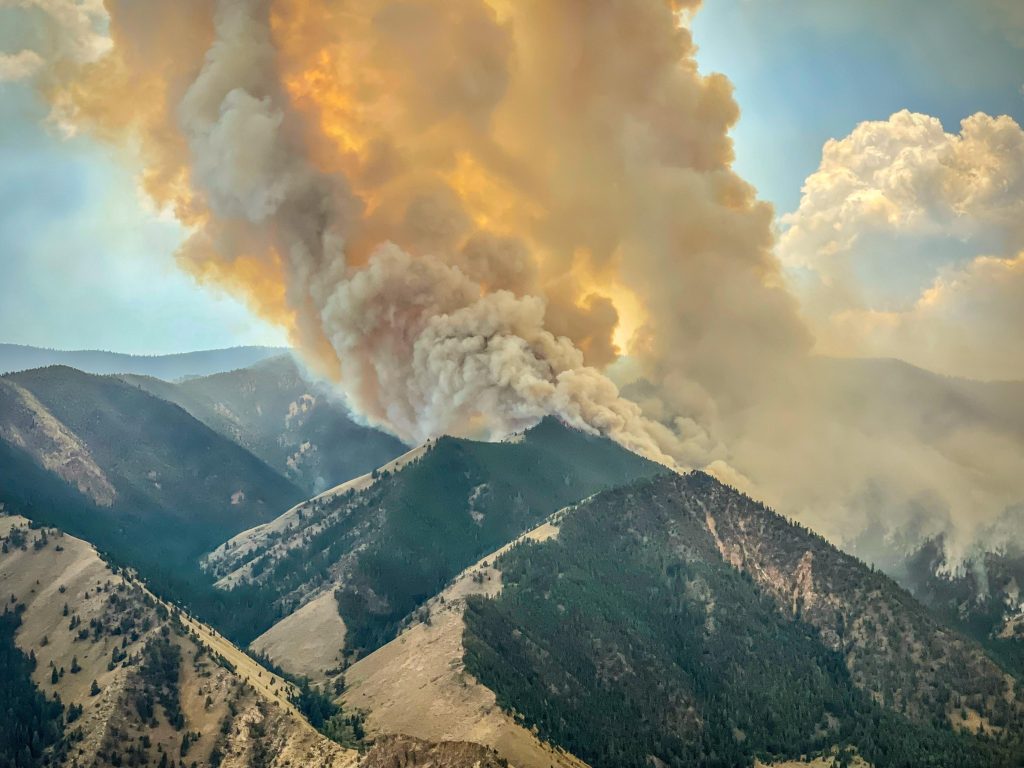
Moose Fire Idaho. July 2022. Sheena Waters/Aspen Public Radio photo. Wildfire risk in mountain regions.

🧠 Technology as Adaptation

In response, some mountain towns are now trialling AI-assisted camera and drone systems designed to detect wildfire smoke at a very early stage.

Continue reading “Mountain Wildfires: Rising Risk in Colorado & the Alps”

February 2026 Avalanche Cycle Across the Alps: Fatalities, Level 4 & Level 5 Alerts

Avalanche in Lavancher- Morgex, Aosta Valley. Photo: The-Ski-Guru.

February 2026 Avalanche Cycle Across the Alps

Fatalities, Level 4 & Level 5 Alerts Across France, Italy and Switzerland

Updated: 25 February 2026

Repeated Level 4 (Strong) and, in some regions, Level 5 (Very Strong) avalanche danger ratings were issued across multiple Alpine regions during the second half of February 2026 according to the European avalanche danger scale, following intense snowfall, wind loading and rapid temperature fluctuations.

Fatal incidents have now been reported in France, Italy (including Aosta Valley and Lombardy), Austria and Switzerland during a period of widespread structural instability in the snowpack.

This cycle reflects broader shifts linked to extreme weather in the Alps, with more volatile snowfall and rapid warming phases.

Similar patterns are being reported beyond Europe, including recent fatal avalanches in northern British Columbia under Considerable danger ratings.

And now, another is re-emerging, as shown in recent wind slab avalanche activity across the French Alps following a new storm cycle.

This page consolidates confirmed events, official warnings and the broader cross-border pattern observed during this cycle.


Overview of the February 2026 Avalanche Cycle

The instability phase developed following:

• Multi-day snowfall events (locally 80–100 cm)
• Strong wind transport forming slab layers
• Persistent weak layers buried earlier in the season
• Rapid warming periods reducing stability

Between 20–25 February, several Alpine regions simultaneously recorded elevated danger ratings and fatal incidents.

Continue reading “February 2026 Avalanche Cycle Across the Alps: Fatalities, Level 4 & Level 5 Alerts”

Luciano Capasso Killed in Avalanche Near St. Moritz

Corvatsch-Diavolezza- Lagarb. Photo credit: Corvatsch-diavolezza.

Luciano Capasso, a 25-year-old Italian resident of St. Moritz, has been confirmed dead after being caught in an avalanche during Level 4 (“Strong”) avalanche danger conditions while on a solo mountain excursion above the resort.

Capasso, originally from Qualiano near Naples, had been living and working in the Swiss Alpine town, where he was employed at the renowned Badrutt’s Palace Hotel.

He had set out alone for a hike in the high-altitude terrain near Fuorcla Trovat, in the Upper Engadin region.

This incident forms part of the broader February 2026 avalanche cycle across the Alps, which saw widespread Level 4 and Level 5 danger across multiple countries.


Avalanche Reported as Cause

Initial reports referenced severe snowstorm conditions. Subsequent reporting from Italian and Swiss media indicates that Capasso was caught in an avalanche during a period classified as Level 4 (“Strong”) on the European avalanche danger scale.

Continue reading “Luciano Capasso Killed in Avalanche Near St. Moritz”