Muslim Ski Club Shows How Ski Tourism Can Reach a Market It Has Long Overlooked

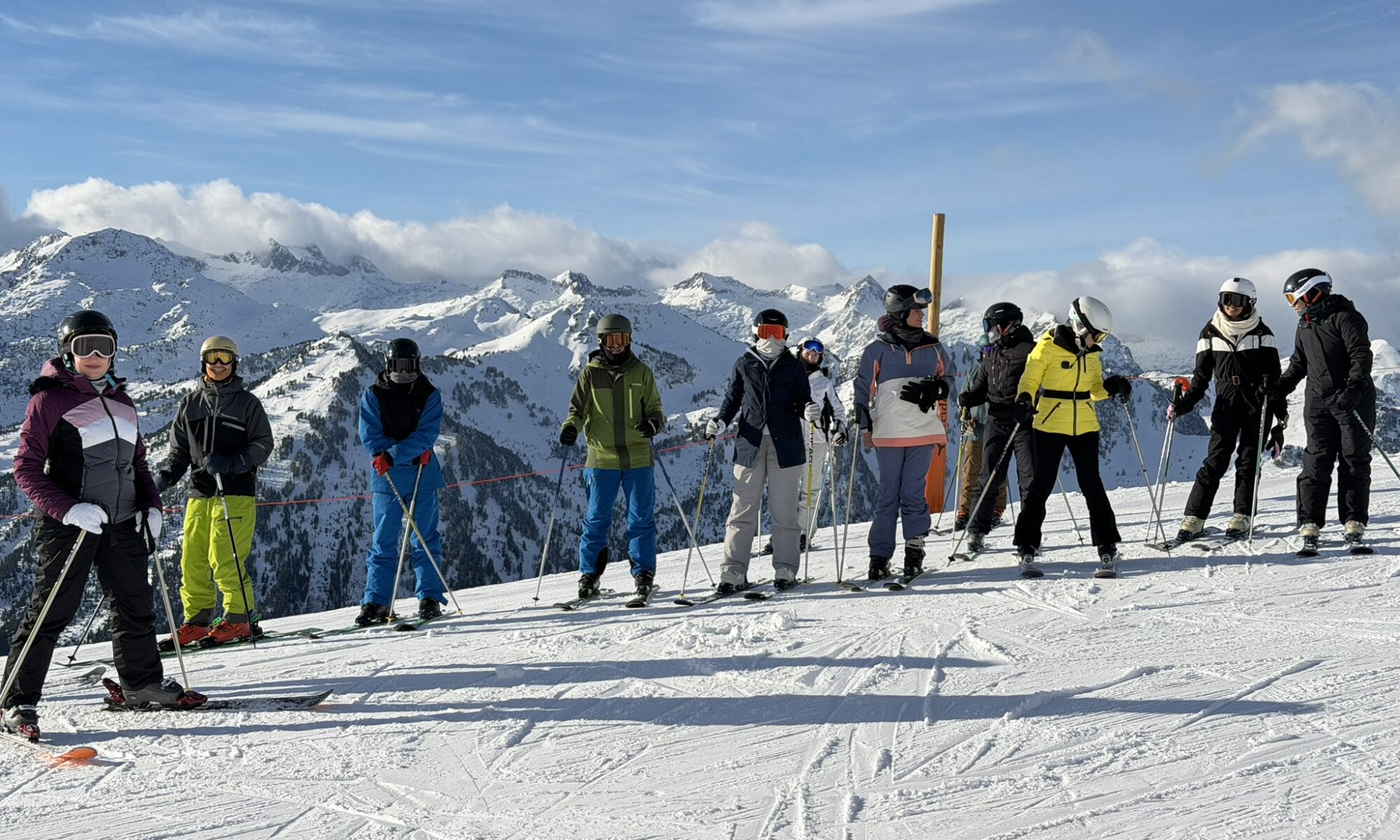
Members of the Muslim Ski Club on the slopes, helping create a more accessible and welcoming pathway into skiing for Muslim travellers. Photo: Muslim Ski Club

Ski tourism has spent decades looking for new source markets, younger skiers and ways to broaden participation. But sometimes growth may be less about discovering another destination or building another lift, and more about asking a simpler question: who was the traditional ski holiday designed for?

The UK-based Muslim Ski Club is beginning to provide one answer.

Founded by Burhan Ali in 2024, the organization was created to make skiing more accessible and relevant to Muslim travelers — from complete beginners who have never considered a ski vacation to experienced skiers looking for a community with which to travel.

The concept has now gained recognition beyond snowsports. The Muslim Ski Club recently won Gold in the Hospitality, Leisure and Tourism Business of the Year category at the 2026 Bedfordshire Chamber of Commerce SME Business Awards.

It is an interesting achievement for a relatively young organization — but perhaps even more interesting for the wider ski industry.

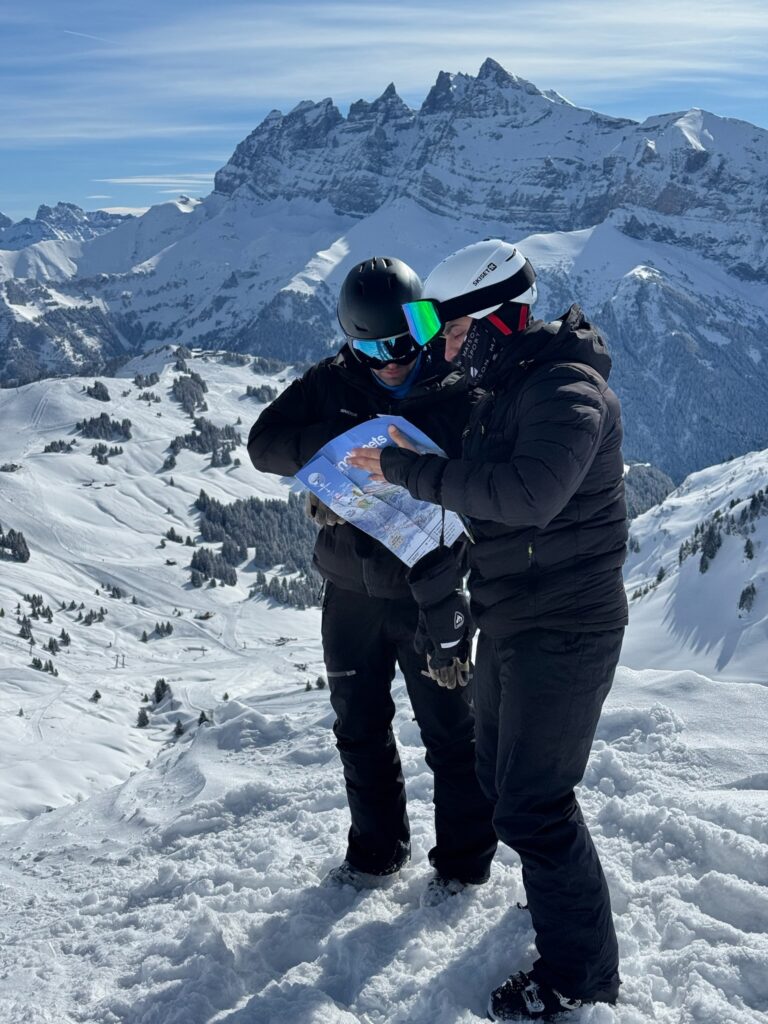
Learning the mountain together: Muslim Ski Club members navigate the slopes as part of the community-led ski experience. Photo: Muslim Ski Club

Continue reading “Muslim Ski Club Shows How Ski Tourism Can Reach a Market It Has Long Overlooked”

Nepal’s Glacier Disaster Is a Warning for Mountain Regions Everywhere — Including the Alps

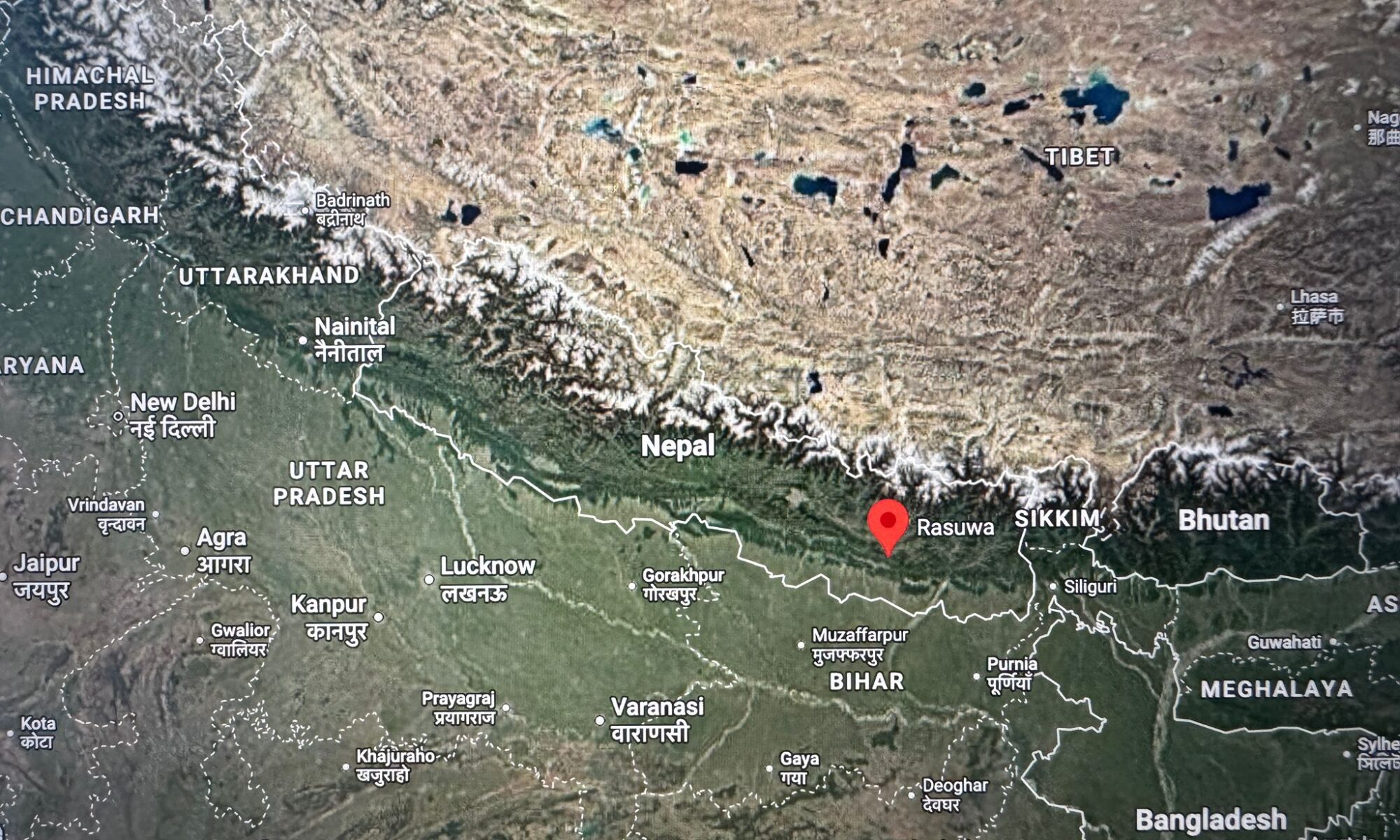
Map of Rasuwa in Nepal, where the floodings occurred. Photo: Google Maps.

A catastrophic glacier-related collapse in the Himalayas has killed hundreds of people across Nepal and Tibet and left many more missing.

But beyond the shocking images and the rapidly evolving casualty figures lies a much bigger question for mountain regions around the world:

Could something similar happen in the Alps?

The answer is uncomfortable.

The precise sequence that produced the Nepal disaster is still being investigated. But glacier collapses, rock avalanches, sudden releases of glacial water, debris flows and naturally dammed lakes are not unique to the Himalayas. They are hazards that also exist in the Alps — and Alpine history provides some dramatic examples.

What can be very different is the ability to identify certain dangers in advance, monitor them and evacuate people before the mountain moves.

And even in the best-monitored Alpine countries, that warning cannot always be guaranteed.

Continue reading “Nepal’s Glacier Disaster Is a Warning for Mountain Regions Everywhere — Including the Alps”

Randa Raises Alert Level as Weisshorn Hanging Glacier Accelerates Above Zermatt Valley

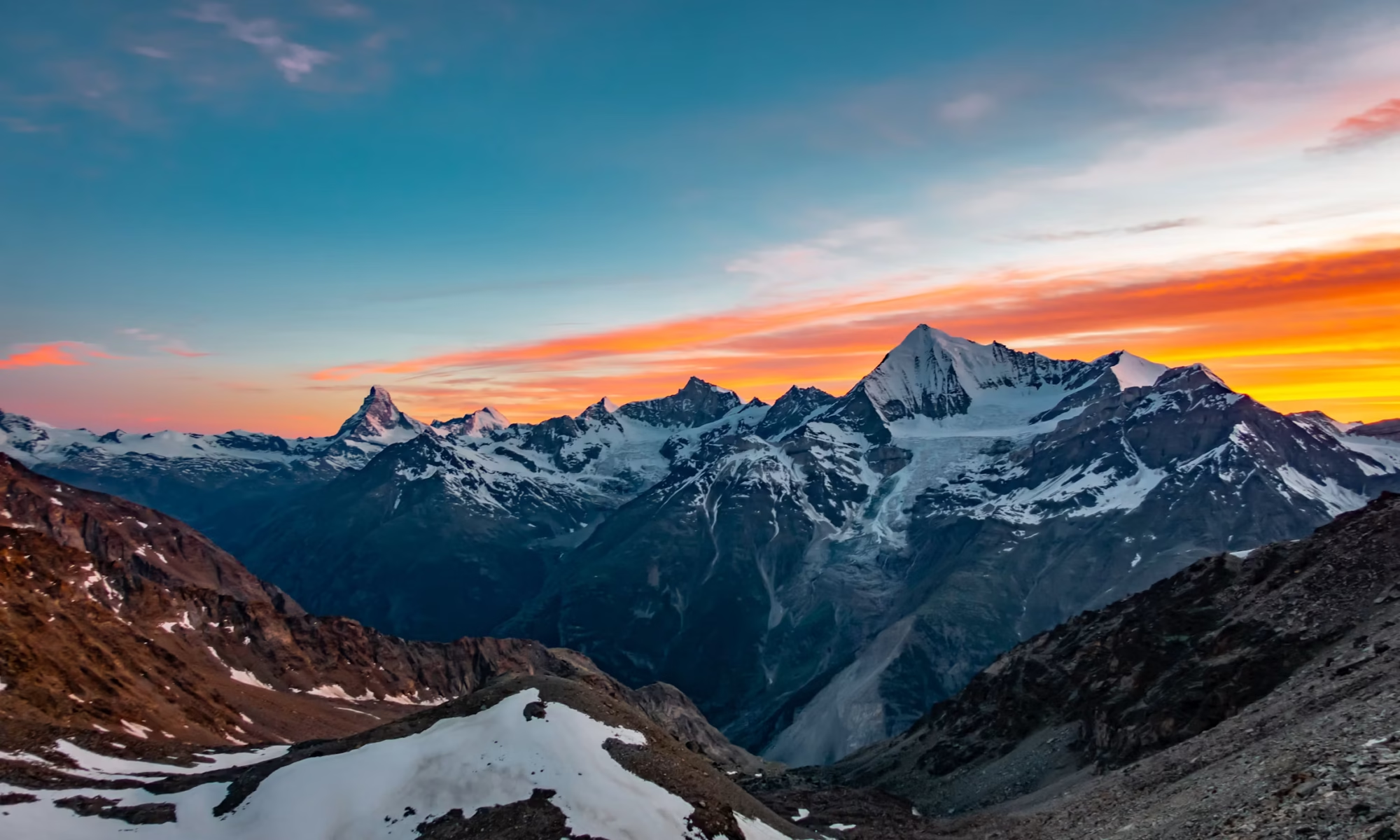
Sunset over the Matterhorn and Weisshorn, from Nadelgrat, Randa. Photo by: Sylvain Maroux. Unsplash.

Authorities in the Swiss canton of Valais have increased monitoring of the Weisshorn East hanging glacier above Randa to Level 3, following a marked acceleration in its movement and several ice break-offs.

Randa lies in the Mattertal, on the main valley approach towards Täsch and Zermatt, making the situation particularly relevant for visitors travelling through the region.

The municipality said movements of the hanging glacier have been monitored more closely since the end of June 2026. Following a significant increase in movement and acceleration, monitoring was raised to Level 3 on 24 August.

At least three break-offs occurred during the afternoon of 24 August, with the largest taking place between 17:00 and 18:00. The resulting ice deposits remained on the glacier plateau below.

Poor weather initially prevented experts from reliably estimating the volume involved.

Continue reading “Randa Raises Alert Level as Weisshorn Hanging Glacier Accelerates Above Zermatt Valley”

Alpine Glacier Retreat Raises Questions Over the Future of the Ski Economy

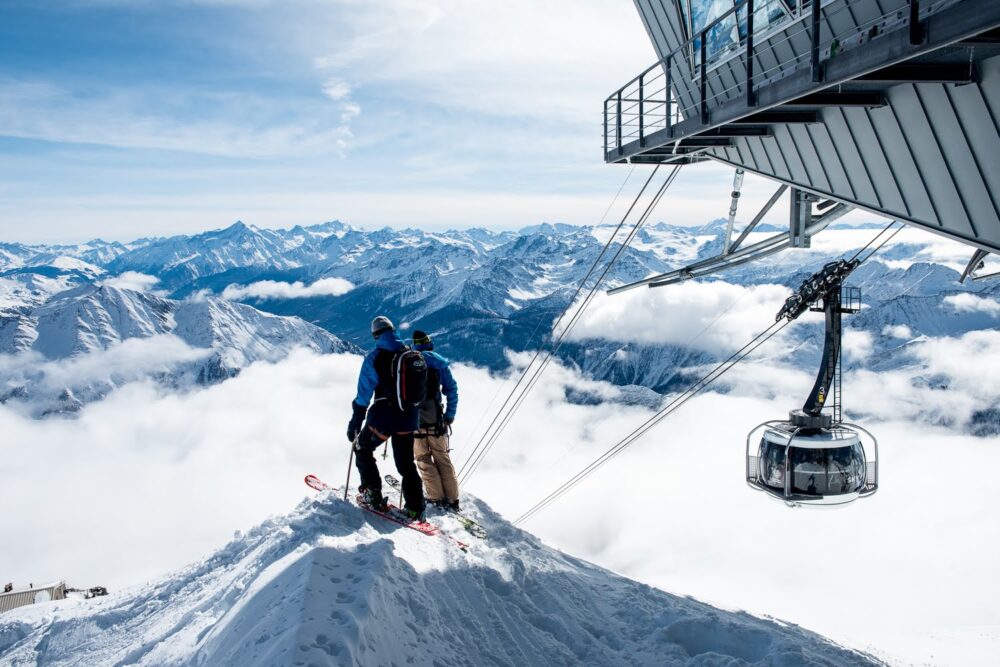
Photo credit: Skyway Monte Bianco.

After a summer marked by glacier retreat, rockfalls, unstable permafrost and repeated disruption across the Alps, an increasingly difficult question is emerging: how should mountain tourism adapt to a rapidly changing environment?

The debate has been brought into sharper focus by Legambiente, one of Italy’s largest environmental organisations, which argues that Alpine communities can no longer plan their future on the assumption that glaciers, water resources and snow conditions will remain as they have been in the past.

Speaking to Corriere della Sera during the 2026 Carovana dei Ghiacciai, Vanda Bonardo, the campaign’s coordinator and national head of Legambiente’s Alps division, said mountain regions need to move from planning based on stability towards managing continuous change.

Her comments come during an extraordinary summer across the Alps, with developments around Mont Blanc providing some of the clearest examples.

Continue reading “Alpine Glacier Retreat Raises Questions Over the Future of the Ski Economy”

Planpincieux Glacier: Seven Years After the Alarm, the Mont Blanc Glacier Is Retreating Fast

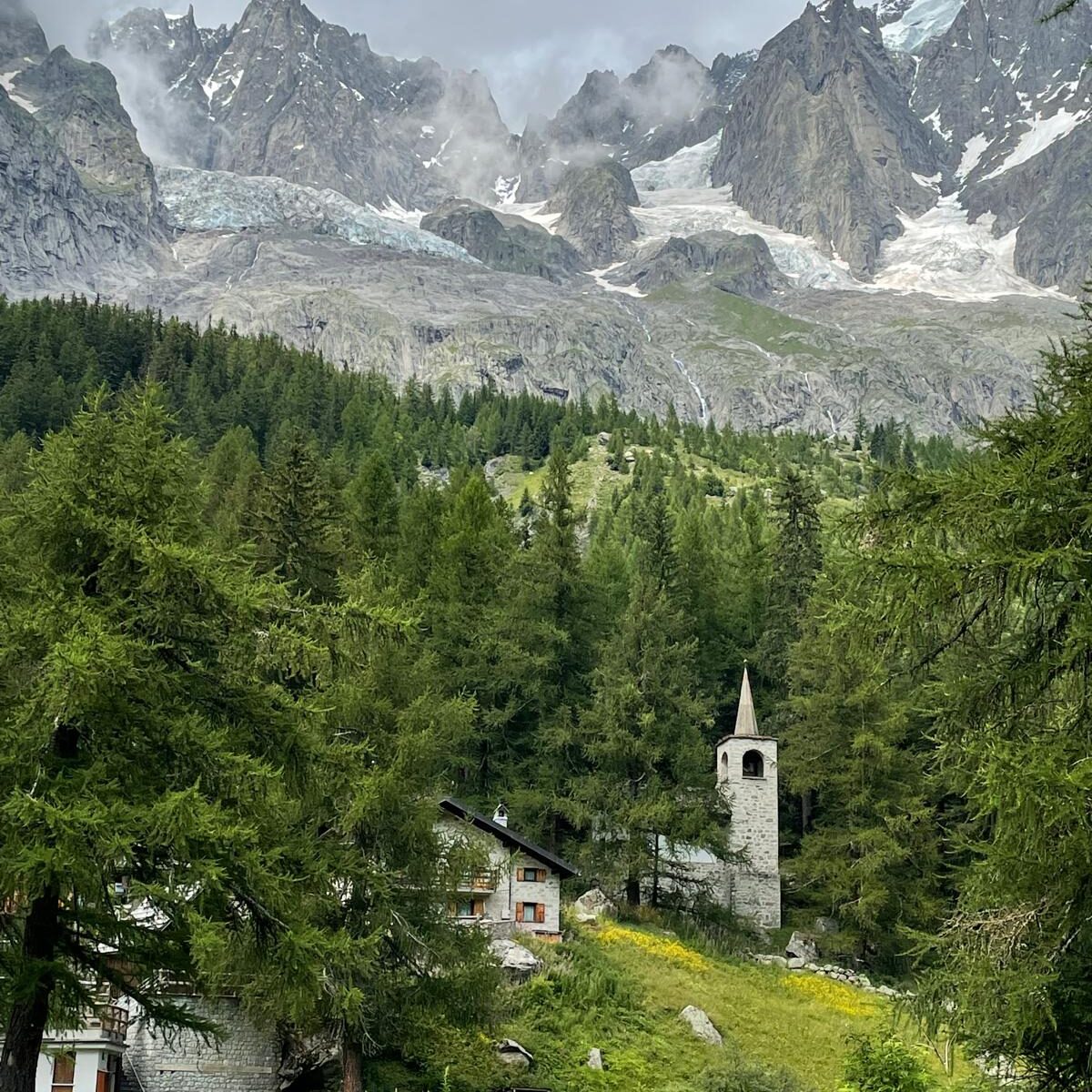
Planpincieux glacier and the church in the bottom. Photo: The-Ski-Guru.

The Planpincieux Glacier retreat is accelerating on the Italian side of Mont Blanc, seven years after the hanging glacier above Courmayeur first made international headlines over fears of a major collapse.

The hanging glacier, located above Val Ferret on the Italian side of the Mont Blanc massif, accelerated again during July 2026, reaching movement of around 80 centimetres per day. The figure was confirmed by the Valle d’Aosta regional authorities, which placed the glacier under continuous monitoring during the period of heightened activity.

The situation has since improved. Jean-Pierre Fosson of Fondazione Montagna Sicura said during the Valle d’Aosta stage of Legambiente’s Carovana dei Ghiacciai that Planpincieux has now fallen below the critical thresholds and that current conditions are considered favourable.

But the longer-term picture is far less reassuring.

Planpincieux Glacier retreat reaches 50 metres in three years

According to a report from Corriere della Sera, the front of Planpincieux has retreated by around 50 metres in just three years.

The glacier hangs at around 2,600 metres beneath the Grandes Jorasses, high above Val Ferret. Ice and debris continue periodically to break away from its front and descend towards the valley.

The glacier is particularly closely monitored because of its position above an inhabited and heavily visited valley.

During July’s acceleration, Courmayeur introduced Civil Protection restrictions in the areas potentially exposed to a collapse. Access restrictions were subsequently eased as conditions stabilised.


Read more: Nepal Glacier Disaster: Could It Happen in the Alps? — Following the catastrophic glacier-related disaster in Nepal, we look at whether similar high-mountain hazards could occur in the Alps, and how monitoring at Planpincieux, Blatten and elsewhere can provide crucial warning time.


Continue reading “Planpincieux Glacier: Seven Years After the Alarm, the Mont Blanc Glacier Is Retreating Fast”

Mer de Glace Ice Cave Turns 80 — But May Have Only a Few Years Left

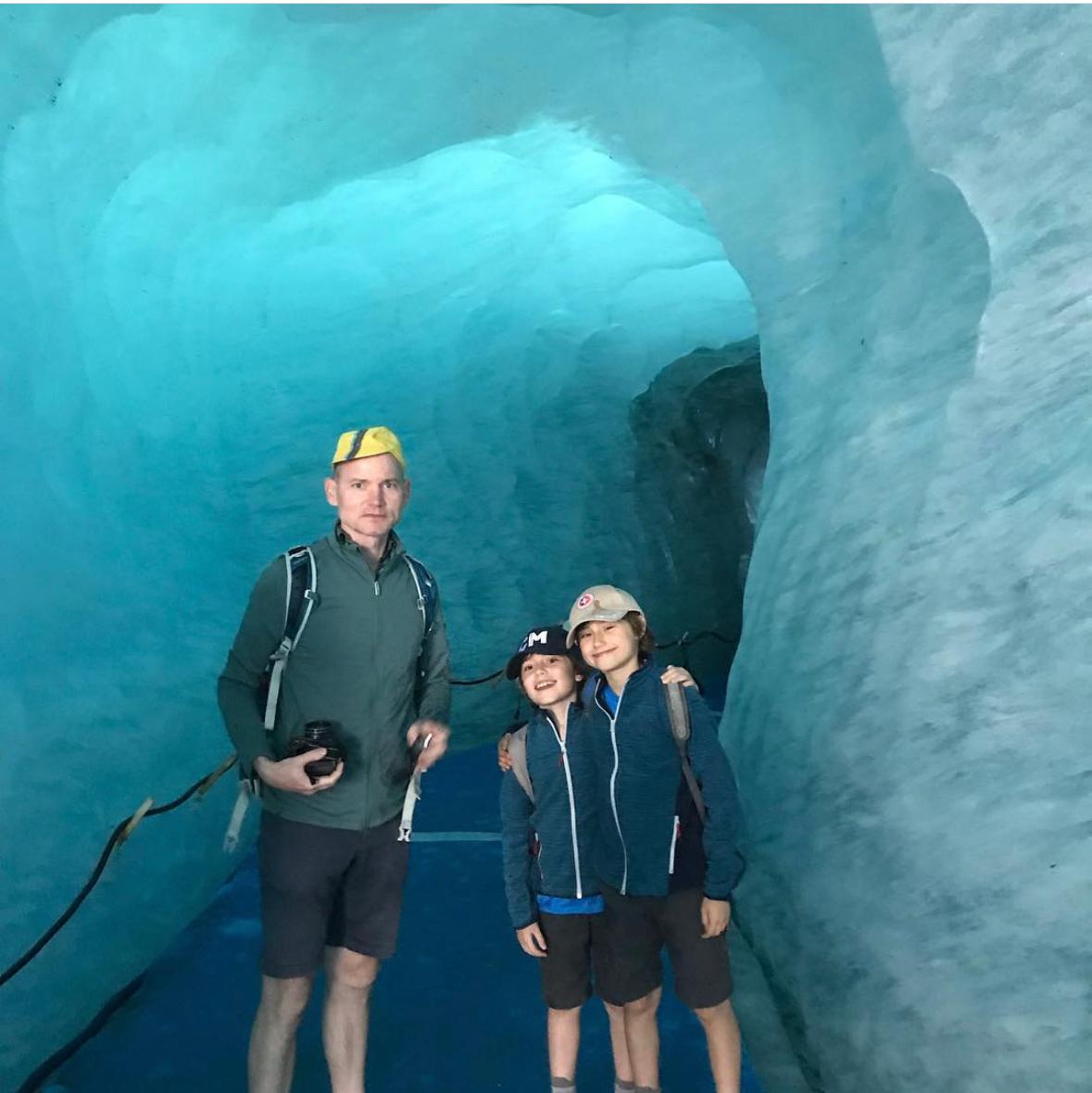
My husband and sons inside the Montenvers cave in 2018. Photo: The-Ski-Guru

The famous ice cave carved into the Mer de Glace above Chamonix is celebrating its 80th anniversary in 2026. But as the glacier continues to shrink, the family that has been carving it since 1946 knows the attraction may not survive to celebrate its centenary.

For eight decades, workers have returned to the Mer de Glace above Chamonix to carve a new passage into the moving glacier.

The famous Grotte de Glace, or Ice Cave, was first created in 1946 by Georges Claret. Three generations later, his grandson Benjamin Claret continues a family tradition that has become one of Chamonix’s best-known tourist attractions.

But its 80th anniversary comes with an increasingly uncertain future.

Continue reading “Mer de Glace Ice Cave Turns 80 — But May Have Only a Few Years Left”

Mont Blanc Faces Record Rockfall Year After Extreme Alpine Summer

The view from the top of the Skyway Monte Bianco - Punta Hellbronner- Amazing rotating gondola that takes you up to the highest point in Italy to see the Mont Blanc and all the surrounding mountains. Photo: The-Ski-Guru.

The Mont Blanc massif is facing a record rockfall year after an exceptionally hot Alpine summer destabilised high-altitude terrain — and scientists warn that some of the largest collapses may still be to come.

Around 450 significant rockfalls could be recorded in the Mont Blanc massif during 2026, according to geomorphologist Ludovic Ravanel, research director at France’s National Centre for Scientific Research (CNRS).

The figure would comfortably surpass the previous record of around 300 events in 2022, another year marked by intense heatwaves.

Just 10 or 20 years ago, only a few dozen such events would typically have been recorded.

Continue reading “Mont Blanc Faces Record Rockfall Year After Extreme Alpine Summer”

Landslides Hit South Tyrol as Thawing Permafrost Destabilises Alpine Slopes

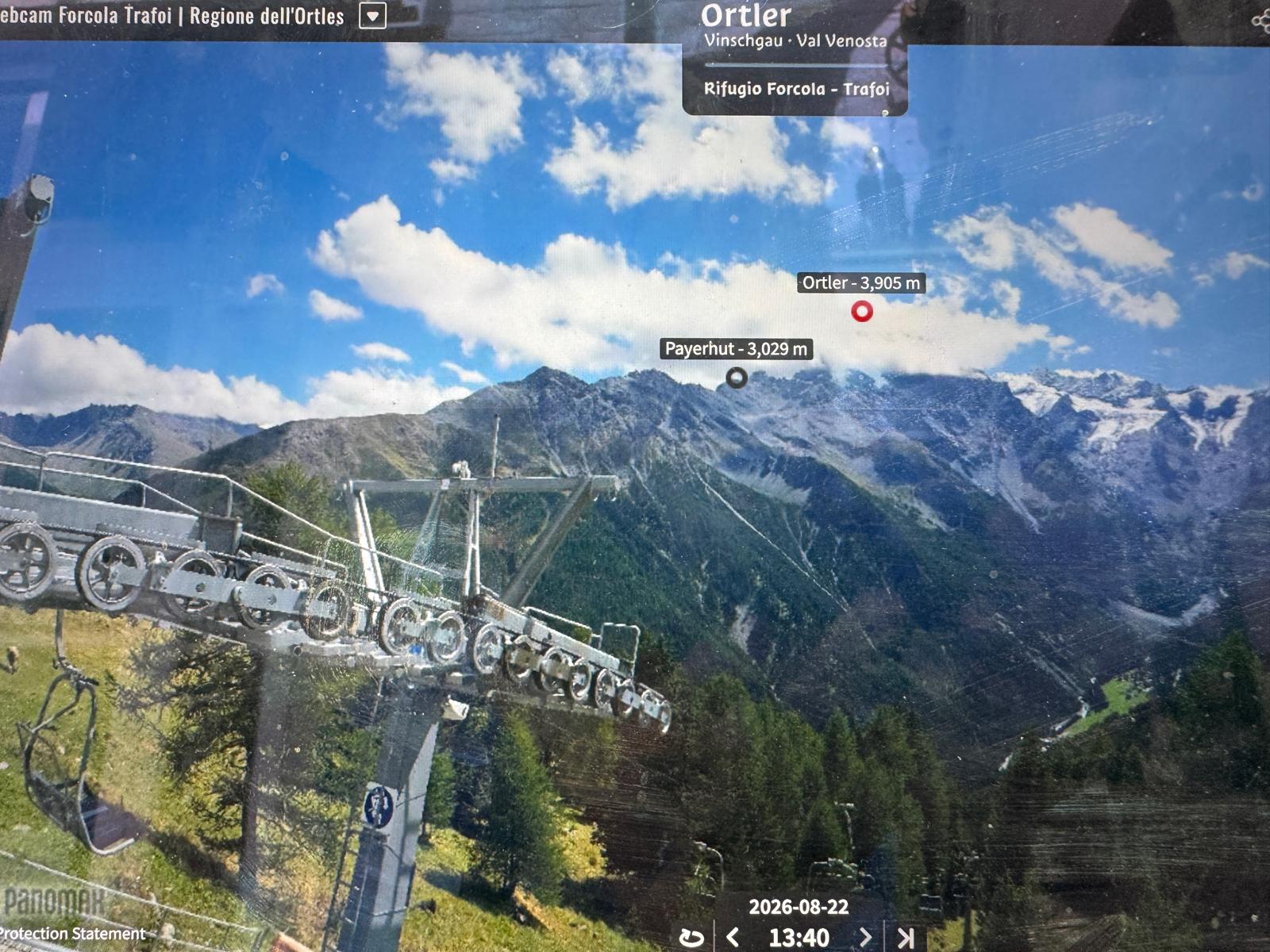
Webcam Forcola Trafoi Region with the Ortles in the background. https://webcam.myortler.it/trafoi

A series of landslides and debris flows has hit South Tyrol following heavy rainfall, with up to 30,000 cubic metres of debris moving near Trafoi below the Ortler and another major mudslide cutting access to Capanna Alpina in Alta Badia.

The incidents add to a growing number of slope failures reported across the Alps this summer, as scientists and mountain authorities increasingly warn about the destabilising effect of warming temperatures and thawing permafrost on high-altitude terrain.

Up to 30,000 cubic metres of debris at Trafoi

Shortly after 5pm on 20 August, a major debris flow occurred in the Rio di Plaies at Trafoi, in the municipality of Stelvio/Stilfs.

According to South Tyrol’s provincial authorities, an estimated 20,000 to 30,000 cubic metres of material moved down the mountain.

The debris obstructed the Rio Vedretta del Circo and travelled as far as the pedestrian bridge leading towards the Santuario delle Tre Fontane Sacre, the historic Three Holy Fountains sanctuary near Trafoi.

The bridge narrowly escaped being overwhelmed during the initial event, but by the following day the stream channel beneath it was almost completely blocked.

South Tyrol’s mountain basin authorities deployed two excavators to begin clearing the channel, although the material initially remained too wet for the operation to be completed.

Continue reading “Landslides Hit South Tyrol as Thawing Permafrost Destabilises Alpine Slopes”

Alpine Chapel to Be Moved Stone by Stone as Melting Permafrost Destabilises Mountain

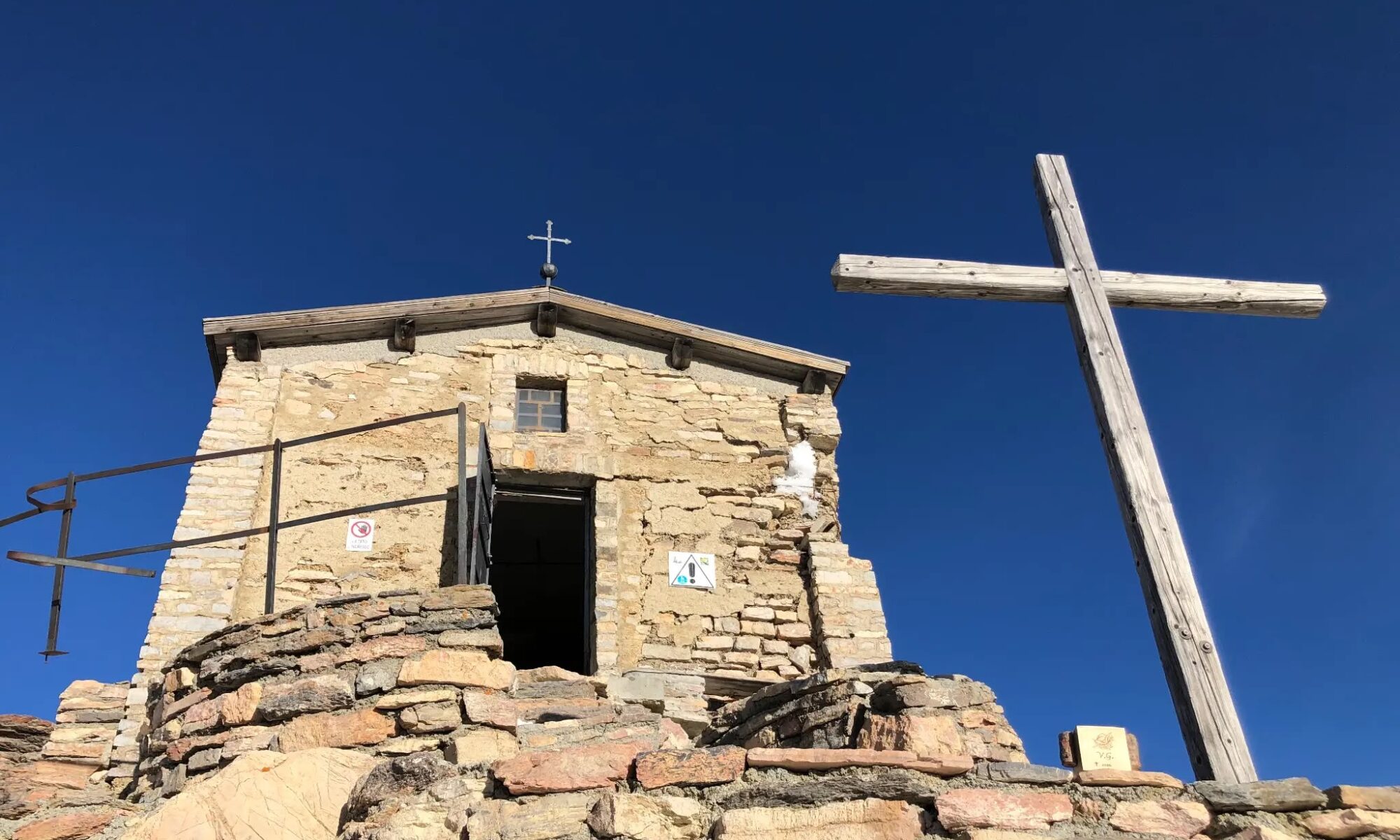
Capella di Monte Tabor. Photo: Outdooractive.com

A centuries-old chapel high above the French-Italian border has survived Alpine winters, storms and changing frontiers. What it may not survive is the ground beneath it beginning to thaw.

The tiny Notre-Dame-des-Sept-Douleurs chapel on Mont Thabor, perched at around 3,170 metres in the French Alps, is to be dismantled and rebuilt nearby after the degradation of mountain permafrost destabilised the slope on which it stands.

The chapel sits close to the summit of the 3,178-metre Mont Thabor, overlooking the Vallée Étroite between Névache in France and Bardonecchia in Italy.

Its geography is almost as unusual as its predicament.

Although the chapel stands on French territory, within the commune of Névache, it belongs to the Italian municipality of Bardonecchia — a legacy of the shifting border between France and Italy after the Second World War.

Now the two sides are working together to save a building whose history stretches back centuries.

Continue reading “Alpine Chapel to Be Moved Stone by Stone as Melting Permafrost Destabilises Mountain”

From Delayed Opening to October Skiing: Portillo Extends an Extraordinary 2026 Season

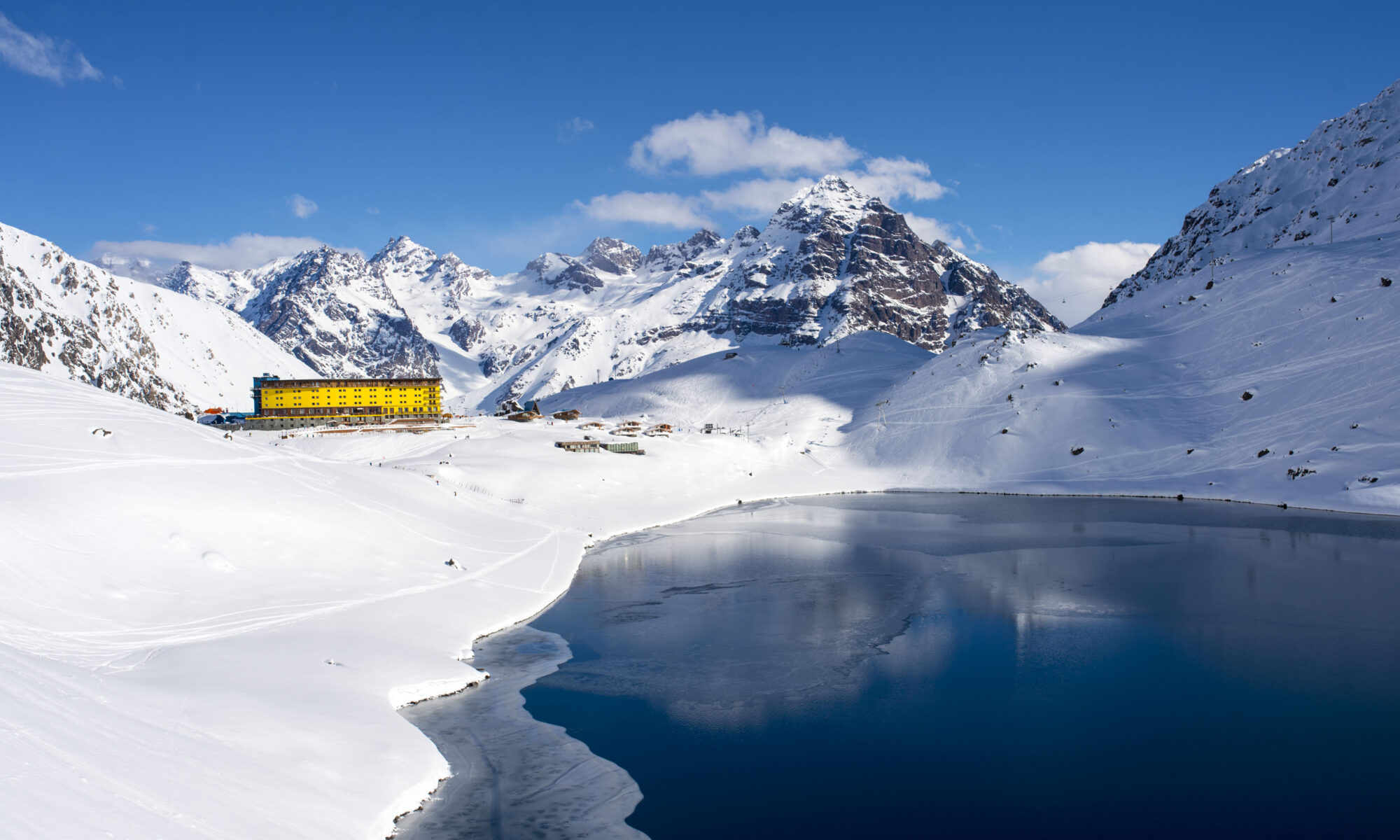
Aereal View of Portillo. Photo by Pia Vergara. Courtesy Ski Portillo.

After opening late because of insufficient snow and then losing almost one-third of its season to a prolonged road closure, Ski Portillo has accumulated more than seven metres and will now continue operating until 11 October.

Ski Portillo has extended its 2026 season by more than two weeks, completing an extraordinary turnaround in a winter that began with too little snow, delivered one of the largest storm cycles in recent years and then left the Chilean resort largely isolated during a crucial part of its short operating season.

The resort had originally planned to close on 26 September. It will now continue operating until Sunday 11th October, with a 20% discount available for stays between 30 September and the new closing date.

Portillo attributed the extension to the exceptional amount of snow received this winter. The resort announced more than seven metres of accumulated snowfall, while its official snow report was showing a seasonal total of 8.19 metres by 21 August.

However, the abundance of snow tells only part of the story.

A Season That Began With Too Little Snow

Portillo had initially planned to open on 20 June, in time for the beginning of the main South American winter holiday period.

Historically, the resort aims to open around the end of June. As with every ski area relying heavily on natural snowfall, this is always subject to conditions, but being operational by early July is particularly important. Families from Chile, Argentina, Brazil and other South American markets traditionally travel during their winter school holidays.

In 2026, the expected snowfall did not arrive in time. Although an early storm produced approximately 40 centimetres and the resort supplemented it with snowmaking, Portillo said it did not yet have the base required to open safely and provide an adequate skiing experience.

The planned 20 June opening was therefore postponed.

Portillo eventually began limited operations on 4 July, exclusively for hotel guests. Only three runs — Plateau, Las Lomas and Corralito — were initially available, and the resort was not yet accepting day skiers.

Then, just ten days after the delayed opening, the situation changed completely.

Continue reading “From Delayed Opening to October Skiing: Portillo Extends an Extraordinary 2026 Season”