When the Mountains Go Viral: How Social Media Is Reshaping Tourism in the Dolomites

A pair of krapfen at the Friedrich August hut in Val di Fassa. Photo: Rifugio Friedrich August.

A €4 krapfen served at a mountain hut high in the Italian Dolomites has become the latest symbol of a much bigger problem facing some of Europe’s most spectacular mountain destinations: what happens when a place suddenly goes viral.

The Friedrich August refuge, located at around 2,300 metres between Col Rodella and Passo Sella in Val di Fassa, has long been known for serving freshly made krapfen, the jam-filled fried pastries common across the Alpine region.

But after videos of the pastries began spreading across social media, the hut itself became a destination.

Visitors are now reportedly arriving early in the morning — and in some cases even camping nearby — to make sure they can buy one before supplies run out. Long queues have formed outside the refuge, while photographs and videos of the pastry against the dramatic Dolomite backdrop continue to circulate online.
Continue reading “When the Mountains Go Viral: How Social Media Is Reshaping Tourism in the Dolomites”

Lightning Danger in the Alps: Hiker Dies as Storms Follow Extreme Heat

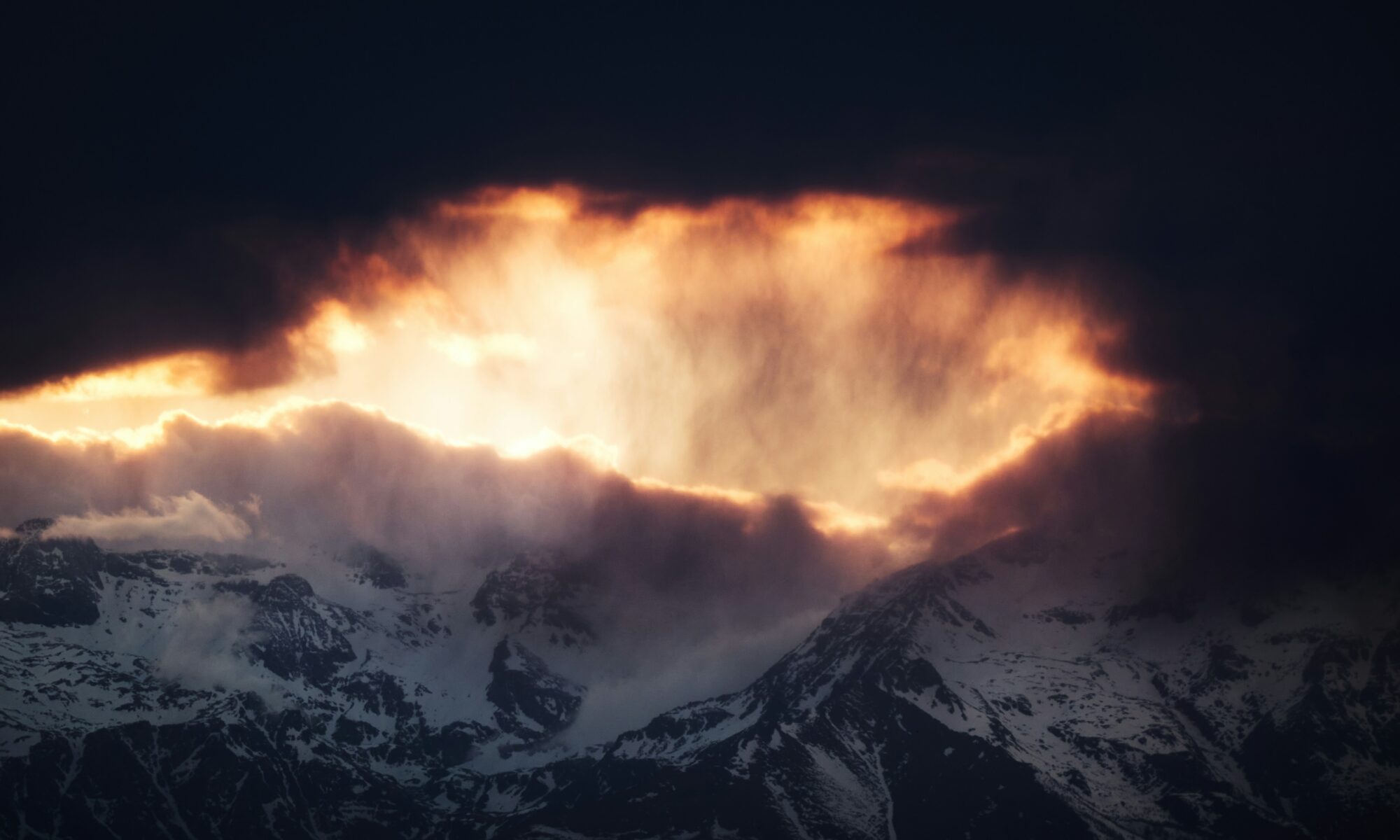
A storm in the Alpe Torinesi, photo credit: Joshua Kettle. Unsplash.

A hiker has died after being struck by lightning in the Italian Alps, while two Polish climbers were injured by another lightning strike above Cortina d’Ampezzo, as violent thunderstorms followed a prolonged period of extreme summer heat.

The incidents highlight one of the most rapidly developing hazards in the mountains: thunderstorms that can turn apparently manageable hiking and climbing conditions into a dangerous situation within minutes.

Atmospheric scientists say the Alps themselves can act as a hotspot for lightning, with mountain topography helping to trigger and intensify summer thunderstorms.

Hiker Dies on Piz Starlex

Gustav Wiesler, 42, from Tubre in South Tyrol, died while descending from Piz Starlex, a 3,075-metre mountain above Val Monastero close to the Swiss border.

Wiesler had last made contact at around 13:00 from the summit, when a thunderstorm was approaching.

Continue reading “Lightning Danger in the Alps: Hiker Dies as Storms Follow Extreme Heat”

Who Pays for a Mountain Rescue in the Alps? Summer Hiking, Insurance and Rescue Costs Explained

Photo: Kevin Schmid. Unsplash. Zermatt. Switzerland.

The rescue of 36 hikers, including babies in strollers, in Austria made headlines around the world. But beyond the unusual circumstances, it highlighted a question many visitors never think about until it’s too late:

Who pays if you need to be rescued in the Alps?

The answer depends on where you are. Rules vary significantly between Austria, France, Italy and Switzerland, and what applies to summer hiking or mountaineering is not necessarily the same as skiing in winter.

This guide focuses on summer mountain activities—including hiking, mountaineering, via ferratas and glacier trekking. Rescue rules on managed ski slopes during winter are often different and are covered by separate insurance systems.

Continue reading “Who Pays for a Mountain Rescue in the Alps? Summer Hiking, Insurance and Rescue Costs Explained”

Summer Skiing Disappears Across the Alps as Extreme Heat Forces Final Glacier Closure

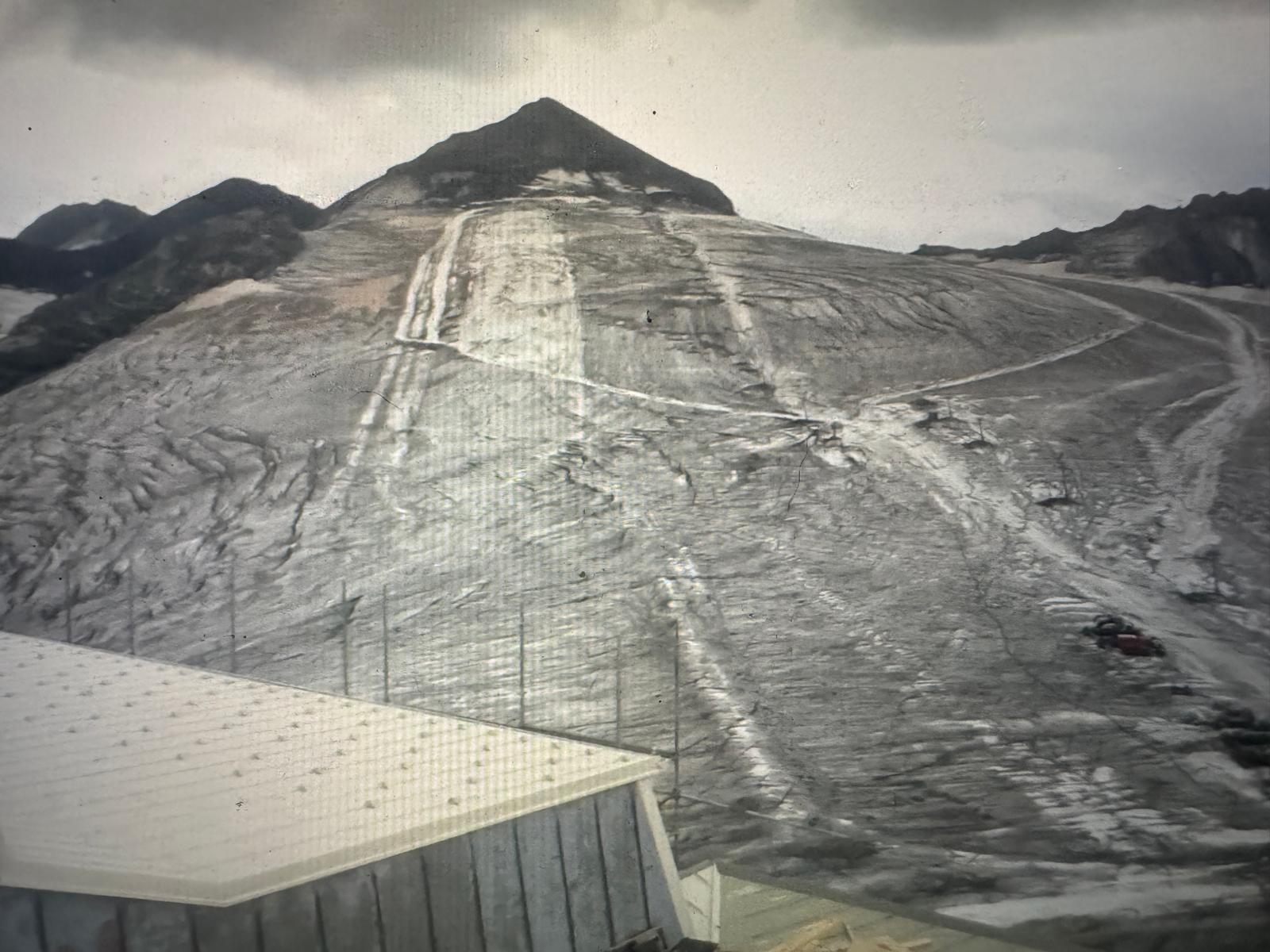
Passo dello Stelvio today 16th August. Webcam Passo dello Stelvio.

Summer glacier skiing has effectively disappeared from the Alps in mid-August after persistent extreme heat forced Passo Stelvio, the last Alpine glacier still offering lift-served summer skiing, to suspend operations.

Skiing on Italy’s Stelvio Glacier was suspended from 15 August until further notice, following weeks of unusually warm conditions at high altitude.

The closure completes a remarkable sequence across the Alps. Zermatt-Cervinia suspended public summer skiing at the beginning of August, while Saas-Fee followed on 10 August. In France, the summer skiing period at Les 2 Alpes had already ended in early July.

For an activity that was once a familiar part of the Alpine summer, the situation in August 2026 is striking: there is currently nowhere left in the Alps offering conventional lift-served summer glacier skiing.


Continue reading “Summer Skiing Disappears Across the Alps as Extreme Heat Forces Final Glacier Closure”

Monte Pelmo Rockfalls: Geologist Warns More Collapses Are Likely

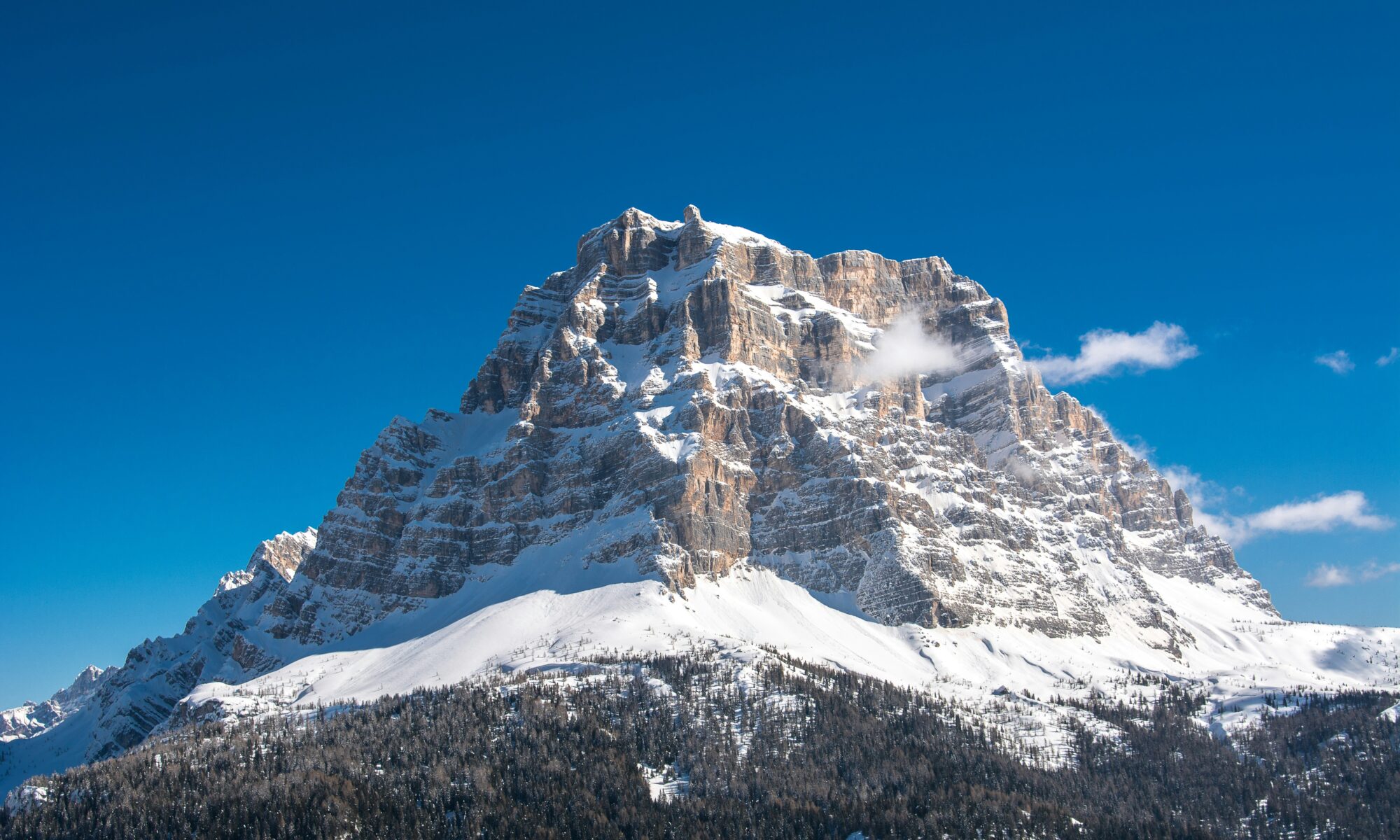
Monte Pelmo as seen from Borca di Cadore. Photo: Gian Pietro Dragoni. Unsplash.

A series of rockfalls on Monte Pelmo in the Italian Dolomites is raising concern after seven significant collapses were recorded in just three weeks, including five in five days, as exceptionally high temperatures continue to affect the Alps.

The latest warning comes from Aldino Bondesan, professor of Physical Geography and Geomorphology at the University of Padua, who says further collapses should be expected and has urged visitors to respect restrictions around affected mountain areas.

The 3,168-metre Monte Pelmo, one of the most recognisable peaks in the Dolomites, had already been affected by repeated rockfalls during the current Alpine heatwave. The situation was included in our wider report on the impact of extreme temperatures across the Alps.

READ MORE: Alps Heatwave Intensifies as Glacier and High-Mountain Closures Spread

Continue reading “Monte Pelmo Rockfalls: Geologist Warns More Collapses Are Likely”

New Bivouac Rules Introduced Around Chamonix Mountain Huts

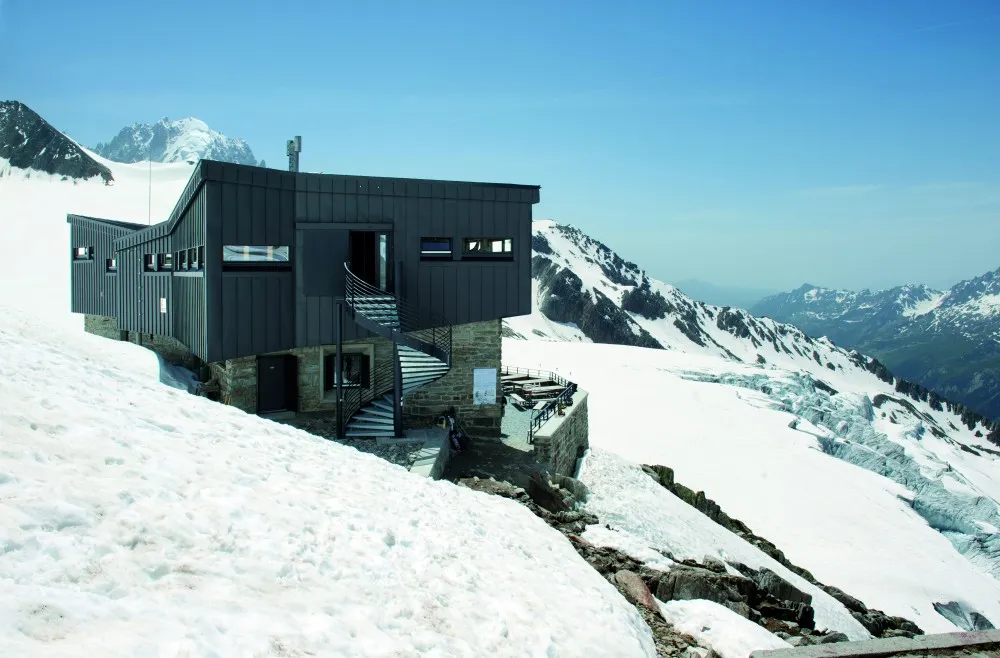
Refuge Albert 1er. Photo credit: Beatrice Cafieri. CAUE. caue-observatoire.fr

Authorities in Chamonix have introduced new regulations governing bivouacking near several of the Mont Blanc massif’s most popular high-mountain huts, following a sharp increase in overnight camping and growing concerns about environmental impacts.

The new municipal decree came into force immediately and will remain in place until 30 September 2026. From next year onwards, the same rules will apply annually between 1 June and 30 September.

According to La Chamoniarde, the measures are designed to reduce pollution of mountain water catchment areas caused by waste and human excrement while allowing controlled bivouacking near refuges. 

Four Mountain Huts Affected

The regulations apply to four of the best-known high-altitude refuges in the Chamonix area:

  • Albert 1er Refuge
  • Refuge du Couvercle
  • Refuge des Envers des Aiguilles
  • Refuge d’Argentière

Continue reading “New Bivouac Rules Introduced Around Chamonix Mountain Huts”

15,000m³ Rockfall at Aiguille du Midi as Extreme Heat Destabilises Mont Blanc

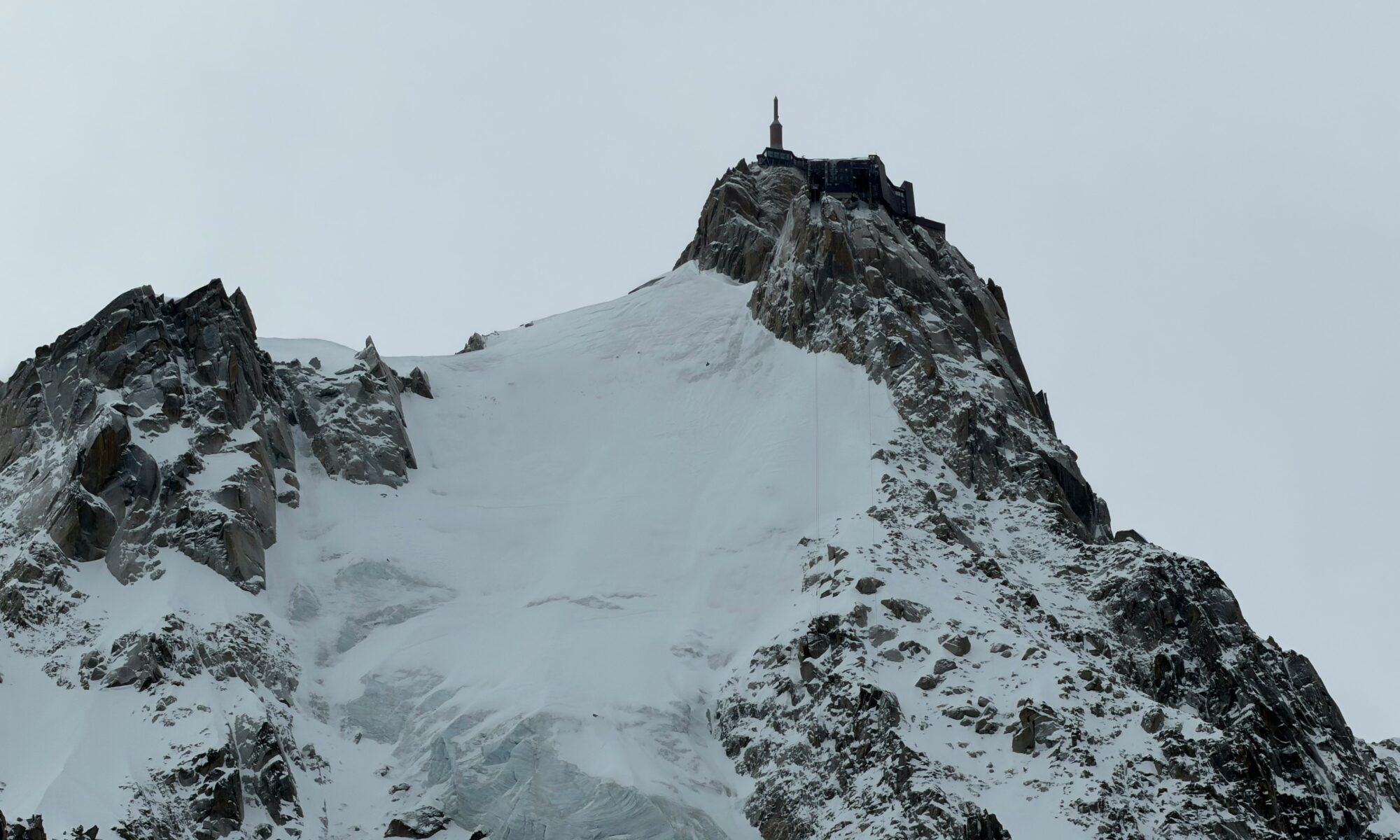
Aiguille du Midi- Photo: Upendra Wanmali. Unsplash.

A major rockfall estimated at around 15,000 cubic metres has occurred on the north face of the Aiguille du Midi above Chamonix, adding to growing evidence of instability across the Mont Blanc massif during this summer’s extreme heat.

The collapse happened around midday on Wednesday, 12 August, at more than 3,600 metres altitude, according to French regional newspaper Le Dauphiné Libéré.

The event comes during an exceptionally difficult period in the high Alps, where sustained heat is accelerating glacier melt, warming permafrost and increasing the instability of some high-altitude rock faces.

Around 15,000 Cubic Metres of Rock Fell

Ludovic Ravanel, a geomorphologist at the CNRS and member of the Compagnie des Guides de Chamonix, estimated the volume of the collapse at approximately 15,000 cubic metres.

Continue reading “15,000m³ Rockfall at Aiguille du Midi as Extreme Heat Destabilises Mont Blanc”

Around 40 Evacuated After Debris Flows Hit Rhêmes-Notre-Dame

Val di Rhêmes, photo credit: Aostasera.it

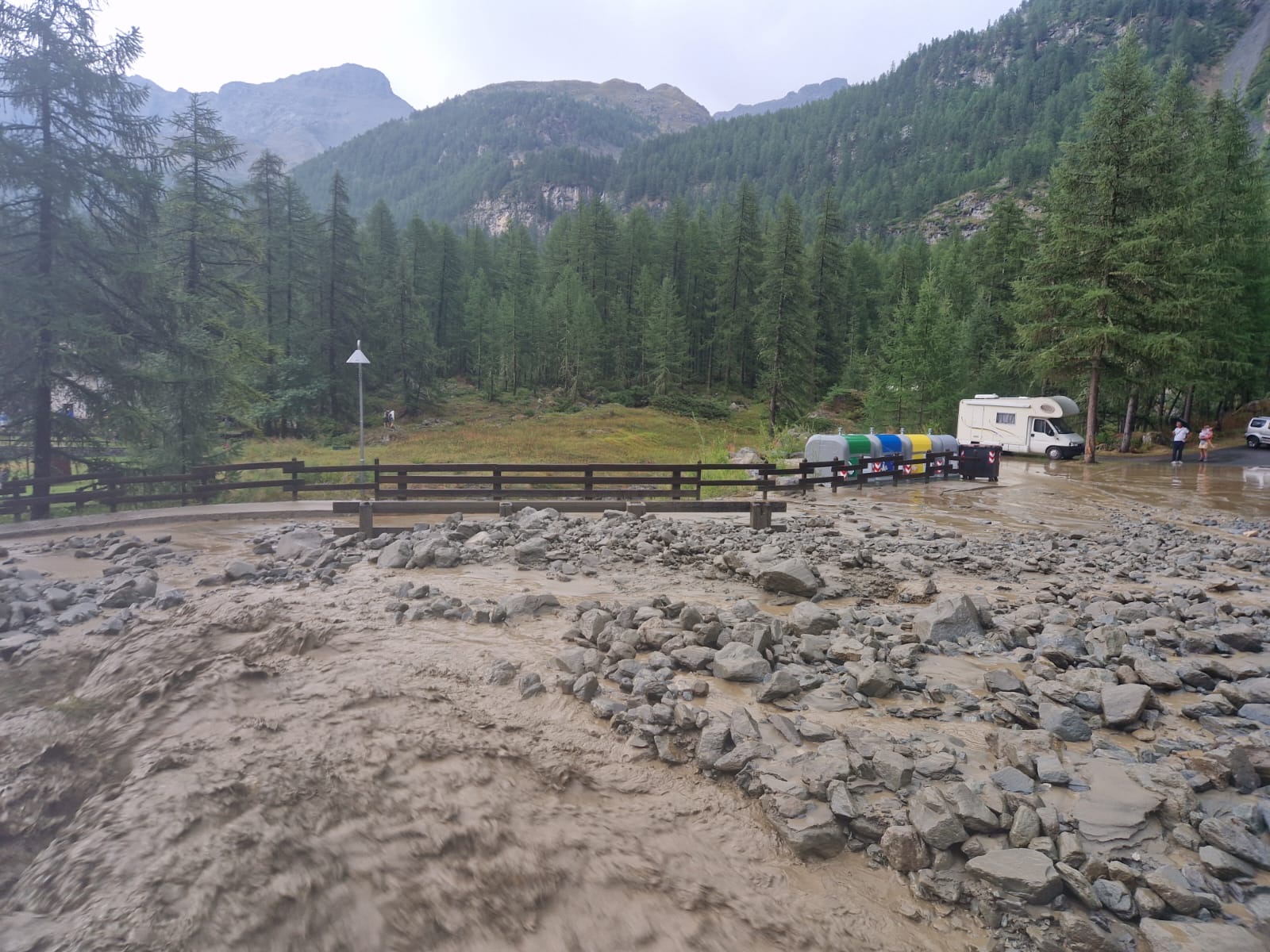
Around 40 people were evacuated from the upper Rhêmes Valley in Italy’s Aosta Valley after thunderstorms triggered debris flows that blocked the road towards Thumel on Thursday 13 August.

The incident occurred at Rhêmes-Notre-Dame, in the Gran Paradiso area, after heavy rain caused the Pellaud stream and several smaller watercourses to overflow, sending mud, rocks and debris across the valley.

The debris blocked the municipal road upstream of Thumel, temporarily cutting off people who were returning from the upper part of the valley.

Early reports put the number affected at around 30, but authorities subsequently said approximately 40 people had to be evacuated from areas above the debris flows.

No injuries have been reported.

Continue reading “Around 40 Evacuated After Debris Flows Hit Rhêmes-Notre-Dame”

Climber Killed by Rockfall in Mont Blanc Massif

Aiguille du Génepy. Photo credit: SummitPost.org

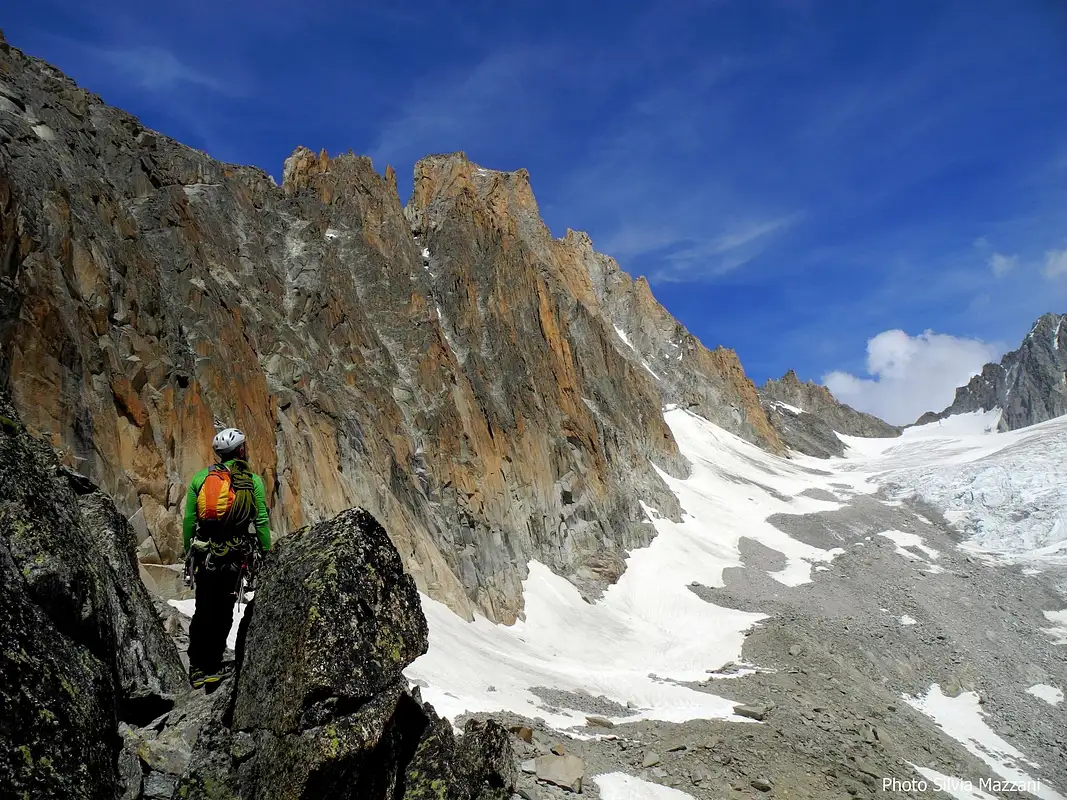
An aspiring mountain guide has been killed by falling rocks in the Mont Blanc massif, in another serious accident during a summer marked by unusually difficult conditions in the high Alps.

The accident happened on Thursday 13 August near the Aiguille du Génépi, above the Albert 1er refuge in the Le Tour sector of Chamonix.

According to the Chamonix high-mountain gendarmerie, the PGHM, the climber was struck by rocks falling down the mountainside and died at the scene.

Local reports say the victim was an aspiring mountain guide living in the Chamonix Valley and was climbing with clients when the rockfall occurred. A witness raised the alarm.

The PGHM reached the area by helicopter and recovered the victim’s body, which was flown back to the DZ des Bois in Chamonix.

There is currently a discrepancy between French reports over the victim’s age. Radio Mont Blanc and other local reports identify him as 26, while AFP, citing the PGHM, reported that he was 31.

Continue reading “Climber Killed by Rockfall in Mont Blanc Massif”

Historic El Niño Could Shape the 2026/27 Ski Season Worldwide

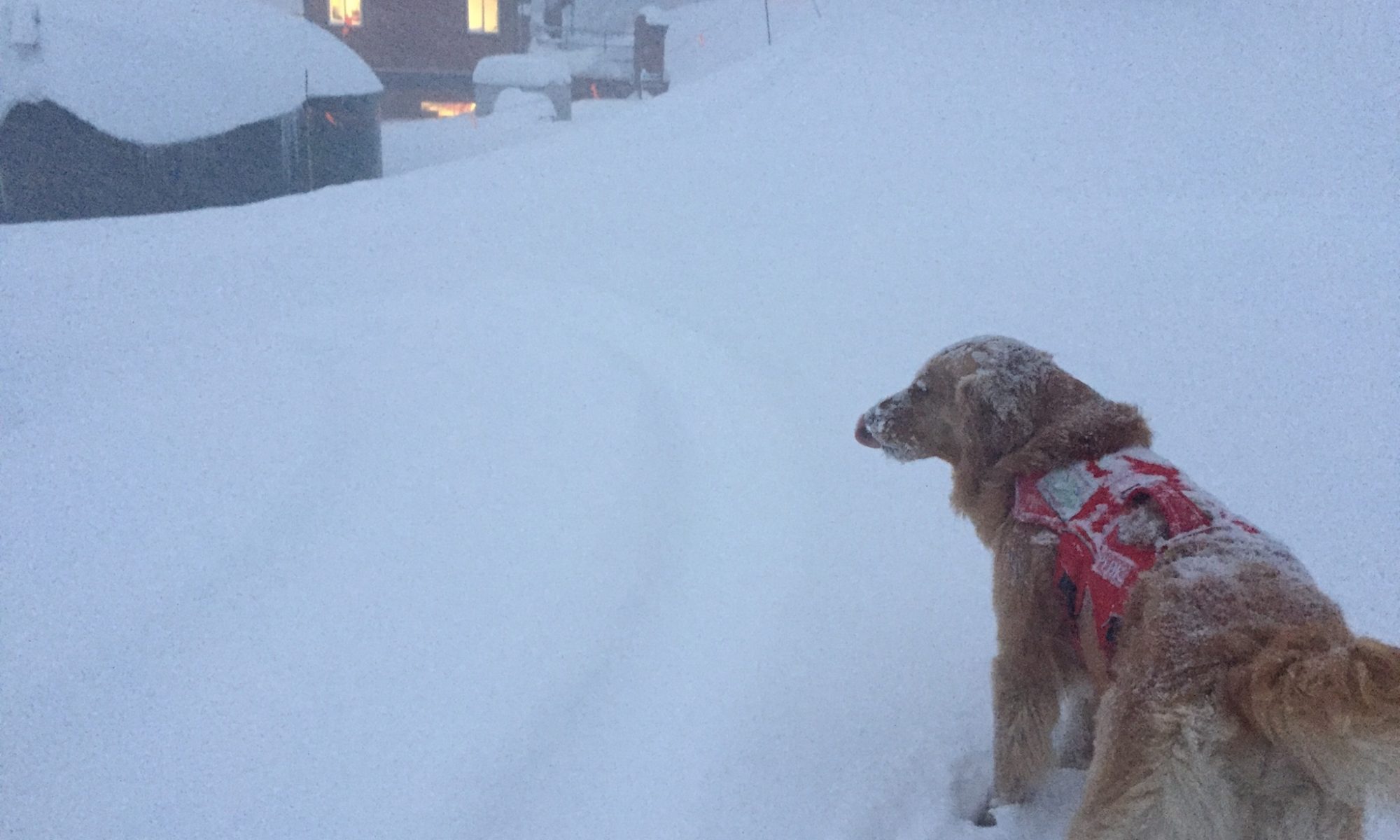
A patrol dog is waiting to go to work in Heavenly. Photo: Elisabeth Biebl. Heavenly Mountain Resort

A strengthening El Niño in the Pacific could become one of the most powerful on record, potentially influencing weather patterns across some of the world’s major ski regions during the 2026/27 Northern Hemisphere winter.

The latest outlook from the US National Oceanic and Atmospheric Administration (NOAA), released on 13 August, says El Niño is strengthening and now has a greater than 90% chance of becoming a very strong event during the Northern Hemisphere autumn and winter of 2026/27.

Even more strikingly, NOAA estimates a 69% chance that El Niño could reach historic strength during October-December 2026, based on the Relative Oceanic Niño Index (RONI).

For skiers, however, there is an important caveat: a historic El Niño does not automatically mean a historic snow season.

Its influence varies considerably between North America, Europe, Japan and the Southern Hemisphere, while individual storms, temperatures and regional atmospheric patterns will ultimately determine how much snow actually falls.

Continue reading “Historic El Niño Could Shape the 2026/27 Ski Season Worldwide”