Adventure Travel in 2026: Growth Slows as the Industry Shifts from Volume to Value

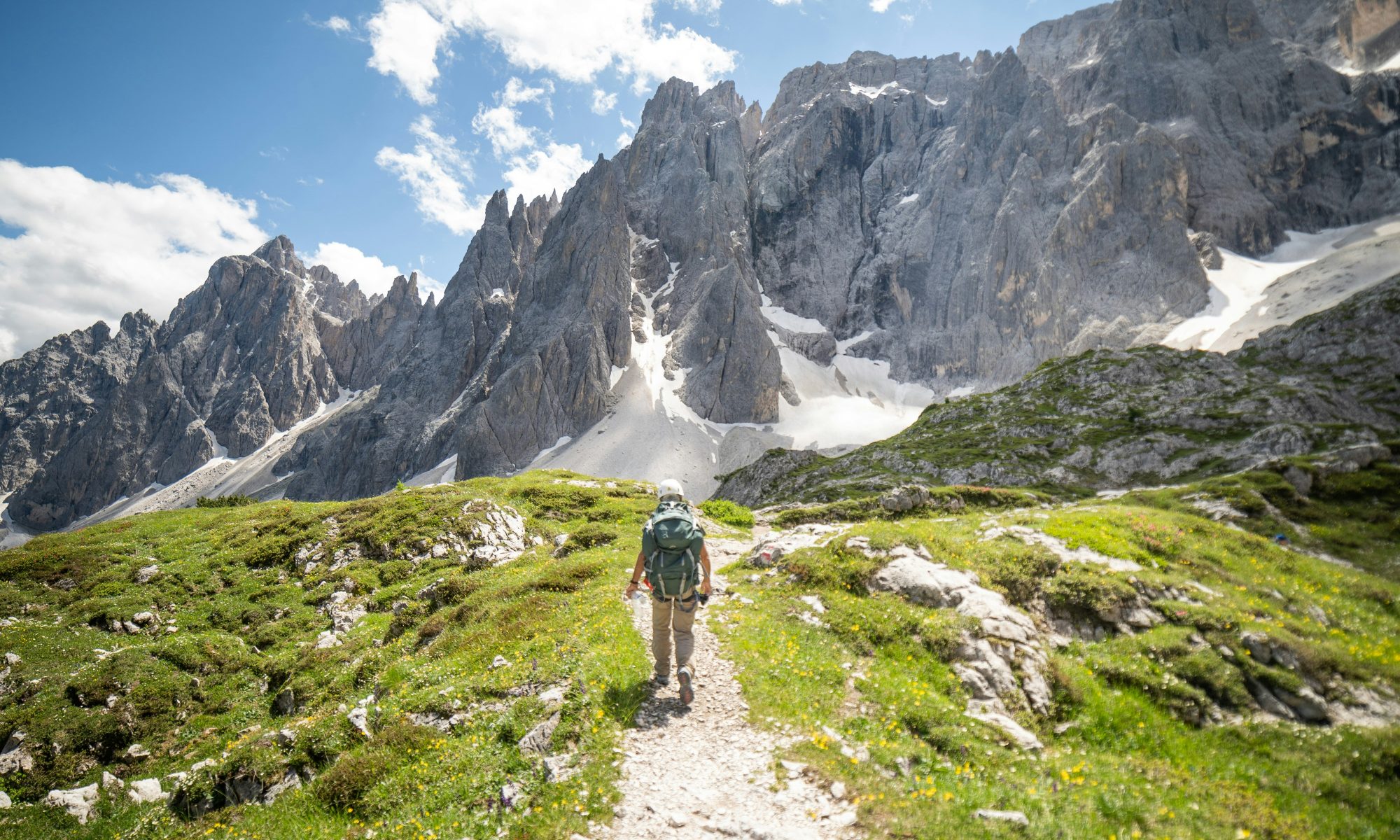
Hiking in the Dolomites. Photo: Hikerwise. Unsplash.

Introduction

The latest data from the Adventure Travel Trade Association offers one of the clearest signals yet of where global travel demand is heading.

The 2026 Adventure Travel Trends & Insights report shows an industry that is still growing, but no longer at the pace seen in the immediate post-pandemic rebound. Instead, adventure travel is entering a more complex phase, where growth is slower, more selective, and increasingly driven by value rather than volume.


Growth Continues — But the Model Is Changing

Most tour operators reported revenue increases in 2025, but these gains were generally incremental rather than dramatic. At the same time, a larger share of businesses reported declines, and overall trip volumes softened slightly.

This combination marks a clear turning point.
Continue reading “Adventure Travel in 2026: Growth Slows as the Industry Shifts from Volume to Value”

Are Lower-Elevation Ski Resorts Becoming Unviable?

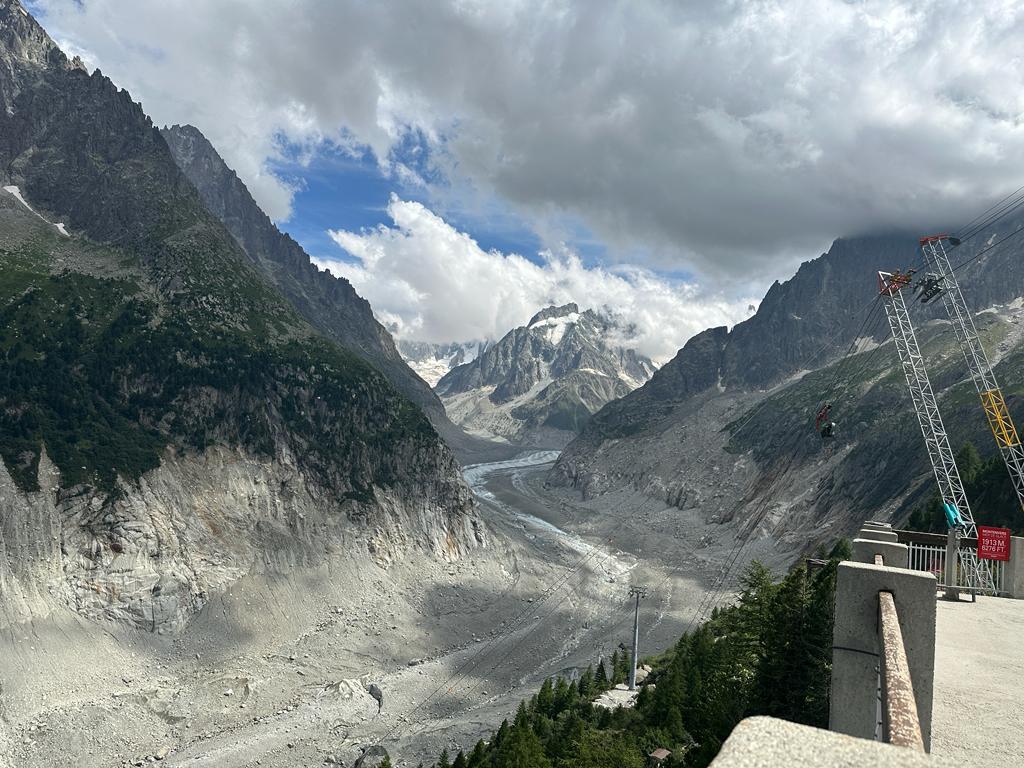
Resorts are adapting from depending only on snow-availability, to four seasons activities. Photo: Montenvers Glacier in Chamonix. The-Ski-Guru.

The question of whether lower-elevation ski resorts in the Alps can remain viable is no longer theoretical. It is already being tested in real time.

Following a winter that, despite perception, failed to deliver consistent snowpack across much of the range, the structural weaknesses of lower-altitude skiing are becoming harder to ignore. As explored in The Alps Did Not Have a Snow-Rich Winter: Why 2026 Resembles 2022 for Glaciers, the idea of a snow-rich season does not reflect the underlying reality of increasingly uneven snowfall and reduced snow retention.

What matters now is not just how much snow falls, but where—and how long it lasts.


The Altitude Problem Is Becoming Structural

For decades, ski resort viability in the Alps was closely tied to a relatively stable threshold. Resorts above roughly 1200 metres could expect reliable snow seasons, while those below faced more variability.

That line is shifting.

Continue reading “Are Lower-Elevation Ski Resorts Becoming Unviable?”

The Alps Did Not Have a Snow-Rich Winter: Why 2026 Resembles 2022 for Glaciers

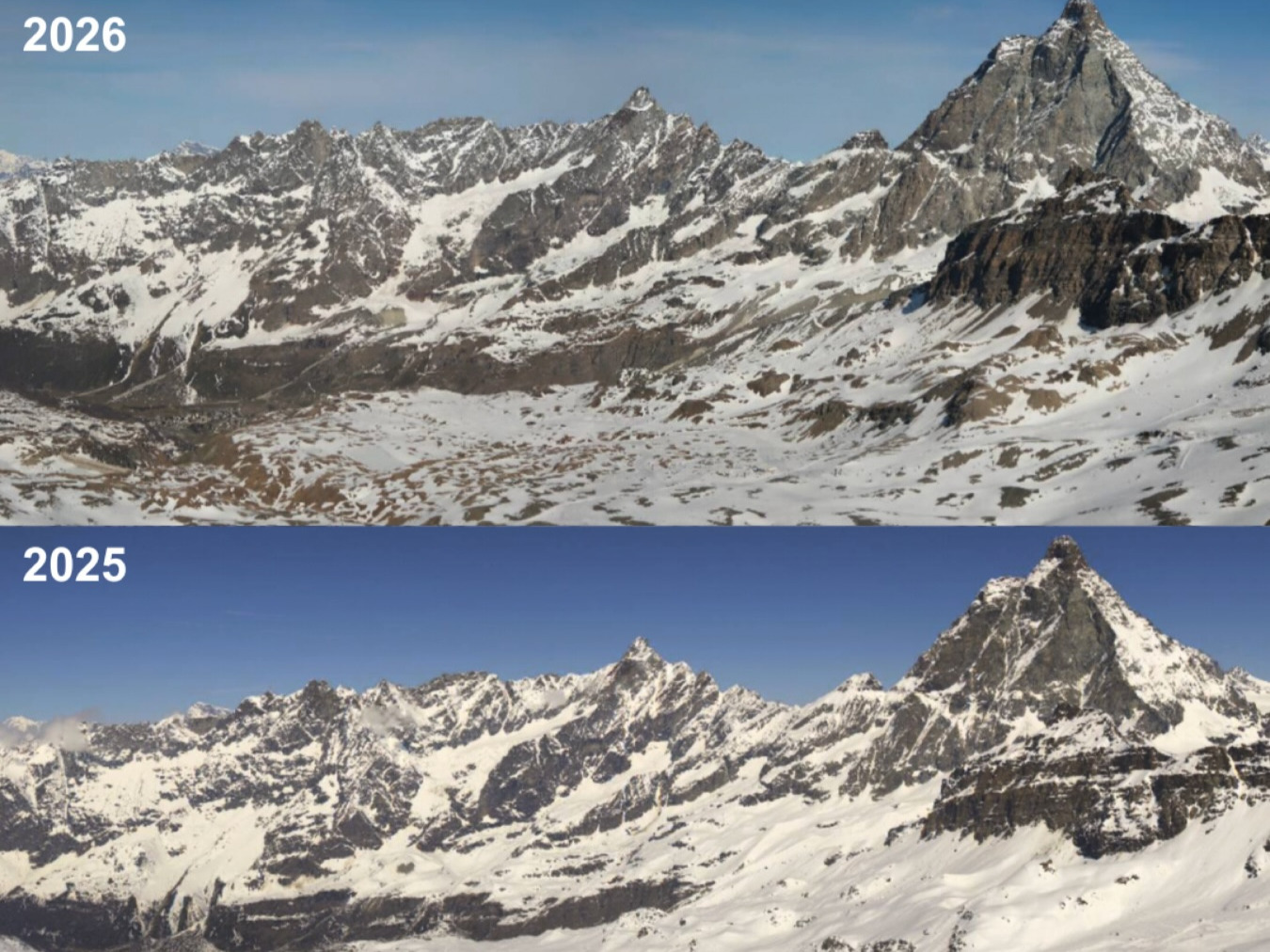
Snow comparisons Plateau Rosa 2025-26. Photo: Meteo Valle d'Aosta.

The idea that winter 2025/26 was “a good snow year” in the Alps does not hold up under closer analysis. While some regions experienced notable snowfall events, particularly in December, these were highly localised and have led to a broader misperception about conditions across the entire Alpine arc.

Data and observations from Meteo Valle d’Aosta highlight the issue clearly. Heavy early-season snowfall was largely confined to the Maritime and Ligurian Alps, a relatively small portion of the range. Outside these areas, including much of the north-western Alps and Valle d’Aosta, snowfall remained closer to average or slightly below through much of the early winter.

Crucially, what followed mattered more than what fell.

Continue reading “The Alps Did Not Have a Snow-Rich Winter: Why 2026 Resembles 2022 for Glaciers”

Courmayeur’s New Gondolas Signal a Deeper Shift in Alpine Ski Infrastructure

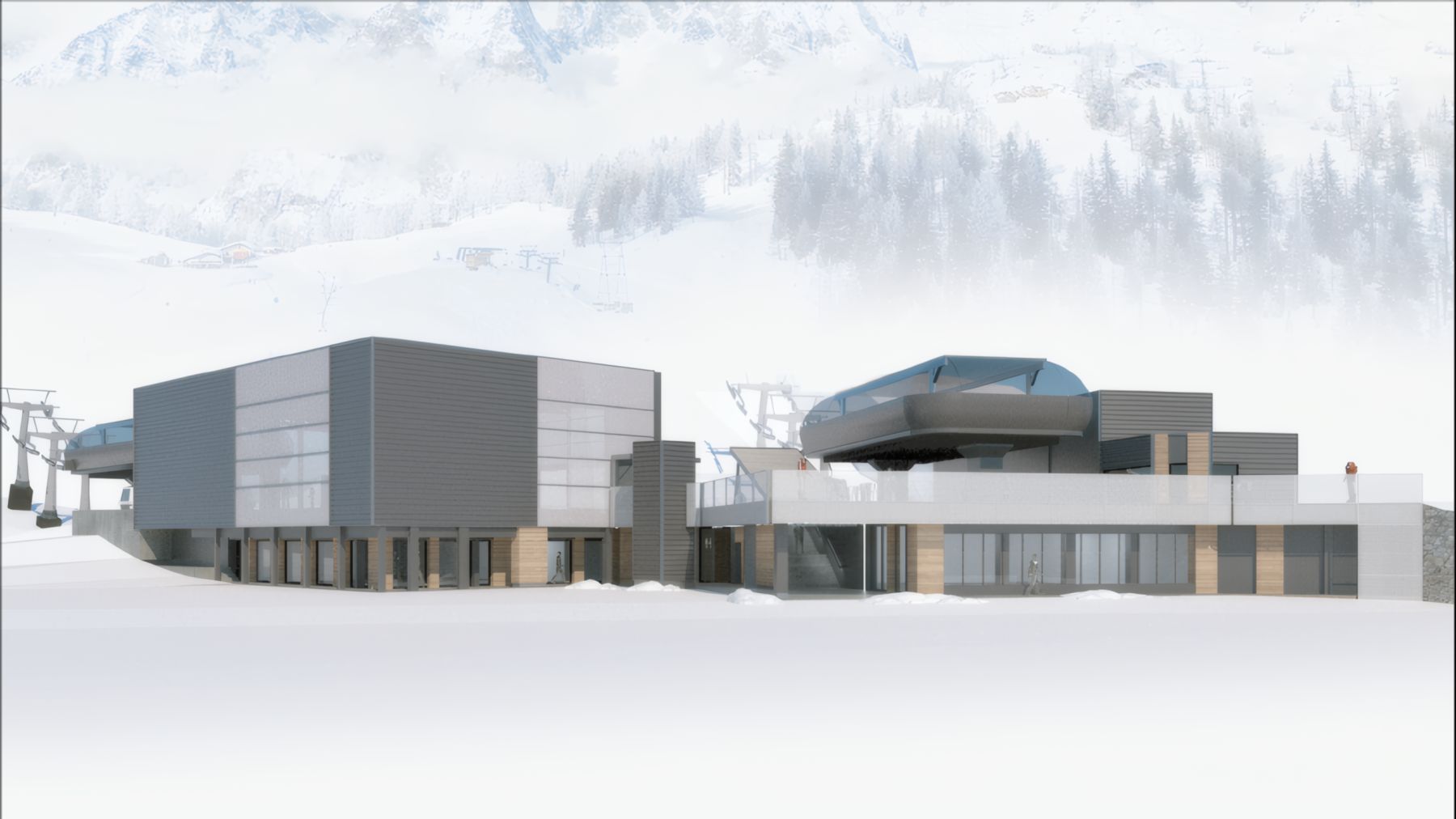
Rendering Courmayeur. Neveitalia.

Courmayeur is preparing a significant lift upgrade, with two new gondolas scheduled to open for the winter 2026–2027 season. On the surface, the project follows a familiar Alpine pattern of replacing ageing infrastructure. But looked at more closely, it reflects a deeper shift in how resorts are adapting to operational pressure, changing demand, and increasingly compressed winter seasons.

The project focuses on the core Plan Chécrouit sector, where one of the new gondolas will replace the existing Chécrouit lift. The upgrade to modern 10-seater cabins is expected to increase uphill capacity and reduce congestion on one of the resort’s main arteries. At the same time, the long-standing Maison Vieille chairlift will be removed and replaced with a gondola along the same alignment, fundamentally changing access to that side of the mountain.

While the manufacturer has not yet been officially confirmed, the renderings published with the project strongly resemble recent Leitner gondola designs. That said, in the Aosta Valley both Leitner and Doppelmayr regularly deliver installations of this scale, so formal confirmation will likely only come once contracts are finalised.

Continue reading “Courmayeur’s New Gondolas Signal a Deeper Shift in Alpine Ski Infrastructure”

Europe’s Summer 2026 Tourism Paradox: Record Demand, But a Weaker Season?

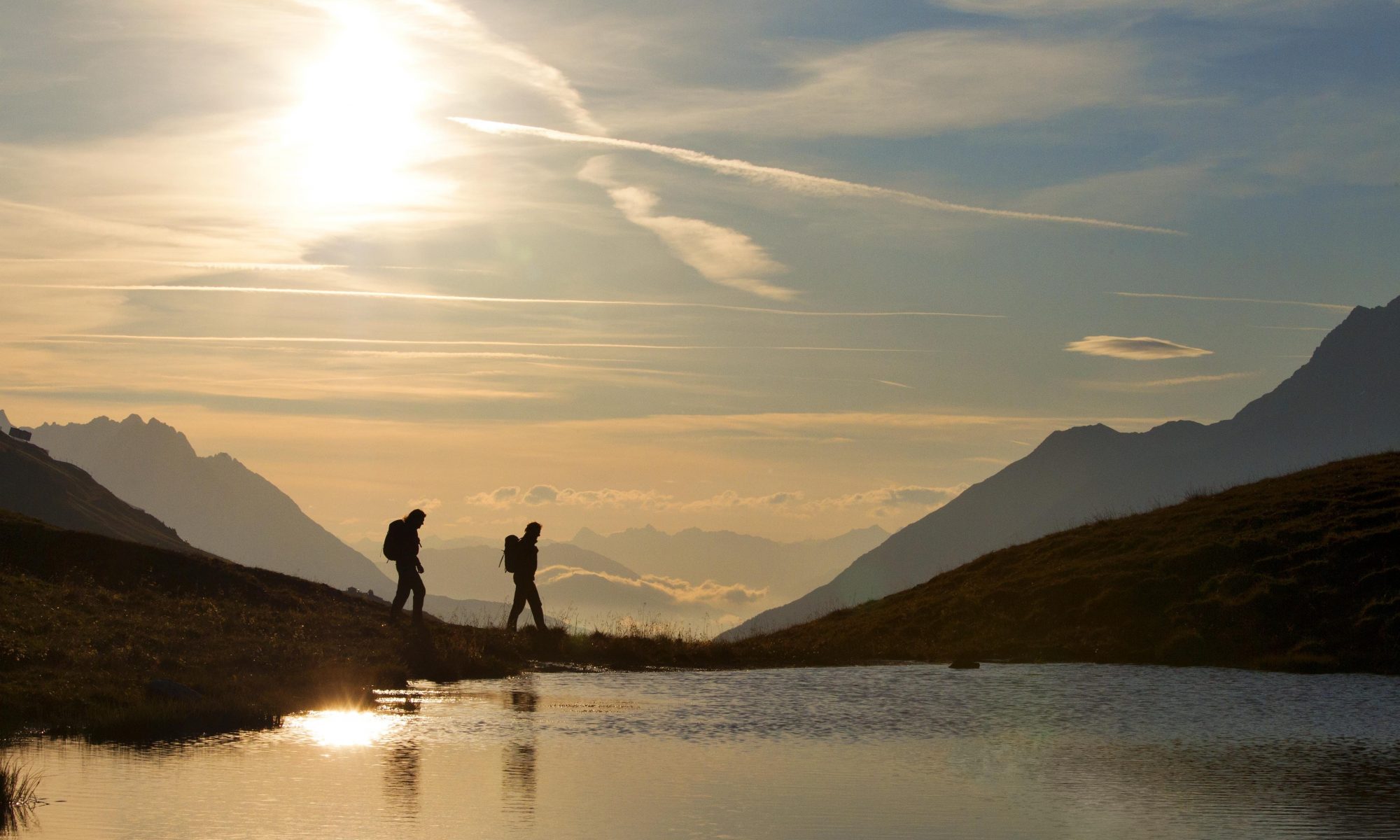
Wanderszene auf Galzig bei St. Anton, Lechtaler Alpen, Tirol, Österreich.

Europe’s Summer 2026 Tourism Paradox: Record Demand, But a Weaker Season?

The European tourism sector is heading into the summer of 2026 with what appears, at first glance, to be a strong tailwind. Travel intent is at record levels, international demand remains resilient, and key destinations continue to attract global visitors. Yet beneath those headline figures, a more complex and uneven reality is emerging.

Early signals from Switzerland suggest that the season ahead may be far less robust than expected. According to Swissinfo, parts of the hotel sector are already reporting a slowdown in bookings, an increase in cancellations, and a shift towards last-minute reservations. The outlook has been described as “clearly clouded,” with operators pointing to geopolitical instability, particularly in the Middle East, as a factor disrupting travel flows and air connectivity.

This tension between strong demand and weakening booking quality is increasingly visible across Europe, and it reflects a broader structural shift in how travel demand is behaving in 2026.

Continue reading “Europe’s Summer 2026 Tourism Paradox: Record Demand, But a Weaker Season?”

Chamonix Invests in Snowmaking at La Flégère — But for How Long?

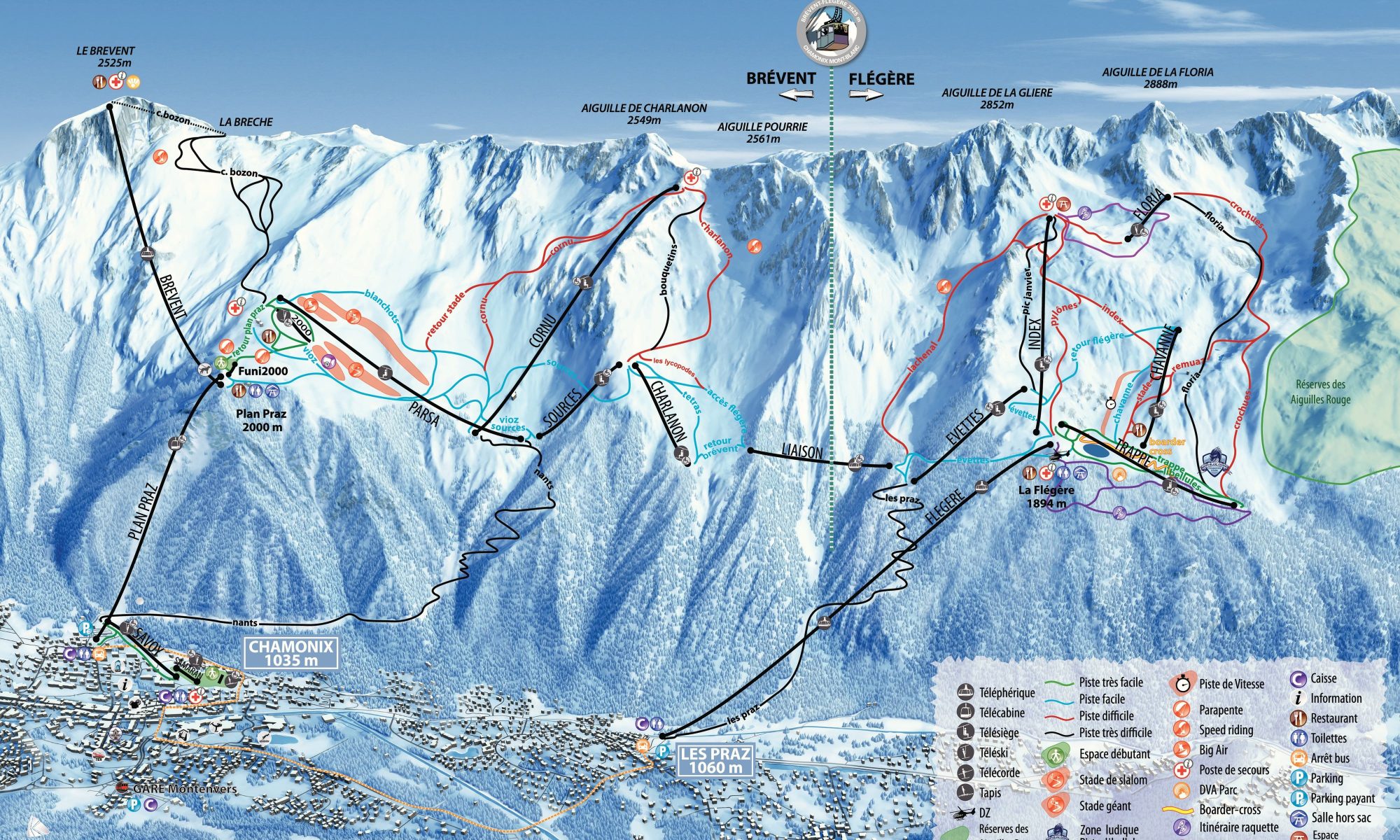
Skimap- Le Brévent. Flégère. Chamonix. Compagnie du Mont Blanc.

The future of Alpine snow is increasingly being measured not just in snowfall, but in water.

A recent report highlighted by MeteoWeb suggests that Italy could lose up to 60% of its mountain water reserves by 2070, as warming temperatures reduce the snowpack that traditionally acts as a natural storage system. Across the Alps, this shift is already visible, with earlier melt cycles, reduced accumulation, and growing variability between regions. These trends are already being observed on the ground, as explored in our analysis of snow conditions in a warming Alpine climate.

Against that backdrop, investment decisions being made today by ski resorts take on a different meaning. They are no longer simply about improving infrastructure. They are about how long the current model can realistically be sustained.

Continue reading “Chamonix Invests in Snowmaking at La Flégère — But for How Long?”

Mountain Planet 2026: Innovation, Infrastructure, and the Future of Mountain Tourism

Mountain Planet 2026 show photo.

The 2026 edition of Mountain Planet 2026 has confirmed its position as one of the key global gatherings for the mountain industry, bringing together operators, manufacturers, policymakers and technology providers at a time when the sector is undergoing significant change.

Held in Grenoble, the event highlighted a clear shift in priorities across the industry. While innovation remains central, the focus is increasingly on resilience, energy transition, and the diversification of mountain tourism models.

This year’s edition recorded a 4.5% increase in visitors, underlining continued engagement from across the sector despite a winter season marked by uneven snow conditions in many regions.

Continue reading “Mountain Planet 2026: Innovation, Infrastructure, and the Future of Mountain Tourism”

Vail Resorts Visits Drop 14.9% — What It Reveals About Snow, Demand, and the Ski Industry Model

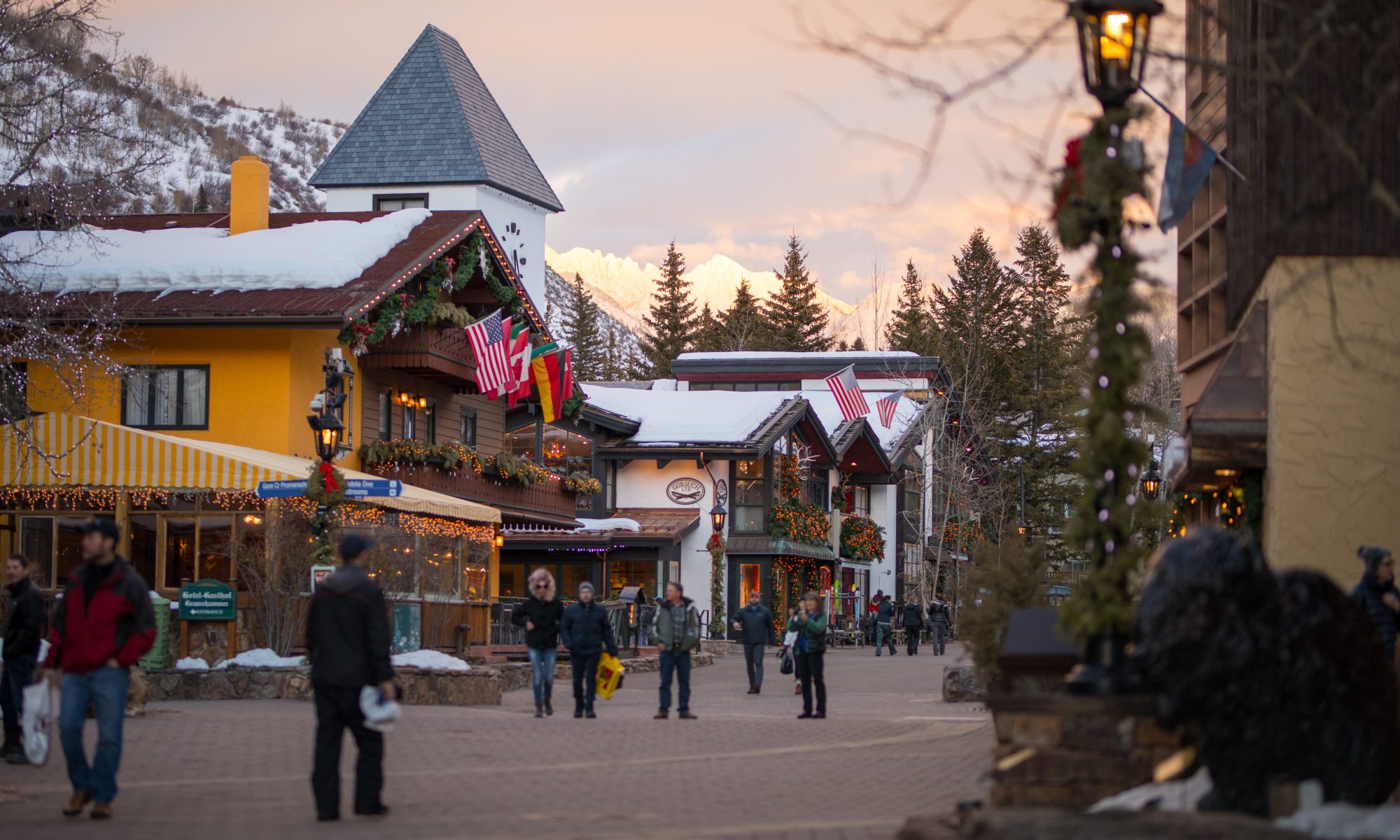
Vail's iconic village with the Gore Range Mountains capturing the sunset in Vail, CO. Photo: Craig Orsini. Vail Resorts. The Must-Read Guide to Vail.

Skier visits across Vail Resorts properties are down sharply this season, with new data confirming a Vail Resorts visits drop of 14.9% year-to-date. The figures, released as part of the company’s latest season metrics, point to one of the most challenging winters in recent years — but the implications go beyond a single bad season.

At a time when global skier visits have just reached record levels, the contrast is striking. While demand for skiing remains resilient overall, the underlying conditions that support it are becoming increasingly unstable.

Continue reading “Vail Resorts Visits Drop 14.9% — What It Reveals About Snow, Demand, and the Ski Industry Model”

Aspen Snowmass Introduces Flex Pass Model After Challenging Season

The town of Aspen seen from Aspen Mountain, with the recognised Silver Queen Gondola. Photo: Jordan Curet. Courtesy: Aspen Snowmass. The Must-Read Guide to Aspen Snowmass.

Aspen Snowmass has introduced a more flexible season pass structure, offering skiers additional options after a winter marked by inconsistent snow conditions across parts of Colorado.

The move reflects a broader shift within the ski industry, as operators respond to increasing variability in winter conditions and changing consumer behaviour.


A response to an uneven winter

The 2025–26 season has been defined by contrasts. While some periods delivered strong snowfall, others were marked by warmth, low snowpack, and early melt, particularly in parts of the western United States.

For a detailed overview of the resort, terrain, and how to plan a trip, see the Must-Read Guide to Aspen Snowmass.

In this context, flexibility becomes a key selling point. Traditional season passes assume a relatively stable winter, where skiers can plan multiple visits across consistent conditions. That assumption is becoming less reliable.

👉Early Melt Forces Ski Resort Closures Across Colorado & Utah


Continue reading “Aspen Snowmass Introduces Flex Pass Model After Challenging Season”

Atlantic Current Slowdown: Why Future Alpine Winters Could Mean Bigger Snowfalls—and Greater Avalanche Risk

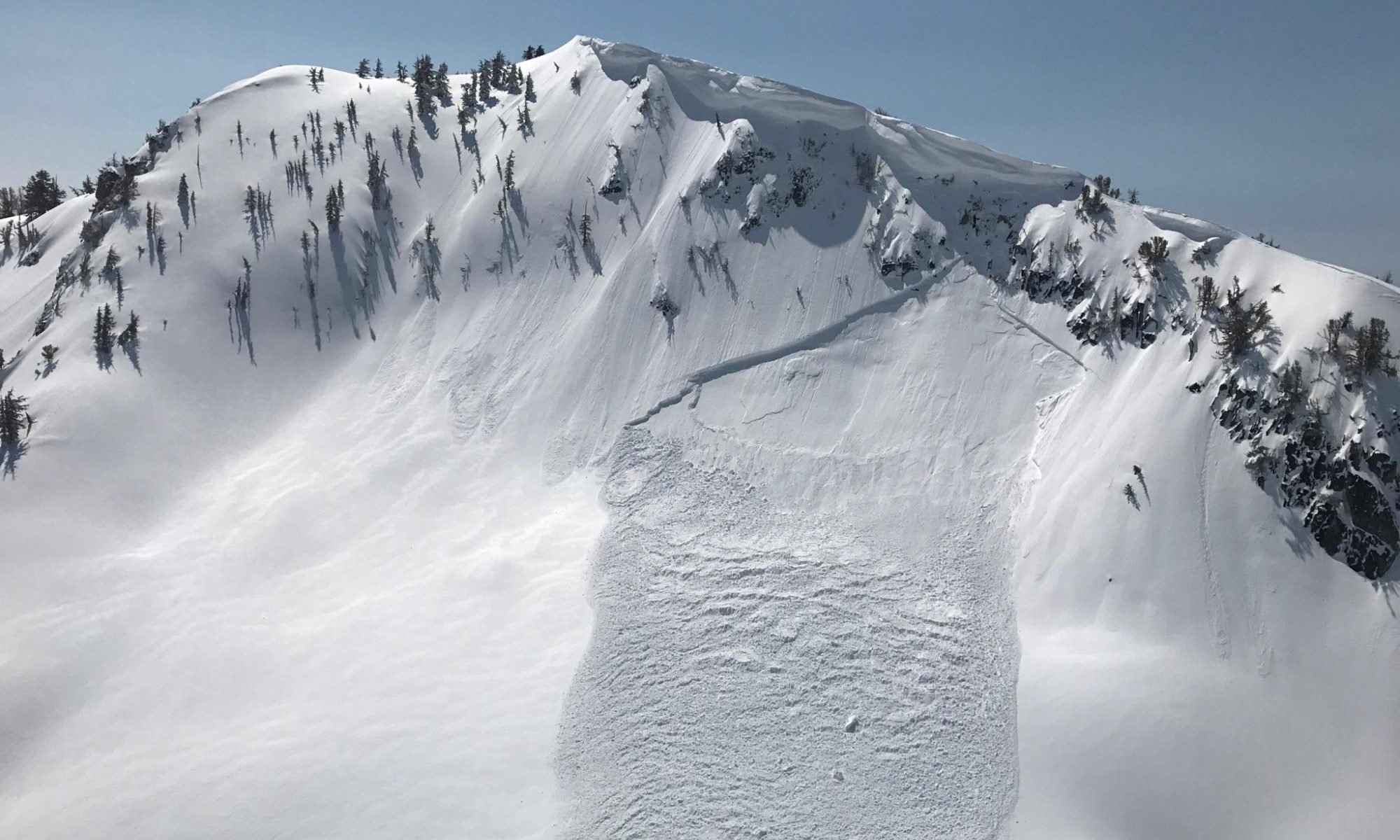
Windslab Avalanche. Avalanche.org.

A new climate study suggesting that the Atlantic current could weaken by as much as 50% by the end of the century is not just an abstract ocean story — it could directly reshape Atlantic current Alps winter patterns

For skiers, mountain professionals and anyone tracking snow conditions, the implications are not straightforward. This is not a simple case of “more snow” or “less snow”. Instead, it points toward something far more complex: winters that are increasingly volatile, with sharper contrasts, heavier snowfall events, and a higher likelihood of instability.

Continue reading “Atlantic Current Slowdown: Why Future Alpine Winters Could Mean Bigger Snowfalls—and Greater Avalanche Risk”