Ten Years Without the Aosta–Pré-Saint-Didier Railway — What Aosta Sera, Gazzetta Matin and Local Voices Are Saying

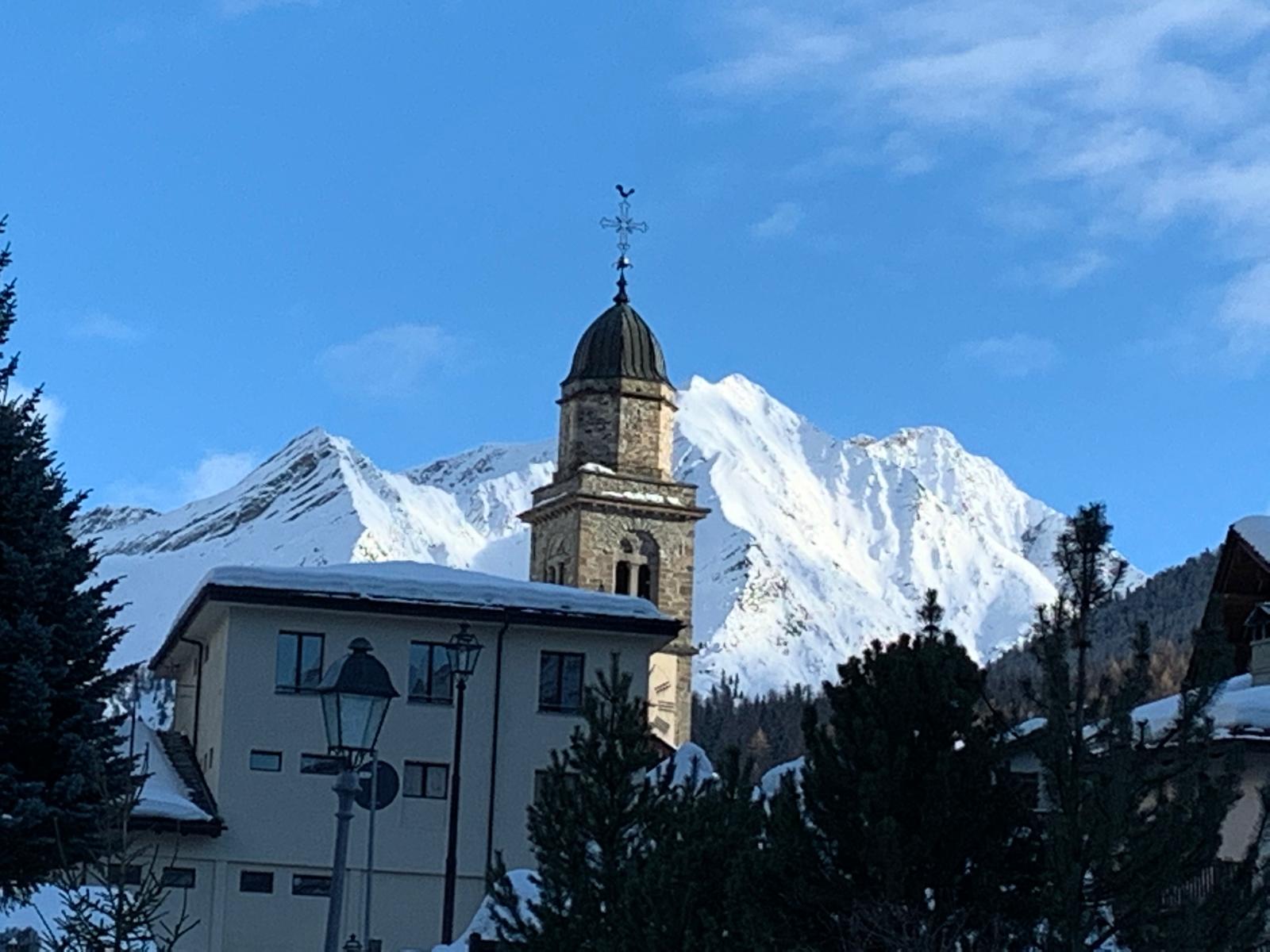
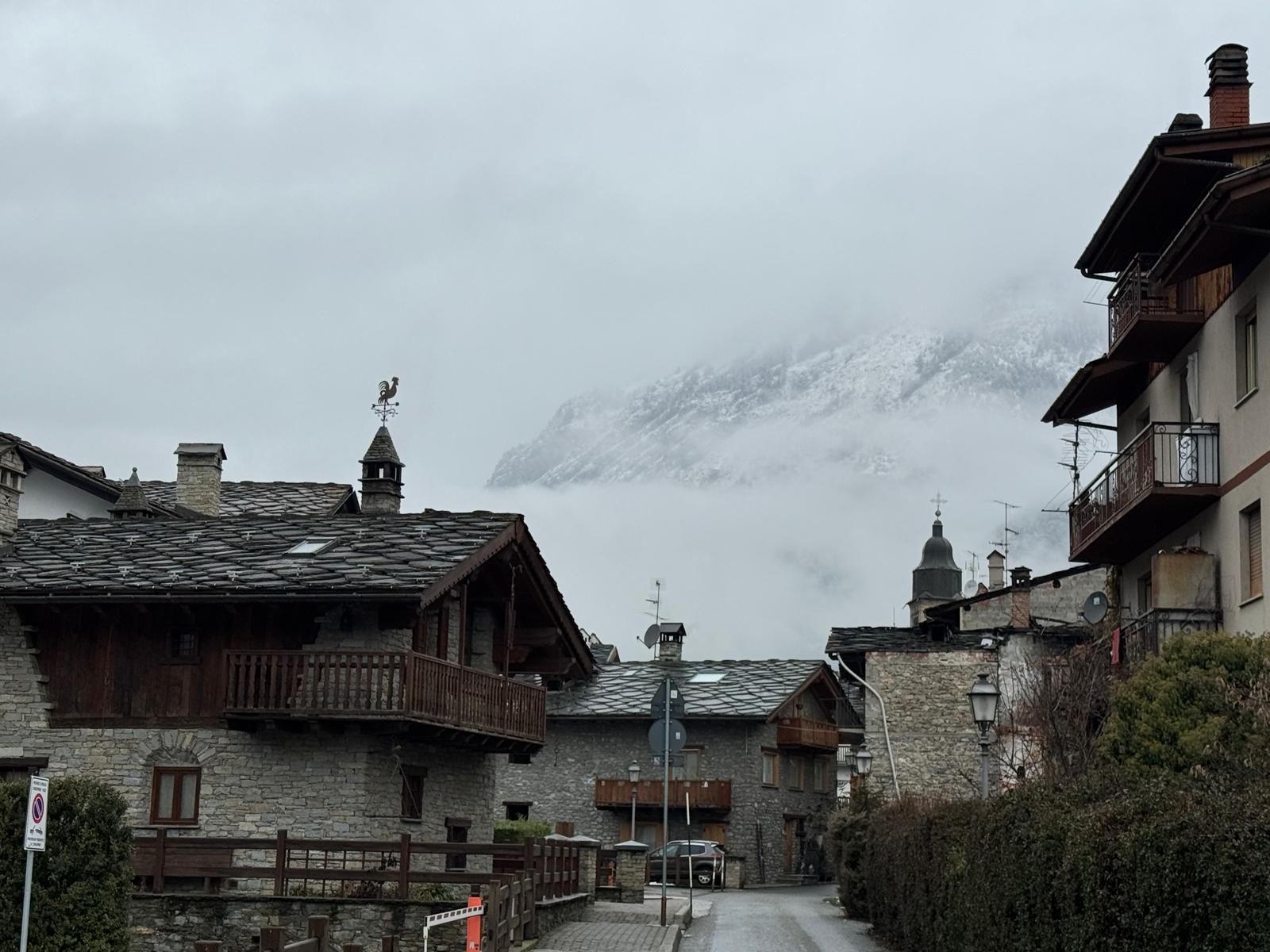
Downtown Morgex on Christmas day 2025. It is ten years when the train stopped coming here from Aosta. Photo: The-Ski-Guru. Ten Years Without the Aosta–Pré-Saint-Didier Railway — What Aosta Sera, Gazzetta Matin and Local Voices Are Saying.

Ten Years Without the Aosta–Pré-Saint-Didier Railway — Aosta Sera & Media Perspectives

For nearly a decade, the Aosta–Pré-Saint-Didier railway has remained closed. This article traces its closure since 2015, how the local press has covered it, and what proposals are currently under discussion.

A Decade Since the Last Train

December 2025 marks ten years since the last train ran on the Aosta–Pré-Saint-Didier railway, a historic line that linked Aosta — the heart of the Valle d’Aosta — with Pré-Saint-Didier and the high Valdigne. What was initially presented as a temporary suspension has since become a long-standing transport, tourism and regional mobility issue. Aostasera

The Aosta–Pré-Saint-Didier line was opened in 1929 and closed at the end of 2015. Wikipedia


📜 What Aosta Sera Reports

According to Aosta Sera, the closure — on 24 December 2015 — completed 10 years of interruption just before Christmas, highlighting how a once-active service has now become a symbol of stalled infrastructure in the region. Aostasera

Aosta Sera emphasizes several key perspectives:

Continue reading “Ten Years Without the Aosta–Pré-Saint-Didier Railway — What Aosta Sera, Gazzetta Matin and Local Voices Are Saying”

🚆✨ European Sleeper Expands: New Night Trains to Berlin, Switzerland & Milan — and Easy Connections From London

🚆✨ European Sleeper Expands: New Night Trains to Berlin, Switzerland & Milan — and Easy Connections From London. Photo: European Sleeper.

European Sleeper Expands: New Night Trains to Berlin, Switzerland & Milan — Easy from London

If you love slow travel, overnight rail journeys and arriving refreshed right in the heart of Europe, 2026 is going to be a very exciting year.
European Sleeper, the young night-train company connecting Northern and Central Europe, has announced two major route expansions — giving travellers even more comfortable, climate-friendly ways to reach the mountains, lakes and cities of the continent.

Better yet: with easy connections from London via Brussels, these new sleeper routes open up a whole world of car-free journeys for UK travellers heading to Germany, Switzerland, France and northern Italy.

Here’s everything you need to know.

The freedom of travelling by train. 🚆✨ European Sleeper Expands: New Night Trains to Berlin, Switzerland & Milan — and Easy Connections From London. Photo: European Sleeper.


🌙 1. The Paris–Brussels–Berlin Night Train (Launching 26 March 2026)

Starting in spring 2026, European Sleeper will run a brand-new night train linking:

Paris → Brussels → Berlin

This means:

Continue reading “🚆✨ European Sleeper Expands: New Night Trains to Berlin, Switzerland & Milan — and Easy Connections From London”

🌿🚡 The Cogne–Pila Cable Car: Environmental and Economic Questions Behind a Transformative Project

The lights sets on the mountains in Cogne. Photo: The-Ski-Guru.🌿🚡 The Cogne–Pila Cable Car: Environmental and Economic Questions Behind a Transformative Project.

Cogne–Pila Cable Car: Environmental and Economic Impacts

The debate around the proposed Cogne–Pila–Aosta cable-car link is far from over. While the Cogne municipal council recently voted unanimously to support the motion, the project raises deeper questions that go well beyond tourism and mobility to environmental and economic impacts.

UPDATE – October 2026: The Pila–Cogne cable car project has moved forward. Nine initial alternatives have now been narrowed down to three, with Alternative 3 emerging as the preferred option and estimated costs of €150–190 million. Read our latest update on the Pila–Cogne cable car project.

At its core, the project forces the Aosta Valley to confront a defining issue for Alpine regions today:
How do you balance economic development with environmental protection and cultural identity?

A winter's evening in Cogne. Photo: The-Ski-Guru. 🌿🚡 The Cogne–Pila Cable Car: Environmental and Economic Questions Behind a Transformative Project.
A winter’s evening in Cogne. Photo: The-Ski-Guru. 🌿🚡 The Cogne–Pila Cable Car: Environmental and Economic Questions Behind a Transformative Project.

🌱 1. Environmental Concerns: A Delicate Alpine Balance

Cogne is not a typical resort village. It sits at the entrance to Gran Paradiso National Park, one of Italy’s oldest and most protected natural areas. Its landscape, wildlife corridors, silence, and sense of pristine isolation are not accidents — they are the result of decades of careful restrictions, zoning, and community values.

Building a cable-car system in or near this protected environment raises several key concerns:

🦌 Wildlife Impact

Alpine ecosystems are fragile. Any infrastructure — pylons, cables, stations — may disrupt animal movement patterns, especially for species like ibex, chamois, and foxes that rely on quiet corridors.

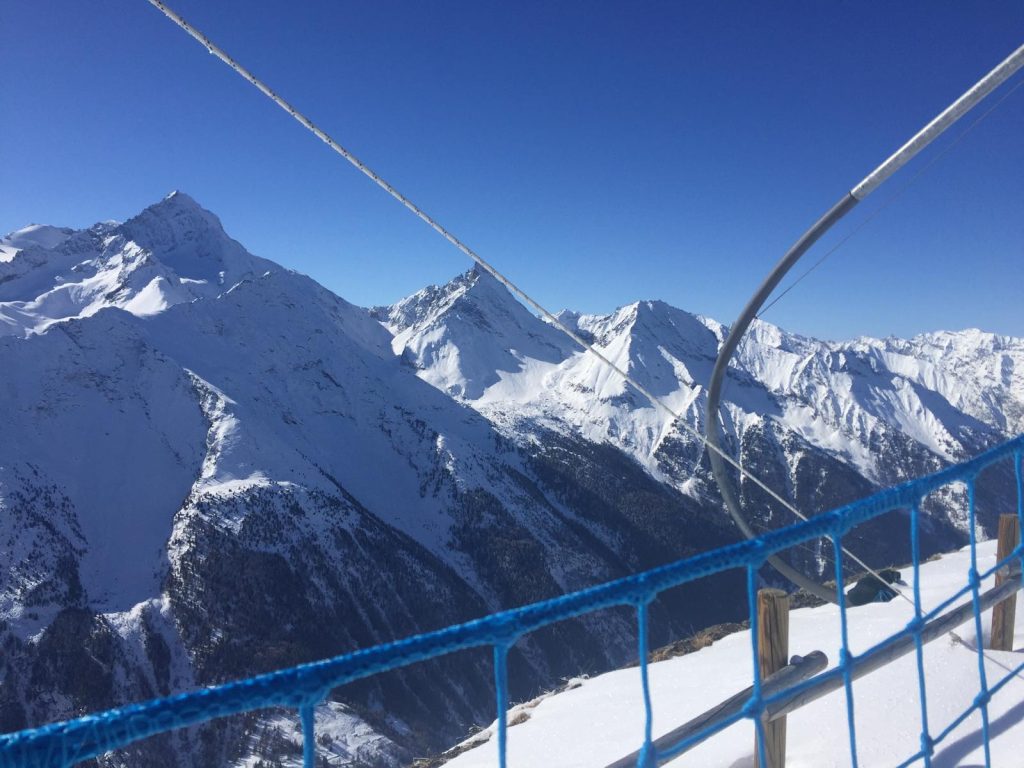
View from the top of Couis towards the Cogne valley. Photo: The-Ski-Guru.🌿🚡 The Cogne–Pila Cable Car: Environmental and Economic Questions Behind a Transformative Project.

Continue reading “🌿🚡 The Cogne–Pila Cable Car: Environmental and Economic Questions Behind a Transformative Project”

Why Ski Resorts Are Turning to Four-Season Tourism

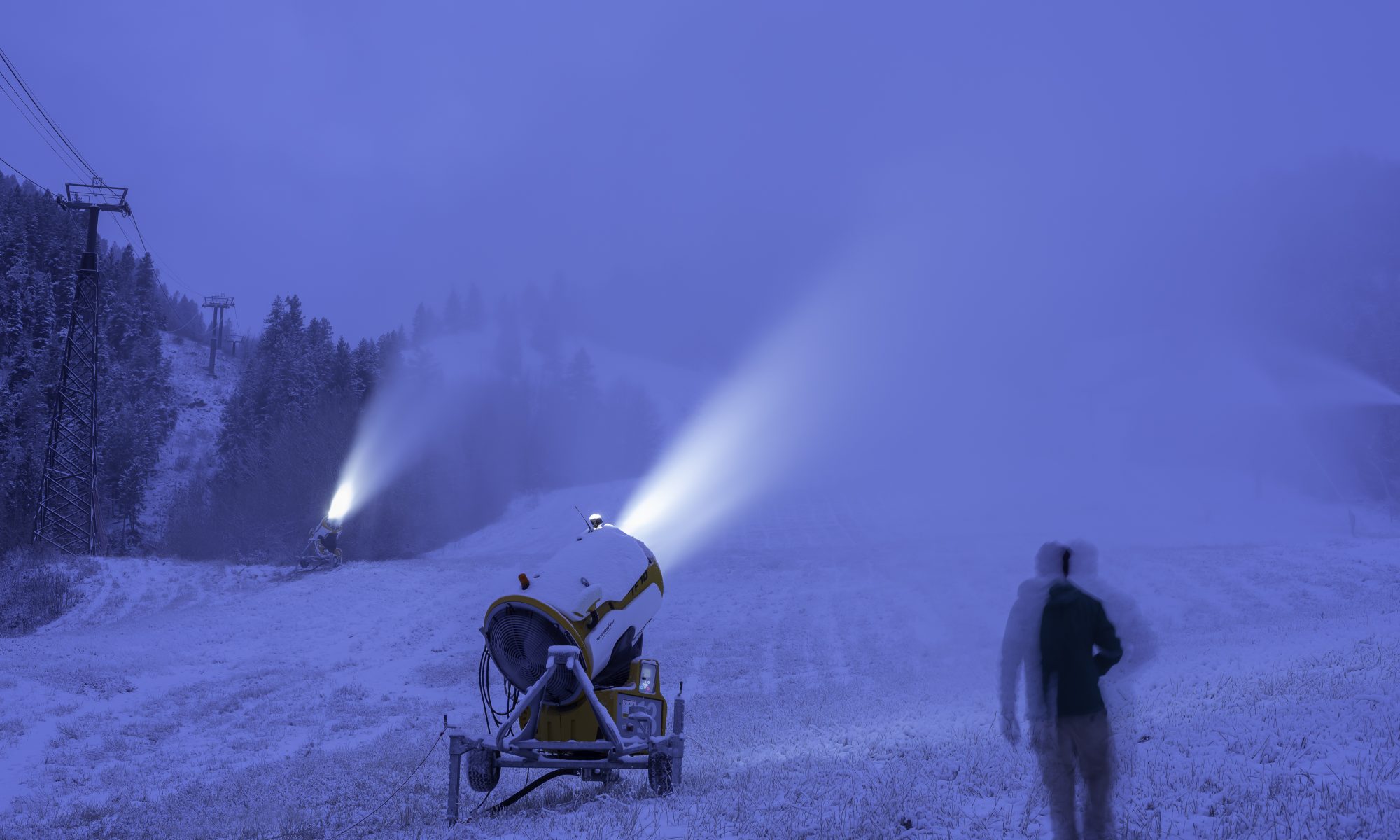
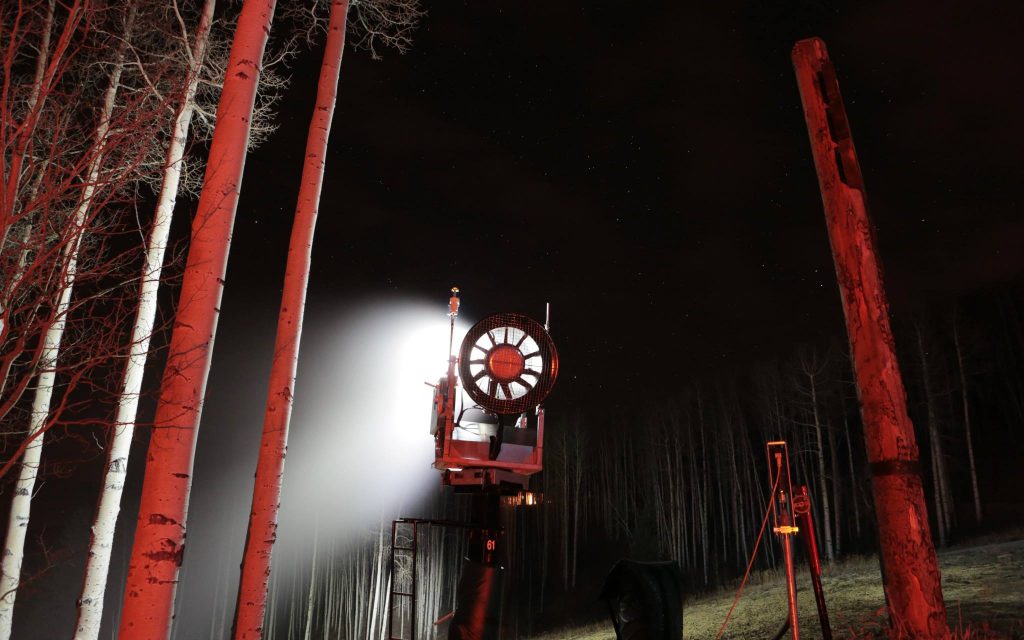
Snowmaking in Ajax. Photo: Dan Bayer. Aspen Skiing Company. Snowmaking Operations Underway at Aspen Snowmass for the 2018-19 Season

Why Ski Resorts Are Turning to Four-Season Tourism

For decades, mountain resorts lived by the rhythm of winter — snow, skiing, après-ski, repeat. That rhythm is changing. Climate variability, shifting travel habits, and a growing love for outdoor experiences are pushing ski areas to think beyond the slopes. Across the Alps and the Rockies, destinations are embracing a four-season model, turning themselves into year-round playgrounds for adventure, wellness, and culture.


Beaver Creek Gold Dust Trail Snowmaking- Photo: Vail Resorts. Vail Resorts Announces Long-Term Wind Energy Contract And Plan To Eliminate Conventional Single-Use Dining Plastics In Its ‘Commitment To Zero’.
Beaver Creek Gold Dust Trail Snowmaking- Photo: Vail Resorts.

❄️ The Challenge: Unpredictable Winters

Winters aren’t what they used to be. National climate scenarios for Alpine countries (as the report I’ve just written about that was for Switzerland) show a steady rise in temperatures, more frequent warm spells, heavier rainfalls, and a snowline that keeps creeping uphill. Lower resorts can no longer rely on consistent snowfall. Even higher ones are investing heavily in snowmaking — which adds pressure on energy, water, and budgets if not managed smartly.

Continue reading “Why Ski Resorts Are Turning to Four-Season Tourism”