

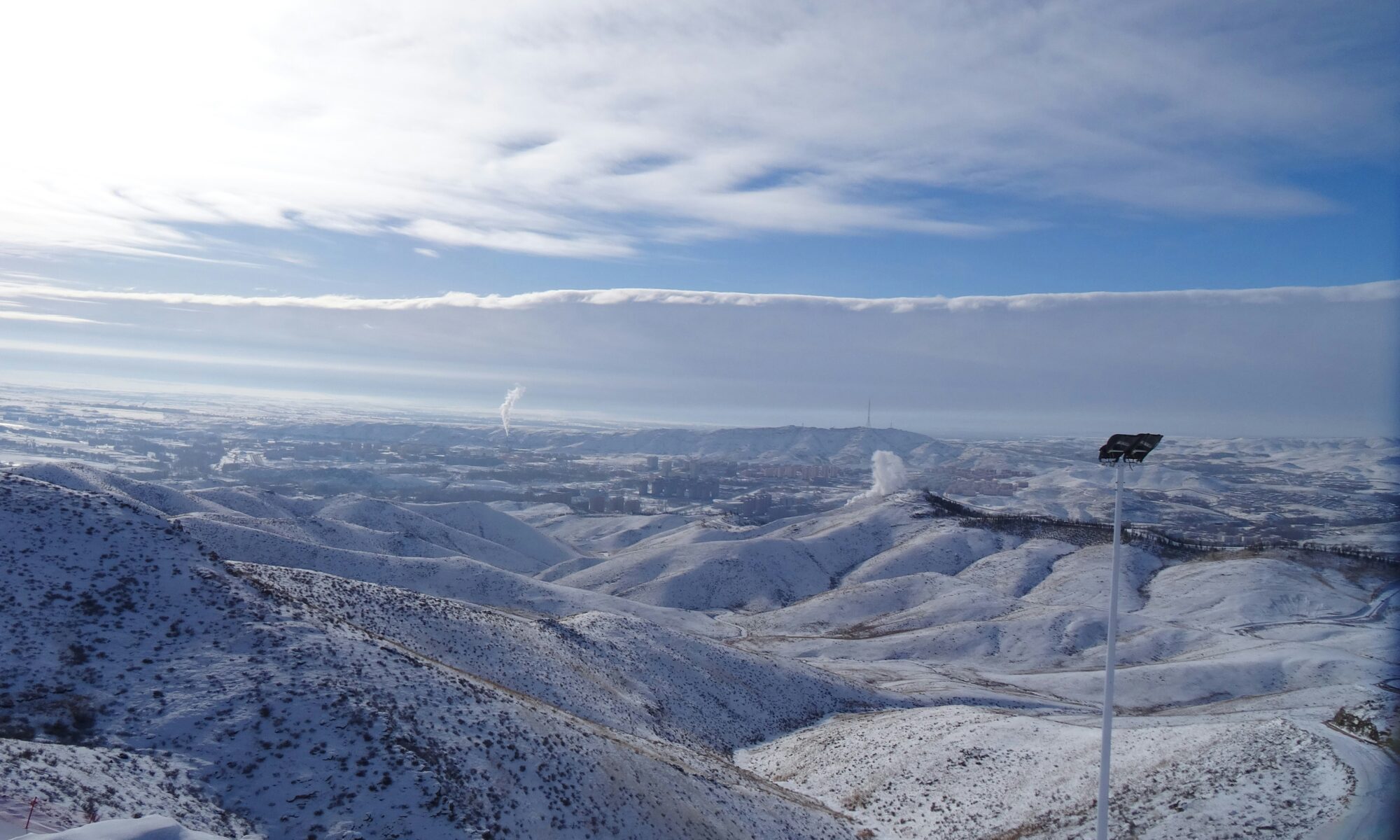
What Happens When Governments Create Skiers? China’s Altay Snow Holiday Experiment

Altay Prefecture. Photo: Mmoka. Unsplash.

China’s latest ski-growth story is not a new lift, a new hotel, or another Olympic legacy project. It is a school holiday.

In Altay Prefecture, in China’s Xinjiang Uygur Autonomous Region, more than 70,000 primary and secondary school students were given an official “snow break” from December 1 to 5, 2025. Including the surrounding weekends, the break created nine days off school. During that period, students were offered free access to local ski resorts, free public transport within Altay City, and discounts on ski equipment rental, food, accommodation, coaching and cultural activities. Free introductory ski lessons were also made available to beginners.

Continue reading “What Happens When Governments Create Skiers? China’s Altay Snow Holiday Experiment”

South American Skiing: Chile’s Established Markets and Argentina’s Untapped Opportunity

Las Leñas peak in the background, that triangle shape on the right hand side of the picture - the expanse of Las Leñas is incredible! - Photo by Las Leñas ski resort. Focus on South American Ski Resorts- High Andes: Valle Nevado, Portillo and Las Leñas – Chile and Argentina

South American skiing has one of the most distinctive propositions in the world. It offers Southern Hemisphere winter, high Andean scenery, a different culture, a different calendar and the chance for skiers from the Northern Hemisphere to extend their season when the Alps and North America are in summer.

But Chile and Argentina should not be treated in exactly the same way.

Chile already has a stronger track record in North America. Resorts such as Portillo and Valle Nevado have marketed to the United States for many years, and the Chilean ski product is relatively easy for international tour operators to understand because much of the visitor journey can be coordinated through the resort or specialist partners. Argentina, by contrast, has powerful ski destinations and a natural opportunity in the United States and Europe, but the product can feel more fragmented from outside the market.

That is the dichotomy. Chile is already better established internationally, especially in the US and Brazil, while Argentina has enormous potential but needs clearer packaging, stronger trade education and a simpler story for new markets.

Continue reading “South American Skiing: Chile’s Established Markets and Argentina’s Untapped Opportunity”

Adventure Travel in 2026: Why Mountain Destinations Need Food, Culture and Human Connection

I had the luck to try these cheeses and beers with a fam a couple of winters ago. Still take a jacket, as it is always 10C inside. Photo: The-Ski-Guru. A Must-Read Guide to Summer in South Tyrol

Adventure travel is changing, and mountain destinations should pay attention.

For years, the easiest way to sell a mountain destination was to lead with the obvious: the peaks, the trails, the rivers, the snow, the biking, the hiking, the skiing, the views. But recent comments from Adventure Travel Trade Association CEO Shannon Stowell, shared in an Arival interview after AdventureELEVATE Europe 2026 in Val d’Aran, suggest that the adventure travel market is now being shaped by something broader: food, culture and human connection.

According to Arival, culinary experiences have become a leading driver in adventure travel, overtaking traditional favourites such as hiking, walking and trekking in ATTA’s latest survey discussion. Stowell also repeated one of ATTA’s core definitions of adventure travel: an experience that includes at least two of three elements — nature, culture and activity. That matters for mountain regions because it moves the conversation away from simply selling “things to do” and towards selling a fuller sense of place. 

Continue reading “Adventure Travel in 2026: Why Mountain Destinations Need Food, Culture and Human Connection”