Ice Climbing Fatality at Cascata Patrì in Cogne (Valle d’Aosta) — Jan 29, 2026

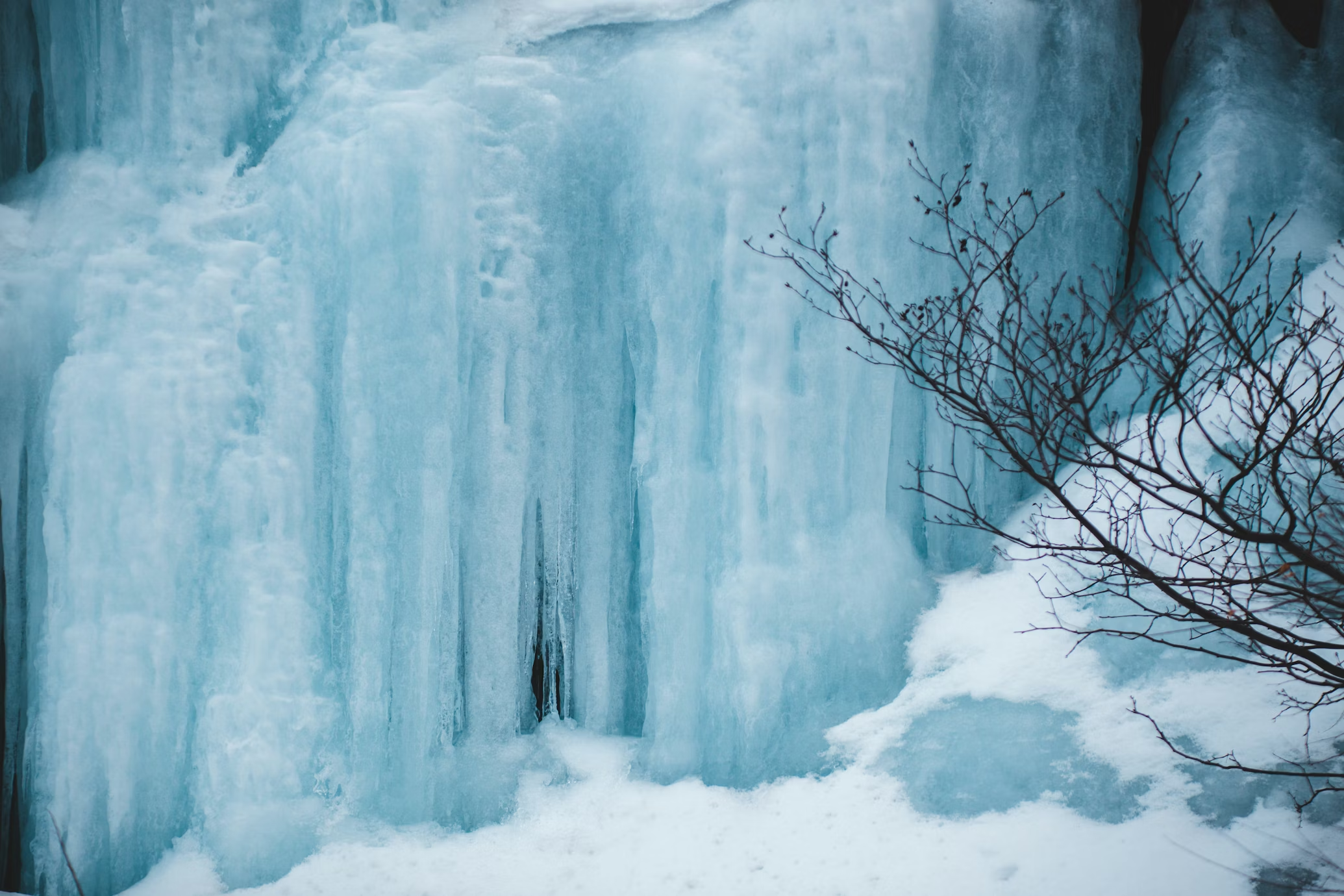
Ice cascade- Photo used for illustrative purpose only. Photo: Eric Mc Lean- Unsplash. Ice Climbing Fatality at Cascata Patrì in Cogne (Valle d’Aosta) — Jan 29, 2026.

A tragic accident occurred Thursday morning, 29 January 2026, on the iconic cascata di ghiaccio Patrì in Valnontey, Cogne (Valle d’Aosta), when an experienced climber lost his life while ascending the frozen waterfall.

According to local reports, the climber — identified as Marc Cordero, 71, of France — was leading a rope team on the Patrì icefall at about 1,950 m when he fell approximately ten metres backwards during the final pitch of the route, leaving him critically injured and unresponsive. 

Understanding how to use avalanche bulletins properly is essential when planning winter mountain activities such as ice climbing and ski touring.

Other climbers in the area quickly intervened, bringing him down to a belay where attempts at resuscitation were made, but he could not be revived. 

The Soccorso Alpino Valdostano responded with helicopter support and recovered the body, while the climber’s partner — a 68-year-old compatriot — survived unharmed and was escorted to Aosta. 

Official investigations into the exact dynamics of the fall — including whether equipment failure, ice conditions, or other factors were involved — are being conducted by the Soccorso Alpino della Guardia di Finanza of Entrèves–Courmayeur. 

Related reading: Avalanche fatalities in Tignes and across Savoie

Continue reading “Ice Climbing Fatality at Cascata Patrì in Cogne (Valle d’Aosta) — Jan 29, 2026”
🌿🚡 The Cogne–Pila Cable Car: Environmental and Economic Questions Behind a Transformative Project

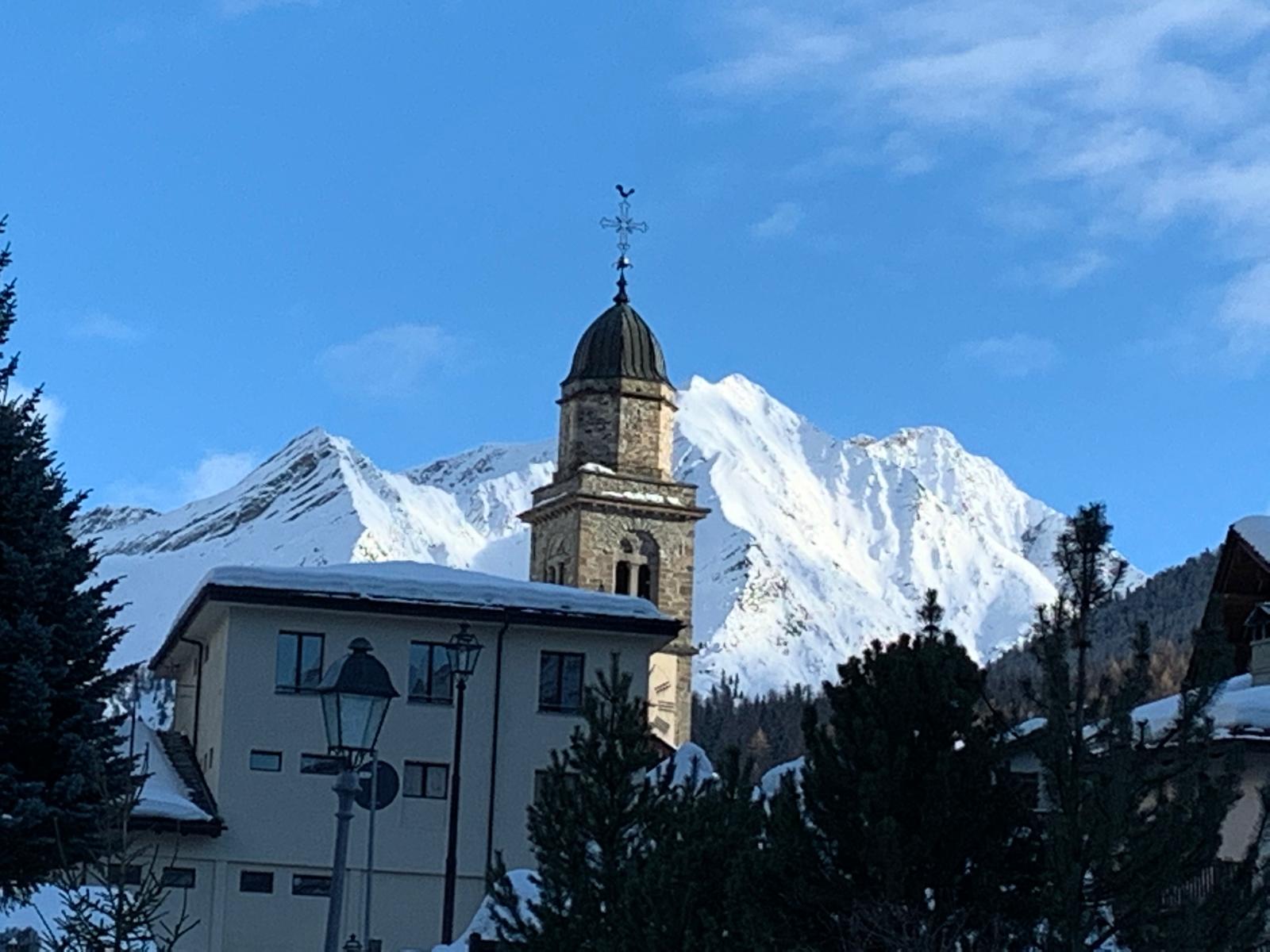
The lights sets on the mountains in Cogne. Photo: The-Ski-Guru.🌿🚡 The Cogne–Pila Cable Car: Environmental and Economic Questions Behind a Transformative Project.

Cogne–Pila Cable Car: Environmental and Economic Impacts

The debate around the proposed Cogne–Pila–Aosta cable-car link is far from over. While the Cogne municipal council recently voted unanimously to support the motion, the project raises deeper questions that go well beyond tourism and mobility to environmental and economic impacts.

UPDATE – October 2026: The Pila–Cogne cable car project has moved forward. Nine initial alternatives have now been narrowed down to three, with Alternative 3 emerging as the preferred option and estimated costs of €150–190 million. Read our latest update on the Pila–Cogne cable car project.

At its core, the project forces the Aosta Valley to confront a defining issue for Alpine regions today:
How do you balance economic development with environmental protection and cultural identity?

A winter's evening in Cogne. Photo: The-Ski-Guru. 🌿🚡 The Cogne–Pila Cable Car: Environmental and Economic Questions Behind a Transformative Project.
A winter’s evening in Cogne. Photo: The-Ski-Guru. 🌿🚡 The Cogne–Pila Cable Car: Environmental and Economic Questions Behind a Transformative Project.

🌱 1. Environmental Concerns: A Delicate Alpine Balance

Cogne is not a typical resort village. It sits at the entrance to Gran Paradiso National Park, one of Italy’s oldest and most protected natural areas. Its landscape, wildlife corridors, silence, and sense of pristine isolation are not accidents — they are the result of decades of careful restrictions, zoning, and community values.

Building a cable-car system in or near this protected environment raises several key concerns:

🦌 Wildlife Impact

Alpine ecosystems are fragile. Any infrastructure — pylons, cables, stations — may disrupt animal movement patterns, especially for species like ibex, chamois, and foxes that rely on quiet corridors.

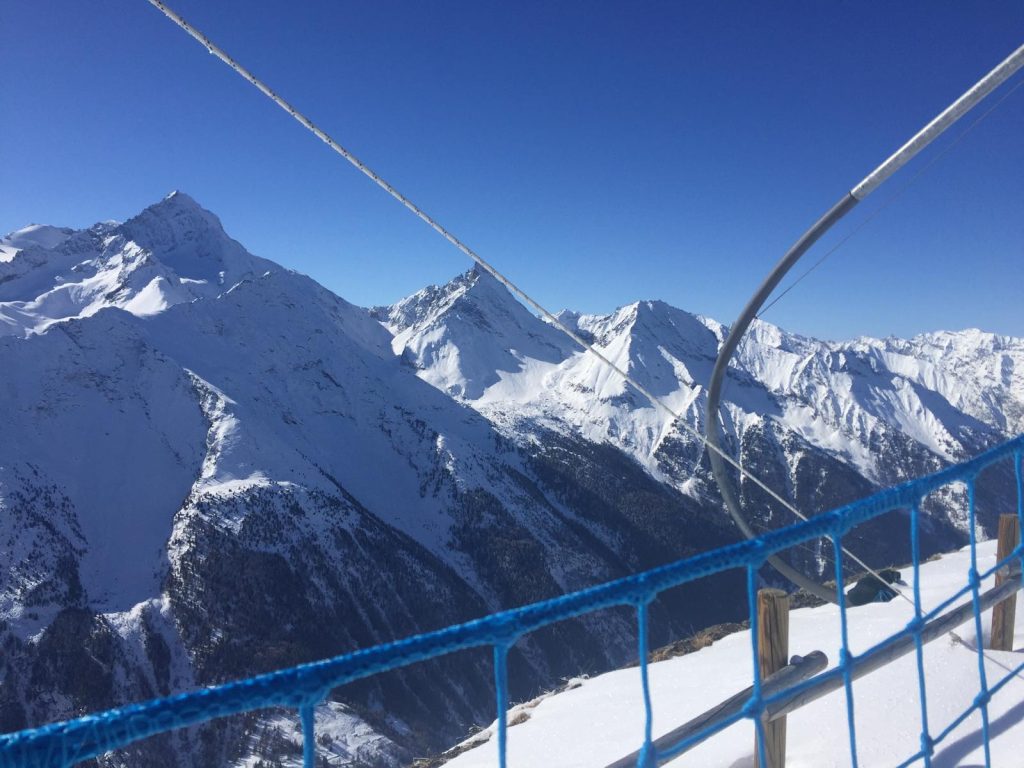
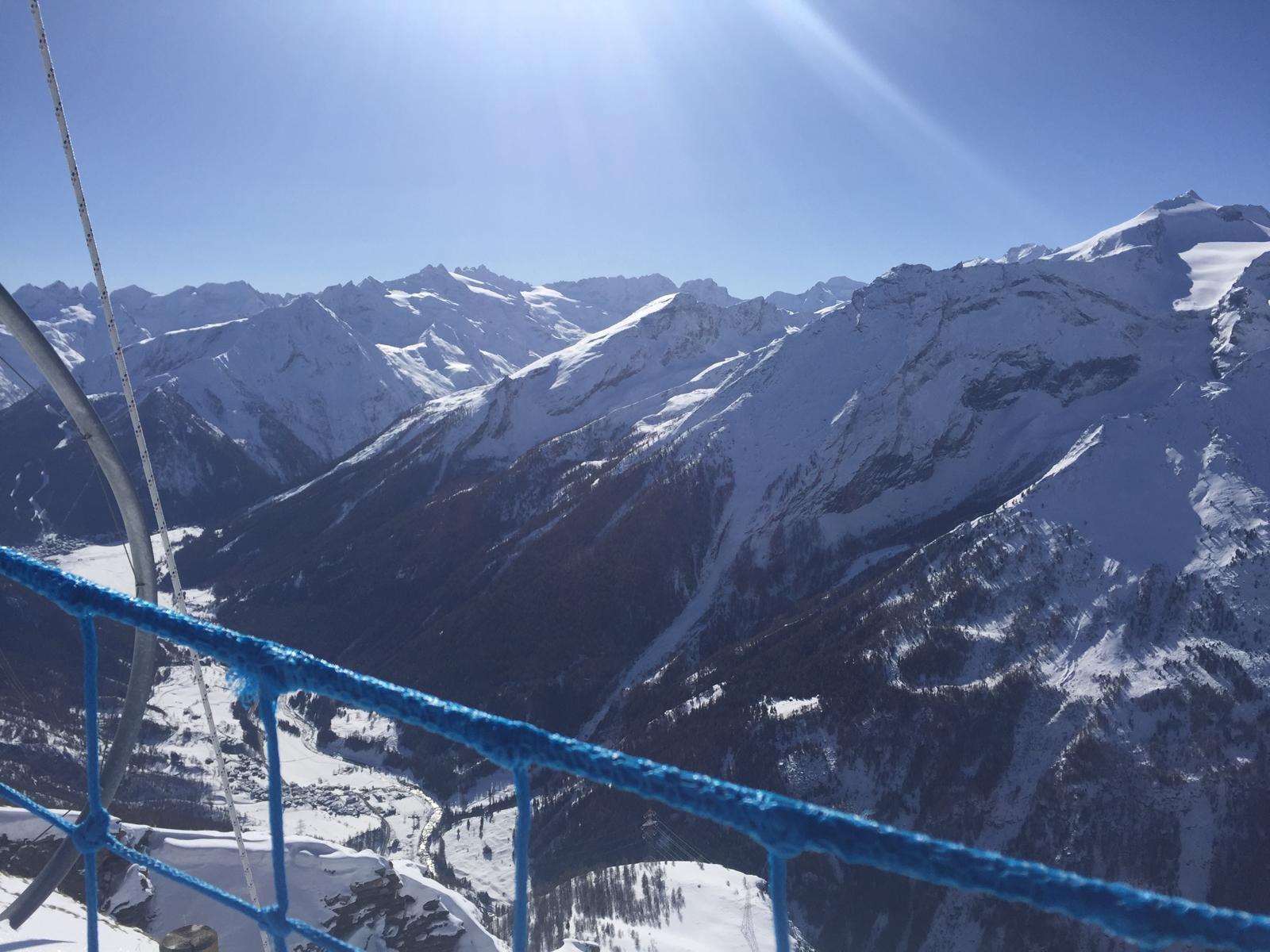
View from the top of Couis towards the Cogne valley. Photo: The-Ski-Guru.🌿🚡 The Cogne–Pila Cable Car: Environmental and Economic Questions Behind a Transformative Project.

Continue reading “🌿🚡 The Cogne–Pila Cable Car: Environmental and Economic Questions Behind a Transformative Project”

🚡 The Cogne–Pila Cable Car: Why the Debate Is Heating Up in the Aosta Valley

Cogne seen from the top of Pila in Couis. 🌿🚡 The Cogne–Pila Cable Car: Environmental and Economic Questions Behind a Transformative Project.

Cogne–Pila Cable Car Debate: What’s at Stake in Aosta Valley

The long-discussed idea of creating a cable-car connection between Cogne, Pila, and Aosta has resurfaced — and this time, it is gaining political momentum. On 28 November 2025, the municipal council of Cogne voted unanimously to support a motion backing the potential lift, calling it a strategic project for the future of the community.

But if local institutions appear aligned, public opinion certainly is not.
Few topics in recent years have sparked such a lively, emotional, and polarised debate in the Aosta Valley.

UPDATE – October 2026: The Pila–Cogne cable car project has moved forward. Nine initial alternatives have now been narrowed down to three, with Alternative 3 emerging as the preferred option and estimated costs of €150–190 million. Read our latest update on the Pila–Cogne cable car project.

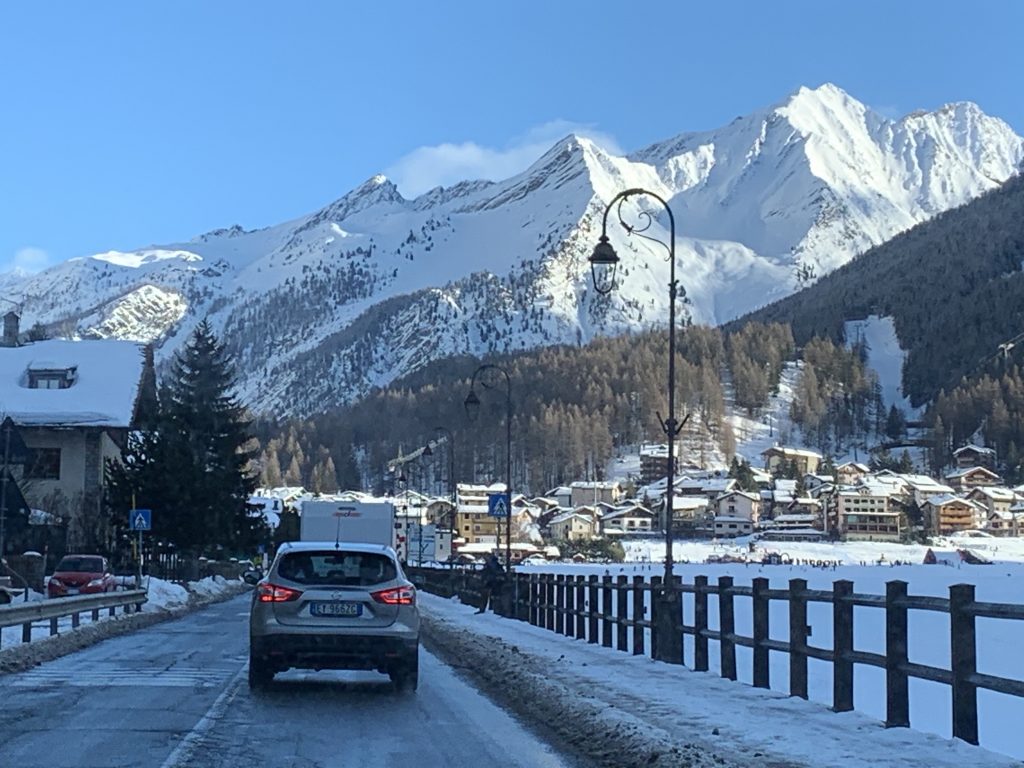
Arriving in Cogne. Gran Paradiso National Park.
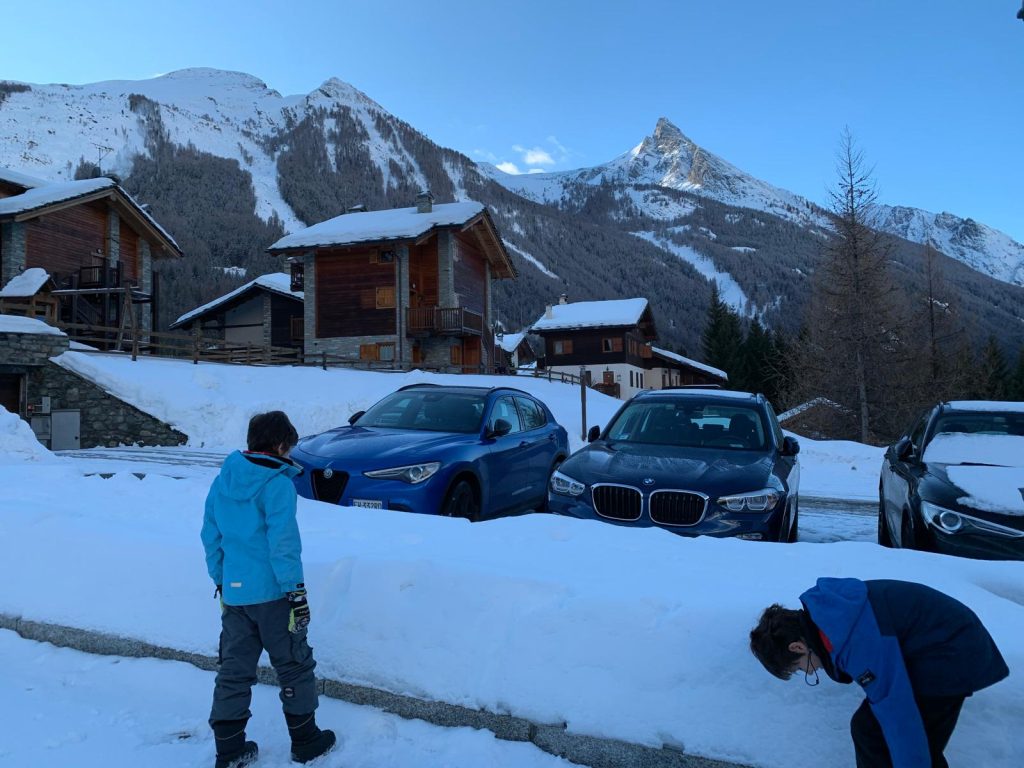
Arriving in Cogne. Gran Paradiso National Park. Cogne is a valley behind and kind of completely disconnected to the main road that connects Aosta to the Mont Blanc Tunnel. That is part of its attraction. Photo: The-Ski-Guru. 🚡 The Cogne–Pila Cable Car: Why the Debate Is Heating Up in the Aosta Valley.

🌄 Why the Proposal Matters

Cogne sits at the gateway to the Gran Paradiso National Park, one of the most iconic and untouched mountain valleys in Italy. Its charm has always been tied to its remoteness: a destination you choose to reach, not one you stumble upon.

A direct lift to Pila would change that dynamic entirely.
Supporters argue that this is exactly the point.

According to the council’s motion, the cable-car could bring:

  • Better connectivity, linking the upper valley to Aosta without relying solely on the long, winding road.

  • Economic opportunities, by making Cogne more accessible for both winter and summer tourism.

  • A more sustainable mobility model, reducing car traffic and integrating with existing lifts such as the Aosta–Pila gondola.

The project is not new. In late 2024, Pila S.p.A. had already begun preparing procedures to update the feasibility study, with preliminary estimates ranging from €50 to €150 million, depending on the final route and technology.

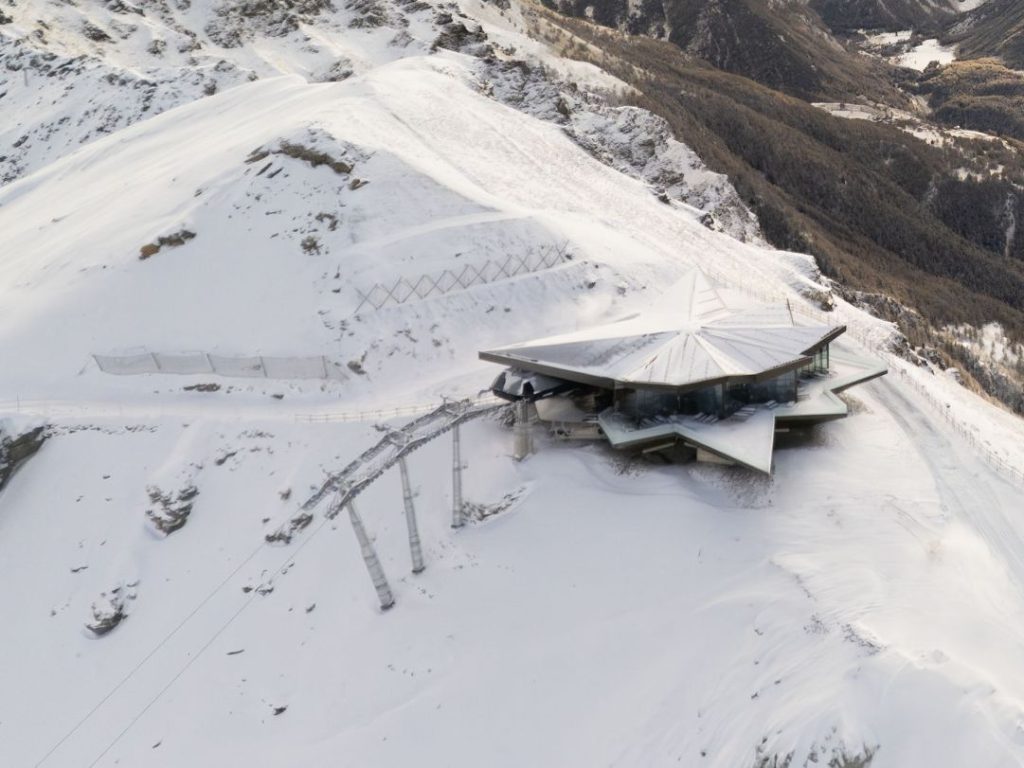
The plan was to connect the top of Pila to Cogne, making it a reality to connect Aosta all the way to Cogne and increasing. the visitors to the region. Stella di Pila on the top of Couis 1. Photo: Pila sPa. 🚡 The Cogne–Pila Cable Car: Why the Debate Is Heating Up in the Aosta Valley.

Continue reading “🚡 The Cogne–Pila Cable Car: Why the Debate Is Heating Up in the Aosta Valley”