As another summer of record-breaking temperatures grips much of southern Europe, the Alps are emerging as one of the season’s biggest winners. Across Italy’s mountain regions, hotels, mountain huts and hiking destinations are welcoming a surge of visitors looking to escape the heat, highlighting how climate change is reshaping travel patterns well beyond the winter ski season.
According to Italy’s JFC Summer Mountain Observatory, mountain destinations are expected to welcome around 7.8 million visitors this summer, an increase of 14.4% compared with 2025. Overnight stays are forecast to surpass 79 million, while the sector is expected to generate approximately €6.6 billion in tourism revenue. Those figures reflect a clear shift in holiday choices as more travellers seek cooler temperatures at higher elevations.
Cogne–Pila Cable Car: Environmental and Economic Impacts
The debate around the proposed Cogne–Pila–Aosta cable-car linkis far from over. While the Cogne municipal council recently voted unanimously to support the motion, the project raises deeper questions that go well beyond tourism and mobility to environmental and economic impacts.
UPDATE – October 2026: The Pila–Cogne cable car project has moved forward. Nine initial alternatives have now been narrowed down to three, with Alternative 3 emerging as the preferred option and estimated costs of €150–190 million. Read our latest update on the Pila–Cogne cable car project.
At its core, the project forces the Aosta Valley to confront a defining issue for Alpine regions today: How do you balance economic development with environmental protection and cultural identity?
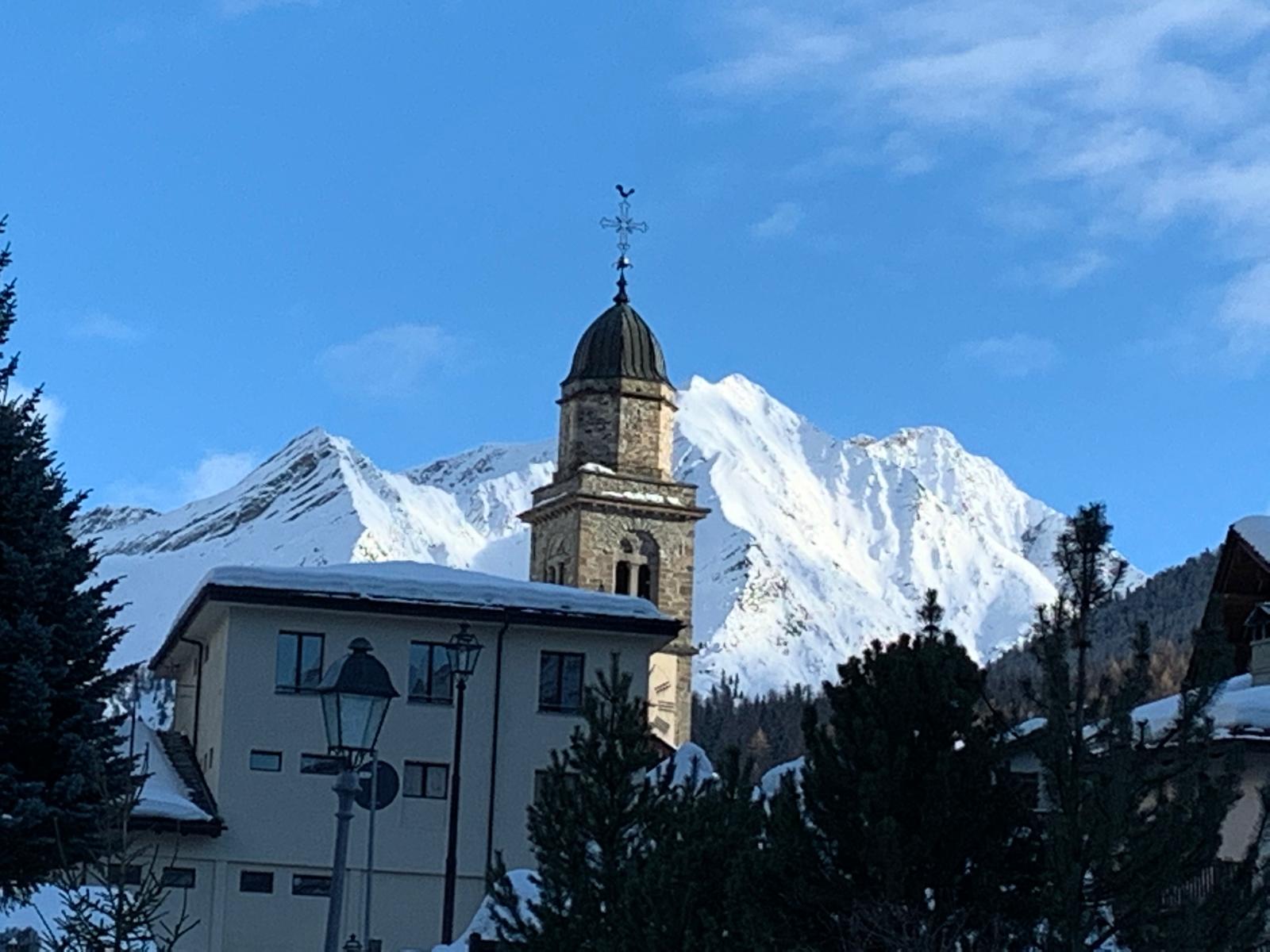
A winter’s evening in Cogne. Photo: The-Ski-Guru. 🌿🚡 The Cogne–Pila Cable Car: Environmental and Economic Questions Behind a Transformative Project.
🌱 1. Environmental Concerns: A Delicate Alpine Balance
Cogne is not a typical resort village. It sits at the entrance to Gran Paradiso National Park, one of Italy’s oldest and most protected natural areas. Its landscape, wildlife corridors, silence, and sense of pristine isolation are not accidents — they are the result of decades of careful restrictions, zoning, and community values.
Building a cable-car system in or near this protected environment raises several key concerns:
🦌 Wildlife Impact
Alpine ecosystems are fragile. Any infrastructure — pylons, cables, stations — may disrupt animal movement patterns, especially for species like ibex, chamois, and foxes that rely on quiet corridors.
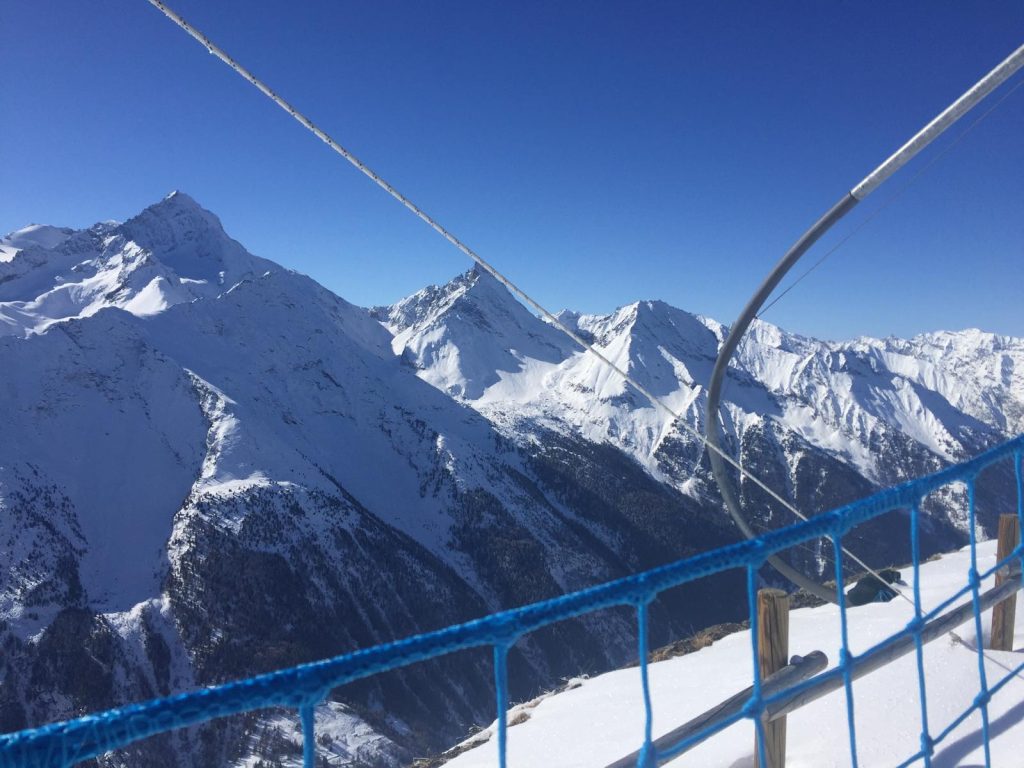
View from the top of Couis towards the Cogne valley. Photo: The-Ski-Guru.🌿🚡 The Cogne–Pila Cable Car: Environmental and Economic Questions Behind a Transformative Project.
Enjoyed this post? Get my latest ski guides, weather insights, resort updates and travel tips directly in your inbox. Subscribe to The-Ski-Guru here.
Manage Cookie Consent
To provide the best experiences, we use technologies like cookies to store and/or access device information. Consenting to these technologies will allow us to process data such as browsing behavior or unique IDs on this site. Not consenting or withdrawing consent, may adversely affect certain features and functions.
Functional
Always active
The technical storage or access is strictly necessary for the legitimate purpose of enabling the use of a specific service explicitly requested by the subscriber or user, or for the sole purpose of carrying out the transmission of a communication over an electronic communications network.
Preferences
The technical storage or access is necessary for the legitimate purpose of storing preferences that are not requested by the subscriber or user.
Statistics
The technical storage or access that is used exclusively for statistical purposes.The technical storage or access that is used exclusively for anonymous statistical purposes. Without a subpoena, voluntary compliance on the part of your Internet Service Provider, or additional records from a third party, information stored or retrieved for this purpose alone cannot usually be used to identify you.
Marketing
The technical storage or access is required to create user profiles to send advertising, or to track the user on a website or across several websites for similar marketing purposes.


 Subscribe to The-Ski-Guru here.
You must be logged in to post a comment.