

Stelvio Glacier Reopens After Heat Closure – But Summer Skiing’s August Shutdown Still Matters

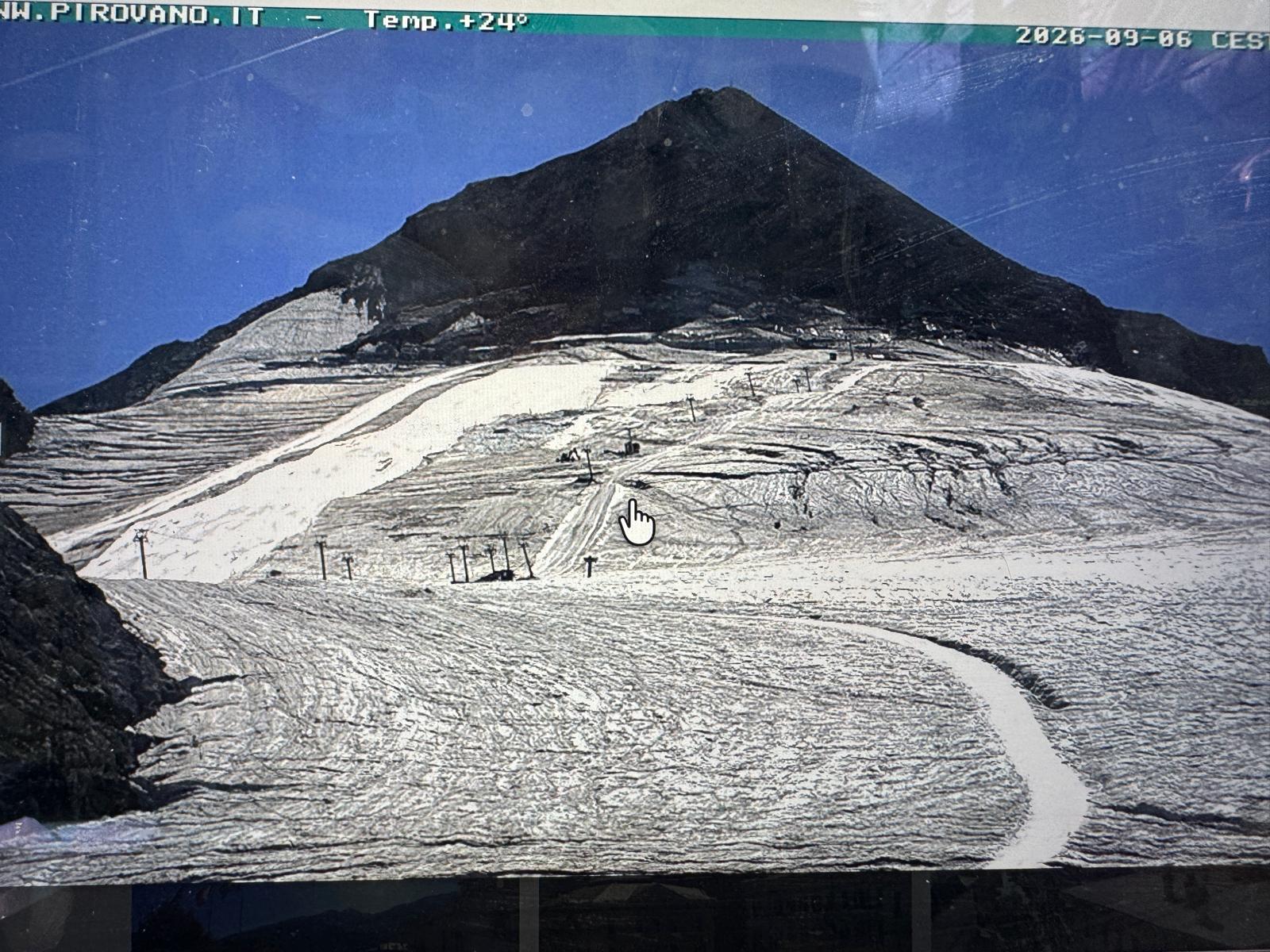
Summer skiing on the Stelvio Glacier in Italy

Italy’s Stelvio Glacier has reopened for summer skiing after a three-week heat-related closure. The return of skiing is welcome news, but it follows an extraordinary August in which high temperatures and poor overnight freezing temporarily brought lift-served summer skiing across the Alps to a halt.

Summer skiing returned to Italy’s Stelvio Glacier on Friday, September 4, after cooler conditions allowed operators to reopen lifts and pistes following a shutdown that began on August 15.

The official Bormio lift-status service confirmed the reopening, with all six Stelvio lift installations operating: the Cristallo, Pajer, Geister 1 and Geister 2 ski lifts, together with the Passo Stelvio–Trincerone and Trincerone–Livrio cable cars.

Not everything has returned to normal, however. Several pistes remain closed, and the Pajer and Cristallo ski lifts are operating only from 6:30 am until midday. The two cable cars operate until 4 pm.

The Stelvio summer season is officially scheduled to run from May 30 until November 1, 2026.

Why Stelvio closed

The August closure was significant because Stelvio had remained open after other Alpine summer ski areas suspended skiing during the summer heat.

SIFAS, the company operating the Stelvio facilities, announced the suspension of skiing from August 15, citing three factors: persistent heat waves reaching high altitude, the absence of sufficient overnight cooling and refreezing of the snowpack, and frequent thunderstorms that had further affected glacier conditions.
Continue reading “Stelvio Glacier Reopens After Heat Closure – But Summer Skiing’s August Shutdown Still Matters”

Monviso Rockfall Raises Questions Over Stability of the Italian Alps Landmark

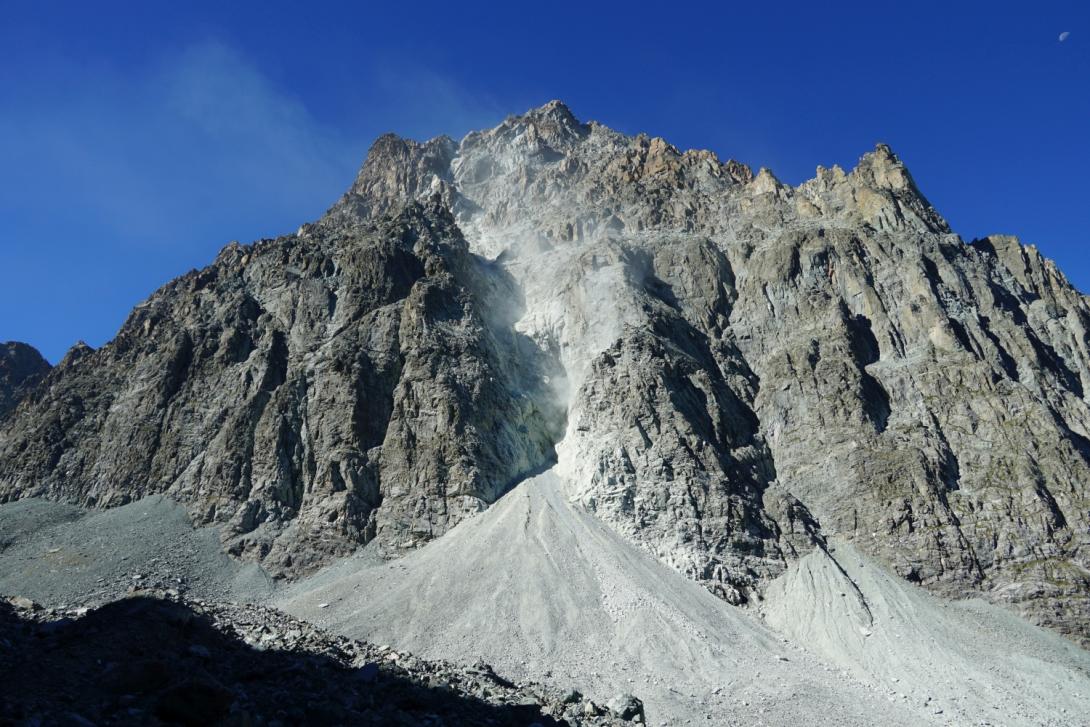
Canalone del Monviso. Photo credit: Arpa.Piemonte.it

A rockfall on Monviso’s northeast face sent thousands of cubic metres of debris down the mountain on 1 September. No one was injured and the nearby Quintino Sella refuge and its access trail were not hit by the main collapse, but repeated failures on the same face have prompted authorities to examine how the mountain is evolving.


UPDATE — 18 September 2026: New Rockfall and Regional Action

A second significant rockfall on Monviso and new temperature data have prompted the Regione Piemonte to begin a wider assessment of the mountain, including its trails, refuge access and long-term monitoring.

At the first official Tavolo Monviso, held on 16 September, ARPA Piemonte revealed that between 10 June and 10 September temperatures at its monitoring station above 3,300 metres on Monviso did not fall below 0°C.

ARPA identifies thermal stress as a probable factor in the recent rockfalls and degradation of permafrost as a possible contributing factor within a rock mass that is already heavily fractured. However, the agency continues to stress that individual rockfalls need to be assessed on their specific geological and environmental conditions.

The meeting followed another rockfall during the night of 13–14 September, this time from the Torrioni Sari on Monviso’s southern side. Regional authorities say preliminary observations suggest that this event may have been larger than the 1 September collapse on the northeast face, although further surveys are needed to determine its scale.

The two events on different sides of the mountain have led authorities to broaden their assessment from individual rockfall sites to the Monviso massif as a whole.

Access to the mountain is also under review

The Regione Piemonte is now considering additional surveys, including drone inspections, an assessment of the most exposed trails and possible alternative routes to mountain refuges.

One proposal being examined is an alternative access route to the Rifugio Quintino Sella. Improved trail signage and temporary restrictions in particularly exposed areas are also being considered.

This does not currently amount to a general closure or restriction on access to Monviso.

Continue reading “Monviso Rockfall Raises Questions Over Stability of the Italian Alps Landmark”