Who Owns The Mountains? Why Some Ski Communities Are Pushing Back Against Consolidation

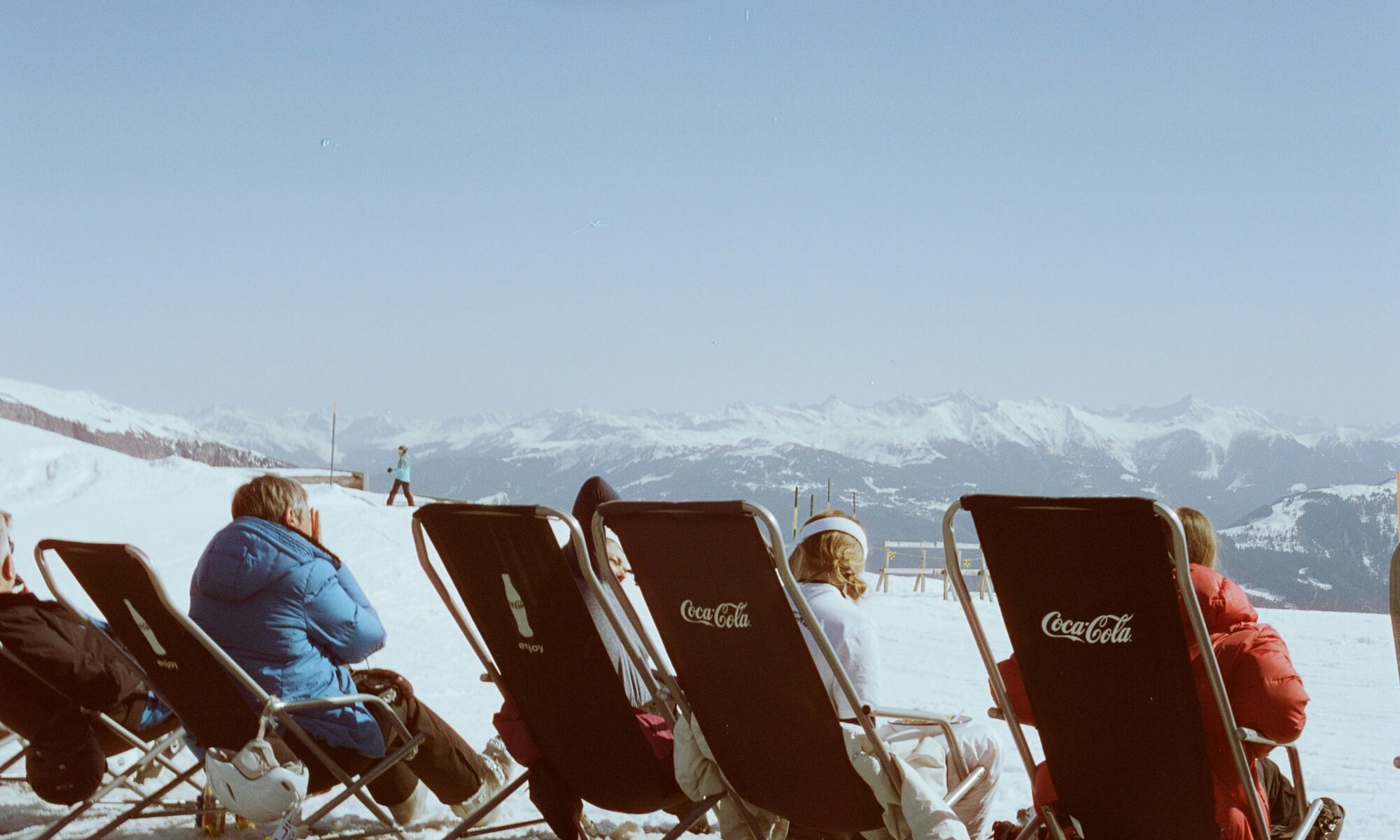
Flims Laax Falera photo: Irvin Aloise/Unsplash.

For more than a decade, one of the defining trends in the ski industry has been consolidation.

Large operators have expanded across North America and increasingly into Europe. Vail Resorts, Alterra Mountain Company, Compagnie des Alpes, Mountain Capital Partners and other groups have acquired resorts, developed pass alliances and built networks that span multiple destinations.

For many ski areas, access to capital has become essential. New lifts, snowmaking systems, mountain restaurants, summer attractions and employee housing projects often require investments that smaller operators struggle to fund.

This article is not arguing that local ownership is replacing consolidation. Rather, it examines a handful of recent examples where communities and local stakeholders have sought greater influence over the future of their ski resorts.

While consolidation remains the dominant trend, a small number of destinations are asking a different question:

Who should own the mountains?

Continue reading “Who Owns The Mountains? Why Some Ski Communities Are Pushing Back Against Consolidation”

Australia’s Ski Industry Is Betting on Snowmaking Again

Threbdo webcam- Sat 6th June. Kosciuszo Track - Eagles Nest. Ski.com.au

Australia’s ski season 2026 has opened with the kind of image every resort wants: fresh snow before the long weekend, lifts preparing to turn, and skiers watching the webcams.

But behind the optimistic opening-weekend story is a more complicated reality. Australia’s ski industry is becoming increasingly dependent on snowmaking, not only as a back-up tool, but as a core part of its operating model.

The 2026 season began with reported snowfalls of around 20 cm to 40 cm across parts of the Victorian and New South Wales alpine regions, just in time for the official start of the winter season. Resorts including Thredbo, Perisher, Falls Creek and Hotham reported strong early interest, helped by cold conditions and opening-weekend activity. 

That is the good news.

The less comfortable news is that Australia’s longer-term snow outlook remains fragile. Meteorologists and climate scientists have warned that a developing El Niño pattern could bring warmer and drier conditions to parts of Australia during winter 2026. 

Continue reading “Australia’s Ski Industry Is Betting on Snowmaking Again”

What Happens When Governments Create Skiers? China’s Altay Snow Holiday Experiment

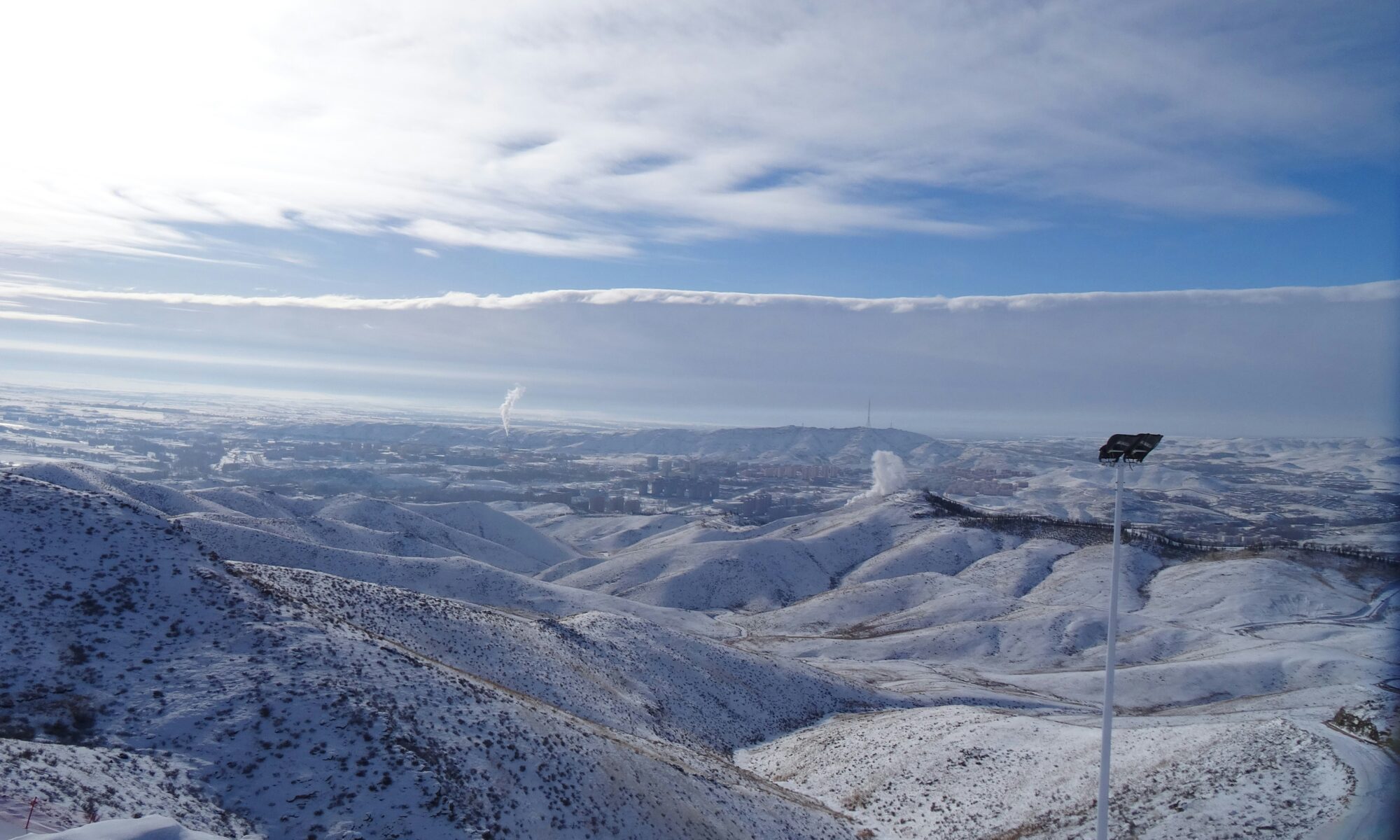
Altay Prefecture. Photo: Mmoka. Unsplash.

China’s latest ski-growth story is not a new lift, a new hotel, or another Olympic legacy project. It is a school holiday.

In Altay Prefecture, in China’s Xinjiang Uygur Autonomous Region, more than 70,000 primary and secondary school students were given an official “snow break” from December 1 to 5, 2025. Including the surrounding weekends, the break created nine days off school. During that period, students were offered free access to local ski resorts, free public transport within Altay City, and discounts on ski equipment rental, food, accommodation, coaching and cultural activities. Free introductory ski lessons were also made available to beginners.

Continue reading “What Happens When Governments Create Skiers? China’s Altay Snow Holiday Experiment”

La Thuile Replaces Two Ageing Chairlifts with Major Gondola Upgrade for 2026/27

Pista 3, Franco Berthod, a renown super steep black run in La Thuile. Photo: Tourism Office La Thuile.

Italian resort La Thuile is preparing one of its biggest lift infrastructure upgrades in recent years, with a new 10-seater gondola set to replace two of the ski area’s older chairlifts ahead of the 2026/27 winter season.

The project will replace the ageing La Combe and Chaz Dura fixed-grip chairlifts on the front side of the mountain, one of the main circulation areas linking the Italian resort with the wider Espace San Bernardo ski domain shared with La Rosière in France.

According to local and regional reporting, the new gondola — officially referred to as the Les Suches–Chaz Dura telecabina — is designed to significantly improve uphill transport capacity, skier flow, and beginner access on one of the resort’s busiest sectors.


Update — October 2026: La Thuile’s new gondola will be called Vedette, with opening planned for December 2026. Its design draws inspiration from historic Alpine fortifications, while a panoramic restaurant is expected to follow in December 2027. Read our latest update on the Vedette gondola, its name and the story behind its architecture.


Continue reading “La Thuile Replaces Two Ageing Chairlifts with Major Gondola Upgrade for 2026/27”

Can Summer Tourism Save Mountain Resorts After a Difficult Winter?

The view just in the entrance to Lago d'Arpy- the view of the Catena di Monte Bianco. Photo: The-Ski-Guru. Can Summer Tourism Save Mountain Resorts After a Difficult Winter?

Western mountain destinations in North America are heading into summer 2026 with growing optimism after one of the most challenging winters in recent years. But behind the upbeat headlines, the picture is far more complicated.

New lodging data from Inntopia’s DestiMetrics division suggests that summer bookings across western mountain resorts are rising strongly after a weak and warm winter season. Occupancy, rates and revenues for the May-to-October period are currently ahead of last year. Yet the same data also reveals just how difficult the 2025/26 winter became for many mountain economies — and raises larger questions about whether summer tourism can really compensate for increasingly volatile winters.

This is not just a North American story. Across the Alps and other mountain regions worldwide, resorts are increasingly trying to diversify beyond skiing through hiking, biking, wellness, festivals and year-round tourism. But whether summer can truly replace winter revenue remains uncertain.

Continue reading “Can Summer Tourism Save Mountain Resorts After a Difficult Winter?”

Are Investors Losing Faith in the Mega-Resort Ski Model?

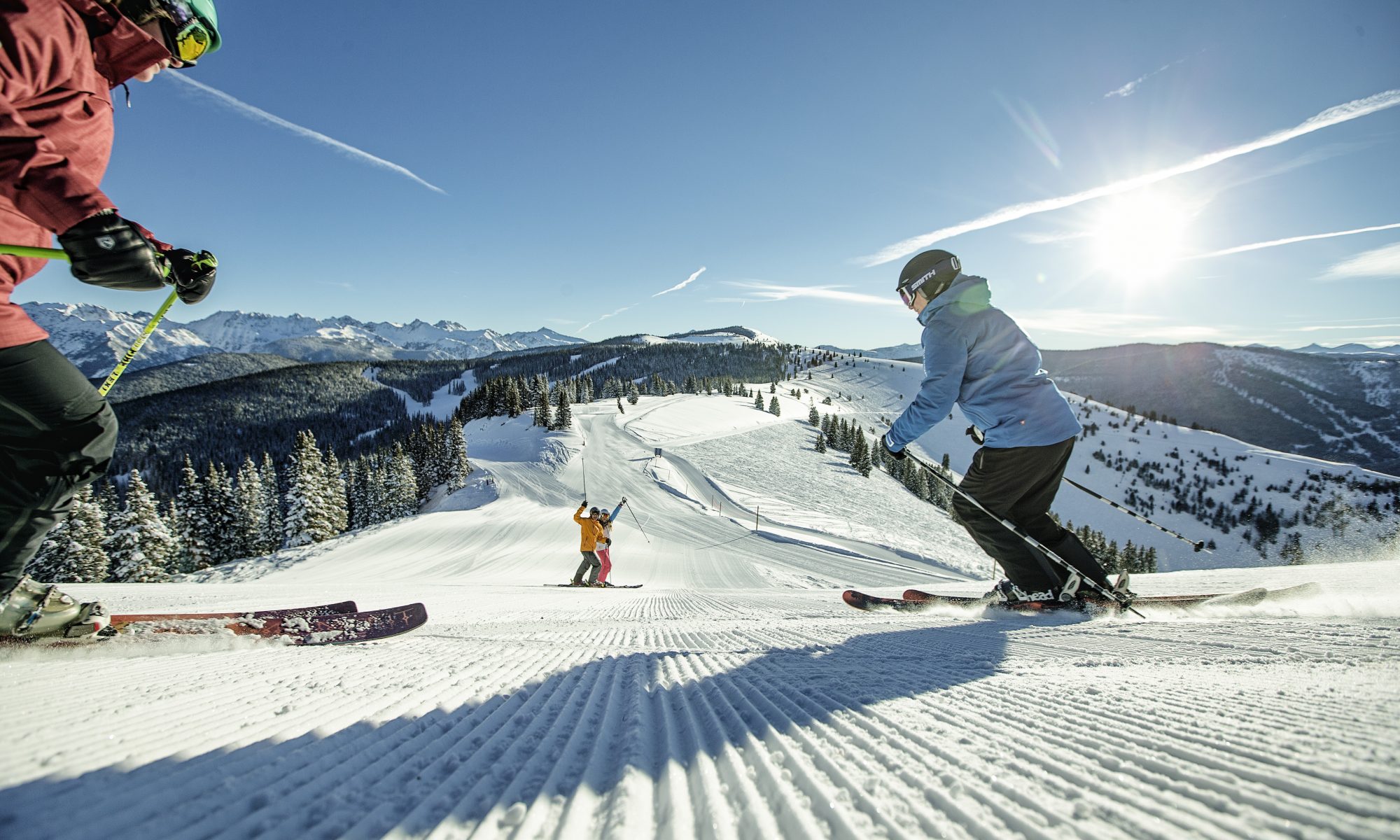
Friends Skiing Groomed Terrain in Vail, CO.. Photo: Daniel Milchev. Vail Resorts.

A recent filing showing that investment firm MSA Advisors sold its entire position in Vail Resorts may not be major news on its own. Institutional investors buy and sell shares every day. But in the context of the current ski industry landscape, the move raises broader questions about whether Wall Street is becoming more cautious about the future of the large destination ski resort model.

Over the past decade, Vail Resorts became one of the defining success stories of the modern ski industry. Through the growth of the Epic Pass, aggressive acquisitions, and expansion into Europe, the company transformed skiing into a subscription-style global business. Investors rewarded that strategy for years, helping turn Vail into one of the most valuable ski companies in the world.

But the environment facing ski resort operators in 2026 looks very different from the one that fuelled that expansion.

Continue reading “Are Investors Losing Faith in the Mega-Resort Ski Model?”

Europe’s Summer 2026 Tourism Paradox: Record Demand, But a Weaker Season?

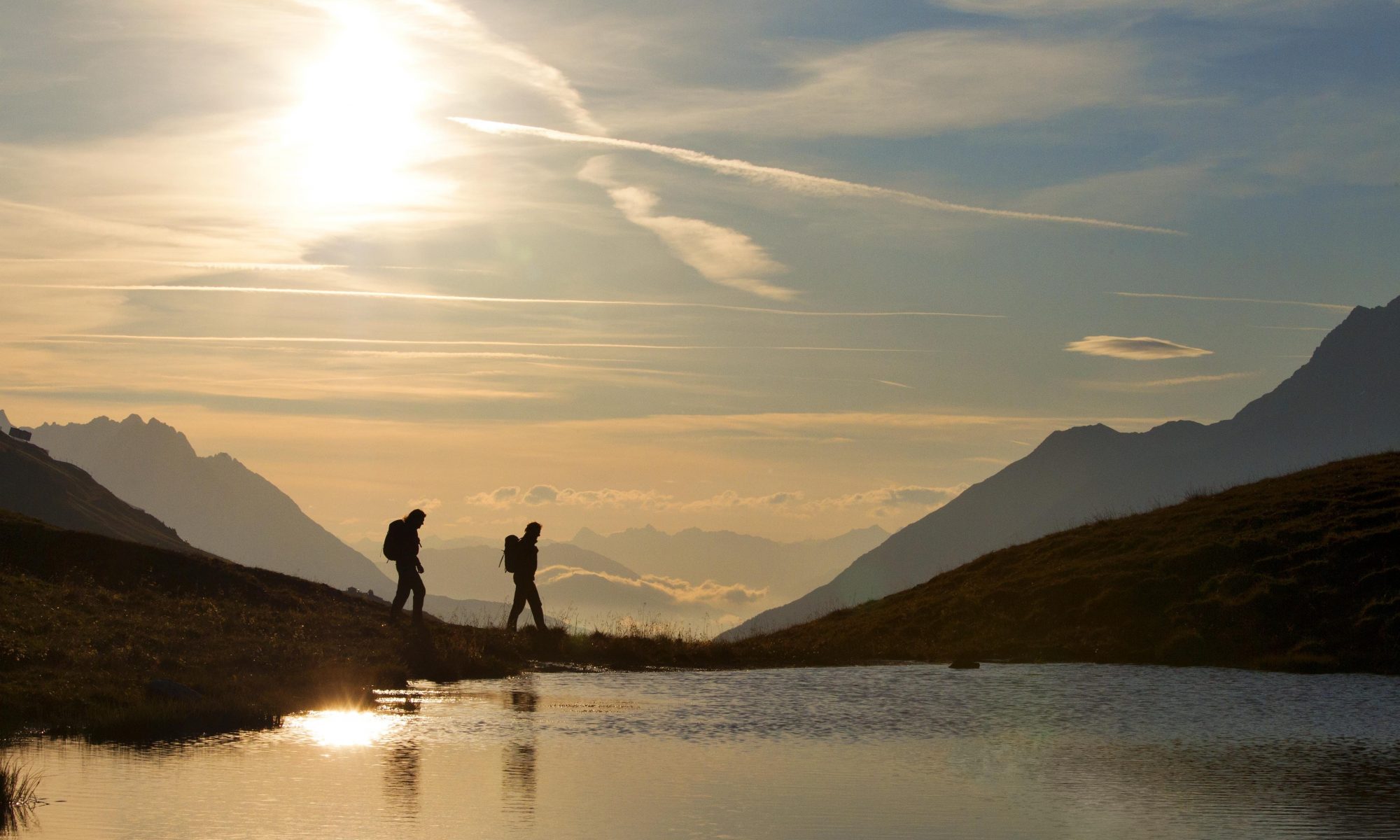
Wanderszene auf Galzig bei St. Anton, Lechtaler Alpen, Tirol, Österreich.

Europe’s Summer 2026 Tourism Paradox: Record Demand, But a Weaker Season?

The European tourism sector is heading into the summer of 2026 with what appears, at first glance, to be a strong tailwind. Travel intent is at record levels, international demand remains resilient, and key destinations continue to attract global visitors. Yet beneath those headline figures, a more complex and uneven reality is emerging.

Early signals from Switzerland suggest that the season ahead may be far less robust than expected. According to Swissinfo, parts of the hotel sector are already reporting a slowdown in bookings, an increase in cancellations, and a shift towards last-minute reservations. The outlook has been described as “clearly clouded,” with operators pointing to geopolitical instability, particularly in the Middle East, as a factor disrupting travel flows and air connectivity.

This tension between strong demand and weakening booking quality is increasingly visible across Europe, and it reflects a broader structural shift in how travel demand is behaving in 2026.

Continue reading “Europe’s Summer 2026 Tourism Paradox: Record Demand, But a Weaker Season?”

Mountain Planet 2026: Innovation, Infrastructure, and the Future of Mountain Tourism

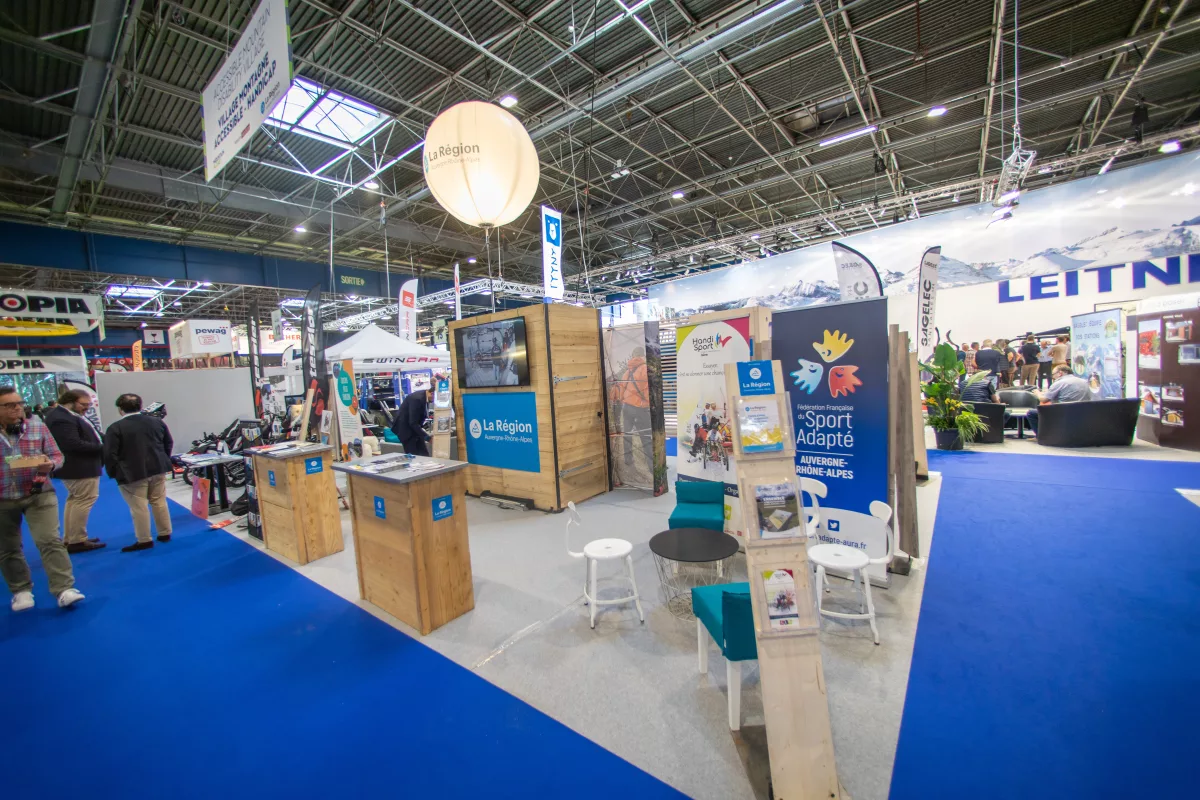
Mountain Planet 2026 show photo.

The 2026 edition of Mountain Planet 2026 has confirmed its position as one of the key global gatherings for the mountain industry, bringing together operators, manufacturers, policymakers and technology providers at a time when the sector is undergoing significant change.

Held in Grenoble, the event highlighted a clear shift in priorities across the industry. While innovation remains central, the focus is increasingly on resilience, energy transition, and the diversification of mountain tourism models.

This year’s edition recorded a 4.5% increase in visitors, underlining continued engagement from across the sector despite a winter season marked by uneven snow conditions in many regions.

Continue reading “Mountain Planet 2026: Innovation, Infrastructure, and the Future of Mountain Tourism”

Vail Resorts Visits Drop 14.9% — What It Reveals About Snow, Demand, and the Ski Industry Model

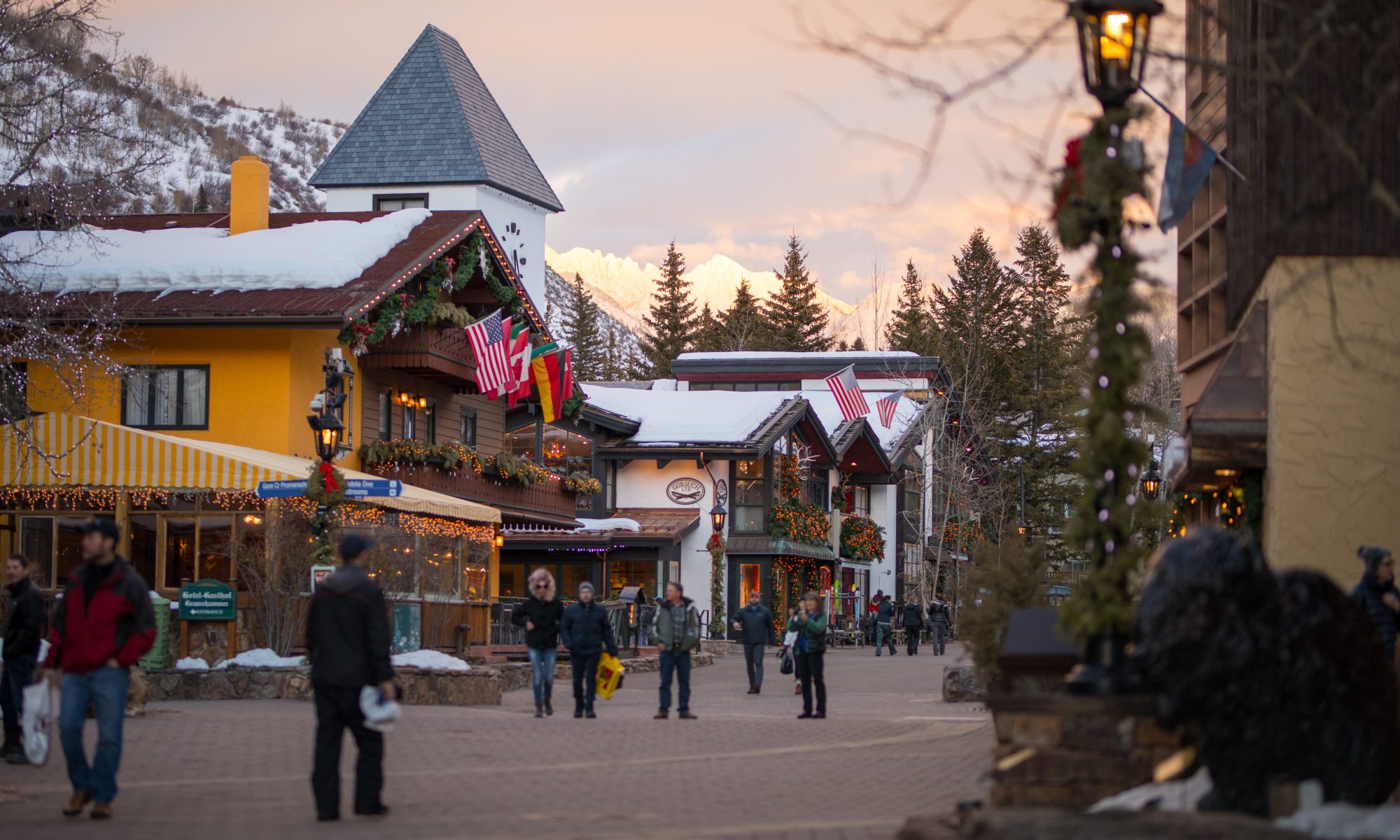
Vail's iconic village with the Gore Range Mountains capturing the sunset in Vail, CO. Photo: Craig Orsini. Vail Resorts. The Must-Read Guide to Vail.

Skier visits across Vail Resorts properties are down sharply this season, with new data confirming a Vail Resorts visits drop of 14.9% year-to-date. The figures, released as part of the company’s latest season metrics, point to one of the most challenging winters in recent years — but the implications go beyond a single bad season.

At a time when global skier visits have just reached record levels, the contrast is striking. While demand for skiing remains resilient overall, the underlying conditions that support it are becoming increasingly unstable.

Continue reading “Vail Resorts Visits Drop 14.9% — What It Reveals About Snow, Demand, and the Ski Industry Model”

Aspen Snowmass Introduces Flex Pass Model After Challenging Season

The town of Aspen seen from Aspen Mountain, with the recognised Silver Queen Gondola. Photo: Jordan Curet. Courtesy: Aspen Snowmass. The Must-Read Guide to Aspen Snowmass.

Aspen Snowmass has introduced a more flexible season pass structure, offering skiers additional options after a winter marked by inconsistent snow conditions across parts of Colorado.

The move reflects a broader shift within the ski industry, as operators respond to increasing variability in winter conditions and changing consumer behaviour.


A response to an uneven winter

The 2025–26 season has been defined by contrasts. While some periods delivered strong snowfall, others were marked by warmth, low snowpack, and early melt, particularly in parts of the western United States.

For a detailed overview of the resort, terrain, and how to plan a trip, see the Must-Read Guide to Aspen Snowmass.

In this context, flexibility becomes a key selling point. Traditional season passes assume a relatively stable winter, where skiers can plan multiple visits across consistent conditions. That assumption is becoming less reliable.

👉Early Melt Forces Ski Resort Closures Across Colorado & Utah


Continue reading “Aspen Snowmass Introduces Flex Pass Model After Challenging Season”