Global Skier Visits Hit Record 399 Million in 2024–25 Season

Sierra Nevada- Abdiel Mejia. Unsplash.

Global skier visits reached a new all-time high of 399 million during the 2024–25 winter season, surpassing the previous record of 392 million set in 2018–19. The figures come from the latest edition of the International Report on Snow & Mountain Tourism, compiled by Laurent Vanat and presented at the Mountain Planet conference.

The data confirms that global demand for skiing remains resilient, even as the industry faces growing pressure from climate variability, rising costs, and infrastructure constraints.

Continue reading “Global Skier Visits Hit Record 399 Million in 2024–25 Season”

Record Skier Visits vs. Snow Deficit: What 2025 Reveals About the Future of Alpine Skiing

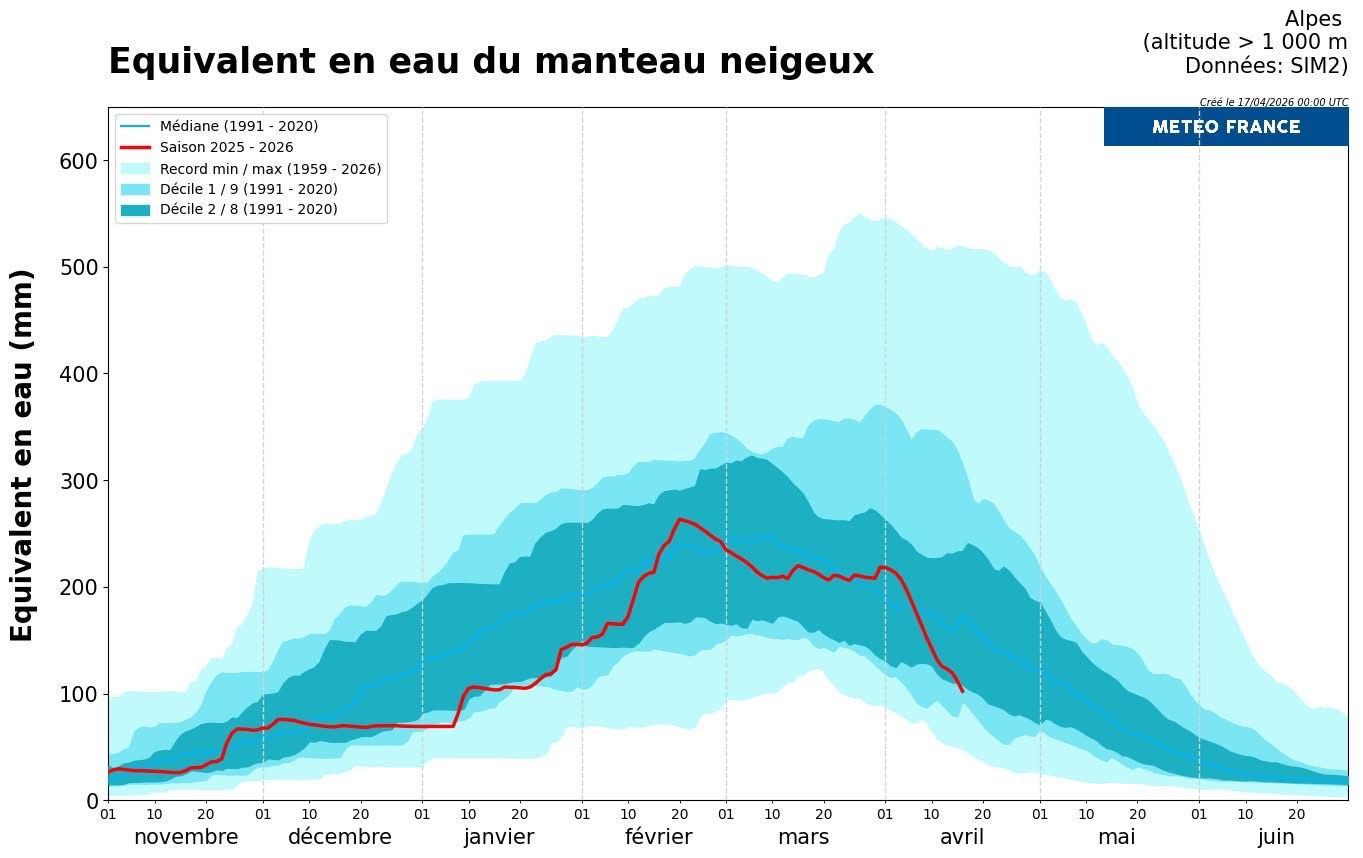
Méteo-France: Equivalent Eau Manteau Neigeux.

The global ski industry has just recorded its strongest season ever, with 399 million skier visits in 2024–25 according to Laurent Vanat. At the same time, snow conditions across large parts of the Alps are showing a very different reality.

As April progresses, data from national weather and avalanche agencies including Météo-France, AINEVA and MeteoSwiss points to a growing snow deficit, particularly across the Southern Alps, where snowpack is now significantly below seasonal norms.

The contrast between record demand and weakening snow reliability is becoming one of the defining features of modern Alpine skiing.

Continue reading “Record Skier Visits vs. Snow Deficit: What 2025 Reveals About the Future of Alpine Skiing”

The Future of Ski Resorts: What the 2026 Mountain Planet’s Innovation Book Reveals

The Future of Ski Resorts: What the 2026 Mountain Planet's Innovation Book Reveals

The latest edition of the Innovation Book, released alongside the Mountain Planet trade show, offers a detailed snapshot of how the ski industry is attempting to adapt to a rapidly changing environment. Rather than simply showcasing new products, it provides insight into the direction of travel for ski resorts facing increasing pressure from climate variability, operational costs and shifting visitor expectations.

What emerges is not a single breakthrough, but a pattern. Across snowmaking, infrastructure, digital systems and mobility, the focus is on optimisation, efficiency and resilience rather than expansion.

Snowmaking Becomes Precision Infrastructure

One of the clearest themes running through the Innovation Book is the continued evolution of snowmaking. The emphasis is no longer on producing more snow, but on producing it more efficiently, using less water and energy while adapting to narrower temperature windows.

This reflects a structural shift already visible across the Alps. Resorts are increasingly dependent on artificial snow not as a supplement, but as a core layer of their operating model. The innovations presented focus on automation, real-time monitoring and improved targeting of snow production, allowing operators to respond quickly to changing conditions.

👉 You can read more about the broader context in Snow Conditions in a Warming Alpine Climate 

Digitalisation Moves to the Core of Operations

Another dominant trend is the integration of digital tools into daily resort management. From predictive maintenance of lift systems to data-driven crowd management and real-time operational dashboards, resorts are becoming increasingly reliant on data.

Continue reading “The Future of Ski Resorts: What the 2026 Mountain Planet’s Innovation Book Reveals”


Record Heat Ends Ski Season Early in the US — What It Signals for the Alps

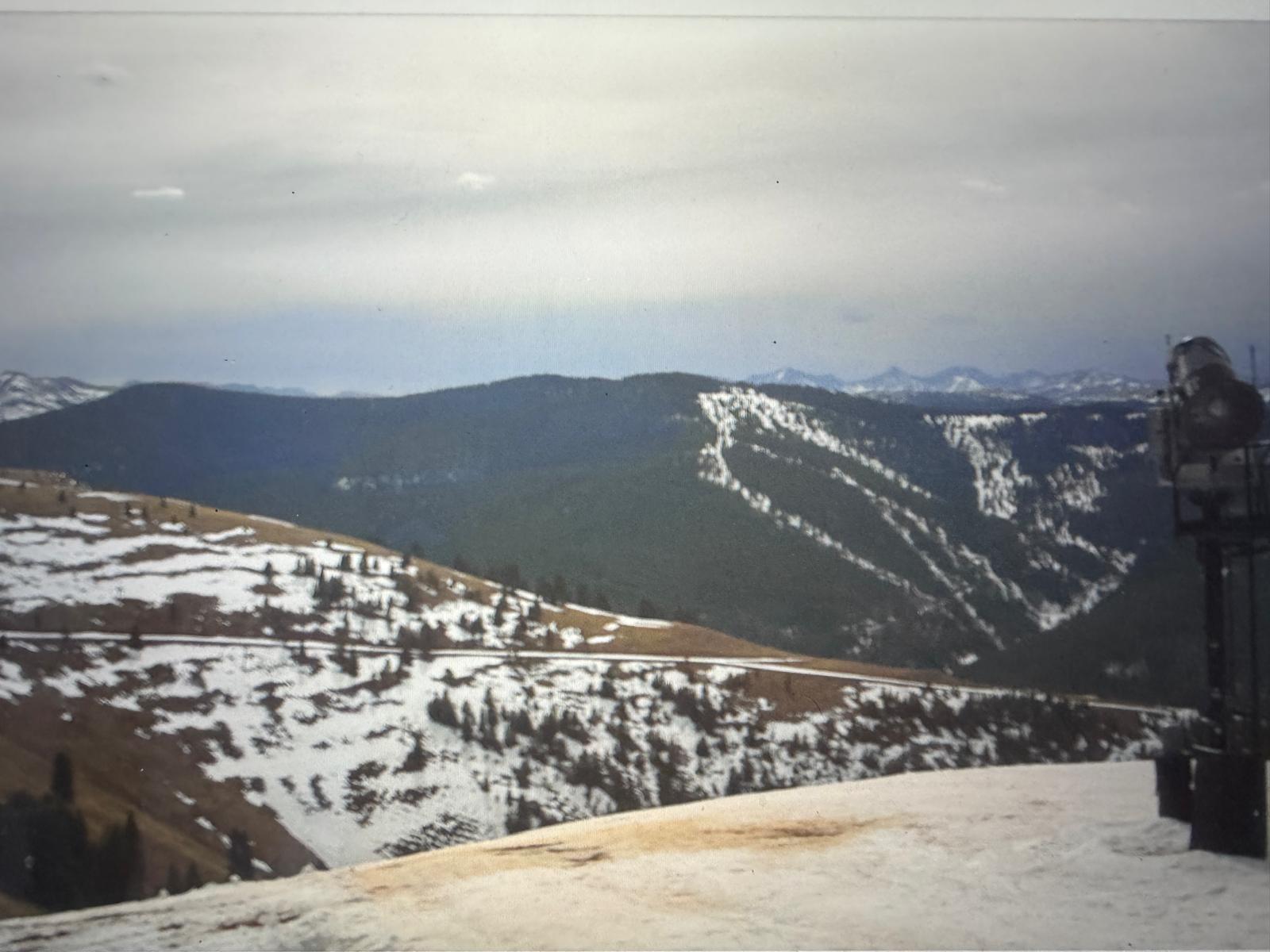
Sun Up Bowl view - Vail Resort webcam. 31 March, 2026.

Record heat is forcing ski resorts in North America to close early or operate with severely reduced terrain — highlighting growing pressure on the ski season.

At resorts operated by Vail Resorts, reports indicate that less than 20% of terrain remained open in some areas, as temperatures surged well above seasonal norms. In some cases, snow has been redistributed or mechanically moved to maintain limited operations.

While individual warm spells are not new, the timing and intensity of these events are shifting, raising broader questions about the structure of the ski season itself.

👉 For a full overview of one of North America’s most important destinations, see our guide to skiing Whistler Blackcomb, the largest ski resort on the continent with over 8,000 acres of terrain.

Continue reading “Record Heat Ends Ski Season Early in the US — What It Signals for the Alps”

Private Ski Facility Approved in Nevada — But It’s Not a New Resort

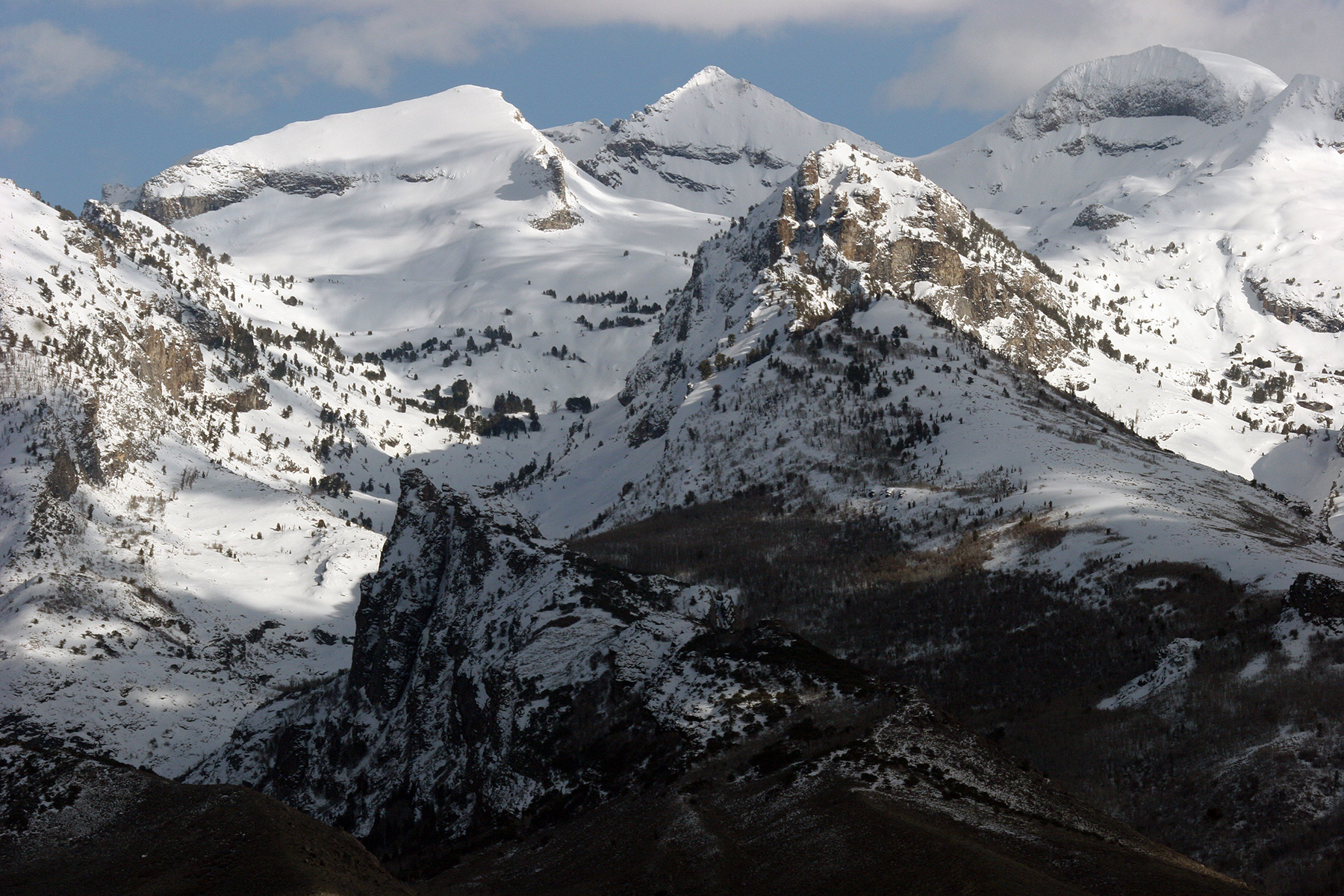
Ruby Mountains with Ruby Dome. Photo: Gary L Clark. Wikipedia.org. Ruby Mountains Ski Project: Private Facility Approved, Not a Resort.

A Private Ski Facility — Not a Public Resort

A ski development in Nevada’s Ruby Mountains is once again in focus following a recent planning decision — offering an interesting contrast with the Alps, where building entirely new ski areas has become increasingly difficult.

According to The Nevada Independent, local authorities have approved a conditional use permit for a small, private ski facility on privately owned land. While that may sound like a green light for a new resort, the reality is more nuanced.

This is not a public ski area and not a destination resort. Instead, it represents a scaled-back, private project, very different from earlier proposals. The decision also remains subject to appeal, meaning the project is not yet fully secured.

Continue reading “Private Ski Facility Approved in Nevada — But It’s Not a New Resort”

Accessibility in Mountain Tourism: Why Inclusive Design Is Becoming a Strategic Priority

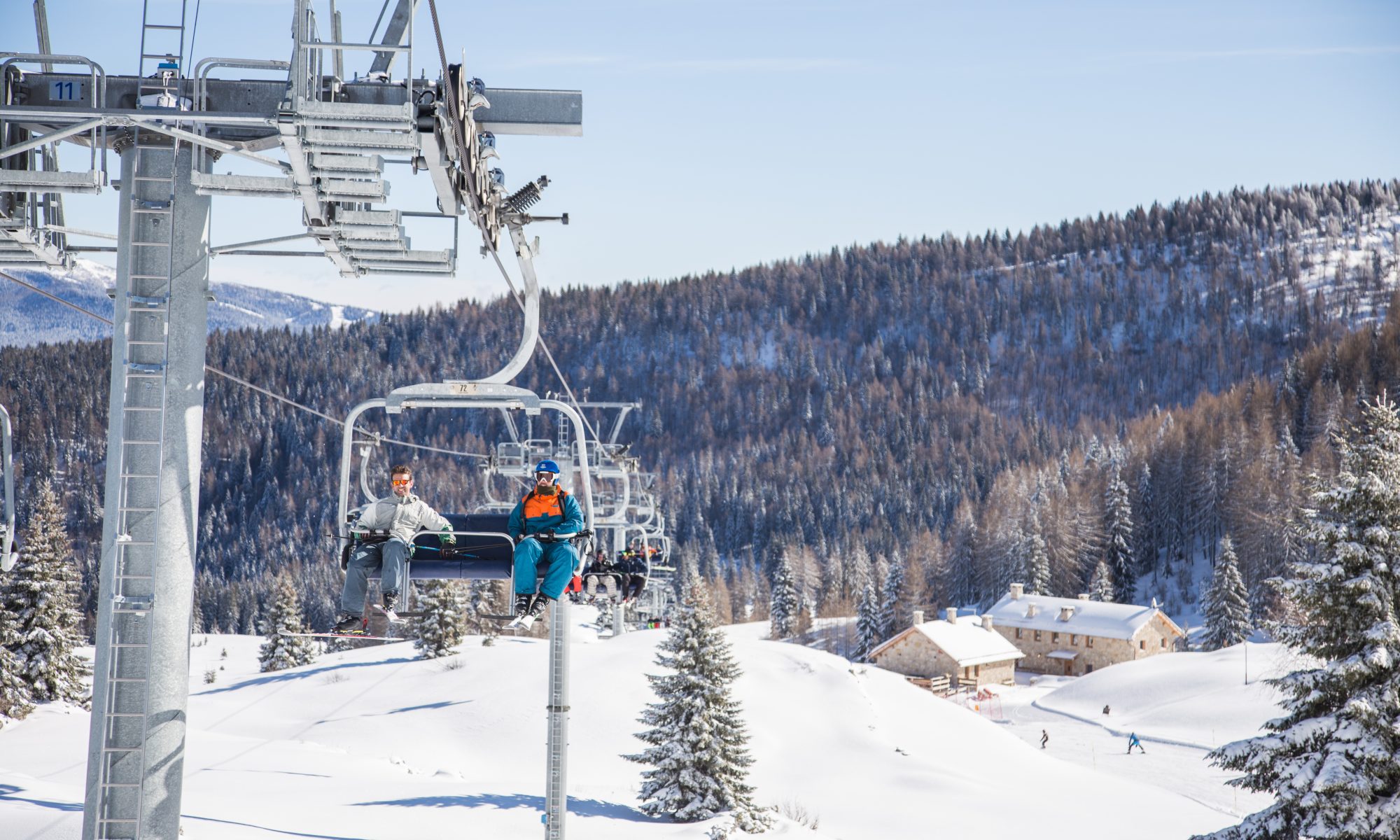
Photo: Alpe Cimbra ski resort.

A growing number of mountain destinations are rethinking what it means to be truly accessible — not just as a social responsibility, but as a core driver of tourism development.

A recent example comes from Alpe Cimbra in Trentino, which has received international recognition for its long-term commitment to inclusive mountain tourism.


🏆 International Recognition for Alpe Cimbra

The destination was awarded a Special Mention for Innovation in the Development of Sports Tourism at the first edition of the UN Tourism Awards for Excellence in Sustainable Sports Tourism, promoted by UN Tourism in collaboration with FIA.

The recognition highlights the project:

👉 “Alpe Cimbra 4 All”

An initiative that has transformed accessibility from a niche offering into a fully integrated tourism strategy.

Continue reading “Accessibility in Mountain Tourism: Why Inclusive Design Is Becoming a Strategic Priority”

🏔️ How Mega-Passes Like Epic, Ikon & Dolomiti Superski Influence Skipass Prices: Are They Driving Ski Holiday Inflation?

Family Ski School Instruction in Vail, CO. Photo: Jack Affleck. Vail Resorts.

Do Mega-Passes Like Epic & Ikon Increase Skipass Prices? Understanding Ski Pass Inflation

For years we’ve heard that the price of skiing is going up — but is part of that increase linked to the rise of mega-passes such as Epic, Ikon, Dolomiti Superski, Les 3 Vallées or Grandvalira?

Piste at Brides-les-Bains-Les-Trois-Vallées domain. Photo courtesy of Brides-les-Bains Tourism Office.
Piste at Brides-les-Bains-Les-Trois-Vallées domain. Photo courtesy of Brides-les-Bains Tourism Office. 🏔️ How Mega-Passes Like Epic, Ikon & Dolomiti Superski Influence Skipass Prices: Are They Driving Ski Holiday Inflation?

These multi-resort passes have changed the ski industry dramatically. Millions of skiers around the world now buy a single pass that gives them access to multiple destinations. But behind the convenience, the economics are complex — and often misunderstood.

These multi-resort passes have changed the ski industry dramatically. Millions of skiers around the world now buy a single pass that gives them access to multiple destinations. But behind the convenience, the economics are complex — and often misunderstood.

These pricing dynamics are now central to the debate around the industry, including the Vail and Alterra lawsuit over ski pass pricing.

These mechanisms are not just financial details; they are influencing broader structural shifts in Alpine ski pass demand, particularly as global pass networks expand into traditionally independent European markets.

At the same time, real-world data suggests that this model can stabilise revenues even when skier visits decline.

In this post, I break down how revenue-sharing works, how much resorts may be receiving per skier-day, and whether these systems are pushing skipass prices higher.

Continue reading “🏔️ How Mega-Passes Like Epic, Ikon & Dolomiti Superski Influence Skipass Prices: Are They Driving Ski Holiday Inflation?”