Gotthard Explained: The Rail Tunnel, the Road Tunnel and the Mountain Pass

Gothard Base Tunnel- Photo: Britannica.com

Many travellers hear “the Gotthard” and think of long summer queues on the way to Italy.

Others hear the same word and think of the world’s longest railway tunnel.

Both are right.

But they are not talking about the same thing.

The Gotthard is not just one tunnel. It is one of the most important Alpine crossings in Europe, with a rail tunnel, a road tunnel, an old mountain pass road and several alternative routes.

For skiers, summer mountain travellers and anyone driving south through Switzerland, understanding the difference matters.

It can change your route, your timing and even your destination.

It also fits into the wider story of Alpine tunnel traffic, train travel to the Alps and mountain infrastructure risk.

Continue reading “Gotthard Explained: The Rail Tunnel, the Road Tunnel and the Mountain Pass”
Swiss Alps Travel Disruptions: Zermatt and Saas-Fee Roads Closed Amid Avalanche Danger

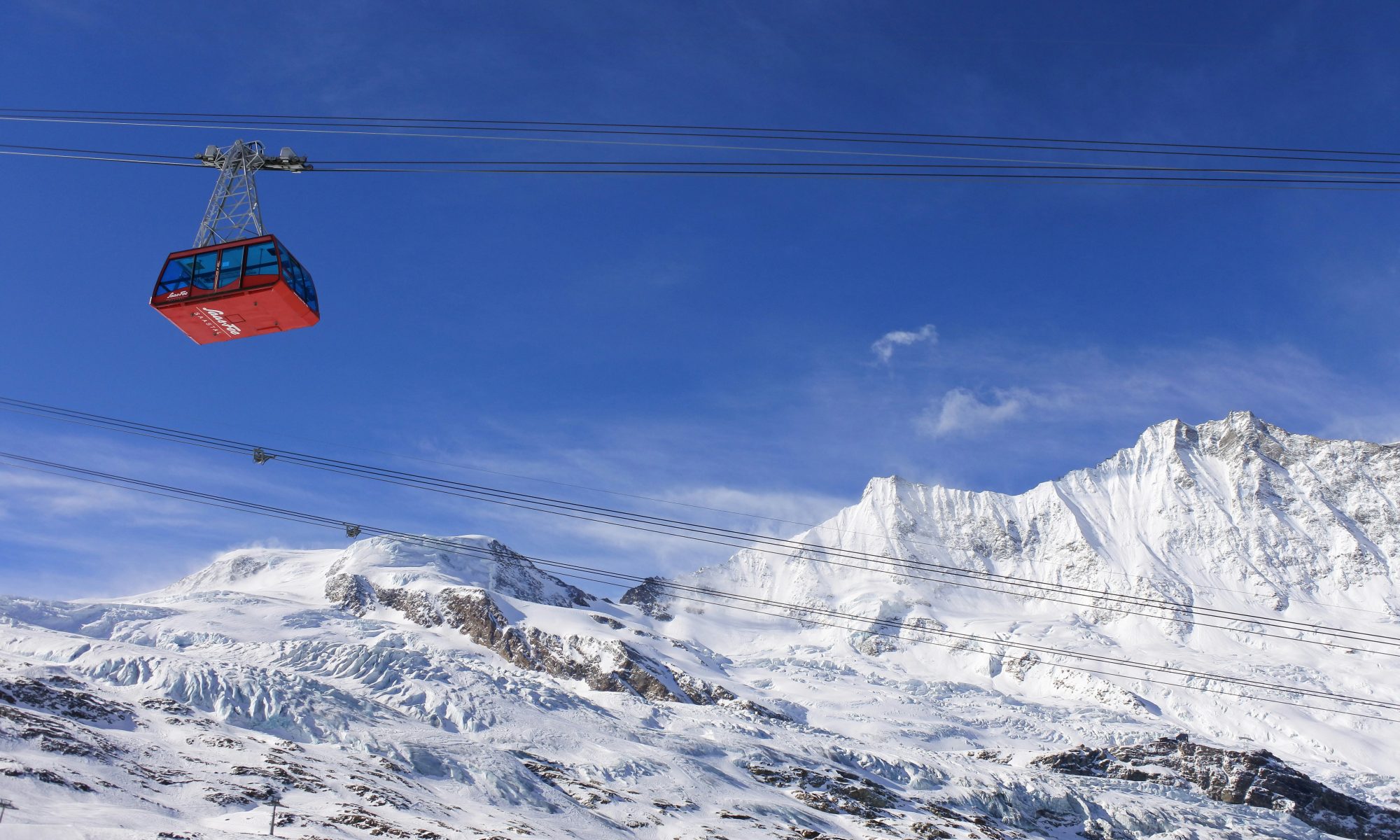
Saas Fee- Photo: Corey Catracho- Unsplash.

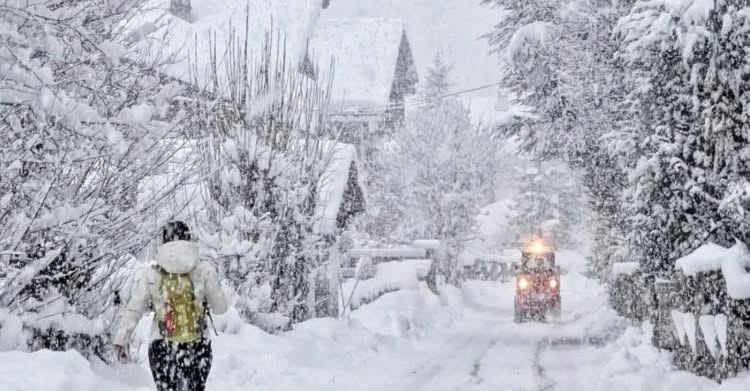
The current Swiss Alps travel disruption follows heavy snowfall and sustained avalanche danger in Valais.

Heavy snowfall and sustained avalanche danger continue to disrupt transport across the Swiss Alps, with major impacts in the canton of Valais — including access to both Zermatt and Saas-Fee.

According to Swissinfo and regional Swiss media, multiple alpine roads remain closed due to unstable snowpack and ongoing avalanche risk following recent winter storms.


🚧 Saas Valley Road Closures

Access to the Saas Valley (Saastal) — home to Saas-Fee, Saas-Grund and Saas-Almagell — was temporarily closed due to avalanche danger.

The cantonal road between Saas-Balen and Stalden was shut as a precaution, isolating upper valley resorts for periods during the storm cycle.

The Saas Valley is one of Switzerland’s best-known high-altitude ski regions, and closures here significantly affect both tourism and local residents.

Continue reading “Swiss Alps Travel Disruptions: Zermatt and Saas-Fee Roads Closed Amid Avalanche Danger”

🚗 Alpine Tunnel Tolls 2026: Which Route Is Best & How Long Return Tickets Last

Mont Blanc Tunnel entrance. Photo: The-Ski-Guru.

Driving to the Alps? Compare Tunnel Costs Before You Go

If you’re travelling from France, the UK or Northern Europe into Italy or Switzerland, choosing the right Alpine tunnel affects:

  • Your toll cost
  • Your journey time
  • Your return ticket flexibility
  • Whether you need a Swiss motorway vignette

2026 update: This guide has been refreshed for the main Alpine tunnel tolls, including Mont Blanc Tunnel, Fréjus Tunnel, Great St Bernard Tunnel and other key cross-border routes. It is especially useful for planning summer Alpine travel, return validity, and the busiest driving periods through the Alps.

Sabato Nero and the busiest summer travel weekends in the Alps

For wider route-planning context, including how closures, queues and weather disruption can affect Alpine roads, see our guide to Alps road conditions and travel disruption.


📊 Alpine Tunnel Toll Comparison (Cars – 2026)

TunnelOne-Way TollReturn TicketReturn Validity
Mont Blanc Tunnel~€55~€697 days
Fréjus Tunnel~€55~€65–€707 days
Grand St Bernard Tunnel~€31~€5030 days

Approximate tariffs for standard passenger vehicles (≤3.5t). Always confirm with official tunnel operators before departure.


Grand St Bernard Tunnel, another option into the Aosta Valley. Photo: The-Ski-Guru. The Mont Blanc Tunnel will be closed till 16th December
Grand St Bernard Tunnel, another option into the Aosta Valley. Photo: The-Ski-Guru.

Continue reading “🚗 Alpine Tunnel Tolls 2026: Which Route Is Best & How Long Return Tickets Last”

Alps Road Conditions Today: Key Passes Closed, Tunnels Open but Delays Possible

Zermatt at Dusk 2

Alps Road Conditions Today: What Drivers Need to Know

Last updated: 11 February 2026, 11.30 AM

February 2026 update: Continued heavy snowfall and Level 4 avalanche danger in parts of Austria and France mean road conditions across Alpine routes remain dynamic.

Several high Alpine passes are now closed for winter, while the main cross-border tunnels between France, Italy and Switzerland remain open. However, snowfall and weekend ski traffic may cause delays — particularly on key routes toward the Mont Blanc region and the Aosta Valley.

If you are planning to drive to the mountains, here is the current situation.


🚧 High Mountain Passes: Closed for Winter

❌ Col du Petit Saint-Bernard (La Rosière ↔ La Thuile)

The Petit St Bernard high pass is closed for the winter season.

Webcams in La Thuile and La Rosière show heavy snow accumulation at altitude, confirming that the high road is not maintained for through traffic.

Drivers must use one of the major tunnels instead.


❌ Great St Bernard Pass (Crest Road)

The historic road over the Great St Bernard is also closed during winter.

Only the Grand St Bernard Tunnel remains open year-round.


🚗 Tunnel Status: Open but Monitor Traffic

🟢 Mont Blanc Tunnel (Chamonix ↔ Courmayeur)

Open.

The Webcam of the Italian side of the Tunnel of the Monte Bianco- as of February 11, 2026 at 11.30 AM. Mont Blanc tunnel camera Italian side.

Continue reading “Alps Road Conditions Today: Key Passes Closed, Tunnels Open but Delays Possible”

🚗 Eurotunnel Half-Term Travel: No EES This Weekend & When to Arrive

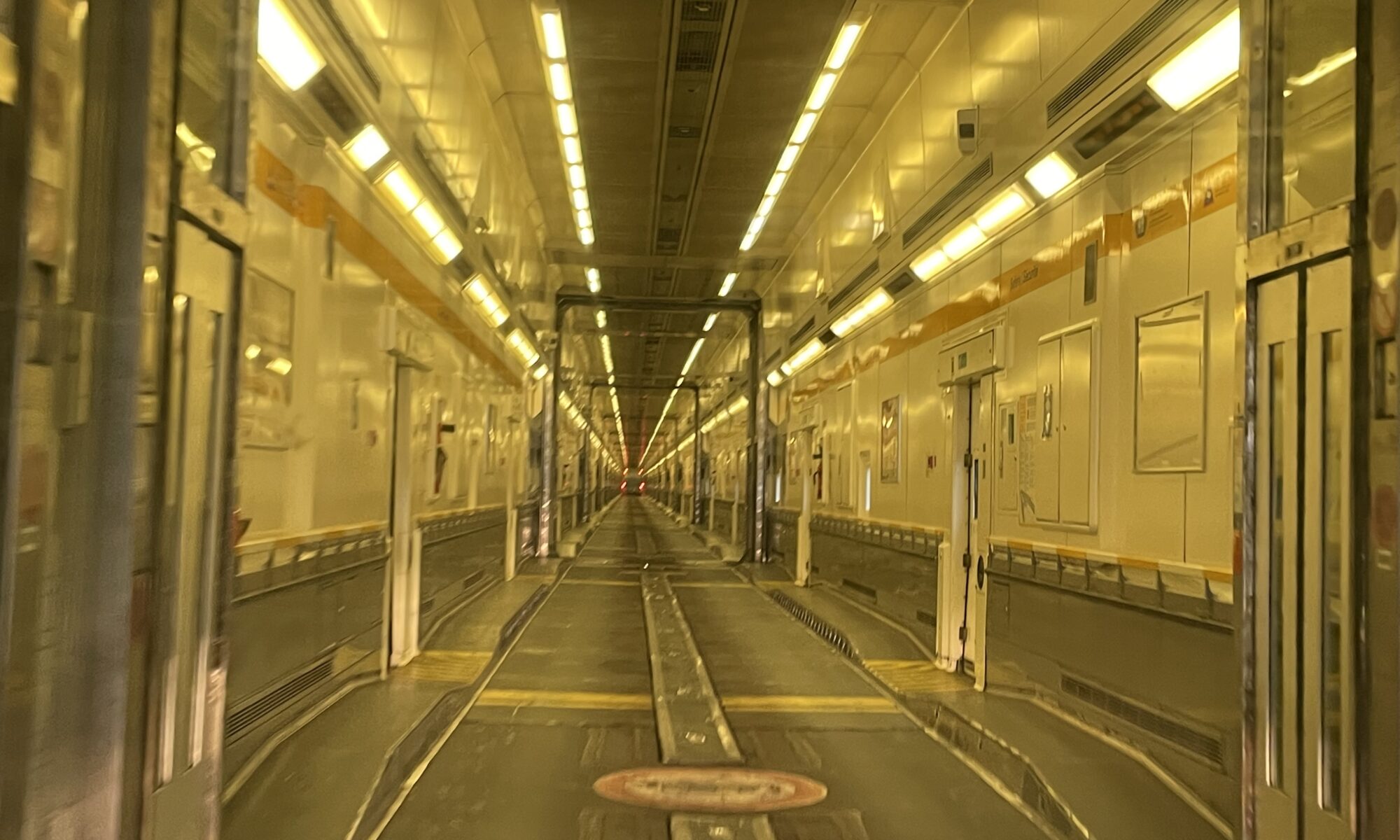
Back inside the Eurotunnel that took us to England. Our trip to the mountains for our summer holidays.

Eurotunnel has confirmed that the EU Entry-Exit System (EES) biometric checks will not be implemented for private car passengers this coming half-term weekend.


Update: Official avalanche bulletins now confirm rising instability in parts of the Alps following heavy snowfall and strong winds.

What this means for travellers

For drivers using Eurotunnel LeShuttle between Folkestone and Calais, border controls continue as normal, with passport stamping still in place and no biometric registration required for car passengers at this stage.

The biggest risk this weekend is misjudging arrival times, not EES.

Continue reading “🚗 Eurotunnel Half-Term Travel: No EES This Weekend & When to Arrive”

🏔️ Avalanche Alert – Aosta Valley: Rapidly Rising Instability (10 Feb 2026)

Photo: Meteo Valle d'Aosta. 🏔️ Avalanche Alert – Aosta Valley: Rapidly Rising Instability (10 Feb 2026)

Aosta Valley avalanche danger is rising rapidly as fresh snowfall, strong winds and weak layers combine to create a phase of marked instability across the region, according to official monitoring services.


Current avalanche situation

According to Fondazione Montagna Sicura and AINEVA, the snowpack in the Aosta Valley is entering a critical phase, with avalanche danger expected to increase further over the coming days.

Snowfall has been ongoing since Tuesday, with peak accumulations expected by Thursday. In the north-western sectors of the region, fresh snow totals may exceed 1 metre above 1,600 m.

### Local civil protection alert (Aosta Valley): According to local authorities cited by Aosta Sera, an **official weather and avalanche alert** is in place across parts of the Aosta Valley as snowfall and strong winds intensify. An initial **yellow alert (ordinary criticality)** is expected to escalate to an **orange alert (moderate criticality)** by Wednesday, with affected areas including Valdigne, Gran Paradiso, Gran San Bernardo and Valtournenche. Forecasts indicate up to **35–40 cm of new snow around 1,500 m**, with wind transport further increasing avalanche risk.

Funicular within the clouds, which is exhibiting at Chalet Svizzero in Courmayeur, is for sale in my shop here.

Continue reading “🏔️ Avalanche Alert – Aosta Valley: Rapidly Rising Instability (10 Feb 2026)”

Val Thorens: Snow Socks Rejected as Mandatory Winter Equipment (Drivers Can Be Turned Back)

Photo: Mini in Val Thorens. Mathieu Bonnevie. Val Thorens: Snow Socks Rejected as Mandatory Winter Equipment (Drivers Can Be Turned Back)

Val Thorens winter driving rules have been tightened in the Belleville Valley, covering Val Thorens, Les Menuires and Saint-Martin-de-Belleville. These Val Thorens winter driving measures apply throughout the entire ski season.

A new municipal decree confirms that vehicles must be equipped with either four winter tyres in good condition or snow chains.
Snow socks and all-season tyres are explicitly not considered adequate equipment.

For a full breakdown of winter tyre and snow chain rules across the Alps and Europe — including what’s accepted where and why — see our guide to winter tyres and snow chains.

Continue reading “Val Thorens: Snow Socks Rejected as Mandatory Winter Equipment (Drivers Can Be Turned Back)”

Milano-Cortina 2026: How to Travel Between Olympic Venues (Distances, Transport & Reality Check)

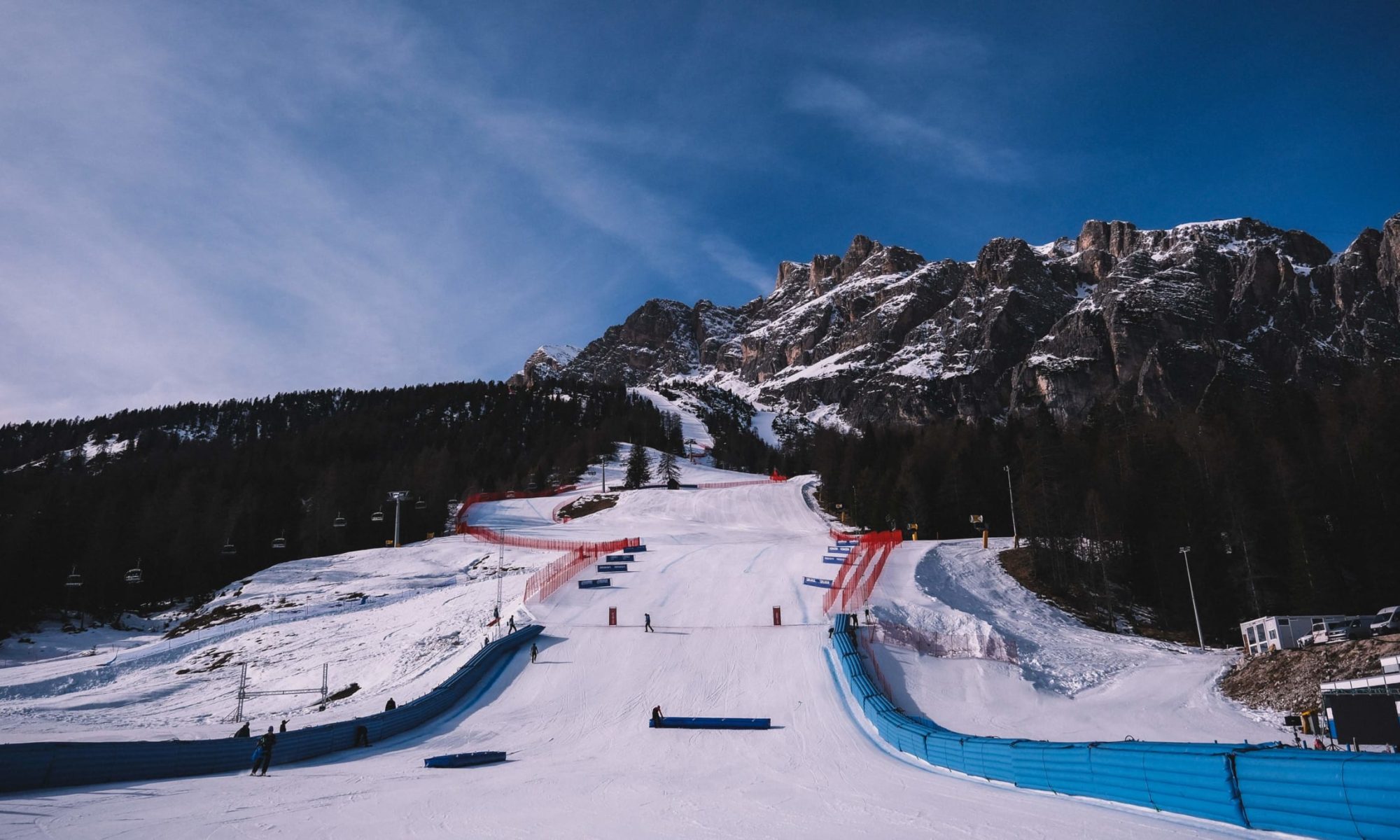
Cortina d'Ampezzo is ready for the Winter Olympics. Photo: Milano Cortina Winter Olympics 2026. Milano-Cortina 2026: How to Travel Between Olympic Venues (Distances, Transport & Reality Check).

In short:
Milano-Cortina 2026 is spread across multiple regions of northern Italy.
Travel between venues often involves mountain roads, winter conditions and indirect rail connections — planning ahead makes a big difference.

Milano-Cortina 2026 Olympic Winter Games will not take place in a single compact host city. Instead, competitions are spread across multiple regions of northern Italy, from Milan’s urban ice venues to alpine locations in the Dolomites and the Alps.

The same geographic reality will also shape the Milano–Cortina 2026 Paralympics infrastructure challenge, where Alpine resorts must adapt transport systems, accessibility and mountain logistics across a wide area.

For spectators, this means one thing: travel planning matters. Distances that look short on a map can take longer in winter, and transport options vary greatly depending on where you are heading.

Continue reading “Milano-Cortina 2026: How to Travel Between Olympic Venues (Distances, Transport & Reality Check)”