

🏔 Winter Tyre & Snow Chains: What Ski Travellers Need to Know in Europe
When heading to the mountains for a ski or snow getaway, driving conditions can change rapidly. Knowing the tyre and snow chain regulations is essential — not just to avoid fines, but for safety, especially in regions like the Aosta Valley, the Dolomites/Trentino Alto Adige, the French Alps, Austria, Switzerland and Andorra. Below are the key rules.
Updated for winter 2026/27: Rules and road-specific dates can change. Read our 2026/27 guide to winter tyres and snow chains in the Alps and Pyrenees, including the latest guidance on all-season tyres and routes to Italian ski resorts.

🇮🇹 Italy (including Aosta Valley, Dolomites, Trentino)
- In Italy generally, winter tyres or snow chains are not universally compulsory across all roads. The requirement is triggered by specific road signs saying “obbligo di pneumatici invernali o catene a bordo”.
- In the Aosta Valley region, the requirement is much clearer: winter tyres or snow chains must be fitted or carried from 15 October to 15 April.
- On roads marked accordingly (mountain passes, or in municipalities with the signage) the period often indicated is 15 November to 15 April, though local variations occur.
- Technical requirements: The tyres should be marked with “M+S” (Mud & Snow) or the “3PMSF” (Three Peak Mountain Snowflake) symbol to ensure winter performance. All-season tyres may be acceptable if marked and appropriate.
- Snow chains: If winter tyres are not fitted where required, snow chains (or equivalent anti-skid devices) must be carried and fitted when indicated by signage.
- Penalties: Driving without the correct equipment may lead to fines and potential liability issues in an accident.
Tip for ski-tourism clients:
If you are guiding or transporting guests in Italy’s alpine regions, ensure the vehicle (or rental car) is appropriately equipped and check for any local municipal signage when entering high-altitude zones (Dolomites, Trentino, Aosta, etc.).
🇫🇷 France – Mountain “Loi Montagne” Zones
- In France, a new law (the so-called “Mountain Law”) applies in 48 mountain departments (Alps, Pyrenees, Massif Central, Corsica, Vosges) from 1 November to 31 March (or similar winter period) in specified mountain communes.
- In these zones, vehicles must either:
- Have four winter tyres (or suitable all-season tyres) marked “M+S” and/or “3PMSF”, or
- Carry snow chains (or snow socks) for at least two drive wheels.
- From 1 November 2024, tyres with only the “M+S” marking will no longer suffice in many zones; only tyres with the snowflake symbol (3PMSF) will meet the requirement.
- Snow chains/socks: Even with winter tyres, on certain mountain roads you may still be required to use chains — signage will indicate this (blue chain sign). f
- Penalties: For non-compliance, you may be fined approximately €135 and possibly have the vehicle immobilised.

Tip for clients:
If your guests drive into France en route to a ski resort (e.g., from Italy or Switzerland), check the signage indicating entrance into a “zone équipements hivernaux obligatoires” (winter equipment required zone). Make sure rental/drive vehicles are equip-ped with the correct tyres or carry chains.
🇦🇹 Austria
- Austria has one of the strictest regimes among Alpine countries. Winter tyres (or tyres appropriate for snow) are required from 1 November to 15 April (or when winter conditions prevail) on all wheels on roads covered in snow or ice.
- Technical requirements: Tyres must be marked with “M+S” or the Alpine snowflake symbol; minimum tread depth typically 4 mm for radial tyres, 5 mm for cross-ply tyres.
- Snow chains: Where indicated by road signs, even vehicles with winter tyres may need to fit chains. Chains must meet standards (ÖNORM V5117/5119) in some cases.
- Fines can be severe — thousands of euros in some cases (especially if involved in an accident without correct tyres).

Tip for ski-tour operators or transport:
If you are bringing a coach or minibus into Austria (e.g., to a resort like St. Anton or Kitzbühel), ensure full compliance: winter tyres on all wheels, chains carried, and check whether regional signage imposes chain fitting.

🇨🇭 Switzerland
- Switzerland does not have a blanket nationwide obligation for winter tyres, but vehicles must be appropriately equipped for winter conditions. If you drive in the mountains and your tyres are not suitable, you can be fined or held liable in case of an accident.
- Minimum legal tread depth: 1.6 mm, though recommended winter tyres have around 4 mm.
- Snow chains: They must be used where signs indicate; always advisable to carry them when driving high up in the Swiss Alps.
Tip for your blog readers heading to Swiss resorts (Zermatt, Davos, Engadin):
Even if there’s no fixed date for mandatory winter tyres, use winter tyres as a best-practice, carry chains, and especially ensure the vehicle is insured and accepted under those conditions (some rental firms impose conditions).
✅ Technical Summary – What to look for
- Winter-tyre marking symbols:
- M+S (Mud + Snow) — older marking, still accepted in some zones for a transitional period.
- 3PMSF (Three-Peak-Mountain-Snowflake) — the newer, more rigorous winter tyre standard.
- Minimum tread depths (varies by country):
- Austria: 4 mm for radial tyres, 5 mm for cross-ply.
- Switzerland: legal minimum 1.6 mm but 4 mm recommended for winter tyres.
- Snow chains: Mandatory or required where signs indicate; they must be fitted to drive wheels when roads are snow or ice covered. In some countries, using chains alone (without winter tyres) may fulfil the law (e.g., France mountain zones).
🧭 Practical Tips for Ski-Travellers & Tour Operators
- Check signage when entering mountain zones: special signs often mark where winter equipment rules start and end (e.g., France’s B58/B59 signs).
- Rental vehicles: If you’re using hire cars or coach transport for ski groups, make sure tyres and chains comply with the most stringent country you’ll drive through.
- Altitude & conditions matter: Even outside strict “mandated” periods, mountains can turn icy rapidly — early season or late season still require good tyres.
- Insurance risk: Using summer tyres in wintry conditions may invalidate some insurance claims (especially in countries with situational laws).
- Carry chains anyway: Even if winter tyres are fitted, chains may still be needed in extreme conditions or on specific roads.
- Communicate to clients: Make sure your tour- or transport-clients know the regulations for the region they’ll drive through (Italy → France → Switzerland etc). Provide a brief checklist.
- Pre-season check: On your vehicle fleet, check that tyres bear the correct symbol (3PMSF where required), check tread depth and chain condition.
🇦🇩 Andorra – Winter Tyre & Snow Chain Regulations
- Vehicles must be equipped with winter tyres (with snowflake icon / “3PMSF”) or carry snow chains/textile covers for at least two drive wheels between 1 November and 15 May.
- On-the-spot fines are around €180 (or more) if you don’t comply.
- Even outside the exact dates, if roads are snow-covered or icy, chains may be required — check local signage.
- Other driving-advice for winter: reduce speed, keep distance, lights on, good vehicle condition.
Tip for your ski-tourism audience: If driving into Andorra (e.g., for a ski holiday in Grandvalira or Arinsal), ensure your rental or transport vehicle is equipped with winter tyres or has chains ready — especially if arriving via Barcelona in winter months.
Start planning your next trip!
If looking to stay in the heart of the Mont Blanc Valley in the Aosta Valley, check the direct booking for Il Coure della Valdigne here. This is our own family home in the mountains, that I am renting out when not using.

Il Cuore della Valdigne. Book your lodging directly with me here.Il Cuore della Valdigne. Stay at the Heart of the Valdigne to ski in Courmayeur, La Thuile and Pila/Aosta.
If you prefer, you can also book my apartment through Booking.com
Booking might be cheaper if you have Genius status!
Check my Mountain Art on my Shop
You can go to my shop and see what have been inspiring me lately, lots mountain landscapes in soft pastels, and now in oils too. Go here to check my latest works!
If interested in me doing a special commission for you, let’s talk!
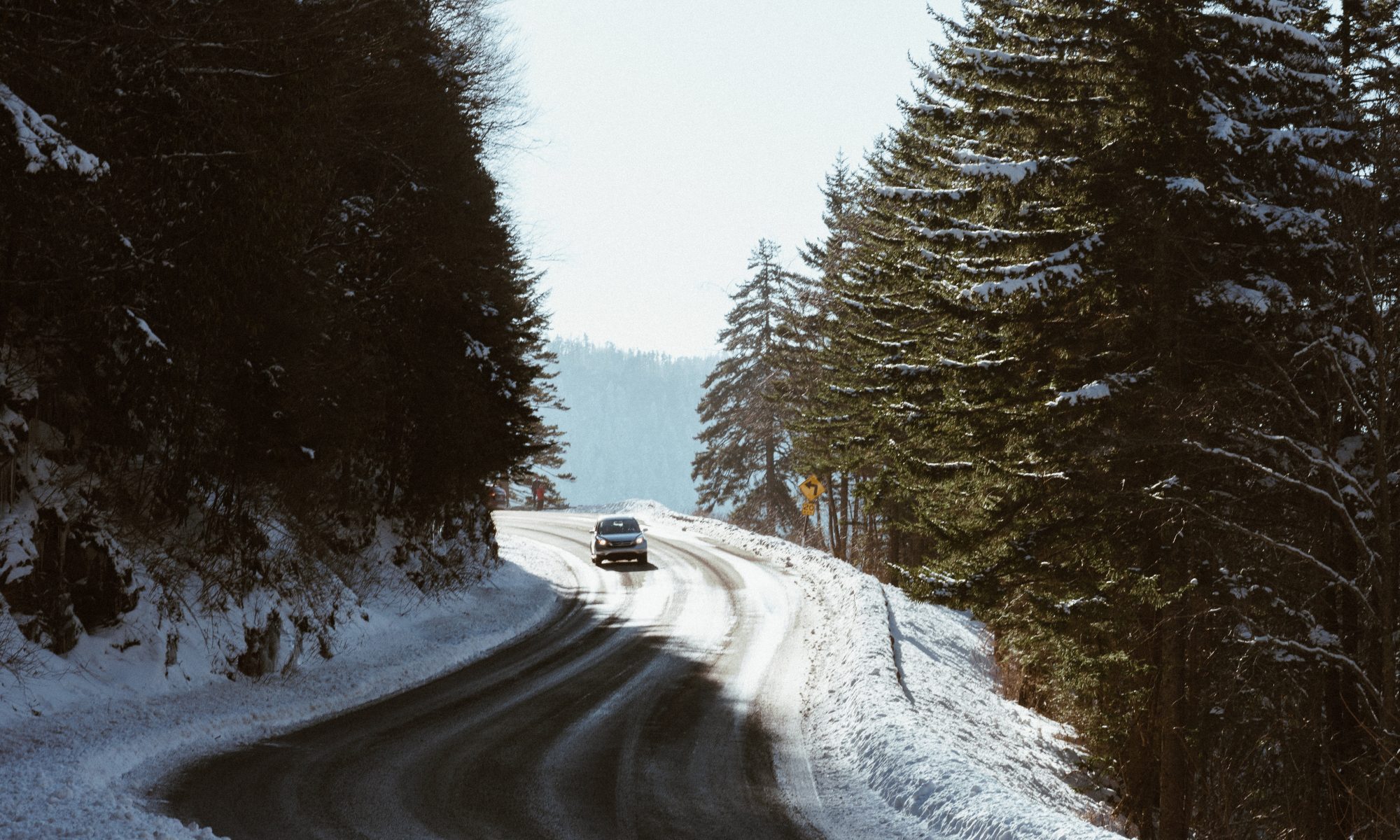
Featured Image: Driving to the mountains- Photo Jeffrey Wegrzyn- Unsplash. Winter Tyres & Snow Chains in Europe: Driving Rules for the Alps and Pyrenees.


Discover more from The-Ski-Guru
Subscribe to get the latest posts sent to your email.
 Subscribe to The-Ski-Guru here.
You must be logged in to post a comment.