UK–EU deal would replace one-trip pet health certificates with reusable passports

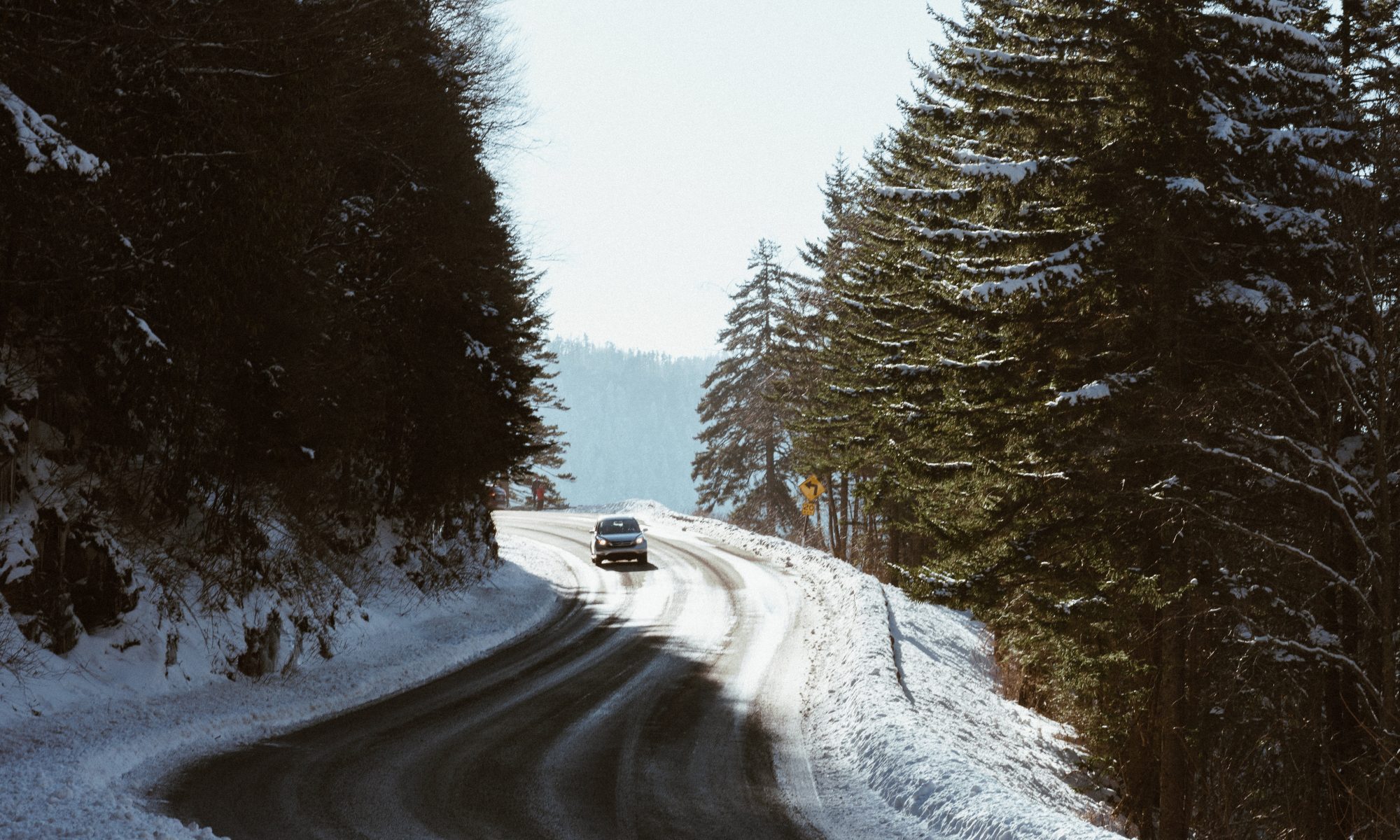
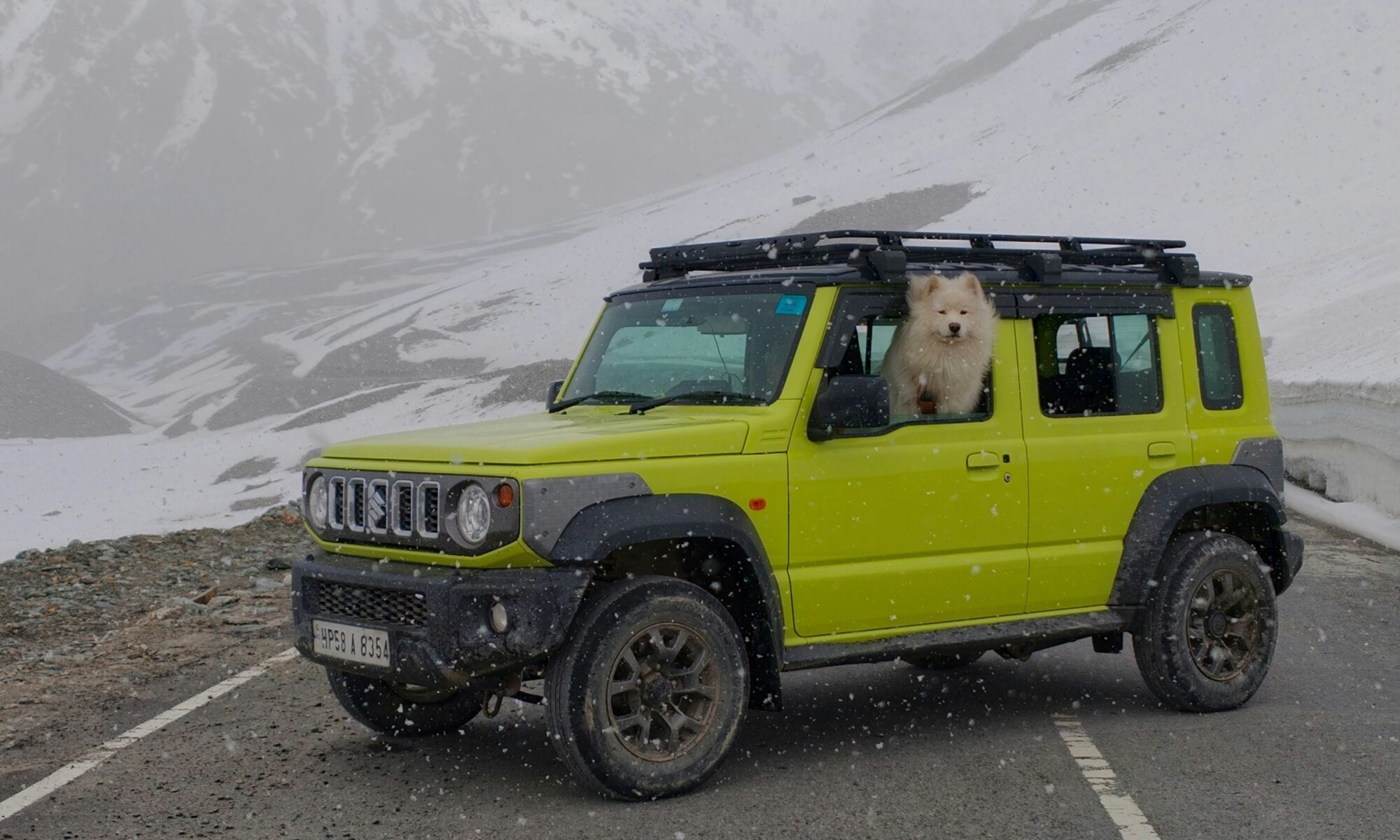
Taking your dog to the mountains. Photo credit: Sayan Nath. Unsplash.

The UK and EU have agreed to bring back reusable pet passports for travellers taking their pets from Great Britain to the EU. The deal, announced at the Brussels summit on 20 November 2026, would replace the need to get a fresh Animal Health Certificate for every trip. The two sides are aiming for 1 March 2028, subject to their respective procedures. If you’re taking your dog to the Alps this winter, you still need a new certificate for each trip. assets.publishing.service.gov.uk

What changed for pet owners in April 2026?

On 22 April 2026, the EU changed its pet travel rules. EU pet passports can now only be issued to owners whose main home is in the EU. If you live in Great Britain and are travelling to the EU with a dog, cat or ferret, UK government guidance says to get an Animal Health Certificate (AHC). That advice applies even if your pet already has an EU passport or you own a holiday home in France or Italy. www.gov.uk

Continue reading “UK–EU deal would replace one-trip pet health certificates with reusable passports”

Gotthard Explained: The Rail Tunnel, the Road Tunnel and the Mountain Pass

Gothard Base Tunnel- Photo: Britannica.com

Many travellers hear “the Gotthard” and think of long summer queues on the way to Italy.

Others hear the same word and think of the world’s longest railway tunnel.

Both are right.

But they are not talking about the same thing.

The Gotthard is not just one tunnel. It is one of the most important Alpine crossings in Europe, with a rail tunnel, a road tunnel, an old mountain pass road and several alternative routes.

For skiers, summer mountain travellers and anyone driving south through Switzerland, understanding the difference matters.

It can change your route, your timing and even your destination.

It also fits into the wider story of Alpine tunnel traffic, train travel to the Alps and mountain infrastructure risk.

Continue reading “Gotthard Explained: The Rail Tunnel, the Road Tunnel and the Mountain Pass”

Three of Switzerland’s Most Scenic Alpine Passes Have Reopened for Summer 2026

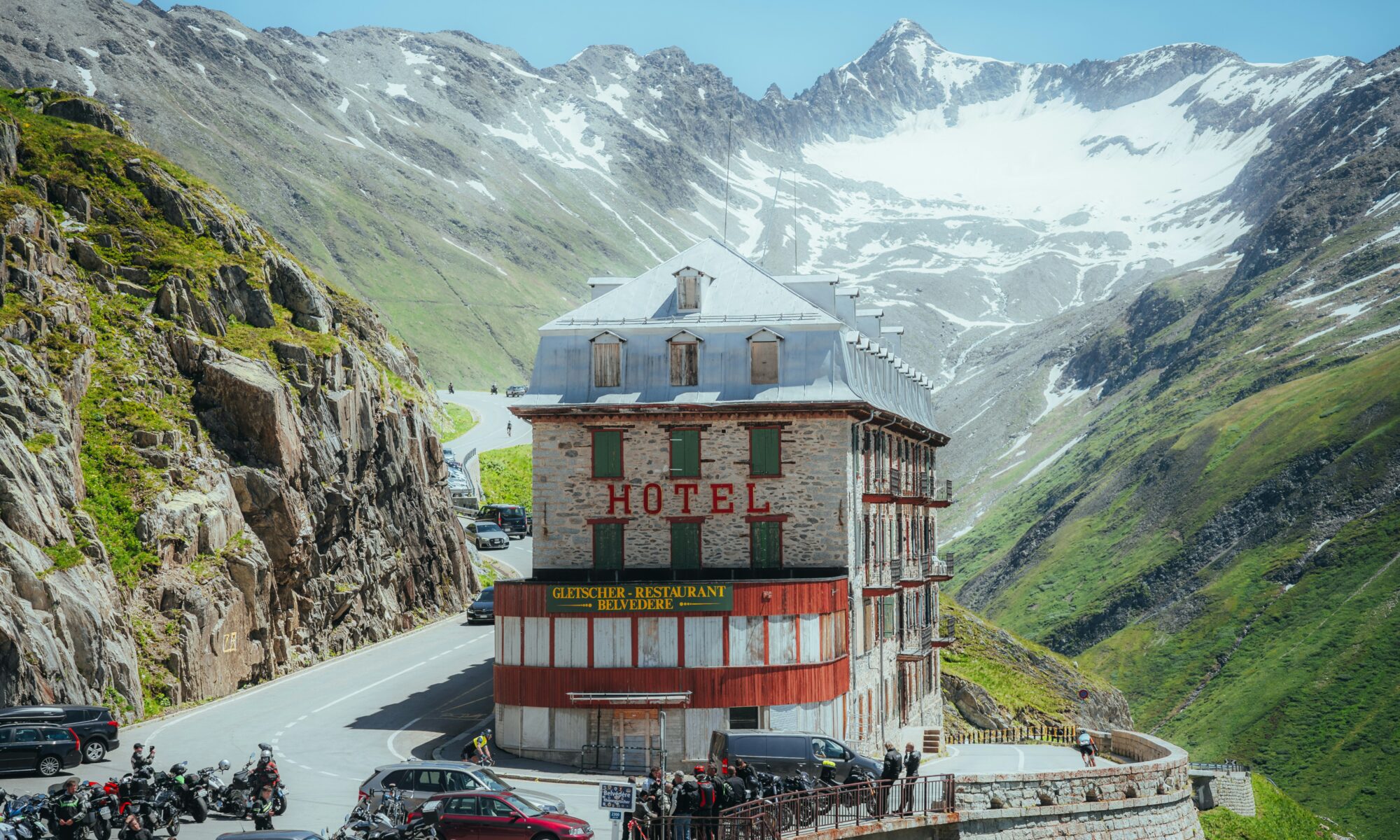
Furka Pass, Obergoms, Switzerland. Photo: Milosz Roman. Unsplash.

The reopening of Switzerland’s high Alpine passes is one of the clearest signs that summer has arrived in the mountains. After months of winter closures and snow clearance operations, three of the country’s most spectacular mountain roads — the Furka Pass, Grimsel Pass and Nufenen Pass — reopened to traffic on 29 May 2026.

Together, these three passes form one of the classic Alpine driving circuits in Europe, attracting motorists, motorcyclists and cyclists from around the world. While Switzerland’s better-known Gotthard Pass often receives much of the attention, the Furka, Grimsel and Nufenen offer some of the most dramatic high-mountain scenery in the Alps, with glaciers, reservoirs, sweeping hairpins and panoramic viewpoints stretching across multiple cantons.

Continue reading “Three of Switzerland’s Most Scenic Alpine Passes Have Reopened for Summer 2026”

Eurotunnel, Dover and the New EU EES: What UK Drivers to the Alps Should Know This Summer

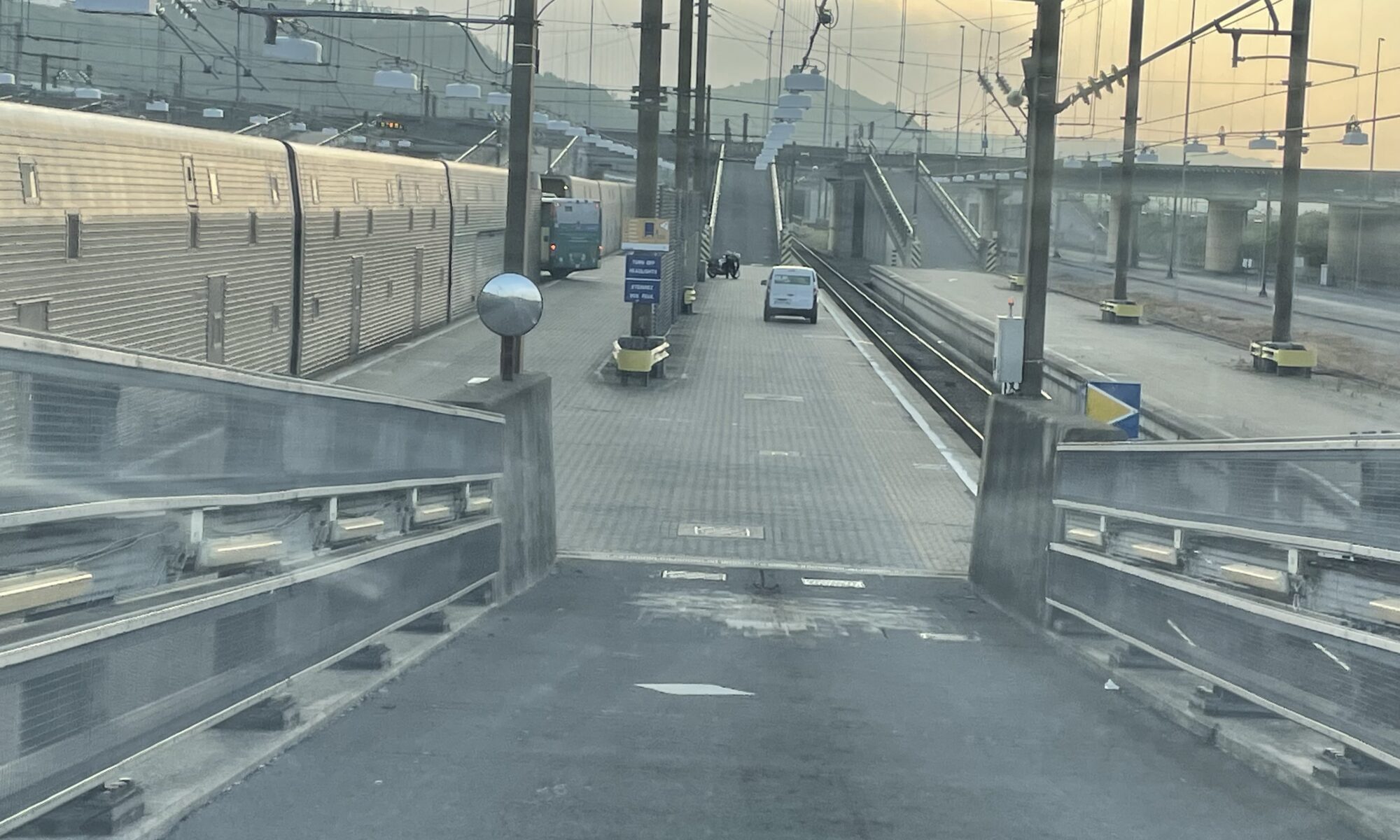
Getting onboard the Eurotunnel from Folkestone to Calais.

UK travellers driving to France, the Alps or onward to Italy and Switzerland may need to allow extra time at Channel crossings this summer, as the EU’s new Entry/Exit System continues to bed in at major UK-France border points.

The EU Entry/Exit System, known as EES, became fully operational on 10 April 2026. It replaces manual passport stamping for non-EU short-stay travellers with a digital record of entry and exit, including passport data and, where required, biometric information such as facial images and fingerprints.

For many mountain travellers, the practical question is not the technology itself, but whether it could add time at the border. Eurotunnel LeShuttle explains that EES records biometric data and border-crossing details for non-EU nationals entering or leaving the Schengen Area, while Getlink has said the system began with a gradual rollout at Eurotunnel terminals before extending to passenger vehicles.

Continue reading “Eurotunnel, Dover and the New EU EES: What UK Drivers to the Alps Should Know This Summer”

Europe’s Alpine Passes and Tunnels Under Pressure as Summer Mountain Travel Surges

Splugenpass in Switzerland. Photo: Daniele Levis Pelusi. Unsplash.

Summer traffic jams in the Alps are no longer limited to a few notorious holiday weekends. Across Europe’s mountain corridors, tunnels, high passes and border crossings are experiencing growing pressure as heatwaves, synchronized holiday patterns, campervan tourism and the rise of “coolcation” travel push more visitors toward Alpine destinations.

The latest queues at the Gotthard Road Tunnel, where traffic recently stretched for several kilometres even before the main summer season, are part of a wider trend affecting many of Europe’s major Alpine crossings. In Italy, the term “Sabato Nero” — Black Saturday — has long described the intense weekend traffic linked to summer holiday departures and arrivals. But increasingly, similar congestion patterns are being seen throughout the Alps, from the Brenner Pass to the Mont Blanc Tunnel and the scenic passes connecting Switzerland, France, Austria and Italy.

For decades, many of these routes were primarily associated with winter ski tourism or freight transport. Today, they are becoming year-round tourism corridors carrying cyclists, hikers, motorcyclists, campervans, second-home owners and travellers escaping increasingly hot cities in search of cooler mountain temperatures.

Continue reading “Europe’s Alpine Passes and Tunnels Under Pressure as Summer Mountain Travel Surges”

🚗 Eurotunnel Half-Term Travel: No EES This Weekend & When to Arrive

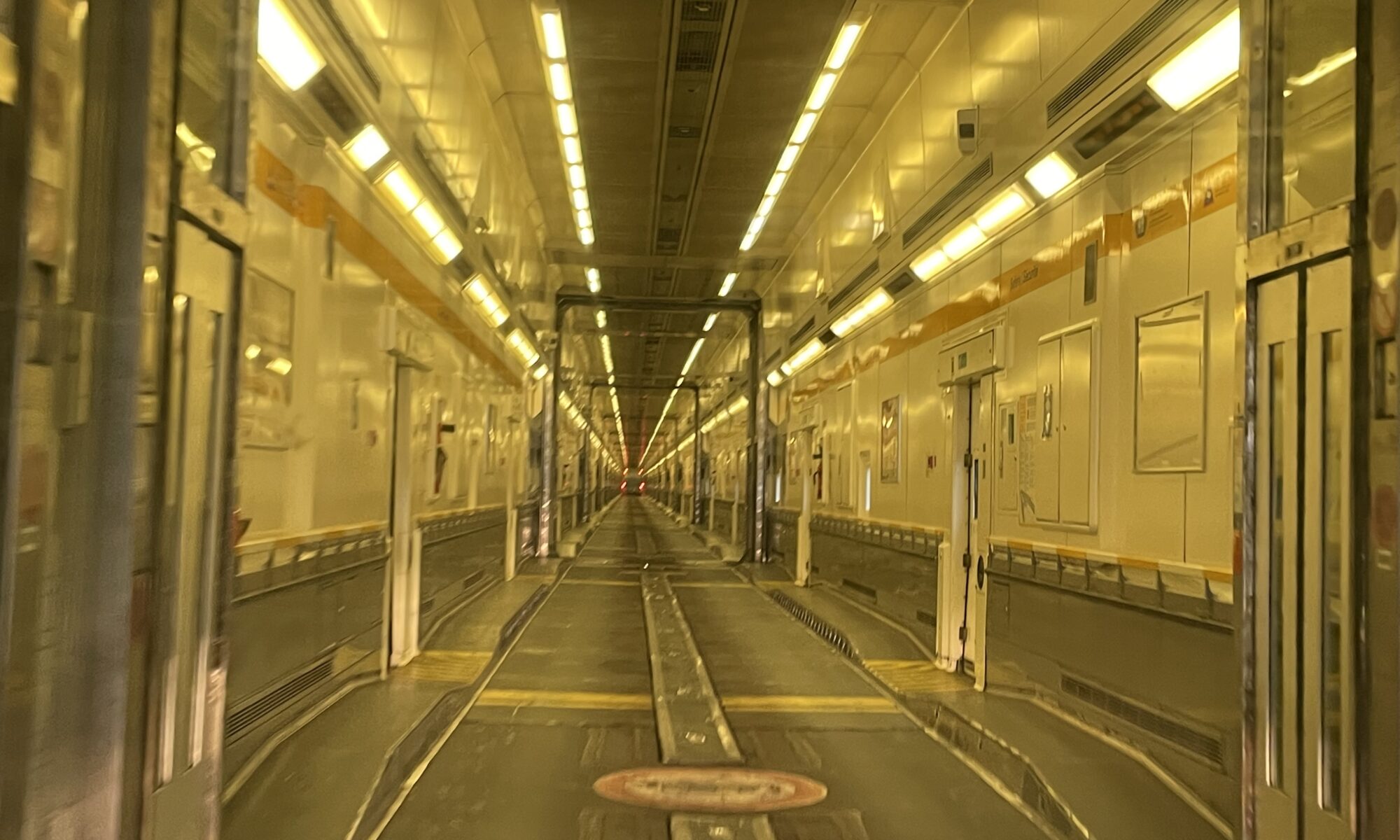
Back inside the Eurotunnel that took us to England. Our trip to the mountains for our summer holidays.

Eurotunnel has confirmed that the EU Entry-Exit System (EES) biometric checks will not be implemented for private car passengers this coming half-term weekend.


Update: Official avalanche bulletins now confirm rising instability in parts of the Alps following heavy snowfall and strong winds.

What this means for travellers

For drivers using Eurotunnel LeShuttle between Folkestone and Calais, border controls continue as normal, with passport stamping still in place and no biometric registration required for car passengers at this stage.

The biggest risk this weekend is misjudging arrival times, not EES.

Continue reading “🚗 Eurotunnel Half-Term Travel: No EES This Weekend & When to Arrive”

Snowfall Update: Heavy Snow Continues Across the Alps and Valle d’Aosta

Photo: Dan Ottr. Unsplash. Snowfall Update: Heavy Snow Continues Across the Alps and Valle d’Aosta.

Following yesterday’s alert about severe winter conditions and difficult mountain travel, updated forecasts confirm that snowfall is continuing across large parts of the Alps, with further significant accumulations expected over the next 24–72 hours.

Meteorological services in France and Italy indicate repeated snow events, falling snow lines at times, and conditions that will remain challenging for travel and mountain activities — particularly at higher elevations.

This post provides a regional update, based on the latest forecasts from alpine and local meteorological sources.

Continue reading “Snowfall Update: Heavy Snow Continues Across the Alps and Valle d’Aosta”

Strong Snowfall Incoming: Driving to the Mountains in Severe Winter Conditions

Driving with snow- check if you need snow tyres and/or snow chains. Photo Adrian- Unsplash. Strong Snowfall Incoming: Driving to the Mountains in Severe Winter Conditions.

Heavy Snowfall Forecast: What Travellers Need to Know

A new period of intense snowfall is forecast across large parts of the Alps, with rapidly changing road conditions, reduced visibility, and an increased risk of closures on mountain routes.

If you’re planning in driving to the mountains over the coming days, this is not a routine winter situation. Even well-maintained alpine roads can become hazardous quickly when snowfall intensifies.

Continue reading “Strong Snowfall Incoming: Driving to the Mountains in Severe Winter Conditions”

Winter Tyres & Snow Chains in Europe: Driving Rules for the Alps and Pyrenees

Driving to the mountains- Photo Jeffrey Wegrzyn- Unsplash. Travelling to the Alps this winter? Read the last rules for UK travellers

🏔 Winter Tyre & Snow Chains: What Ski Travellers Need to Know in Europe

When heading to the mountains for a ski or snow getaway, driving conditions can change rapidly. Knowing the tyre and snow chain regulations is essential — not just to avoid fines, but for safety, especially in regions like the Aosta Valley, the Dolomites/Trentino Alto Adige, the French Alps, Austria, Switzerland and Andorra. Below are the key rules.

Updated for winter 2026/27: Rules and road-specific dates can change. Read our 2026/27 guide to winter tyres and snow chains in the Alps and Pyrenees, including the latest guidance on all-season tyres and routes to Italian ski resorts.

Winter Tyres & Snow Chains in Europe: Driving Rules for the Alps and Pyrenees. Photo: Ethan Hasenfratz. Unsplash.

🇮🇹 Italy (including Aosta Valley, Dolomites, Trentino)

  • In Italy generally, winter tyres or snow chains are not universally compulsory across all roads. The requirement is triggered by specific road signs saying “obbligo di pneumatici invernali o catene a bordo”. 
  • In the Aosta Valley region, the requirement is much clearer: winter tyres or snow chains must be fitted or carried from 15 October to 15 April.
  • On roads marked accordingly (mountain passes, or in municipalities with the signage) the period often indicated is 15 November to 15 April, though local variations occur.
  • Technical requirements: The tyres should be marked with “M+S” (Mud & Snow) or the “3PMSF” (Three Peak Mountain Snowflake) symbol to ensure winter performance. All-season tyres may be acceptable if marked and appropriate.
  • Snow chains: If winter tyres are not fitted where required, snow chains (or equivalent anti-skid devices) must be carried and fitted when indicated by signage.
  • Penalties: Driving without the correct equipment may lead to fines and potential liability issues in an accident.

Continue reading “Winter Tyres & Snow Chains in Europe: Driving Rules for the Alps and Pyrenees”

36 Hours in Lago di Garda: Summer Bliss Between Vineyards and the Lake

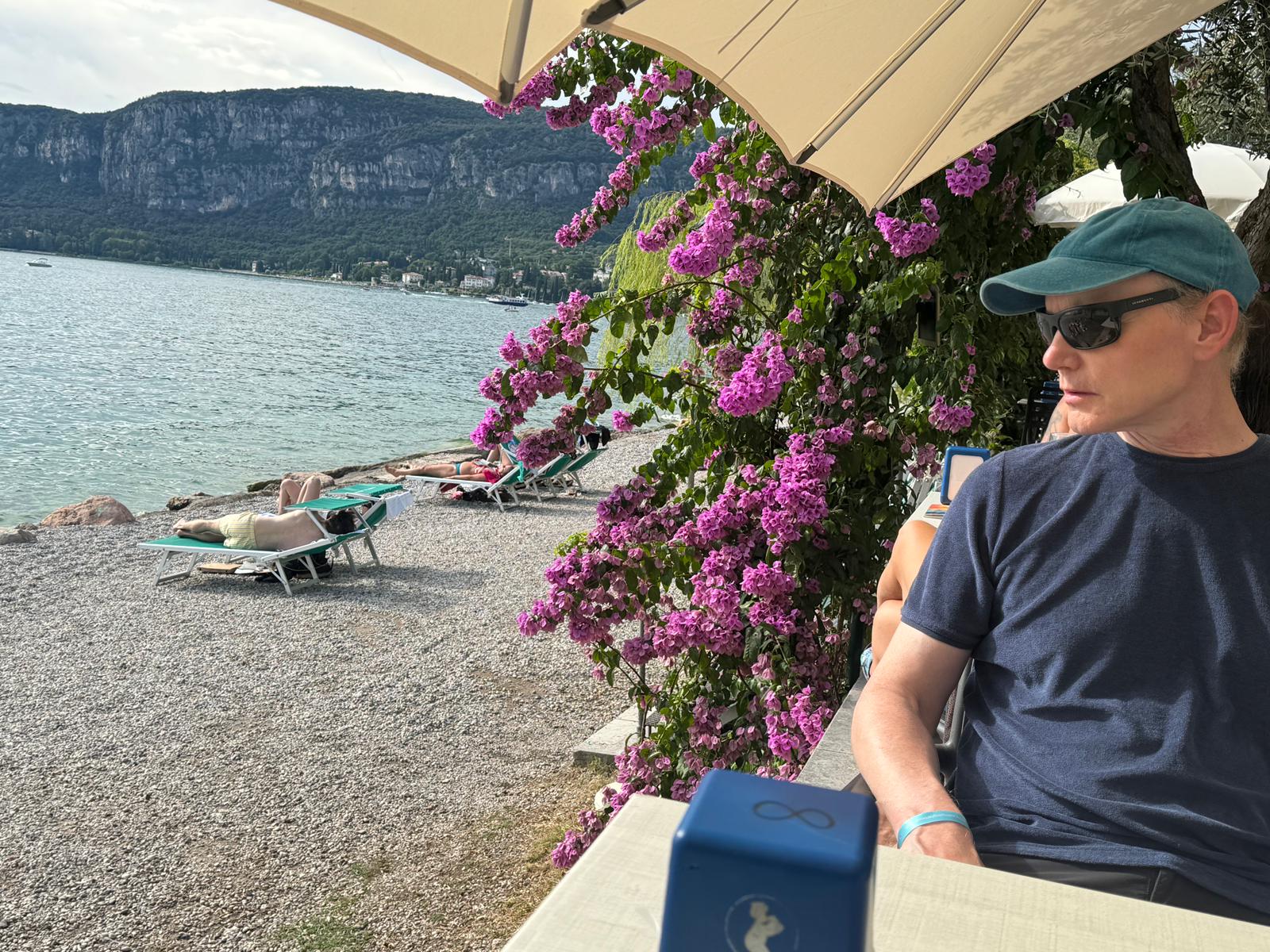
36 Hours in Lago di Garda: Summer Bliss Between Vineyards and the Lake Having an aperitivo by the Lake in Bardolino. Photo: The-Ski-Guru.

36 Hours in Lago di Garda: Where to Stay, Eat, and Explore Above Bardolino

After this summer’s drive from Morgex around the Dolomites, we began our journey with a couple of days at Lago di Garda — one of those places that never fails to charm. It was my fourth visit to the lake and the second time with my family, so I already knew we were in for something special. I also have a dear friend who lives near Bardolino, so the plan included catching up with her.

This article may contain affiliate/compensated links. For full information, please see our disclaimer here. Some links on my website may not function properly if ad blocker is enabled.

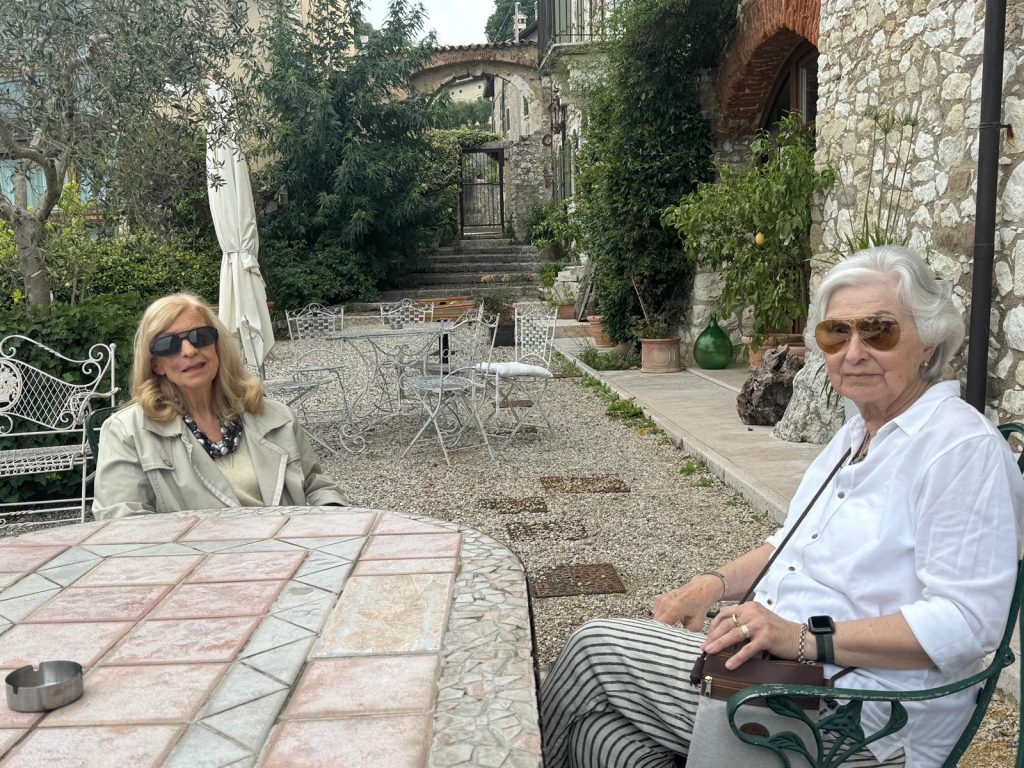
My mum and her friend on the garden of the Corte Castello Hotel. Book the Corte Castello here. Photo: The-Ski-Guru.

A stay in the hills above Bardolino

The drive from Morgex took about five hours, passing north of Milan — where traffic slowed a little — and then turning up before Verona. We chose to stay at Corte Castello in Affi, a quiet hamlet nestled among the vineyards and rolling hills above Bardolino.

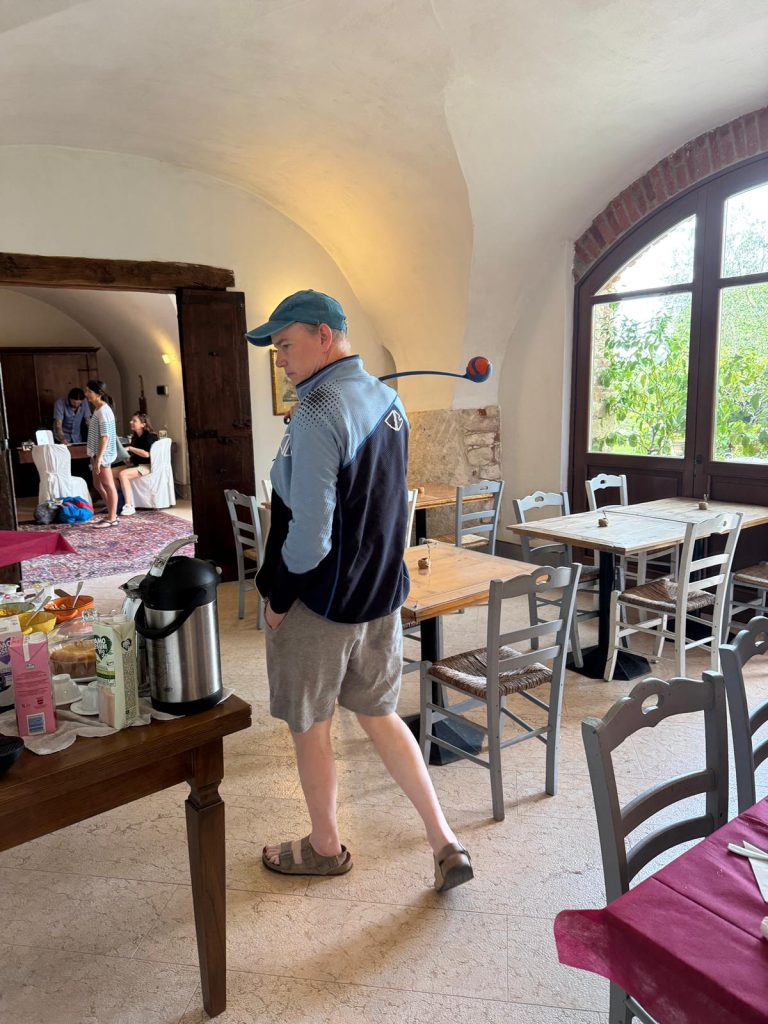
The last ones to leave the breakfast room at the Corte Castello. Book your stay at the Corte Castello here. Photo: The-Ski-Guru.

What attracted me first was the price (Lake Garda can be pricey in summer!) and the photos — and it did not disappoint. The house, a beautifully restored stone farmhouse, has that rustic charm that makes you instantly relax. The owners, a young couple of musicians, were wonderfully attentive. Our room was enormous, with wooden beams, thick stone walls, and a large, modern bathroom.

Continue reading “36 Hours in Lago di Garda: Summer Bliss Between Vineyards and the Lake”