Cortina d’Ampezzo: A Year-Round Guide to the Town and Its Mountains

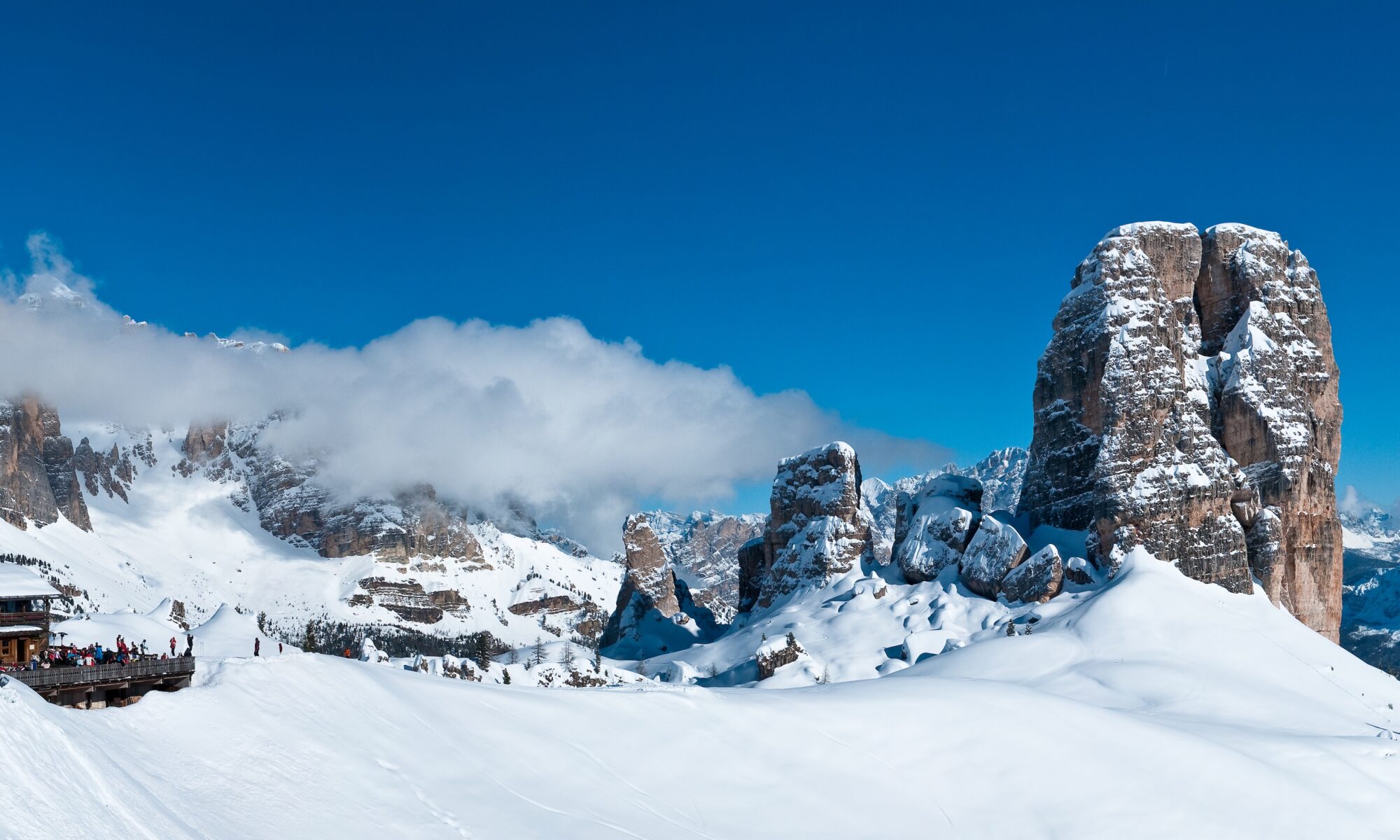
The view of Cinque Torri in winter from Rifugio Scoiattoli. Credits: Giuseppe Ghedina. Cortina Marketing.

This Cortina d’Ampezzo guide brings together skiing, mountain walks, refuge lunches, art, shopping and spa time in one of the Dolomites’ best-known towns. I visited in October, between the main seasons, inspecting hotels and spending time at Cinque Torri. Here, I share those impressions alongside practical advice on where to stay, eat and ski, and how to explore Cortina and its mountains throughout the year.


This article may contain affiliate/compensated links. For full information, please see our disclaimer here. Some links on my website may not function properly if ad blocker is enabled.


 Where is Cortina d’Ampezzo?

Cortina d’Ampezzo lies in the Dolomites of north-eastern Italy, in the province of Belluno, Veneto. The town occupies the Ampezzo valley, surrounded by mountains that give each side of the landscape a different character: the Tofane, Cristallo, Sorapis and the mountains towards Croda da Lago and Cinque Torri.

For visitors, the geography matters. Your holiday can include time in town, skiing in different mountain sectors and excursions beyond the valley. Choosing where to stay therefore involves more than finding a room with a view: proximity to the centre, access to the lifts and the transport provided by your hotel can all shape the trip.
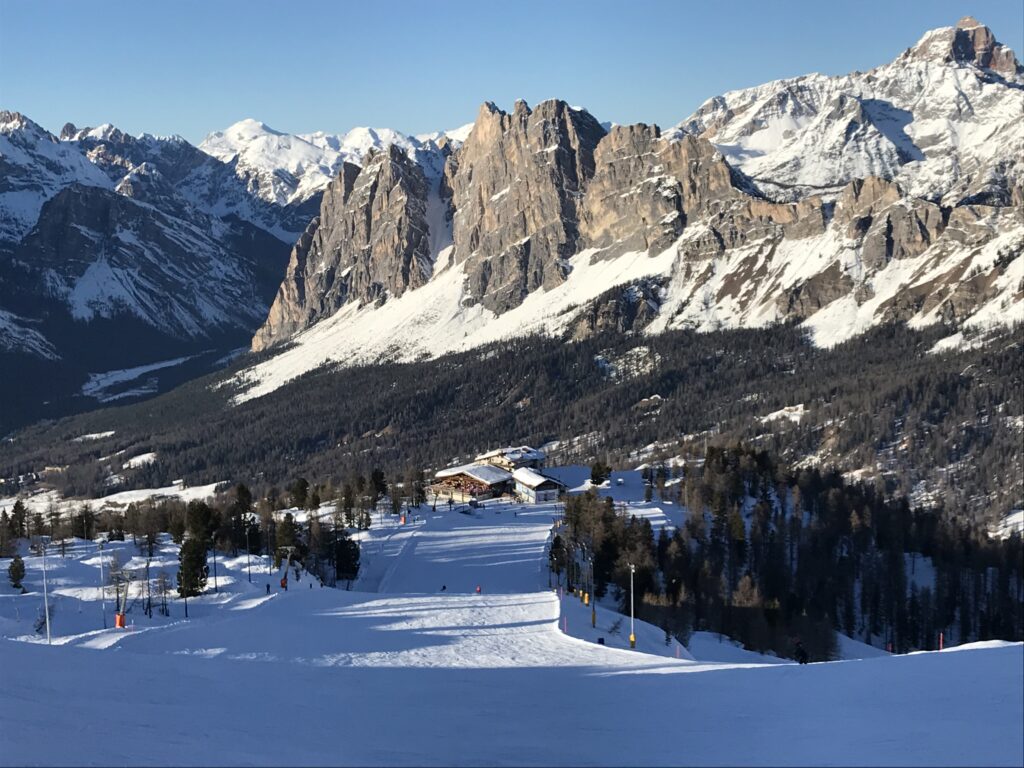
Faloria- Credits: Cortina Marketing.

How to get to Cortina d’Ampezzo

By air

Venice Marco Polo is a practical starting point for an international trip to Cortina, with direct coach connections that allow you to continue into the mountains without hiring a car.

Treviso, Innsbruck and Verona are other airports worth comparing, depending on your departure city. Before booking, look at the complete journey: a convenient flight arrival time and a straightforward onward connection can be more useful than a cheaper airfare followed by a lengthy transfer.

If you choose an airport other than Venice Marco Polo, check the onward arrangements carefully. Transfer options and seasonal services differ, and a direct coach should not be assumed.

Continue reading “Cortina d’Ampezzo: A Year-Round Guide to the Town and Its Mountains”
Italy’s 2026/27 ski pass prices rise as Dolomiti Superski hits €89

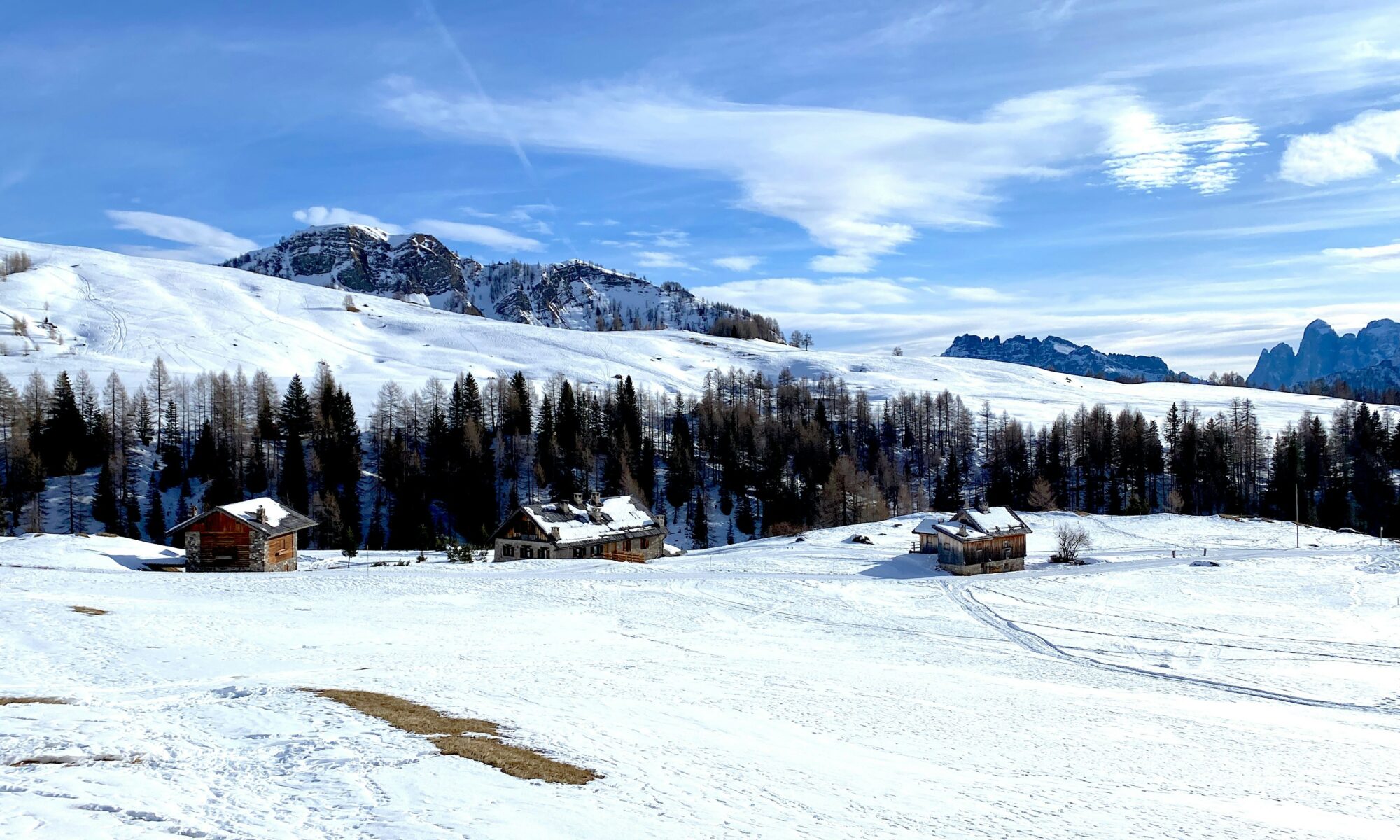
Fucciade- Passo san Pellegrino- Val di Fassa. Photo credit: Sara Antonacci- Unsplash.

An adult day pass for the full Dolomiti Superski network will cost €89 in high season this winter, up from €86 last season. In Livigno, the peak-season day pass has reached €74.50, compared with €52 in 2021. That is a 43.3% increase over five years, the biggest rise in the comparison by Italian consumer association Assoutenti, reported by Corriere della Sera.

The full Dolomiti Superski pass covers 12 ski areas. Its peak day rate has risen 32.8% since 2021/22, when it cost €67. For anyone planning a settimana bianca, the traditional Italian ski week, the six-day rate gives a better idea of what to budget.

When is Italy’s settimana bianca?

A settimana bianca, literally a “white week”, is the Italian term for a six- or seven-day winter holiday in the snow. The term applies throughout the ski season. Some families go during the Christmas holidays, including the week after Christmas that takes in New Year’s Day. Others plan their trip around Carnival, when some regions have a short school break.

In 2027, Martedì Grasso, or Shrove Tuesday, falls on 9 February. In Veneto, for example, schools are closed from 8 to 10 February for Carnival and Ash Wednesday. School holidays vary by region, and each ski area sets its own high-season dates. If you can travel outside the school holidays, compare the cost of accommodation and lift passes together for the dates you have in mind.

Continue reading “Italy’s 2026/27 ski pass prices rise as Dolomiti Superski hits €89”

Where Can You Ski Now? Alps Snow Update as Cervinia Prepares to Open

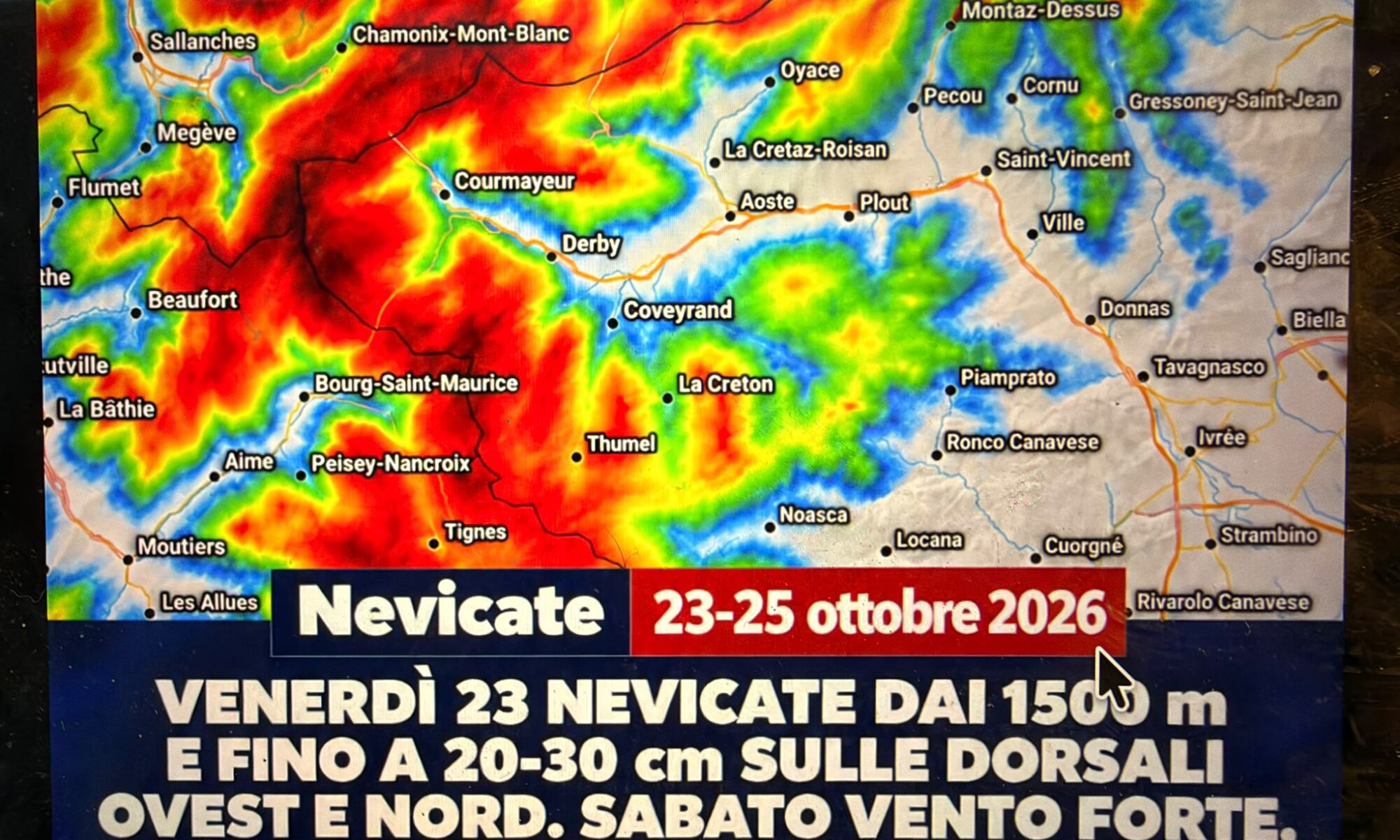
Snowfall outlook for 23–25 October 2026 in the Aosta Valley and neighbouring Alpine areas. Forecast graphic: Meteo Valle d’Aosta / Dati Meteo Asti.

23 October 2026

Wondering where to ski in October 2026? Austria’s glaciers are welcoming skiers, fresh snowfall is forecast for the Aosta Valley, and Cervinia is preparing to launch its winter season on Saturday, 24 October.

For anyone itching to put their ski boots back on, there are already opportunities to make those first turns. October skiing remains concentrated on selected high-altitude slopes, however, with the amount of terrain available varying considerably between destinations.

Here is where skiing is available, what is opening next and what the latest reports tell us about the snow.

Continue reading “Where Can You Ski Now? Alps Snow Update as Cervinia Prepares to Open”

La Thuile Reveals Vedette Gondola Ahead of December 2026 Opening

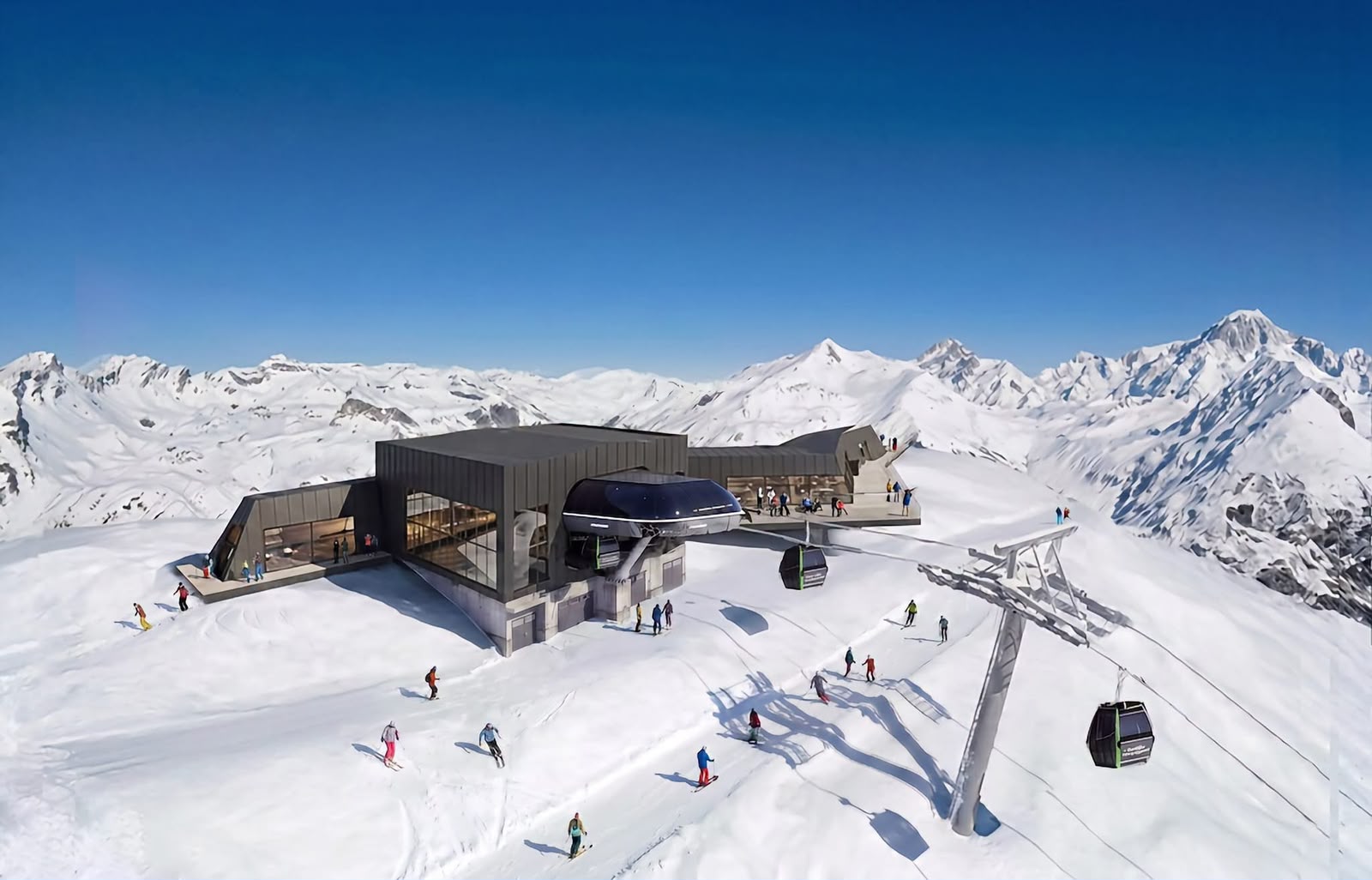
Vedette, the new cablecar of La Thuile opening in December 2026, and the restaurant on top will be opening on December 27. Rendering by La Thuile ski resort.

La Thuile’s new gondola has a name: Vedette. Scheduled to open in December 2026, the lift will bring a new way to experience the mountains above the Aosta Valley resort, welcoming skiers and visitors travelling on foot in winter, and hikers and mountain bikers during the summer season.

We first reported on La Thuile’s new gondola for winter 2026/27 in May. The latest announcement reveals the story behind its name and architecture, while setting out two separate milestones: the gondola’s planned opening this December and a panoramic restaurant expected in December 2027.

What will the new Vedette gondola change?

The new lift replaces the La Combe and Chaz Dura chairlifts, linking Les Suches with the higher slopes of the resort.

Plans specify 74 ten-person cabins, with a capacity of 3,000 passengers per hour, covering approximately 600 metres of vertical ascent. For skiers, the lift will serve pistes 9 and 10 and provide access towards the Piccolo San Bernardo sector and La Rosière ski area.

For visitors who do not ski, the ability to travel up and return by gondola is an especially useful addition. It opens up a high-mountain outing that mixed groups of skiers and non-skiers can include in the same holiday.

Continue reading “La Thuile Reveals Vedette Gondola Ahead of December 2026 Opening”

Large Rockfall on Tofana di Dentro Closes Val Travenanzes Trail Near Cortina

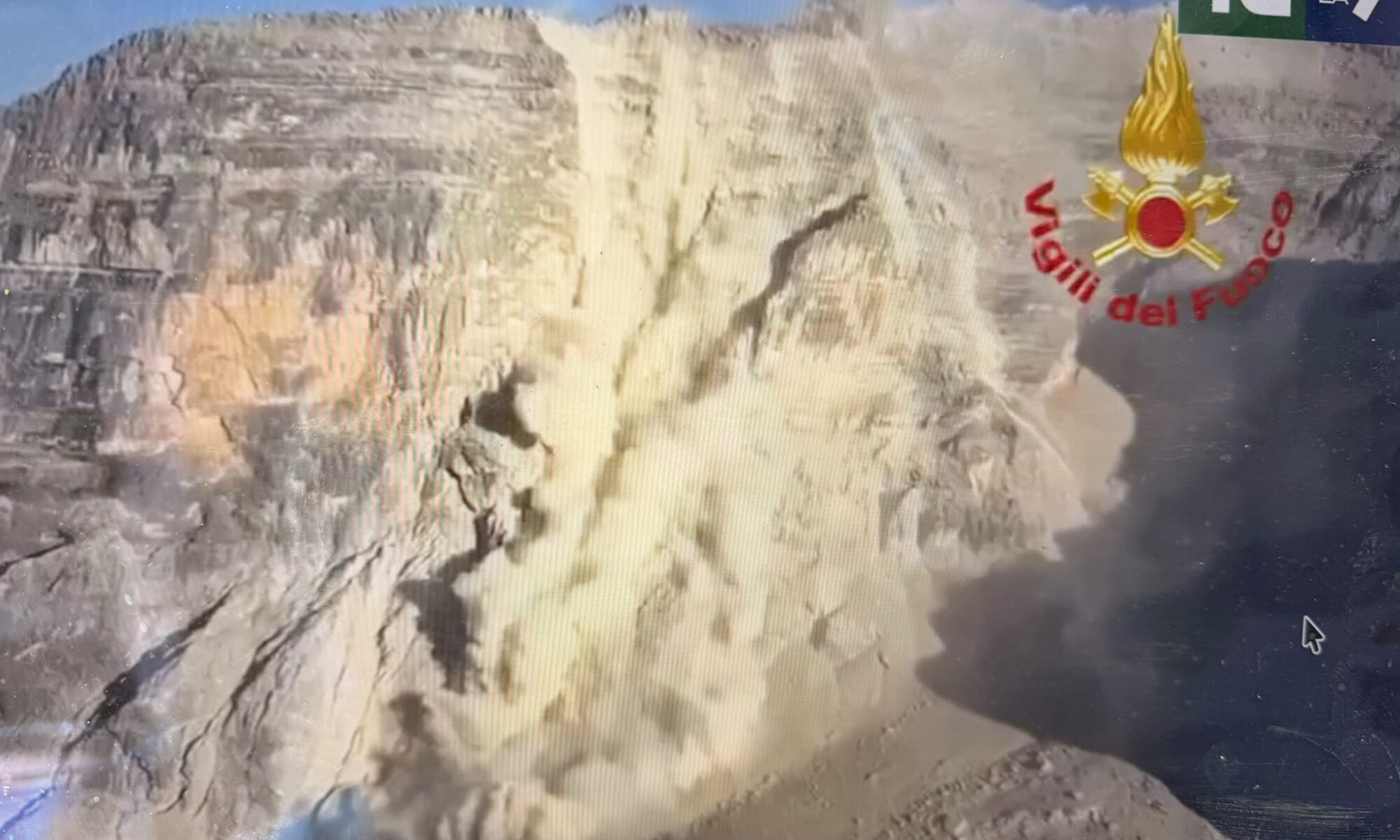
Vigili del Fuoco: Rockfall at the Tofana. Photo credit: Vigili del Fuoco- image of their video uploaded 4 October 2026/TG7.

A large rockfall from the northern face of Tofana di Dentro, in the Dolomites above Cortina d’Ampezzo, has prompted authorities to close Trail 401 in Val Travenanzes, the Cengia Paolina area and their access routes while safety assessments continue.

The major collapse occurred during the afternoon of Sunday, 4 October 2026, sending a large cloud of dust across the valley below.

The Municipality of Cortina d’Ampezzo subsequently issued an emergency ordinance closing the affected hiking areas with immediate effect and until further notice.

Val Travenanzes Trail 401 Closed

According to Ordinance No. 171 issued by the Mayor of Cortina d’Ampezzo on 4 October, the following areas are currently closed:

  • Trail 401 in Val Travenanzes
  • the Cengia Paolina area
  • associated access routes

The municipality said the closure will remain in place until authorities can verify that safe conditions have been restored.

Emergency and prohibition signs were also ordered to be installed around the affected area.

For hikers planning trips around the Tofane, this means Val Travenanzes and the affected access routes should currently be avoided.

Continue reading “Large Rockfall on Tofana di Dentro Closes Val Travenanzes Trail Near Cortina”

Pila–Cogne Cable Car: €150–190 Million Link Moves Closer to Political Decision

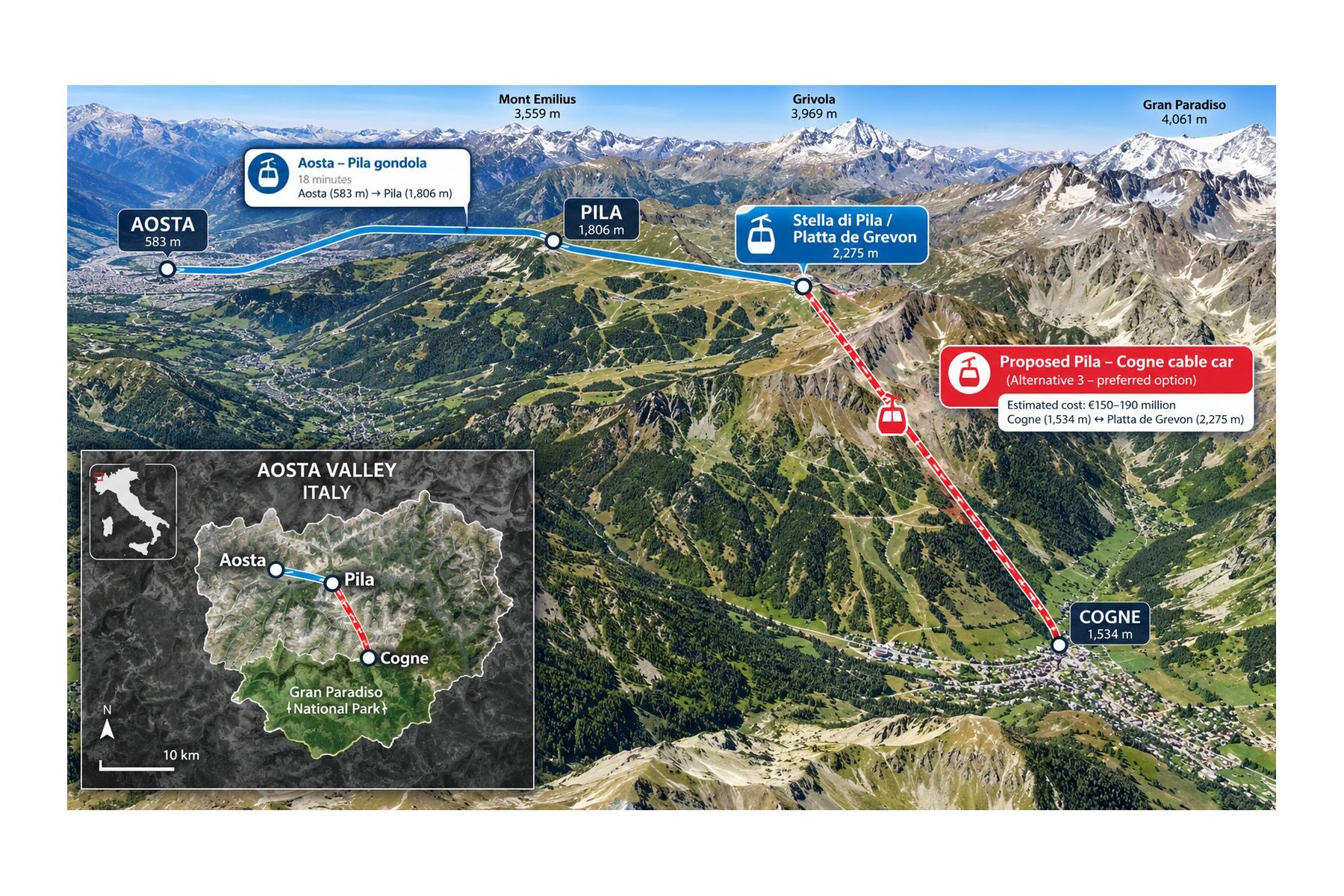
The proposed Pila–Cogne cable car would connect Cogne with Platta de Grevon/Stella di Pila, creating a potential lift-linked route through Pila to Aosta. Illustration: The-Ski-Guru.

A long-discussed cable-car connection between Pila and Cogne in Italy’s Aosta Valley has taken another step forward, with three possible routes now emerging from an initial nine alternatives — and one identified by the technical study as the preferred option.

If eventually built, the project could create something much bigger than a new ski lift. By connecting Cogne with Pila, which is already linked directly by gondola to the city of Aosta, it could effectively create an integrated Aosta–Pila–Cogne mountain destination, combining a regional capital, an alpine ski resort and one of the best-known gateways to the Gran Paradiso National Park.

But this is important: the cable car has not yet been approved for construction.

The latest step concerns the technical feasibility study, while the project is now entering a political and public consultation phase before decisions are made on whether to proceed.

Nine alternatives reduced to three

The project was examined by the Aosta Valley Regional Council’s Economic Development Commission on 1 October 2026.

The technical team initially considered nine different alternatives for connecting Cogne with the Pila ski area.

Three have now been identified as the most practicable solutions, all connecting Cogne with the area of Platta de Grevon, high above Pila.

Continue reading “Pila–Cogne Cable Car: €150–190 Million Link Moves Closer to Political Decision”

Nepal’s Glacier Disaster Is a Warning for Mountain Regions Everywhere — Including the Alps

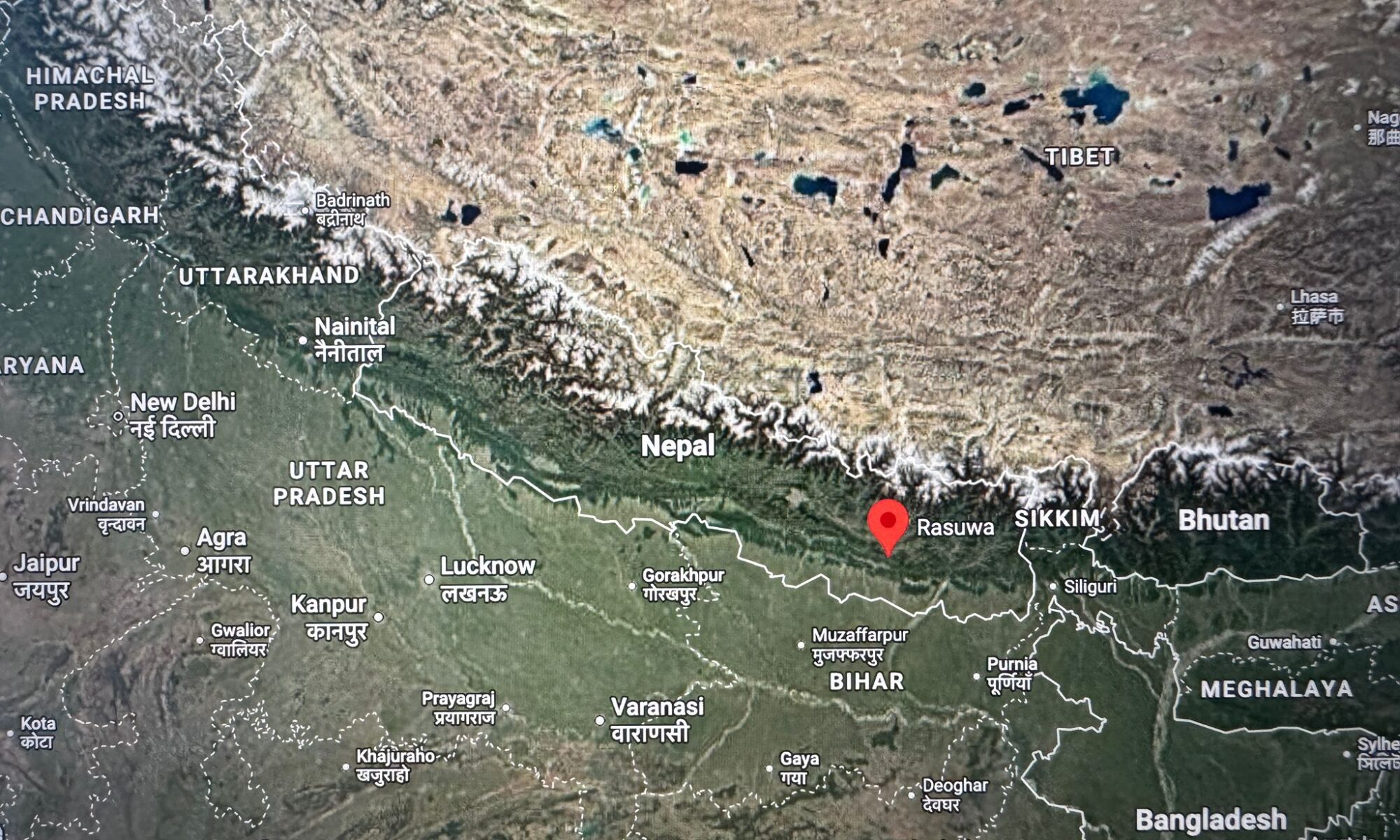
Map of Rasuwa in Nepal, where the floodings occurred. Photo: Google Maps.

A catastrophic glacier-related collapse in the Himalayas has killed hundreds of people across Nepal and Tibet and left many more missing.

But beyond the shocking images and the rapidly evolving casualty figures lies a much bigger question for mountain regions around the world:

Could something similar happen in the Alps?

The answer is uncomfortable.

The precise sequence that produced the Nepal disaster is still being investigated. But glacier collapses, rock avalanches, sudden releases of glacial water, debris flows and naturally dammed lakes are not unique to the Himalayas. They are hazards that also exist in the Alps — and Alpine history provides some dramatic examples.

What can be very different is the ability to identify certain dangers in advance, monitor them and evacuate people before the mountain moves.

And even in the best-monitored Alpine countries, that warning cannot always be guaranteed.

Continue reading “Nepal’s Glacier Disaster Is a Warning for Mountain Regions Everywhere — Including the Alps”

Mer de Glace Ice Cave Turns 80 — But May Have Only a Few Years Left

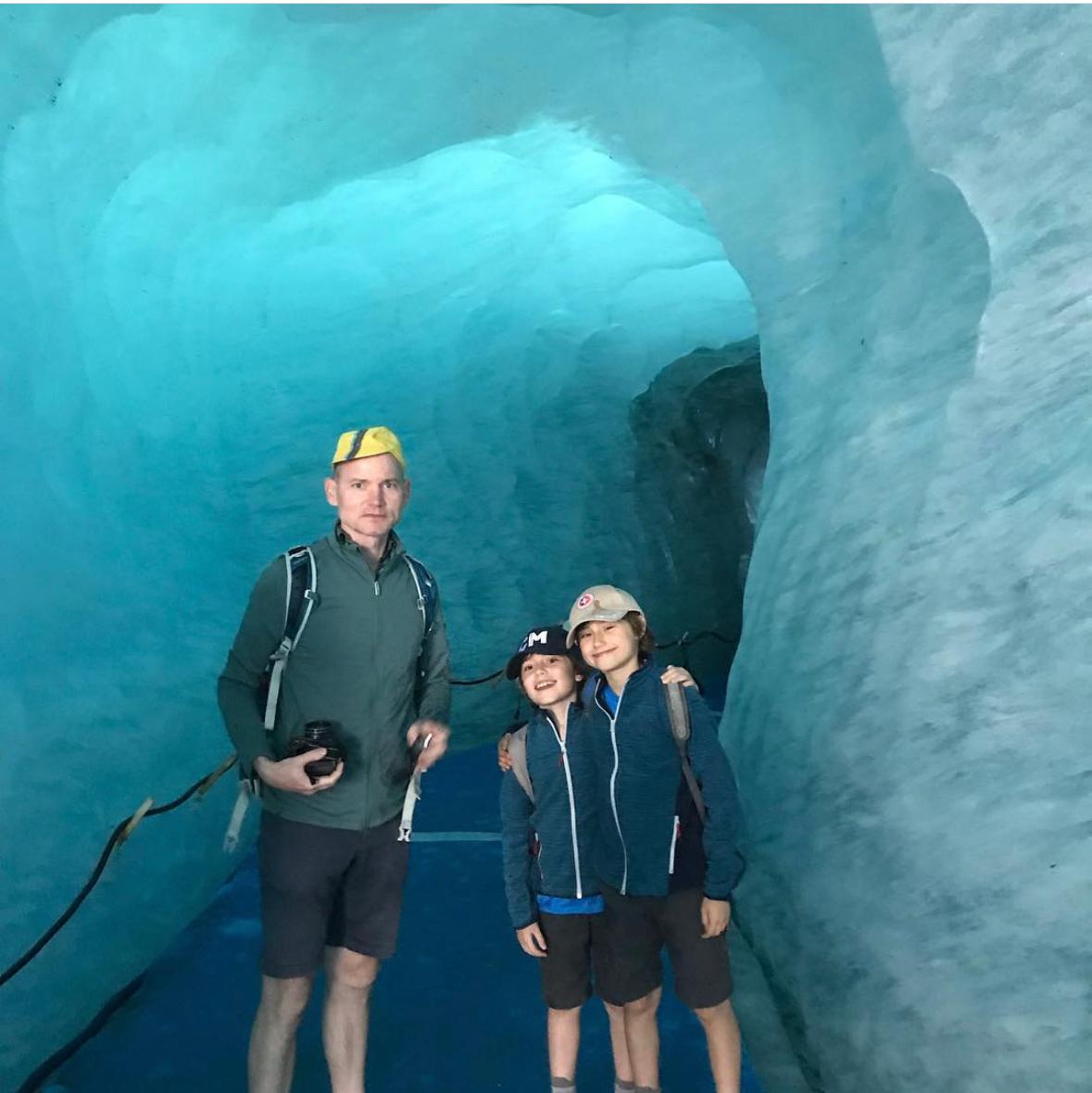
My husband and sons inside the Montenvers cave in 2018. Photo: The-Ski-Guru

The famous ice cave carved into the Mer de Glace above Chamonix is celebrating its 80th anniversary in 2026. But as the glacier continues to shrink, the family that has been carving it since 1946 knows the attraction may not survive to celebrate its centenary.

For eight decades, workers have returned to the Mer de Glace above Chamonix to carve a new passage into the moving glacier.

The famous Grotte de Glace, or Ice Cave, was first created in 1946 by Georges Claret. Three generations later, his grandson Benjamin Claret continues a family tradition that has become one of Chamonix’s best-known tourist attractions.

But its 80th anniversary comes with an increasingly uncertain future.

Continue reading “Mer de Glace Ice Cave Turns 80 — But May Have Only a Few Years Left”

Landslides Hit South Tyrol as Thawing Permafrost Destabilises Alpine Slopes

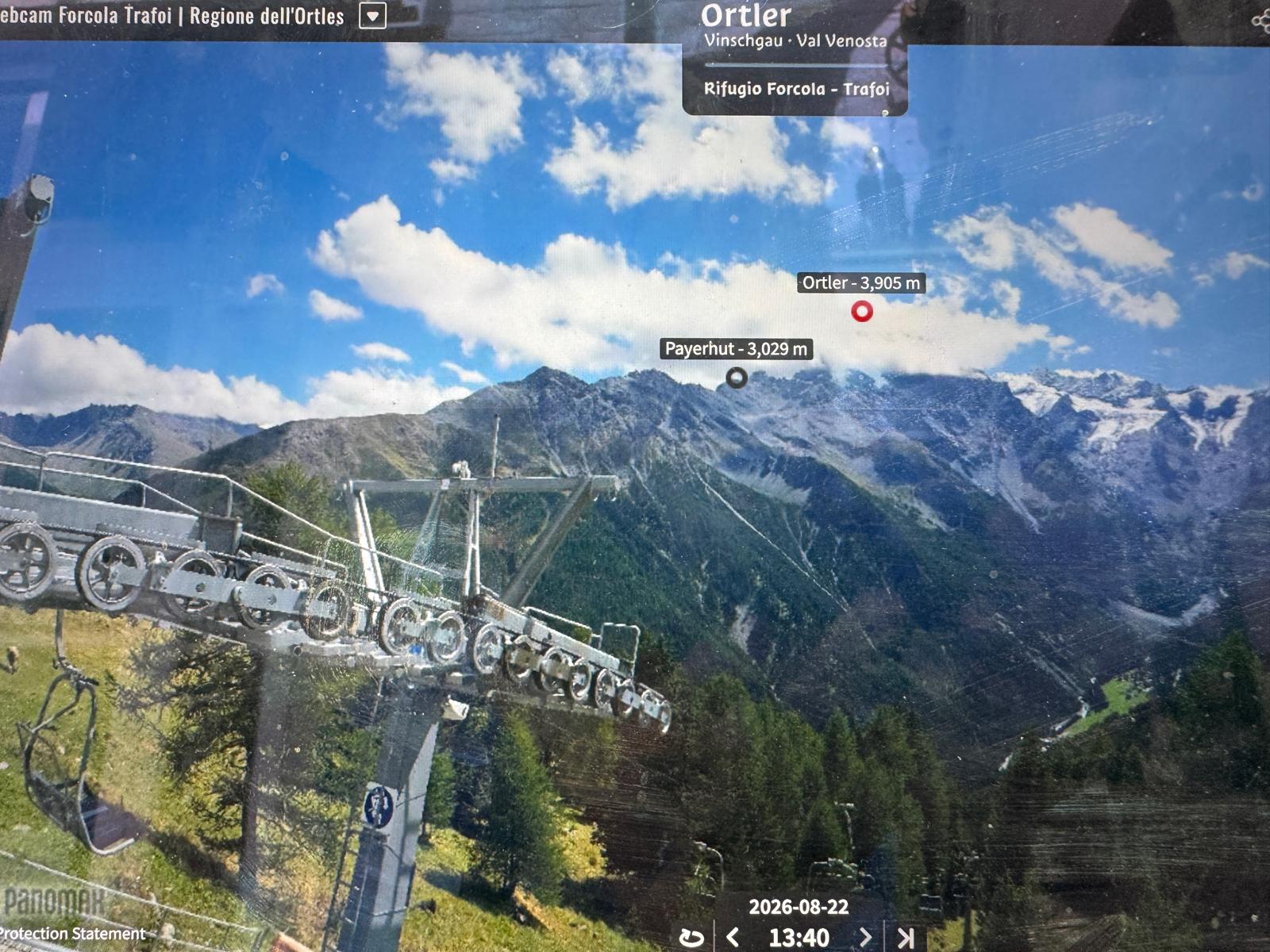
Webcam Forcola Trafoi Region with the Ortles in the background. https://webcam.myortler.it/trafoi

A series of landslides and debris flows has hit South Tyrol following heavy rainfall, with up to 30,000 cubic metres of debris moving near Trafoi below the Ortler and another major mudslide cutting access to Capanna Alpina in Alta Badia.

The incidents add to a growing number of slope failures reported across the Alps this summer, as scientists and mountain authorities increasingly warn about the destabilising effect of warming temperatures and thawing permafrost on high-altitude terrain.

Up to 30,000 cubic metres of debris at Trafoi

Shortly after 5pm on 20 August, a major debris flow occurred in the Rio di Plaies at Trafoi, in the municipality of Stelvio/Stilfs.

According to South Tyrol’s provincial authorities, an estimated 20,000 to 30,000 cubic metres of material moved down the mountain.

The debris obstructed the Rio Vedretta del Circo and travelled as far as the pedestrian bridge leading towards the Santuario delle Tre Fontane Sacre, the historic Three Holy Fountains sanctuary near Trafoi.

The bridge narrowly escaped being overwhelmed during the initial event, but by the following day the stream channel beneath it was almost completely blocked.

South Tyrol’s mountain basin authorities deployed two excavators to begin clearing the channel, although the material initially remained too wet for the operation to be completed.

Continue reading “Landslides Hit South Tyrol as Thawing Permafrost Destabilises Alpine Slopes”

Aosta Valley Begins to Recover, but Record Glacier Loss Highlights Growing Climate Crisis

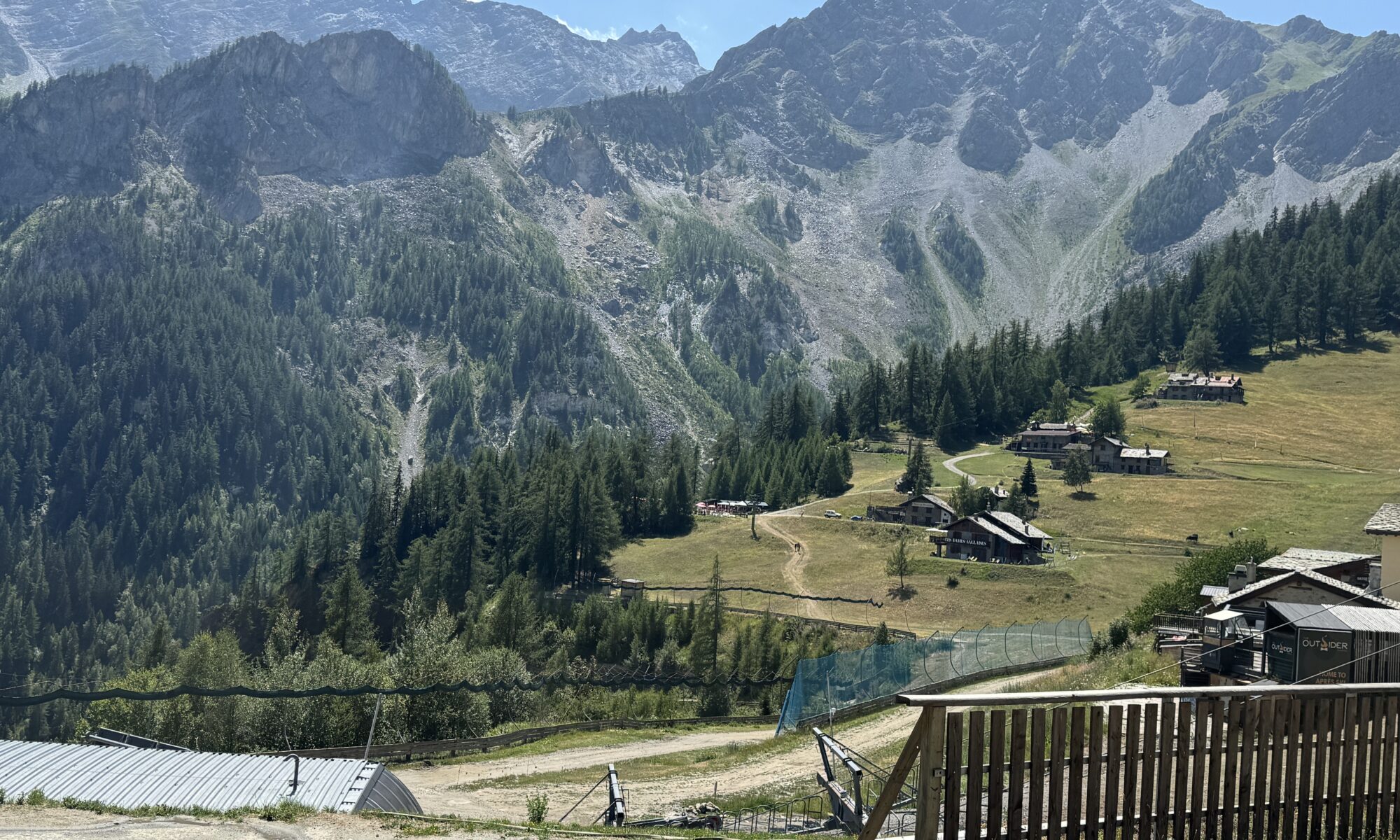
The view from Plan Chècrouit towards the Piscina Alpina in Courmayeur. Photo: The-Ski-Guru.

The Aosta Valley is beginning to recover after a week marked by intense storms, flooding and rockfalls, but scientists warn that the longer-term picture remains deeply concerning. While tourist facilities are reopening and emergency conditions are easing, 2026 has already become the worst year on record for glacier loss in Italy’s smallest Alpine region, underlining the accelerating impact of climate change. 

One of the clearest signs of recovery has come from Breuil-Cervinia, where the local golf course has partially reopened following the severe thunderstorms that hit the resort earlier this week. Although only a temporary nine-hole course is currently available while repairs continue, the reopening is an important step for the resort’s summer tourism industry after heavy rain and mudflows disrupted the area. 

Continue reading “Aosta Valley Begins to Recover, but Record Glacier Loss Highlights Growing Climate Crisis”