Switzerland’s New Avalanche Bulletin: What Changes for Skiers

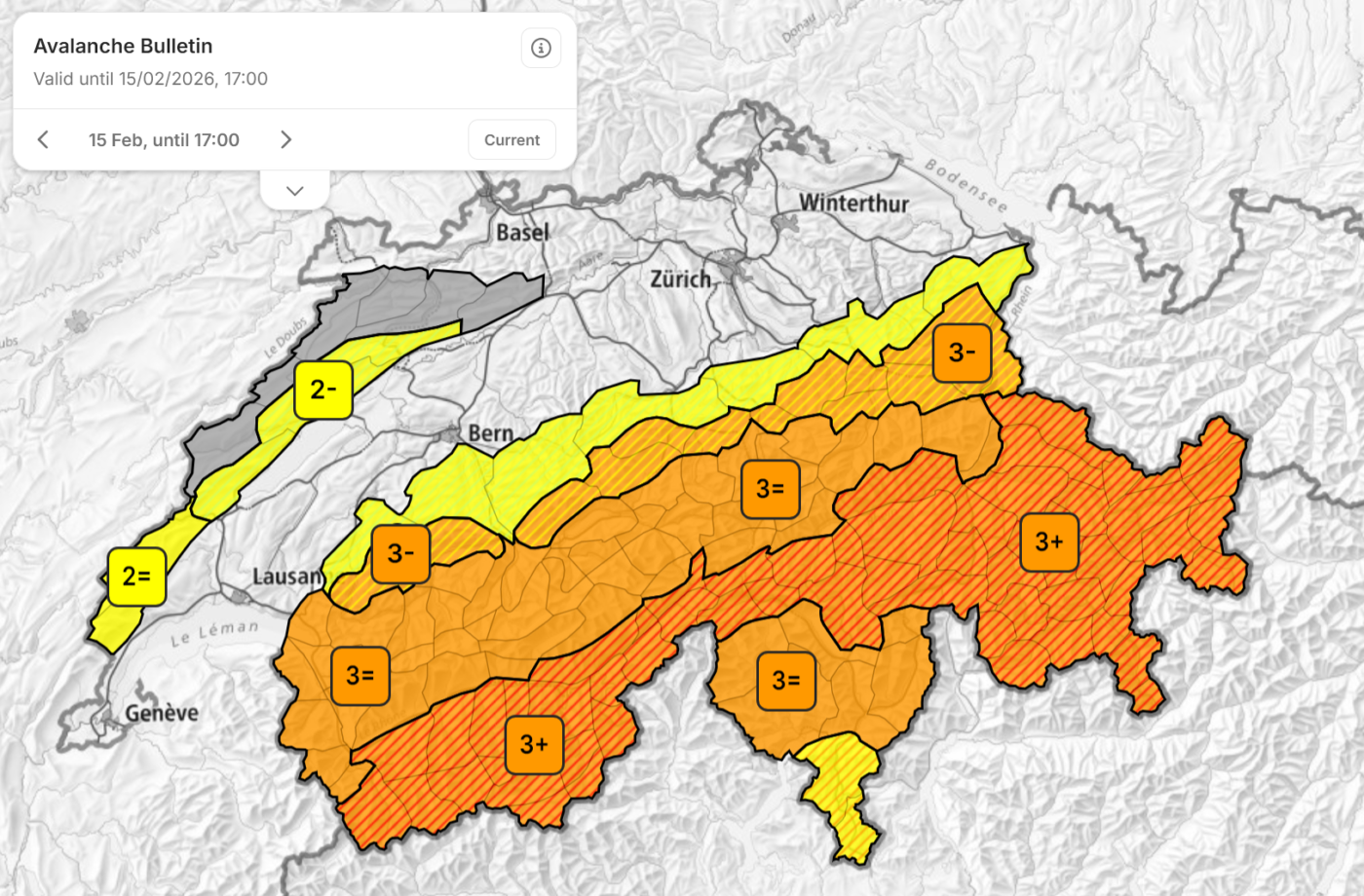
Map showing the redesigned Swiss avalanche bulletin and regional danger information.

Switzerland has redesigned its avalanche bulletin for winter 2026/27, giving skiers more detailed regional information and an outlook extending to the day after tomorrow.

Announced by the WSL Institute for Snow and Avalanche Research SLF on 19 November, the changes should make it easier for visiting skiers to find the information relevant to their planned mountain day.
Map showing the redesigned Swiss avalanche bulletin and regional danger information.
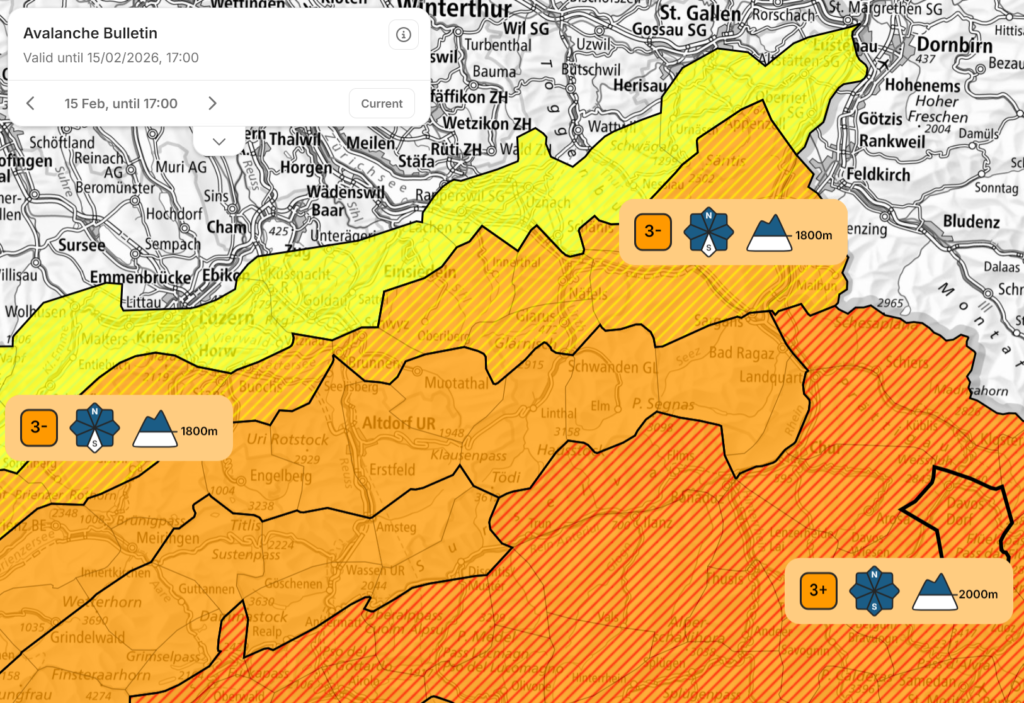
Map showing the redesigned Swiss avalanche bulletin and regional danger information. Credit: Kurt Winkler / SLF

More detail for your chosen region

The bulletin now brings together avalanche danger, snowpack descriptions and weather information individually for Switzerland’s 149 warning regions.

Previously, the snowpack description covered the country as a whole. The new approach allows readers to focus on the area they intend to visit, with map layers highlighting affected elevations, slope aspects and avalanche problems.

The additional outlook also helps with advance planning, although forecasts should always be checked again before heading out.

Continue reading “Switzerland’s New Avalanche Bulletin: What Changes for Skiers”
Who Pays for Ski Rescue in the Alps and Pyrenees? Winter Costs and Insurance Explained

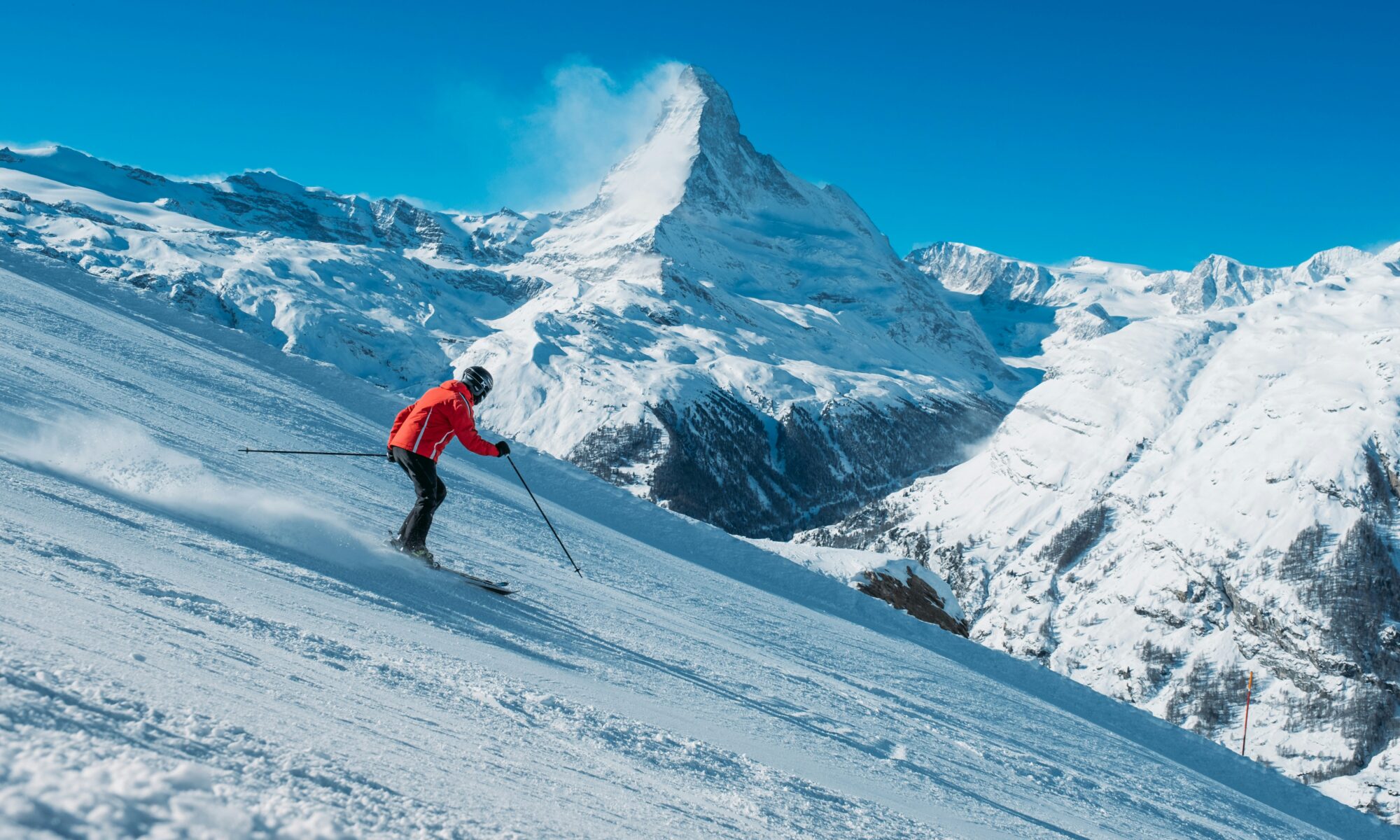
Featured Image: Patrick Robert Doyle. Zermatt. Unsplash.

A fall on a marked ski run can leave you with more than an injury. Depending on where you are skiing, you may also receive bills for ski patrol, evacuation by sledge, a helicopter, an ambulance and medical treatment.

There is no single system across the Alps and Pyrenees. Nor does a country’s approach to summer mountain rescue necessarily tell you what happens on its winter pistes.

Our summer mountain rescue guide explains the hiking and mountaineering picture. This winter guide looks at the distinctions skiers and snowboarders need to understand.

Information checked on 4 November 2026. Prices are examples published by the named operators, not national tariffs. Insurance examples explain differences in cover; availability, eligibility and the contract supplied at purchase must be checked.

Continue reading “Who Pays for Ski Rescue in the Alps and Pyrenees? Winter Costs and Insurance Explained”

How Do Ski Tourers and Freeriders Make Decisions? New Alpine Research Seeks Answers

Lech Zürs Tourism - Arlberg. Photo by Sepp Mallaun. Will we ski this December?

A new three-year research initiative involving Fondazione Montagna Sicura in Courmayeur will examine how experienced ski tourers and freeriders assess avalanche risks and make decisions in the mountains. The findings could help improve avalanche safety education across the Alps.

Every winter, ski tourers and freeriders make decisions that can have serious consequences. Choosing an itinerary, interpreting an avalanche bulletin, assessing snow conditions and deciding whether to continue or turn back are all part of travelling in mountain terrain.

But how are these decisions actually made? And how do experience, personal judgement and the circumstances of a particular outing influence the assessment of risk?

These are among the questions being investigated through a new scientific research initiative involving Fondazione Montagna Sicura, based in Courmayeur in Italy’s Aosta Valley.

The study forms part of Risk-Cap-Res, a wider European project under the Interreg France–Italy ALCOTRA programme, which aims to improve risk communication, prevention and resilience in Alpine communities.

Continue reading “How Do Ski Tourers and Freeriders Make Decisions? New Alpine Research Seeks Answers”

Why Low Avalanche Danger Does Not Mean No Avalanche Risk

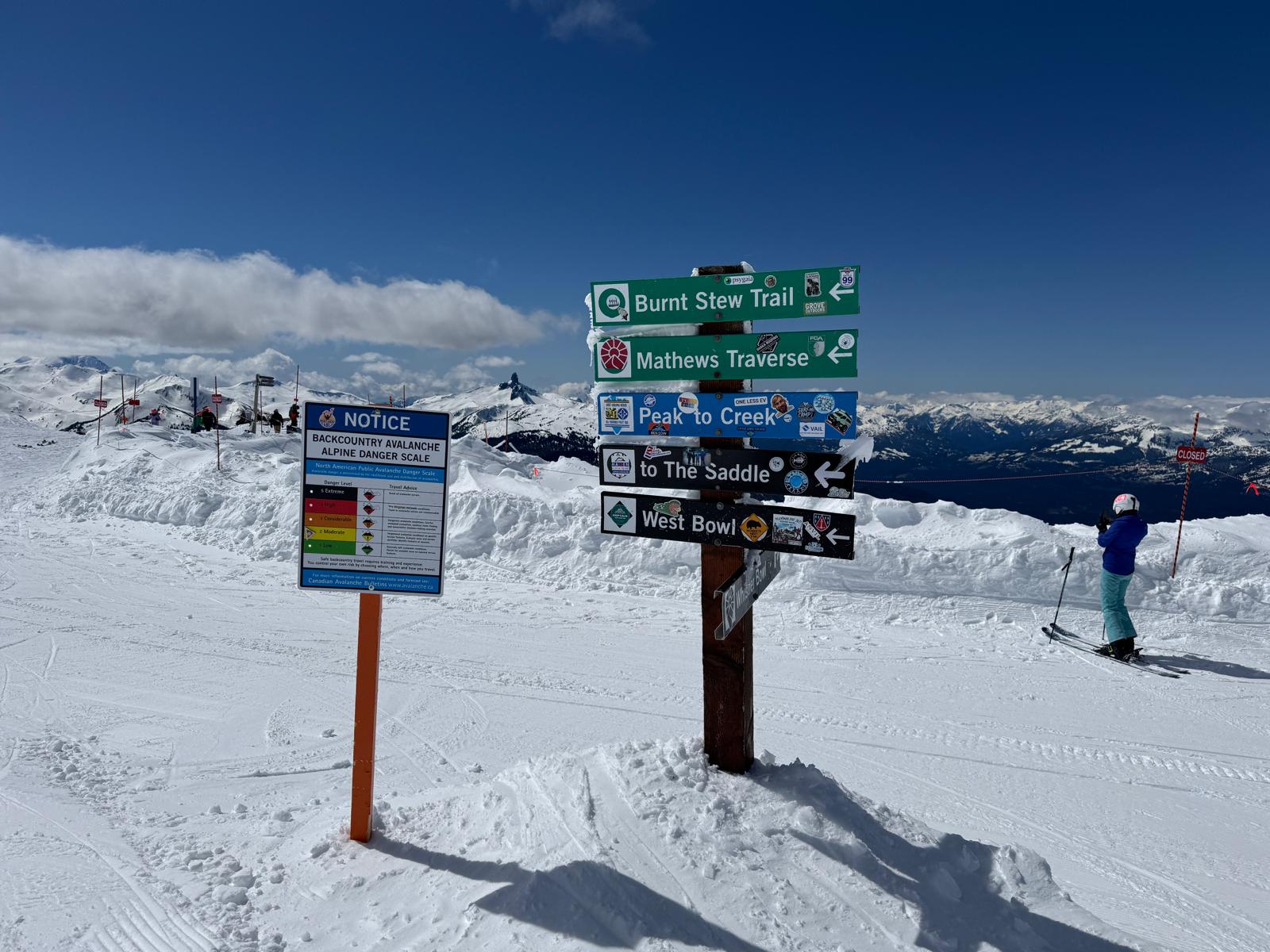
Avalanche posts on top of Whistler Mountain. Photo: The-Ski-Guru.

A Level 1 — Low avalanche danger rating does not mean the mountains are avalanche-free.

This is one of the most important — and most misunderstood — aspects of avalanche forecasting.

The European Avalanche Danger Scale describes the overall stability of the snowpack across a region. Even during Low danger conditions, isolated unstable slopes and specific avalanche problems may still exist.

Avalanche accidents can and do occur at Level 1.

Although the probability of triggering an avalanche is generally lower than during Moderate, Considerable, or High danger conditions, local terrain features can still create serious hazards.

This is especially true in steep alpine terrain, heavily wind-loaded slopes, glacier entrances, terrain traps, or sectors affected by glide avalanches.

At Level 1, natural avalanches are generally unlikely and the snowpack is considered mostly stable.

However, “mostly stable” does not mean “completely stable.”

Continue reading “Why Low Avalanche Danger Does Not Mean No Avalanche Risk”

Why Avalanche Accidents Still Happen at Level 2 – Moderate

Avalanche Level 2 Photo: Avalanchegeeks.com

A Level 2 — Moderate avalanche danger rating is one of the most misunderstood conditions in the mountains.

For many recreational skiers and occasional ski tourers, a Level 2 bulletin can sound relatively reassuring. The word “moderate” often creates the impression that conditions are largely stable and that avalanche risk is limited.

In reality, many serious avalanche accidents still occur during Level 2 conditions.

Continue reading “Why Avalanche Accidents Still Happen at Level 2 – Moderate”

The Alps in a Wilder Weather Era: Climate Extremes, Pollution and Adaptation

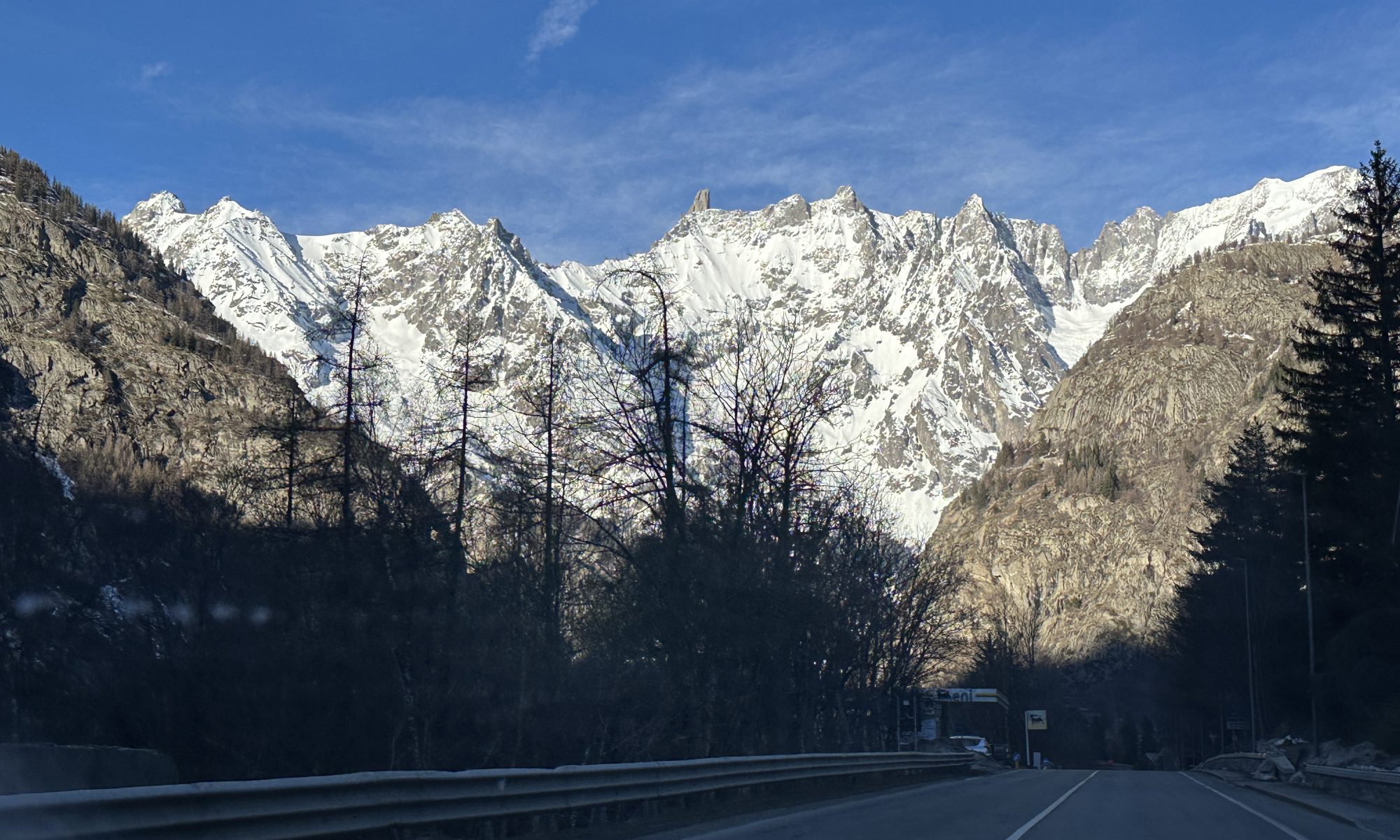
SS26 towards the Mont Blanc Tunnel with the Catena de Monte Bianco on the background. Photo: The-Ski-Guru.

Introduction

Weather patterns are becoming more volatile worldwide, with scientists increasingly pointing to sharper swings, clustered extremes, and less predictable seasons as a key signal of climate change.

In the Alps, however, these changes are not just visible — they are amplified by geography, altitude, and human infrastructure.

From pollution trapped in valleys like Chamonix to increasing avalanche cycles and rockfall risks, the region offers a clear picture of how global climate signals translate into real-world mountain impacts — and how Alpine regions are beginning to adapt.


A Global Signal — With Alpine Consequences

Recent climate analysis points to a shift away from stable seasonal patterns toward more erratic and extreme weather behaviour.

Continue reading “The Alps in a Wilder Weather Era: Climate Extremes, Pollution and Adaptation”

Avalanche Warnings Through Online Ads? Austrian Ski Resort Tests Smartphone Alert System

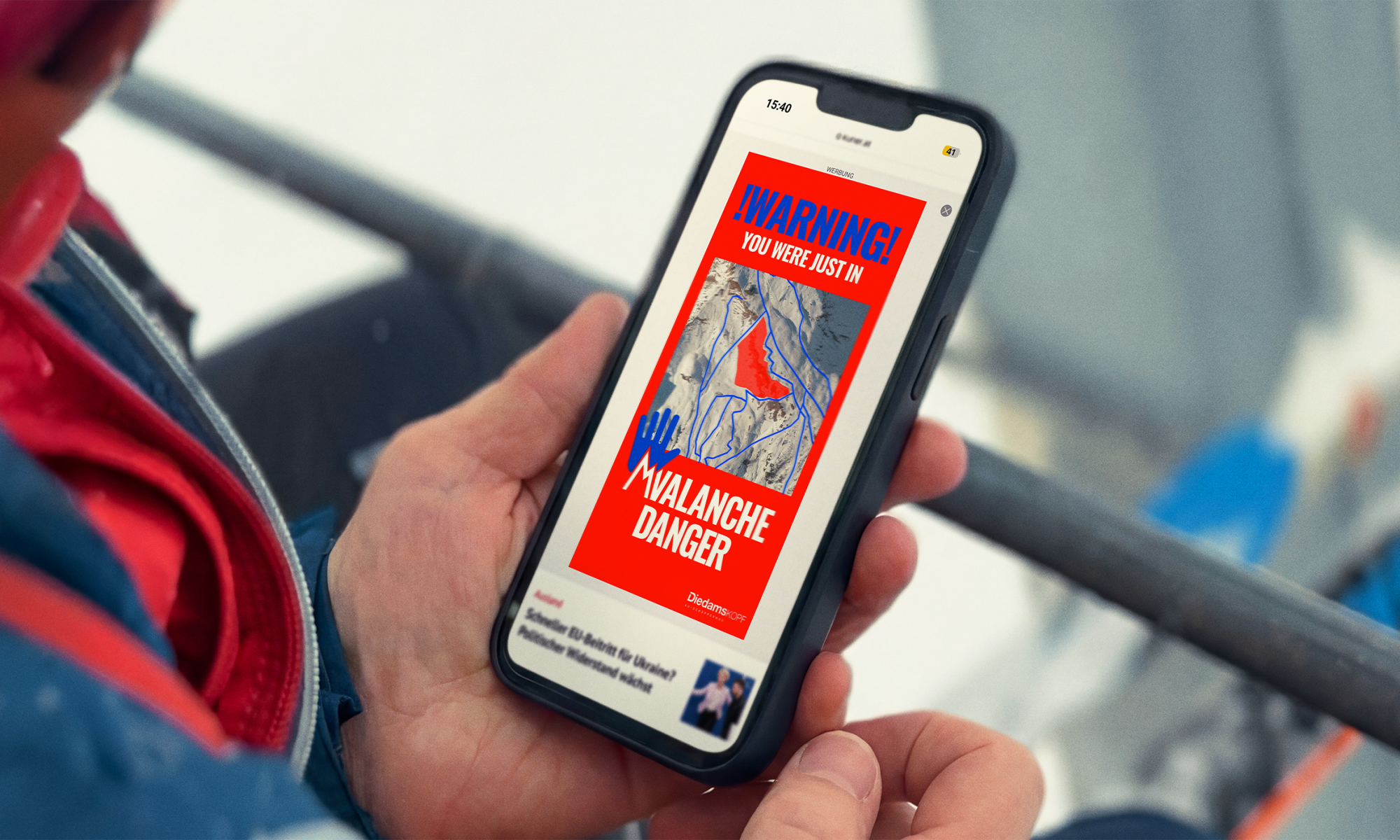
Avalanche Alerts. Photo credit: DMB.

A ski resort in Austria has begun testing an unusual avalanche warning system that delivers safety alerts directly to smartphones using the infrastructure normally reserved for digital advertising.

The initiative, called Avalanche Alerts, is currently being piloted at the Diedamskopf ski area in Vorarlberg, Austria, where digital advertising networks are being repurposed to deliver avalanche warnings to skiers inside mapped risk zones.

The experiment comes during a winter in which several Alpine regions have experienced repeated avalanche instability events, including the February 2026 avalanche cycle across the Alps.

The idea is to reach skiers at the moment they check their phones — often while riding lifts or resting between runs — but the system’s effectiveness ultimately depends on connectivity and user behaviour.

The software behind the project has also been released as open-source, meaning other ski resorts or mountain regions could theoretically adopt the system without licensing costs.

Continue reading “Avalanche Warnings Through Online Ads? Austrian Ski Resort Tests Smartphone Alert System”

The European Avalanche Danger Scale May Change — What Skiers Should Know

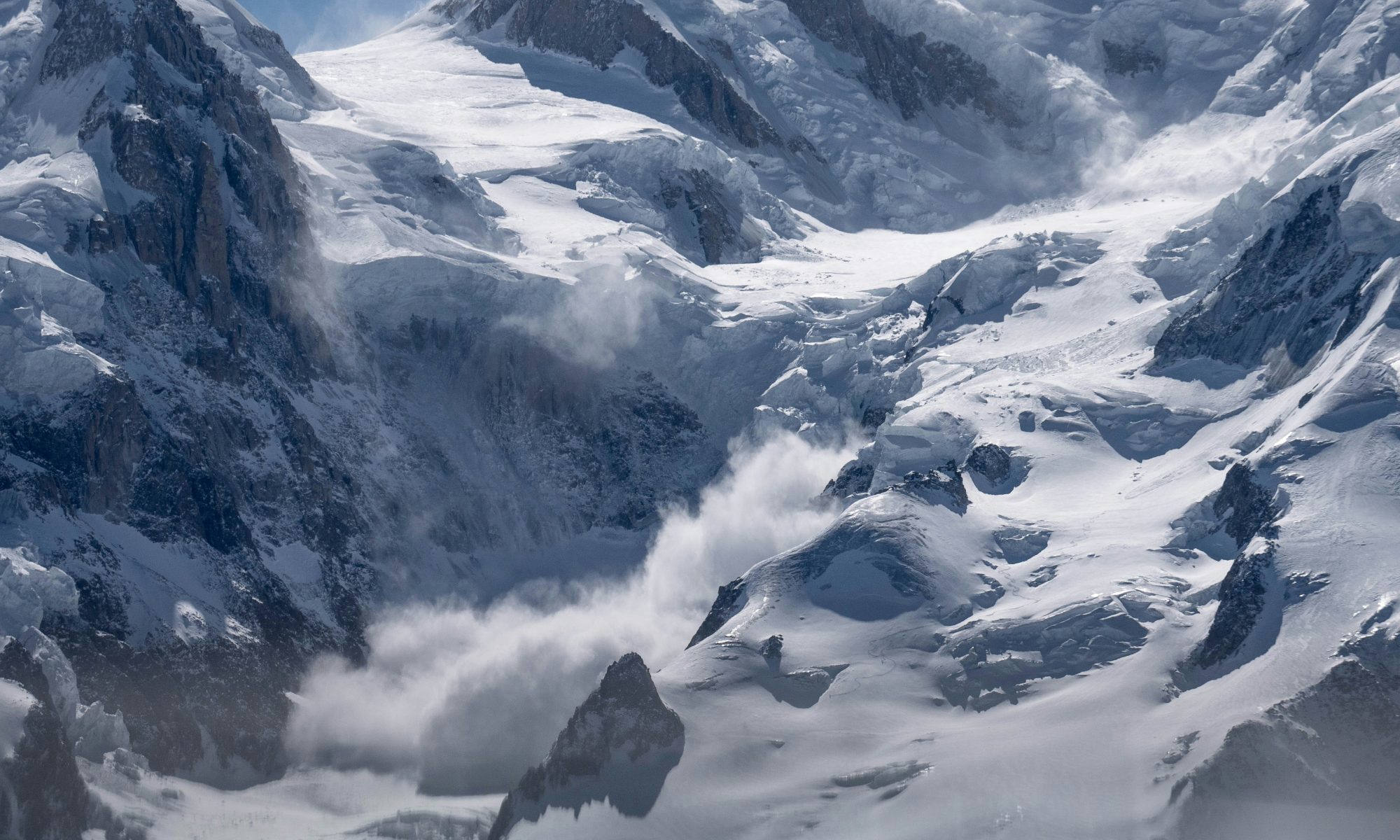
Avalanche in Chamonix. Stock photo: Krzysztof Kowalik. Unsplash.

The European Avalanche Danger Scale, used across the Alps and most mountain regions in Europe, may soon receive an update aimed at making avalanche forecasts easier to understand. The system is the standard framework used in avalanche bulletins across Europe to communicate snowpack stability and avalanche risk.

The five familiar danger levels will remain the same. However, avalanche forecasters are reviewing how the scale is explained and communicated to the public, with the goal of improving clarity for skiers, snowboarders and backcountry users.

Avalanche danger levels such as Level 3 (Considerable) and Level 4 (High) are often misunderstood by recreational skiers. Many avalanche accidents occur under these conditions because the snowpack can still produce large human-triggered avalanches even when danger is not at the highest levels.

To support the work, the network of European avalanche forecasting agencies known as European Avalanche Warning Services (EAWS) has launched a public survey asking mountain users to evaluate new wording and descriptions used in avalanche bulletins.

Continue reading “The European Avalanche Danger Scale May Change — What Skiers Should Know”

Avalanche Fatality Near Ptarmigan Pass, Colorado – Victim Found in Boss Basin Slide

Ptarmigan Pass- Google Maps.

A backcountry avalanche near Ptarmigan Pass in Colorado’s Tenmile Range has claimed the life of a missing person following an overnight search operation.

Rescue teams located the victim on the morning of March 8, 2026, buried in avalanche debris in the Boss Basin area, an upper portion of Resolution Creek south of Ptarmigan Pass.

Authorities have not yet released the identity of the victim.

Search Operation and Discovery

According to the Colorado Avalanche Information Center, the person was reported missing on the evening of March 7.

Multiple agencies responded to the search, including:

  • Summit County Rescue Group
  • Vail Mountain Rescue Group
  • Summit County Sheriff’s Office
  • Eagle County Sheriff’s Office

During the search operation, rescuers identified an avalanche with ski and snowmobile tracks nearby and leading into the slide path.

At sunrise on March 8, the search resumed with aerial support from Flight For Life Colorado.

The missing person was located deceased within the avalanche debris.

Continue reading “Avalanche Fatality Near Ptarmigan Pass, Colorado – Victim Found in Boss Basin Slide”

Walker Killed in Valloire Avalanche as Rare Large Slides Sweep French Alps

Valloire. Photo: Merlin Janke. Unsplash.

A major avalanche cycle continues across the French Alps following heavy snowfall and strong winds, with a confirmed fatality in Valloire and multiple large natural releases affecting roads, hamlets and ski infrastructure.

Authorities had issued Level 5 (maximum) avalanche danger in parts of Savoie at the time of the incident.

The Valloire incident follows other serious avalanche accidents in the region, including the recent Val d’Isère avalanche that killed two British skiers after a Level 5 warning.

This incident forms part of the broader February 2026 avalanche cycle across the Alps, which saw widespread Level 4 and Level 5 danger across multiple countries.


Fatal Avalanche in Valloire (Savoie) – 17 February 2026

According to Le Dauphiné Libéré, TF1 Info, and Reuters, a very large natural avalanche struck near the hamlet of La Rivine in Valloire around midday on 17 February.

The avalanche descended from natural slopes above the hamlet, crossed a road and pedestrian path, and swept through an area below the slope.

One person walking along the path was killed. Three others were injured, including two reported to be in critical condition. Rescue operations involved mountain police (PGHM), firefighters, search dogs and medical teams. Two hamlets — La Rivine and La Borgé — were evacuated as a precaution.

French media described the avalanche as “de grande ampleur” (of great magnitude). The incident occurred during a Level 5 avalanche danger period, the highest rating on the European avalanche scale.

Continue reading “Walker Killed in Valloire Avalanche as Rare Large Slides Sweep French Alps”