

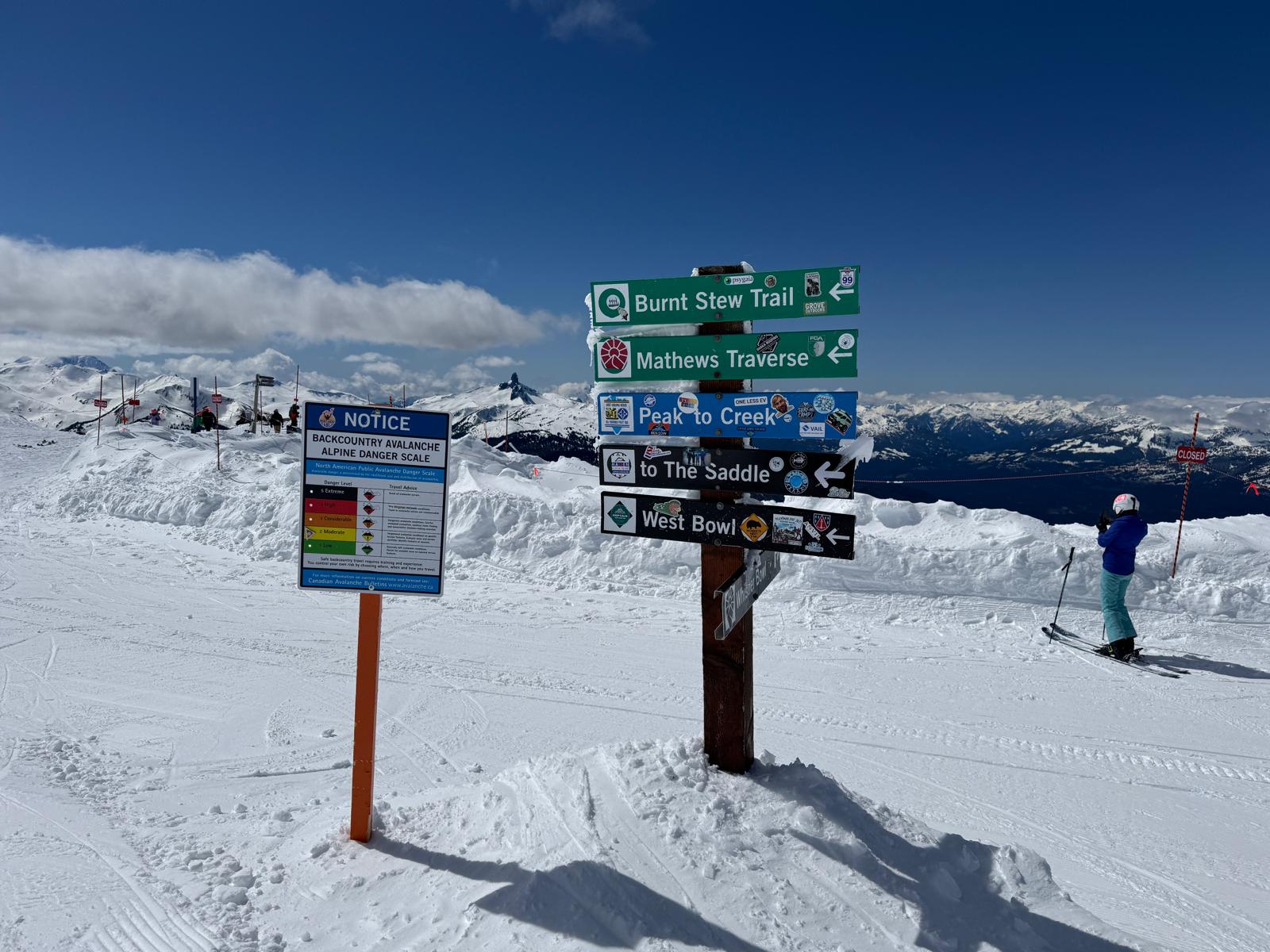
A Level 1 — Low avalanche danger rating does not mean the mountains are avalanche-free.
This is one of the most important — and most misunderstood — aspects of avalanche forecasting.
The European Avalanche Danger Scale describes the overall stability of the snowpack across a region. Even during Low danger conditions, isolated unstable slopes and specific avalanche problems may still exist.
Avalanche accidents can and do occur at Level 1.
Although the probability of triggering an avalanche is generally lower than during Moderate, Considerable, or High danger conditions, local terrain features can still create serious hazards.
This is especially true in steep alpine terrain, heavily wind-loaded slopes, glacier entrances, terrain traps, or sectors affected by glide avalanches.
At Level 1, natural avalanches are generally unlikely and the snowpack is considered mostly stable.
However, “mostly stable” does not mean “completely stable.”
Avalanche bulletins are regional assessments covering entire mountain massifs. They cannot describe every slope individually.
This means isolated instabilities may still exist in very specific locations.
Wind slabs remain one of the most common avalanche problems during Low danger periods.
Even after storms have passed and the overall snowpack stabilises, isolated pockets of wind-transported snow can remain reactive in steep terrain. A skier or climber may still trigger a slab avalanche if they enter one of these loaded areas.
Glide avalanches are another important example.
These full-depth avalanches occur when the entire snowpack slowly slides over the ground beneath it. They are notoriously difficult to predict and can sometimes release even during Level 1 conditions.
In spring, warming temperatures can also destabilise local slopes later in the day despite relatively stable overnight refreezing.
The danger with Level 1 conditions is often behavioural.
Because the avalanche bulletin appears reassuring, skiers and mountaineers may become less cautious with terrain selection or timing.
Confidence increases.
Objectives become more ambitious.
People may travel into larger alpine terrain where isolated hazards still exist.
This is why avalanche professionals consistently stress that avalanche danger ratings should never be interpreted as guarantees of safety, a theme increasingly connected to wider discussions around Snow Conditions in a Warming Alpine Climate.
The mountains always contain some degree of objective risk.
Understanding local terrain, recent weather, wind transport, temperature evolution, and snowpack structure remains essential even during Low danger conditions.
Many experienced mountaineers consider Level 1 conditions excellent for touring — but only when combined with continued terrain awareness and conservative decision-making.
Low danger does not eliminate avalanche risk.
It simply means the instability is generally more isolated and less widespread.
Read More:
Understanding the European Avalanche Danger Scale: Levels 1–5 Explained
Why Avalanche Accidents Still Happen at Level 2 – Moderate
Avalanche Danger Levels Explained: What ‘Level 3 – Considerable’ Really Means
February 2026 Avalanche Cycle Across the Alps
 Planning your next trip to the Italian Alps?
 Planning your next trip to the Italian Alps?
If you’re heading to the Aosta Valley, take a look at Il Cuore della Valdigne, our family-owned apartment in Morgex, available for rent when we’re not using it ourselves.
It’s an ideal base to:
- Ski in Courmayeur, La Thuile and Pila
- Enjoy the mountains in summer (hiking, biking, nature)
- Explore the Mont Blanc valley in a quieter, more authentic setting.
 Ski in Courmayeur,
 Enjoy the mountains in summer (hiking, biking, nature)
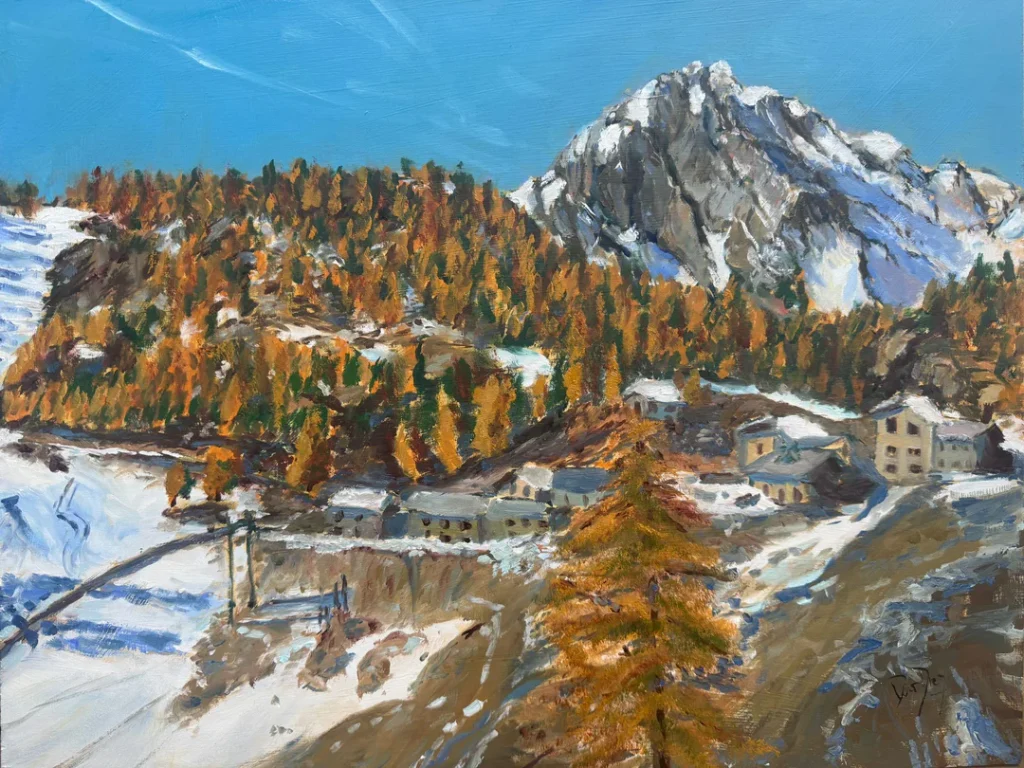
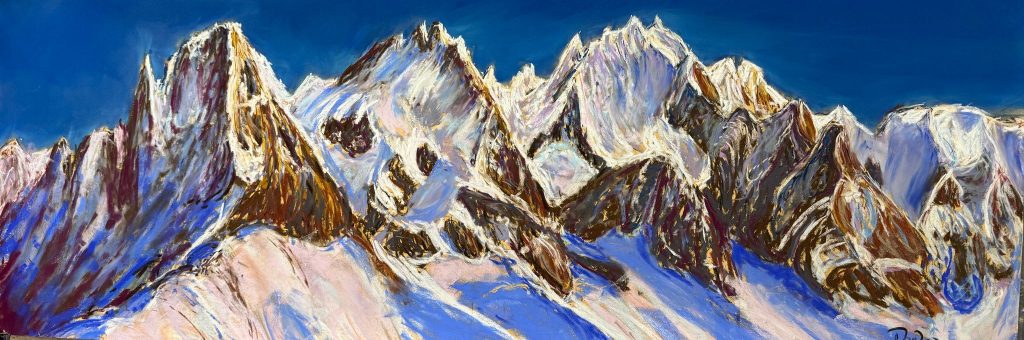
Check my Mountain Art on my Shop
You can go to my shop and see what have been inspiring me lately, lots mountain landscapes in soft pastels, and now in oils too. Go here to check my latest works!
Featured Image: Avalanche posts on top of Whistler Mountain. Photo: The-Ski-Guru.


Discover more from The-Ski-Guru
Subscribe to get the latest posts sent to your email.
 Subscribe to The-Ski-Guru here.