

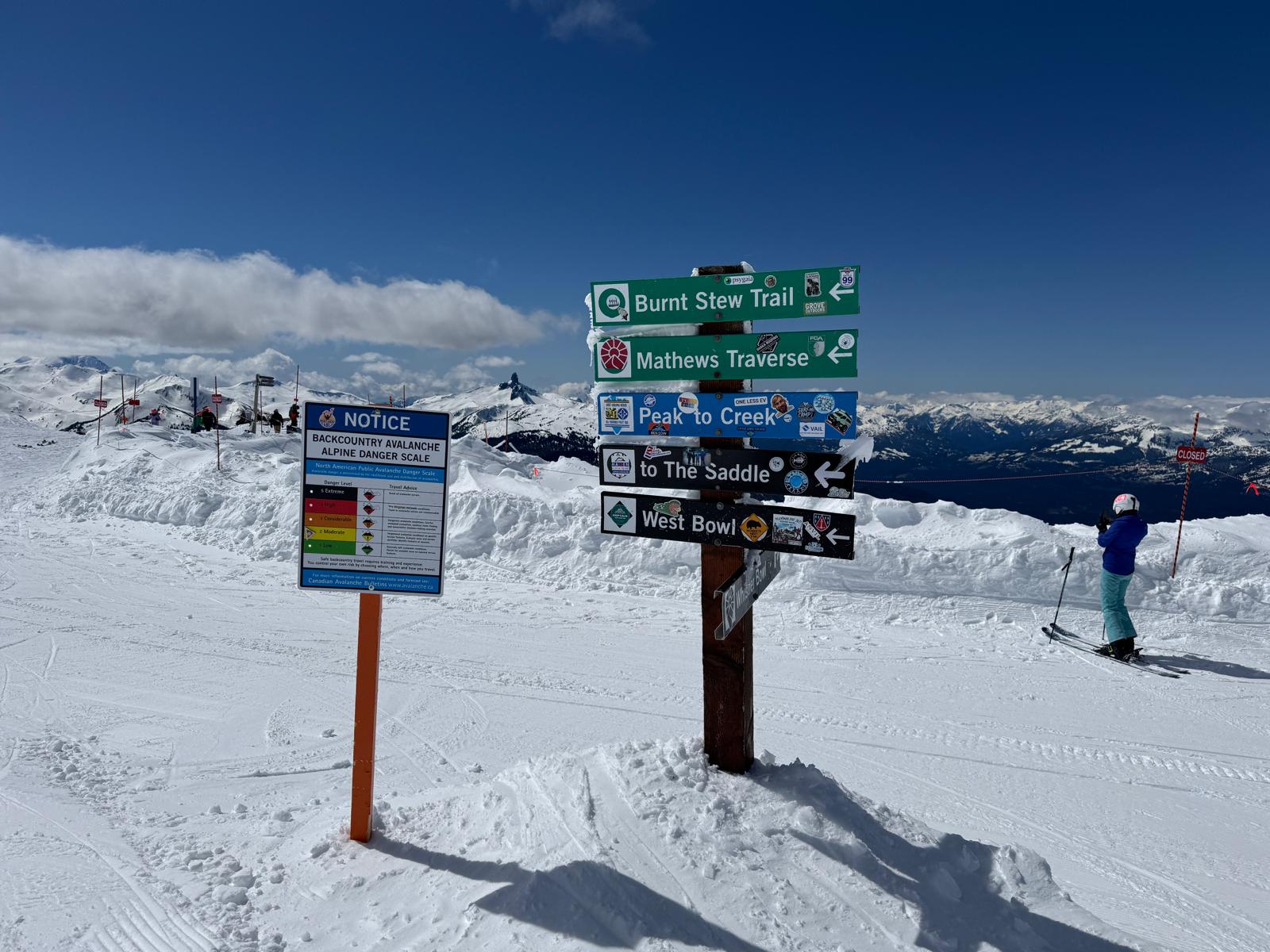
A Level 1 — Low avalanche danger rating does not mean the mountains are avalanche-free.
This is one of the most important — and most misunderstood — aspects of avalanche forecasting.
The European Avalanche Danger Scale describes the overall stability of the snowpack across a region. Even during Low danger conditions, isolated unstable slopes and specific avalanche problems may still exist.
Avalanche accidents can and do occur at Level 1.
Although the probability of triggering an avalanche is generally lower than during Moderate, Considerable, or High danger conditions, local terrain features can still create serious hazards.
This is especially true in steep alpine terrain, heavily wind-loaded slopes, glacier entrances, terrain traps, or sectors affected by glide avalanches.
At Level 1, natural avalanches are generally unlikely and the snowpack is considered mostly stable.
However, “mostly stable” does not mean “completely stable.”
Continue reading “Why Low Avalanche Danger Does Not Mean No Avalanche Risk”

 Subscribe to The-Ski-Guru here.