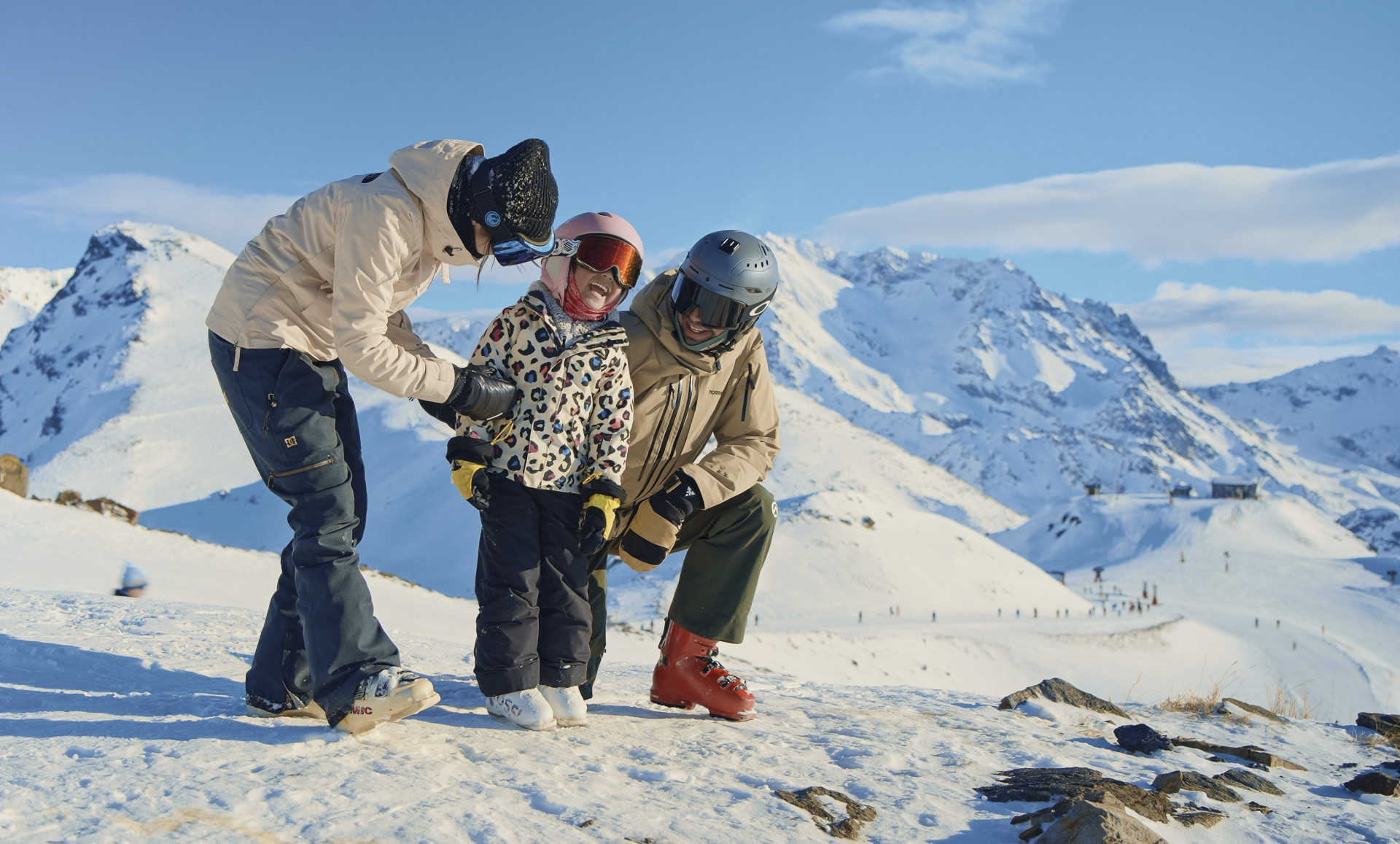
What Is Famille Plus? France’s Family Ski Resort Label Explained

Les Menuires- a Famille Plus resort. Photo credit: Friendly Menuires. https://en.locationlesmenuires.com/

Choosing a ski resort with children involves much more than checking the piste map. Childcare, ski-school arrangements, places to eat and activities for the afternoon can make a considerable difference to the holiday.

In France, Famille Plus is a national tourism label designed to help families identify destinations that have committed to meeting those needs.

For winter 2026/27, there is also a new name to know: La Norma, which France Montagnes identifies as newly labelled in 2026.

What does the Famille Plus label mean?

Famille Plus recognises a destination’s approach to welcoming families, covering services and facilities across the resort.

The programme is supported by the French state services responsible for tourism and operates across four types of destination: mountain, seaside, countryside and city.

Its criteria cover information, entertainment, activities, environmental and heritage discovery, accommodation, restaurants, shops, transport, facilities and family pricing. That makes it relevant to the whole holiday, including time spent away from the slopes. Vivre ensemble de belles expériences

Continue reading “What Is Famille Plus? France’s Family Ski Resort Label Explained”
French Ski Pass Prices 2026/27: From €13.40 in Bessans to €84.20 in Les 3 Vallées

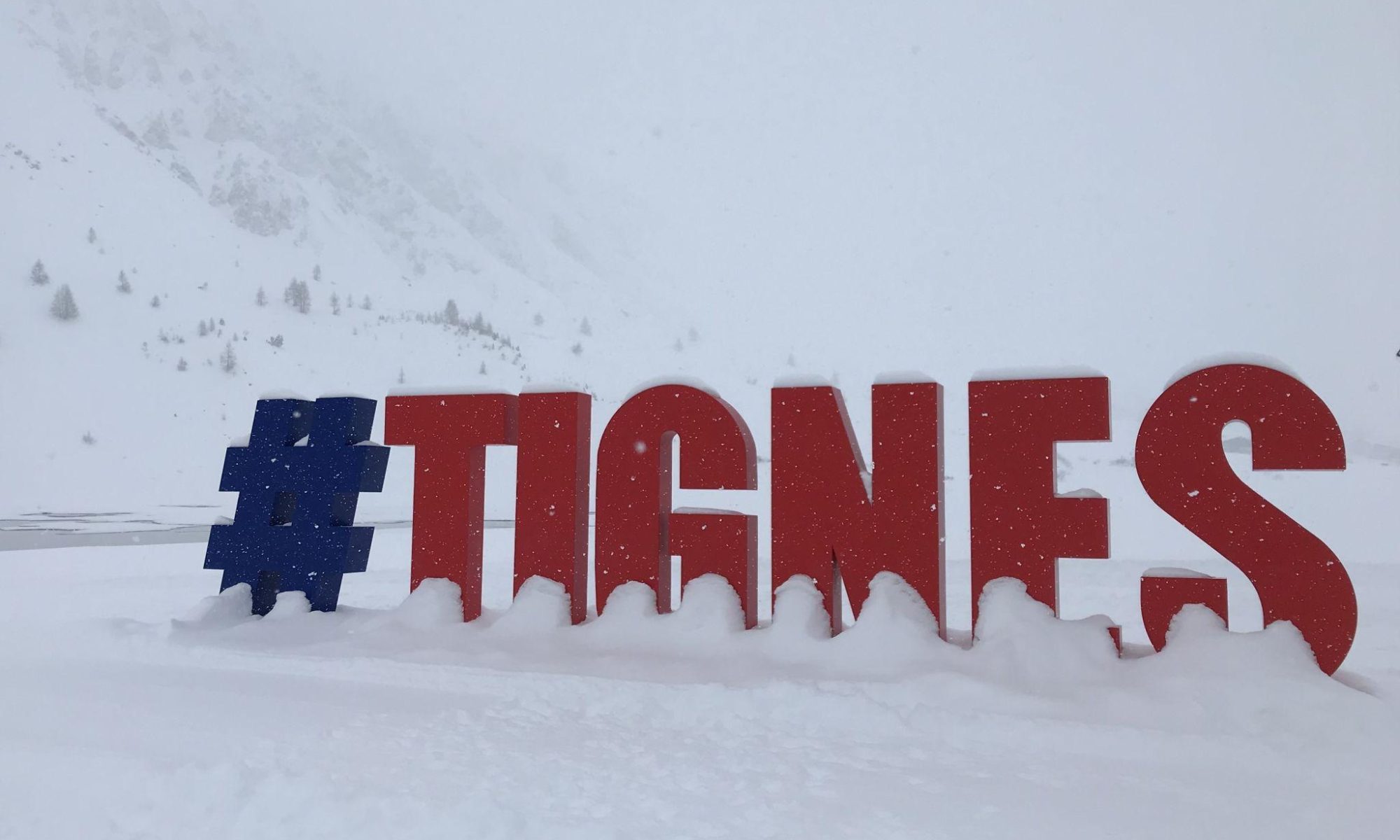
Big snowstorm in Tignes. Photo: Tignes TO..

An adult day ski pass costs €13.40 in Bessans and €84.20 in Les 3 Vallées in winter 2026/27. Both are in Savoie, but the tickets buy very different days on snow. Bessans has 3 km of downhill pistes, while Les 3 Vallées links 600 km. And if you’re booking a week, the order changes. A six-day adult pass costs €421 in Les 3 Vallées and €468 in Tignes–Val d’Isère, where the six-day price includes a seventh ski day. Domaines Skiables de France · Les 3 Vallées · Tignes–Val d’Isère

Continue reading “French Ski Pass Prices 2026/27: From €13.40 in Bessans to €84.20 in Les 3 Vallées”

Snowmaking and Water in the Alps: When Do New Reservoirs Make Sense?

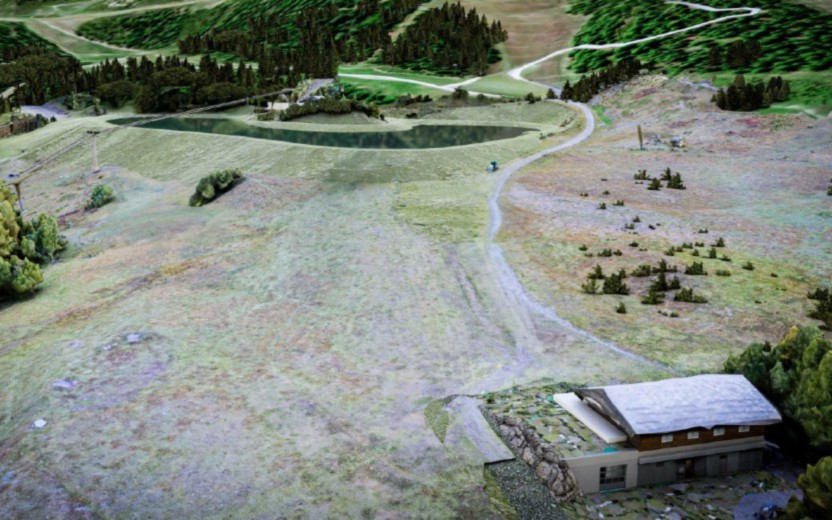
A rendering of Lake Leisse around 2,100 meters- Courtesy of Pila sPa.

A snow gun needs cold enough conditions and a supply of water. A reservoir can help with the second part by storing water for use when conditions are right. But where will that water come from, and what happens to the people and ecosystems that already depend on it?

Those questions are at the heart of BECCA, a French–Italian climate adaptation project led by the Aosta Valley. At its final conference on 4 November 2026, the project presented a strategy for deciding whether and where to build small mountain reservoirs, alongside a bilingual technical guide for designing, building and maintaining them. www.interreg-alcotra.eu

Continue reading “Snowmaking and Water in the Alps: When Do New Reservoirs Make Sense?”

Alps Snow Forecast: Fresh November Snow Favours the Southwest

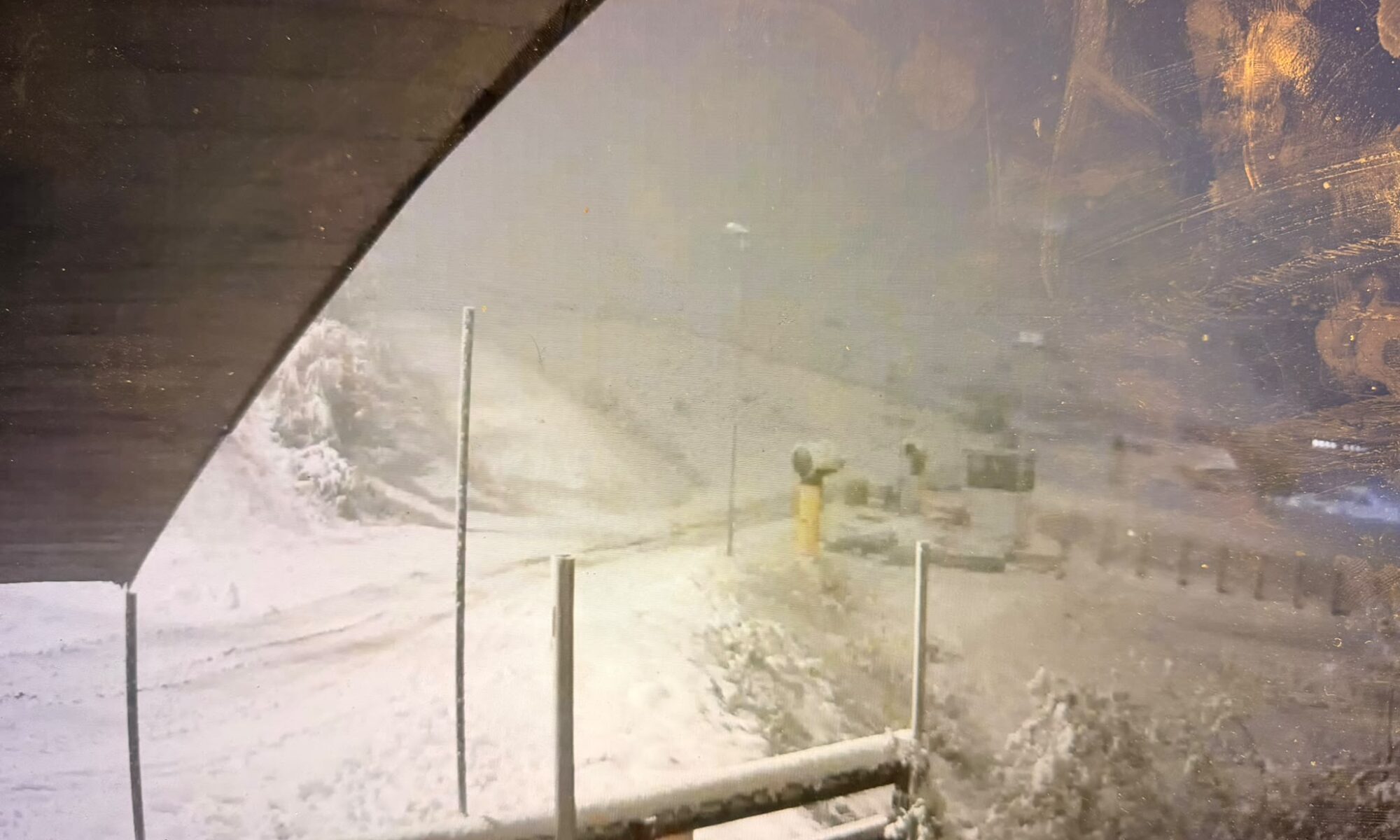
Prato Nevoso on 4th November 2026 in the evening with its new snow. Photo: webcam Skyline webcams.

Fresh snow is returning to parts of the Alps, with southern Piemonte and the southern French Alps best placed for this week’s snowfall. Here is the latest outlook for France, Italy, Switzerland, Austria, Germany and Slovenia.

By Martina Diez-Routh | The Ski Guru
4 November 2026

Fresh snow is returning to parts of the Alps as the winter season approaches, but the latest forecasts show considerable differences across the mountain range.

The strongest snowfall signal this week is concentrated in the far southwestern Alps, particularly southern Piemonte in Italy and neighbouring parts of the southern French Alps. Farther north and east, precipitation is expected to be lighter or more intermittent.

According to Weather to Ski’s update issued on 4 November, the most favoured southwestern areas could receive 20–30cm by Friday morning, with locally more than 40cm. These are forecast accumulations, rather than measured snow depths.

Our Europe winter 2026–27 snow forecast and snowmaking report examined the seasonal outlook and how resorts are preparing their snowmaking systems. This update turns to the shorter-range forecast: where snow is expected this week, at what altitude and how conditions could change afterwards.

An early November snowfall can occur within a season that ultimately averages warmer than normal. Seasonal outlooks describe conditions over several months; individual weather systems determine when and where snow actually falls.

Continue reading “Alps Snow Forecast: Fresh November Snow Favours the Southwest”

Ski Resorts by Train from London: The Alps and Pyrenees — Winter 2026/27

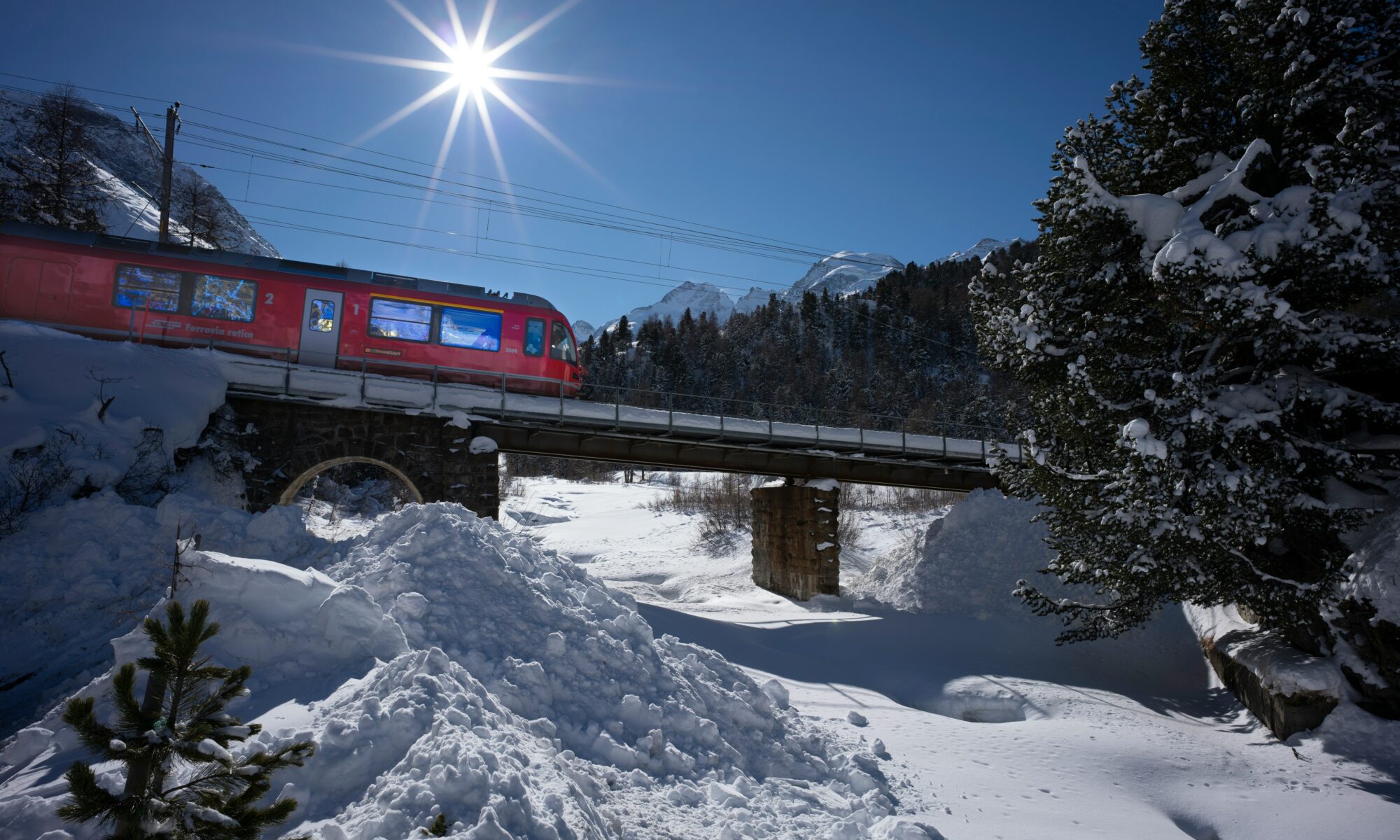
A train passing the Morteratsch Glacier on its way from Bernina to Pontresina, Switzerland. Photo: Sepp Rutz. Unsplash.

From the French Alps to the Dolomites, Switzerland, Austria and the Pyrenees, discover how to reach European ski resorts by train from London — including sleeper services, onward buses, journey planning and the connections that still need confirmation.

There is something special about starting a ski holiday on a train.

Instead of heading to an airport, checking in luggage and waiting for a flight, travellers can board a train in central London, settle into their seats and watch the landscape change as they cross Europe towards the mountains.

For some ski resorts, the train takes passengers directly into town. For others, the journey involves a combination of high-speed trains, regional railways, buses, gondolas and private transfers.

Travelling by train is not necessarily cheaper or faster than flying. But it can be a more enjoyable way to travel, with more freedom to move around, appreciate the scenery and make the journey part of the holiday itself.

This guide explores how to reach ski resorts in the Alps and Pyrenees from London during winter 2026/27, covering France, Switzerland, Italy, Austria, Germany, Slovenia, Spain and the Principality of Andorra.

Continue reading “Ski Resorts by Train from London: The Alps and Pyrenees — Winter 2026/27”

Alps and Pyrenees Snow Forecast: Fresh Snow and Falling Snow Levels

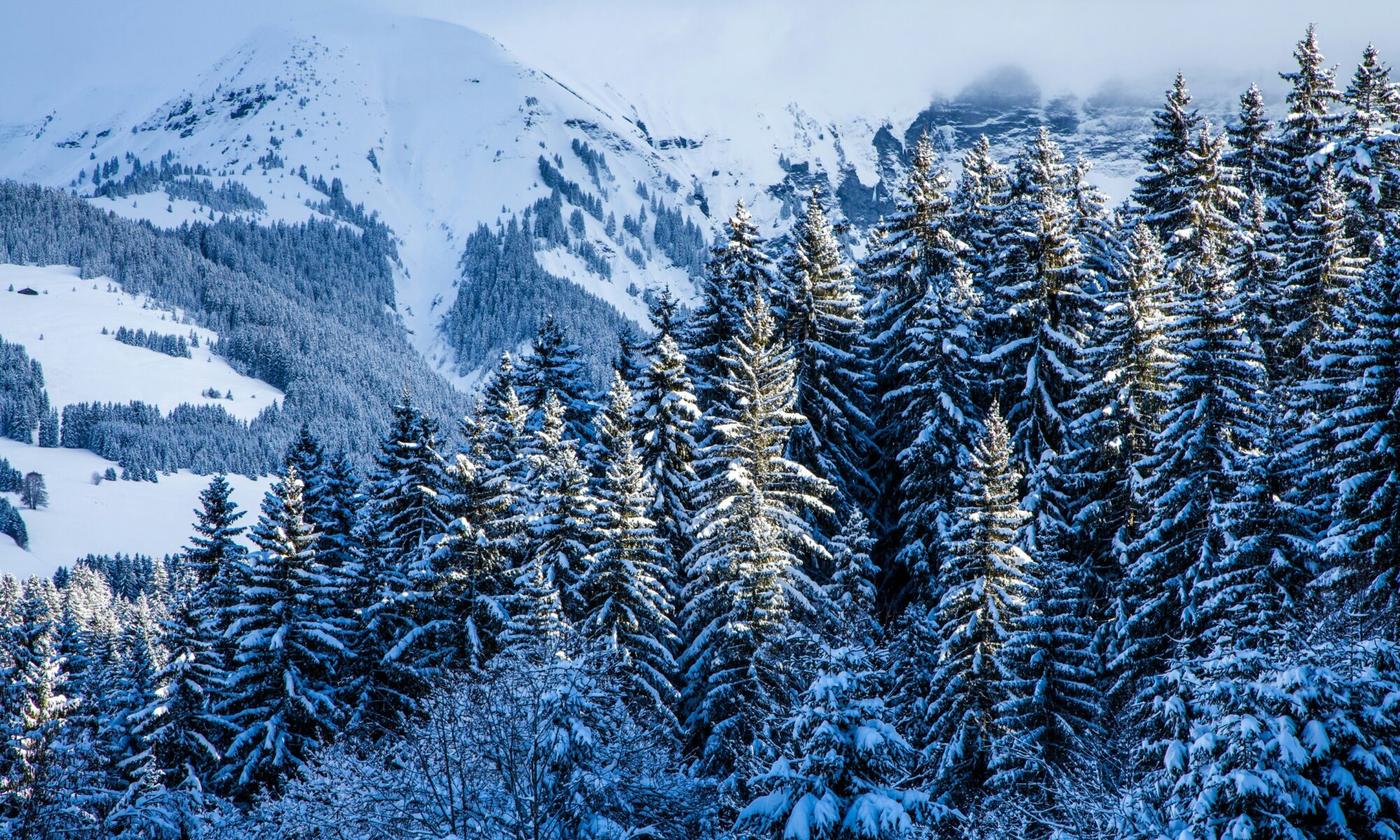
Snowy Megève. Photo credit: Mario la Pergola- Unsplash.

20 October 2026

Fresh snow is forecast for parts of the Alps this week, but elevation and timing will make a considerable difference. Official forecasts for several Italian Alpine regions show snow initially confined to higher slopes, followed by falling snow levels as colder air arrives.

In some areas, the colder conditions will reach the mountains as precipitation begins to ease. That means a lower snowline will not necessarily bring substantial accumulations to lower slopes.

The Catalan Pyrenees also have snow in the forecast, with AEMET predicting a falling snowline on Wednesday.

Continue reading “Alps and Pyrenees Snow Forecast: Fresh Snow and Falling Snow Levels”

Mont Blanc Is Growing Again — But What Does Its New Height Really Tell Us?

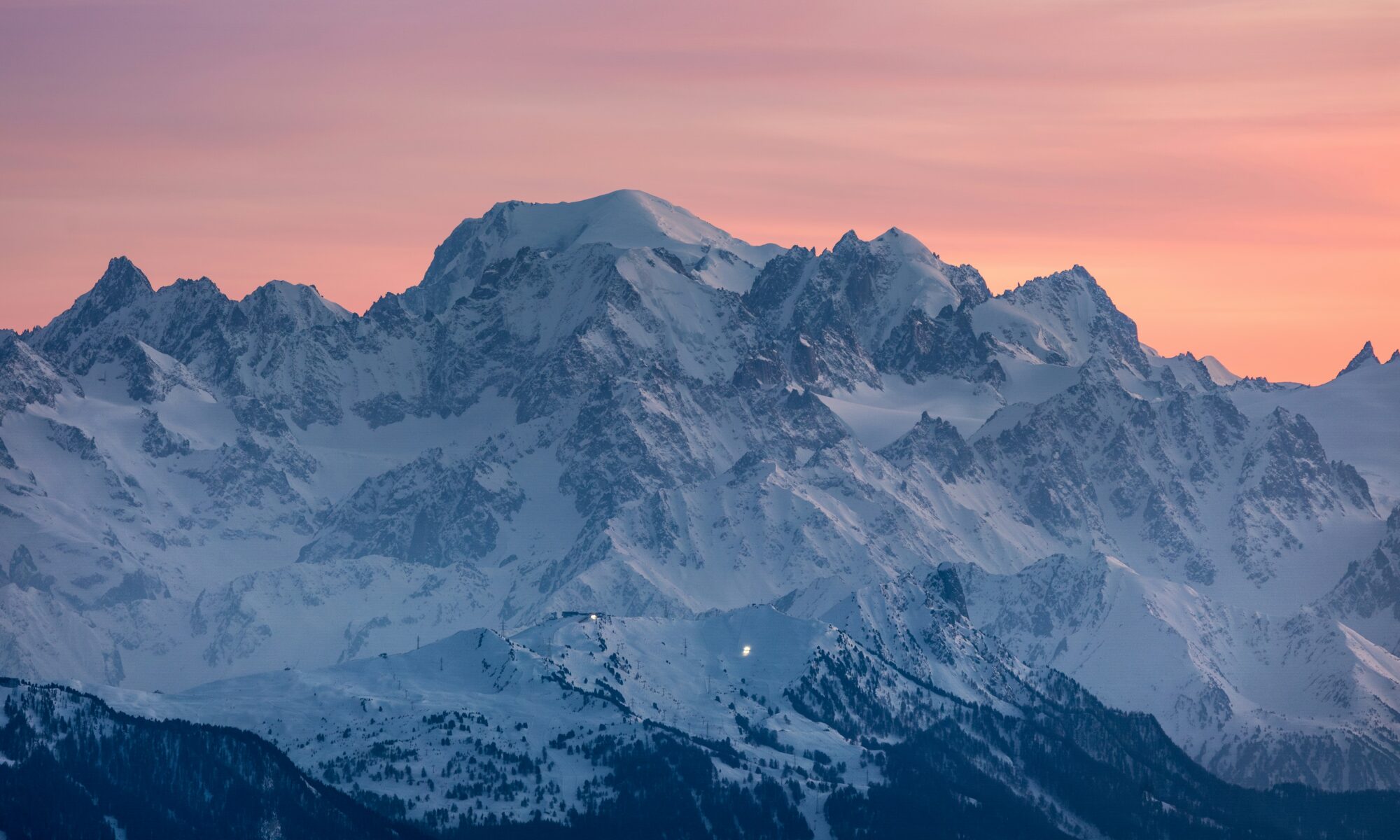
Mont Blanc seen from the French side. Photo credit: Marek Piwnicki. Unsplash.

Europe’s highest Alpine summit has gained nearly two metres since 2023, but scientists warn that changes in its snowy peak should not be confused with the wider retreat of Alpine glaciers.

Mont Blanc, the highest mountain in the Alps and Western Europe, has a newly confirmed altitude: 4,807.47 metres above sea level.

The figure was officially announced on 14 October 2026 following a French scientific expedition to the summit in September.

The measurement represents an increase of 1.88 metres compared with 2023, when Mont Blanc stood at 4,805.59 metres.

However, there is an interesting twist: the mountain is actually 1.29 metres lower than it was in 2025.

So, is Mont Blanc growing or shrinking? And what does this tell us about climate change in the Alps?

Continue reading “Mont Blanc Is Growing Again — But What Does Its New Height Really Tell Us?”

Where There Was Once Ice, Suspension Bridges Now Span the Gaps Above Chamonix’s Mer de Glace

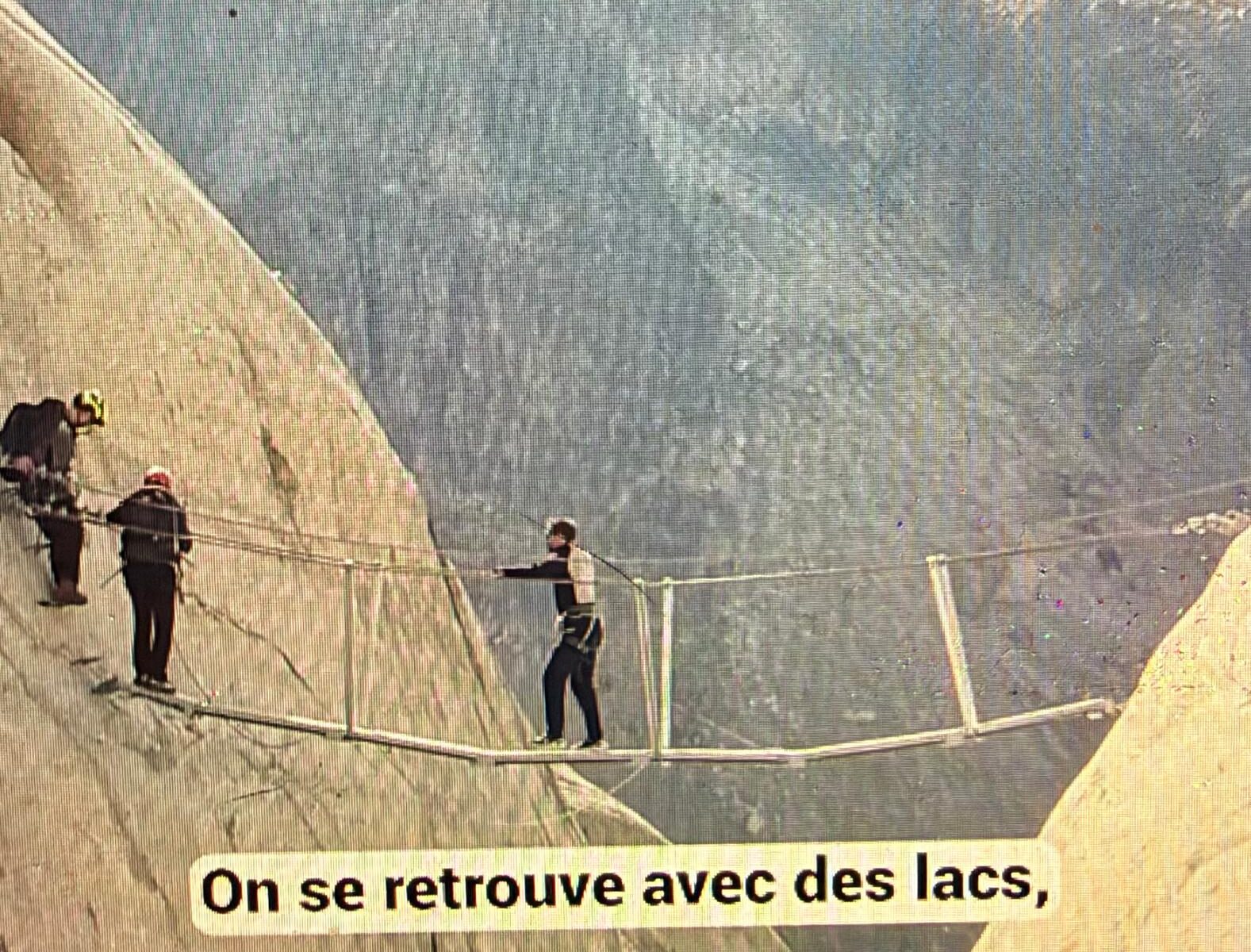
Hanging Bridge in Chamonix's Mer de Glace. Screenshot of FB post of Le Dauphiné Libéré

Three Himalayan-style suspension bridges above the Mer de Glace highlight how glacier retreat is forcing Chamonix to rethink mountain access, hiking routes and the infrastructure needed to keep the high Alps accessible.

For generations, glaciers provided natural passages through the Alps. Today, in some places, their retreat is leaving behind steep rock faces, unstable terrain and deep gaps that require entirely new solutions.

Above Chamonix’s famous Mer de Glace, three suspension bridges now illustrate this transformation particularly vividly.

The structures, described as Himalayan-style footbridges, allow mountaineers and experienced hikers to cross sections of the Balcons de la Mer de Glace where the changing landscape has made traditional routes increasingly difficult.

French regional newspaper Le Dauphiné Libéré reported on the bridges on 13 October 2026, followed by a video report on 14 October showing local officials inspecting the installations.

Continue reading “Where There Was Once Ice, Suspension Bridges Now Span the Gaps Above Chamonix’s Mer de Glace”

Mer de Glace Ice Cave Turns 80 — But May Have Only a Few Years Left

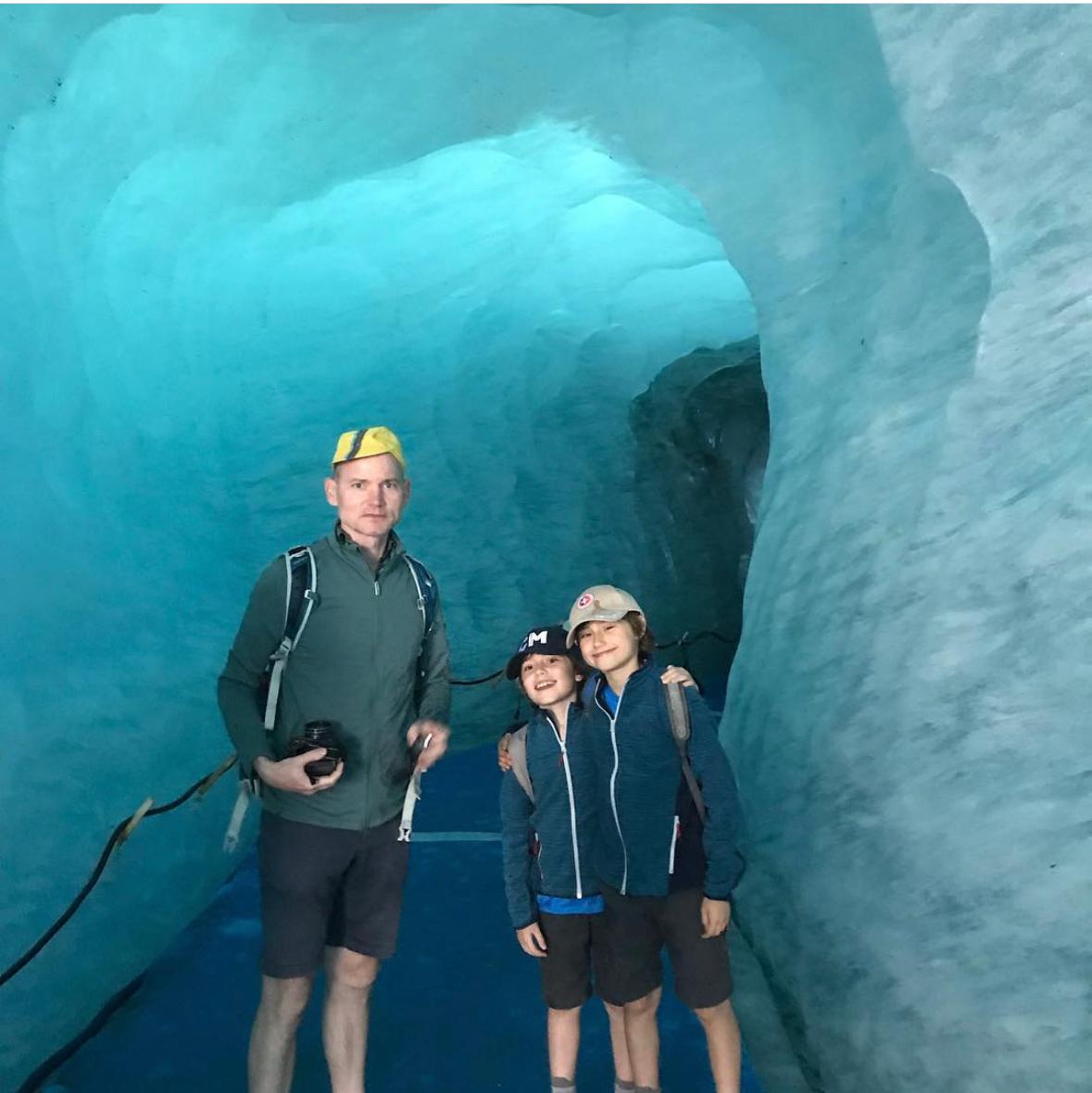
My husband and sons inside the Montenvers cave in 2018. Photo: The-Ski-Guru

The famous ice cave carved into the Mer de Glace above Chamonix is celebrating its 80th anniversary in 2026. But as the glacier continues to shrink, the family that has been carving it since 1946 knows the attraction may not survive to celebrate its centenary.

For eight decades, workers have returned to the Mer de Glace above Chamonix to carve a new passage into the moving glacier.

The famous Grotte de Glace, or Ice Cave, was first created in 1946 by Georges Claret. Three generations later, his grandson Benjamin Claret continues a family tradition that has become one of Chamonix’s best-known tourist attractions.

But its 80th anniversary comes with an increasingly uncertain future.

Continue reading “Mer de Glace Ice Cave Turns 80 — But May Have Only a Few Years Left”

15,000m³ Rockfall at Aiguille du Midi as Extreme Heat Destabilises Mont Blanc

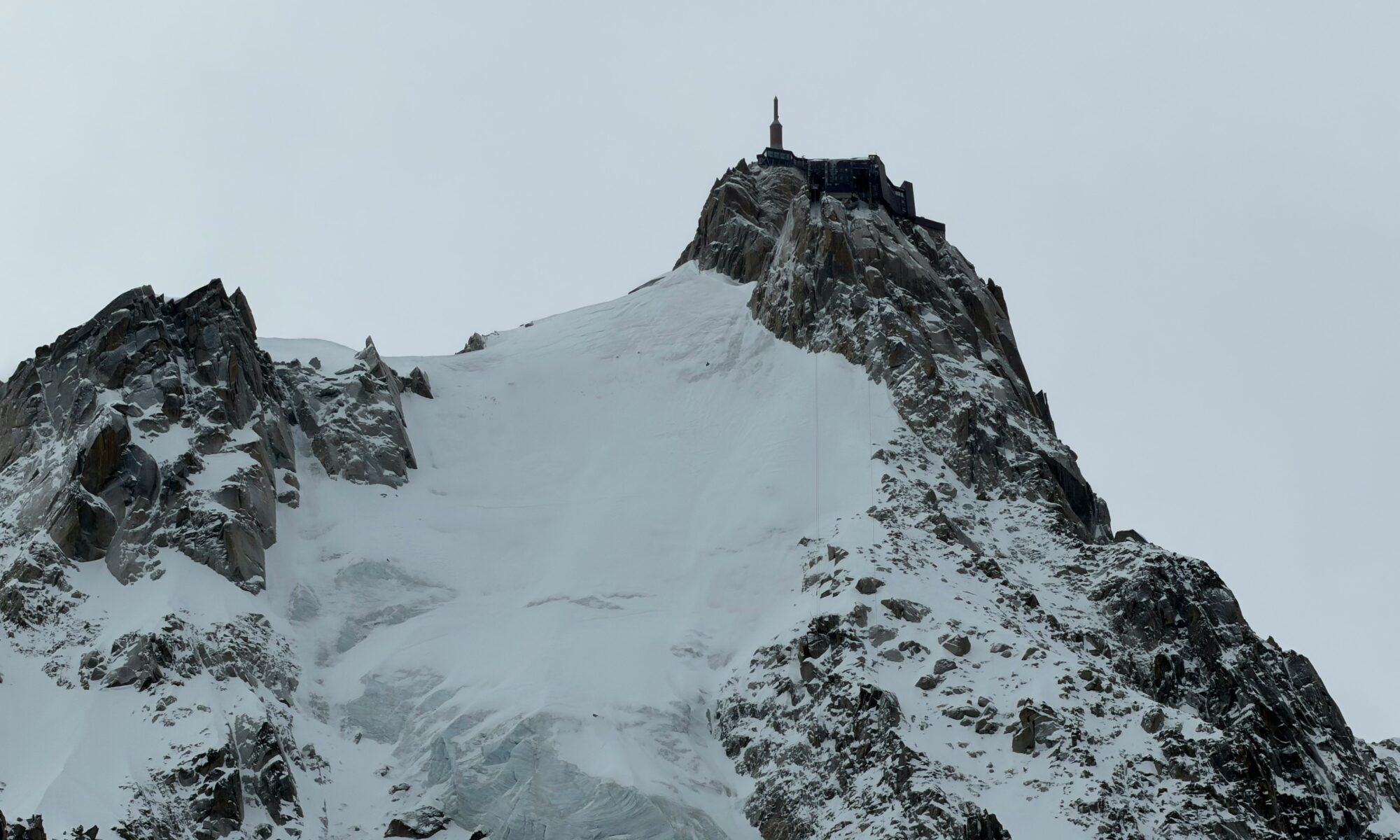
Aiguille du Midi- Photo: Upendra Wanmali. Unsplash.

A major rockfall estimated at around 15,000 cubic metres has occurred on the north face of the Aiguille du Midi above Chamonix, adding to growing evidence of instability across the Mont Blanc massif during this summer’s extreme heat.

The collapse happened around midday on Wednesday, 12 August, at more than 3,600 metres altitude, according to French regional newspaper Le Dauphiné Libéré.

The event comes during an exceptionally difficult period in the high Alps, where sustained heat is accelerating glacier melt, warming permafrost and increasing the instability of some high-altitude rock faces.

Around 15,000 Cubic Metres of Rock Fell

Ludovic Ravanel, a geomorphologist at the CNRS and member of the Compagnie des Guides de Chamonix, estimated the volume of the collapse at approximately 15,000 cubic metres.

Continue reading “15,000m³ Rockfall at Aiguille du Midi as Extreme Heat Destabilises Mont Blanc”