Fatal Week In The Alps Highlights Early Summer Mountain Hazards

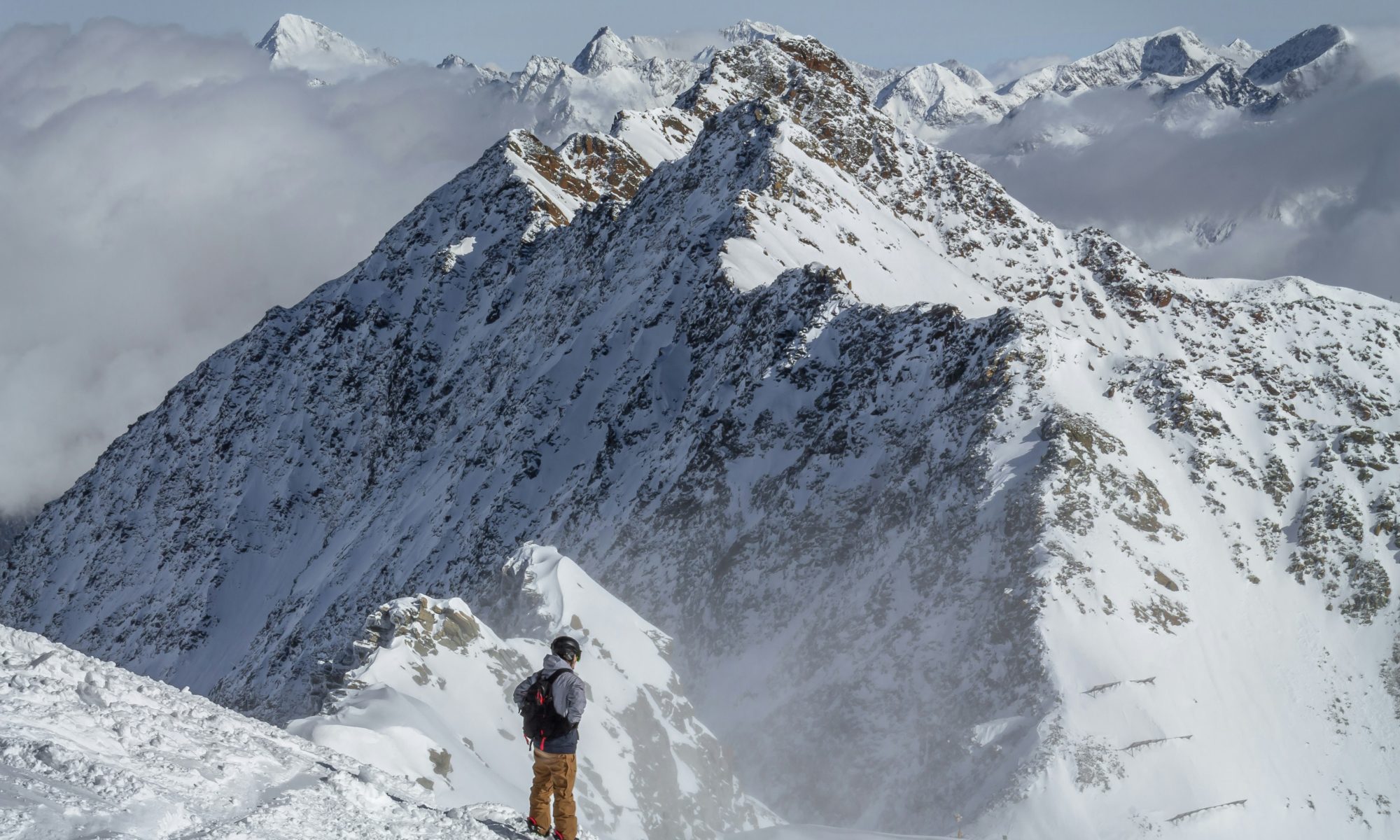
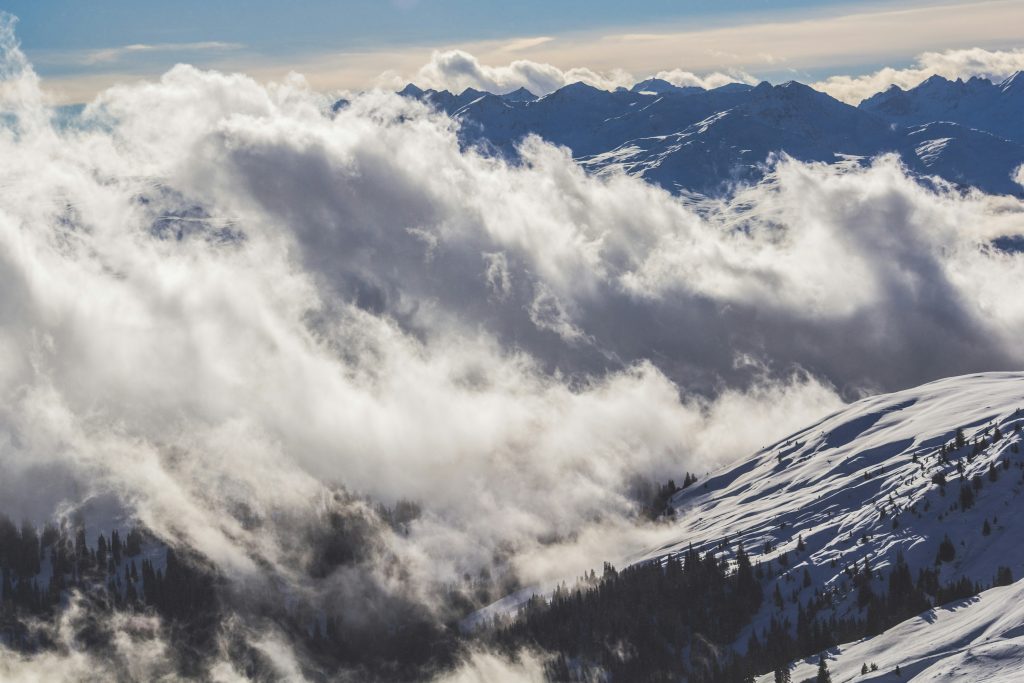
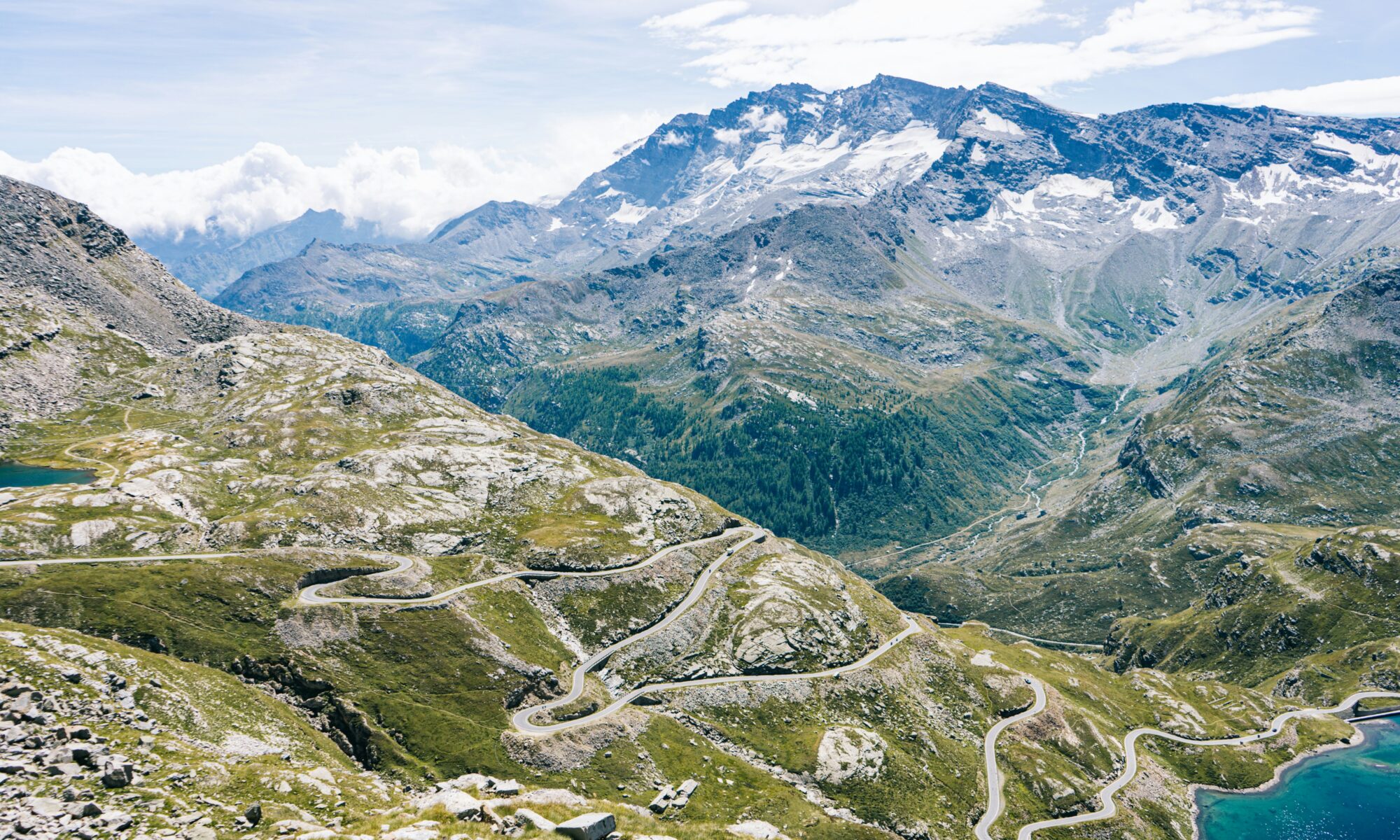
Parco Nazionale Gran Paradiso. Photo credit: Fabio Fistarol. Unsplash.

A series of serious mountaineering accidents and rescue operations across the Aosta Valley has highlighted the risks currently facing climbers in the Alps. Over the past two weeks, incidents on the Monte Bianco (Mont Blanc), Matterhorn and Gran Paradiso massifs have resulted in multiple fatalities, lightning strikes, glacier-related rescues and complex helicopter operations.

While mountain conditions are generally considered good for the time of year, experienced local rescuers warn that the combination of an unusually low winter snowpack, exposed ice, rapidly changing weather and increasing numbers of climbers is creating hazards that should not be underestimated. 

A Difficult Week For Alpine Rescue Teams

The latest incidents occurred over the weekend of 13–14 June.

On the Matterhorn, a climber lost his life after a fall on the Italian side of the mountain. On Monte Bianco, rescue teams were also called out following another fatal accident involving climbers on one of the high-altitude routes. Several additional rescue operations were carried out across the region as teams responded to emergencies in difficult terrain. 

Continue reading “Fatal Week In The Alps Highlights Early Summer Mountain Hazards”
Swiss Glacier Instability Near Blatten Highlights Growing Alpine Risk

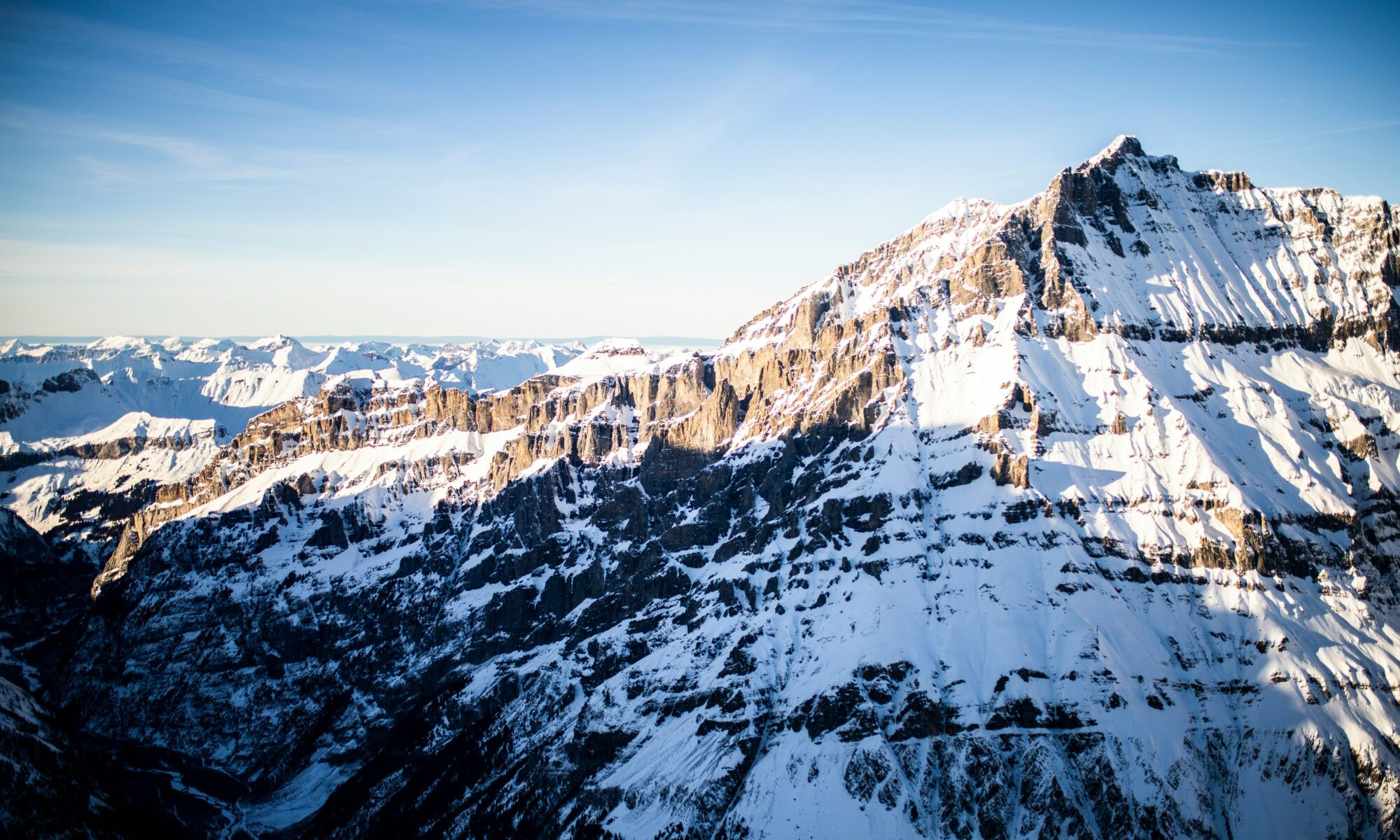
Lauchernalp. Lötschental, Valais, Switzerland. Photo: Caspar Camille Rubin. Unsplash.

Nearly a year after the catastrophic collapse that destroyed much of the Swiss village of Blatten, authorities are again monitoring instability in the same high-mountain area above the Lötschental valley. The renewed concerns are a reminder that the risks linked to glacier retreat, thawing permafrost, and unstable rock faces in the Alps are not disappearing after a single event — and may instead become a longer-term operational challenge for mountain communities, infrastructure, transport routes, and tourism regions. 

Swiss authorities confirmed this week that parts of the glacier and surrounding mountain terrain near Blatten continue to show signs of instability, while access to the disaster zone remains dangerous because of ongoing rockfall and debris movement. The original collapse on 28 May 2025 saw millions of cubic metres of rock, ice, and mud surge down the mountain in less than a minute, destroying most of the village after a successful evacuation of around 300 residents. One person died in the disaster. Continue reading “Swiss Glacier Instability Near Blatten Highlights Growing Alpine Risk”

Zermatt’s Gornerli Dam Shows the Rising Cost of Climate Adaptation in the Alps

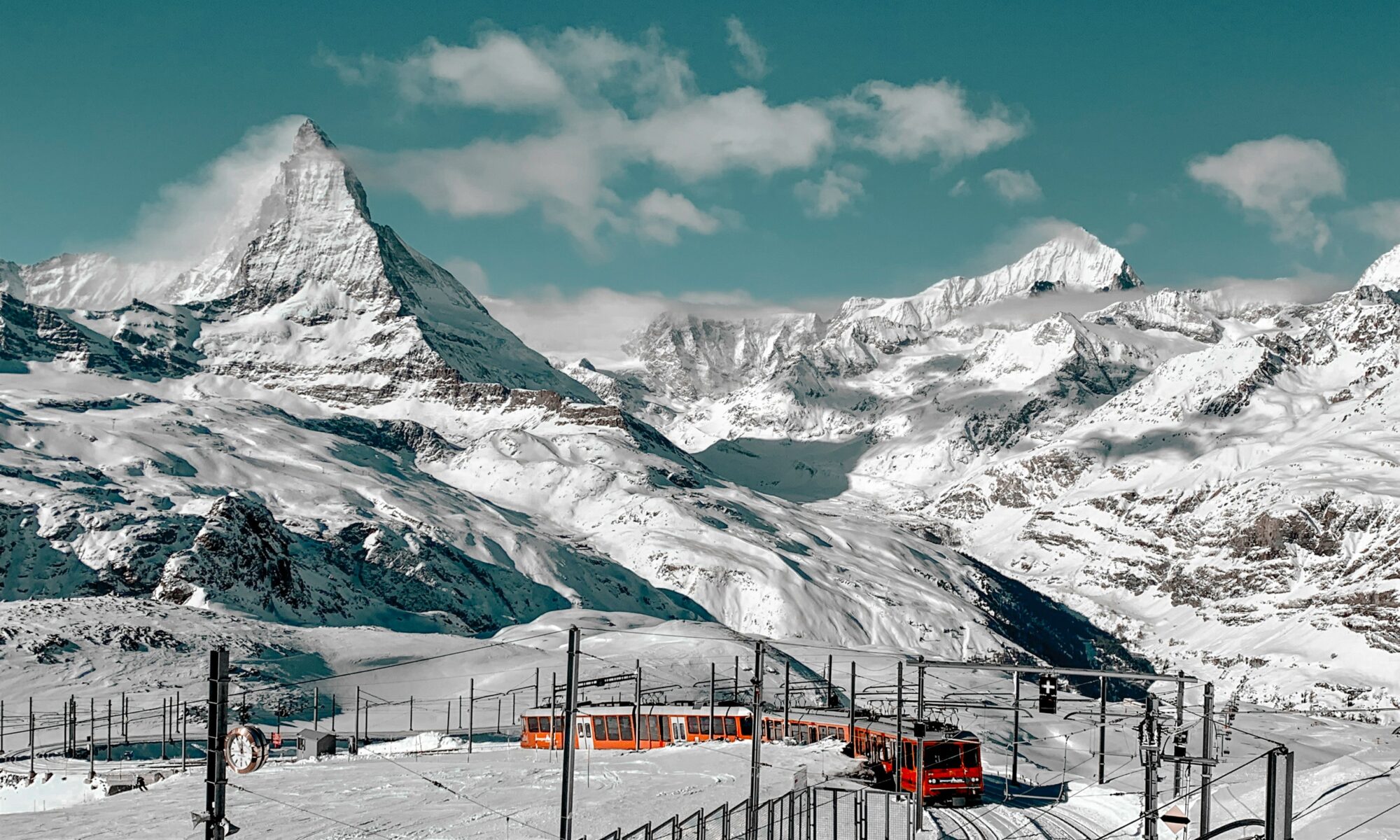
Zermatt. Photo: Victor He. Unsplash.

The planned Gornerli reservoir above Zermatt has become one of the clearest examples yet of how expensive climate adaptation in the Alps is becoming.

The project, designed as a major winter energy storage scheme for Switzerland, has been revised after new climate, hydrological, geological and logistical studies. According to Alpiq’s latest project update, the planned useful storage volume has been reduced from around 150 million cubic metres to 120 million cubic metres, while the estimated cost has risen sharply to around CHF 510 million. Earlier project material had placed the investment cost at around CHF 300 million.

That makes Gornerli more than a hydropower story. It is a mountain infrastructure story, a climate adaptation story and, for Zermatt and the Mattertal valley, a question of how Alpine communities prepare for a warmer and less predictable future.

Continue reading “Zermatt’s Gornerli Dam Shows the Rising Cost of Climate Adaptation in the Alps”

Tourists Arrive, but the Snow Doesn’t: A Worrying Winter Across the Italian Alps

Tourists Arrive, but Snow Is Missing Across the Italian Alps

Introduction

The 2025 winter season in the Italian Alps is once again highlighting a difficult and increasingly familiar reality: tourists are arriving on schedule, but snow conditions are not.

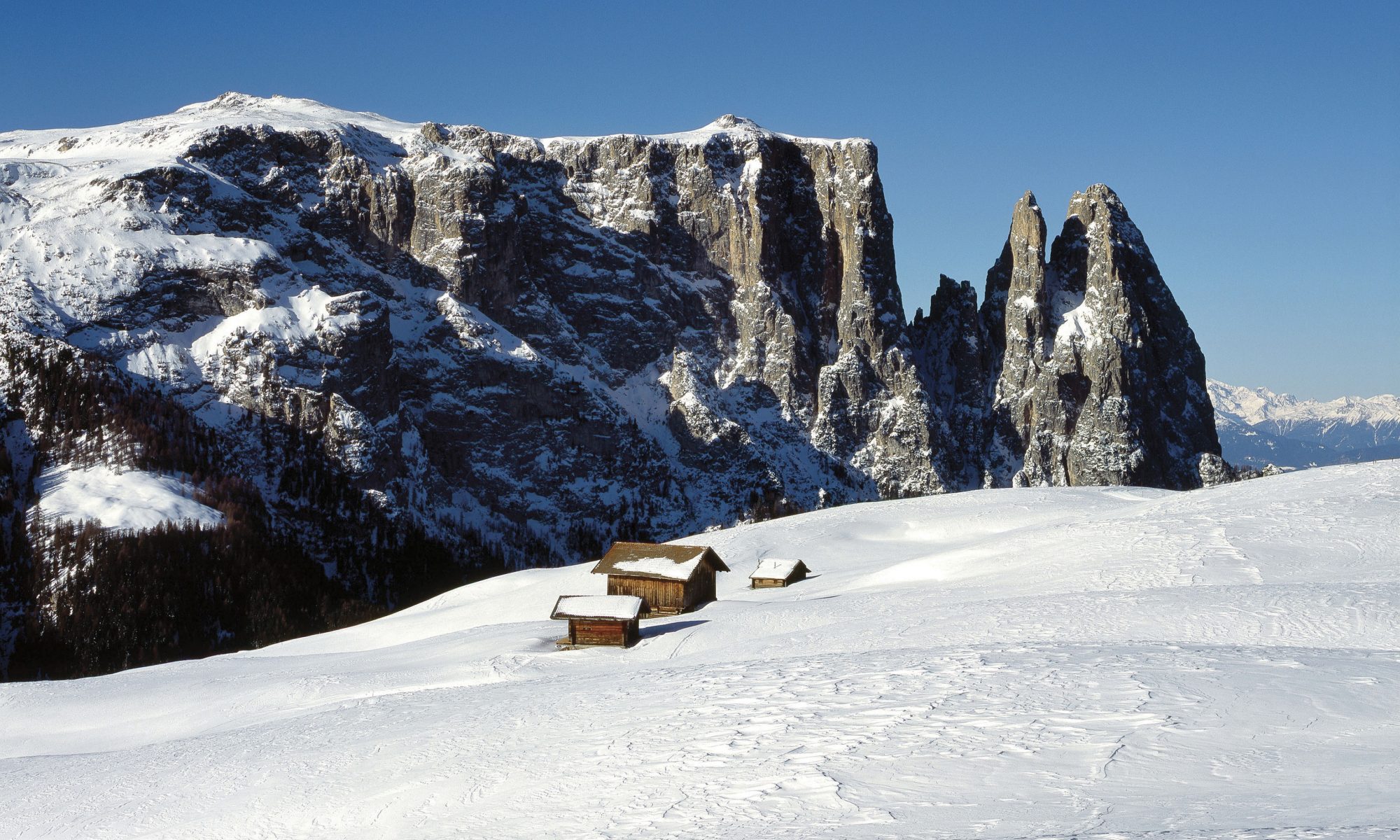
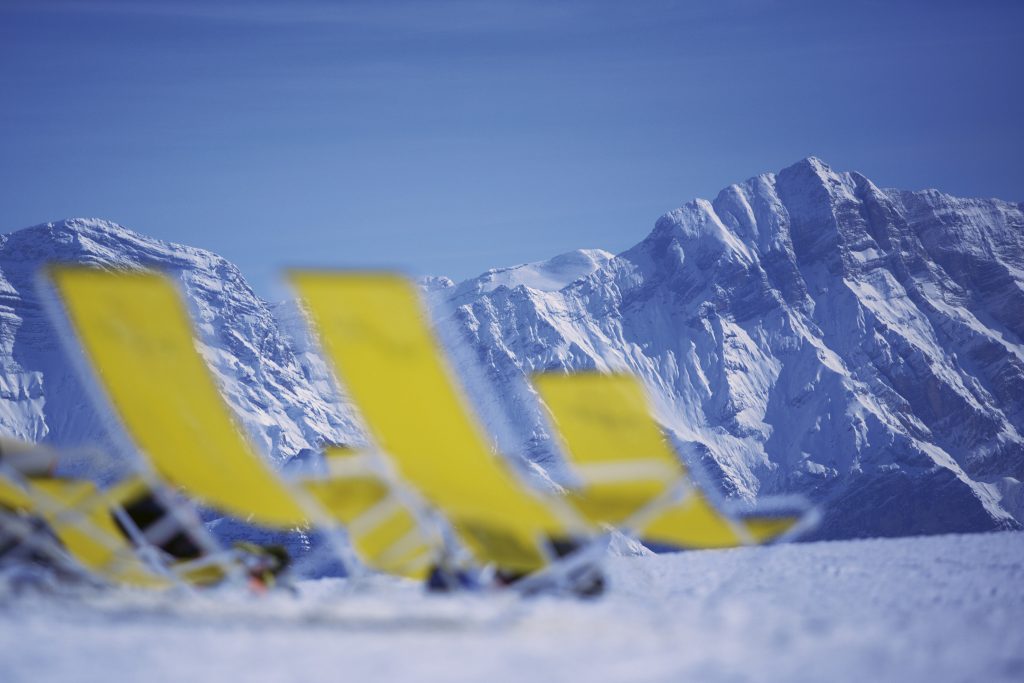
Skiers may also enjoy sunbathing on a terrace in the wintery landscape of Plan de Corones/Kronplatz, one of the most popular ski resorts of South Tyrol/Südtirol. Season Opening’s at the different ski resorts of Sudtirol and Christmas Markets.
Skiers may also enjoy sunbathing on a terrace in the wintery landscape of Plan de Corones/Kronplatz, one of the most popular ski resorts of South Tyrol/Südtirol.
Tourists Arrive, but the Snow Doesn’t: A Worrying Winter Across the Italian Alps.

From South Tyrol to Trentino and across the Dolomites, ski resorts are facing closed pistes, rain at altitude, reduced snowpack, and mounting climate-related risks — all with immediate consequences for tourism and long-term implications for mountain regions.

Continue reading “Tourists Arrive, but the Snow Doesn’t: A Worrying Winter Across the Italian Alps”

Which Ski Resorts Are Truly Leading Sustainability? A Top 20 Global List

Sôlden. Photo: Vsevolod Belousov. Unsplash. Which Ski Resorts Are Truly Leading Sustainability? A Top 20 Global List

Top 20 Sustainable Ski Resorts: Who’s Leading the Future of Green Skiing

Ski resorts across the world are facing the same challenge: warming winters, unpredictable snow, rising energy costs, and a growing demand for climate responsibility. But some destinations are stepping up with real, measurable initiatives — far beyond “eco-friendly” marketing slogans.

This list highlights 20 ski resorts worldwide that are genuinely leading in sustainability through renewable energy, low-carbon transport, biodiversity protection, efficient snowmaking, and community policies.

These are resorts taking action, not just talking about it.

This article may contain affiliate/compensated links. For full information, please see our disclaimer here. Some links on my website may not function properly if ad blocker is enabled.

Laax between the clouds. Photo: Jorg Angeli. Unsplash. Which Ski Resorts Are Truly Leading Sustainability? A Top 20 Global List.
Laax between the clouds. Photo: Jorg Angeli. Unsplash. Which Ski Resorts Are Truly Leading Sustainability? A Top 20 Global List.. Books your stay at Laax here.


🌿 1. Laax (Switzerland)

Why it leads: One of the world’s most ambitious sustainability programs (“Greenstyle”). Renewable energy, solar panels on lift stations, biodiversity goals, zero-waste projects, circular-economy strategy, and full sustainability reporting.

Book your stay in Laax here.


🌿 2. Zermatt (Switzerland)

Car-free village, electric taxis only, hydro-powered lifts, strong public transport links, and major investment in energy efficiency.

Book your stay in Zermatt here. 


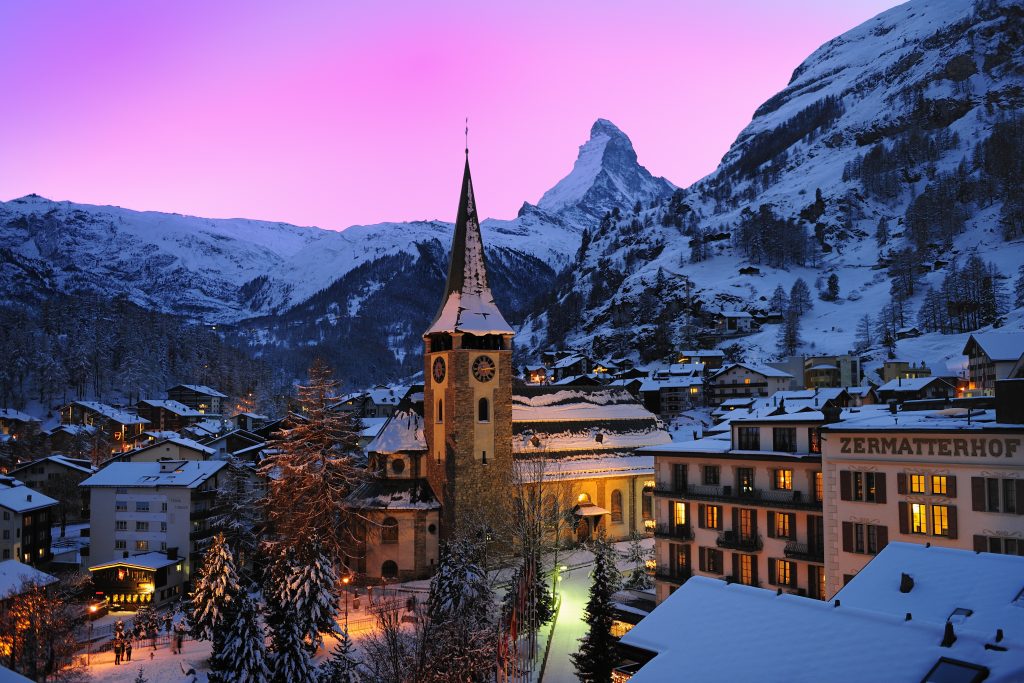
Zermatt Village photo: Leander Wenger- Zermatt Tourism Office. Quarantine Rules Removed in Switzerland as of 4 December
Zermatt Village photo: Leander Wenger- Zermatt Tourism Office. Which Ski Resorts Are Truly Leading Sustainability? A Top 20 Global List. Book your stay in Zermatt here. 

Continue reading “Which Ski Resorts Are Truly Leading Sustainability? A Top 20 Global List”