Eurotunnel EES update: new cameras approved ahead of ski season

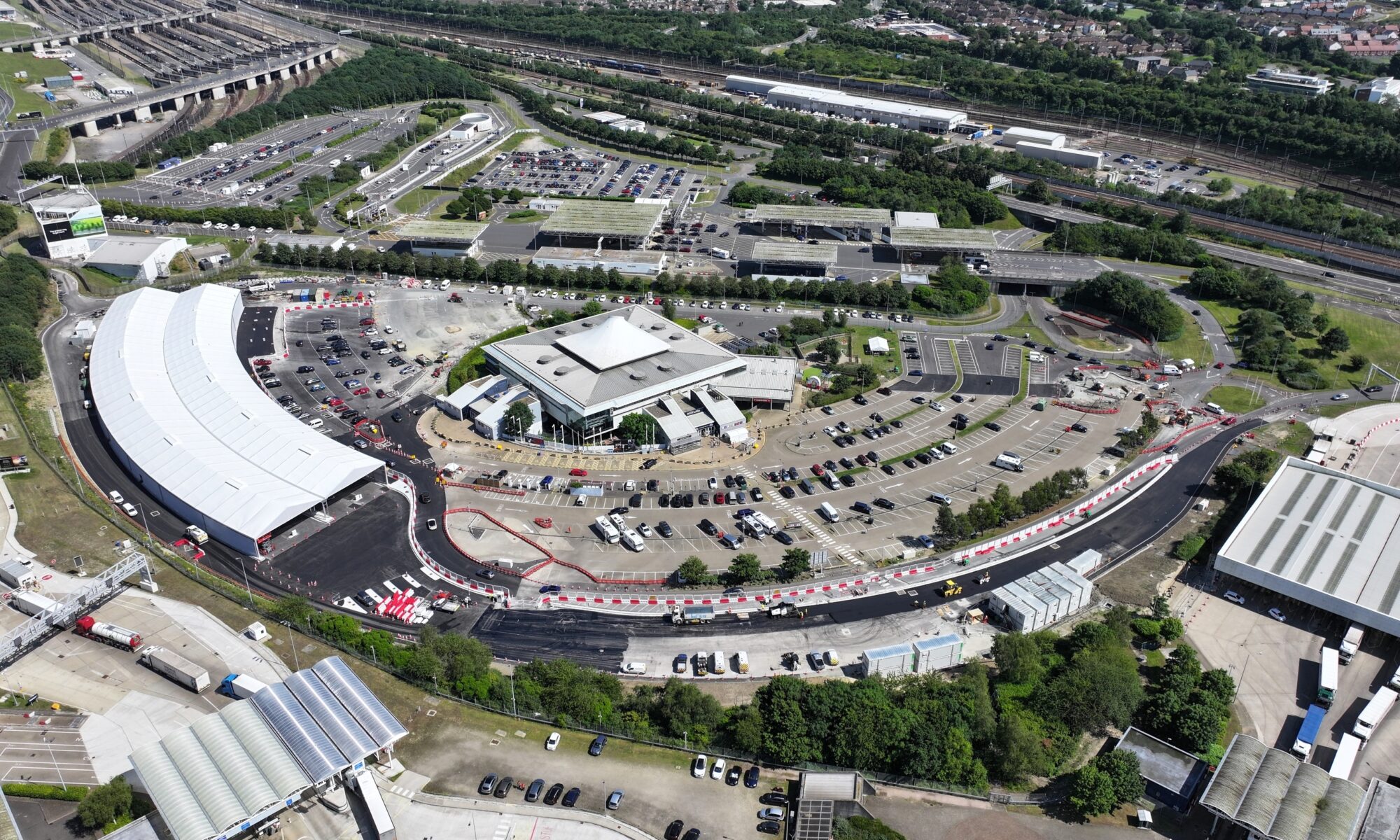
Folkestone terminal ready for EES. Photo: LeShuttle Eurotunnel.

British skiers planning to drive to the Alps this winter have a new development to follow at the Channel Tunnel. Camera technology designed to streamline the EU’s Entry/Exit System checks has been approved for Eurotunnel’s terminals at Folkestone and Calais.

However, approval does not mean the new procedure is already operating. Technical work remains, and there is still no confirmed launch date for the camera-supervised biometric checks.

For anyone organising a Christmas or February half-term ski trip, the announcement is a step towards managing the additional border procedures. It is too early to promise shorter queues.

Continue reading “Eurotunnel EES update: new cameras approved ahead of ski season”

Early Snow Closes European Mountain Passes: Alpine and Pyrenean Road Conditions for Winter 2026/27

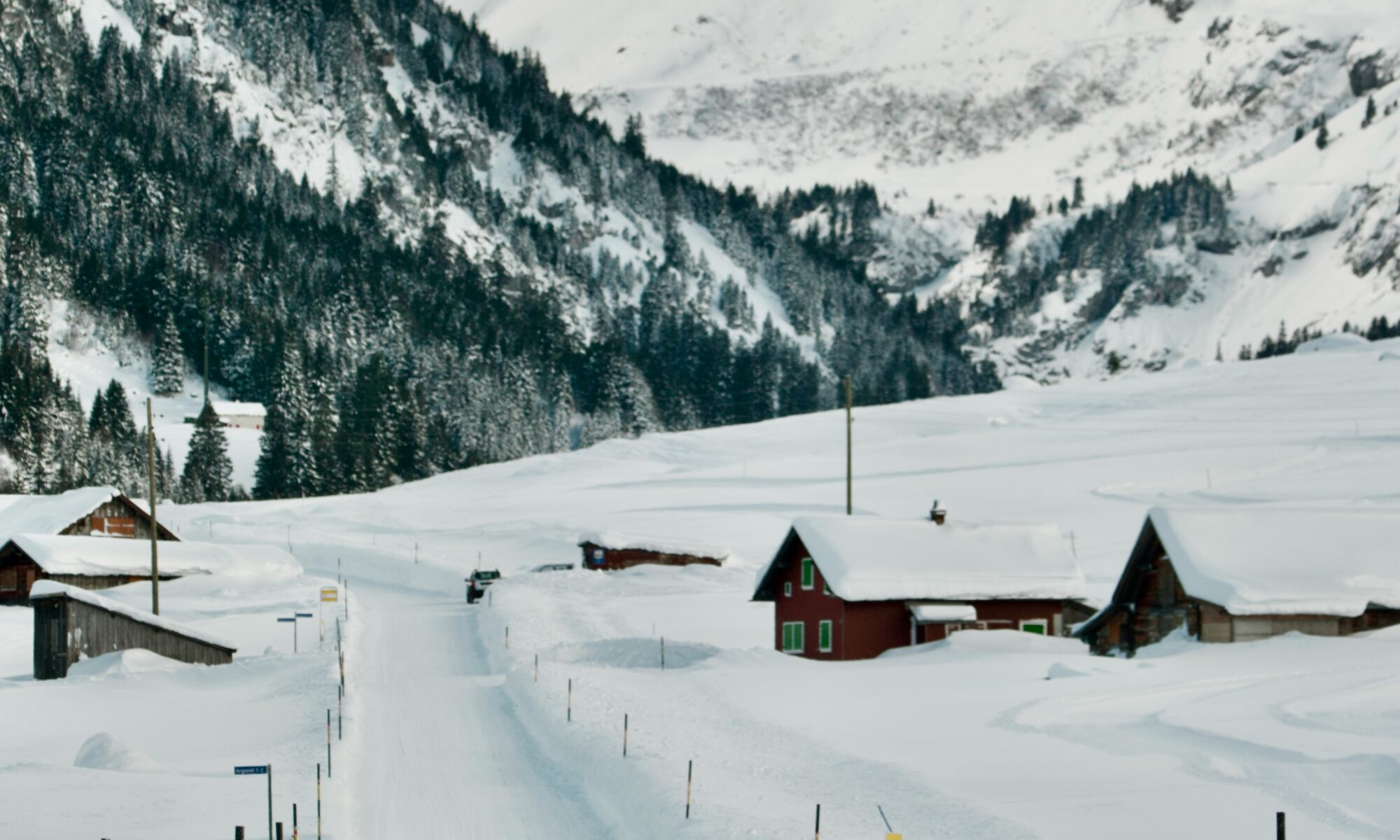
Driving through the Swiss Alps. Photo: Micha Sager. Unsplash.


26 October 2026

Early autumn snowfall has already forced the closure of several high-altitude mountain passes in Switzerland and France, marking the transition from summer driving to winter travel across Europe’s mountains. From the Alps to the Pyrenees, motorists should prepare for seasonal road closures, snow restrictions and alternative routes as winter 2026/27 approaches.

Mountain passes are among Europe’s most spectacular driving routes. During summer, they connect valleys, countries and mountain communities, offering extraordinary scenery across the Alps and Pyrenees.

However, the first significant autumn snowfalls can change travel conditions almost overnight. Some high-altitude roads close for several months, while others remain open throughout winter thanks to regular snow clearance and avalanche protection.

The situation is particularly relevant for travellers heading to ski resorts, planning cross-border journeys or driving between mountain destinations.

Continue reading “Early Snow Closes European Mountain Passes: Alpine and Pyrenean Road Conditions for Winter 2026/27”

Tour du Mont Blanc Moves to Rein In Overtourism as Visitor Numbers Soar

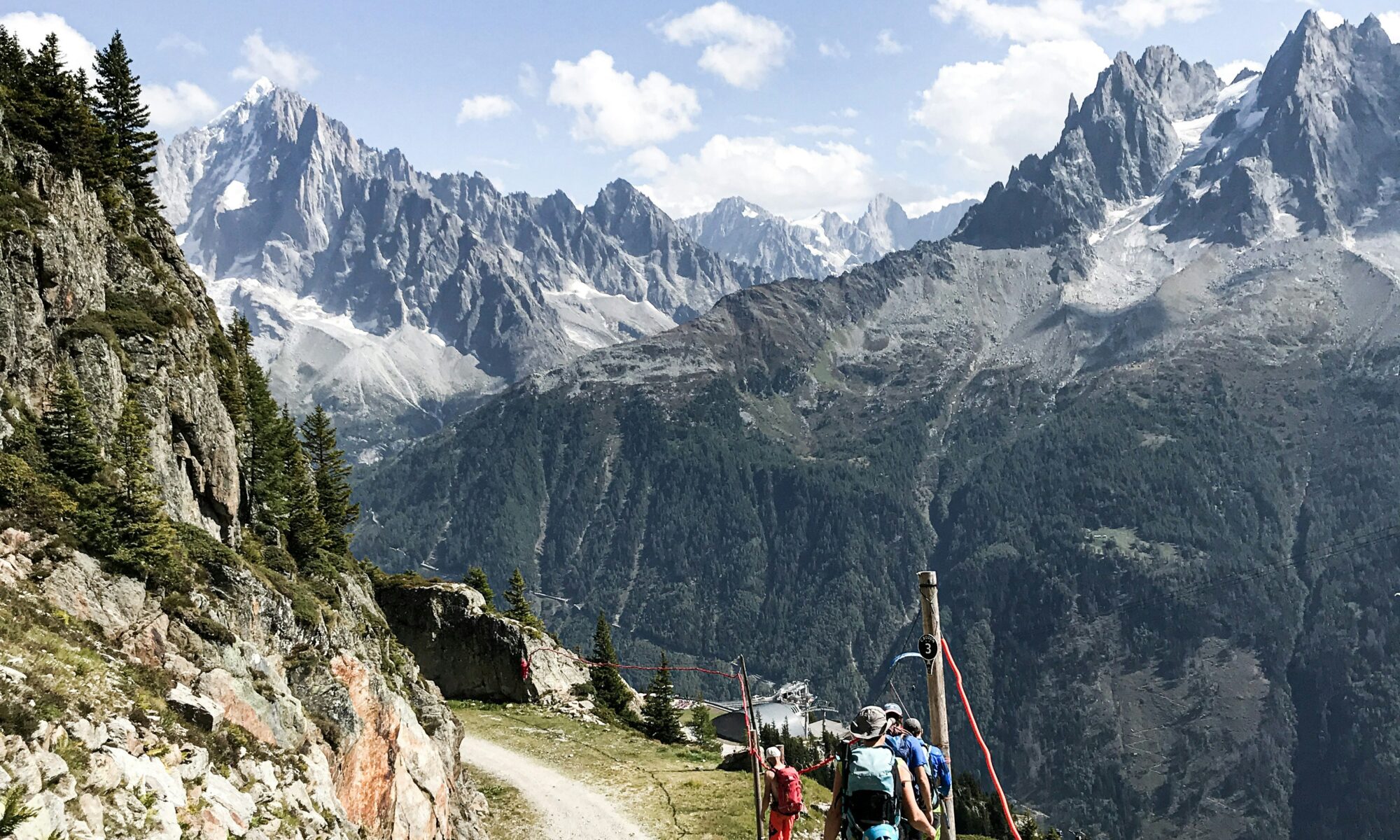
Chamonix Mont Blanc. Photo credit: Antoine de Barquin. Unsplash.

One of the Alps’ most famous long-distance hiking routes could face tighter controls from 2027, as local authorities and mountain professionals seek to curb wild camping, environmental damage and increasingly crowded trails.

The days of treating the Tour du Mont Blanc as an unrestricted hiking route may be coming to an end.

Local authorities and mountain professionals on the French side of the Mont Blanc massif have agreed on the principle of a new charter aimed at better managing one of Europe’s most popular long-distance treks, following another summer of exceptionally heavy use.

The Tour du Mont Blanc — generally known simply as the TMB — covers around 170 kilometres and approximately 10,000 metres of elevation gain as it circles the Mont Blanc massif through France, Italy and Switzerland.

The rapid increase is now raising concerns about erosion, biodiversity, sanitation, safety and the overall experience of walking one of the Alps’ classic routes.

“The open-bar approach is over”

Representatives of the seven French municipalities crossed by the TMB met in September alongside refuge and campsite operators, mountain guides, transport companies, environmental organisations and French state services.

Among the proposals being developed are the systematic reservation of recognised accommodation during the summer season and stronger restrictions on wild camping.

Jean-Marc Peillex, mayor of Saint-Gervais-les-Bains and president of the Communauté de Communes Pays du Mont-Blanc, told AFP that the aim was not to prohibit access to the mountains, but to organise it.

His description of the change was considerably more colourful: the “open-bar” approach, he said, was over.

Other measures being considered include improving authorised bivouac areas with basic facilities, limiting the size and weight of luggage transported between stages, reducing the movement of large suitcases by taxi and potentially establishing a “green brigade” to help enforce local regulations.

Quotas, however, are not currently part of the proposals.

Not all the new rules are decided yet

The direction is clear, but exactly how the system will work is still being negotiated.

The charter is being finalised, and there are differences among local authorities and tourism professionals over how far regulation should go.

One of the most significant ideas is that, from 2027, hikers completing the TMB could be required to have accommodation booked in advance.

But this should not yet be interpreted as a finalised three-country permit system for the entire Tour du Mont Blanc.

The route crosses France, Italy and Switzerland, making coordinated regulation significantly more complicated. Any comprehensive system would ultimately need to account for rules and authorities on all three sides of the massif.

Wild camping is already restricted in several areas

The changes would also build on restrictions that already exist.

Wild camping and bivouacking are not freely permitted everywhere along the Tour du Mont Blanc.

In parts of the French side, including protected areas of the Aiguilles Rouges massif, hikers must already reserve designated bivouac spaces. Vallorcine also prohibits wild camping across its municipal territory outside the specific rules governing nature reserves.

The proposed charter would therefore move towards a more consistent approach rather than introducing regulation from scratch.

A route struggling with its own success

The debate reflects a wider challenge facing the Alps.

Mountain destinations have spent decades encouraging summer tourism as a way of reducing their dependence on skiing and building a stronger year-round economy.

The success of routes such as the Tour du Mont Blanc shows how effective that strategy can be — but also where its limits may lie.

Heavy concentrations of hikers can damage vegetation, accelerate trail erosion and put pressure on water, sanitation and waste infrastructure. Local officials have also complained about inappropriate behaviour, including illegal camping and hikers leaving human waste in the landscape.

At the same time, the TMB has become an important source of summer income for refuges, hotels, restaurants, guides and communities along the route.

That makes the challenge less about keeping visitors away than deciding how many people fragile mountain environments can accommodate — and how those visitors should move through them.

Planning the Tour du Mont Blanc in 2027

For hikers already considering the Tour du Mont Blanc next summer, advance planning will become increasingly important regardless of what final form the new charter takes.

The official Tour du Mont Blanc accommodation platform says reservations for summer 2027 will open on 15 October 2026.

It already strongly recommends booking refuges ahead, warning that the most popular properties can fill several months in advance.

The final rules for 2027 are still taking shape.

But after a summer in which more than 90,000 people reportedly circled the Mont Blanc massif, the message from local authorities is becoming increasingly difficult to miss: one of the Alps’ most famous trails can no longer be managed as though its capacity were unlimited.

Read More

Sources

Where to See the Alps’ Traditional Cow Parades in Autumn 2026

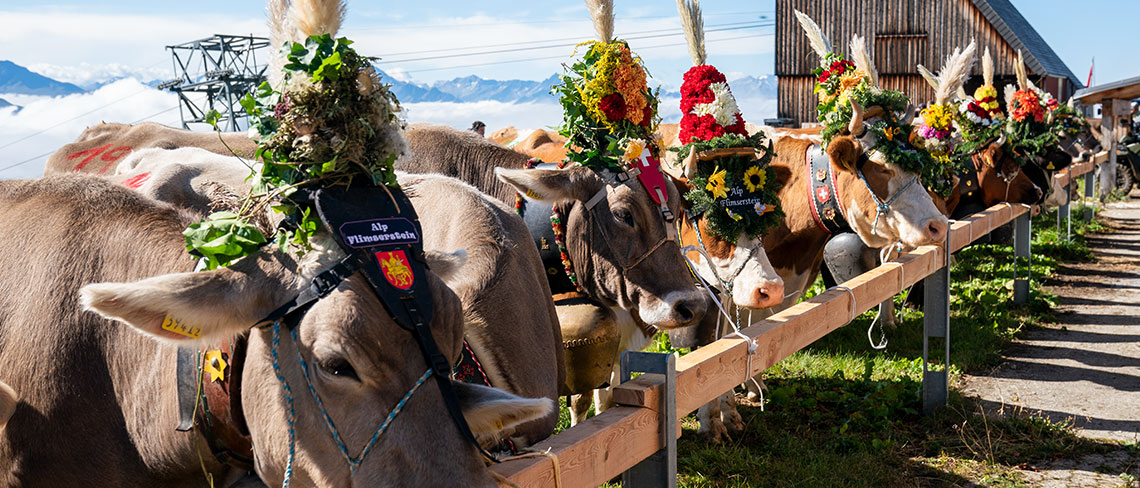
Laax Much Loved Descent of the Cows Festival Returns this September. Photo credit: Laax/Rooster PR

From the Dézarpa in Italy’s Aosta Valley to Switzerland’s Désalpe and Austria’s colourful Almabtrieb, September and October mark one of the Alps’ most atmospheric traditions: the return of cattle from their high summer pastures.

As summer draws to an end in the Alps, another season begins — announced not by ski lifts or the first snowfall, but by the sound of cowbells.

Across Italy, Switzerland, Austria and France, cattle that have spent the warmer months grazing on high-altitude pastures begin their journey back down to farms in the valleys.

The tradition has different names across the Alps. In the Aosta Valley it is known as the Dézarpa, or Devétéya around Cogne. In French-speaking Switzerland it is the Désalpe, while German-speaking regions use Alpabzug or Alpabfahrt. Across Austria and South Tyrol, visitors will hear Almabtrieb. In parts of the French Alps, the return of the herds is known as the descente des alpages or démontagnée.

Whatever the name, the principle is the same.

Continue reading “Where to See the Alps’ Traditional Cow Parades in Autumn 2026”

Who Pays for a Mountain Rescue in the Alps? Summer Hiking, Insurance and Rescue Costs Explained

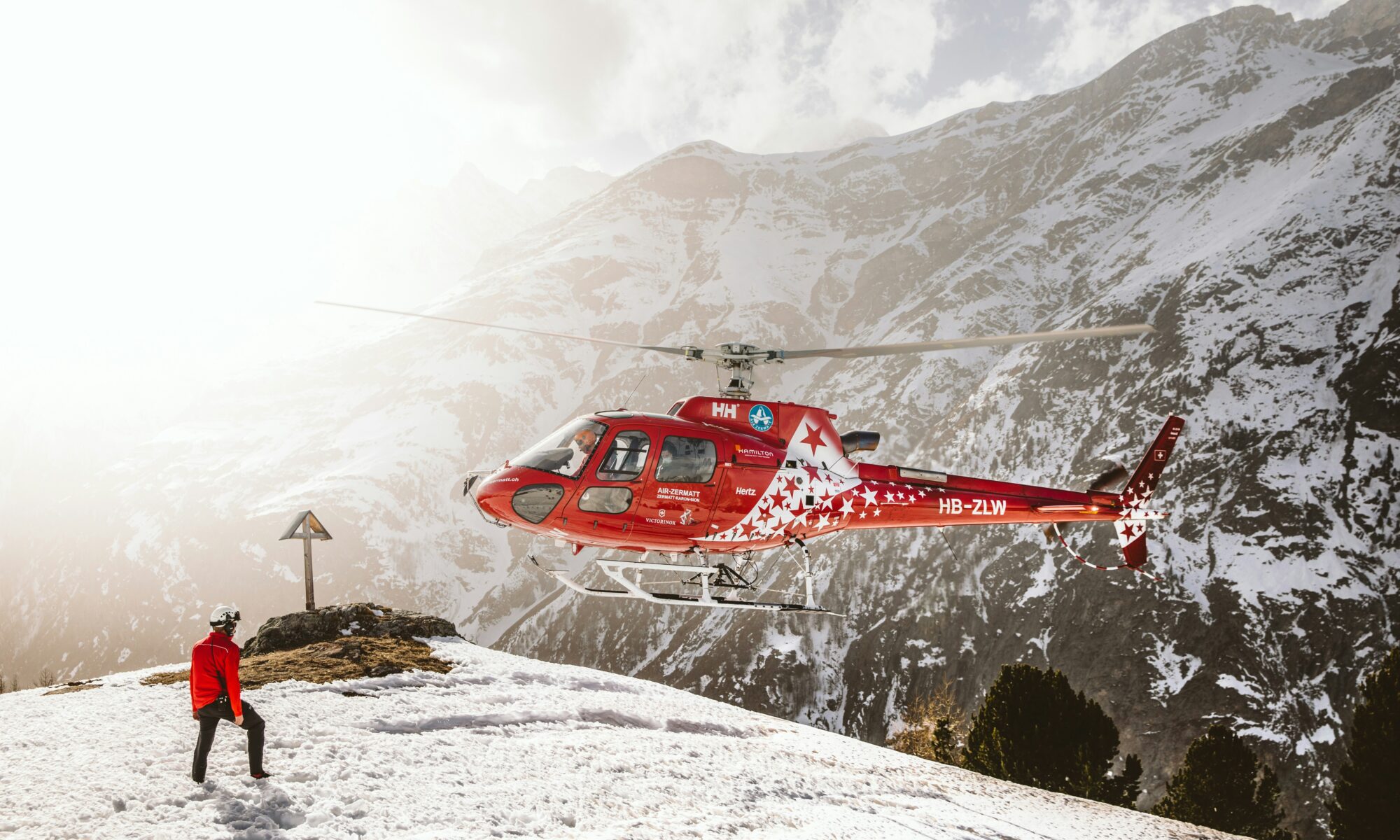
Photo: Kevin Schmid. Unsplash. Zermatt. Switzerland.

The rescue of 36 hikers, including babies in strollers, in Austria made headlines around the world. But beyond the unusual circumstances, it highlighted a question many visitors never think about until it’s too late:

Who pays if you need to be rescued in the Alps?

The answer depends on where you are. Rules vary significantly between Austria, France, Italy and Switzerland, and what applies to summer hiking or mountaineering is not necessarily the same as skiing in winter.

This guide focuses on summer mountain activities—including hiking, mountaineering, via ferratas and glacier trekking. Rescue rules on managed ski slopes during winter are often different and are covered by separate insurance systems.

Continue reading “Who Pays for a Mountain Rescue in the Alps? Summer Hiking, Insurance and Rescue Costs Explained”

Summer Skiing Disappears Across the Alps as Extreme Heat Forces Final Glacier Closure

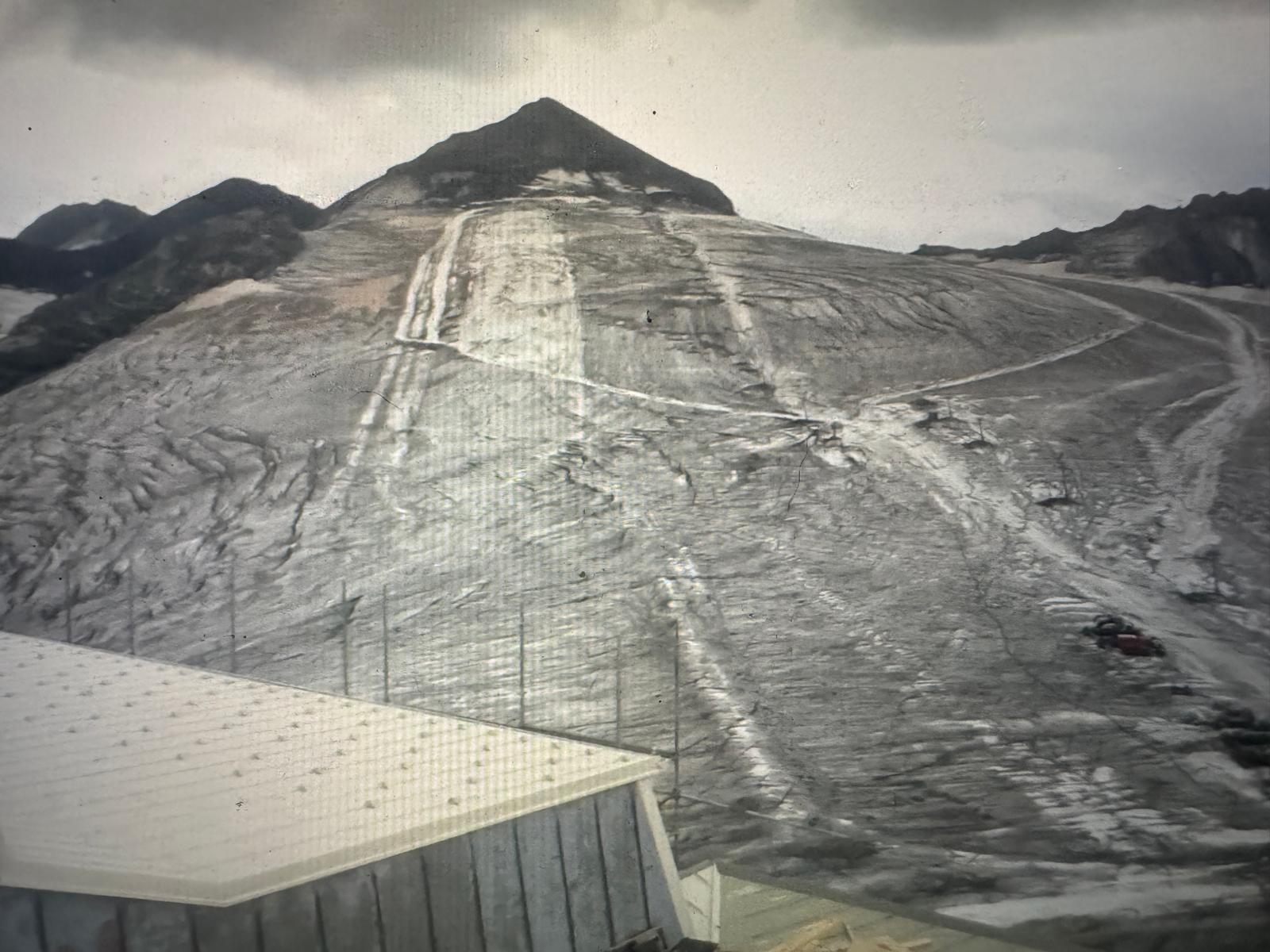
Passo dello Stelvio today 16th August. Webcam Passo dello Stelvio.

Summer glacier skiing has effectively disappeared from the Alps in mid-August after persistent extreme heat forced Passo Stelvio, the last Alpine glacier still offering lift-served summer skiing, to suspend operations.

Skiing on Italy’s Stelvio Glacier was suspended from 15 August until further notice, following weeks of unusually warm conditions at high altitude.

The closure completes a remarkable sequence across the Alps. Zermatt-Cervinia suspended public summer skiing at the beginning of August, while Saas-Fee followed on 10 August. In France, the summer skiing period at Les 2 Alpes had already ended in early July.

For an activity that was once a familiar part of the Alpine summer, the situation in August 2026 is striking: there is currently nowhere left in the Alps offering conventional lift-served summer glacier skiing.


Continue reading “Summer Skiing Disappears Across the Alps as Extreme Heat Forces Final Glacier Closure”

New Bivouac Rules Introduced Around Chamonix Mountain Huts

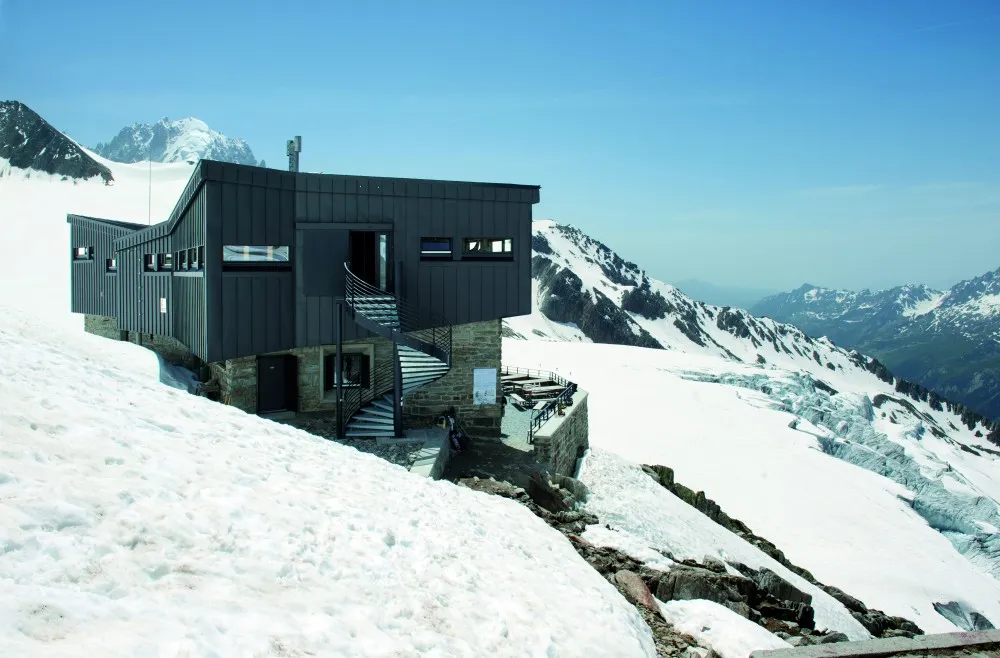
Refuge Albert 1er. Photo credit: Beatrice Cafieri. CAUE. caue-observatoire.fr

Authorities in Chamonix have introduced new regulations governing bivouacking near several of the Mont Blanc massif’s most popular high-mountain huts, following a sharp increase in overnight camping and growing concerns about environmental impacts.

The new municipal decree came into force immediately and will remain in place until 30 September 2026. From next year onwards, the same rules will apply annually between 1 June and 30 September.

According to La Chamoniarde, the measures are designed to reduce pollution of mountain water catchment areas caused by waste and human excrement while allowing controlled bivouacking near refuges. 

Four Mountain Huts Affected

The regulations apply to four of the best-known high-altitude refuges in the Chamonix area:

  • Albert 1er Refuge
  • Refuge du Couvercle
  • Refuge des Envers des Aiguilles
  • Refuge d’Argentière

Continue reading “New Bivouac Rules Introduced Around Chamonix Mountain Huts”

Mont Blanc Climbers Pay for Helicopter Evacuation as Extreme Heat Forces Route Closure

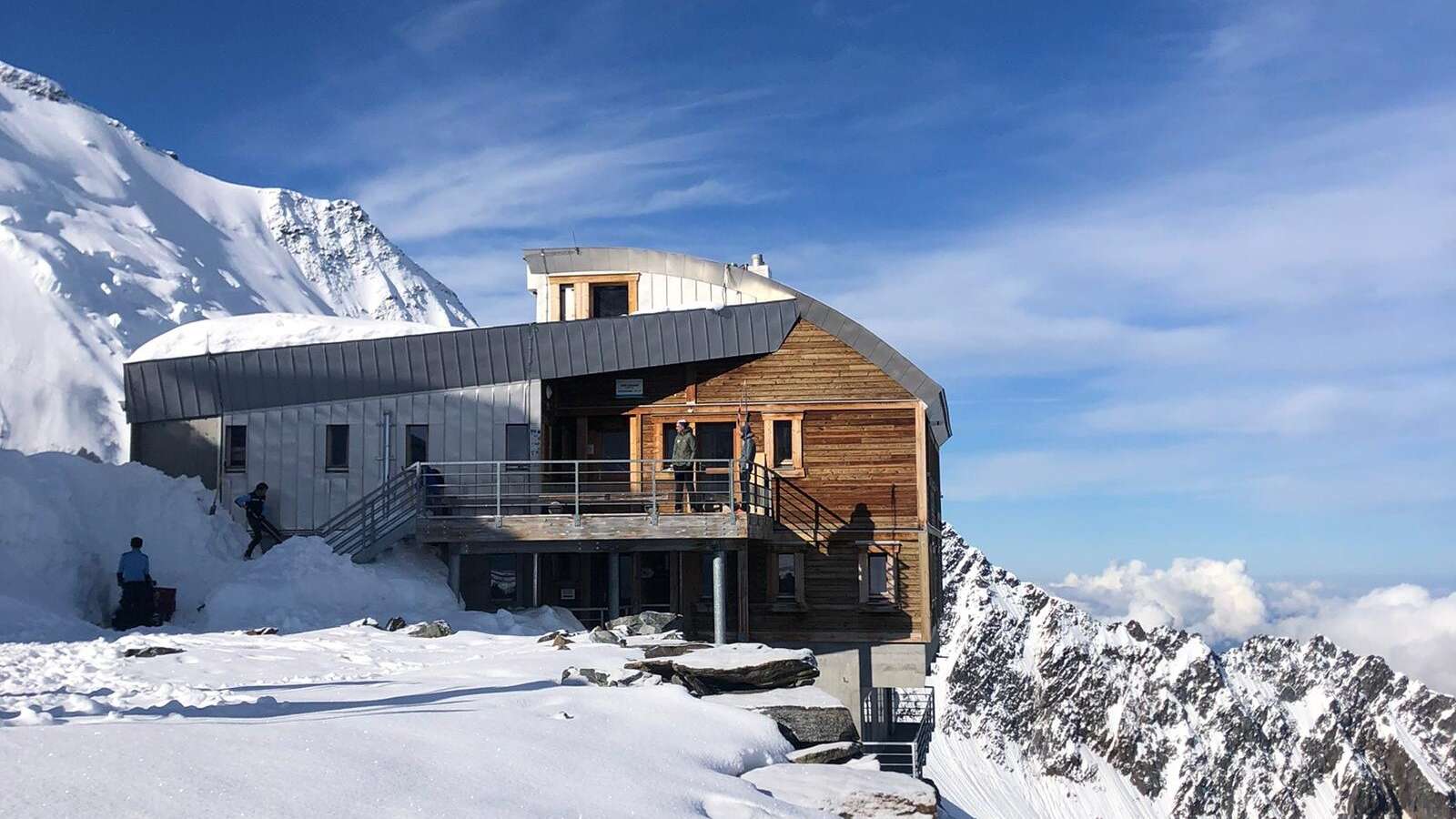
Refuge du Goûter. Photo: Tourism.SaintGervais.com

Thirty-two climbers at the Refuge du Goûter on Mont Blanc asked to be evacuated by helicopter this week after deteriorating conditions and repeated rockfalls made the mountain’s normal route increasingly dangerous.

The incident came as authorities closed the Goûter and Tête Rousse refuges, effectively bringing normal operations on the most popular French route to the summit of Mont Blanc to a halt during the height of the summer mountaineering season.

But when the climbers requested a helicopter evacuation on Wednesday morning, August 12, the French mountain rescue service determined that they were not facing an emergency requiring a public rescue operation.

Those who chose to leave by helicopter were therefore evacuated by a private operator — at their own expense.

Others descended from the refuge on foot without incident.

32 Climbers Remained at the Goûter Refuge

The group had spent the night of August 11 to 12 at the Refuge du Goûter, located at approximately 3,835 metres on the normal French route to Mont Blanc.

Conditions on the route had deteriorated significantly in the preceding days, particularly around the notorious Grand Couloir du Goûter.

Continue reading “Mont Blanc Climbers Pay for Helicopter Evacuation as Extreme Heat Forces Route Closure”

Extreme Heat Pushes Alpine Glaciers Into Crisis After Matterhorn Rockfall

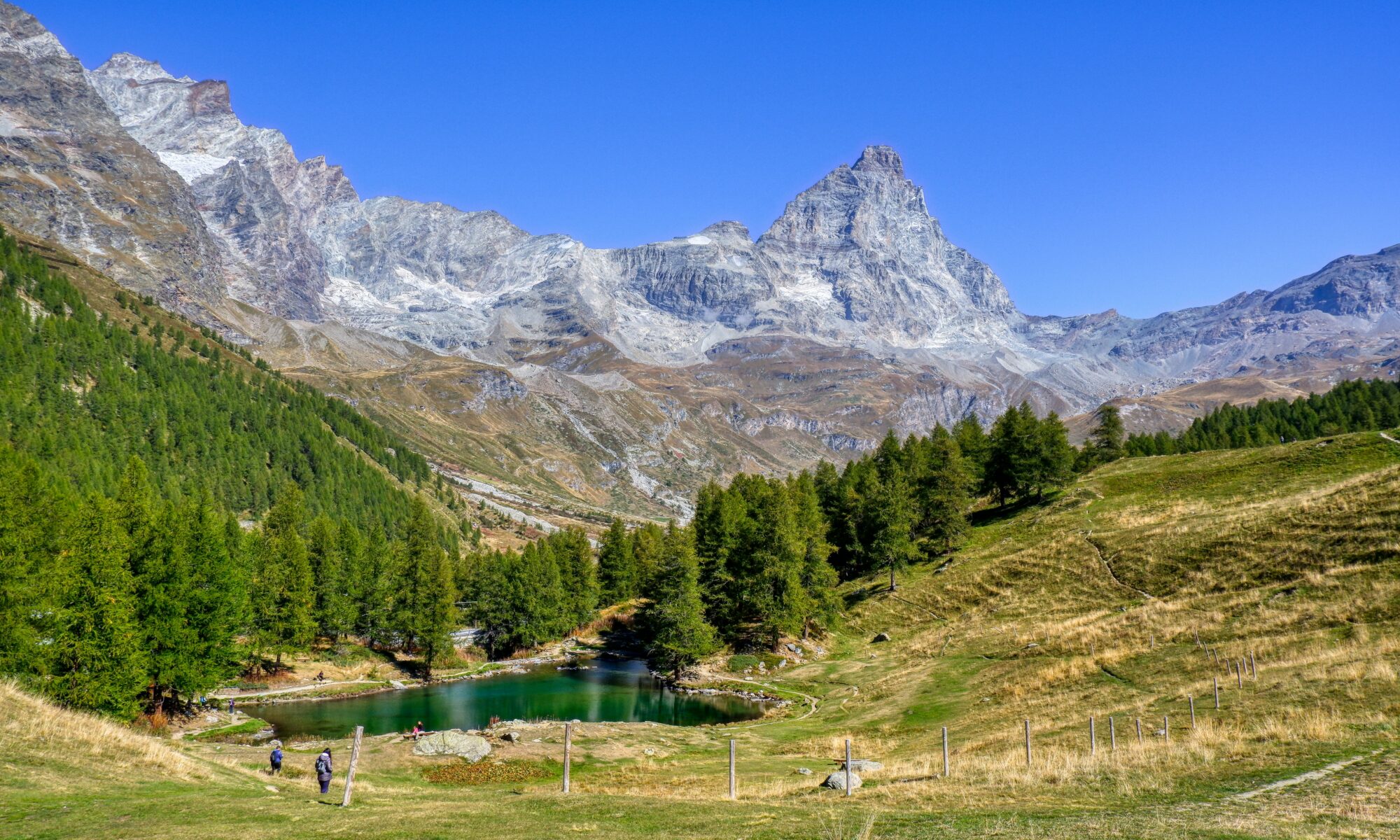
Lago Blu in Cervinia. Photo: Antonio Sessa. Unsplash.

Just one day after a large rockfall on the Matterhorn shocked the Alpine community, authorities and scientists across the Alps are warning that the exceptional heat gripping southern Europe is accelerating glacier melt and increasing instability in high mountain areas.

Italy remains under widespread red heat alerts, with meteorologists expecting the heatwave to continue through at least Ferragosto. While cities are enduring record temperatures, the impact is proving just as dramatic in the mountains, where glaciers are retreating at unprecedented rates and frozen rock is beginning to thaw.

One of the clearest indicators of the current conditions is the zero-degree isotherm. Normally found between 3,500 and 4,000 metres during summer, it remained between 5,500 and 5,800 metres for several days in July—around 1,400 metres higher than normal. This meant that even the highest Alpine peaks were experiencing temperatures above freezing, dramatically accelerating glacier melt while weakening the permafrost that helps hold mountain rock together.

Continue reading “Extreme Heat Pushes Alpine Glaciers Into Crisis After Matterhorn Rockfall”

Mont Blanc Tunnel to Remain Open This Autumn as 15-Week Closure is Cancelled

Coming out the Italian side of the Mont Blanc Tunnel. Photo: The-Ski-Guru

Good news for anyone planning to drive between France and Italy this autumn. Unlike the previous two years, the Mont Blanc Tunnel will not close for 15 weeks during the autumn of 2026.

The decision means travellers heading to the Aosta Valley, Courmayeur, Chamonix and many other Alpine destinations will once again be able to use one of the Alps’ most important road links throughout the autumn season.

Why Was the Tunnel Closed in Previous Years?

During the autumns of 2024 and 2025, the Mont Blanc Tunnel underwent major renovation works to replace sections of the tunnel vault. Those essential engineering projects required a complete closure lasting around fifteen weeks each year, forcing motorists to use alternative Alpine crossings.

Continue reading “Mont Blanc Tunnel to Remain Open This Autumn as 15-Week Closure is Cancelled”