Ski Tourer Found Alive More Than 24 Hours After Maurienne Avalanche

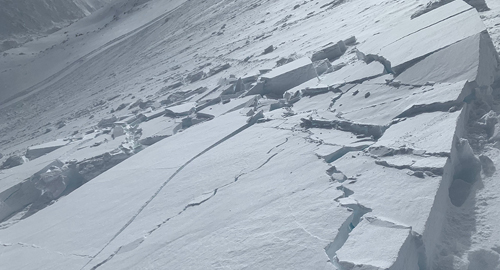
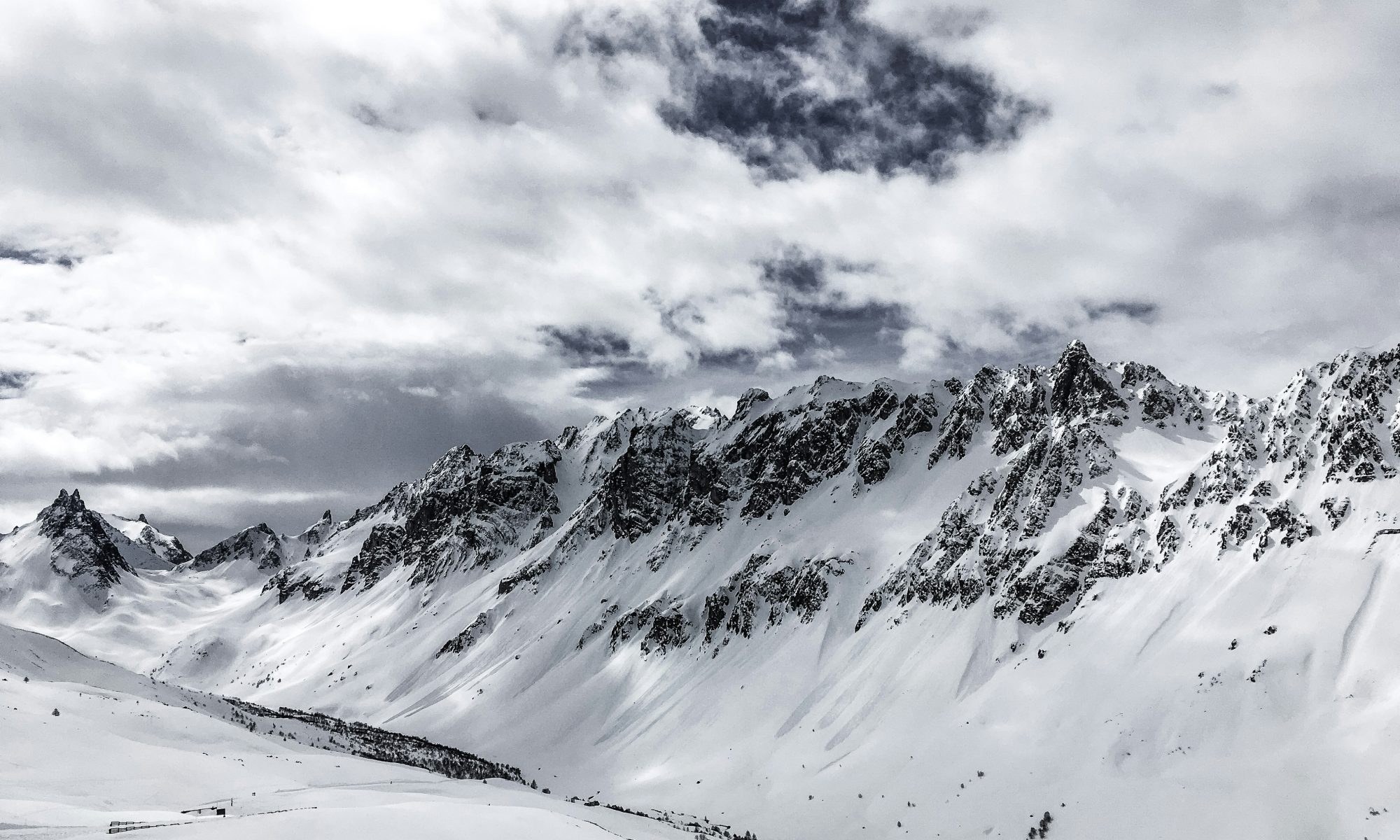
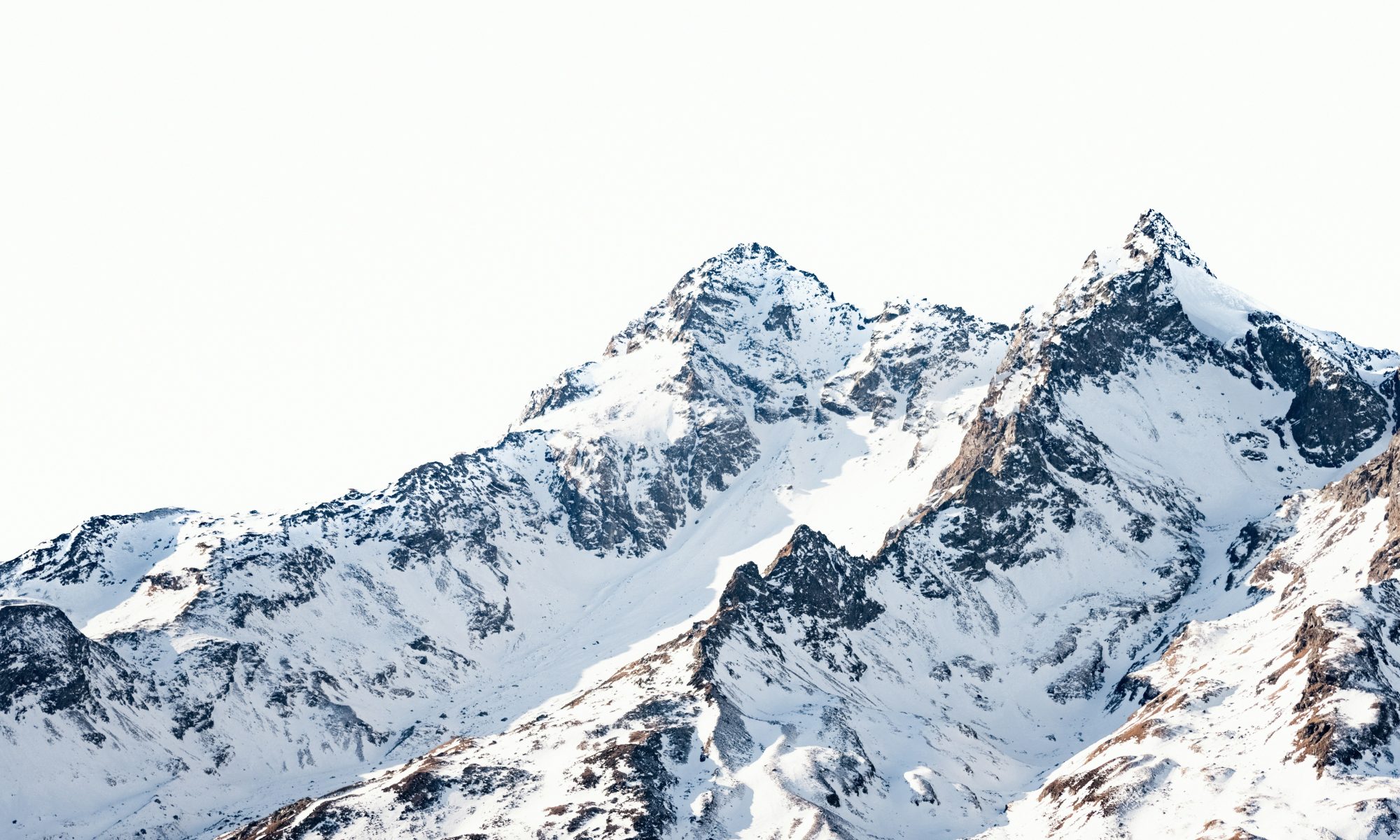
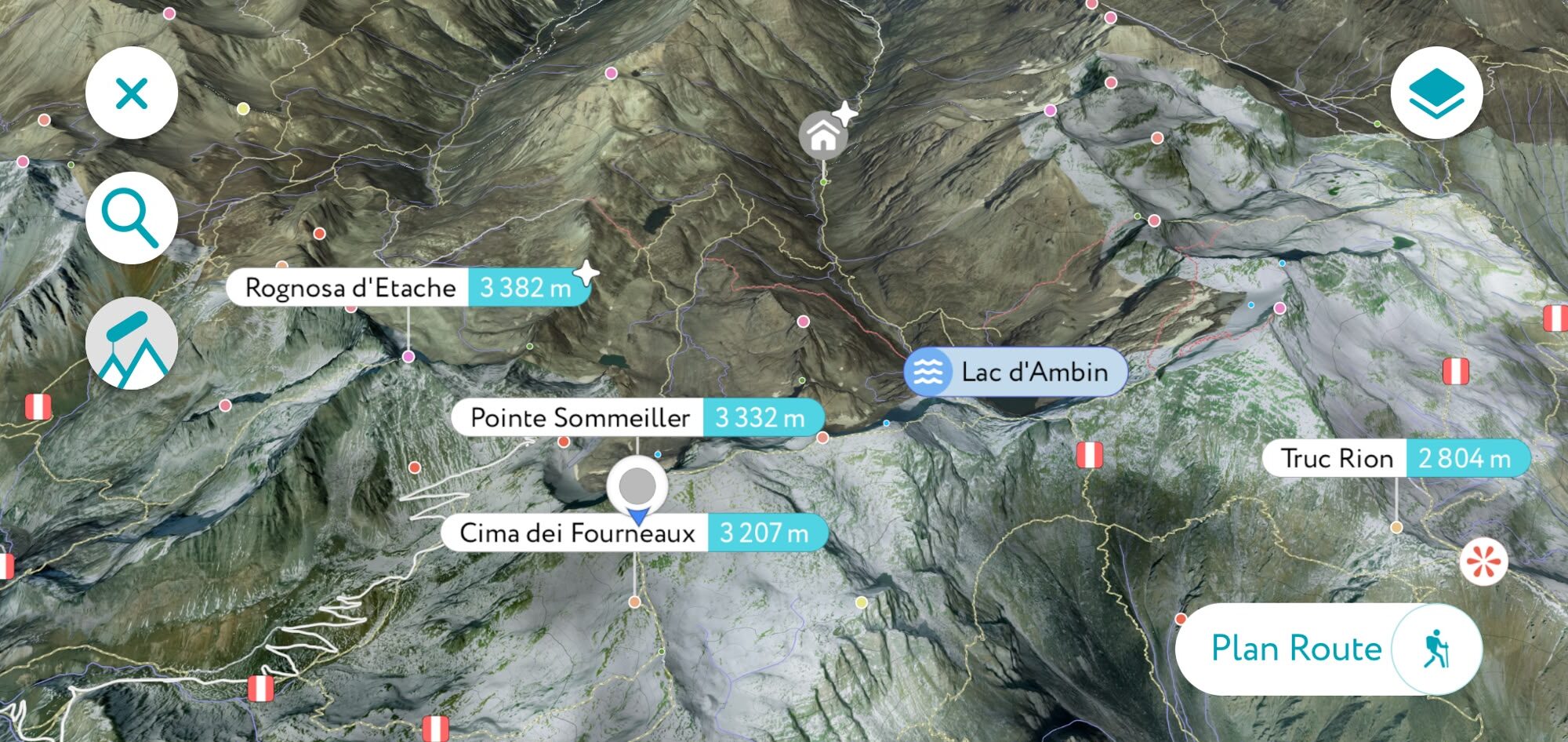
Pointe Sommelier- Image capture on Peak Visor.

A 39-year-old ski tourer has been rescued alive in the French Alps more than 24 hours after an avalanche swept him into a crevasse in the Maurienne valley, Savoie.

The accident happened on Sunday 8 November 2026 during an ascent towards Pointe Sommeiller. Rescuers recovered him on Monday 9 November with serious leg injuries and hypothermia.

A new TF1 report, broadcast on Tuesday 10 November, includes his account from hospital in Grenoble, adding details about how he survived until help arrived.

A weekend tour followed by an avalanche

According to Le Dauphiné Libéré, the man left Bramans on Saturday 7 November and spent the night at the Ambin refuge.

He continued towards Sommeiller on Sunday morning. The newspaper reports that he removed his skis and began climbing a steep couloir on crampons when a slab avalanche released, sweeping him into a crevasse.

The sequence explains the different dates in early coverage: his outing began on Saturday, while the avalanche occurred on Sunday.

Continue reading “Ski Tourer Found Alive More Than 24 Hours After Maurienne Avalanche”
What Level 5 Avalanche Danger Means

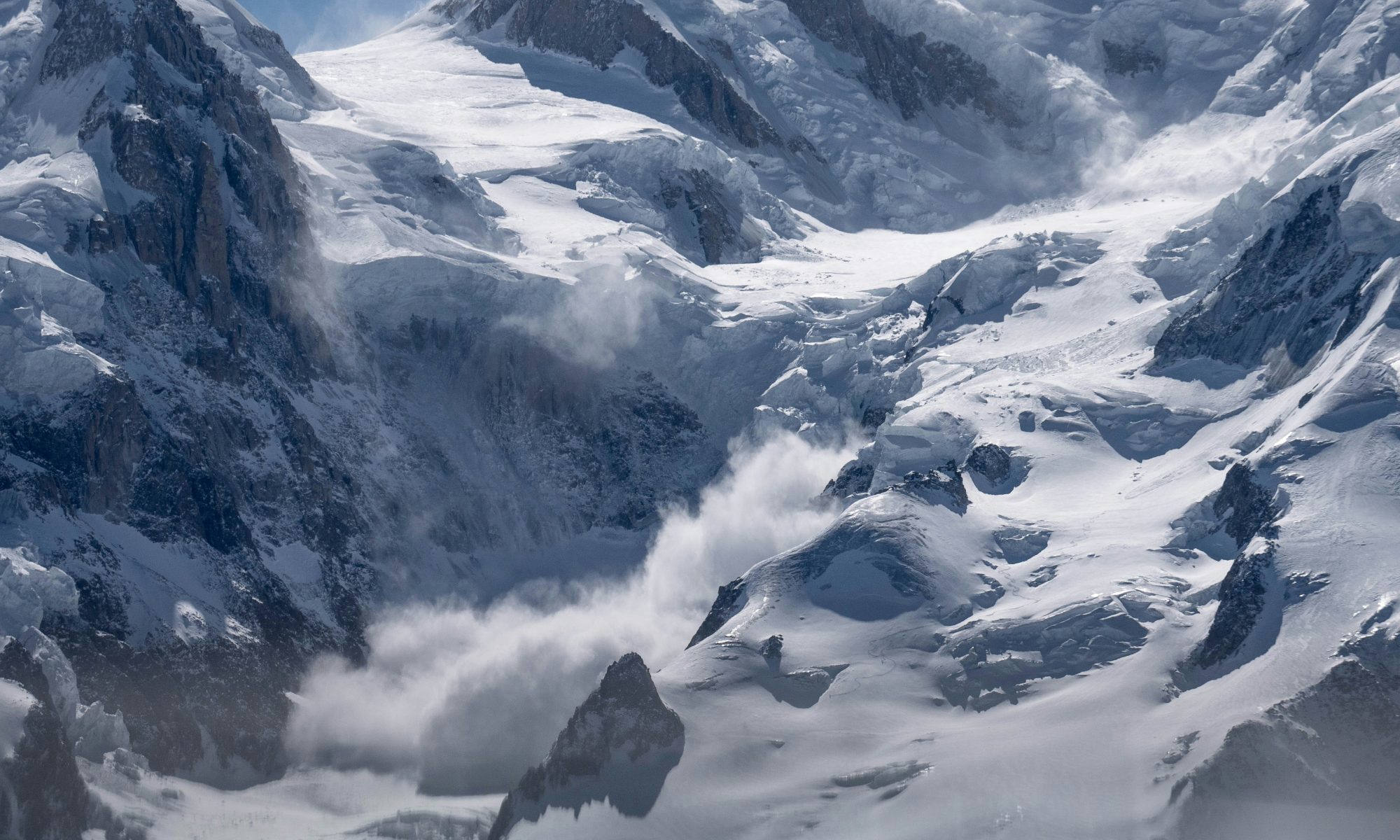
Avalanche in Chamonix. Stock photo: Krzysztof Kowalik. Unsplash.

Level 5 avalanche danger is classified as “Very High” on the European Avalanche Danger Scale. It represents the most extreme level of avalanche risk and is issued only in rare and severe conditions.

When authorities declare Level 5, widespread natural avalanches are expected — including large, destructive slides that can reach valley floors and infrastructure.

Many accidents occur during periods shaped by extreme weather in the Alps, particularly when conditions change rapidly.


The European Avalanche Danger Scale (1–5)

Avalanche danger in Europe is rated from 1 to 5:

1 – Low
2 – Moderate
3 – Considerable
4 – High
5 – Very High

Level 5 is the highest and rarest classification.


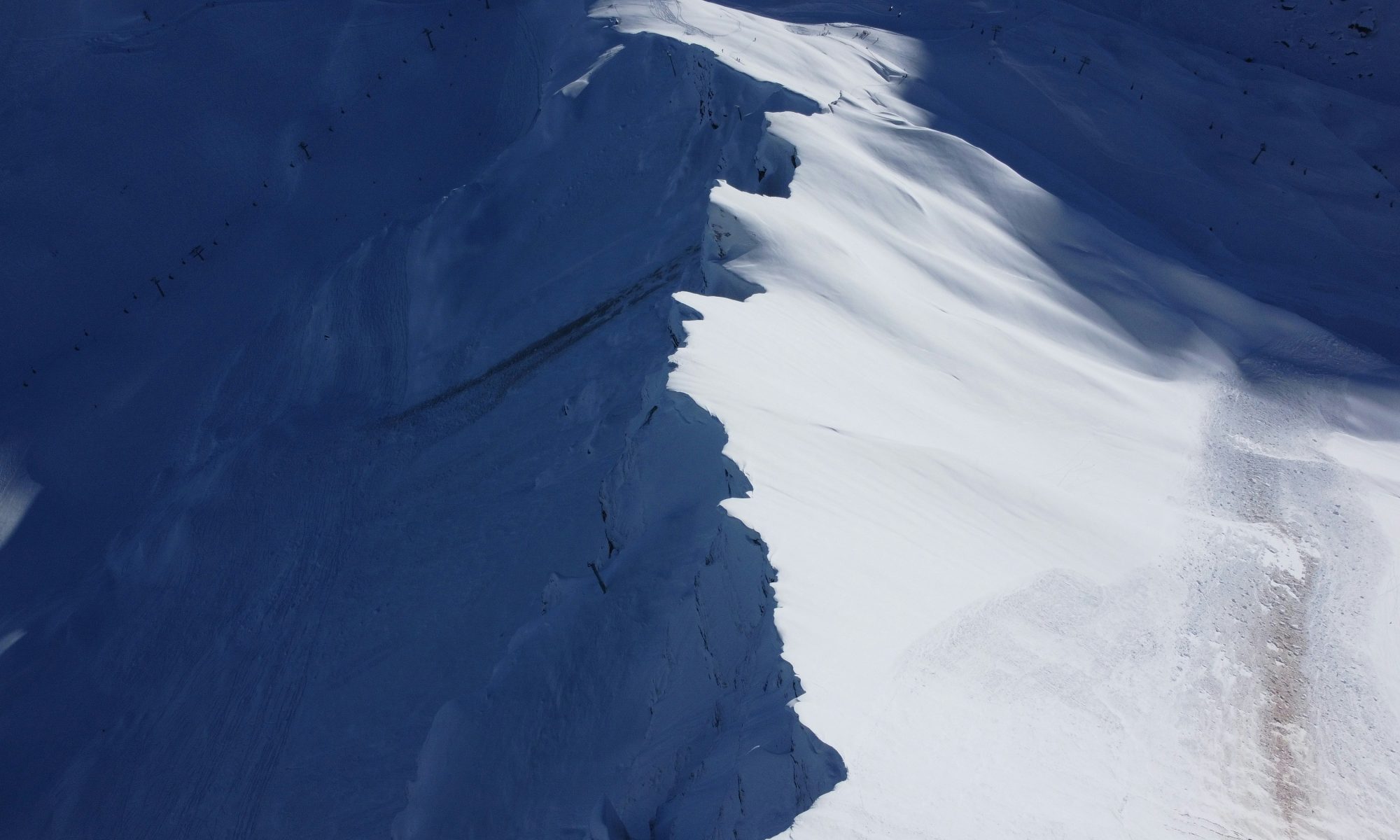
Wind slab. Scottish Avalanche Information Service. Sais.gov. Foehn Winds and Rising Avalanche Risk in the Alps: What Skiers Need to Know.
Wind slab. Scottish Avalanche Information Service. Sais.gov.

What Happens at Level 5?

Under Level 5 conditions:

  • Numerous natural avalanches are expected
  • Very large and destructive avalanches are likely
  • Avalanches may reach roads, forests, ski runs and buildings
  • Travel in alpine terrain becomes extremely dangerous
  • Even low-angle slopes may be unstable

Unlike Level 4, where human-triggered avalanches are very likely, Level 5 means the snowpack is so unstable that avalanches occur naturally and widely without human involvement.


What Level 5 Means for Skiers and Visitors

At Level 5:

✔ Off-piste travel should be avoided entirely
✔ Backcountry touring is strongly discouraged
✔ Some ski resorts may close terrain or entire sectors
✔ Roads and mountain passes may shut due to avalanche risk
✔ Controlled blasting and mitigation efforts intensify

Authorities may issue emergency alerts during Level 5 situations.


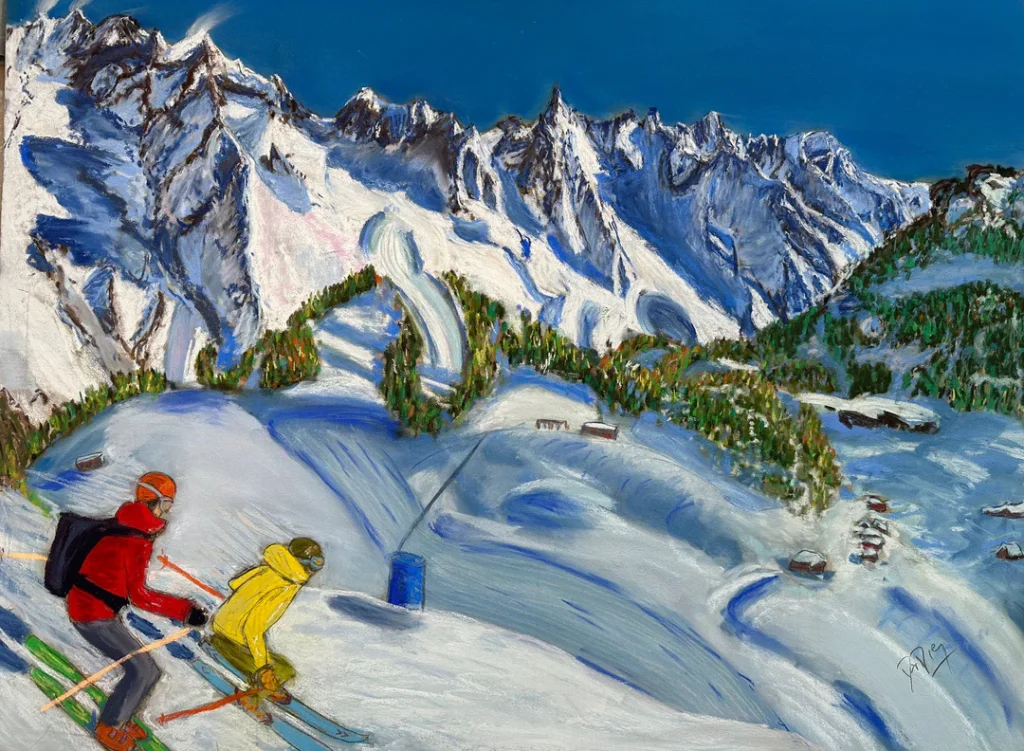
Skiing in Courmayeur. Aretu Wall. In my shop here.

How Level 5 Differs From Level 4

Level 4 (“High”) already indicates serious instability and likely natural avalanches.

However:

Continue reading “What Level 5 Avalanche Danger Means”

What Level 4 Avalanche Danger Means

Photo: Kokex 1213. Unsplash. Engelberg, Switzerland.

Level 4 avalanche danger is classified as “High” on the European Avalanche Danger Scale. It indicates a very unstable snowpack and a significant probability of both natural and human-triggered avalanches.

Level 4 is part of the European Avalanche Danger Scale used across the Alps, which helps skiers and mountaineers understand snow stability and avalanche risk.

When authorities issue Level 4, off-piste and backcountry travel become highly risky.

Many accidents occur during periods shaped by extreme weather in the Alps, particularly when conditions change rapidly.


The European Avalanche Danger Scale (1–5)

Avalanche danger in Europe is rated from 1 to 5:

1 – Low
2 – Moderate
3 – Considerable
4 – High
5 – Very High

Level 4 is the second-highest rating and represents serious instability.


Mont Seymour. Veronica Dudarev. Unsplash.

What Happens at Level 4?

Under Level 4 conditions:

  • Natural avalanches are likely
  • Human-triggered avalanches are very likely
  • Large avalanches may occur on many steep slopes
  • Weak layers in the snowpack are widespread
  • Wind loading often increases instability

Avalanches can occur even with minimal additional loading — meaning a single skier or snowboarder can trigger a slide.

Continue reading “What Level 4 Avalanche Danger Means”

Tyrol Remains on Level 4 Avalanche Alert After Deadly St. Anton Slide

St Anton Film Festival. Photo: Simon Rainer. St Anton am Arlberg Tourism Office.

Tyrol remains under Level 4 (High) avalanche danger following a deadly avalanche near St. Anton am Arlberg that claimed three lives, as authorities continue to warn against off-piste activity across western Austria.

The avalanche struck on 20 February 2026 in open terrain above the resort in the Landeck district. Five people were caught.

This incident forms part of the broader February 2026 avalanche cycle across the Alps, which saw widespread Level 4 and Level 5 danger across multiple countries.

This event is part of a wider pattern of extreme weather in the Alps, where increasingly unstable conditions are affecting snowpack and safety.

Two victims were declared dead at the scene. A third person, initially resuscitated and transported to hospital, died overnight. Two others remain under medical observation.

Rescue operations involved Austrian Alpine Police, mountain rescue teams, avalanche dog units and helicopters operating in severe weather conditions.

Source: Associated Press reporting on avalanche incidents in western Austria.


Current Situation: Level 4 (High) Still in Place

As of today, several regions of Tyrol remain at Level 4 (High) on the European avalanche danger scale.

Level 4 indicates:

Continue reading “Tyrol Remains on Level 4 Avalanche Alert After Deadly St. Anton Slide”

Walker Killed in Valloire Avalanche as Rare Large Slides Sweep French Alps

Valloire. Photo: Merlin Janke. Unsplash.

A major avalanche cycle continues across the French Alps following heavy snowfall and strong winds, with a confirmed fatality in Valloire and multiple large natural releases affecting roads, hamlets and ski infrastructure.

Authorities had issued Level 5 (maximum) avalanche danger in parts of Savoie at the time of the incident.

The Valloire incident follows other serious avalanche accidents in the region, including the recent Val d’Isère avalanche that killed two British skiers after a Level 5 warning.

This incident forms part of the broader February 2026 avalanche cycle across the Alps, which saw widespread Level 4 and Level 5 danger across multiple countries.


Fatal Avalanche in Valloire (Savoie) – 17 February 2026

According to Le Dauphiné Libéré, TF1 Info, and Reuters, a very large natural avalanche struck near the hamlet of La Rivine in Valloire around midday on 17 February.

The avalanche descended from natural slopes above the hamlet, crossed a road and pedestrian path, and swept through an area below the slope.

One person walking along the path was killed. Three others were injured, including two reported to be in critical condition. Rescue operations involved mountain police (PGHM), firefighters, search dogs and medical teams. Two hamlets — La Rivine and La Borgé — were evacuated as a precaution.

French media described the avalanche as “de grande ampleur” (of great magnitude). The incident occurred during a Level 5 avalanche danger period, the highest rating on the European avalanche scale.

Continue reading “Walker Killed in Valloire Avalanche as Rare Large Slides Sweep French Alps”

Western Alps Avalanche Cycle Intensifies (Feb 16–17, 2026): Fatalities, Road Closures and Widespread Instability

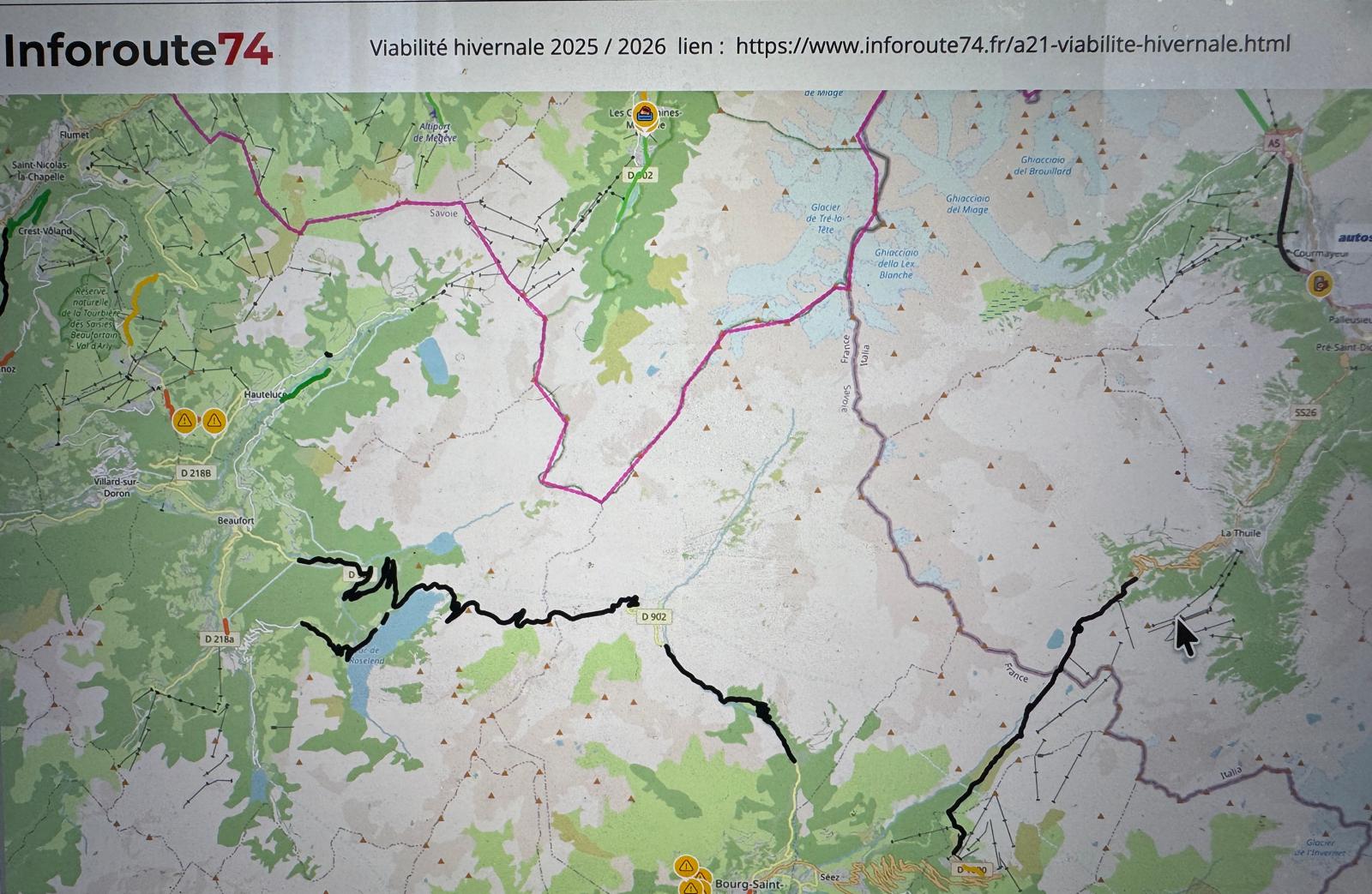
Inforoute74 map today 18 Feb 26.

A Regional Instability Pattern Across the French Alps

A significant Western Alps avalanche cycle developed on 16–17 February 2026, affecting multiple French Alpine massifs following heavy snowfall and strong winds.

Reports from the Écrins, Vanoise, Beaufortain, Haute Maurienne, Lauzière, Queyras and Matheysine sectors indicate widespread natural releases, control-triggered avalanches (PIDA), and impacts to infrastructure.

This activity reflects a broad instability phase rather than isolated local incidents.

This incident forms part of the broader February 2026 avalanche cycle across the Alps, which saw widespread Level 4 and Level 5 danger across multiple countries.


Fatal Avalanche in La Grave (Écrins Massif)

On Tuesday 17 February, a large avalanche in the Côte Fine couloir near La Grave (Écrins massif) resulted in the deaths of two skiers.

According to Le Dauphiné Libéré, both individuals were found in cardiac arrest and could not be revived.

La Grave. Photo: Christian ter Maat. Unsplash.

Continue reading “Western Alps Avalanche Cycle Intensifies (Feb 16–17, 2026): Fatalities, Road Closures and Widespread Instability”

Aosta Valley Avalanches: Debris Reaches Courmayeur, Regional Road Closed

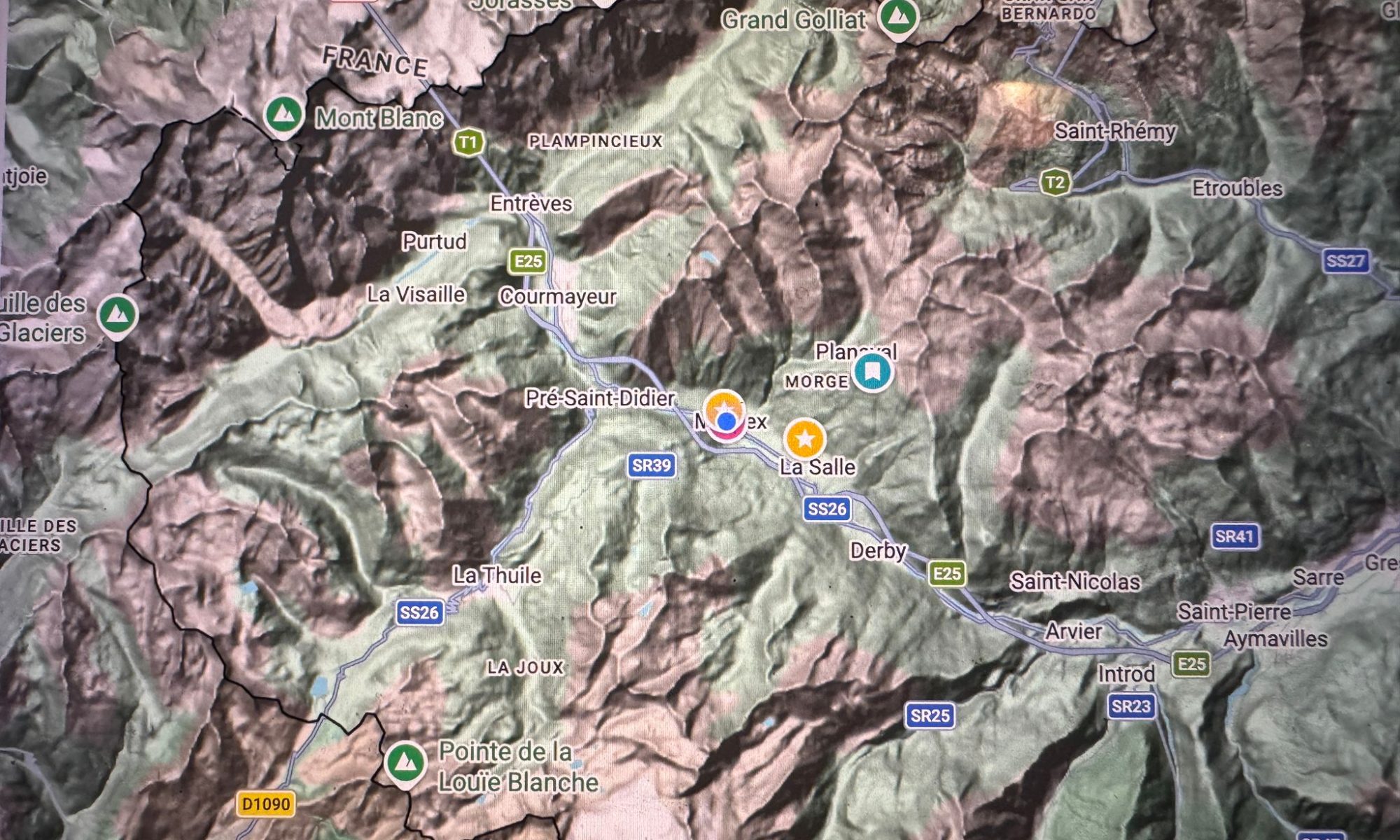
Courmayeur- Rhemes Notre Dam. Google Maps.

🔴 Update – February 2026 (Afternoon)

Several avalanches were reported across the Aosta Valley on Sunday afternoon, prompting precautionary road closures and heightened monitoring by local authorities.

In one instance, avalanche debris reached lower terrain near Courmayeur, underscoring the intensity of recent snowfall and slope loading in the Mont Blanc sector.

No injuries have been reported in connection with these events at the time of writing.

Continue reading “Aosta Valley Avalanches: Debris Reaches Courmayeur, Regional Road Closed”

French Alps Issue “Abnormal Avalanche Activity” Alert in Haute-Savoie

Entrance to the Vallée Blanche from Aiguille du Midi. Photo: Salome Abrial. OT Vallée de Chamonix. French Alps Avalanche Danger: 48-Hour Roundup & Current Risk by Massif.

🔴 Official Alert – February 2026

French avalanche monitoring services have issued an “activité avalancheuse anormale” (abnormal avalanche activity)alert for the department of Haute-Savoie, signalling unusually high avalanche activity for the period.

The alert was distributed via the national data platform Data Avalanche, which monitors avalanche events and snowpack instability across the French Alps.

This classification is not routine and indicates that avalanche occurrences are significantly above seasonal norms.

This article is part of ongoing coverage of Alpine avalanche activity in February 2026.


What Does “Abnormal Avalanche Activity” Mean?

The term refers to:

  • A higher-than-usual number of natural avalanche releases
  • Widespread snowpack instability
  • Increased likelihood of spontaneous or remotely triggered slides
  • Conditions that may exceed what is typically expected for the time of year

Such alerts are issued when observed avalanche activity suggests an unstable and reactive snow structure across large areas.

Continue reading “French Alps Issue “Abnormal Avalanche Activity” Alert in Haute-Savoie”

Aosta Valley Avalanche Bulletin: Danger Level 4 (Strong) with Wind Slab Risk

Aineva bulletin Aosta Valley. 16 FEB.

Avalanche danger remains high across Aosta Valley

The official Aosta Valley Snow & Avalanche Bulletin issued by Regione Autonoma Valle d’Aosta reports Danger Level 4 (Strong) across several forecast sectors on Monday.

Fresh snowfall combined with strong north-westerly winds is contributing to unstable snowpack conditions, particularly on steep slopes and wind-loaded terrain.

Official bulletin source:
https://bollettinovalanghe.regione.vda.it/home


Tuesday Trend (17 February)

According to the current regional forecast trend, avalanche danger is expected to remain elevated into Tuesday, with continued instability in areas affected by wind transport and fresh accumulations.

Continue reading “Aosta Valley Avalanche Bulletin: Danger Level 4 (Strong) with Wind Slab Risk”

Madesimo Avalanche (Feb 15, 2026): Four Caught, One Missing After Snowmobile Incident

Altopiano degli Andossi. Madesimo. Photo: Laura Adai. Unsplash.

🔴 Update – 15 February 2026 (Evening)

An avalanche struck above Madesimo in the Lago Nero area of Valchiavenna on Sunday, February 15, 2026, involving four people travelling by snowmobile.

According to Italian media reports, three individuals have been rescued alive, while one person remains missing. Search and rescue operations are ongoing at the time of publication.

Authorities have not yet released the identities of those involved.


Incident Overview

The avalanche occurred in a mountainous area above Madesimo, in the province of Sondrio (Lombardy), near Lago Nero — a zone known for winter recreation but also exposed to avalanche risk following heavy snowfall.

Continue reading “Madesimo Avalanche (Feb 15, 2026): Four Caught, One Missing After Snowmobile Incident”