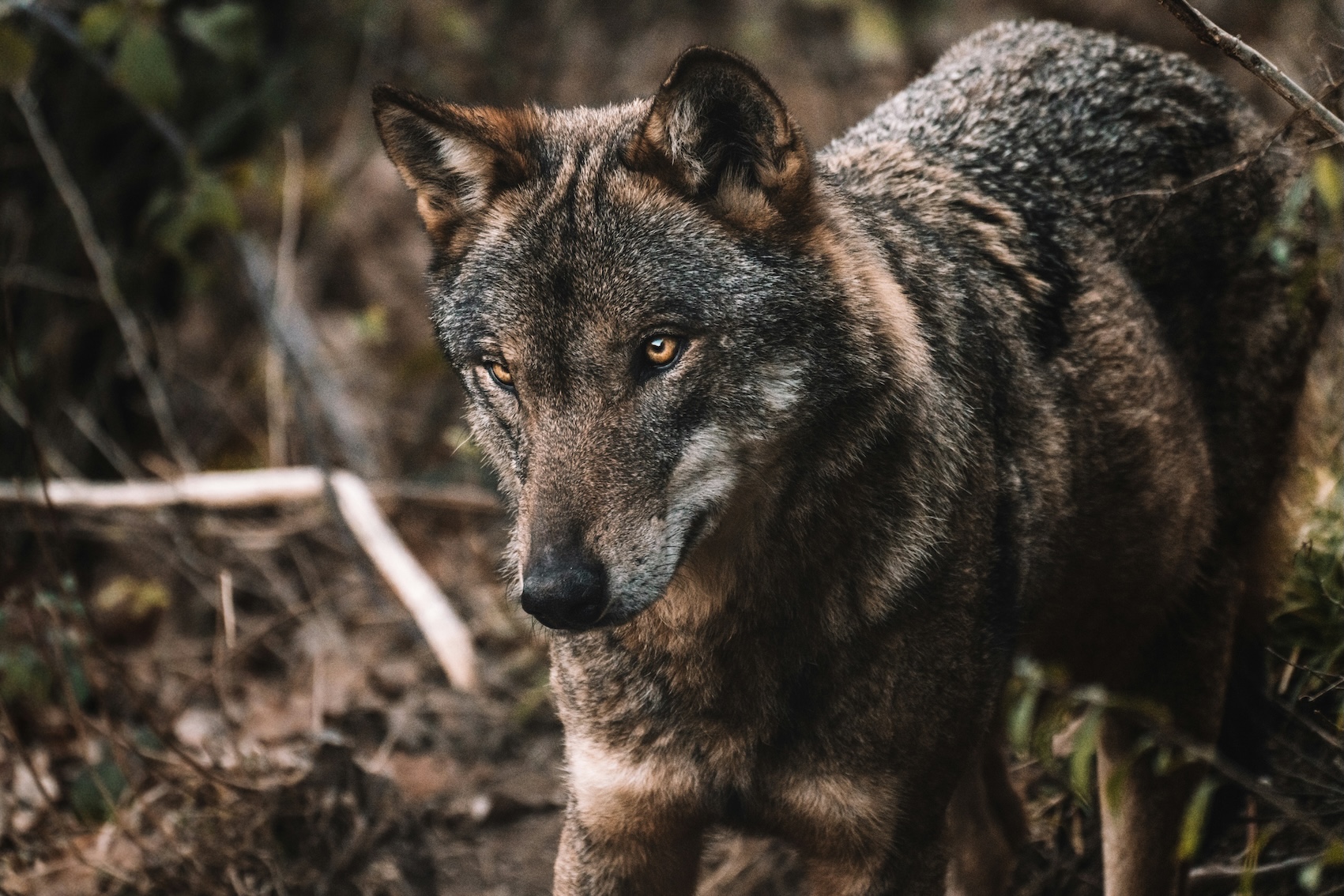
Piedmont is preparing a wolf management plan as farmers face livestock losses. The debate reaches into the Alpine pastures where hikers, shepherds and livestock guardian dogs share the same terrain.
Piedmont is drawing up a regional wolf management plan, with a first draft expected by the end of January 2027. The region wants common rules for protecting livestock and deciding when to intervene if a wolf repeatedly approaches homes or attacks livestock despite preventive measures.
The draft will be published for comment. The regional executive will then consider a final version before sending it to the regional council for approval. The timetable was announced on 4 November. Regione Piemonte
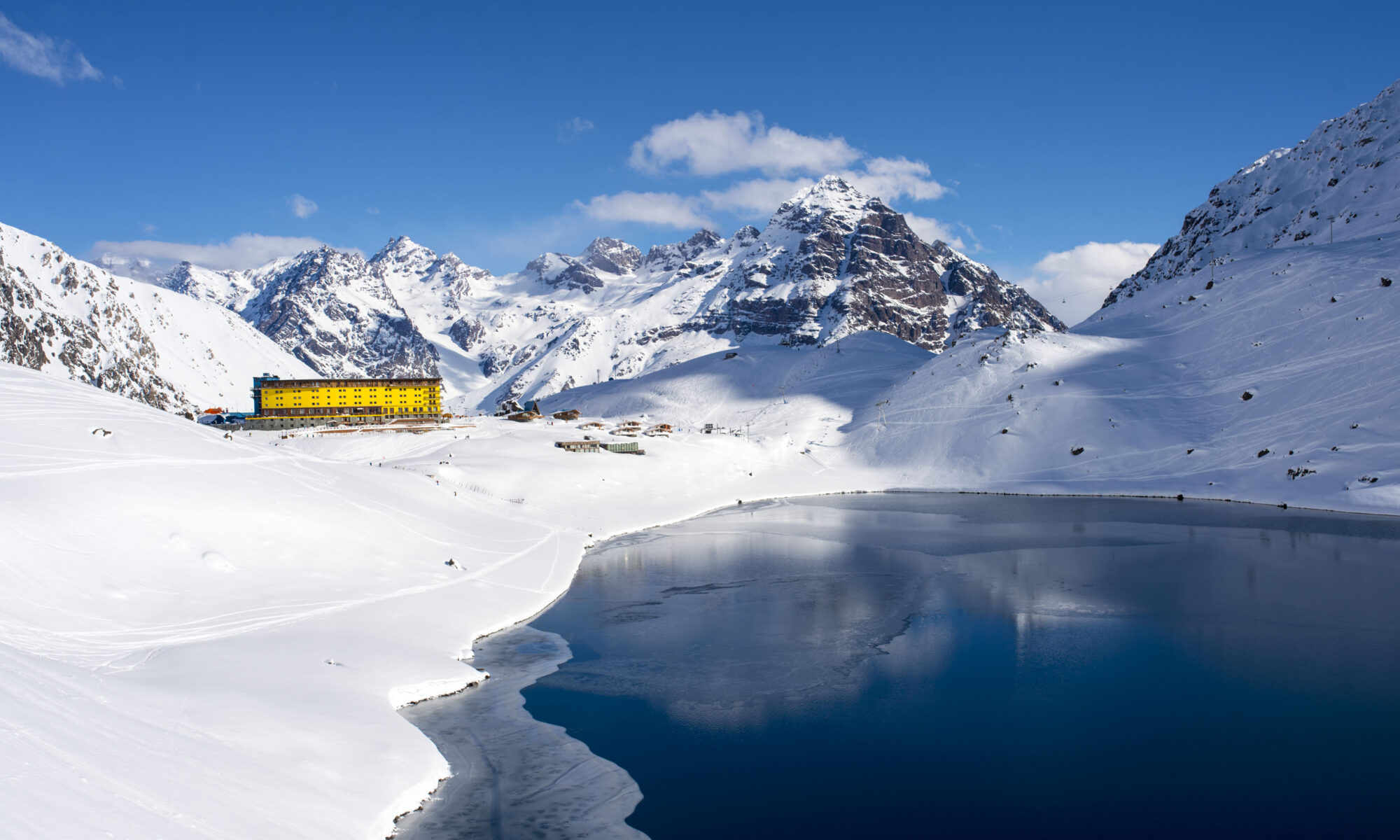
Three Chilean mountaineers died and four others were injured when an avalanche swept their group into Laguna del Inca, near Chile’s Portillo ski resort, on Saturday, October 17, 2026.
The group consisted of seven friends who had travelled from Santiago and regularly practised mountaineering together, according to prosecutor Pamela Ruiz. They were undertaking a private mountain outing, rather than a commercial guided tour.
Portillo had already ended its ski season. The tragedy highlights an important distinction for mountain visitors: the closure of a resort, the boundaries of its designated ski terrain and access to surrounding trails are separate matters.
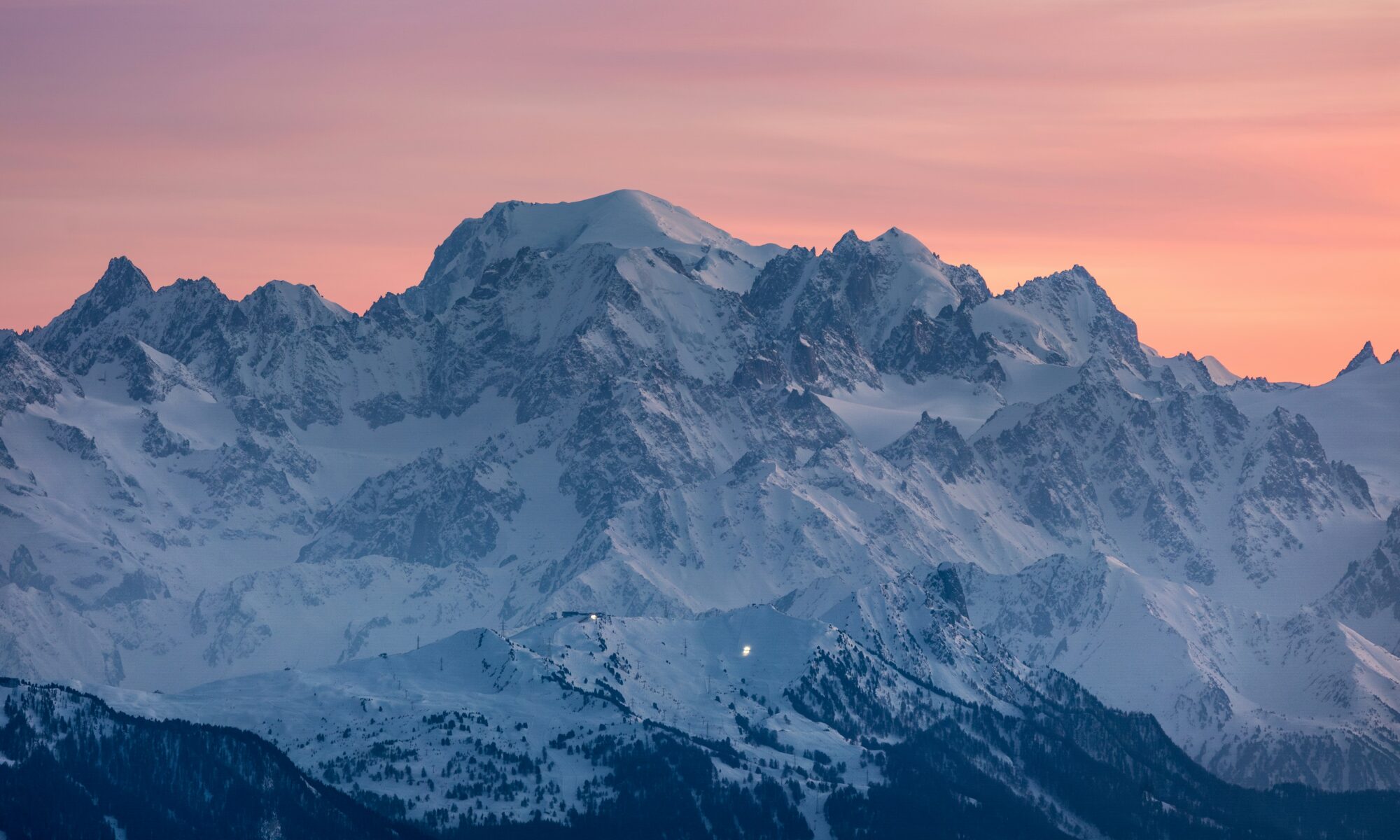
Europe’s highest Alpine summit has gained nearly two metres since 2023, but scientists warn that changes in its snowy peak should not be confused with the wider retreat of Alpine glaciers.
Mont Blanc, the highest mountain in the Alps and Western Europe, has a newly confirmed altitude: 4,807.47 metres above sea level.
The figure was officially announced on 14 October 2026 following a French scientific expedition to the summit in September.
The measurement represents an increase of 1.88 metres compared with 2023, when Mont Blanc stood at 4,805.59 metres.
However, there is an interesting twist: the mountain is actually 1.29 metres lower than it was in 2025.
So, is Mont Blanc growing or shrinking? And what does this tell us about climate change in the Alps?
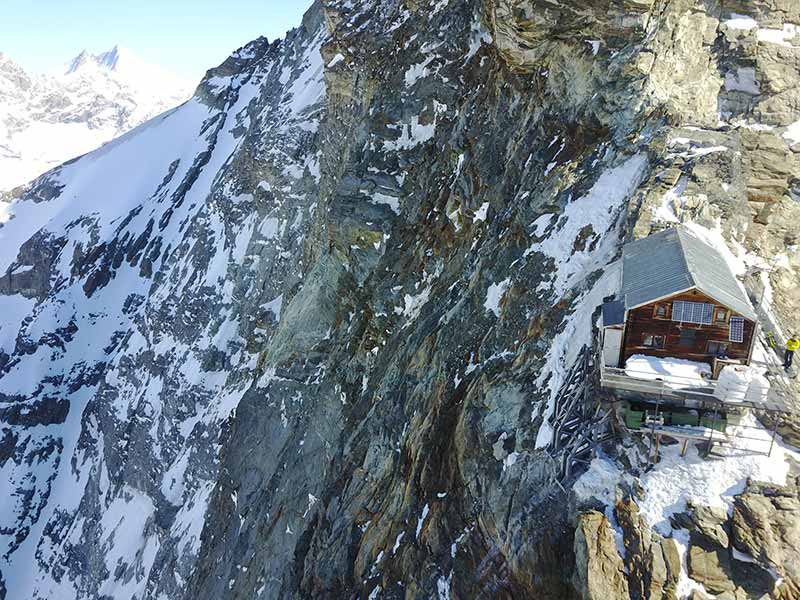
The new Capanna Carrel has been officially inaugurated on the Italian side of the Matterhorn, marking an important milestone for mountaineering safety and high-altitude infrastructure in the Aosta Valley.
The inauguration took place on 15 October 2026, at 3,830 metres above sea level, along the Lion Ridge (Cresta del Leone), the historic Italian normal route to the summit of the Matterhorn, known in Italy as the Cervino.
The ceremony brought together local and regional authorities, mountain guides, engineers and representatives of the mountaineering community.
The new mountain shelter replaces a historic structure increasingly exposed to rockfall and instability associated with the degradation of mountain permafrost.
As The-Ski-Guru reported in August 2026, the new Capanna Carrel had already been handed over to the Matterhorn mountain guides for use during the summer climbing season. The October ceremony now marks its official inauguration following the completion of the project.
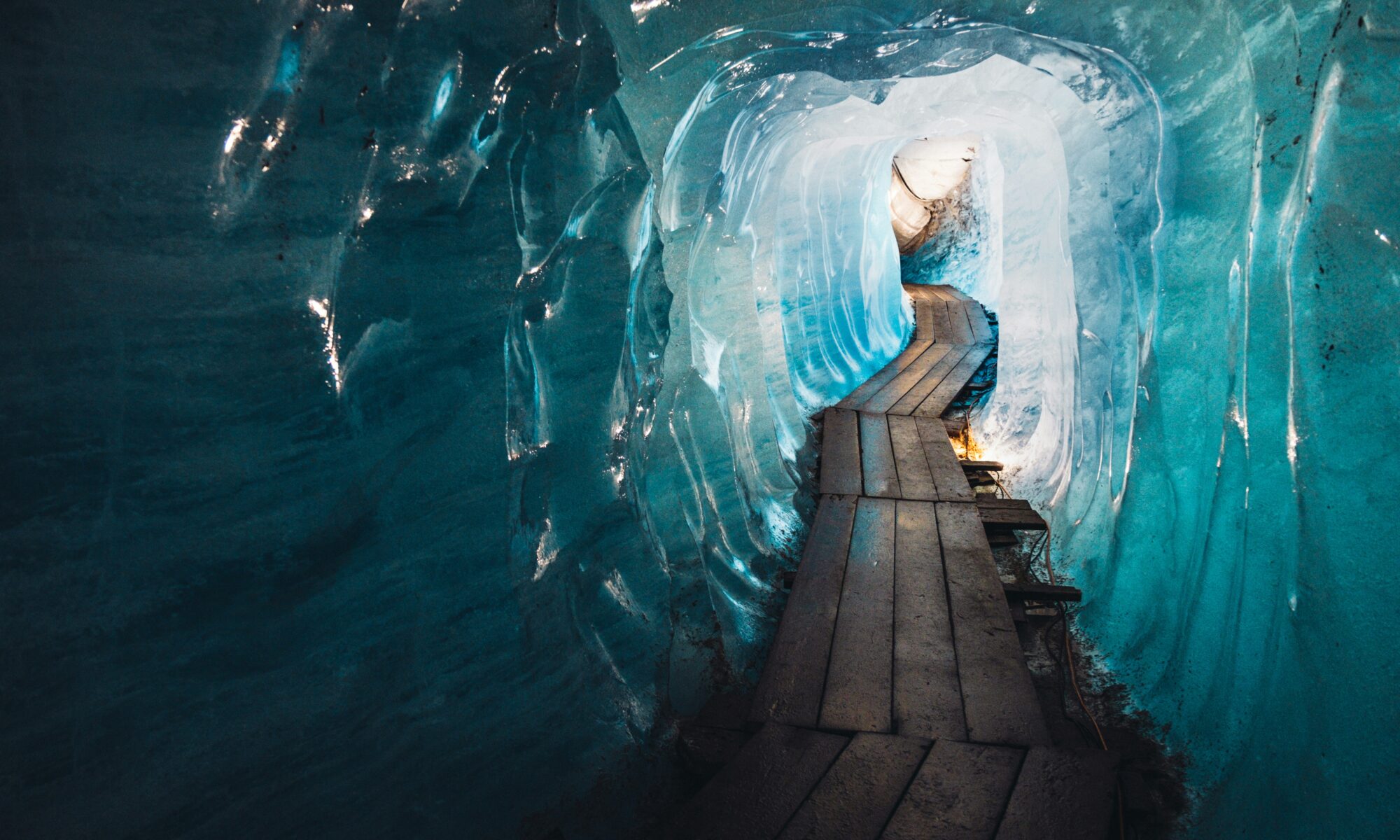
Valais authorities have rejected an appeal by the operators of the historic Rhône Glacier ice cave, ordering an end to the tourist operation and the restoration of a nationally protected Alpine site. A further court appeal remains possible.
One of Switzerland’s best-known glacier attractions is facing closure after the Valais cantonal government rejected an appeal by its operators.
The decision concerns the ice grotto carved into the Rhône Glacier near the Furka Pass, an attraction reportedly visited by around 100,000 people each year.
The authorities have ordered the site to be restored and tourist operations to cease, concluding that both the excavated tunnel and the protective coverings placed over the ice should have received prior authorisation.
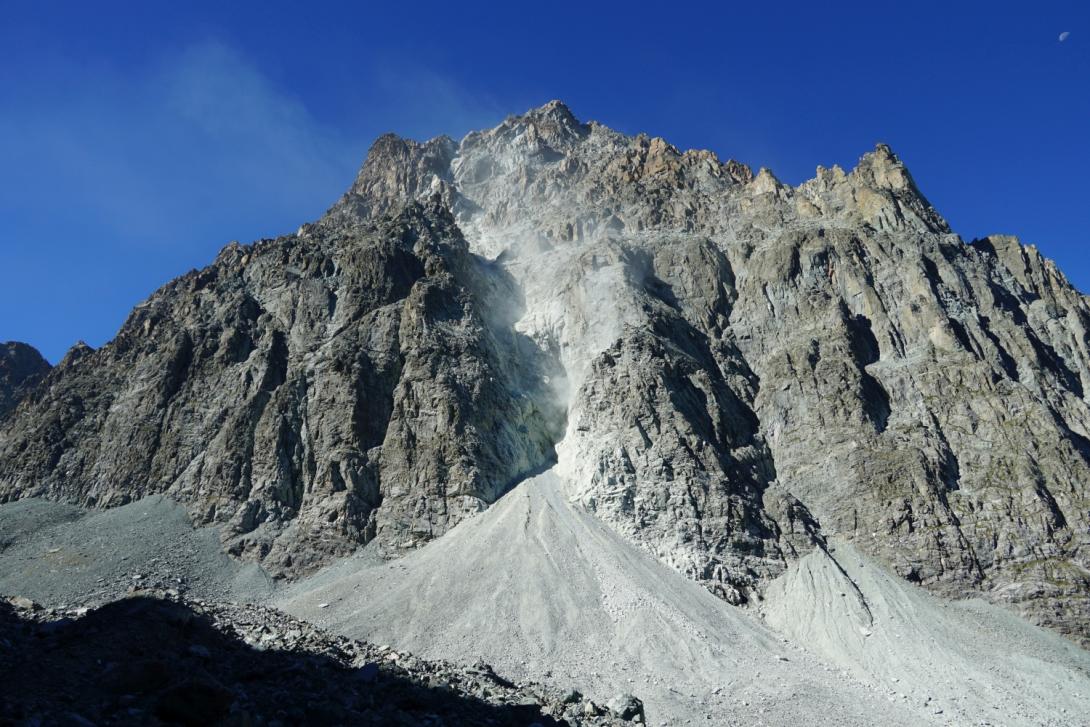
A rockfall on Monviso’s northeast face sent thousands of cubic metres of debris down the mountain on 1 September. No one was injured and the nearby Quintino Sella refuge and its access trail were not hit by the main collapse, but repeated failures on the same face have prompted authorities to examine how the mountain is evolving.
UPDATE — 18 September 2026: New Rockfall and Regional Action
A second significant rockfall on Monviso and new temperature data have prompted the Regione Piemonte to begin a wider assessment of the mountain, including its trails, refuge access and long-term monitoring.
At the first official Tavolo Monviso, held on 16 September, ARPA Piemonte revealed that between 10 June and 10 September temperatures at its monitoring station above 3,300 metres on Monviso did not fall below 0°C.
ARPA identifies thermal stress as a probable factor in the recent rockfalls and degradation of permafrost as a possible contributing factor within a rock mass that is already heavily fractured. However, the agency continues to stress that individual rockfalls need to be assessed on their specific geological and environmental conditions.
The meeting followed another rockfall during the night of 13–14 September, this time from the Torrioni Sari on Monviso’s southern side. Regional authorities say preliminary observations suggest that this event may have been larger than the 1 September collapse on the northeast face, although further surveys are needed to determine its scale.
The two events on different sides of the mountain have led authorities to broaden their assessment from individual rockfall sites to the Monviso massif as a whole.
Access to the mountain is also under review
The Regione Piemonte is now considering additional surveys, including drone inspections, an assessment of the most exposed trails and possible alternative routes to mountain refuges.
One proposal being examined is an alternative access route to the Rifugio Quintino Sella. Improved trail signage and temporary restrictions in particularly exposed areas are also being considered.
This does not currently amount to a general closure or restriction on access to Monviso.
A €4 krapfen served at a mountain hut high in the Italian Dolomites has become the latest symbol of a much bigger problem facing some of Europe’s most spectacular mountain destinations: what happens when a place suddenly goes viral.
The Friedrich August refuge, located at around 2,300 metres between Col Rodella and Passo Sella in Val di Fassa, has long been known for serving freshly made krapfen, the jam-filled fried pastries common across the Alpine region.
But after videos of the pastries began spreading across social media, the hut itself became a destination.
Visitors are now reportedly arriving early in the morning — and in some cases even camping nearby — to make sure they can buy one before supplies run out. Long queues have formed outside the refuge, while photographs and videos of the pastry against the dramatic Dolomite backdrop continue to circulate online.
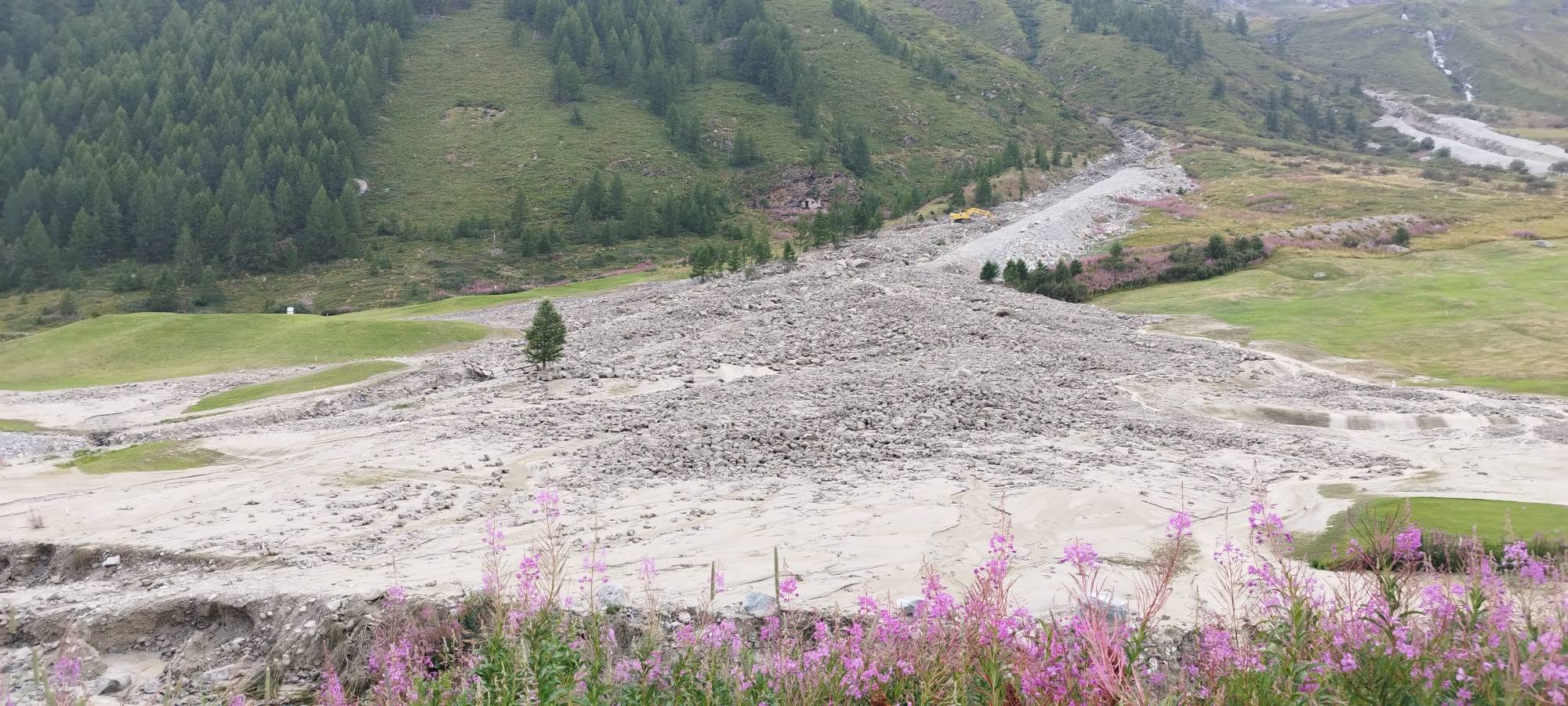
A violent thunderstorm lasting barely 20 minutes sent torrents of water, mud and debris through Breuil-Cervinia on Monday afternoon, flooding parts of the resort and covering the golf course with sediment. Despite the dramatic scenes, authorities say the village itself escaped major damage thanks to flood protection measures introduced after the devastating 2024 disaster.
The storm caused the Chérillon, Maberge and Avouil mountain streams to overflow after an intense cloudburst struck the upper Valtournenche valley. Large quantities of rocks, mud and debris were carried downstream, damaging two bridges on the golf course and depositing thick layers of sediment across several fairways.
One of the Alps’ most iconic mountain resorts has reached a major milestone. Breuil-Cervinia is celebrating the 90th anniversary of the opening of its first cable car, the Breuil-Cervinia–Plan Maison lift inaugurated in 1936, a project that forever changed access to the slopes beneath the Matterhorn and helped shape the resort into one of Europe’s premier ski destinations.
The anniversary celebrations, held on August 1–2, bring together residents, visitors and industry partners for two days of concerts, storytelling, exhibitions and outdoor activities that honour nine decades of engineering innovation and mountain tourism.
As climate change reshapes the Alps, ski resorts are beginning to discover that one of their most valuable investments may have a second life beyond winter.
In Switzerland, researchers are exploring whether snowmaking systems—traditionally used to guarantee ski conditions during increasingly unpredictable winters—could also help combat one of the mountains’ fastest-growing threats: forest fires.
The concept is surprisingly simple. The same network of reservoirs, pumping stations and high-pressure snow cannons that cover ski slopes with artificial snow during winter could potentially be used in summer to spray water onto vulnerable forest areas, helping firefighters slow or contain wildfires before they spread.
A New Role for Snowmaking Infrastructure
Swiss mountain resorts already possess extensive water management systems designed to support snowmaking operations. These include water reservoirs, underground pipelines, powerful pumps and strategically positioned snow cannons across the mountainside.
Rather than building entirely new firefighting infrastructure, researchers believe these existing systems could be adapted to provide rapid water distribution during wildfire emergencies.
The proposal is not intended to replace traditional firefighting methods or aerial water bombing. Instead, it could provide valuable support by creating wet buffer zones, protecting critical infrastructure, slowing the advance of flames and buying precious time until emergency services arrive.
Climate Change Is Changing the Alps
The idea reflects a broader reality facing mountain destinations.
Today, the conversation has expanded dramatically.
Longer periods of drought, rising temperatures and increasingly frequent heatwaves are creating conditions that make wildfires more likely even in regions traditionally associated with snow-covered landscapes.
Several Alpine countries have already experienced more frequent forest fires during recent summers, highlighting that mountain communities now face climate challenges throughout the entire year—not just during winter.
Year-Round Resorts Face Year-Round Risks
Modern ski resorts are no longer purely winter destinations.
Many now depend heavily on summer tourism, attracting hikers, mountain bikers, trail runners and nature lovers. Protecting forests, trails, lift infrastructure, hotels and surrounding communities has become essential for maintaining year-round operations.
Using existing snowmaking infrastructure for wildfire prevention could therefore offer an additional layer of resilience while maximising investments that were originally designed solely for winter operations.
A Smarter Use of Existing Resources
One of the most attractive aspects of the proposal is that it makes use of infrastructure already in place.
Many ski resorts have invested millions in sophisticated snowmaking systems over recent decades to adapt to changing winter conditions. Repurposing those networks during summer could provide added value without requiring entirely new water distribution systems.
Researchers still need to determine how effective snow cannons would be under real wildfire conditions, including factors such as wind, terrain, water pressure and accessibility. However, the concept represents an innovative example of climate adaptation using existing mountain infrastructure.
This Is Part of a Bigger Trend
Switzerland’s proposal is not an isolated idea. Around the world, mountain destinations are exploring new ways to use technology and existing infrastructure to reduce wildfire risk.
Earlier this year, The-Ski-Guru reported on how mountain communities in Colorado are testing AI-powered drones capable of detecting and attacking wildfires within minutes of ignition. While Colorado is looking to the skies with autonomous aircraft, Switzerland is focusing on the ground by repurposing snowmaking systems already installed across its ski resorts.
Together, these initiatives point to a new era in mountain management, where ski infrastructure is evolving beyond winter tourism to help protect forests, communities and alpine ecosystems throughout the year.
The Future of Mountain Tourism
As climate change continues to reshape alpine environments, ski resorts are increasingly being asked to perform multiple roles.
Beyond winter recreation, they are becoming year-round tourism destinations, environmental managers and, potentially, valuable partners in protecting mountain communities from natural hazards.
The Swiss proposal illustrates how infrastructure originally designed for skiing may become an important tool in adapting to a changing climate—demonstrating that the future of mountain tourism may depend as much on resilience as on recreation.
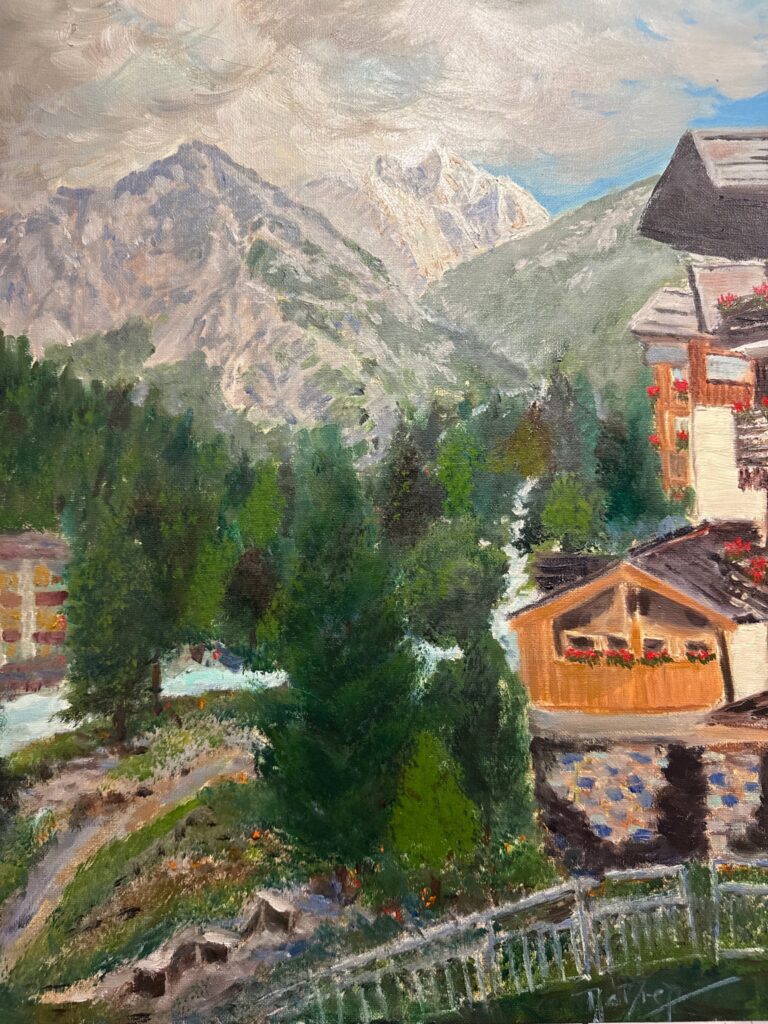
Madonna di Campiglio – after the storm. See the painting in my shop here.Changing seasons in Courmayeur. Oil on board. In my shop here.
Planning your next trip to the Italian Alps?
If you’re heading to the Aosta Valley, take a look at Il Cuore della Valdigne, our family-owned apartment in Morgex, available for rent when we’re not using it ourselves.
You can go to my shop and see what have been inspiring me lately, lots mountain landscapes in soft pastels, and now in oils too. Go here to check my latest works!
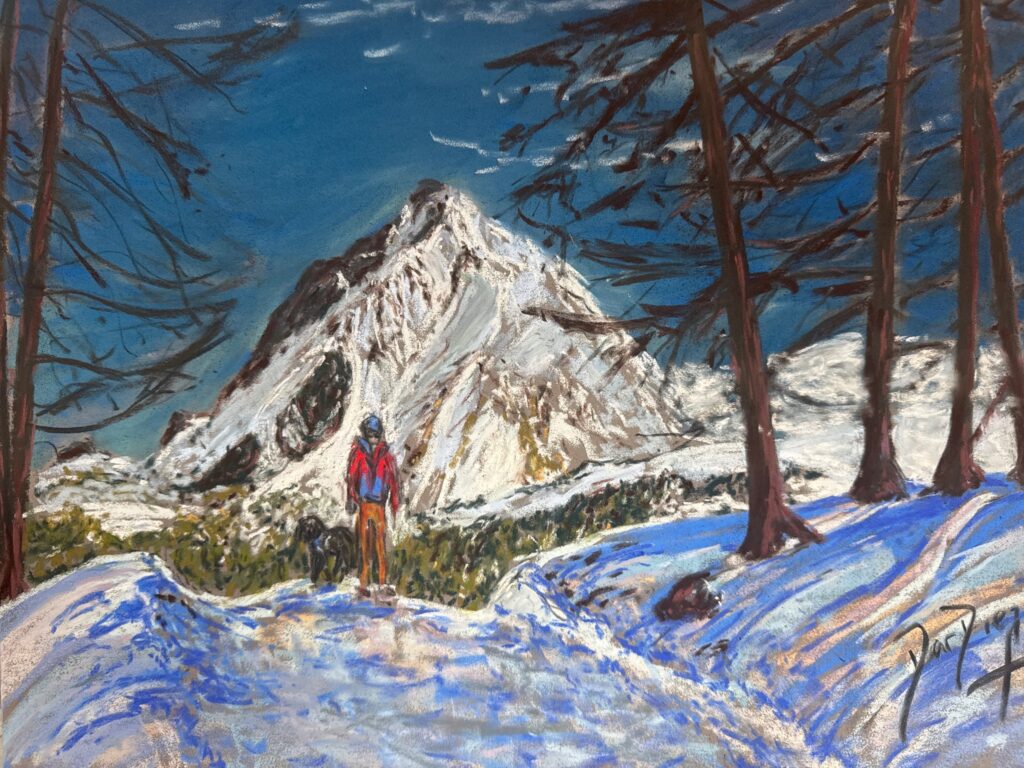
Becca di Nona in Pila, walking with the dog. Soft pastels in pastel paper. In my shop here.
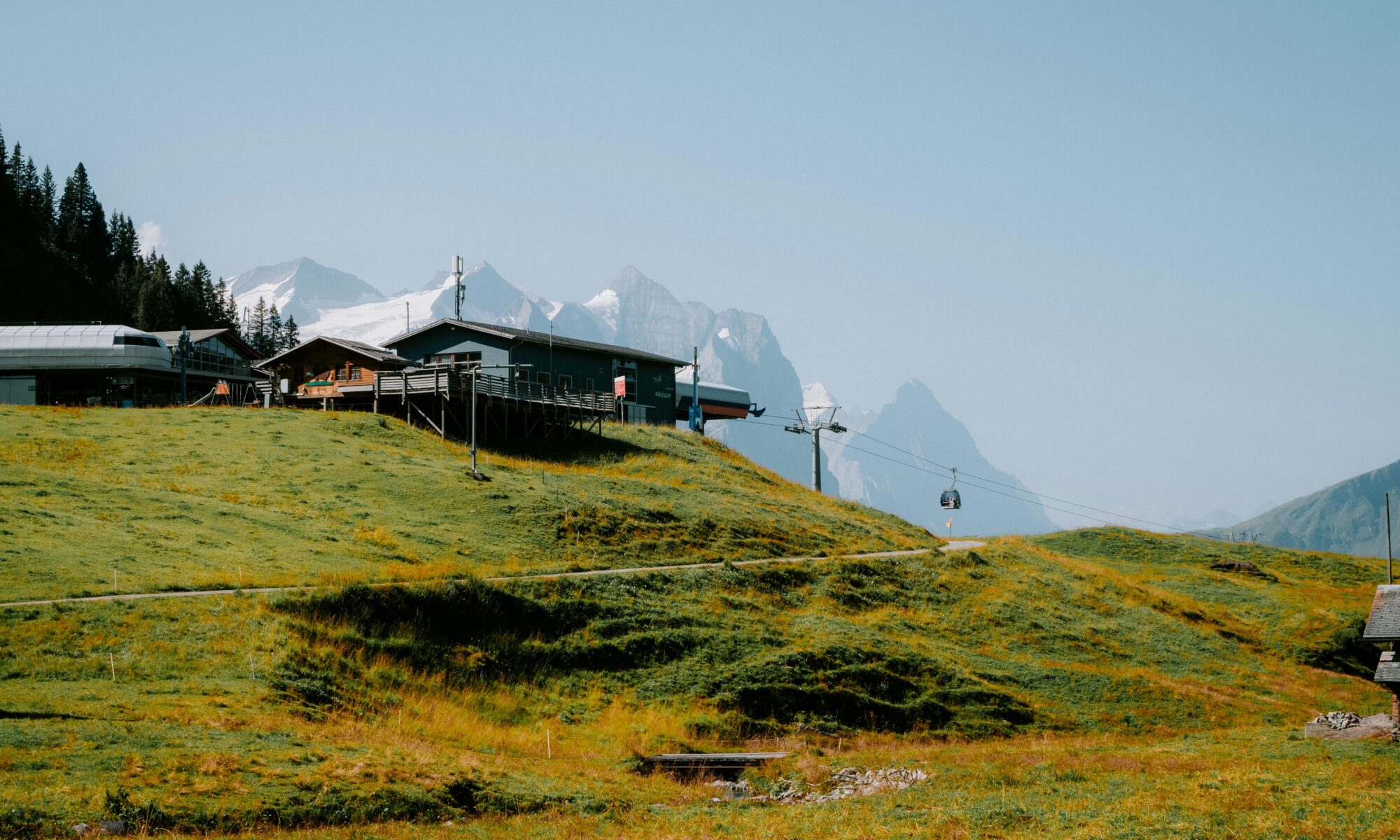
Featured Image: Hasliberg- Photo: Ben Grayland. Unsplash.
Enjoyed this post? Get my latest ski guides, weather insights, resort updates and travel tips directly in your inbox. Subscribe to The-Ski-Guru here.
Manage Cookie Consent
To provide the best experiences, we use technologies like cookies to store and/or access device information. Consenting to these technologies will allow us to process data such as browsing behavior or unique IDs on this site. Not consenting or withdrawing consent, may adversely affect certain features and functions.
Functional
Always active
The technical storage or access is strictly necessary for the legitimate purpose of enabling the use of a specific service explicitly requested by the subscriber or user, or for the sole purpose of carrying out the transmission of a communication over an electronic communications network.
Preferences
The technical storage or access is necessary for the legitimate purpose of storing preferences that are not requested by the subscriber or user.
Statistics
The technical storage or access that is used exclusively for statistical purposes.The technical storage or access that is used exclusively for anonymous statistical purposes. Without a subpoena, voluntary compliance on the part of your Internet Service Provider, or additional records from a third party, information stored or retrieved for this purpose alone cannot usually be used to identify you.
Marketing
The technical storage or access is required to create user profiles to send advertising, or to track the user on a website or across several websites for similar marketing purposes.



 Subscribe to The-Ski-Guru here.