

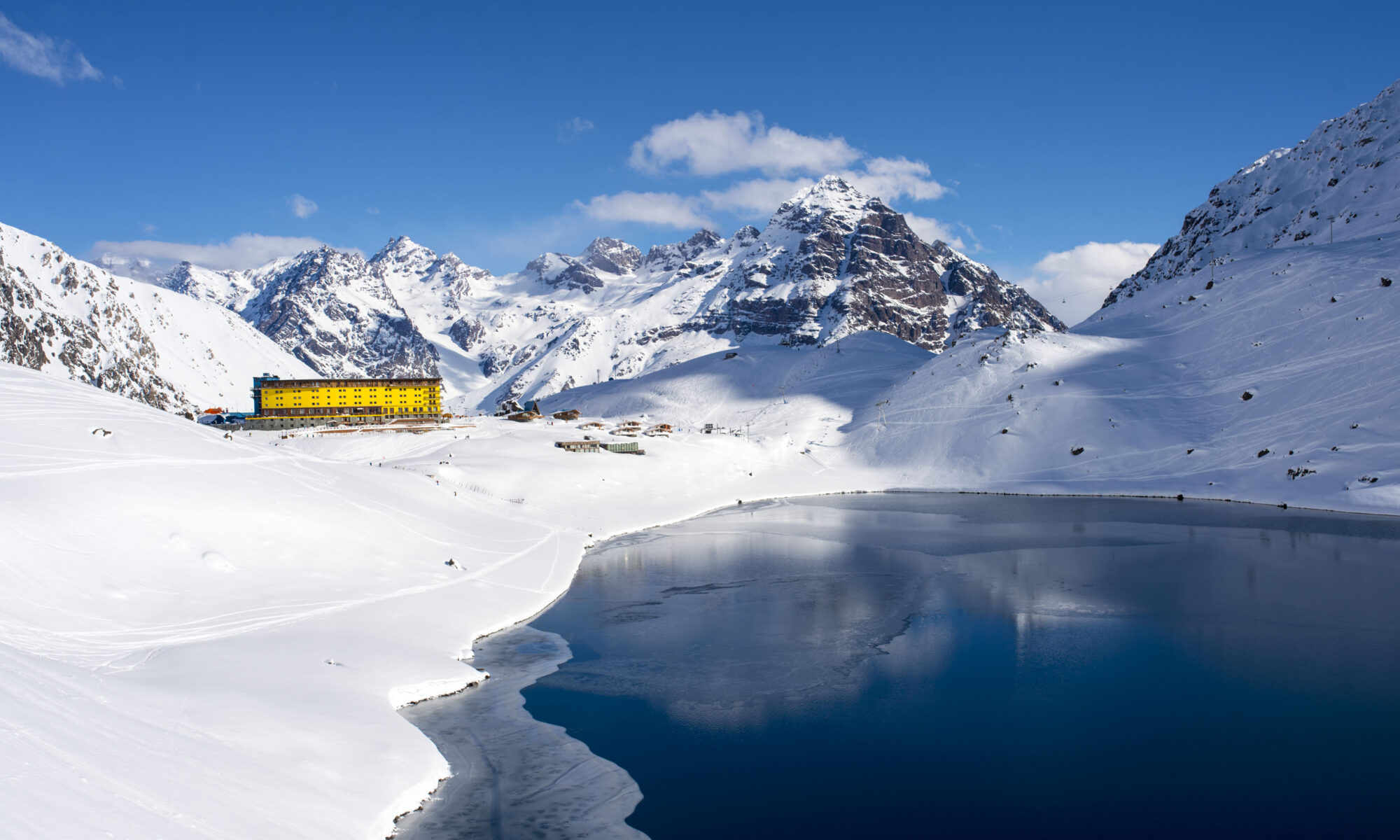
Three Chilean mountaineers died and four others were injured when an avalanche swept their group into Laguna del Inca, near Chile’s Portillo ski resort, on Saturday, October 17, 2026.
The group consisted of seven friends who had travelled from Santiago and regularly practised mountaineering together, according to prosecutor Pamela Ruiz. They were undertaking a private mountain outing, rather than a commercial guided tour.
Portillo had already ended its ski season. The tragedy highlights an important distinction for mountain visitors: the closure of a resort, the boundaries of its designated ski terrain and access to surrounding trails are separate matters.
What happened near Laguna del Inca?
According to La Tercera’s reporting on the investigation, the group was following a trail towards Cerro Los Tres Hermanos when a snow slide carried them into Laguna del Inca, in the municipality of Los Andes, Valparaíso Region.
Authorities confirmed three deaths and four injured survivors, correcting preliminary reports that had put the death toll at four.
Police, emergency services and Portillo personnel responded to the incident. Investigators began gathering evidence and witness accounts to establish the circumstances of the accident.
A group of Chilean friends, rather than an organised tourist excursion
In statements reported by La Tercera on October 18, prosecutor Pamela Ruiz clarified that all seven members of the group were Chilean and had travelled from Santiago.
She described them as friends who practised mountaineering regularly, organising a monthly outing with one member taking responsibility for coordinating each trip.
That clarification matters when describing the accident: this was not a group of international visitors on a ski holiday or a commercial excursion operated by Portillo.
Portillo had already closed for the season
La Tercera’s October 19 update reported that Portillo had ended its ski season on October 12, five days before the avalanche.
In its official statement, Ski Portillo said the accident occurred outside its designated ski area. The operator also referred to signs warning of danger and restricting access to certain sectors.
Despite the seasonal closure, Portillo said its security and patrol personnel responded alongside Carabineros within approximately ten minutes of receiving the alert, helping rescue four people. It also made emergency resources, including a helicopter, available to assist.
Those response details are the operator’s account.
Outside the ski area does not automatically mean a prohibited trail
The question of access requires careful wording.
Portillo described the accident site as outside its designated ski terrain and emphasised warnings about restricted areas. However, prosecutor Ruiz subsequently clarified that there were two trails and that the route followed by the group had no indication prohibiting passage.
Emol reported that clarification on October 18, alongside details of the initial investigation.
These accounts should not be reduced to a claim that the mountaineers entered a closed ski run. Equally, the absence of a prohibition on a trail does not establish that conditions were safe.
Access rules and mountain hazards answer different questions. Establishing the precise circumstances of this accident remains the role of the investigation.
Weather disrupted the recovery operation
By October 18, operations to recover the third victim had been suspended because of adverse weather.
According to T13’s report, the search was scheduled to resume on Thursday, October 22. Specialised resources had been deployed to assist with the operation in Laguna del Inca.
The interruption also illustrates the difficulties facing rescue teams when weather and mountain conditions limit access to an accident site.
Mountain risks continue beyond the ski season
For visitors to mountain destinations, the broader issue is the gap between a tourism calendar and conditions on the ground.
The end of lift operations does not mean snow has disappeared from surrounding slopes. A familiar resort landscape can still contain serious mountain hazards.
In La Tercera’s October 19 coverage, geographer Pablo Salucci explained that fresh snowfall, temperature changes, rain and differences between snow layers can contribute to avalanche instability. Those are general explanations of avalanche processes, rather than a confirmed diagnosis of this particular accident.
The Portillo tragedy calls for clear reporting about the people affected, careful attribution of the differing accounts about access, and recognition that the end of a ski season does not mark the end of mountain risk.
Read More on The-Ski-Guru
- From Delayed Opening to October Skiing: Portillo Extends an Extraordinary 2026 Season
- The Must-Read Guide to Portillo, Chile
Sources
- La Tercera — Prosecutors confirm three deaths and four injured
- La Tercera — Prosecutor clarifies the group’s nationality and access to the trail
- Emol — Prosecutor’s clarification and initial investigation
- T13 — Recovery operation suspended because of weather
- La Tercera — October 19 update and expert context
- Ski Portillo — Official statement, October 17
Reporting updated October 19, 2026.
Planning your next trip to the Italian Alps?
If you’re heading to the Aosta Valley, take a look at Il Cuore della Valdigne, our family-owned apartment in Morgex, available for rent when we’re not using it ourselves.
It’s an ideal base to:
- Ski in Courmayeur, La Thuile and Pila
- Enjoy the mountains in summer (hiking, biking, nature)
- Explore the Mont Blanc valley in a quieter, more authentic setting.
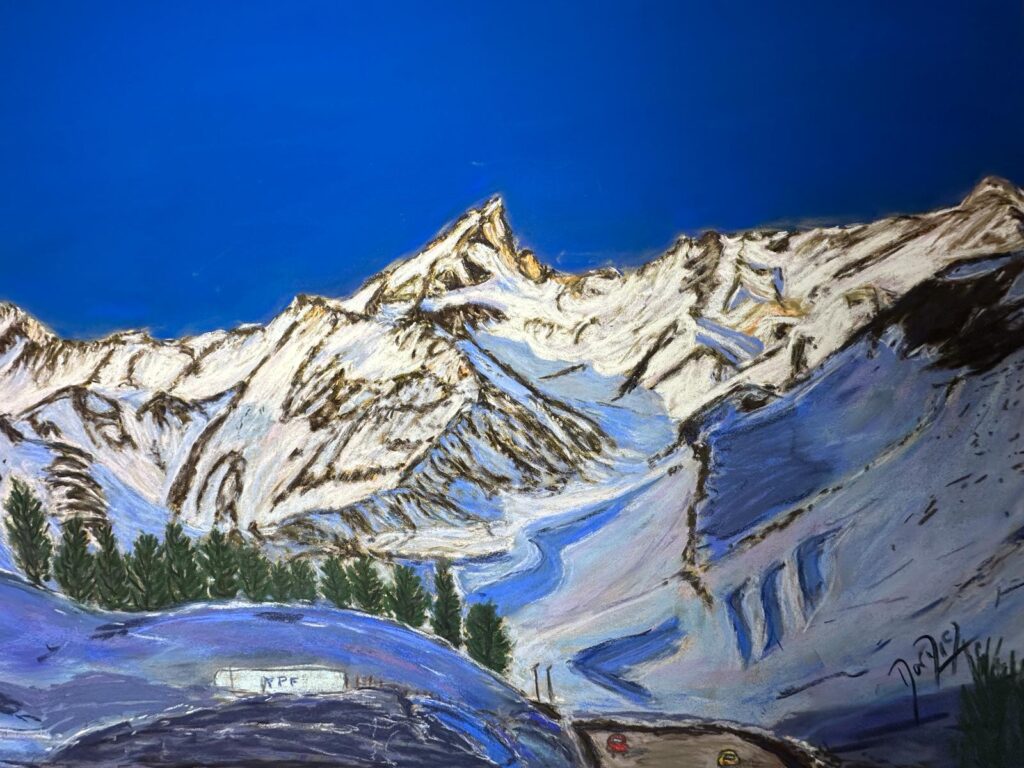
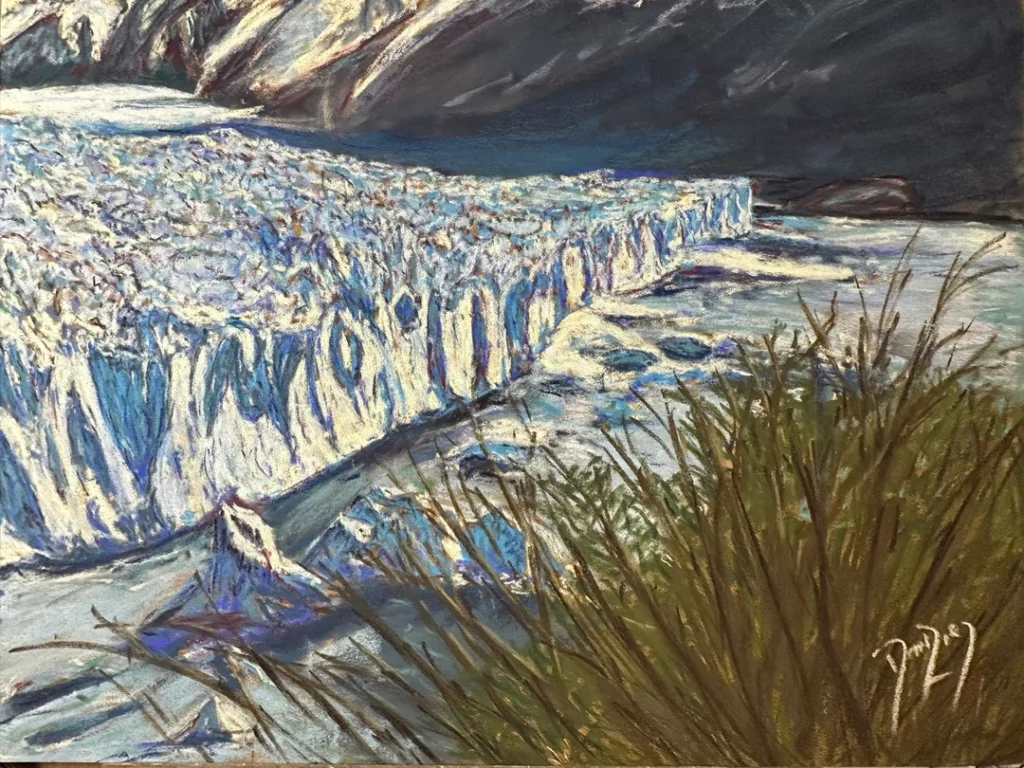
Check my Mountain Art on my Shop
You can go to my shop and see what have been inspiring me lately, lots mountain landscapes in soft pastels, and now in oils too. Go here to check my latest works!
Featured Image: Aereal View of Portillo. Photo by Pia Vergara. Courtesy Ski Portillo.


Discover more from The-Ski-Guru
Subscribe to get the latest posts sent to your email.
 Subscribe to The-Ski-Guru here.
You must be logged in to post a comment.