How Bariloche Is Reinventing Itself As South America’s Leading Four-Season Mountain Destination

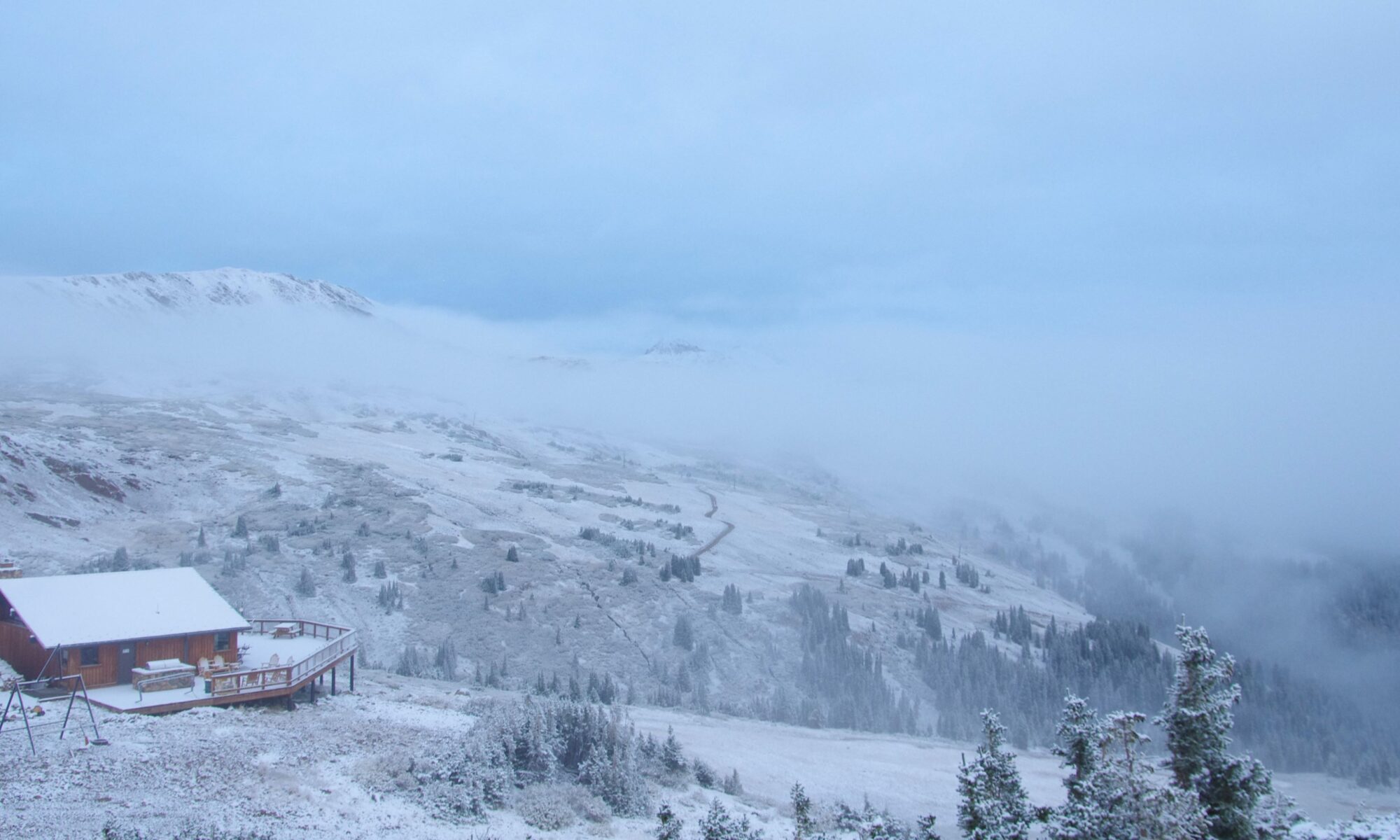
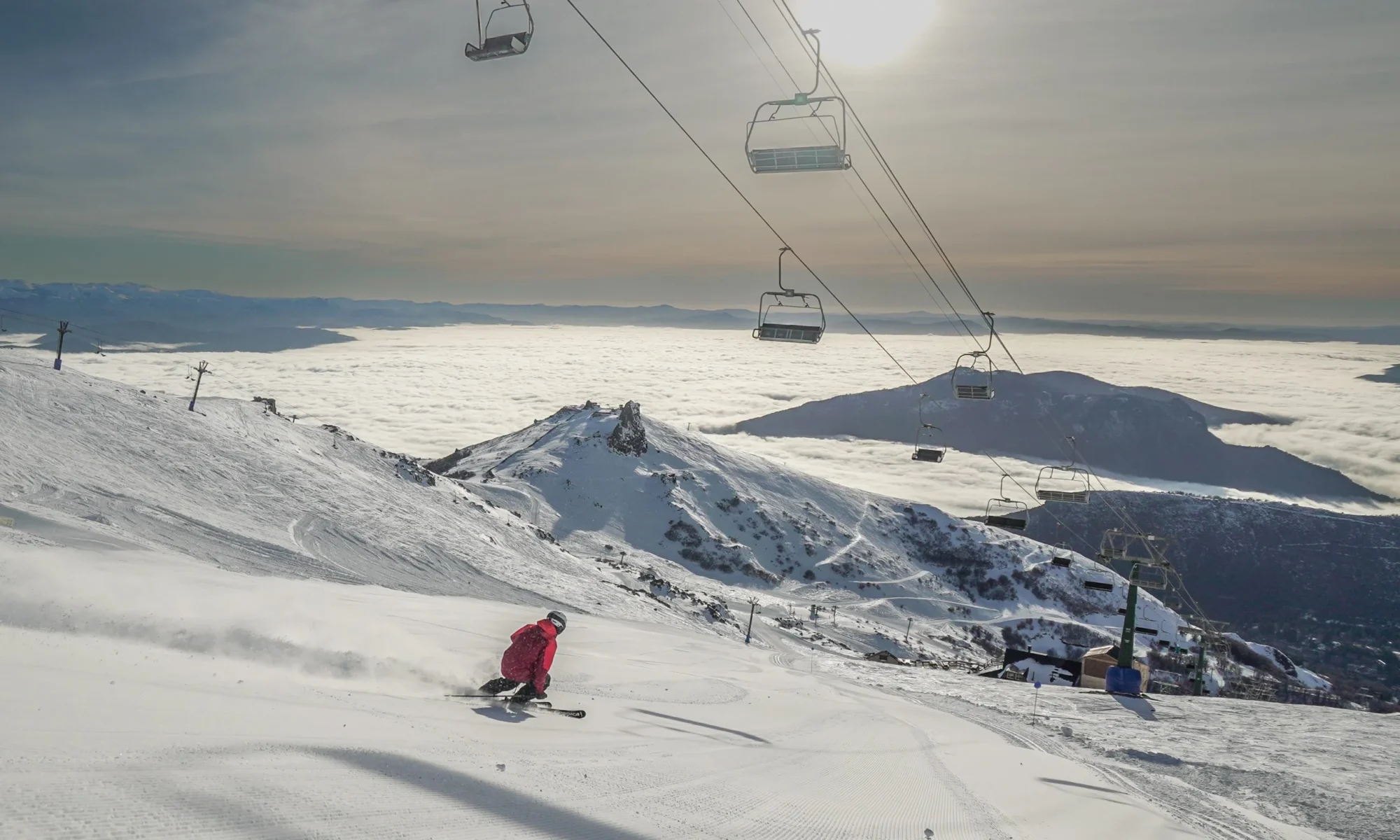
Catedral Alta Patagonia, skiing over the clouds that are hugging the Nahuel Huapi Lake. Bariloche Year-Round Destination: Skiing, UTMB & Cerro Catedral.

Bariloche is rapidly evolving into a year-round destination while remaining South America’s leading ski resort. Set on the shores of Lake Nahuel Huapi and surrounded by the Patagonian Andes, the city is home to Cerro Catedral, Argentina’s largest ski resort and one of the biggest in the Southern Hemisphere.

Every winter, thousands of Argentine, Brazilian, Chilean and international visitors head to Bariloche for its combination of skiing, spectacular scenery and alpine atmosphere.

Yet today, the city is pursuing a broader vision.

Rather than depending solely on winter, Bariloche is steadily evolving into a year-round mountain destination, combining skiing with hiking, trail running, mountain biking, lake activities, gastronomy, business events and international sporting competitions.

It is a strategy increasingly seen across mountain destinations worldwide. Resorts from the Alps to North America are investing in experiences that attract visitors throughout the year while strengthening winter operations through improved infrastructure and snowmaking.

Bariloche is following the same path.

Continue reading “How Bariloche Is Reinventing Itself As South America’s Leading Four-Season Mountain Destination”

Vail Resorts’ Epic Pass Sales Fall After One of the West’s Worst Ski Seasons

Vail Village. Photo credit: Zach Mahone. Vail Resorts.

Vail Resorts has reported lower third-quarter results and weaker early pass sales for the 2026/27 North American ski season, after what the company described as one of the most challenging winters in history across the western United States.

The figures are important not only for Vail Resorts, but for the wider ski industry. The Epic Pass model has helped reshape ski travel over the past two decades, encouraging skiers and snowboarders to commit before the season starts. That gives resort operators valuable early revenue and helps reduce the financial impact of poor snow conditions once winter is underway.

But after a very difficult 2025/26 season in the western US, the latest numbers suggest that even the advance-purchase pass model can be tested when snow conditions disappoint.

Continue reading “Vail Resorts’ Epic Pass Sales Fall After One of the West’s Worst Ski Seasons”

Colorado Ski Visits Fall to Their Lowest Level Since 1991–92

Loveland resort. Photo: Dustin Schaefer. Colorado Ski Country USA.

Colorado ski visits fell sharply during the 2025–26 winter, in one of the clearest signs yet that snow reliability is becoming a business issue for major ski destinations.

According to Colorado Ski Country USA figures reported by local media, Colorado recorded an estimated 10.5 million skier visits during the 2025–26 season. That was down by about 3.3 million visits from the previous winter and marked the state’s lowest skier turnout since the 1991–92 season. 

The fall is striking because Colorado is not a marginal ski market. It is one of the strongest ski brands in the world, with high-altitude resorts, powerful destination appeal and a large base of season pass holders.

That is why the 2025–26 decline matters.

This is not a story about skiing suddenly losing its appeal. It is a story about how a difficult winter can quickly affect visitation, operations and the wider mountain economy.

Continue reading “Colorado Ski Visits Fall to Their Lowest Level Since 1991–92”

Swiss Glacier Instability Near Blatten Highlights Growing Alpine Risk

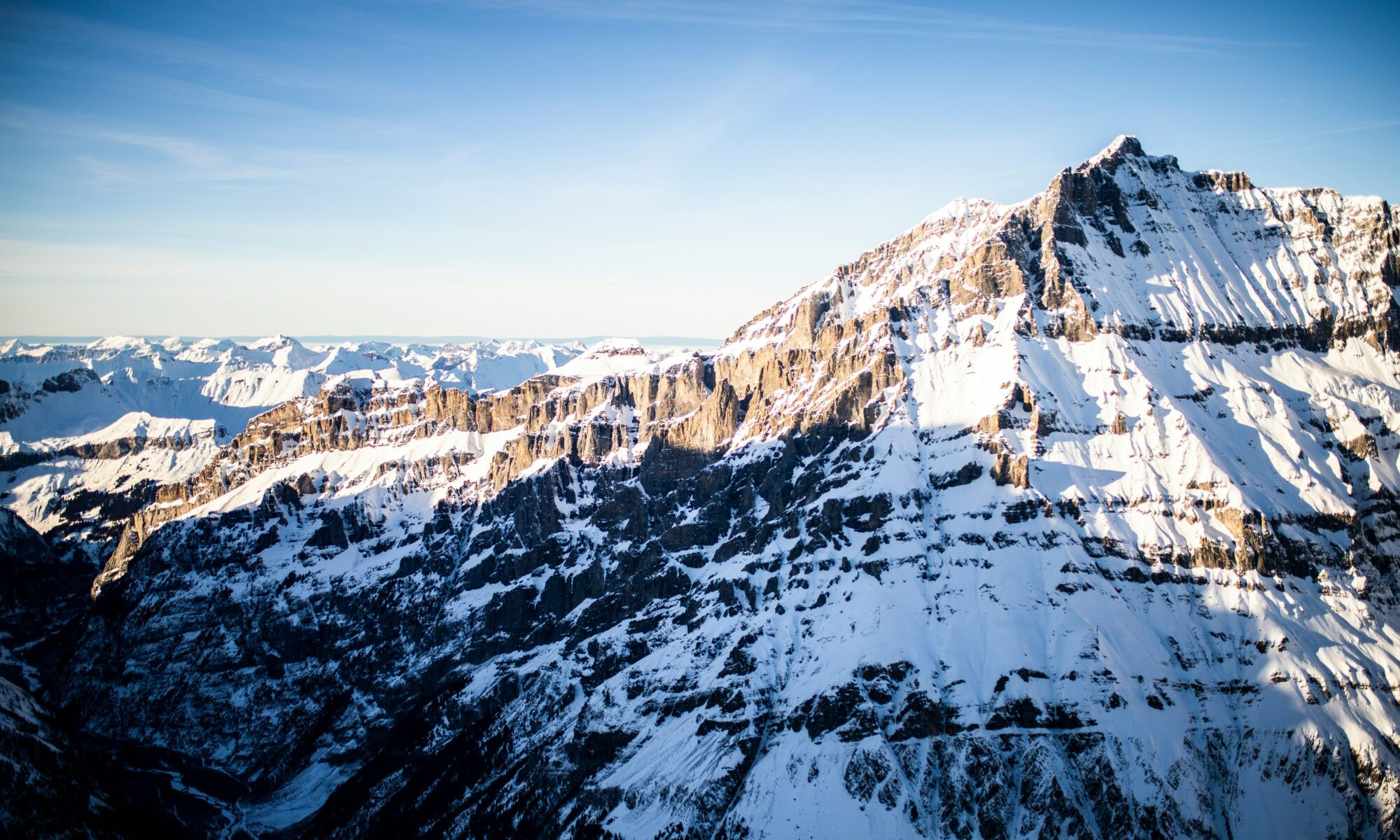
Lauchernalp. Lötschental, Valais, Switzerland. Photo: Caspar Camille Rubin. Unsplash.

Nearly a year after the catastrophic collapse that destroyed much of the Swiss village of Blatten, authorities are again monitoring instability in the same high-mountain area above the Lötschental valley. The renewed concerns are a reminder that the risks linked to glacier retreat, thawing permafrost, and unstable rock faces in the Alps are not disappearing after a single event — and may instead become a longer-term operational challenge for mountain communities, infrastructure, transport routes, and tourism regions. 

Swiss authorities confirmed this week that parts of the glacier and surrounding mountain terrain near Blatten continue to show signs of instability, while access to the disaster zone remains dangerous because of ongoing rockfall and debris movement. The original collapse on 28 May 2025 saw millions of cubic metres of rock, ice, and mud surge down the mountain in less than a minute, destroying most of the village after a successful evacuation of around 300 residents. One person died in the disaster. Continue reading “Swiss Glacier Instability Near Blatten Highlights Growing Alpine Risk”

Alpine Ski Resorts Are Covering Glaciers to Slow Melting — But Can It Last?

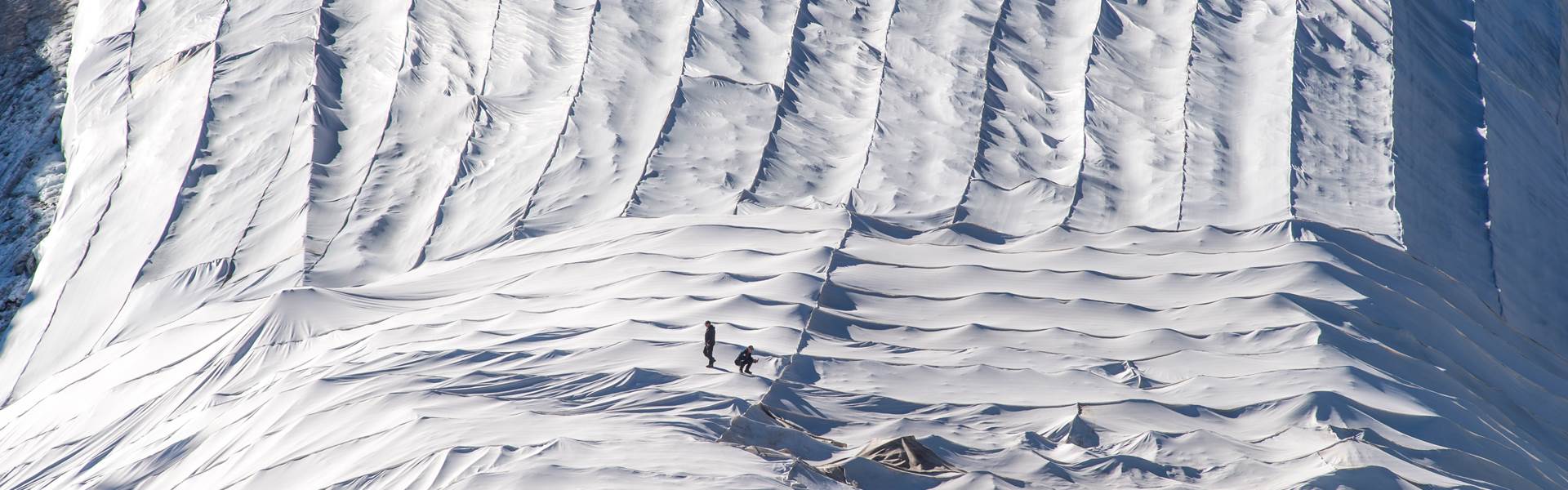
Photo credit: Pontedilegno Tonale- pontedilegnotonale.com

As glaciers across the Alps continue to shrink, some ski resorts are increasingly turning to reflective geotextile covers, snow farming, and other snow-preservation techniques in an attempt to protect glaciers, maintain ski operations, and preserve critical mountain infrastructure.

The images often go viral online as “ski resorts covering glaciers with plastic sheets,” but the reality is more complex. Most resorts use reflective geotextile fleece designed to reduce summer melting by insulating snow and ice from solar radiation.

The latest example attracting attention is the glacier area around Diavolezza in Switzerland’s Engadin region, where snow preservation and glacier management techniques have become part of long-term ski operations at altitude. Researchers note that the former glacier skiing area at Diavolezza now survives “solely thanks to snow farming and covering.”

Continue reading “Alpine Ski Resorts Are Covering Glaciers to Slow Melting — But Can It Last?”

Zermatt’s Gornerli Dam Shows the Rising Cost of Climate Adaptation in the Alps

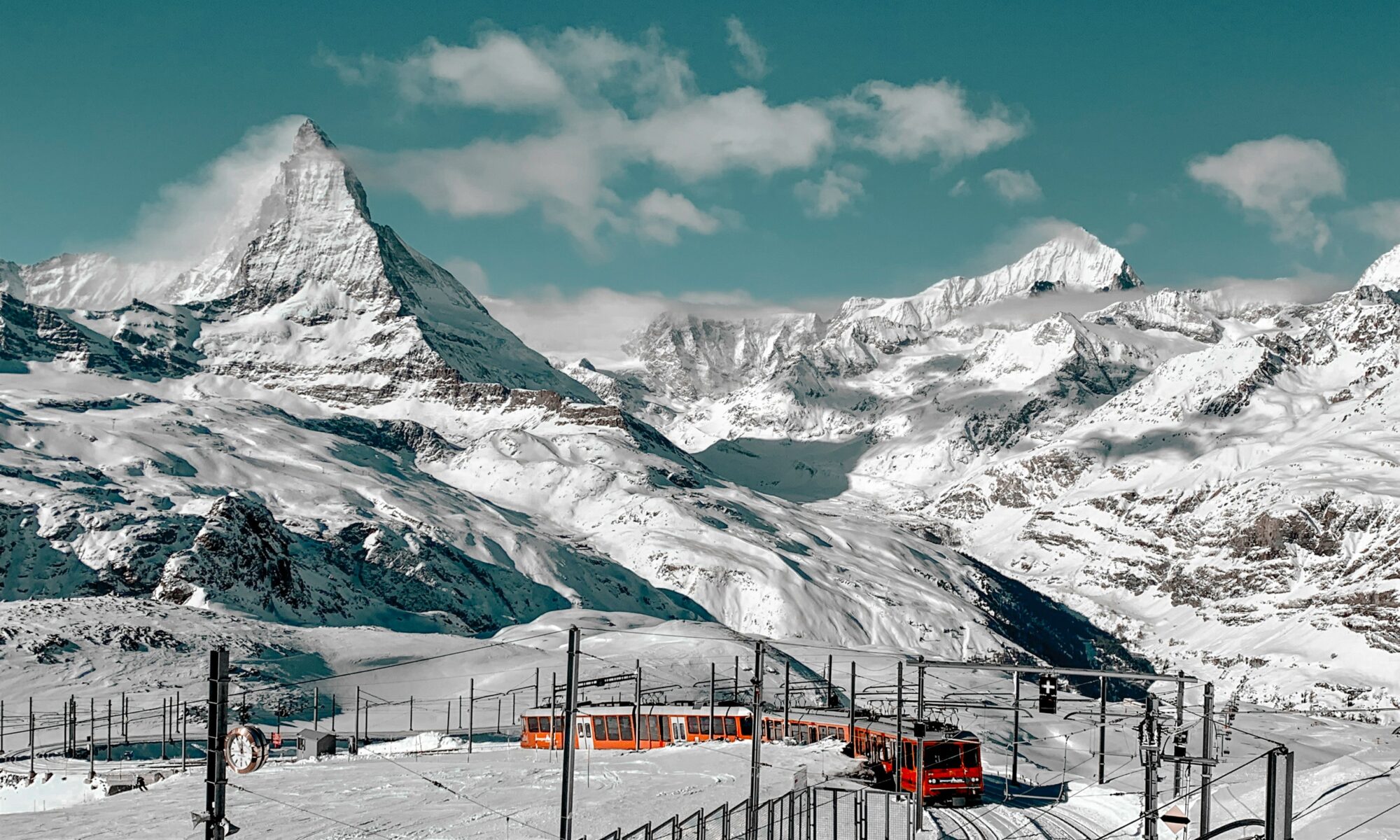
Zermatt. Photo: Victor He. Unsplash.

The planned Gornerli reservoir above Zermatt has become one of the clearest examples yet of how expensive climate adaptation in the Alps is becoming.

The project, designed as a major winter energy storage scheme for Switzerland, has been revised after new climate, hydrological, geological and logistical studies. According to Alpiq’s latest project update, the planned useful storage volume has been reduced from around 150 million cubic metres to 120 million cubic metres, while the estimated cost has risen sharply to around CHF 510 million. Earlier project material had placed the investment cost at around CHF 300 million.

That makes Gornerli more than a hydropower story. It is a mountain infrastructure story, a climate adaptation story and, for Zermatt and the Mattertal valley, a question of how Alpine communities prepare for a warmer and less predictable future.

Continue reading “Zermatt’s Gornerli Dam Shows the Rising Cost of Climate Adaptation in the Alps”

Can Summer Tourism Save Mountain Resorts After a Difficult Winter?

The view just in the entrance to Lago d'Arpy- the view of the Catena di Monte Bianco. Photo: The-Ski-Guru. Can Summer Tourism Save Mountain Resorts After a Difficult Winter?

Western mountain destinations in North America are heading into summer 2026 with growing optimism after one of the most challenging winters in recent years. But behind the upbeat headlines, the picture is far more complicated.

New lodging data from Inntopia’s DestiMetrics division suggests that summer bookings across western mountain resorts are rising strongly after a weak and warm winter season. Occupancy, rates and revenues for the May-to-October period are currently ahead of last year. Yet the same data also reveals just how difficult the 2025/26 winter became for many mountain economies — and raises larger questions about whether summer tourism can really compensate for increasingly volatile winters.

This is not just a North American story. Across the Alps and other mountain regions worldwide, resorts are increasingly trying to diversify beyond skiing through hiking, biking, wellness, festivals and year-round tourism. But whether summer can truly replace winter revenue remains uncertain.

Continue reading “Can Summer Tourism Save Mountain Resorts After a Difficult Winter?”

West Coast Ski Resorts: From a Slow Start to Extreme Swings

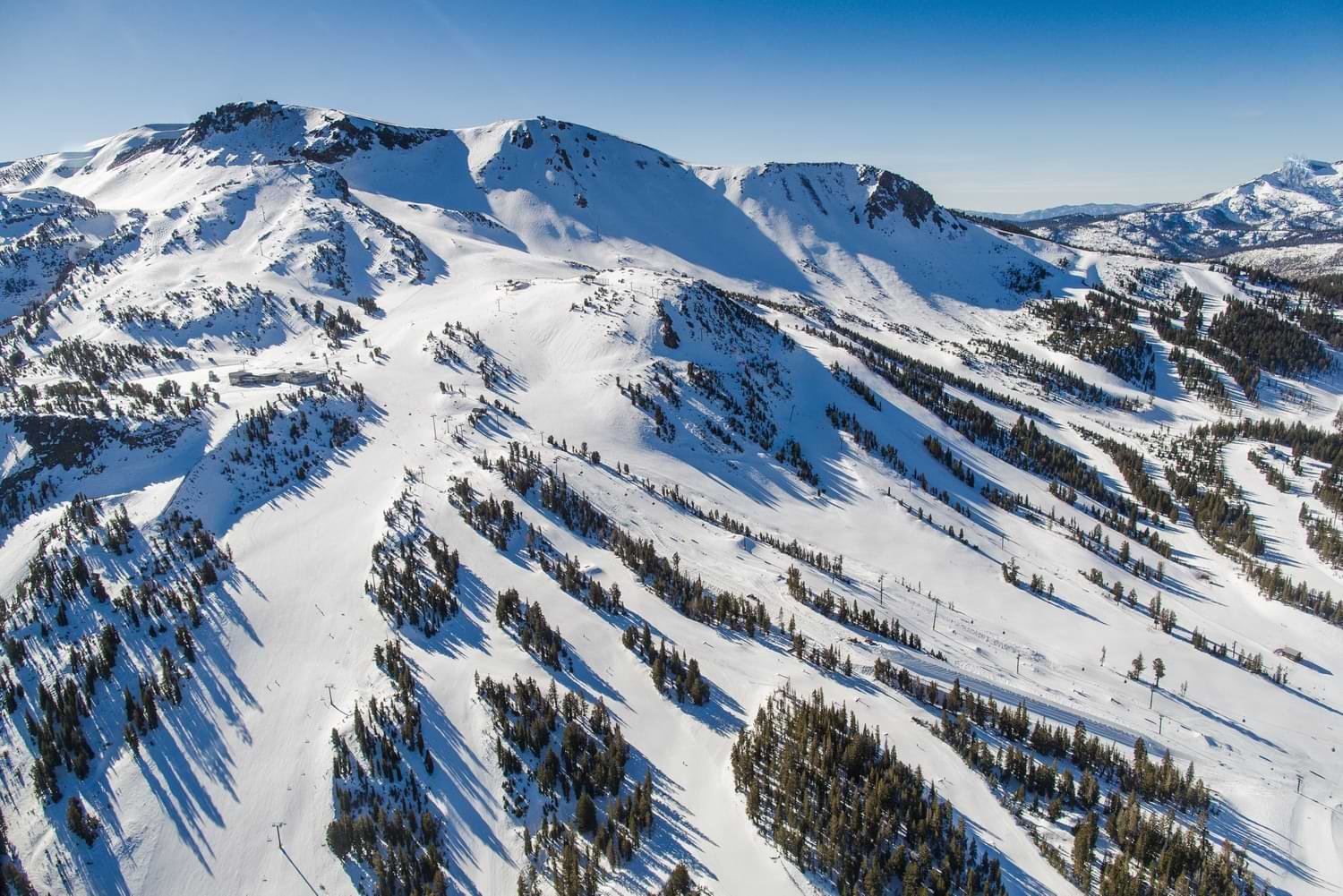
Mammoth Mountain Ski Resort webcam. West Coast Ski Resorts: From a Slow Start to Extreme Swings Mammoth, Tahoe, Whistler & the Pacific Coast — Winter Update.

Mammoth, Tahoe, Whistler & the Pacific Coast — Winter Update

West Coast Ski Resorts See Extreme Swings as Winter Takes Hold

After a hesitant and uneven start to winter, West Coast ski resorts in the United States and Canada are now experiencing some of the most dramatic weather swings of the season — from drought-like conditions to intense snowstorms, rapid snowpack gains, and heightened avalanche risk.

This volatility is shaping operations, safety decisions, and traveler expectations across the Pacific mountain corridor.

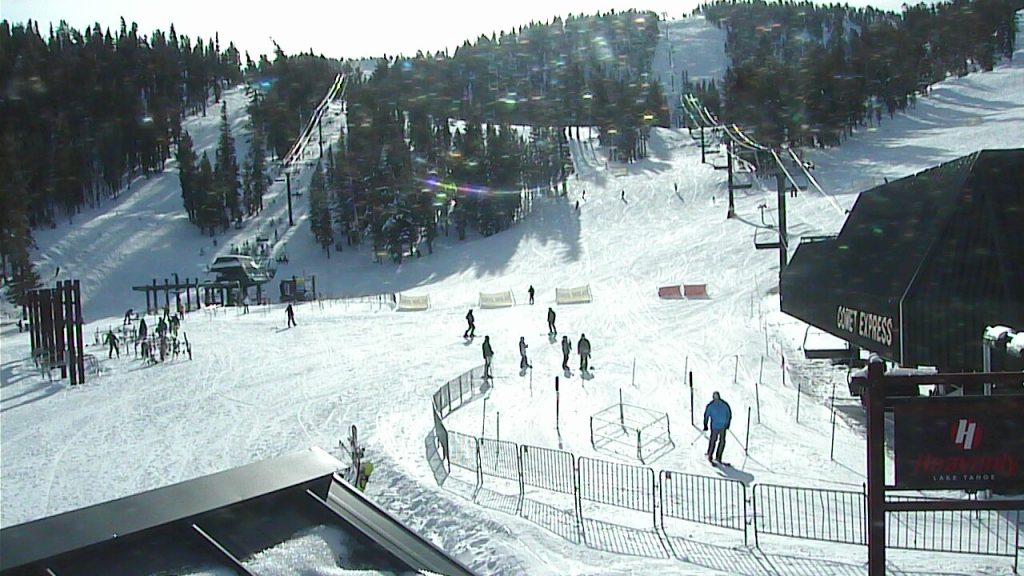
Heavenly Webcam photo. West Coast Ski Resorts: From a Slow Start to Extreme Swings
Mammoth, Tahoe, Whistler & the Pacific Coast — Winter Update.

Mammoth Mountain: Big Snow Comes With Big Risk

At Mammoth Mountain, the season flipped almost overnight.

After a slow early December, powerful Sierra Nevada storms delivered several feet of snow in a short period, dramatically improving base depths and terrain coverage. Mammoth’s high elevation allowed it to capitalize quickly on the storms, pushing the resort back into mid-winter conditions.

However, the intensity of snowfall also brought elevated avalanche danger. Terrain openings were delayed or staggered while patrol teams carried out extensive mitigation work, underscoring the fine balance between opportunity and risk during extreme weather cycles.

Mammoth’s situation is a clear reminder: more snow does not always mean immediate access.

Continue reading “West Coast Ski Resorts: From a Slow Start to Extreme Swings”

Colorado Ski Resorts Face One of the Weakest Starts on Record

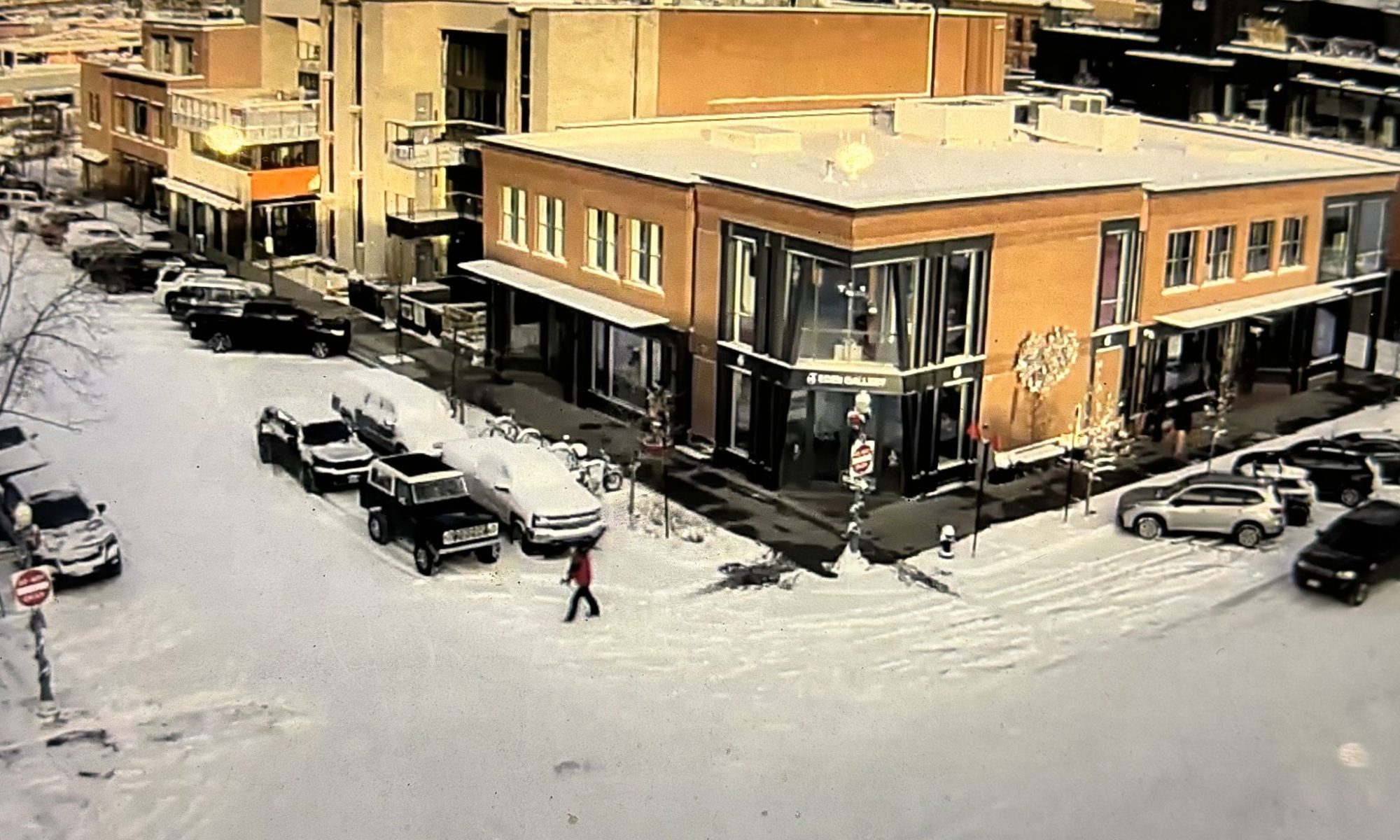
View from the Aspen Square. Got some new inches of snow, on 28th DEC. Webcam Aspen Square. Colorado Ski Resorts Face One of the Weakest Starts on Record.

Colorado Ski Resorts Face One of the Weakest Starts on Record. Winter 2025–26 Season Update

The winter season has officially begun in Colorado, but for many of its ski resorts, the start could hardly be described as typical. Historically low snowpack, unusually warm temperatures, and even rain in mountain towns over Christmas have combined to create one of the weakest early-season openings on record.

While January and February still hold the potential to reshape the season, current conditions are raising concerns for ski resorts, travelers, and mountain communities alike.

Webcam of the base area of Crested Butte Mountain Resort with some new inches of snow on 28th Decamber 2025. Photo: skicb.com Colorado Ski Resorts Face One of the Weakest Starts on Record.


Historic Low Snowpack Across Colorado

According to statewide monitoring data, Colorado entered the winter season with snowpack levels around 54% of the historical median — tied for the lowest start on record. This early deficit is significant, as snowpack represents the water content stored in mountain snow, essential not only for skiing but also for drinking water, agriculture, and hydropower throughout the western United States.

Each winter month typically contributes roughly 20% of the total seasonal snowpack, meaning that a weak December makes it increasingly difficult — though not impossible — for the season to fully recover later.

Reports from Denver7 confirm that many basins across the state are tracking well below average, with only limited early-season accumulation despite some snowmaking efforts.

Continue reading “Colorado Ski Resorts Face One of the Weakest Starts on Record”