

Colorado ski visits fell sharply during the 2025–26 winter, in one of the clearest signs yet that snow reliability is becoming a business issue for major ski destinations.
According to Colorado Ski Country USA figures reported by local media, Colorado recorded an estimated 10.5 million skier visits during the 2025–26 season. That was down by about 3.3 million visits from the previous winter and marked the state’s lowest skier turnout since the 1991–92 season.
The fall is striking because Colorado is not a marginal ski market. It is one of the strongest ski brands in the world, with high-altitude resorts, powerful destination appeal and a large base of season pass holders.
That is why the 2025–26 decline matters.
This is not a story about skiing suddenly losing its appeal. It is a story about how a difficult winter can quickly affect visitation, operations and the wider mountain economy.
A Sharp Reversal After a Strong Season
The contrast with the previous winter is important.
For the 2024–25 season, Colorado Ski Country USA announced 13.8 million skier visits across the state. That made 2024–25 the third-highest season on record for Colorado ski visits.
One year later, the state was back near early-1990s levels.
That does not mean the long-term demand for skiing has disappeared. But it does show how exposed ski destinations remain to snow conditions, weather patterns and the timing of storms.
The 2025–26 winter was difficult across much of the western United States. Nationally, U.S. ski areas recorded an estimated 52.6 million skier visits, down roughly 14% and about 9 million visits year-on-year, according to preliminary National Ski Areas Association data reported by Ski Area Management.
The Colorado Sun described the national season as one hit especially hard by the “West’s winter that wasn’t”, with the West dragging down the U.S. total.
Not a Simple Demand-Collapse Story
It would be too easy to read the Colorado number as proof that ski demand is collapsing.
That is not the right conclusion.
Colorado Ski Country USA President and CEO Melanie Mills was careful to put the figures in context. In comments reported by the Post Independent, she said that skier visits are an important metric, but “far from the only measure of the health of our industry.”
That is a useful distinction.
A low-visitation winter can still include strong season pass sales, high guest satisfaction on some days, and well-managed resort operations. Some guests may even prefer quieter slopes and shorter lift lines.
But skier visits still matter.
They affect lift revenue, ski school demand, rentals, restaurants, lodging, retail, transport and local tax receipts. For mountain towns, fewer visits can quickly be felt beyond the ski lifts.
Weather Volatility Is Now a Business Metric
The most important takeaway is not that Colorado had one bad winter.
The bigger point is that weather volatility is becoming a core business metric for ski resorts.
For decades, the ski industry has measured success through skier visits, snowfall, season length and revenue. Now those measures are increasingly connected.
A warm or dry start can delay openings. A poor snowpack can reduce terrain. Rain or thaw events can affect guest confidence. A shorter operating season can reduce work days for staff and limit revenue for local businesses.
This is why Colorado’s 2025–26 season should be read alongside the wider conversation about snow reliability in a warming alpine climate and the future of lower-elevation ski resorts.
Colorado is not a low-elevation Alpine village. It is a high-profile, high-altitude U.S. ski destination.
If weather volatility can reduce visits there, it can affect almost anywhere.
The Role of Passes, Lodging and Destination Travel
The modern ski business is also more complicated than a simple visit count.
Large pass products have changed guest behaviour. Many skiers now buy access before the season starts. That can protect some revenue before the snow falls, but it does not necessarily protect local economies from fewer actual trips.
A season pass holder who skis fewer days may still have paid for the pass. But if that skier cancels a trip, books fewer hotel nights, skips restaurants, or avoids a long-haul journey, the destination still feels the loss.
This is especially important for resort towns that depend on lodging, food and beverage, retail and transport.
For destinations, the question is no longer only: did people buy a pass?
It is also: did they travel, stay, spend and return?
That is where weather uncertainty becomes a larger issue for the mountain economy.
Colorado Is Still Strong — But Not Immune
Colorado remains one of the strongest ski destinations in North America.
Its resorts have brand power, altitude, infrastructure, loyal skiers and strong international recognition. A difficult winter does not change that.
But the 2025–26 number shows that even the strongest ski regions are not immune to snow risk.
That should matter to resort operators, investors, tour operators and mountain communities.
The ski industry has already adapted in many ways: snowmaking, grooming, pass products, summer operations, events, real estate and non-ski activities. But the 2025–26 Colorado season is another reminder that adaptation is no longer a side topic.
It is central to the business.
Why This Matters Beyond Colorado
The Colorado decline also matters because it fits a broader pattern.
The U.S. ski industry has had several very strong recent seasons, including a national total of 61.5 million skier visits in 2024–25.
That makes the 2025–26 fall more striking.
It suggests that demand can remain strong in principle while actual visitation becomes more unstable in practice.
For ski destinations, this means the future may not be a straight line down or up. It may be more volatile: excellent seasons followed by difficult ones, depending on snow, timing, travel costs and consumer confidence.
That is a harder environment to plan for.
It affects staffing. It affects lodging. It affects capital investment. It affects town budgets. And it affects how tour operators and travel advisors sell winter trips.
A Warning, Not an Obituary
The Colorado ski visit decline should not be treated as an obituary for skiing.
It is better understood as a warning.
Skiing remains popular. The desire for mountain travel is still strong. But the business of skiing is becoming more exposed to weather volatility, especially when guests have more choice, higher costs and less tolerance for uncertain conditions.
For ski resorts and mountain destinations, the lesson is clear.
Snow still drives the winter business. But resilience now depends on much more than snowfall alone.
It depends on snowmaking, operational flexibility, pricing, communications, lodging strategy, summer revenue and the ability to keep guests engaged even in difficult winters.
Colorado will recover from one bad season.
The more important question is how the wider ski industry prepares for more winters like this one.
Read More
Sources
Colorado Ski Country USA – 2024–25 Skier Visits Release
Post Independent – Colorado Skier Visitation Lowest in 35 Years
Ski Area Management – U.S. Skier Visits Drop 14% in 2025–26
The Colorado Sun – U.S. Skier Visits Drop After Weak Western Winter
The Colorado Sun – Colorado’s 2024–25 Ski Season Was Third Busiest on Record
 Planning your next trip to the Italian Alps?
 Planning your next trip to the Italian Alps?
If you’re heading to the Aosta Valley, take a look at Il Cuore della Valdigne, our family-owned apartment in Morgex, available for rent when we’re not using it ourselves.
It’s an ideal base to:
- Ski in Courmayeur, La Thuile and Pila
- Enjoy the mountains in summer (hiking, biking, nature)
- Explore the Mont Blanc valley in a quieter, more authentic setting.
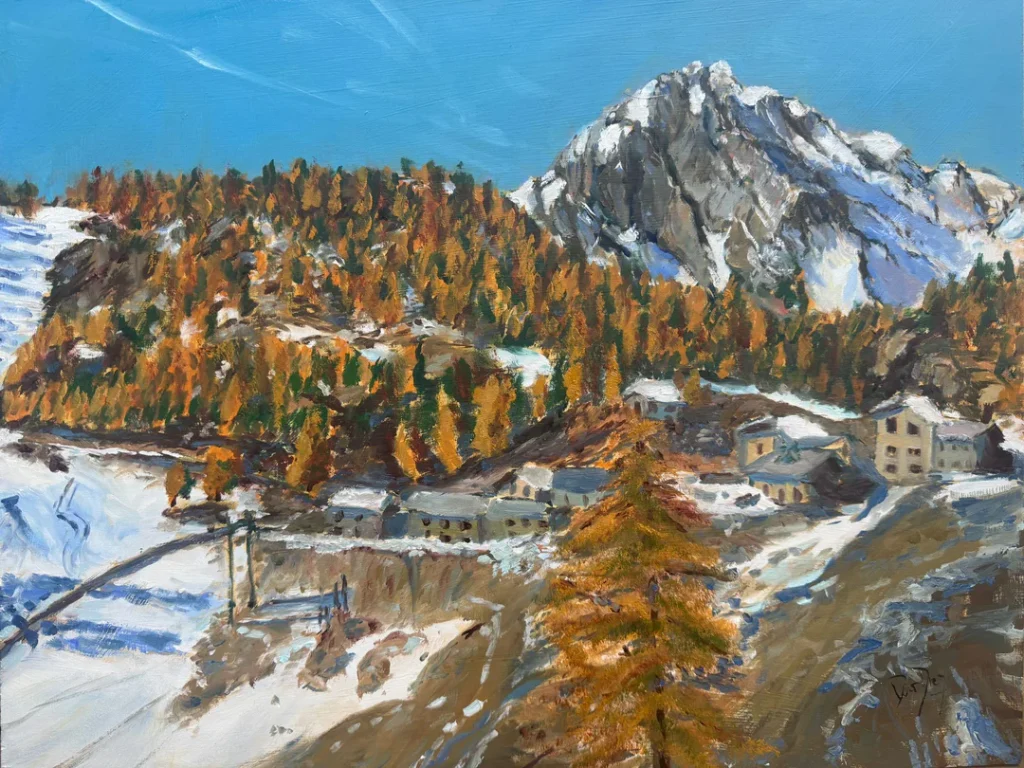
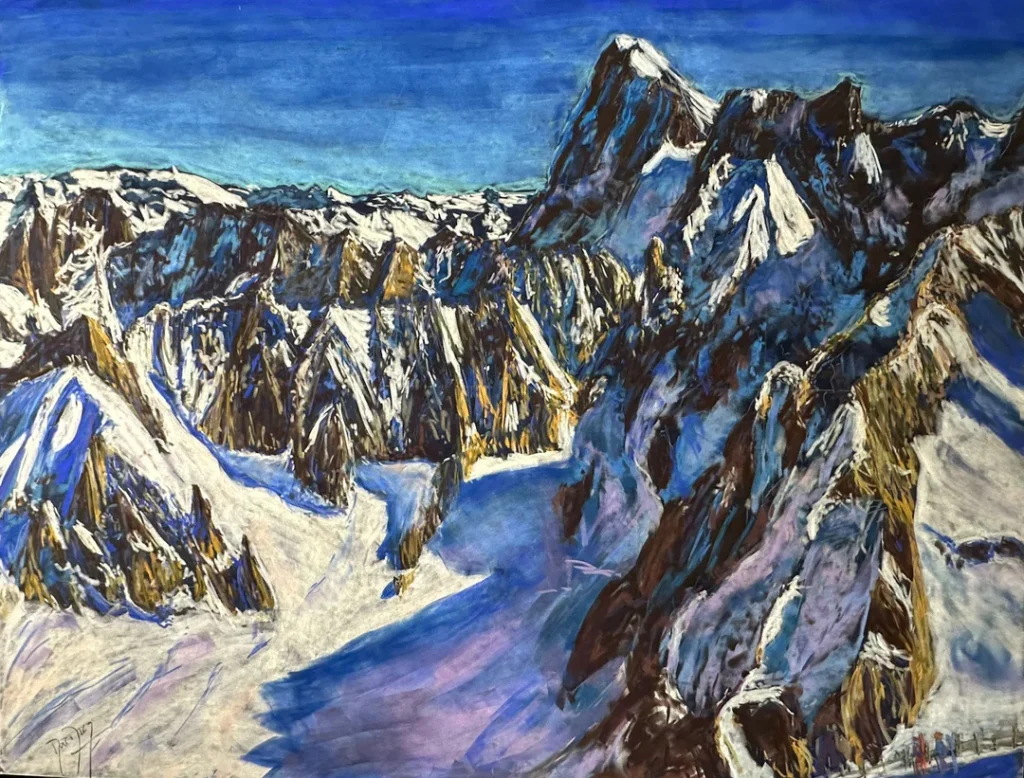
Check my Mountain Art on my Shop
You can go to my shop and see what have been inspiring me lately, lots mountain landscapes in soft pastels, and now in oils too. Go here to check my latest works!
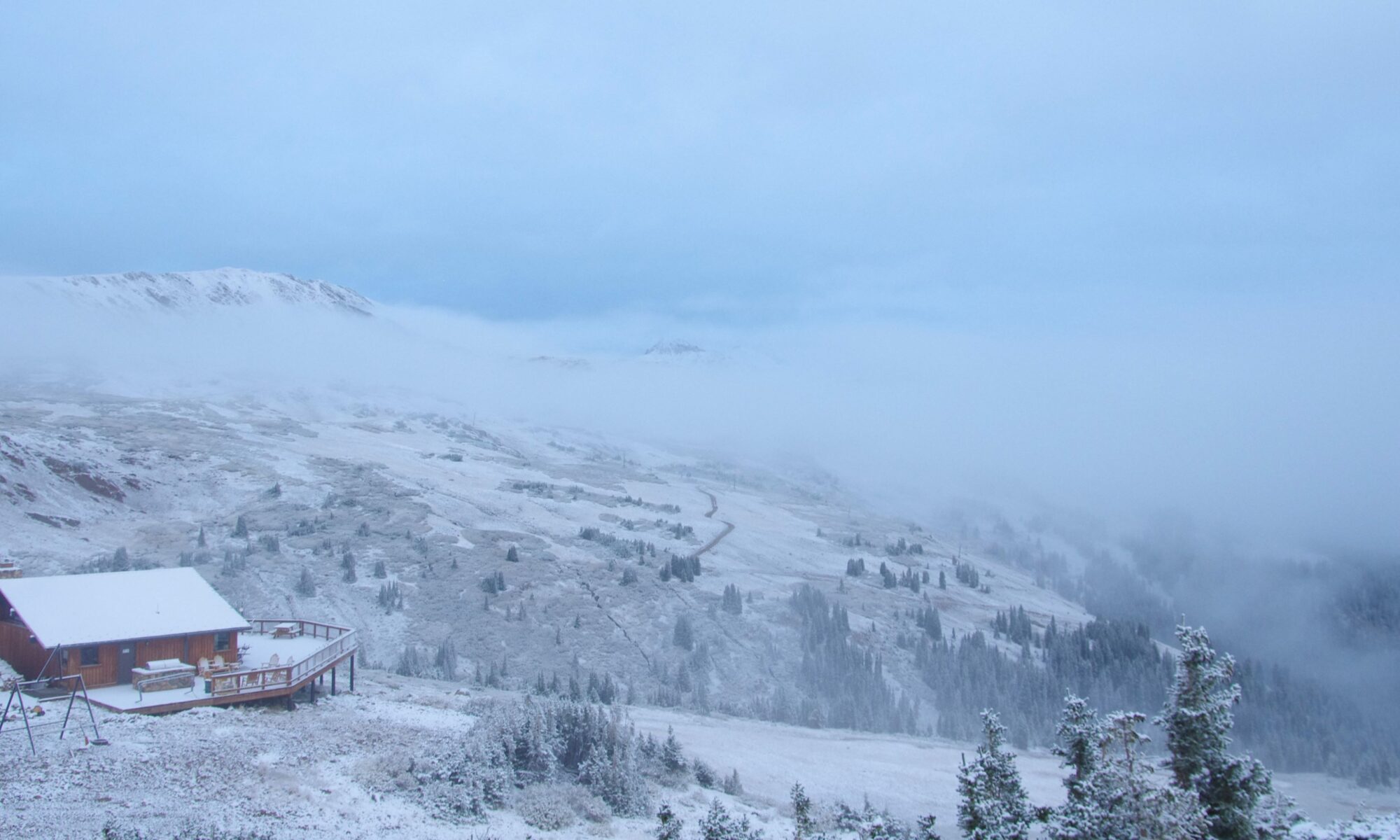
Featured Image: Loveland resort. Photo: Dustin Schaefer. Colorado Ski Country USA.


Discover more from The-Ski-Guru
Subscribe to get the latest posts sent to your email.
 Subscribe to The-Ski-Guru here.