Could the Aosta–Pré-Saint-Didier Railway Bring Skiers Closer to Mont Blanc?

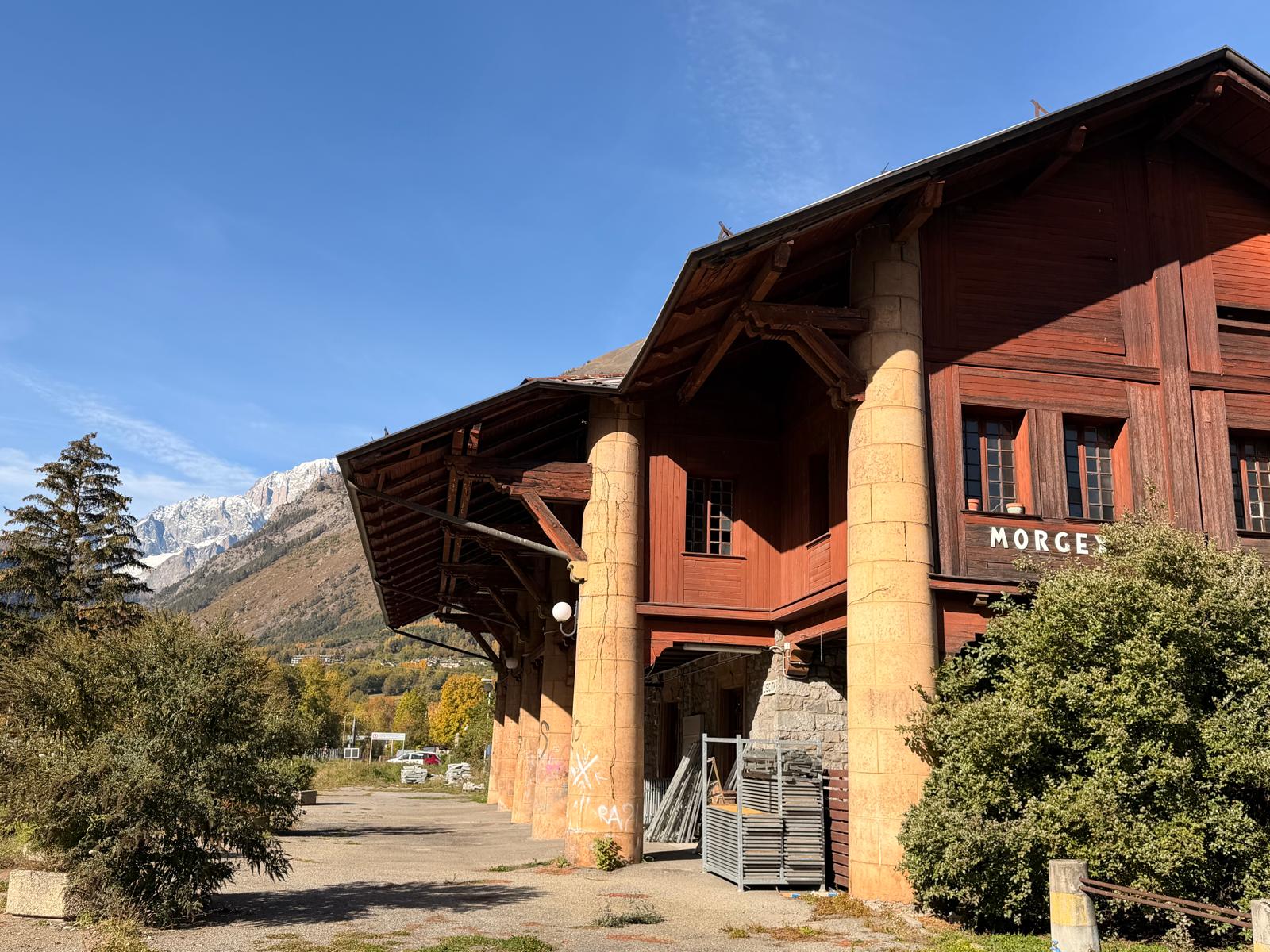
The train station in Morgex with the Monte Bianco in the background. Photo: The Ski Guru

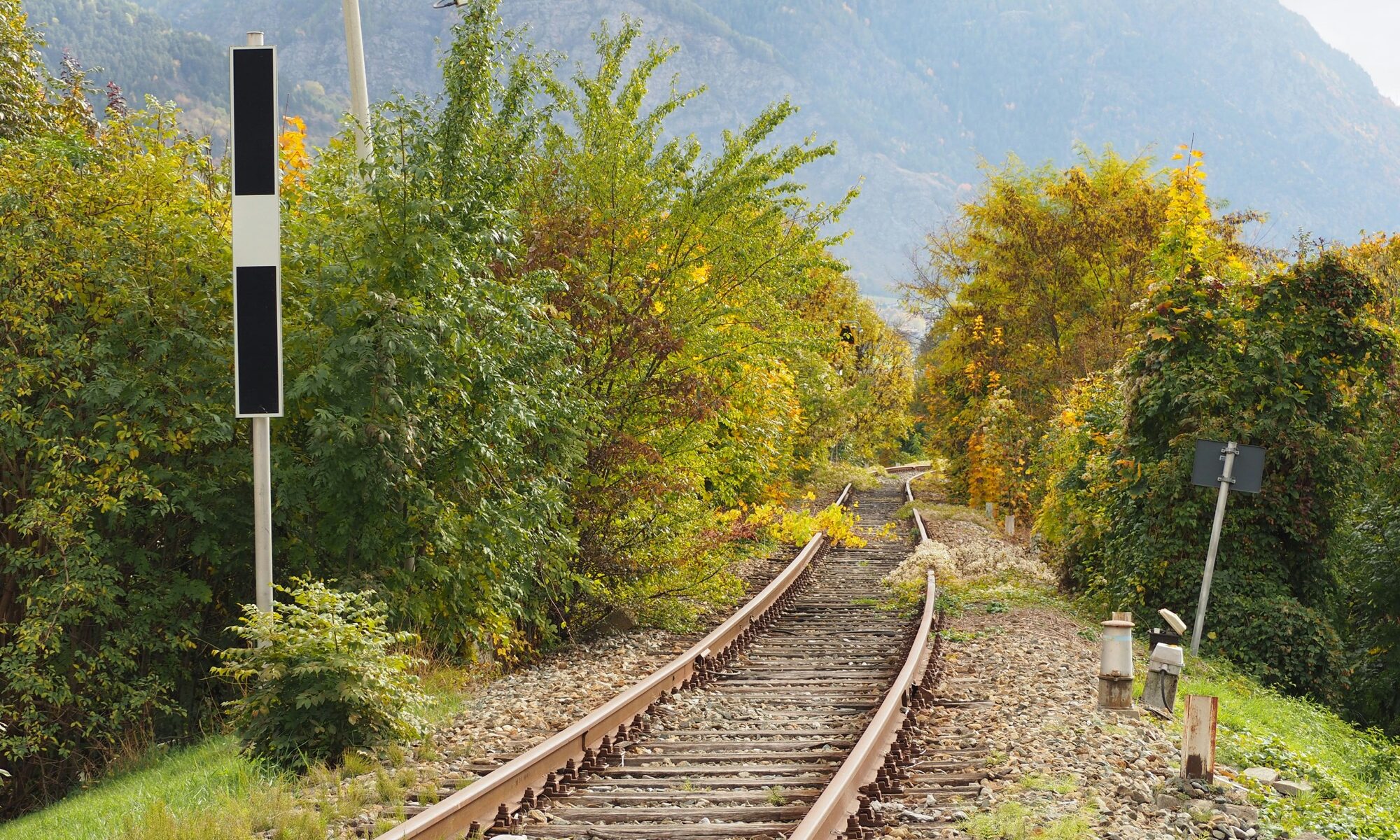
A campaign to reopen the Aosta–Pré-Saint-Didier railway gathered around 200 signatures at a public meeting in Aosta on 7 November. Passenger trains stopped running in December 2015. Eleven years on, campaigners want to restore and electrify the line, while the regional transport plan puts forward a rapid bus service towards Courmayeur.

For skiers, the appeal is easy to see on a map. The railway ran west from Aosta through La Salle and Morgex to Pré-Saint-Didier, where the roads to Courmayeur and La Thuile diverge. A restored railway could bring visitors closer to both resorts, with a bus or shuttle for the final leg. For people living in the upper valley, it could also offer a year-round connection to Aosta.

Continue reading “Could the Aosta–Pré-Saint-Didier Railway Bring Skiers Closer to Mont Blanc?”

Where Do Ski Resort Workers Live? Aosta Valley and Haute-Savoie Look for Answers

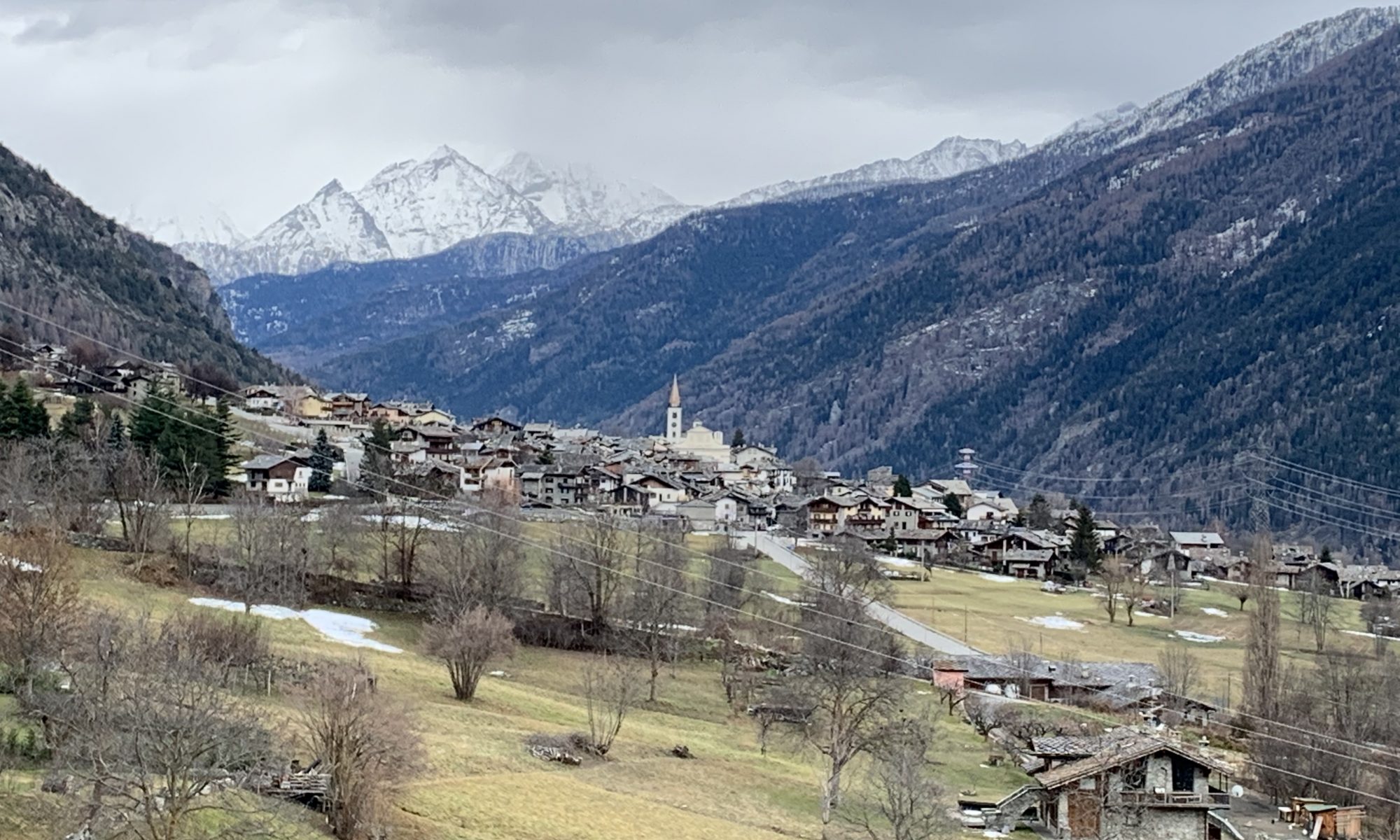
A view of La Salle, in the Valdigne of the Aosta Valley, from the distance of Tsantamerla. Photo: The Ski Guru

The people who check you into your hotel, serve lunch on the mountain and keep the lifts running all need somewhere to live for the season. In the upper Aosta Valley and across the border in Haute-Savoie, local authorities are looking at how to make that easier. One proposal on the Italian side is to turn an existing public building into accommodation for seasonal workers.

A shared problem on both sides of Mont Blanc

On 28 October 2026, representatives from Italy’s Valdigne and France’s Arve Valley met in Courmayeur to discuss seasonal worker housing. The meeting was part of Parcours+ SAISON, a cross-border project backed by the EU’s Interreg France–Italy ALCOTRA programme. 

Continue reading “Where Do Ski Resort Workers Live? Aosta Valley and Haute-Savoie Look for Answers”

Italy’s 2026/27 ski pass prices rise as Dolomiti Superski hits €89

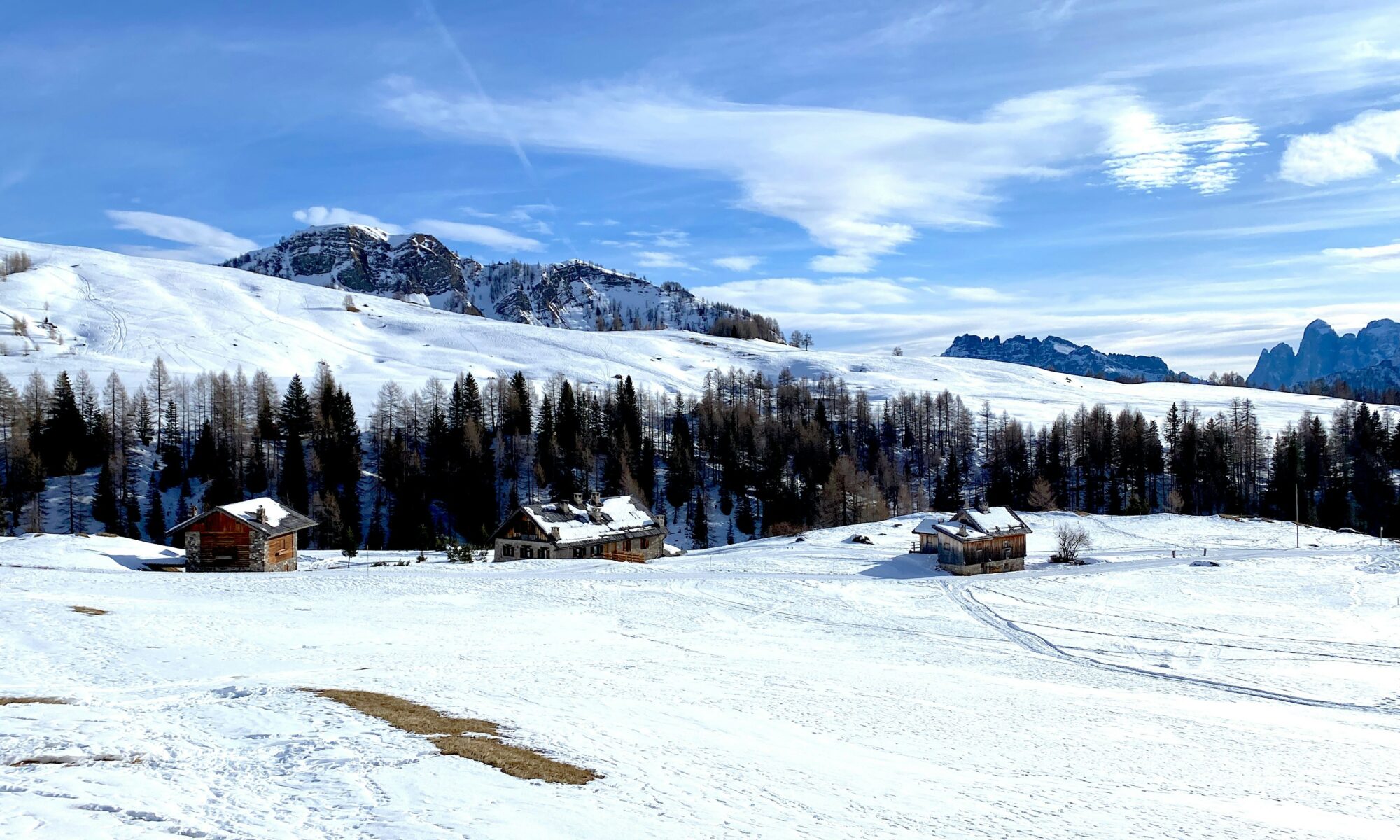
Fucciade- Passo san Pellegrino- Val di Fassa. Photo credit: Sara Antonacci- Unsplash.

An adult day pass for the full Dolomiti Superski network will cost €89 in high season this winter, up from €86 last season. In Livigno, the peak-season day pass has reached €74.50, compared with €52 in 2021. That is a 43.3% increase over five years, the biggest rise in the comparison by Italian consumer association Assoutenti, reported by Corriere della Sera.

The full Dolomiti Superski pass covers 12 ski areas. Its peak day rate has risen 32.8% since 2021/22, when it cost €67. For anyone planning a settimana bianca, the traditional Italian ski week, the six-day rate gives a better idea of what to budget.

When is Italy’s settimana bianca?

A settimana bianca, literally a “white week”, is the Italian term for a six- or seven-day winter holiday in the snow. The term applies throughout the ski season. Some families go during the Christmas holidays, including the week after Christmas that takes in New Year’s Day. Others plan their trip around Carnival, when some regions have a short school break.

In 2027, Martedì Grasso, or Shrove Tuesday, falls on 9 February. In Veneto, for example, schools are closed from 8 to 10 February for Carnival and Ash Wednesday. School holidays vary by region, and each ski area sets its own high-season dates. If you can travel outside the school holidays, compare the cost of accommodation and lift passes together for the dates you have in mind.

Continue reading “Italy’s 2026/27 ski pass prices rise as Dolomiti Superski hits €89”

How Do Ski Tourers and Freeriders Make Decisions? New Alpine Research Seeks Answers

Lech Zürs Tourism - Arlberg. Photo by Sepp Mallaun. Will we ski this December?

A new three-year research initiative involving Fondazione Montagna Sicura in Courmayeur will examine how experienced ski tourers and freeriders assess avalanche risks and make decisions in the mountains. The findings could help improve avalanche safety education across the Alps.

Every winter, ski tourers and freeriders make decisions that can have serious consequences. Choosing an itinerary, interpreting an avalanche bulletin, assessing snow conditions and deciding whether to continue or turn back are all part of travelling in mountain terrain.

But how are these decisions actually made? And how do experience, personal judgement and the circumstances of a particular outing influence the assessment of risk?

These are among the questions being investigated through a new scientific research initiative involving Fondazione Montagna Sicura, based in Courmayeur in Italy’s Aosta Valley.

The study forms part of Risk-Cap-Res, a wider European project under the Interreg France–Italy ALCOTRA programme, which aims to improve risk communication, prevention and resilience in Alpine communities.

Continue reading “How Do Ski Tourers and Freeriders Make Decisions? New Alpine Research Seeks Answers”

Aosta Valley Rail Comeback: Direct Milan Trains Planned for 2027

New direct rail services between Milan and Aosta could begin in summer 2027, while the Turin–Aosta railway is preparing for a phased reopening after more than two years of disruption.

Published: 14 October 2026

The Aosta Valley could be approaching a turning point in its railway connections. After years of complaints about slow journeys, inconvenient transfers and replacement buses, plans are advancing for direct trains between Aosta and Milan from summer 2027.

At the same time, the long-awaited reopening of the railway between Turin and Aosta is expected to begin in January 2027, although passengers will have to wait longer before the entire route is operational again.

Continue reading “Aosta Valley Rail Comeback: Direct Milan Trains Planned for 2027”

Aosta Valley Ski Pass Prices 2026/27: Cervinia, Pila, Courmayeur, La Thuile & Monterosa

Pila ski area in the Aosta Valley, Italy

Planning a ski trip to the Aosta Valley this winter? Ski pass prices for 2026/27 are now appearing across the region, but comparing them is not always straightforward.

Some resorts use traditional fixed prices while others have moved towards dynamic pricing. Children can ski free under certain conditions, beginners may not need a full ski pass at all, and some multi-day products allow you to spend part of your holiday skiing elsewhere in the Aosta Valley.

Then there are the international ski areas.

At Cervinia, paying extra for Zermatt does not necessarily guarantee that you will be able to ski into Switzerland if strong winds close the high-altitude connection. At La Thuile, meanwhile, you need to keep an eye on the clock if you cross into La Rosière and want to make it back to Italy.

Here is The-Ski-Guru’s guide to the main 2026/27 ski pass options in the Aosta Valley, covering Cervinia-Valtournenche, Pila, Courmayeur, La Thuile–La Rosière and Monterosa Ski, plus regional Valle d’Aosta passes and Ikon Pass access.

Continue reading “Aosta Valley Ski Pass Prices 2026/27: Cervinia, Pila, Courmayeur, La Thuile & Monterosa”

Nepal’s Glacier Disaster Is a Warning for Mountain Regions Everywhere — Including the Alps

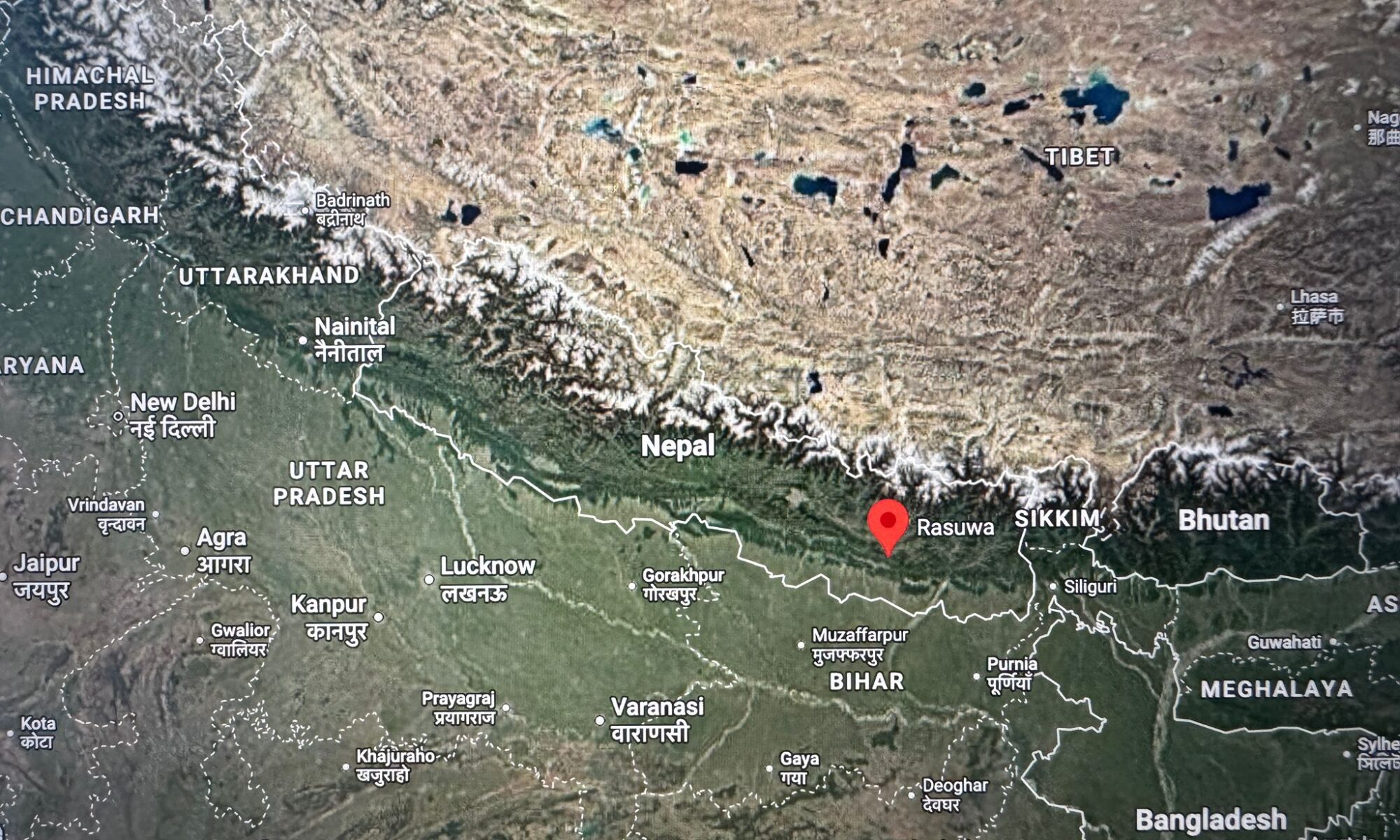
Map of Rasuwa in Nepal, where the floodings occurred. Photo: Google Maps.

A catastrophic glacier-related collapse in the Himalayas has killed hundreds of people across Nepal and Tibet and left many more missing.

But beyond the shocking images and the rapidly evolving casualty figures lies a much bigger question for mountain regions around the world:

Could something similar happen in the Alps?

The answer is uncomfortable.

The precise sequence that produced the Nepal disaster is still being investigated. But glacier collapses, rock avalanches, sudden releases of glacial water, debris flows and naturally dammed lakes are not unique to the Himalayas. They are hazards that also exist in the Alps — and Alpine history provides some dramatic examples.

What can be very different is the ability to identify certain dangers in advance, monitor them and evacuate people before the mountain moves.

And even in the best-monitored Alpine countries, that warning cannot always be guaranteed.

Continue reading “Nepal’s Glacier Disaster Is a Warning for Mountain Regions Everywhere — Including the Alps”

Planpincieux Glacier: Seven Years After the Alarm, the Mont Blanc Glacier Is Retreating Fast

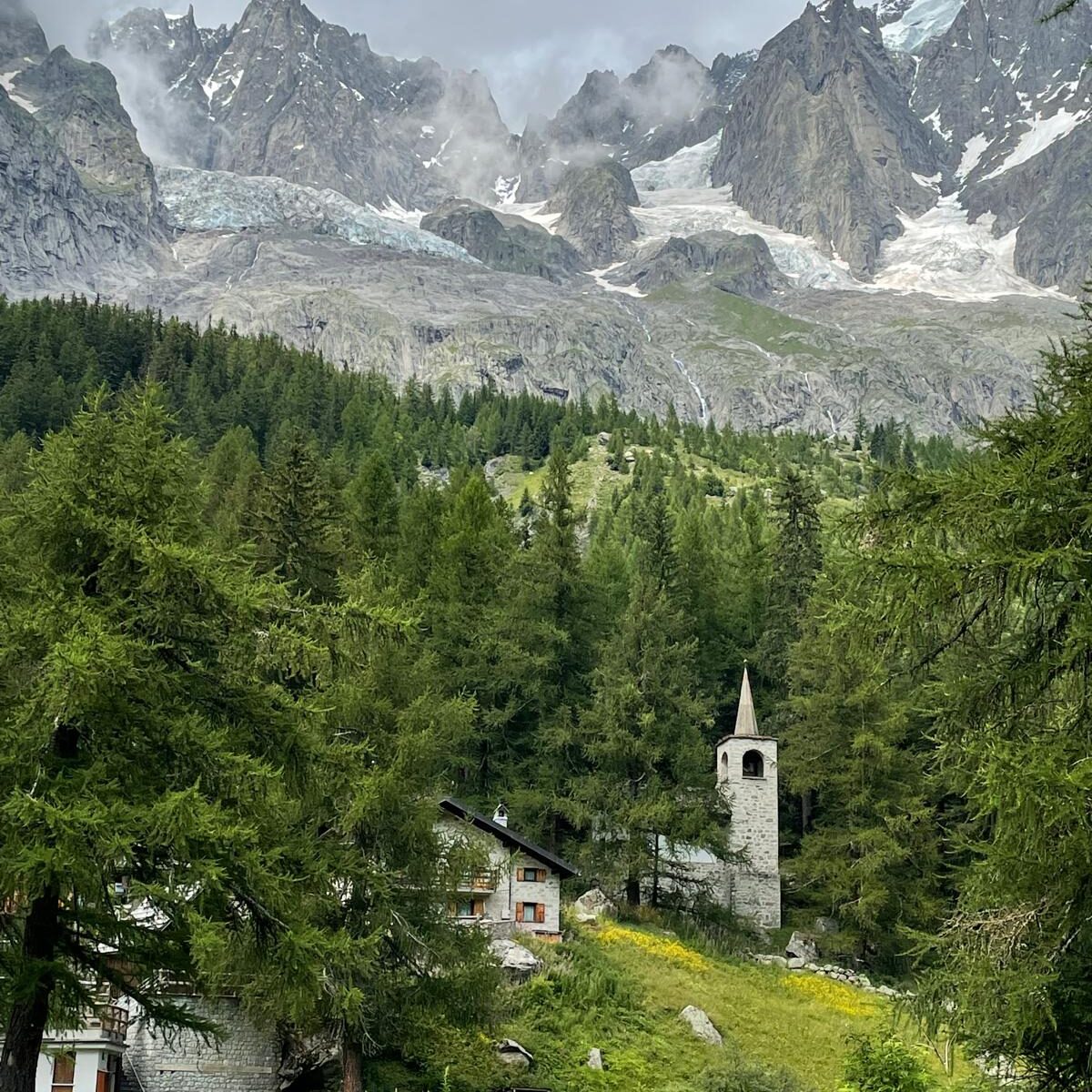
Planpincieux glacier and the church in the bottom. Photo: The-Ski-Guru.

The Planpincieux Glacier retreat is accelerating on the Italian side of Mont Blanc, seven years after the hanging glacier above Courmayeur first made international headlines over fears of a major collapse.

The hanging glacier, located above Val Ferret on the Italian side of the Mont Blanc massif, accelerated again during July 2026, reaching movement of around 80 centimetres per day. The figure was confirmed by the Valle d’Aosta regional authorities, which placed the glacier under continuous monitoring during the period of heightened activity.

The situation has since improved. Jean-Pierre Fosson of Fondazione Montagna Sicura said during the Valle d’Aosta stage of Legambiente’s Carovana dei Ghiacciai that Planpincieux has now fallen below the critical thresholds and that current conditions are considered favourable.

But the longer-term picture is far less reassuring.

Planpincieux Glacier retreat reaches 50 metres in three years

According to a report from Corriere della Sera, the front of Planpincieux has retreated by around 50 metres in just three years.

The glacier hangs at around 2,600 metres beneath the Grandes Jorasses, high above Val Ferret. Ice and debris continue periodically to break away from its front and descend towards the valley.

The glacier is particularly closely monitored because of its position above an inhabited and heavily visited valley.

During July’s acceleration, Courmayeur introduced Civil Protection restrictions in the areas potentially exposed to a collapse. Access restrictions were subsequently eased as conditions stabilised.


Read more: Nepal Glacier Disaster: Could It Happen in the Alps? — Following the catastrophic glacier-related disaster in Nepal, we look at whether similar high-mountain hazards could occur in the Alps, and how monitoring at Planpincieux, Blatten and elsewhere can provide crucial warning time.


Continue reading “Planpincieux Glacier: Seven Years After the Alarm, the Mont Blanc Glacier Is Retreating Fast”


Mont Blanc Faces Record Rockfall Year After Extreme Alpine Summer

The view from the top of the Skyway Monte Bianco - Punta Hellbronner- Amazing rotating gondola that takes you up to the highest point in Italy to see the Mont Blanc and all the surrounding mountains. Photo: The-Ski-Guru.

The Mont Blanc massif is facing a record rockfall year after an exceptionally hot Alpine summer destabilised high-altitude terrain — and scientists warn that some of the largest collapses may still be to come.

Around 450 significant rockfalls could be recorded in the Mont Blanc massif during 2026, according to geomorphologist Ludovic Ravanel, research director at France’s National Centre for Scientific Research (CNRS).

The figure would comfortably surpass the previous record of around 300 events in 2022, another year marked by intense heatwaves.

Just 10 or 20 years ago, only a few dozen such events would typically have been recorded.

Continue reading “Mont Blanc Faces Record Rockfall Year After Extreme Alpine Summer”

Aosta Valley Begins to Recover, but Record Glacier Loss Highlights Growing Climate Crisis

The view from Plan Chècrouit towards the Piscina Alpina in Courmayeur. Photo: The-Ski-Guru.

The Aosta Valley is beginning to recover after a week marked by intense storms, flooding and rockfalls, but scientists warn that the longer-term picture remains deeply concerning. While tourist facilities are reopening and emergency conditions are easing, 2026 has already become the worst year on record for glacier loss in Italy’s smallest Alpine region, underlining the accelerating impact of climate change. 

One of the clearest signs of recovery has come from Breuil-Cervinia, where the local golf course has partially reopened following the severe thunderstorms that hit the resort earlier this week. Although only a temporary nine-hole course is currently available while repairs continue, the reopening is an important step for the resort’s summer tourism industry after heavy rain and mudflows disrupted the area. 

Continue reading “Aosta Valley Begins to Recover, but Record Glacier Loss Highlights Growing Climate Crisis”