Portillo Avalanche: Mountain Risks Continue After the Ski Season Ends

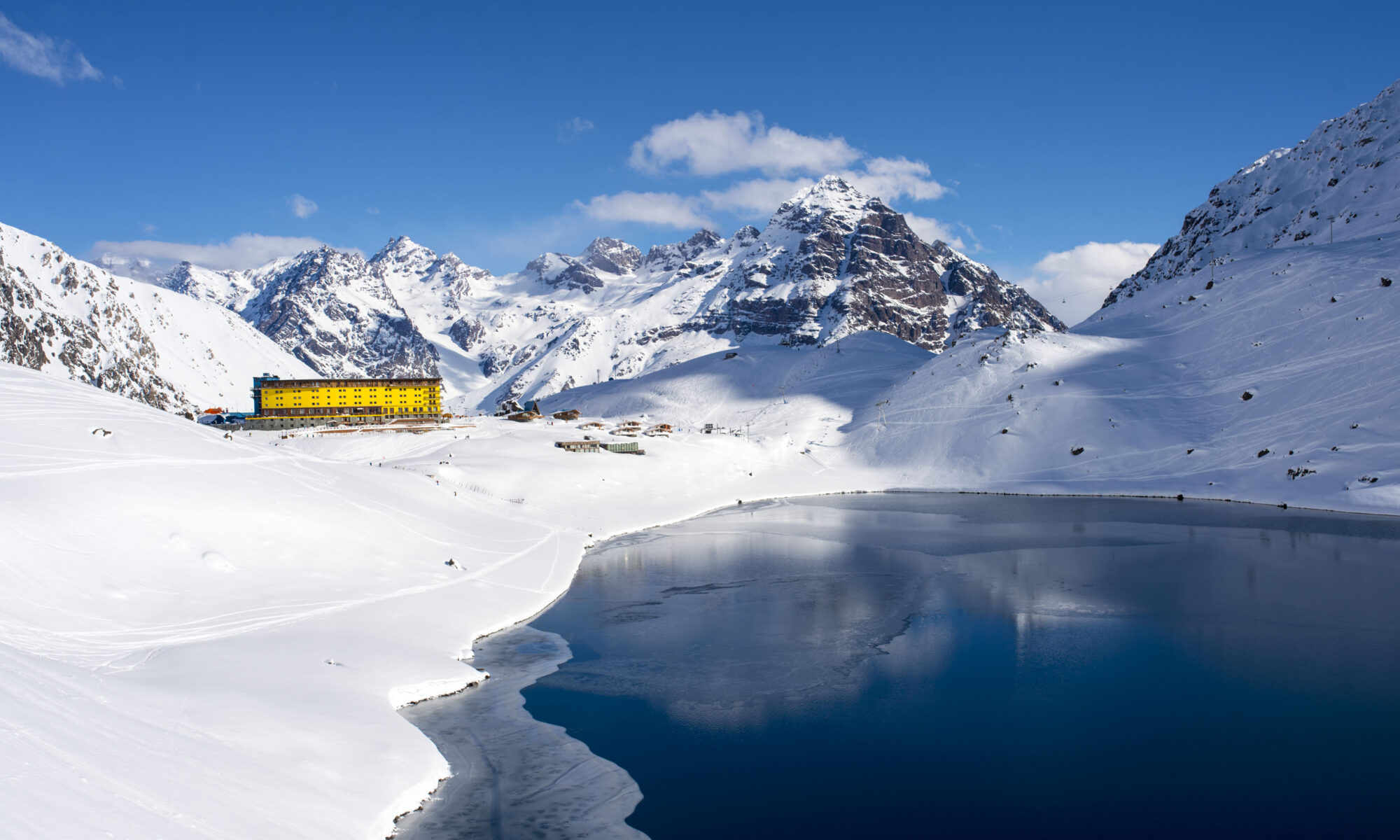
Aereal View of Portillo. Photo by Pia Vergara. Courtesy Ski Portillo.

Three Chilean mountaineers died and four others were injured when an avalanche swept their group into Laguna del Inca, near Chile’s Portillo ski resort, on Saturday, October 17, 2026.

The group consisted of seven friends who had travelled from Santiago and regularly practised mountaineering together, according to prosecutor Pamela Ruiz. They were undertaking a private mountain outing, rather than a commercial guided tour.

Portillo had already ended its ski season. The tragedy highlights an important distinction for mountain visitors: the closure of a resort, the boundaries of its designated ski terrain and access to surrounding trails are separate matters.

Continue reading “Portillo Avalanche: Mountain Risks Continue After the Ski Season Ends”

Where There Was Once Ice, Suspension Bridges Now Span the Gaps Above Chamonix’s Mer de Glace

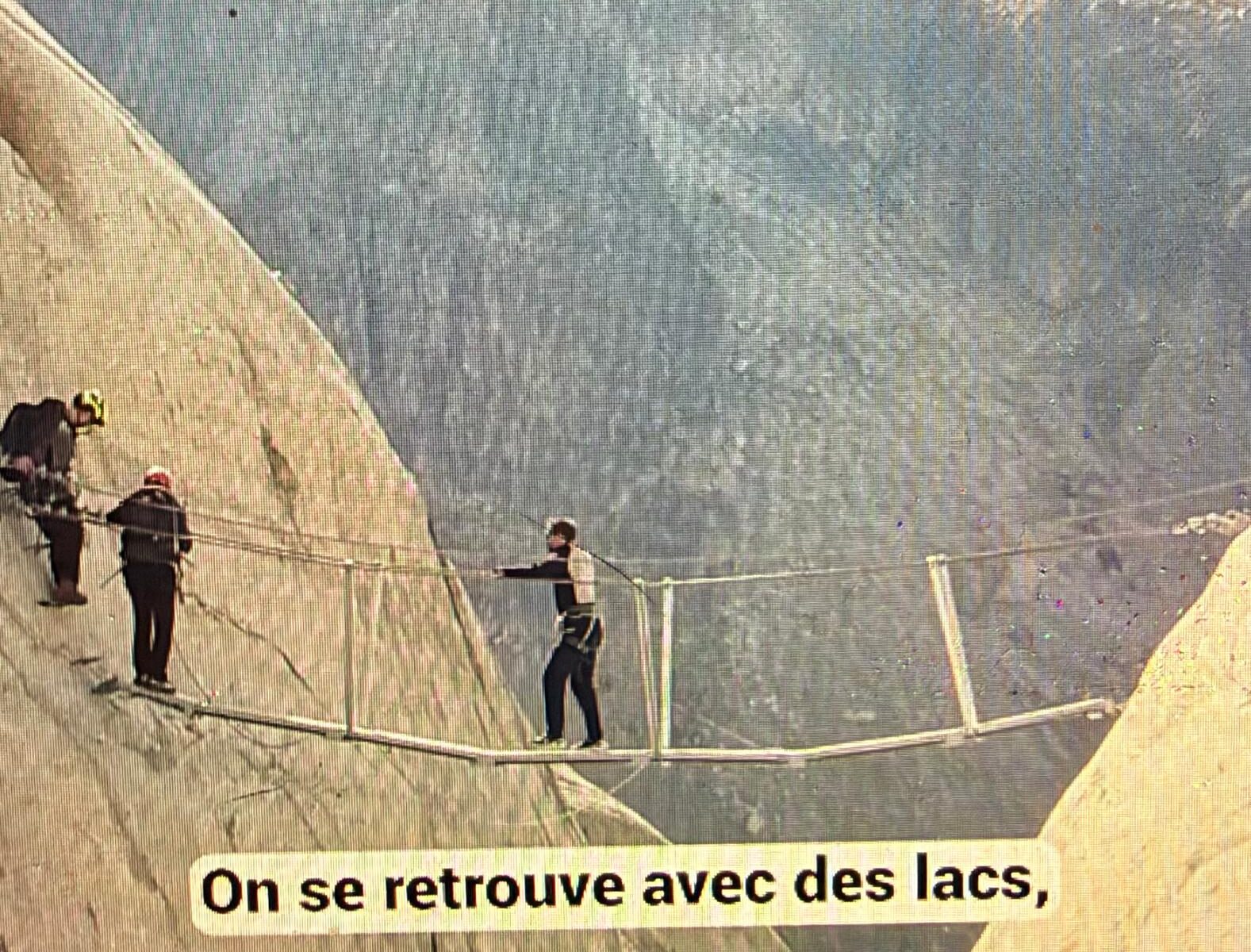
Hanging Bridge in Chamonix's Mer de Glace. Screenshot of FB post of Le Dauphiné Libéré

Three Himalayan-style suspension bridges above the Mer de Glace highlight how glacier retreat is forcing Chamonix to rethink mountain access, hiking routes and the infrastructure needed to keep the high Alps accessible.

For generations, glaciers provided natural passages through the Alps. Today, in some places, their retreat is leaving behind steep rock faces, unstable terrain and deep gaps that require entirely new solutions.

Above Chamonix’s famous Mer de Glace, three suspension bridges now illustrate this transformation particularly vividly.

The structures, described as Himalayan-style footbridges, allow mountaineers and experienced hikers to cross sections of the Balcons de la Mer de Glace where the changing landscape has made traditional routes increasingly difficult.

French regional newspaper Le Dauphiné Libéré reported on the bridges on 13 October 2026, followed by a video report on 14 October showing local officials inspecting the installations.

Continue reading “Where There Was Once Ice, Suspension Bridges Now Span the Gaps Above Chamonix’s Mer de Glace”

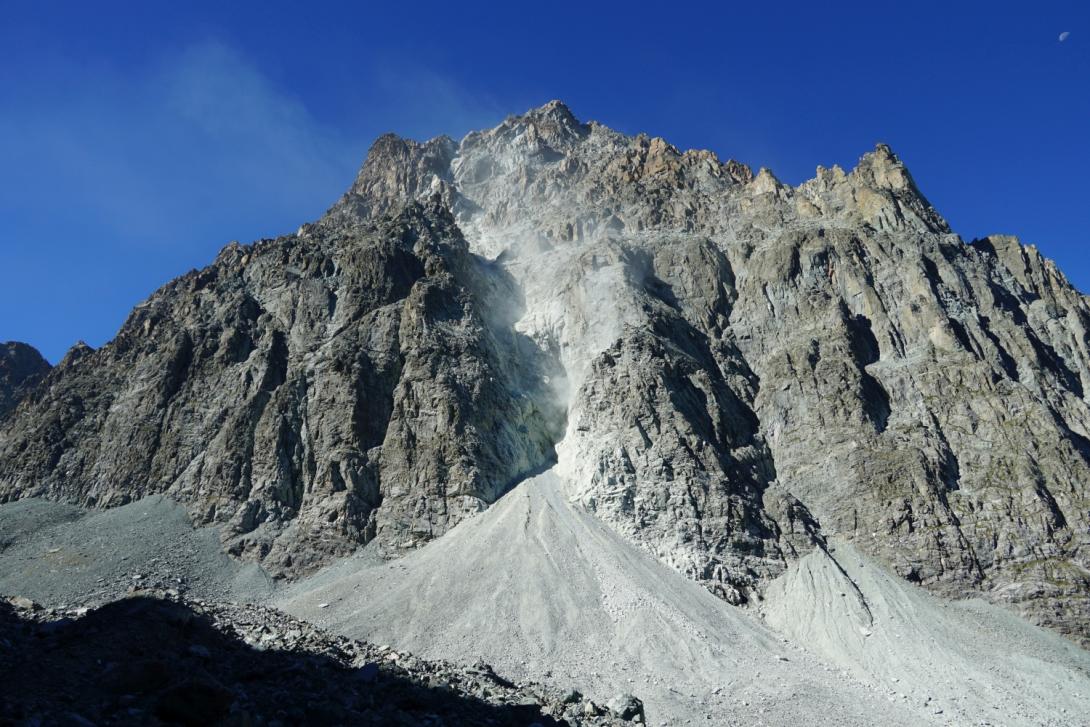
Large Rockfall on Tofana di Dentro Closes Val Travenanzes Trail Near Cortina

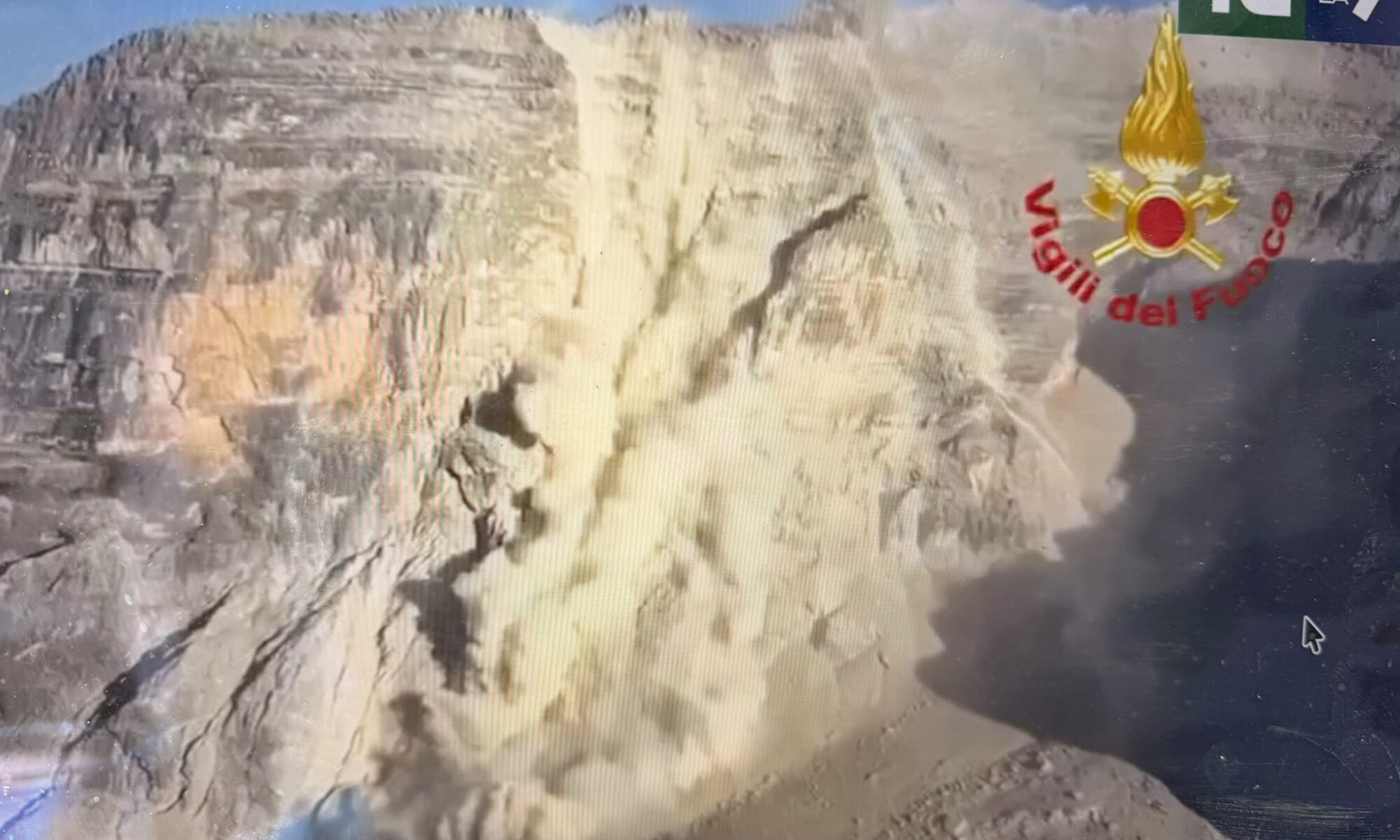
Vigili del Fuoco: Rockfall at the Tofana. Photo credit: Vigili del Fuoco- image of their video uploaded 4 October 2026/TG7.

A large rockfall from the northern face of Tofana di Dentro, in the Dolomites above Cortina d’Ampezzo, has prompted authorities to close Trail 401 in Val Travenanzes, the Cengia Paolina area and their access routes while safety assessments continue.

The major collapse occurred during the afternoon of Sunday, 4 October 2026, sending a large cloud of dust across the valley below.

The Municipality of Cortina d’Ampezzo subsequently issued an emergency ordinance closing the affected hiking areas with immediate effect and until further notice.

Val Travenanzes Trail 401 Closed

According to Ordinance No. 171 issued by the Mayor of Cortina d’Ampezzo on 4 October, the following areas are currently closed:

  • Trail 401 in Val Travenanzes
  • the Cengia Paolina area
  • associated access routes

The municipality said the closure will remain in place until authorities can verify that safe conditions have been restored.

Emergency and prohibition signs were also ordered to be installed around the affected area.

For hikers planning trips around the Tofane, this means Val Travenanzes and the affected access routes should currently be avoided.

Continue reading “Large Rockfall on Tofana di Dentro Closes Val Travenanzes Trail Near Cortina”

Matterhorn Italian Route Discouraged After New Rockfall — What About the Zermatt Side?

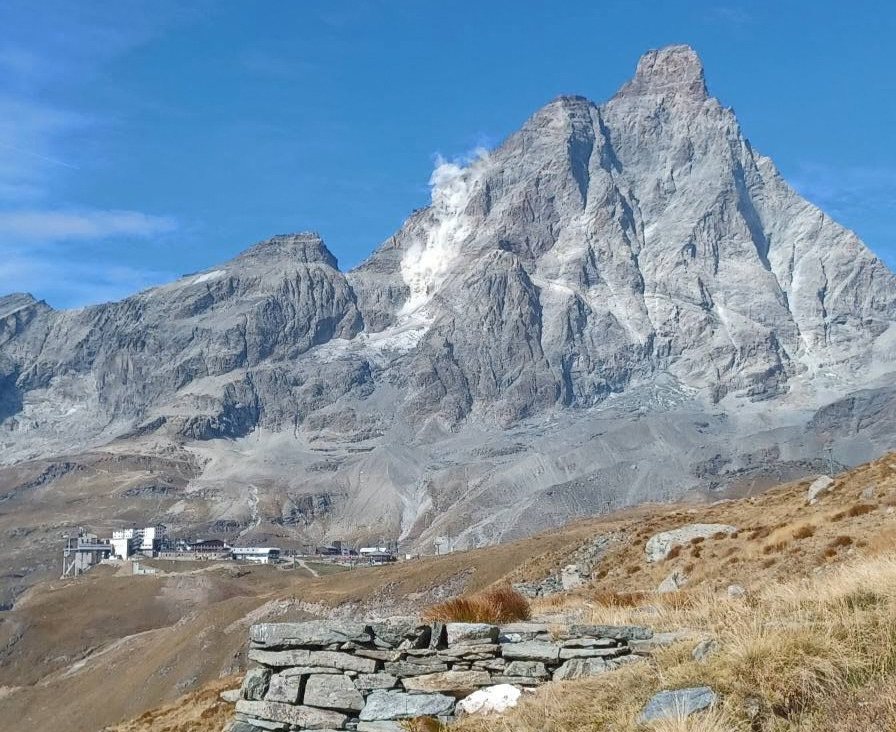
Il Cervino has been suffering many rockfalls this summer. Photo credit: Giorgio Schenone- Facebook- Gruppo Gente Innamorata di Breuil Cervinia.

Mountain guides in Cervinia are advising climbers against the Italian normal route after a new rockfall affected the Lenzuolo section. Across the mountain, the Swiss Hörnli Ridge had its own serious rockfall problems earlier this summer.

The Italian normal route up the Matterhorn (Cervino) is currently being discouraged by the Società Guide Alpine del Cervino following a new rockfall on 29 September.

According to the mountain guides, conditions on the Italian route have deteriorated further, particularly around the Lenzuolo section.

“The situation on the Matterhorn remains in continuous evolution and conditions can change rapidly,” the guides warned, urging climbers to check the latest information before attempting the mountain and to carefully assess whether an ascent is appropriate.

The warning does not amount to a legal closure of the mountain. Rather, the Cervinia guides are advising against climbing the Italian normal route under the present conditions. Rai News

What happened on the Italian side?

The latest rockfall occurred on 29 September, affecting the area around the Lenzuolo on the Italian normal route, which follows the Lion Ridge (Cresta del Leone) from the Breuil-Cervinia side of the mountain.

It is the latest in a series of instability events on the Matterhorn during an unusually difficult 2026 climbing season.

Continue reading “Matterhorn Italian Route Discouraged After New Rockfall — What About the Zermatt Side?”

Monviso Rockfall Raises Questions Over Stability of the Italian Alps Landmark

Canalone del Monviso. Photo credit: Arpa.Piemonte.it

A rockfall on Monviso’s northeast face sent thousands of cubic metres of debris down the mountain on 1 September. No one was injured and the nearby Quintino Sella refuge and its access trail were not hit by the main collapse, but repeated failures on the same face have prompted authorities to examine how the mountain is evolving.


UPDATE — 18 September 2026: New Rockfall and Regional Action

A second significant rockfall on Monviso and new temperature data have prompted the Regione Piemonte to begin a wider assessment of the mountain, including its trails, refuge access and long-term monitoring.

At the first official Tavolo Monviso, held on 16 September, ARPA Piemonte revealed that between 10 June and 10 September temperatures at its monitoring station above 3,300 metres on Monviso did not fall below 0°C.

ARPA identifies thermal stress as a probable factor in the recent rockfalls and degradation of permafrost as a possible contributing factor within a rock mass that is already heavily fractured. However, the agency continues to stress that individual rockfalls need to be assessed on their specific geological and environmental conditions.

The meeting followed another rockfall during the night of 13–14 September, this time from the Torrioni Sari on Monviso’s southern side. Regional authorities say preliminary observations suggest that this event may have been larger than the 1 September collapse on the northeast face, although further surveys are needed to determine its scale.

The two events on different sides of the mountain have led authorities to broaden their assessment from individual rockfall sites to the Monviso massif as a whole.

Access to the mountain is also under review

The Regione Piemonte is now considering additional surveys, including drone inspections, an assessment of the most exposed trails and possible alternative routes to mountain refuges.

One proposal being examined is an alternative access route to the Rifugio Quintino Sella. Improved trail signage and temporary restrictions in particularly exposed areas are also being considered.

This does not currently amount to a general closure or restriction on access to Monviso.

Continue reading “Monviso Rockfall Raises Questions Over Stability of the Italian Alps Landmark”

Nepal’s Glacier Disaster Is a Warning for Mountain Regions Everywhere — Including the Alps

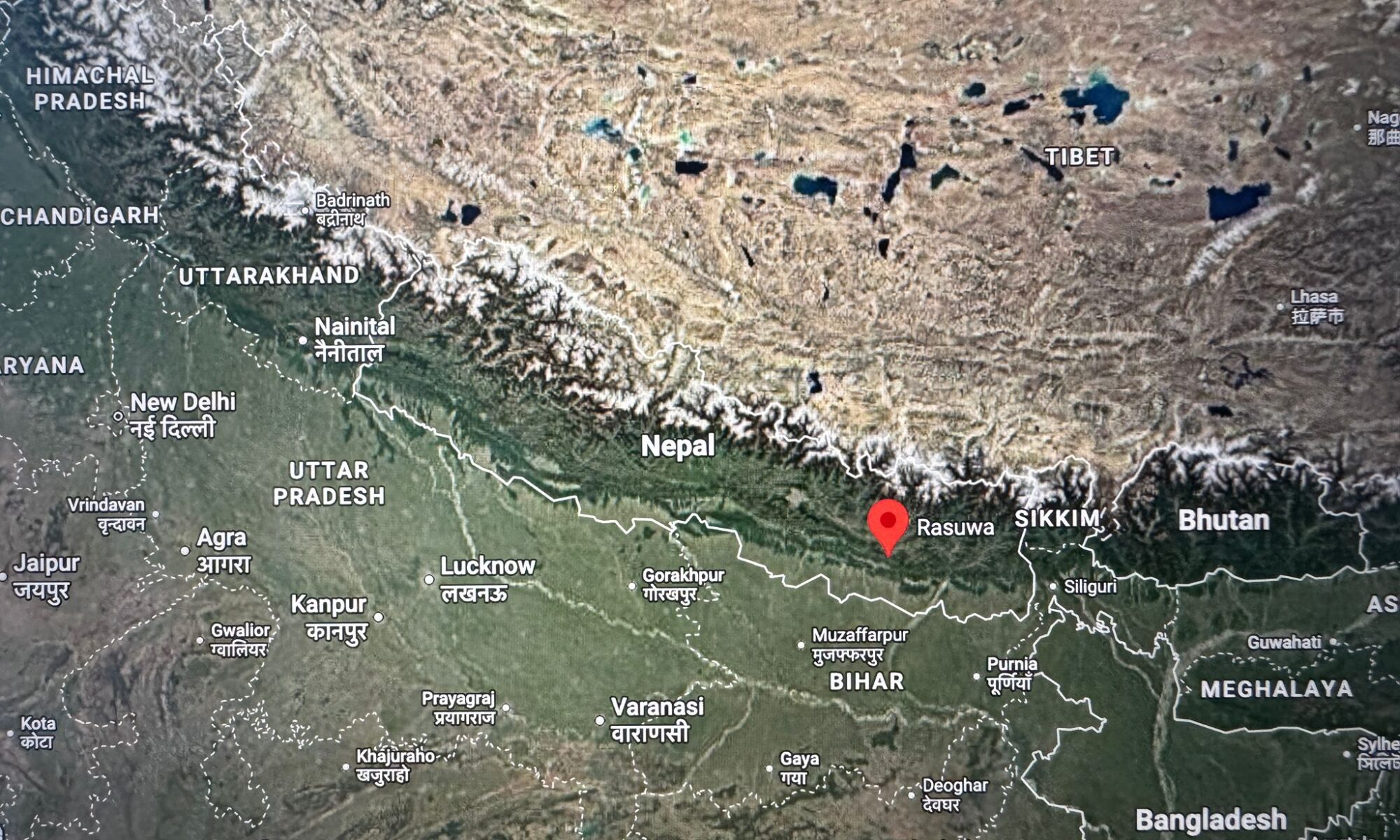
Map of Rasuwa in Nepal, where the floodings occurred. Photo: Google Maps.

A catastrophic glacier-related collapse in the Himalayas has killed hundreds of people across Nepal and Tibet and left many more missing.

But beyond the shocking images and the rapidly evolving casualty figures lies a much bigger question for mountain regions around the world:

Could something similar happen in the Alps?

The answer is uncomfortable.

The precise sequence that produced the Nepal disaster is still being investigated. But glacier collapses, rock avalanches, sudden releases of glacial water, debris flows and naturally dammed lakes are not unique to the Himalayas. They are hazards that also exist in the Alps — and Alpine history provides some dramatic examples.

What can be very different is the ability to identify certain dangers in advance, monitor them and evacuate people before the mountain moves.

And even in the best-monitored Alpine countries, that warning cannot always be guaranteed.

Continue reading “Nepal’s Glacier Disaster Is a Warning for Mountain Regions Everywhere — Including the Alps”

Mont Blanc Faces Record Rockfall Year After Extreme Alpine Summer

The view from the top of the Skyway Monte Bianco - Punta Hellbronner- Amazing rotating gondola that takes you up to the highest point in Italy to see the Mont Blanc and all the surrounding mountains. Photo: The-Ski-Guru.

The Mont Blanc massif is facing a record rockfall year after an exceptionally hot Alpine summer destabilised high-altitude terrain — and scientists warn that some of the largest collapses may still be to come.

Around 450 significant rockfalls could be recorded in the Mont Blanc massif during 2026, according to geomorphologist Ludovic Ravanel, research director at France’s National Centre for Scientific Research (CNRS).

The figure would comfortably surpass the previous record of around 300 events in 2022, another year marked by intense heatwaves.

Just 10 or 20 years ago, only a few dozen such events would typically have been recorded.

Continue reading “Mont Blanc Faces Record Rockfall Year After Extreme Alpine Summer”

Lightning Danger in the Alps: Hiker Dies as Storms Follow Extreme Heat

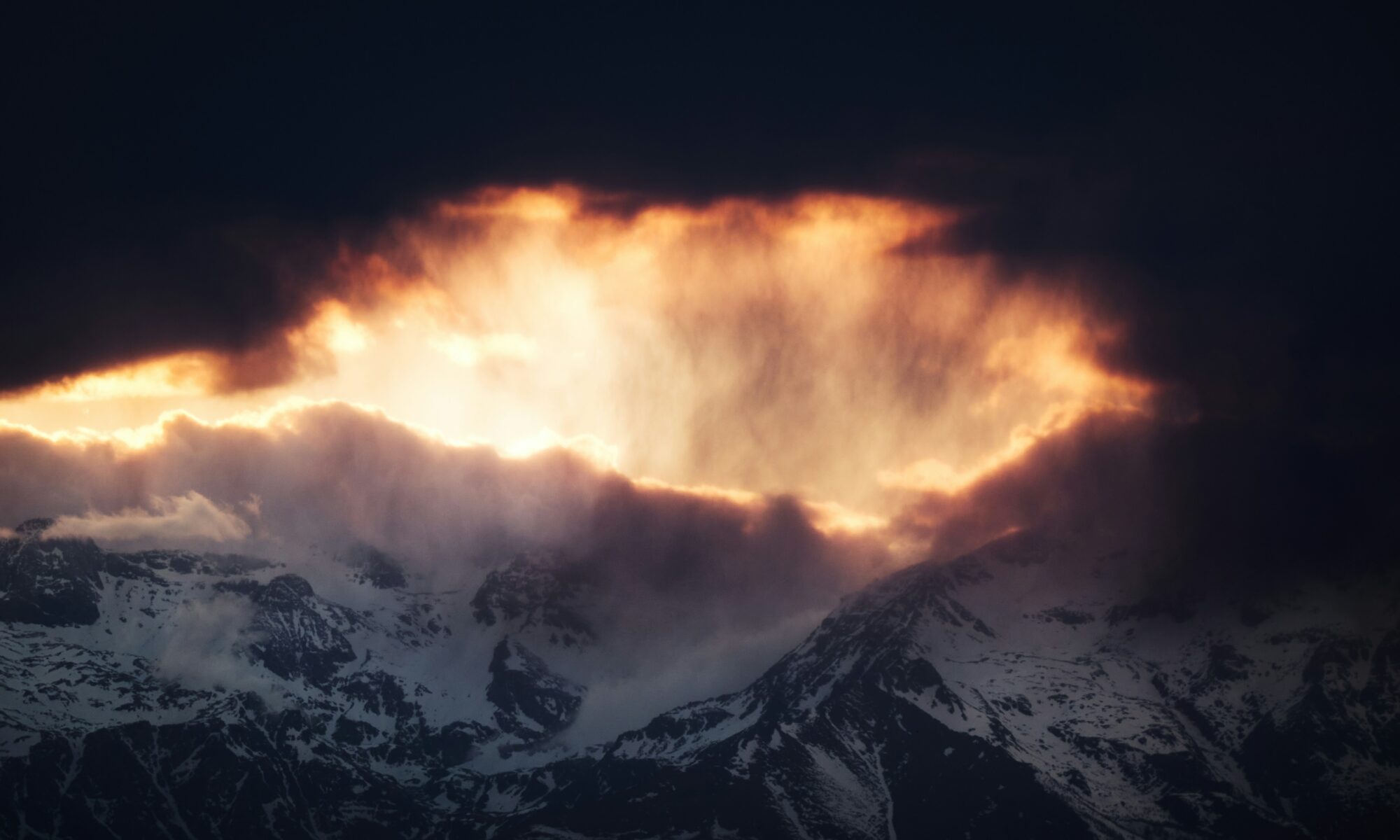
A storm in the Alpe Torinesi, photo credit: Joshua Kettle. Unsplash.

A hiker has died after being struck by lightning in the Italian Alps, while two Polish climbers were injured by another lightning strike above Cortina d’Ampezzo, as violent thunderstorms followed a prolonged period of extreme summer heat.

The incidents highlight one of the most rapidly developing hazards in the mountains: thunderstorms that can turn apparently manageable hiking and climbing conditions into a dangerous situation within minutes.

Atmospheric scientists say the Alps themselves can act as a hotspot for lightning, with mountain topography helping to trigger and intensify summer thunderstorms.

Hiker Dies on Piz Starlex

Gustav Wiesler, 42, from Tubre in South Tyrol, died while descending from Piz Starlex, a 3,075-metre mountain above Val Monastero close to the Swiss border.

Wiesler had last made contact at around 13:00 from the summit, when a thunderstorm was approaching.

Continue reading “Lightning Danger in the Alps: Hiker Dies as Storms Follow Extreme Heat”

Summer Skiing Disappears Across the Alps as Extreme Heat Forces Final Glacier Closure

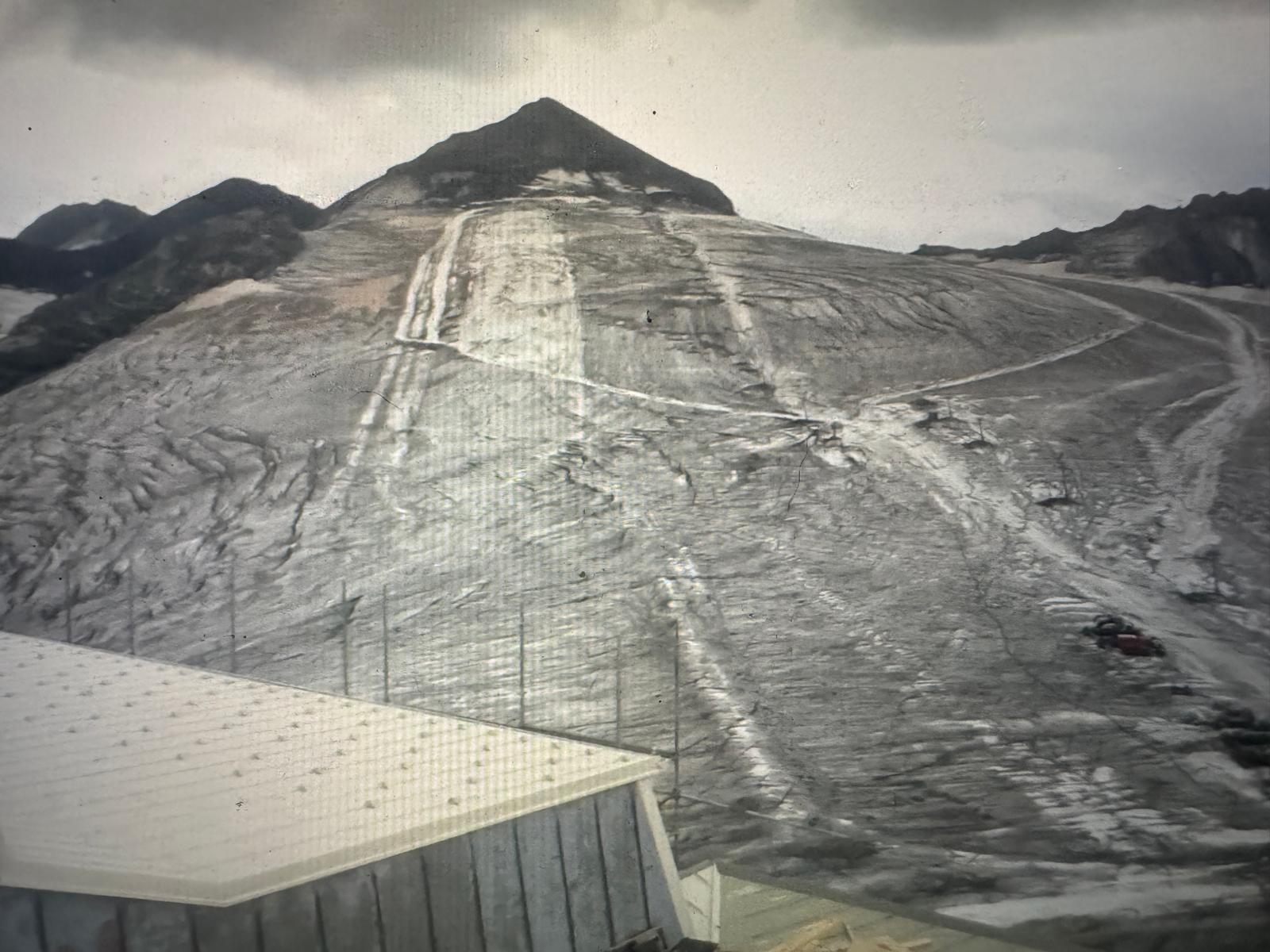
Passo dello Stelvio today 16th August. Webcam Passo dello Stelvio.

Summer glacier skiing has effectively disappeared from the Alps in mid-August after persistent extreme heat forced Passo Stelvio, the last Alpine glacier still offering lift-served summer skiing, to suspend operations.

Skiing on Italy’s Stelvio Glacier was suspended from 15 August until further notice, following weeks of unusually warm conditions at high altitude.

The closure completes a remarkable sequence across the Alps. Zermatt-Cervinia suspended public summer skiing at the beginning of August, while Saas-Fee followed on 10 August. In France, the summer skiing period at Les 2 Alpes had already ended in early July.

For an activity that was once a familiar part of the Alpine summer, the situation in August 2026 is striking: there is currently nowhere left in the Alps offering conventional lift-served summer glacier skiing.


Continue reading “Summer Skiing Disappears Across the Alps as Extreme Heat Forces Final Glacier Closure”

New Bivouac Rules Introduced Around Chamonix Mountain Huts

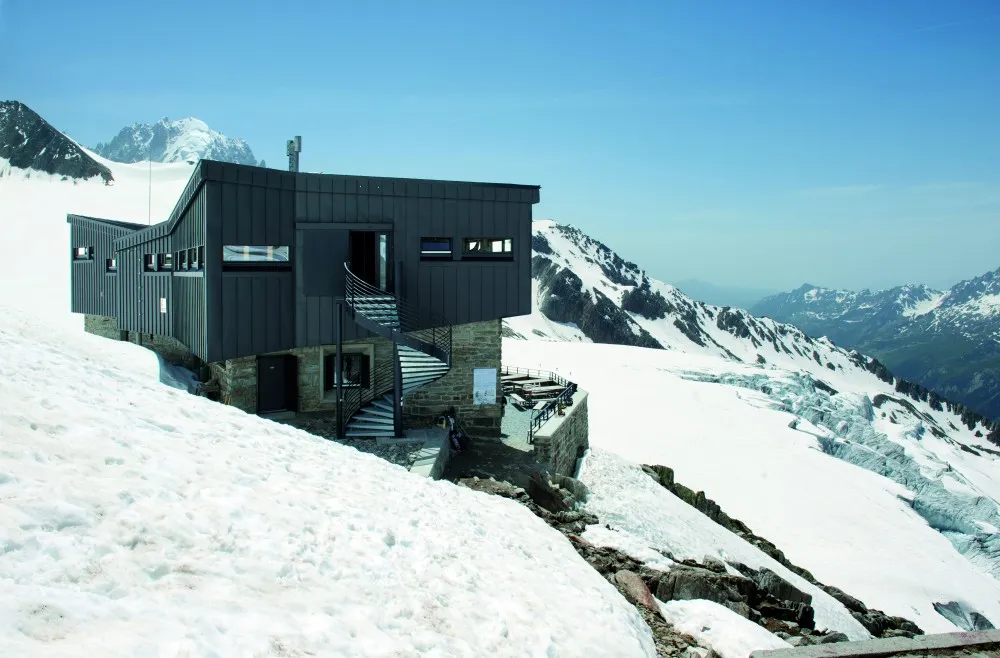
Refuge Albert 1er. Photo credit: Beatrice Cafieri. CAUE. caue-observatoire.fr

Authorities in Chamonix have introduced new regulations governing bivouacking near several of the Mont Blanc massif’s most popular high-mountain huts, following a sharp increase in overnight camping and growing concerns about environmental impacts.

The new municipal decree came into force immediately and will remain in place until 30 September 2026. From next year onwards, the same rules will apply annually between 1 June and 30 September.

According to La Chamoniarde, the measures are designed to reduce pollution of mountain water catchment areas caused by waste and human excrement while allowing controlled bivouacking near refuges. 

Four Mountain Huts Affected

The regulations apply to four of the best-known high-altitude refuges in the Chamonix area:

  • Albert 1er Refuge
  • Refuge du Couvercle
  • Refuge des Envers des Aiguilles
  • Refuge d’Argentière

Continue reading “New Bivouac Rules Introduced Around Chamonix Mountain Huts”