What Level 5 Avalanche Danger Means

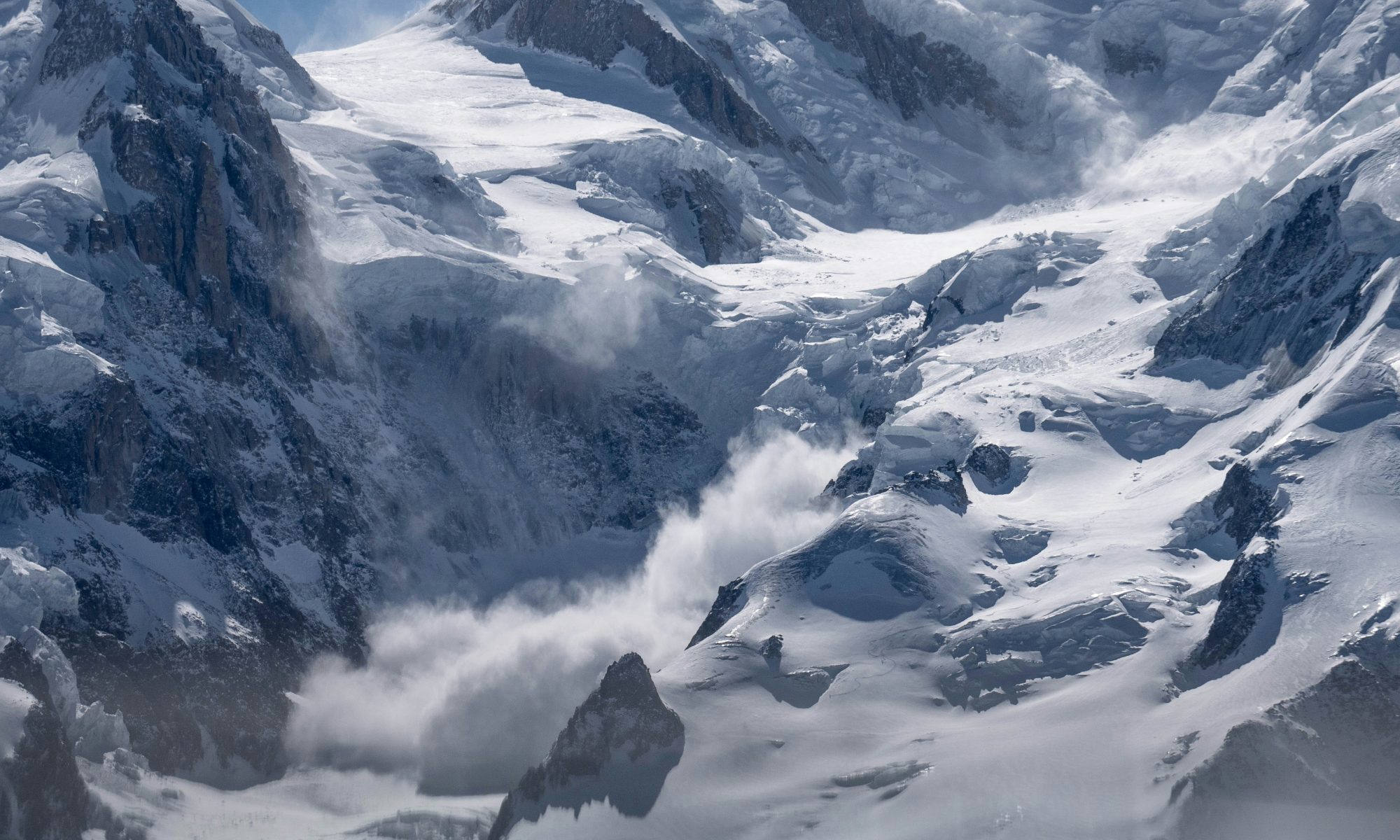
Avalanche in Chamonix. Stock photo: Krzysztof Kowalik. Unsplash.

Level 5 avalanche danger is classified as “Very High” on the European Avalanche Danger Scale. It represents the most extreme level of avalanche risk and is issued only in rare and severe conditions.

When authorities declare Level 5, widespread natural avalanches are expected — including large, destructive slides that can reach valley floors and infrastructure.

Many accidents occur during periods shaped by extreme weather in the Alps, particularly when conditions change rapidly.


The European Avalanche Danger Scale (1–5)

Avalanche danger in Europe is rated from 1 to 5:

1 – Low
2 – Moderate
3 – Considerable
4 – High
5 – Very High

Level 5 is the highest and rarest classification.
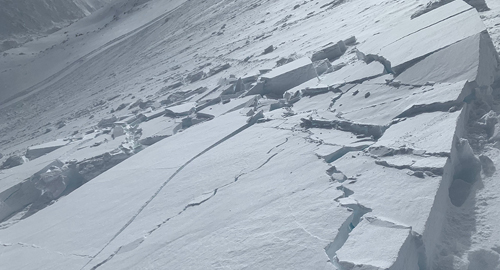

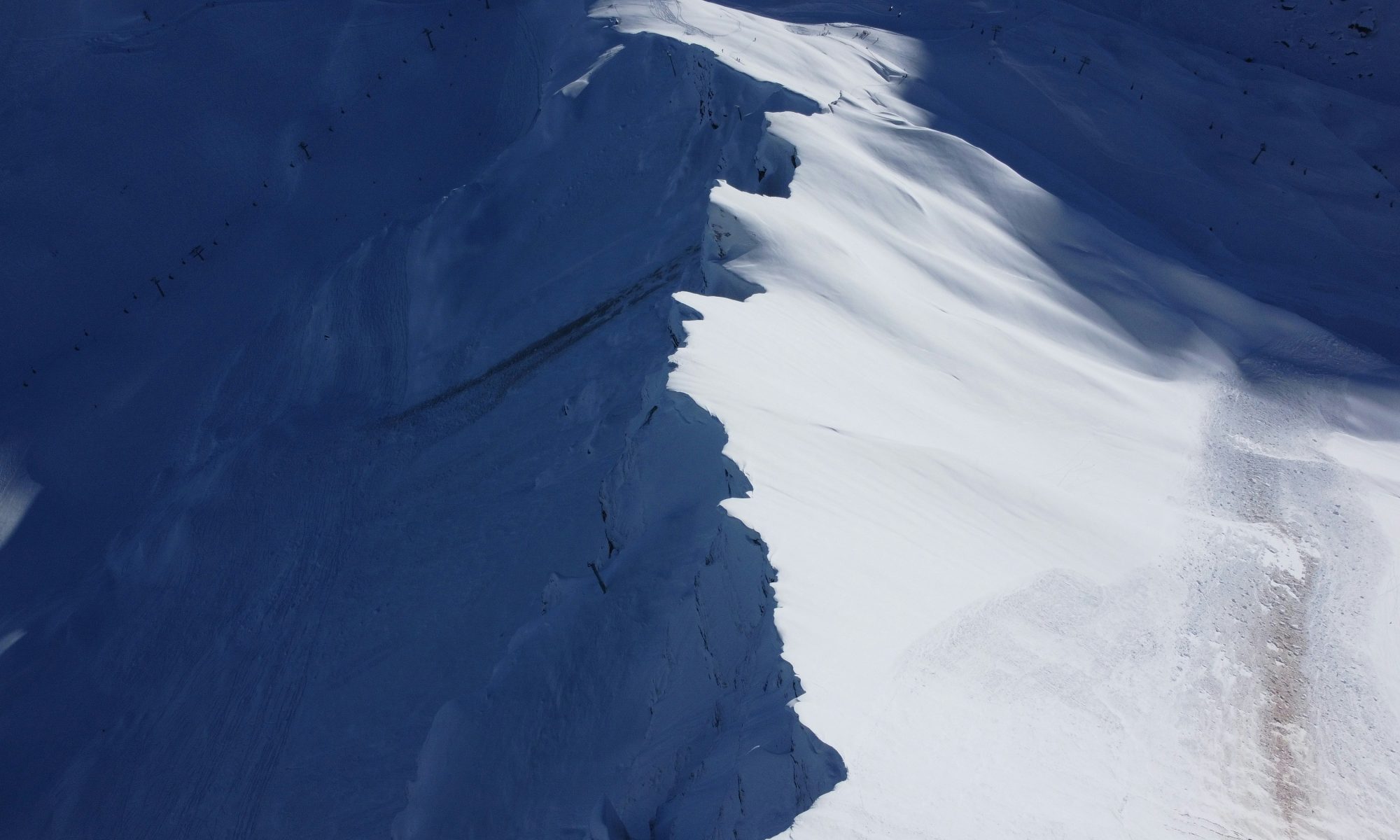
Wind slab. Scottish Avalanche Information Service. Sais.gov. Foehn Winds and Rising Avalanche Risk in the Alps: What Skiers Need to Know.
Wind slab. Scottish Avalanche Information Service. Sais.gov.

What Happens at Level 5?

Under Level 5 conditions:

  • Numerous natural avalanches are expected
  • Very large and destructive avalanches are likely
  • Avalanches may reach roads, forests, ski runs and buildings
  • Travel in alpine terrain becomes extremely dangerous
  • Even low-angle slopes may be unstable

Unlike Level 4, where human-triggered avalanches are very likely, Level 5 means the snowpack is so unstable that avalanches occur naturally and widely without human involvement.


What Level 5 Means for Skiers and Visitors

At Level 5:

✔ Off-piste travel should be avoided entirely
✔ Backcountry touring is strongly discouraged
✔ Some ski resorts may close terrain or entire sectors
✔ Roads and mountain passes may shut due to avalanche risk
✔ Controlled blasting and mitigation efforts intensify

Authorities may issue emergency alerts during Level 5 situations.
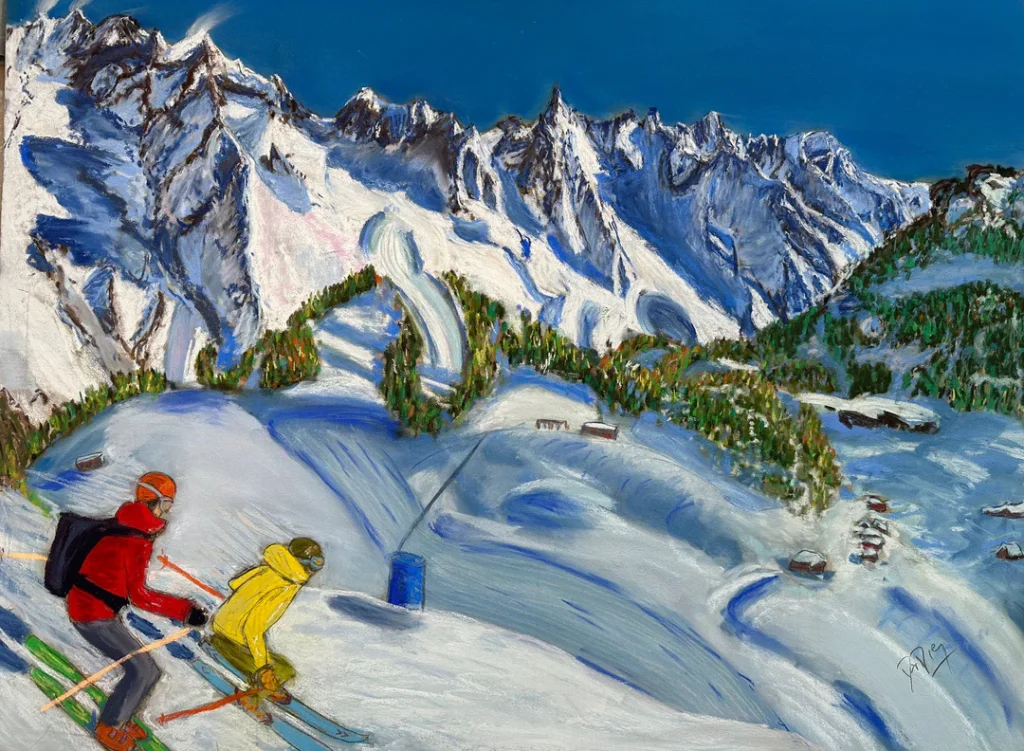

Skiing in Courmayeur. Aretu Wall. In my shop here.

How Level 5 Differs From Level 4

Level 4 (“High”) already indicates serious instability and likely natural avalanches.

However:
Continue reading “What Level 5 Avalanche Danger Means”

What Level 4 Avalanche Danger Means

Photo: Kokex 1213. Unsplash. Engelberg, Switzerland.

Level 4 avalanche danger is classified as “High” on the European Avalanche Danger Scale. It indicates a very unstable snowpack and a significant probability of both natural and human-triggered avalanches.

Level 4 is part of the European Avalanche Danger Scale used across the Alps, which helps skiers and mountaineers understand snow stability and avalanche risk.

When authorities issue Level 4, off-piste and backcountry travel become highly risky.

Many accidents occur during periods shaped by extreme weather in the Alps, particularly when conditions change rapidly.


The European Avalanche Danger Scale (1–5)

Avalanche danger in Europe is rated from 1 to 5:

1 – Low
2 – Moderate
3 – Considerable
4 – High
5 – Very High

Level 4 is the second-highest rating and represents serious instability.


Mont Seymour. Veronica Dudarev. Unsplash.

What Happens at Level 4?

Under Level 4 conditions:

  • Natural avalanches are likely
  • Human-triggered avalanches are very likely
  • Large avalanches may occur on many steep slopes
  • Weak layers in the snowpack are widespread
  • Wind loading often increases instability

Avalanches can occur even with minimal additional loading — meaning a single skier or snowboarder can trigger a slide.

Continue reading “What Level 4 Avalanche Danger Means”

Swiss Alps Travel Disruptions: Zermatt and Saas-Fee Roads Closed Amid Avalanche Danger

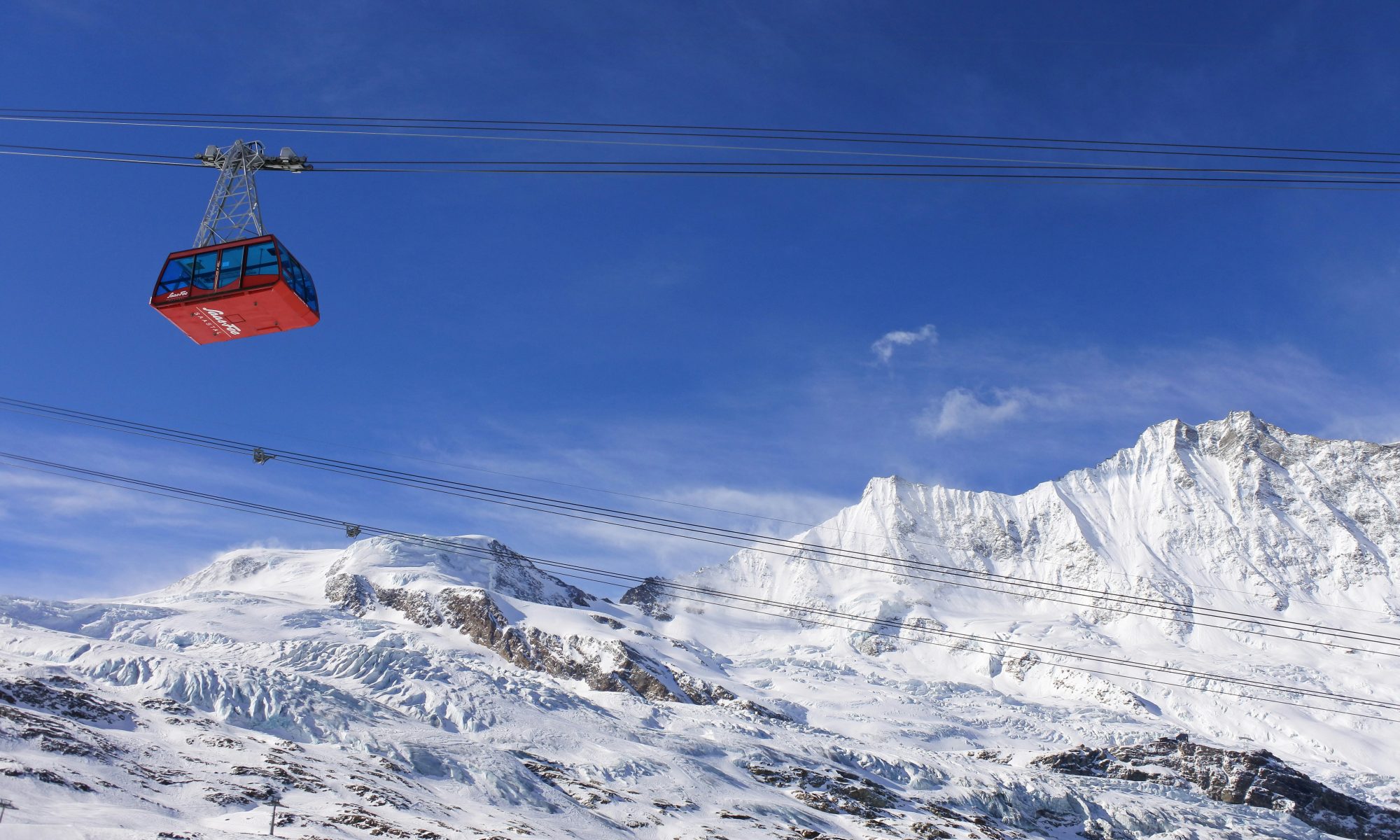
Saas Fee- Photo: Corey Catracho- Unsplash.

The current Swiss Alps travel disruption follows heavy snowfall and sustained avalanche danger in Valais.

Heavy snowfall and sustained avalanche danger continue to disrupt transport across the Swiss Alps, with major impacts in the canton of Valais — including access to both Zermatt and Saas-Fee.

According to Swissinfo and regional Swiss media, multiple alpine roads remain closed due to unstable snowpack and ongoing avalanche risk following recent winter storms.


🚧 Saas Valley Road Closures

Access to the Saas Valley (Saastal) — home to Saas-Fee, Saas-Grund and Saas-Almagell — was temporarily closed due to avalanche danger.

The cantonal road between Saas-Balen and Stalden was shut as a precaution, isolating upper valley resorts for periods during the storm cycle.

The Saas Valley is one of Switzerland’s best-known high-altitude ski regions, and closures here significantly affect both tourism and local residents.

Continue reading “Swiss Alps Travel Disruptions: Zermatt and Saas-Fee Roads Closed Amid Avalanche Danger”