How Do Ski Tourers and Freeriders Make Decisions? New Alpine Research Seeks Answers

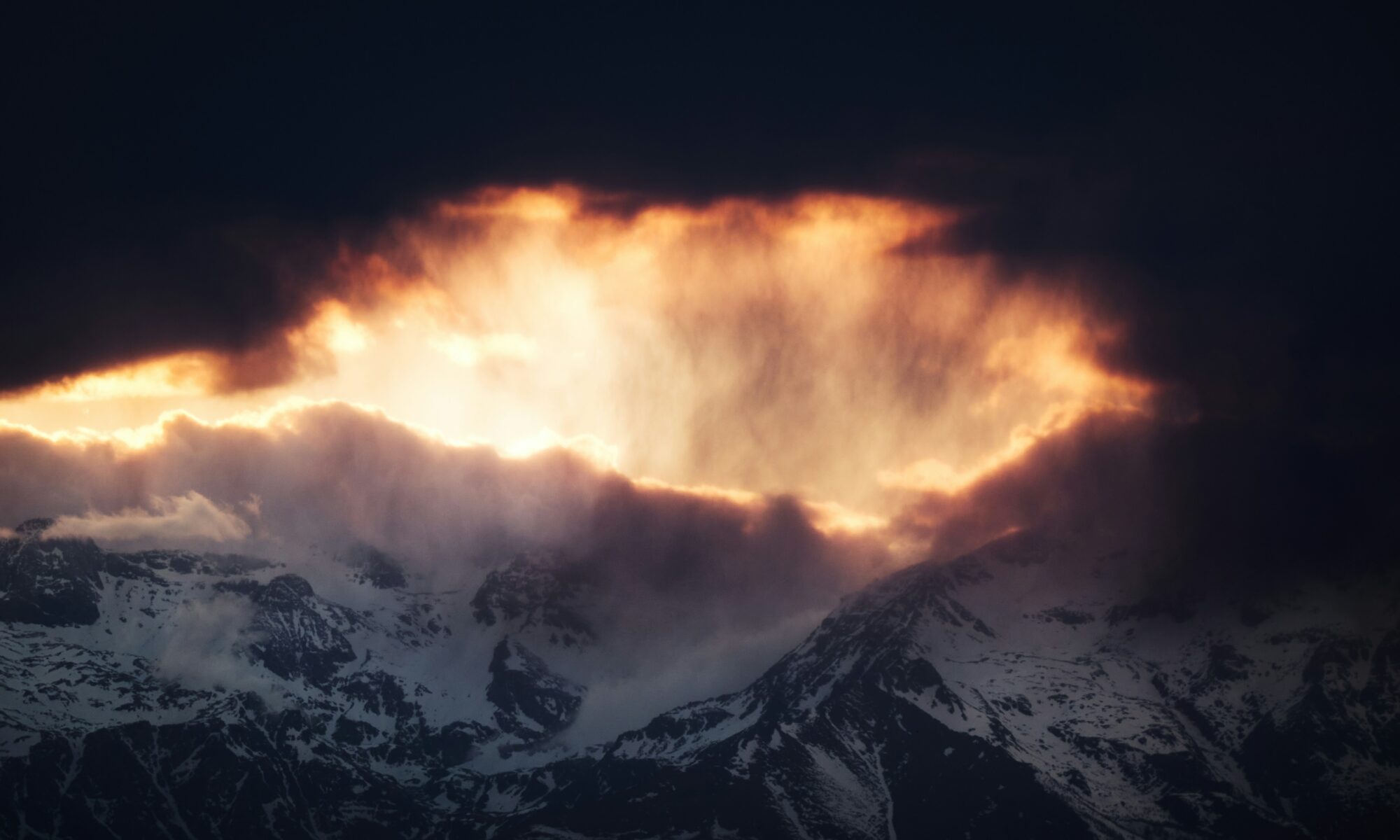
Lech Zürs Tourism - Arlberg. Photo by Sepp Mallaun. Will we ski this December?

A new three-year research initiative involving Fondazione Montagna Sicura in Courmayeur will examine how experienced ski tourers and freeriders assess avalanche risks and make decisions in the mountains. The findings could help improve avalanche safety education across the Alps.

Every winter, ski tourers and freeriders make decisions that can have serious consequences. Choosing an itinerary, interpreting an avalanche bulletin, assessing snow conditions and deciding whether to continue or turn back are all part of travelling in mountain terrain.

But how are these decisions actually made? And how do experience, personal judgement and the circumstances of a particular outing influence the assessment of risk?

These are among the questions being investigated through a new scientific research initiative involving Fondazione Montagna Sicura, based in Courmayeur in Italy’s Aosta Valley.

The study forms part of Risk-Cap-Res, a wider European project under the Interreg France–Italy ALCOTRA programme, which aims to improve risk communication, prevention and resilience in Alpine communities.
Continue reading “How Do Ski Tourers and Freeriders Make Decisions? New Alpine Research Seeks Answers”

Teenager or Claude AI: Who Was to Blame for Mountain Rescue?

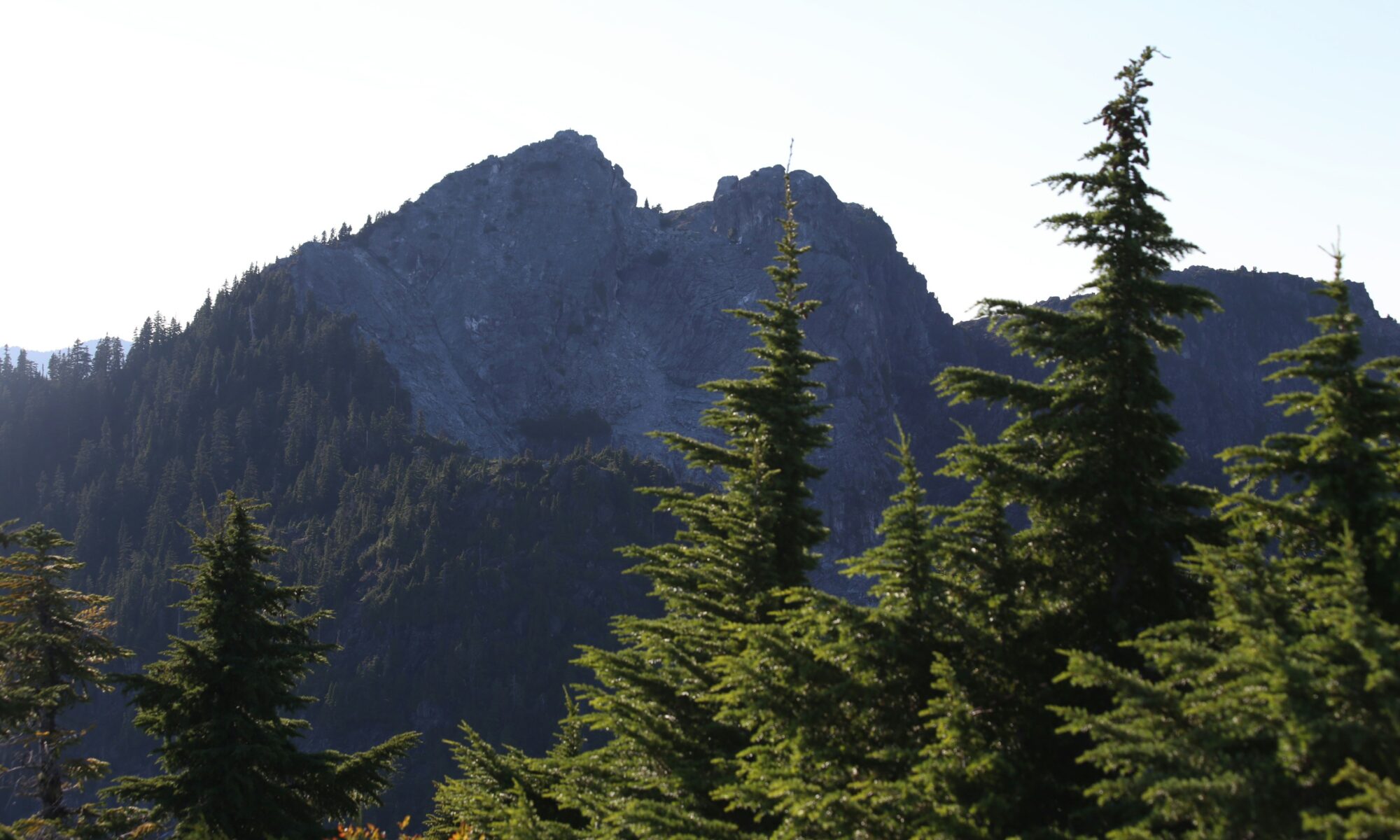
Crown Mountain in British Columbia, Canada, where a teenager was rescued after becoming stranded on a technical climbing route

A 16-year-old hiker was rescued from a dangerous cliff in British Columbia after using artificial intelligence during his mountain preparations. But was it human error, misleading AI guidance, or a combination of both?

A 16-year-old Canadian teenager was rescued by helicopter on 3 October 2026 after becoming stranded on a steep rock face on Crown Mountain, near Vancouver, British Columbia.

The teenager, Bryce Vincent Gowryluk, had consulted Claude, the artificial intelligence chatbot developed by Anthropic, while preparing his mountain excursion.

Initial reports suggested that AI-generated directions had contributed to his navigational mistake. However, the teenager subsequently challenged that interpretation, saying he had accidentally entered a technical climbing route and that Claude had not instructed him to take it.

The incident has sparked a wider debate about the reliability of artificial intelligence for mountain navigation — and the responsibility of those using it.

Continue reading “Teenager or Claude AI: Who Was to Blame for Mountain Rescue?”

Mont Blanc Faces Record Rockfall Year After Extreme Alpine Summer

The view from the top of the Skyway Monte Bianco - Punta Hellbronner- Amazing rotating gondola that takes you up to the highest point in Italy to see the Mont Blanc and all the surrounding mountains. Photo: The-Ski-Guru.

The Mont Blanc massif is facing a record rockfall year after an exceptionally hot Alpine summer destabilised high-altitude terrain — and scientists warn that some of the largest collapses may still be to come.

Around 450 significant rockfalls could be recorded in the Mont Blanc massif during 2026, according to geomorphologist Ludovic Ravanel, research director at France’s National Centre for Scientific Research (CNRS).

The figure would comfortably surpass the previous record of around 300 events in 2022, another year marked by intense heatwaves.

Just 10 or 20 years ago, only a few dozen such events would typically have been recorded.

Continue reading “Mont Blanc Faces Record Rockfall Year After Extreme Alpine Summer”

Lightning Danger in the Alps: Hiker Dies as Storms Follow Extreme Heat

A storm in the Alpe Torinesi, photo credit: Joshua Kettle. Unsplash.

A hiker has died after being struck by lightning in the Italian Alps, while two Polish climbers were injured by another lightning strike above Cortina d’Ampezzo, as violent thunderstorms followed a prolonged period of extreme summer heat.

The incidents highlight one of the most rapidly developing hazards in the mountains: thunderstorms that can turn apparently manageable hiking and climbing conditions into a dangerous situation within minutes.

Atmospheric scientists say the Alps themselves can act as a hotspot for lightning, with mountain topography helping to trigger and intensify summer thunderstorms.

Hiker Dies on Piz Starlex

Gustav Wiesler, 42, from Tubre in South Tyrol, died while descending from Piz Starlex, a 3,075-metre mountain above Val Monastero close to the Swiss border.

Wiesler had last made contact at around 13:00 from the summit, when a thunderstorm was approaching.

Continue reading “Lightning Danger in the Alps: Hiker Dies as Storms Follow Extreme Heat”

Mont Blanc Climbers Pay for Helicopter Evacuation as Extreme Heat Forces Route Closure

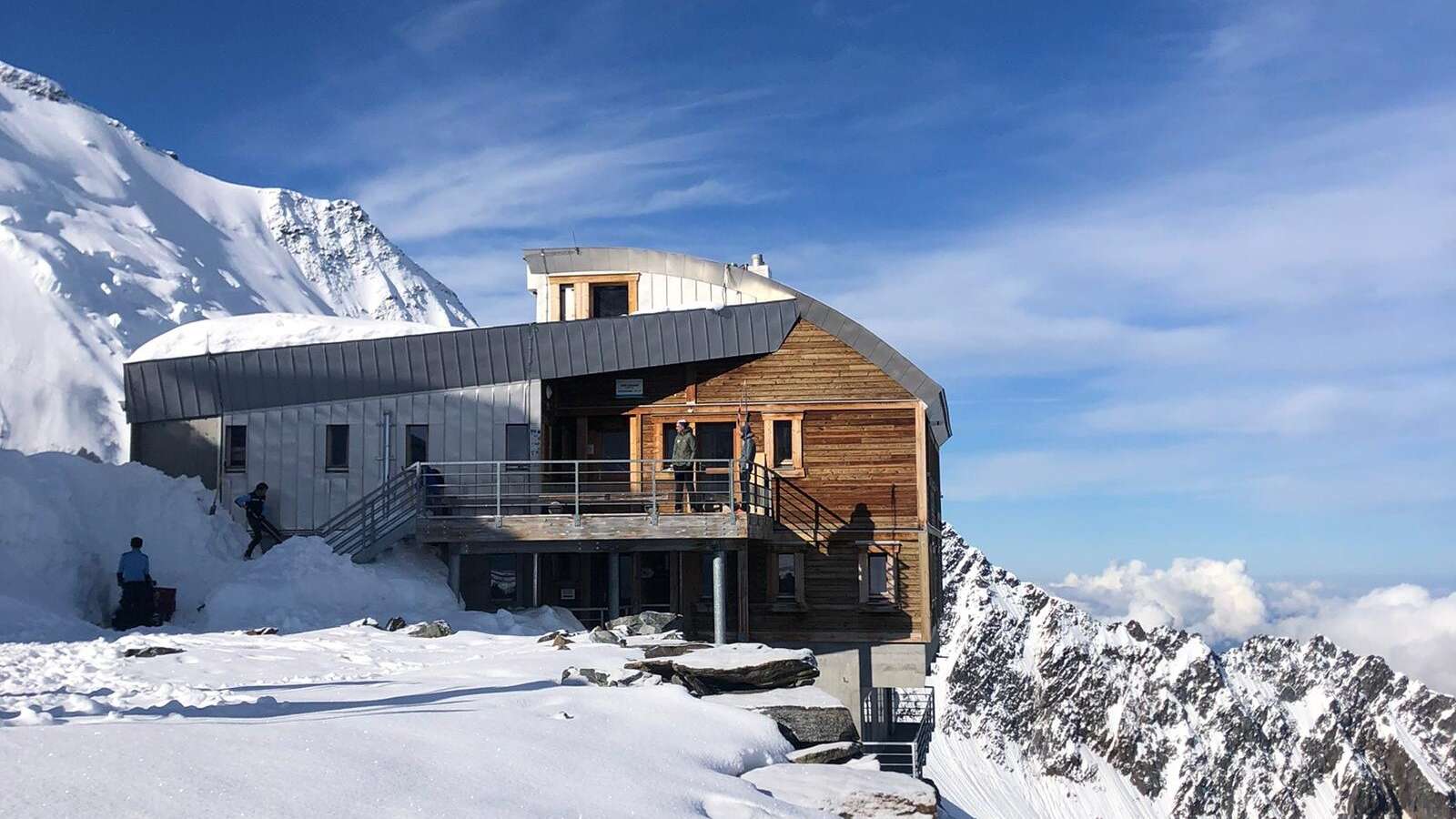
Refuge du Goûter. Photo: Tourism.SaintGervais.com

Thirty-two climbers at the Refuge du Goûter on Mont Blanc asked to be evacuated by helicopter this week after deteriorating conditions and repeated rockfalls made the mountain’s normal route increasingly dangerous.

The incident came as authorities closed the Goûter and Tête Rousse refuges, effectively bringing normal operations on the most popular French route to the summit of Mont Blanc to a halt during the height of the summer mountaineering season.

But when the climbers requested a helicopter evacuation on Wednesday morning, August 12, the French mountain rescue service determined that they were not facing an emergency requiring a public rescue operation.

Those who chose to leave by helicopter were therefore evacuated by a private operator — at their own expense.

Others descended from the refuge on foot without incident.

32 Climbers Remained at the Goûter Refuge

The group had spent the night of August 11 to 12 at the Refuge du Goûter, located at approximately 3,835 metres on the normal French route to Mont Blanc.

Conditions on the route had deteriorated significantly in the preceding days, particularly around the notorious Grand Couloir du Goûter.

Continue reading “Mont Blanc Climbers Pay for Helicopter Evacuation as Extreme Heat Forces Route Closure”

A Bear Walked Into a Breckenridge Hotel. Here’s What Every Mountain Traveller Should Know

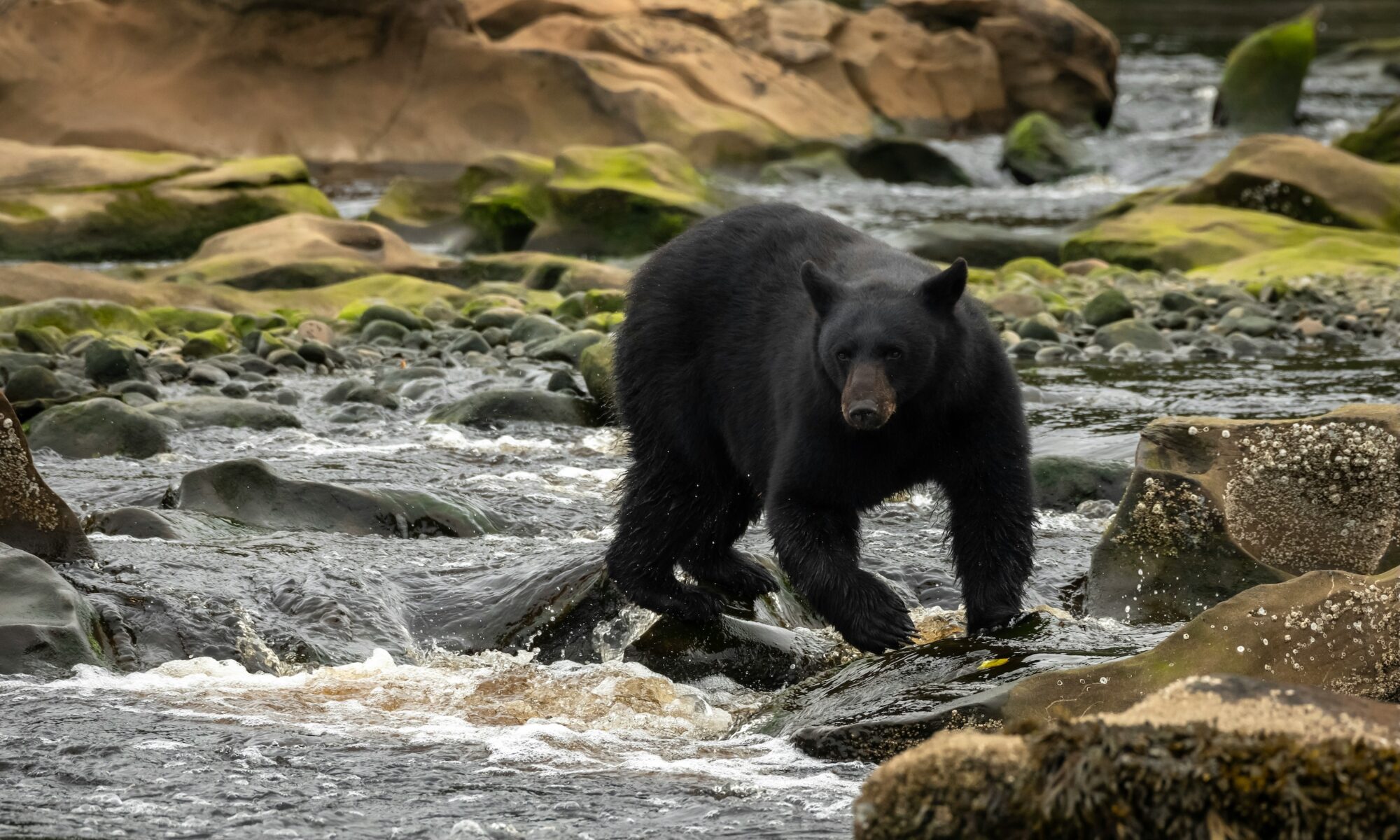
Black bear fishing a salmon. Photo credit: Greg Johnson. Unsplash.

A black bear wandering into a hotel in Breckenridge and apparently helping itself to a bag of M&M’s made headlines this week. Police safely escorted the animal back into the forest, nobody was injured and the story quickly spread around the world.

It was an amusing reminder that mountain towns can produce some unforgettable moments.

But for people who live and work in mountain destinations, there was another reaction.

“That doesn’t happen often… but it isn’t exactly surprising either.”

Whether it’s black bears in Colorado and British Columbia, brown bears in Italy’s Trentino or wolves in the Italian Alps, sharing spectacular mountain landscapes with large carnivores has become part of life.

For visitors, however, these encounters can be unexpected.

Understanding how to behave around wildlife is becoming just as important as checking the weather before heading onto the trails.

Continue reading “A Bear Walked Into a Breckenridge Hotel. Here’s What Every Mountain Traveller Should Know”

Mount Blanc Climber Dies After Falling Through Snow Bridge on Glacier du Tour

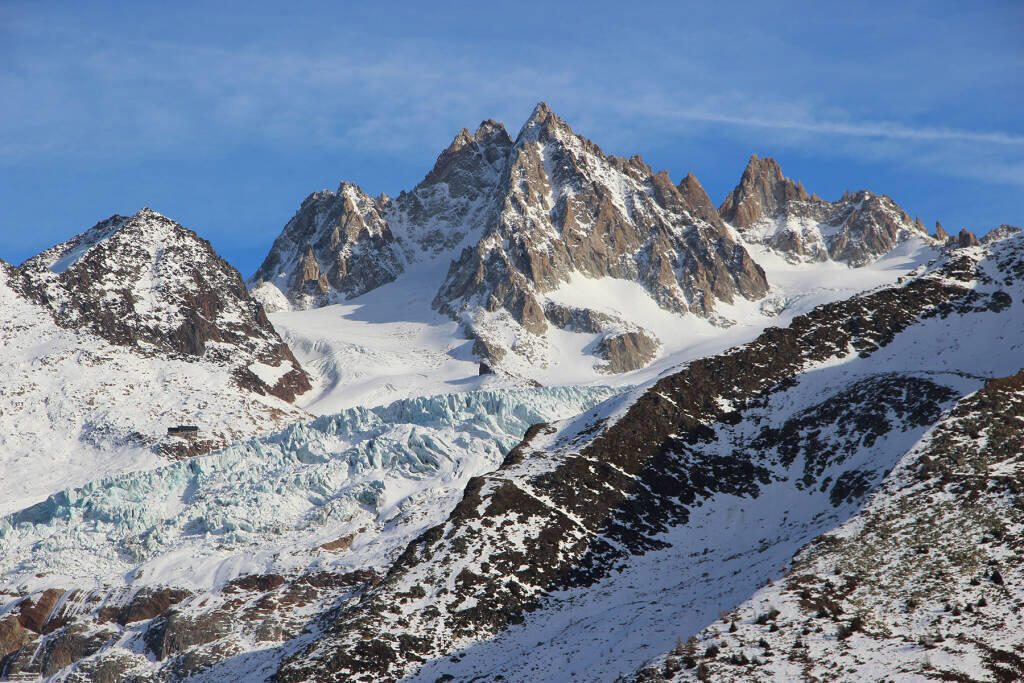
Glacier du Tour. Photo credit: Chamonix.com

A female climber has died after falling into a crevasse on the Glacier du Tour, one of the Mont Blanc massif’s most popular glacier routes, in an accident that has prompted another reminder from French mountain rescue teams about the hidden dangers of late-summer glacier travel. 

The victim, a Russian woman in her 60s, had been travelling alone. She visited the Refuge Albert 1er on Tuesday and planned to return later that evening to spend the night. When she failed to come back, the refuge wardens alerted the Peloton de Gendarmerie de Haute Montagne (PGHM) in Chamonix, which launched a search operation the following day. 

After an unsuccessful search on Wednesday, rescuers resumed operations on Thursday morning and located her body at the bottom of a crevasse on the nearby Glacier du Tour. 

Continue reading “Mount Blanc Climber Dies After Falling Through Snow Bridge on Glacier du Tour”

Extreme Heat Pushes Alpine Glaciers Into Crisis After Matterhorn Rockfall

Lago Blu in Cervinia. Photo: Antonio Sessa. Unsplash.

Just one day after a large rockfall on the Matterhorn shocked the Alpine community, authorities and scientists across the Alps are warning that the exceptional heat gripping southern Europe is accelerating glacier melt and increasing instability in high mountain areas.

Italy remains under widespread red heat alerts, with meteorologists expecting the heatwave to continue through at least Ferragosto. While cities are enduring record temperatures, the impact is proving just as dramatic in the mountains, where glaciers are retreating at unprecedented rates and frozen rock is beginning to thaw.

One of the clearest indicators of the current conditions is the zero-degree isotherm. Normally found between 3,500 and 4,000 metres during summer, it remained between 5,500 and 5,800 metres for several days in July—around 1,400 metres higher than normal. This meant that even the highest Alpine peaks were experiencing temperatures above freezing, dramatically accelerating glacier melt while weakening the permafrost that helps hold mountain rock together.

Continue reading “Extreme Heat Pushes Alpine Glaciers Into Crisis After Matterhorn Rockfall”

Fatal Week In The Alps Highlights Early Summer Mountain Hazards

Parco Nazionale Gran Paradiso. Photo credit: Fabio Fistarol. Unsplash.

A series of serious mountaineering accidents and rescue operations across the Aosta Valley has highlighted the risks currently facing climbers in the Alps. Over the past two weeks, incidents on the Monte Bianco (Mont Blanc), Matterhorn and Gran Paradiso massifs have resulted in multiple fatalities, lightning strikes, glacier-related rescues and complex helicopter operations.

While mountain conditions are generally considered good for the time of year, experienced local rescuers warn that the combination of an unusually low winter snowpack, exposed ice, rapidly changing weather and increasing numbers of climbers is creating hazards that should not be underestimated. 

A Difficult Week For Alpine Rescue Teams

The latest incidents occurred over the weekend of 13–14 June.

On the Matterhorn, a climber lost his life after a fall on the Italian side of the mountain. On Monte Bianco, rescue teams were also called out following another fatal accident involving climbers on one of the high-altitude routes. Several additional rescue operations were carried out across the region as teams responded to emergencies in difficult terrain. 

Continue reading “Fatal Week In The Alps Highlights Early Summer Mountain Hazards”

Why Detachable Ski Lifts Are Often Emptied at the End of the Season

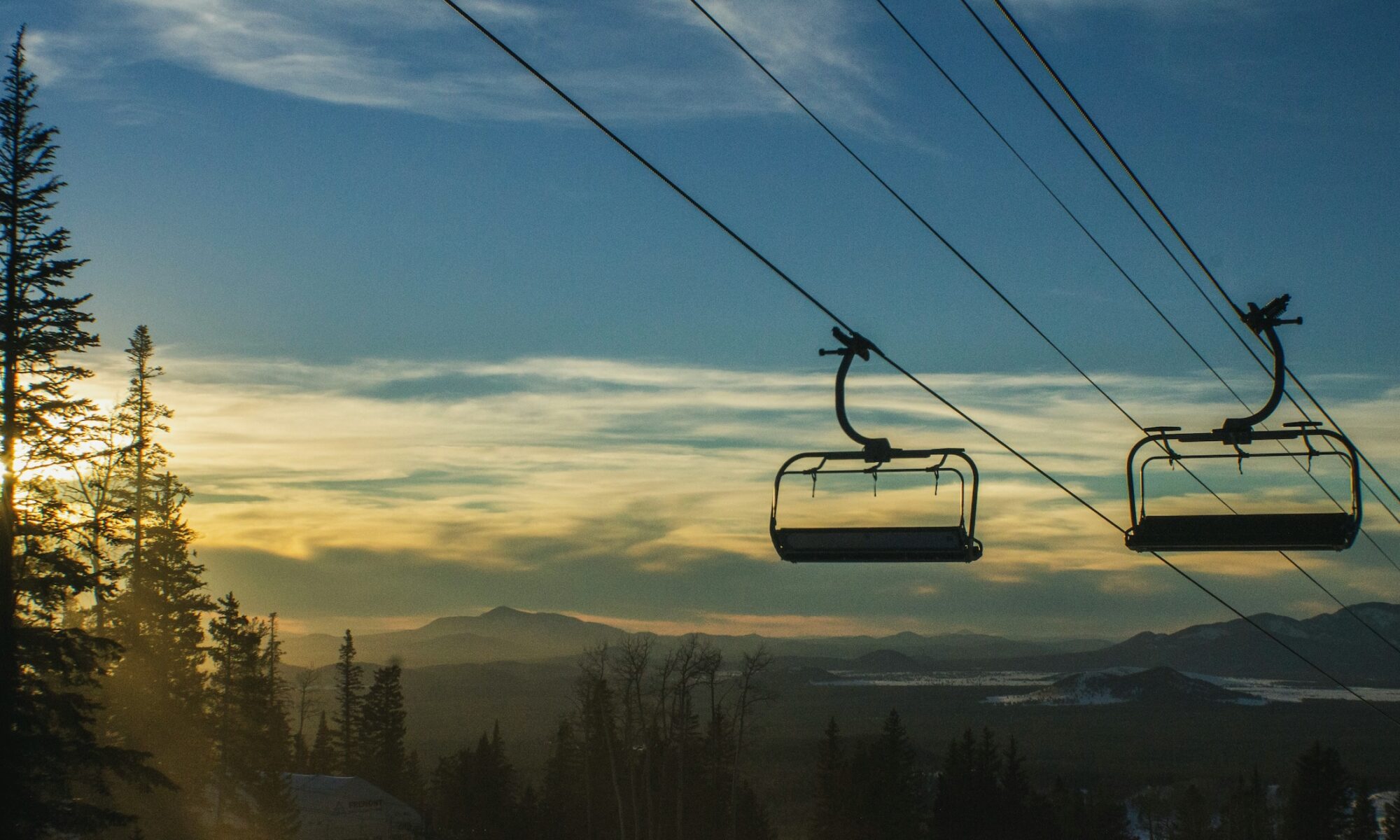
An empty chairlift. Arizona Snowbowl. Photo: Spencer James Lucas. Unsplash.

Why Detachable Ski Lifts Are Removed After Winter

At the end of the ski season, many mountain resorts remove the chairs, gondola cabins or bubbles from their high-speed detachable lifts and store them in a garage. Visitors often notice the empty cables in spring or summer and wonder why some lifts have no chairs on the line, while older chairlifts nearby still have all their chairs hanging.

The answer lies in the way the two types of lift are engineered, but it also connects to a wider question of mountain infrastructure risk in the Alps and how resorts protect expensive mechanical systems in harsh high-altitude environments.

On a high-speed detachable lift, the chair or cabin is attached to the main cable by a detachable grip. The main cable, known as the haul rope, moves continuously at high speed along the lift line. But when the chair or cabin enters the station, the grip opens and releases the haul rope.

This does not usually mean that there are two separate cables. The main cable continues moving through the station, but the chair or cabin is no longer being pulled by it. Instead, once detached, the carrier is moved through the station by a separate mechanical system, usually a series of tyres, wheels, rails, chains or a carousel-style mechanism. This system moves the chair or cabin much more slowly, giving passengers time to get off and on safely.

Continue reading “Why Detachable Ski Lifts Are Often Emptied at the End of the Season”