Courchevel’s Sinking Reservoir Highlights Growing Alpine Infrastructure Risks

Courchevel. Photo: Piotr Figlarz. Unsplash.

High above the famous French ski resort of Courchevel, a giant artificial water reservoir built to support snowmaking operations is now raising serious concerns about Alpine infrastructure stability in a warming climate.

The reservoir, located above the village of La Tania at around 2,270 metres altitude, was constructed to supply artificial snow for the new Éclipse piste, developed for the 2023 Alpine World Ski Championships and linked to preparations for future international winter sports events. But according to recent investigations by Le Monde, the structure is now subsiding at an alarming rate.

Continue reading “Courchevel’s Sinking Reservoir Highlights Growing Alpine Infrastructure Risks”
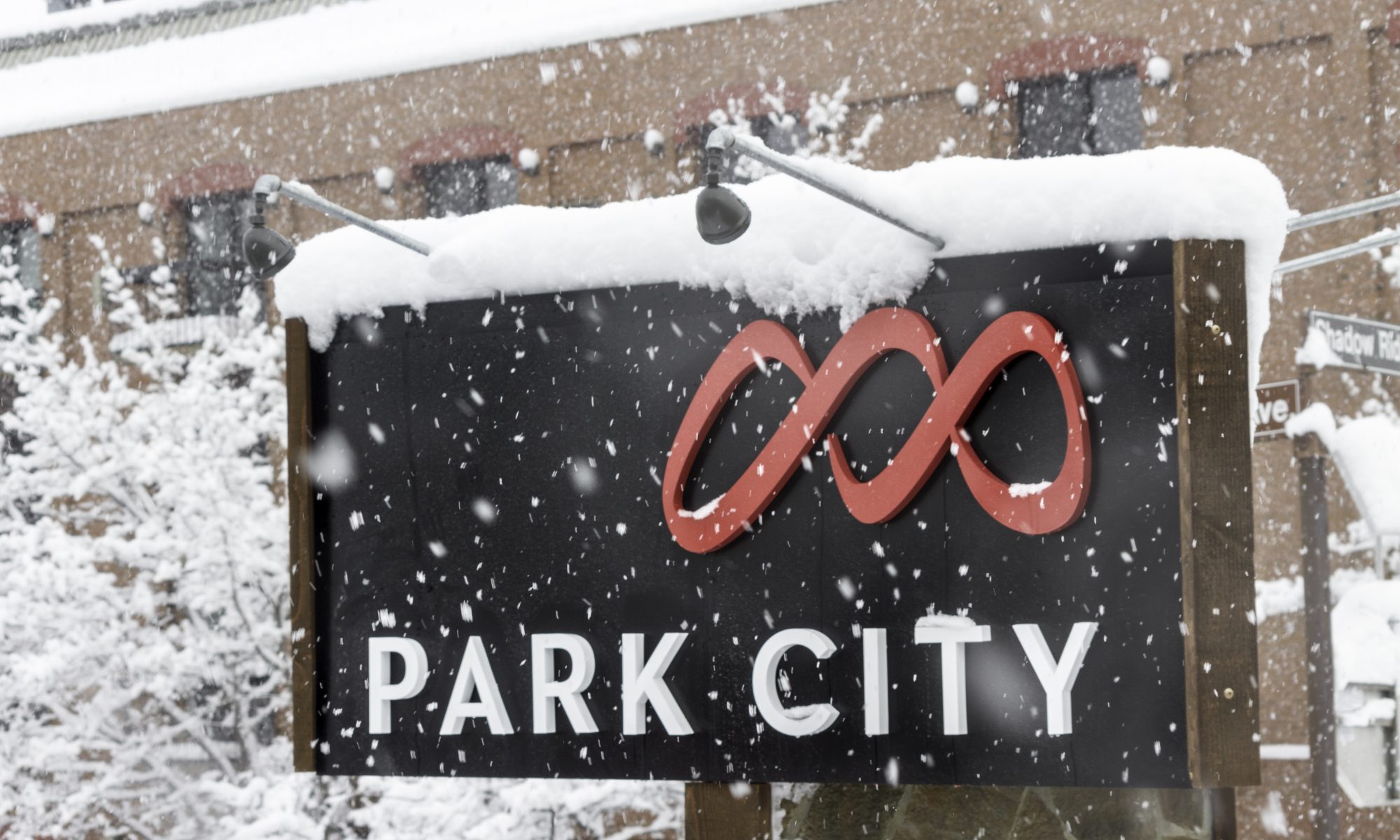
Vail Resorts Faces New Park City Ski Patrol Arbitration and Epic Pass Tax Pressure

Park City signage. Photo: Andrew Braden. Park City Ski Resort. Vail Resorts.

Vail Resorts is facing another round of scrutiny in the United States, this time from two different directions: ski patrol workers in Park City and state officials in New Hampshire.

The new developments come after a difficult period for the company, which has already faced criticism over the 2024–25 Park City ski patrol strike, customer disruption during peak holiday weeks, broader legal scrutiny over ski pass pricing, and questions about how large corporate ski resort operators balance profitability, staffing and guest experience.

Now, the Park City Professional Ski Patrol Association has accused Vail Resorts of violating its collective bargaining agreement by offering a benefit to non-union ski patrollers that unionized patrols have not received. At the same time, New Hampshire officials have been challenging Vail Resorts over a controversial “blended sales tax” added to some Epic Pass products, despite New Hampshire being a state with no sales tax.

Together, the stories point to a wider issue for Vail Resorts: the company’s operating model is increasingly being challenged not only by workers, but also by customers, state officials and local communities.

Continue reading “Vail Resorts Faces New Park City Ski Patrol Arbitration and Epic Pass Tax Pressure”

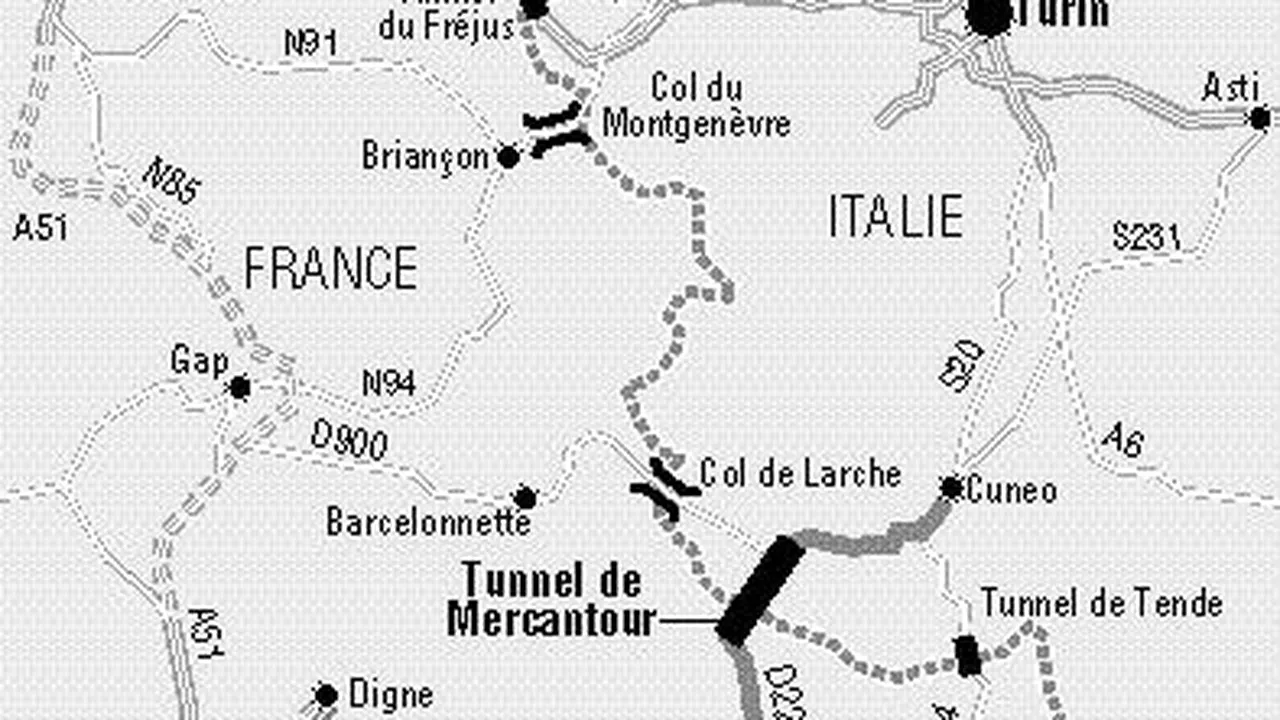
The “Ghost Tunnel” Project That Could Offer Another Route Between Piemonte and the French Riviera

Tunnel Mercantour. Les Echos.

A long-abandoned proposal for a new Alpine tunnel linking Piemonte with the French Riviera has unexpectedly returned to public discussion in Italy, reviving debate over mountain connectivity, infrastructure resilience, and the future of cross-border transport in the Alps.

The project, recently described by Italian media as the “ghost tunnel” of the Mercantour, would potentially create an additional connection between the Cuneo area in Piemonte and the Côte d’Azur region around Nice.

While the idea has existed for decades, it has never moved beyond the conceptual and political discussion stage. However, renewed attention has emerged as Alpine regions increasingly reassess the vulnerability of existing transport corridors.

Continue reading “The “Ghost Tunnel” Project That Could Offer Another Route Between Piemonte and the French Riviera”

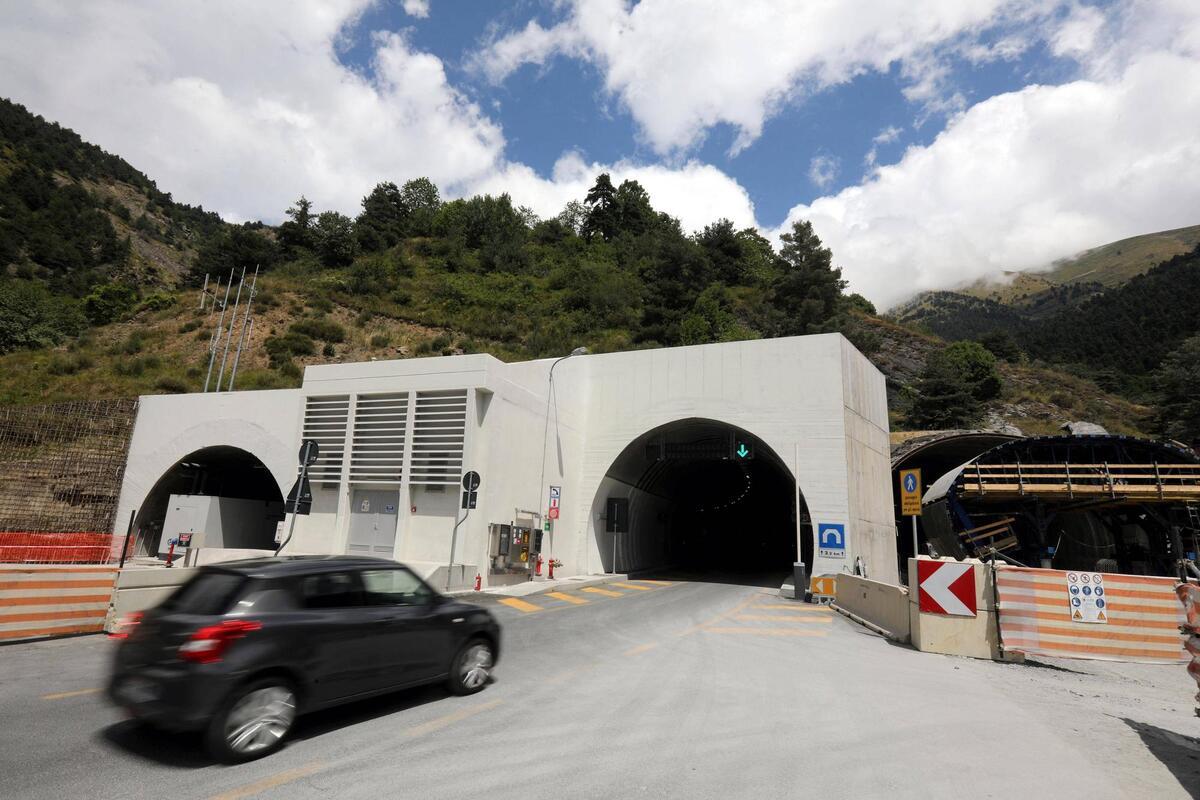
Why the Tenda Tunnel Has Become a Symbol of Alpine Infrastructure Fragility

Tenda Tunnel. Photo: Nice Matin.

The reopening delays and ongoing reconstruction saga surrounding the Col de Tende Road Tunnel have become far more than a local infrastructure story. Increasingly, the tunnel is being seen as a symbol of how vulnerable Alpine transport corridors have become in an era of extreme weather, ageing infrastructure, and growing pressure on mountain mobility.

The Tenda Tunnel links Piemonte in north-west Italy with the Roya Valley in France, connecting the Cuneo region and resorts such as Limone Piemonte with Nice and the Côte d’Azur. Opened in 1882, it remains one of the most important historic road crossings between Italy and southern France.

For decades, the route has been strategically important not only for local communities and freight transport, but also for tourism. The tunnel provides a key connection between the Mediterranean coast and the mountains of Piemonte, including ski destinations and outdoor tourism areas that depend heavily on reliable cross-border access.

Continue reading “Why the Tenda Tunnel Has Become a Symbol of Alpine Infrastructure Fragility”

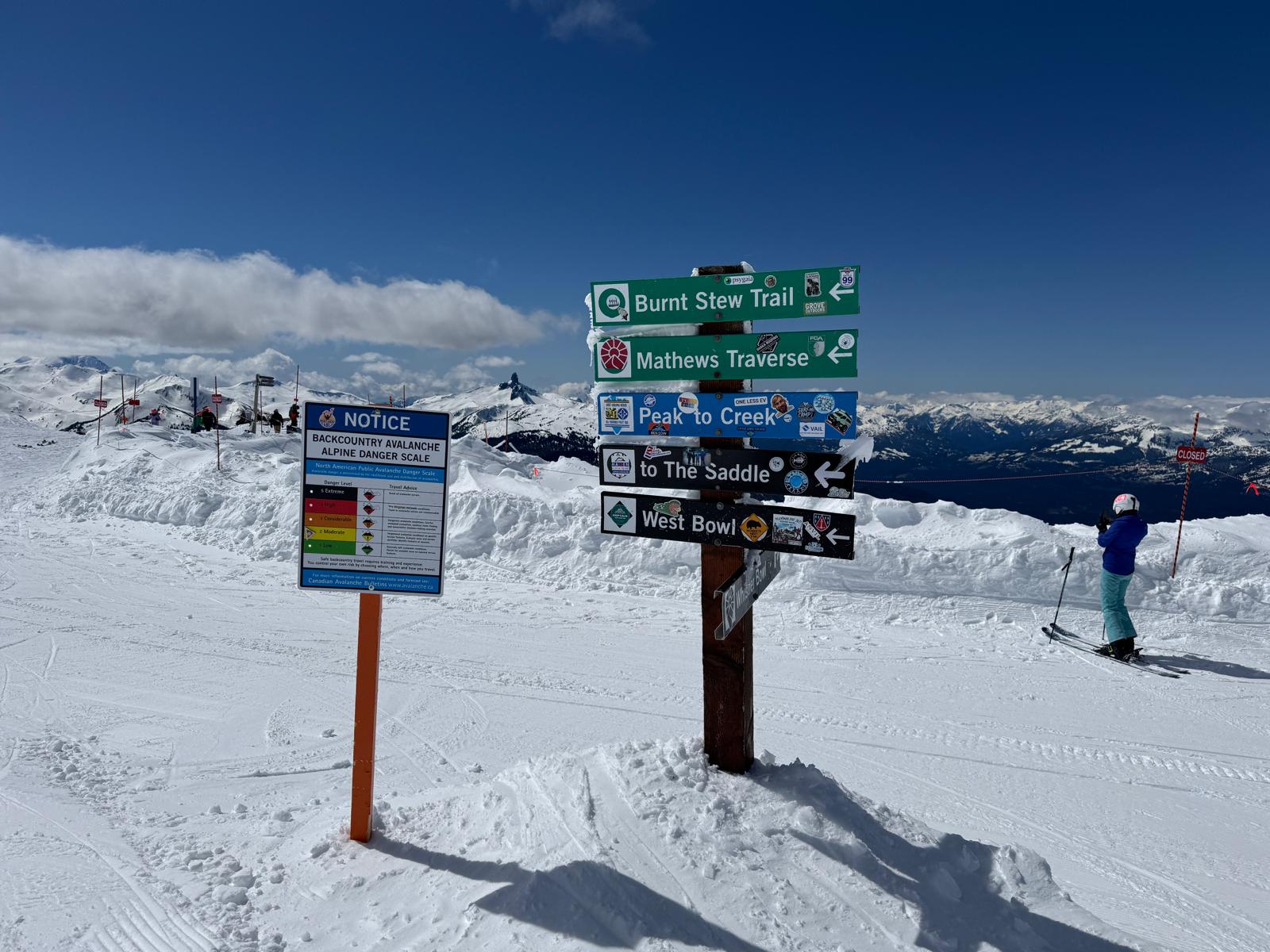
Why Low Avalanche Danger Does Not Mean No Avalanche Risk

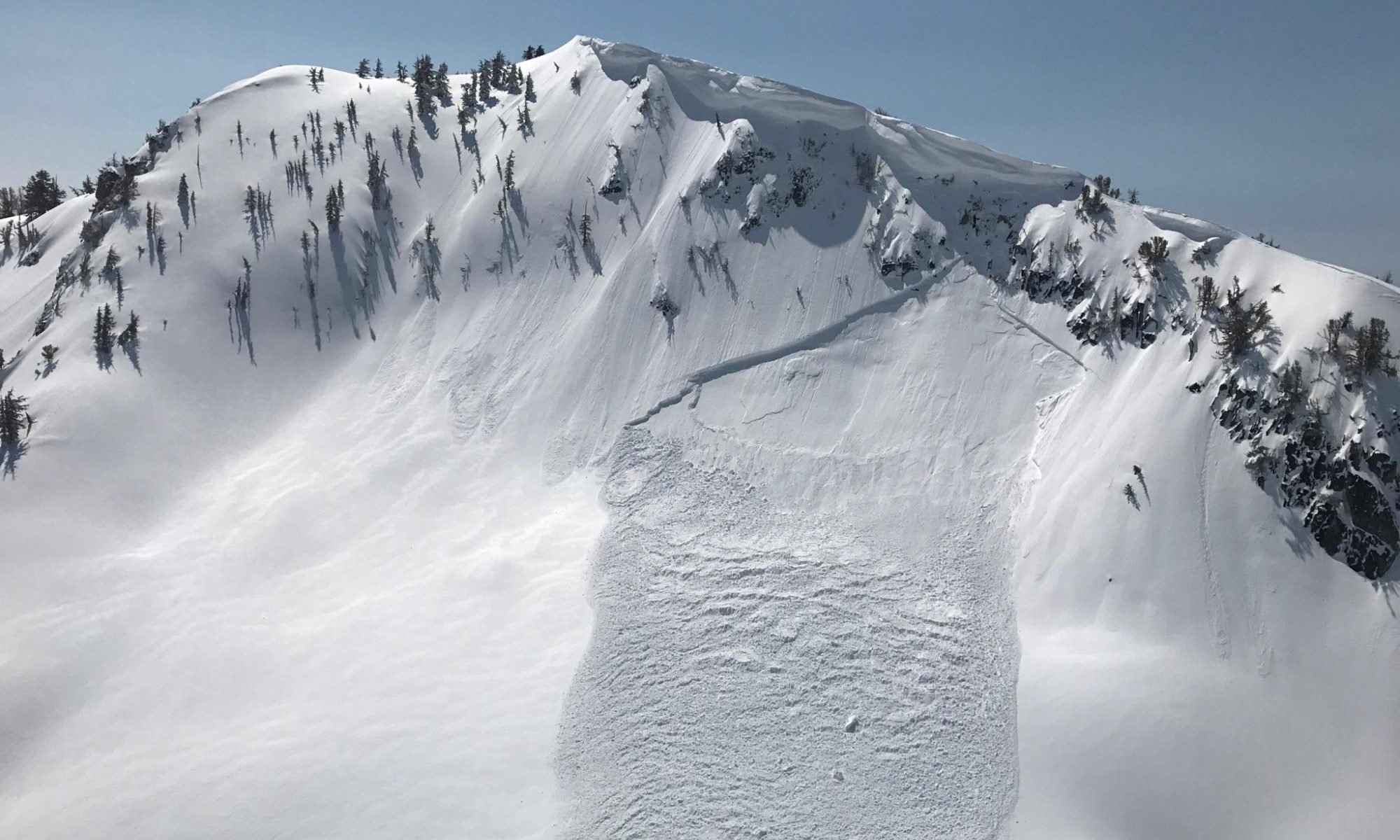
Avalanche posts on top of Whistler Mountain. Photo: The-Ski-Guru.

A Level 1 — Low avalanche danger rating does not mean the mountains are avalanche-free.

This is one of the most important — and most misunderstood — aspects of avalanche forecasting.

The European Avalanche Danger Scale describes the overall stability of the snowpack across a region. Even during Low danger conditions, isolated unstable slopes and specific avalanche problems may still exist.

Avalanche accidents can and do occur at Level 1.

Although the probability of triggering an avalanche is generally lower than during Moderate, Considerable, or High danger conditions, local terrain features can still create serious hazards.

This is especially true in steep alpine terrain, heavily wind-loaded slopes, glacier entrances, terrain traps, or sectors affected by glide avalanches.

At Level 1, natural avalanches are generally unlikely and the snowpack is considered mostly stable.

However, “mostly stable” does not mean “completely stable.”

Continue reading “Why Low Avalanche Danger Does Not Mean No Avalanche Risk”

Why Avalanche Accidents Still Happen at Level 2 – Moderate

Avalanche Level 2 Photo: Avalanchegeeks.com

A Level 2 — Moderate avalanche danger rating is one of the most misunderstood conditions in the mountains.

For many recreational skiers and occasional ski tourers, a Level 2 bulletin can sound relatively reassuring. The word “moderate” often creates the impression that conditions are largely stable and that avalanche risk is limited.

In reality, many serious avalanche accidents still occur during Level 2 conditions.

Continue reading “Why Avalanche Accidents Still Happen at Level 2 – Moderate”

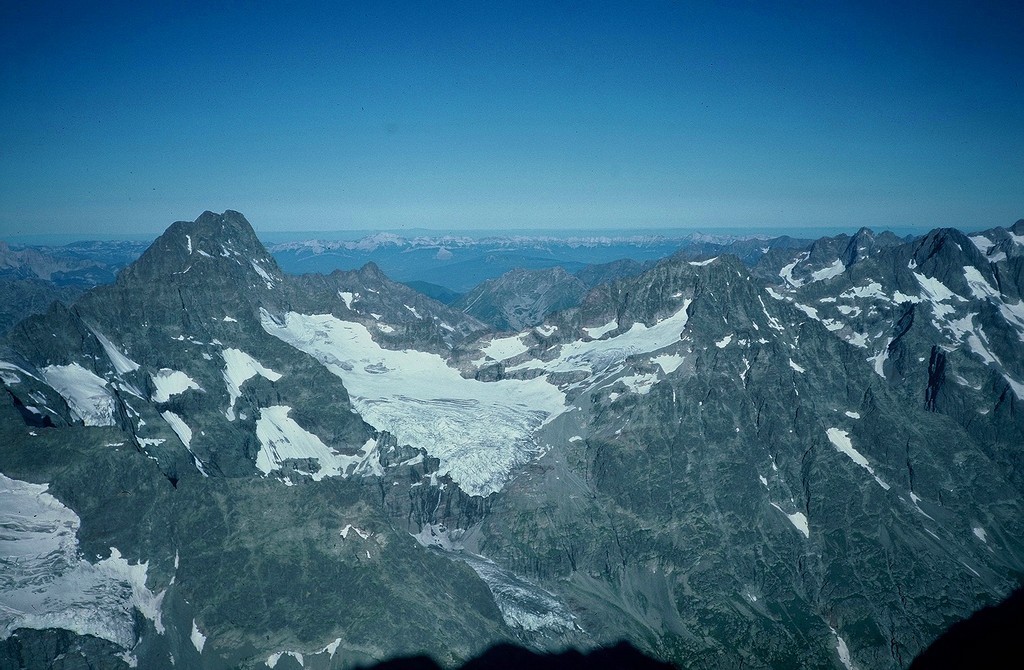
Fresh Snow, Wind Slabs and Spring Avalanche Risk Return to the Écrins

Aiguille de Olan- Photo: Alain Bellon. Altituderando.com

Nearly One Metre of Snow in Five Days: Renewed Avalanche Instability in the French Alps

A fatal avalanche accident in the Écrins massif and multiple recent avalanche observations across the French Alps are highlighting how rapidly spring mountain conditions can deteriorate following late-season snowfall and wind transport.

On Friday morning, a Savoyard high mountain guide died after being swept away by a wind slab avalanche near the summit of the north face of the Aiguille de l’Olan in the Oisans massif. According to early reports, the guide and a companion were close to the summit and had reportedly intended to ski the descent when a wind slab suddenly released, carrying one of the climbers approximately 400 metres down the face.

A second fatal avalanche accident was reported the following day in the Mont Blanc massif, where a young French skier died on Saturday 9 May after being swept away on the north face of the Aiguille du Plan above Chamonix. According to Le Dauphiné Libéré, three skiers aged around 20 to 25 were descending the face when they triggered a fresh-snow avalanche shortly after midday. One skier was carried away and later found dead by PGHM Chamonix rescuers, while his two companions were evacuated from the route. The accident adds further weight to warnings about late-spring instability following recent snowfall across the northern French Alps.

Continue reading “Fresh Snow, Wind Slabs and Spring Avalanche Risk Return to the Écrins”

Housing the Workforce: The Growing Constraint on Mountain Tourism from Aspen to the Alps

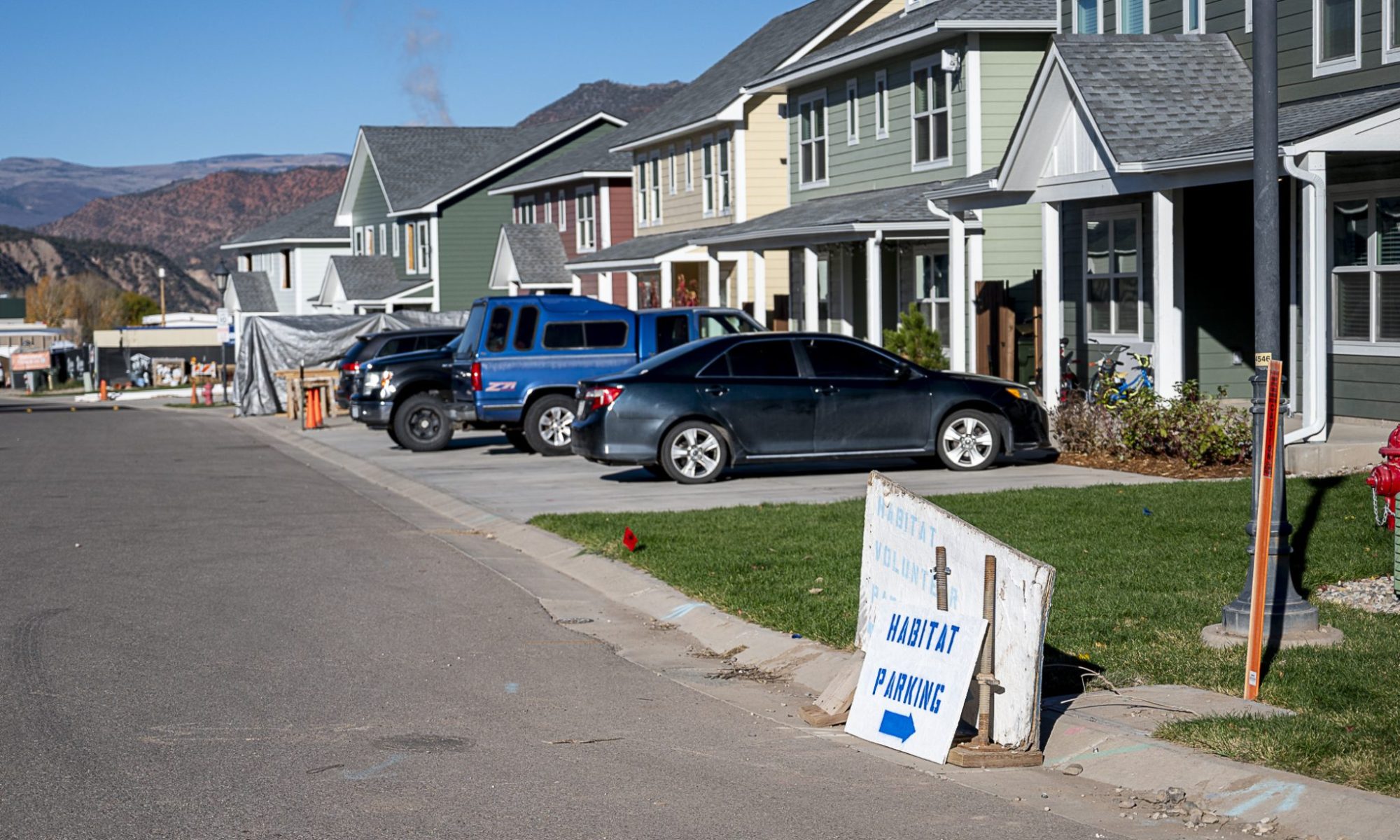
Homes built by Habitat for Humanity Vail Valley. Stratton Flats Neighborhood in Gypsum Photo: Ben Roof/Special to the Summit Daily

The conversation around ski destinations has long focused on snow, infrastructure, and demand. Yet across North America and Europe, a different constraint is becoming increasingly visible: whether the people who operate these destinations can still afford to live within reach of them.

What appears at first as a local issue in individual resorts is, in reality, a structural challenge affecting mountain tourism globally. From Aspen to Zermatt, from Whistler to Cortina d’Ampezzo, the same question is emerging in different forms: who can still afford to live where tourism takes place, and how far can they be pushed away before the system begins to strain.

In North America, the issue is often framed directly as workforce housing. In Aspen, one of the most developed housing systems in ski tourism has been in place for decades, yet demand continues to exceed supply. Access to subsidised housing remains competitive, with strict qualification systems and long waiting lists. The conclusion is difficult to avoid: even a mature, highly structured model does not fully resolve the imbalance between housing supply and workforce demand.

Continue reading “Housing the Workforce: The Growing Constraint on Mountain Tourism from Aspen to the Alps”

The Alps Did Not Have a Snow-Rich Winter: Why 2026 Resembles 2022 for Glaciers

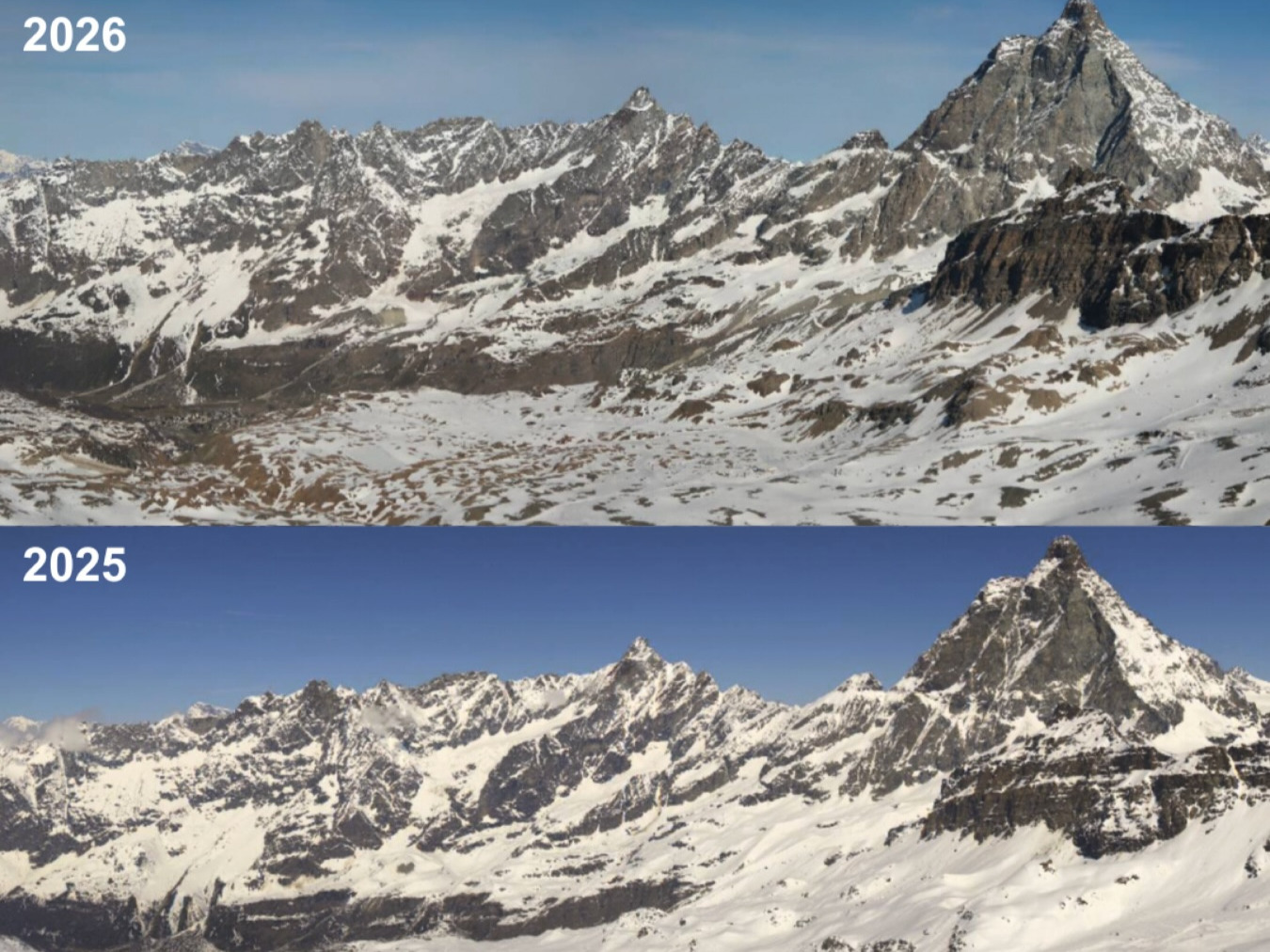
Snow comparisons Plateau Rosa 2025-26. Photo: Meteo Valle d'Aosta.

The idea that winter 2025/26 was “a good snow year” in the Alps does not hold up under closer analysis. While some regions experienced notable snowfall events, particularly in December, these were highly localised and have led to a broader misperception about conditions across the entire Alpine arc.

Data and observations from Meteo Valle d’Aosta highlight the issue clearly. Heavy early-season snowfall was largely confined to the Maritime and Ligurian Alps, a relatively small portion of the range. Outside these areas, including much of the north-western Alps and Valle d’Aosta, snowfall remained closer to average or slightly below through much of the early winter.

Crucially, what followed mattered more than what fell.

Continue reading “The Alps Did Not Have a Snow-Rich Winter: Why 2026 Resembles 2022 for Glaciers”

Atlantic Current Slowdown: Why Future Alpine Winters Could Mean Bigger Snowfalls—and Greater Avalanche Risk

Windslab Avalanche. Avalanche.org.

A new climate study suggesting that the Atlantic current could weaken by as much as 50% by the end of the century is not just an abstract ocean story — it could directly reshape Atlantic current Alps winter patterns

For skiers, mountain professionals and anyone tracking snow conditions, the implications are not straightforward. This is not a simple case of “more snow” or “less snow”. Instead, it points toward something far more complex: winters that are increasingly volatile, with sharper contrasts, heavier snowfall events, and a higher likelihood of instability.

Continue reading “Atlantic Current Slowdown: Why Future Alpine Winters Could Mean Bigger Snowfalls—and Greater Avalanche Risk”