

Vail Resorts is facing another round of scrutiny in the United States, this time from two different directions: ski patrol workers in Park City and state officials in New Hampshire.
The new developments come after a difficult period for the company, which has already faced criticism over the 2024–25 Park City ski patrol strike, customer disruption during peak holiday weeks, broader legal scrutiny over ski pass pricing, and questions about how large corporate ski resort operators balance profitability, staffing and guest experience.
Now, the Park City Professional Ski Patrol Association has accused Vail Resorts of violating its collective bargaining agreement by offering a benefit to non-union ski patrollers that unionized patrols have not received. At the same time, New Hampshire officials have been challenging Vail Resorts over a controversial “blended sales tax” added to some Epic Pass products, despite New Hampshire being a state with no sales tax.
Together, the stories point to a wider issue for Vail Resorts: the company’s operating model is increasingly being challenged not only by workers, but also by customers, state officials and local communities.
Park City ski patrol union takes Vail Resorts to arbitration
According to local reporting from the Park Record and The Salt Lake Tribune, the Park City ski patrol union says Vail Resorts has refused to extend a benefit known as “recovery time off” to unionized patrol teams, while offering it to non-union patrollers elsewhere in the company.
The union argues that this violates the parity language in its collective bargaining agreement. The dispute is now heading to arbitration, with a hearing expected in September.
Vail Resorts has pushed back, saying the union is seeking new terms that would need to be negotiated and formally added to the existing agreement.
The issue matters because Park City’s ski patrol has already been at the centre of one of the most visible labour disputes in the North American ski industry. The 2024–25 strike at Park City Mountain took place during the Christmas and New Year holiday period, affecting operations at the largest ski resort in the United States and drawing national attention to wages, staffing levels and working conditions for ski patrollers.
That strike ended with a new agreement running through April 2027. But the latest arbitration shows that tensions between Vail Resorts and unionized mountain workers have not disappeared.
For readers outside the United States, this is not just a local Park City dispute. Ski patrollers are essential mountain safety workers. They respond to accidents, manage terrain openings, assess hazards, assist with avalanche control work where relevant, and help determine whether parts of the mountain can operate safely. When there are labour disputes involving patrol teams, the consequences can move quickly from back-of-house employment issues to visible guest disruption.
This is why Park City remains such an important case study for the wider ski industry. It is not only a major destination resort, but also a symbol of the corporate ski pass era, where a single operator can control access, pricing, staffing policy and guest experience across a large portfolio of resorts.
New Hampshire challenges Vail Resorts over Epic Pass tax charges
The second issue is different, but it also speaks to the same wider question: how far can a national ski pass model go before it collides with local rules and expectations?
In New Hampshire, state officials opened an investigation after Vail Resorts disclosed that it would apply a 3.2% “blended sales tax” to multi-resort Epic Pass products. The issue immediately drew attention because New Hampshire does not have a sales tax.
Vail Resorts operates Attitash, Wildcat and Crotched Mountain in New Hampshire, and also operates Mount Sunapee under a lease with the state. The concern from New Hampshire officials was that residents buying passes in a no-sales-tax state could be charged a tax-like amount connected to access in other states where sales or admission taxes do apply.
Governor Kelly Ayotte publicly objected to the charge, and the New Hampshire Attorney General’s office opened an investigation. Following the backlash, Vail Resorts said it would offer tax-free pass options for skiers who only plan to ski in New Hampshire, although local reporting indicates the investigation has continued.
This is important because Epic Pass is not just a season pass in the traditional local-resort sense. It is a national and international access product, sold across multiple jurisdictions. That makes tax treatment, customer expectations and transparency more complicated than they would be for a single-resort pass.
For Vail Resorts, the New Hampshire case is another reminder that the multi-resort pass model may be financially powerful, but it is also exposed to local political and regulatory pressure.
Why these stories matter together
On their own, the Park City arbitration and the New Hampshire Epic Pass tax issue could be seen as separate stories. One is a labour dispute. The other is a consumer and state-regulatory issue.
But together, they show the same underlying tension.
Vail Resorts built much of its modern business around scale: large resort ownership, centralized pass products, advance-purchase revenue, and the ability to move customers across a portfolio of destinations. That model has reshaped the ski industry and made skiing more accessible for some frequent skiers who buy early and use their passes heavily.
But scale also brings exposure.
When a labour dispute affects Park City, it becomes national news. When a tax policy applies across several states, it can trigger state-level scrutiny. When lift ticket and season pass pricing is challenged, it becomes part of a broader conversation about consolidation and competition in skiing.
Vail Resorts is not the only major company facing questions about the future of the corporate ski model. But because it is the most visible operator in the Epic Pass system, it often becomes the focus of criticism.
The company has also faced legal pressure on other fronts. A proposed class-action lawsuit against Vail Resorts and Alterra has alleged anti-competitive behaviour around ski pass and lift ticket pricing, although that case is separate from the Park City arbitration and New Hampshire tax issue. Meanwhile, a separate lawsuit filed by a Park City skier over the disruption caused by the ski patrol strike was dismissed by a federal judge, largely because the plaintiff had agreed to terms that barred a class-action route.
That dismissal was a legal win for Vail Resorts, but it did not erase the reputational impact of the strike. The wider lesson is that legal outcomes and public perception do not always move together.
A difficult moment for the corporate ski resort model
The ski industry is now facing pressure from several sides at once: rising operating costs, climate volatility, staffing shortages, affordability concerns, infrastructure investment needs and more demanding customers.
For large operators, the challenge is not only to sell passes. It is to maintain trust across very different groups: workers, pass holders, local residents, state governments, destination communities and investors.
Park City shows how quickly labour tensions can affect the guest experience. New Hampshire shows how quickly a national pricing decision can become a local political issue.
Neither story on its own is likely to define Vail Resorts’ future. But both add to a growing pattern of scrutiny around how the largest ski companies operate.
For ski destinations worldwide, including in the Alps, the lesson is clear. Scale can bring investment, marketing power and wider access. But the larger and more centralized a ski business becomes, the more carefully it must handle local labour relations, pricing transparency and community trust.
That may become one of the defining questions for the next phase of ski resort ownership: not simply who can sell the most passes, but who can keep the confidence of the people who make the mountain work.
Sources
Park Record – Ski Patrol union takes Vail Resorts to arbitration over benefit given to non-union patrollers
https://www.parkrecord.com/2026/05/13/ski-patrol-union-takes-vail-resorts-to-arbitration-over-benefit-given-to-non-union-patrollers/
The Salt Lake Tribune – Park City ski patrol union accuses Vail Resorts of violating contract
https://www.sltrib.com/news/2026/05/14/park-city-ski-patrol-union-accuses/
TownLift – Park City ski patrol union files for arbitration against Vail Resorts over paid time off benefit
https://townlift.com/2026/05/park-city-ski-patrol-union-files-for-arbitration-against-vail-resorts-over-paid-time-off-benefit/
NHPR – New Hampshire launches investigation into Vail Resorts’ Epic Pass blended sales tax
https://www.nhpr.org/nh-news/2026-04-28/nh-investigation-into-vail-resorts-epic-ski-pass-blended-sales-tax
New Hampshire Governor’s Office – State announces investigation into Vail’s “Not-So-Epic” sales tax
https://www.governor.nh.gov/news/state-announces-investigation-vails-not-so-epic-sales-tax
New Hampshire Business Review – Vail says it will provide tax-free options for ski pass holders who only plan to ski in NH
https://www.nhbr.com/vail-says-it-will-provide-tax-free-options-for-ski-pass-holders-who-only-plan-to-ski-in-nh/
Colorado Politics – Federal judge tosses class-action lawsuit over poor Vail Resorts experience during strike
https://www.coloradopolitics.com/2026/04/24/federal-judge-tosses-class-action-lawsuit-over-poor-vail-resorts-experience-during-strike/
Associated Press – Ski patrollers reach deal to end strike at Park City Mountain Resort
https://apnews.com/article/62847ecd48c1b0b289922a692a2a4117
Reuters – Vail and Alterra ski resorts face consumer class action over lift ticket prices
https://www.reuters.com/legal/government/vail-alterra-ski-resorts-face-consumer-class-action-over-lift-ticket-prices-2026-03-24/

 Planning your next trip to the Italian Alps?
 Planning your next trip to the Italian Alps?
If you’re heading to the Aosta Valley, take a look at Il Cuore della Valdigne, our family-owned apartment in Morgex, available for rent when we’re not using it ourselves.
It’s an ideal base to:
- Ski in Courmayeur, La Thuile and Pila
- Enjoy the mountains in summer (hiking, biking, nature)
- Explore the Mont Blanc valley in a quieter, more authentic setting.
 Ski in Courmayeur,
 Enjoy the mountains in summer (hiking, biking, nature)
Check my Mountain Art on my Shop
You can go to my shop and see what have been inspiring me lately, lots mountain landscapes in soft pastels, and now in oils too. Go here to check my latest works!

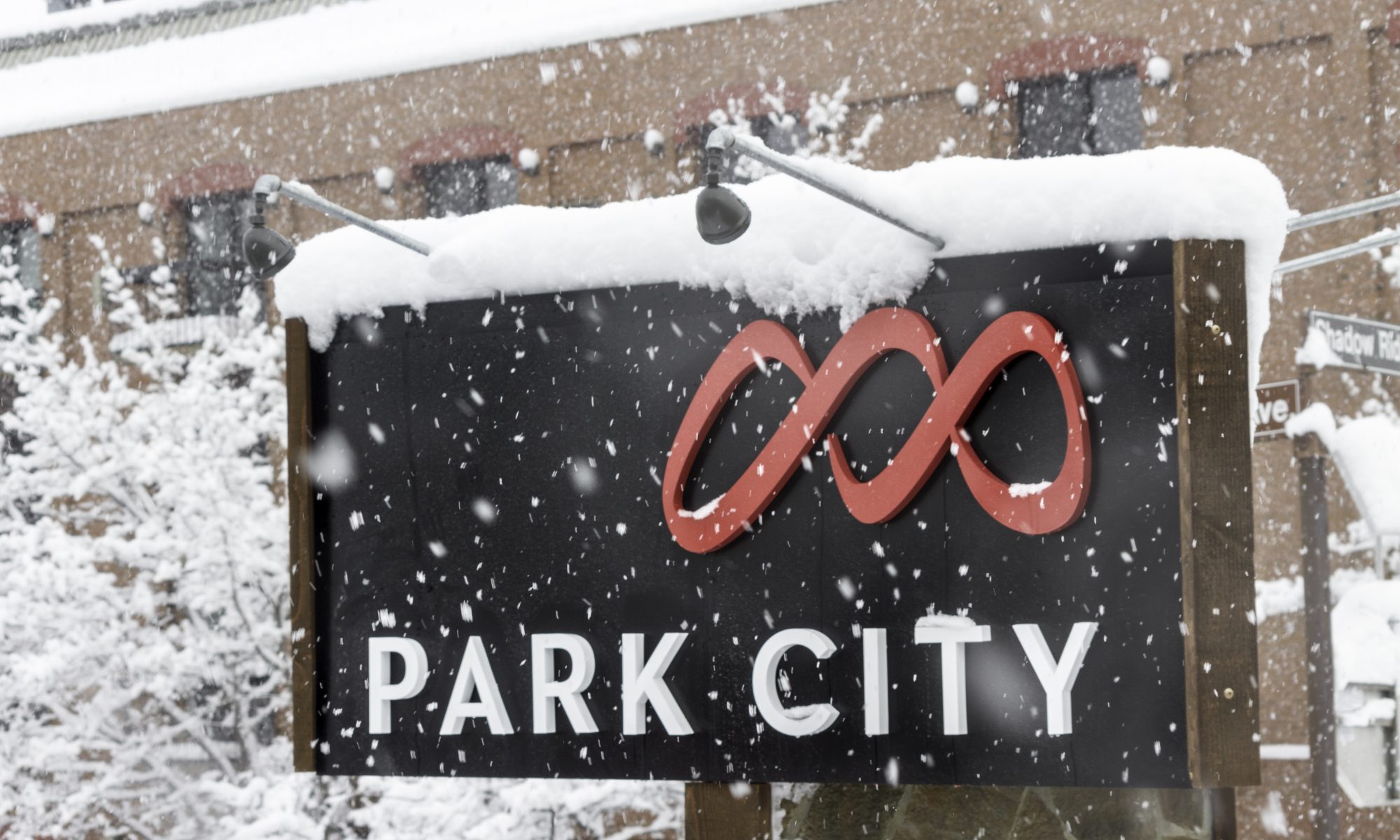
Featured Image: Park City signage. Photo: Andrew Braden. Park City Ski Resort. Vail Resorts.


Discover more from The-Ski-Guru
Subscribe to get the latest posts sent to your email.
 Subscribe to The-Ski-Guru here.
You must be logged in to post a comment.