Mont Blanc Climbers Pay for Helicopter Evacuation as Extreme Heat Forces Route Closure

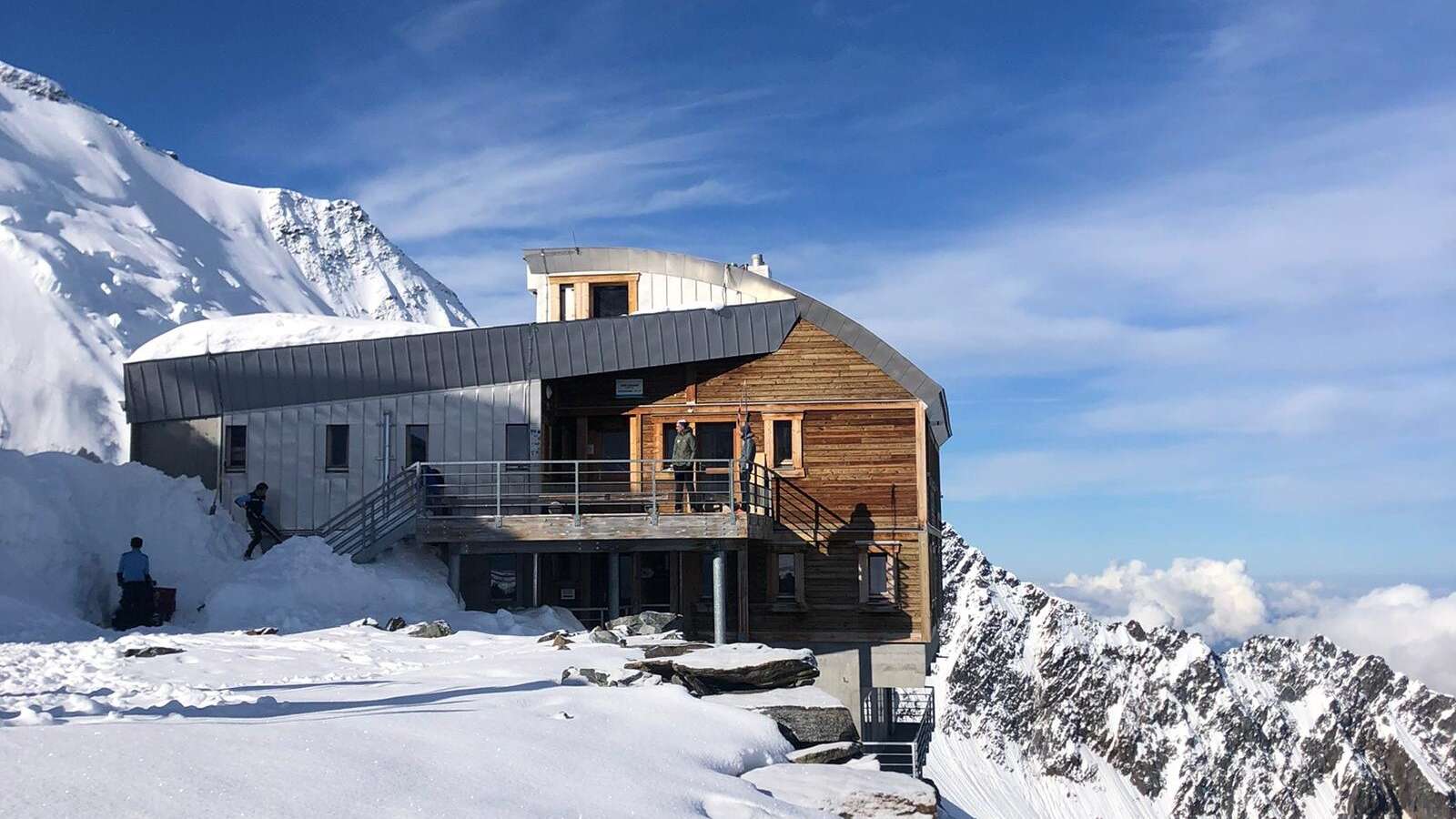
Refuge du Goûter. Photo: Tourism.SaintGervais.com

Thirty-two climbers at the Refuge du Goûter on Mont Blanc asked to be evacuated by helicopter this week after deteriorating conditions and repeated rockfalls made the mountain’s normal route increasingly dangerous.

The incident came as authorities closed the Goûter and Tête Rousse refuges, effectively bringing normal operations on the most popular French route to the summit of Mont Blanc to a halt during the height of the summer mountaineering season.

But when the climbers requested a helicopter evacuation on Wednesday morning, August 12, the French mountain rescue service determined that they were not facing an emergency requiring a public rescue operation.

Those who chose to leave by helicopter were therefore evacuated by a private operator — at their own expense.

Others descended from the refuge on foot without incident.

32 Climbers Remained at the Goûter Refuge

The group had spent the night of August 11 to 12 at the Refuge du Goûter, located at approximately 3,835 metres on the normal French route to Mont Blanc.

Conditions on the route had deteriorated significantly in the preceding days, particularly around the notorious Grand Couloir du Goûter.
Continue reading “Mont Blanc Climbers Pay for Helicopter Evacuation as Extreme Heat Forces Route Closure”

Mountain Wildfires: Rising Risk in Colorado & the Alps

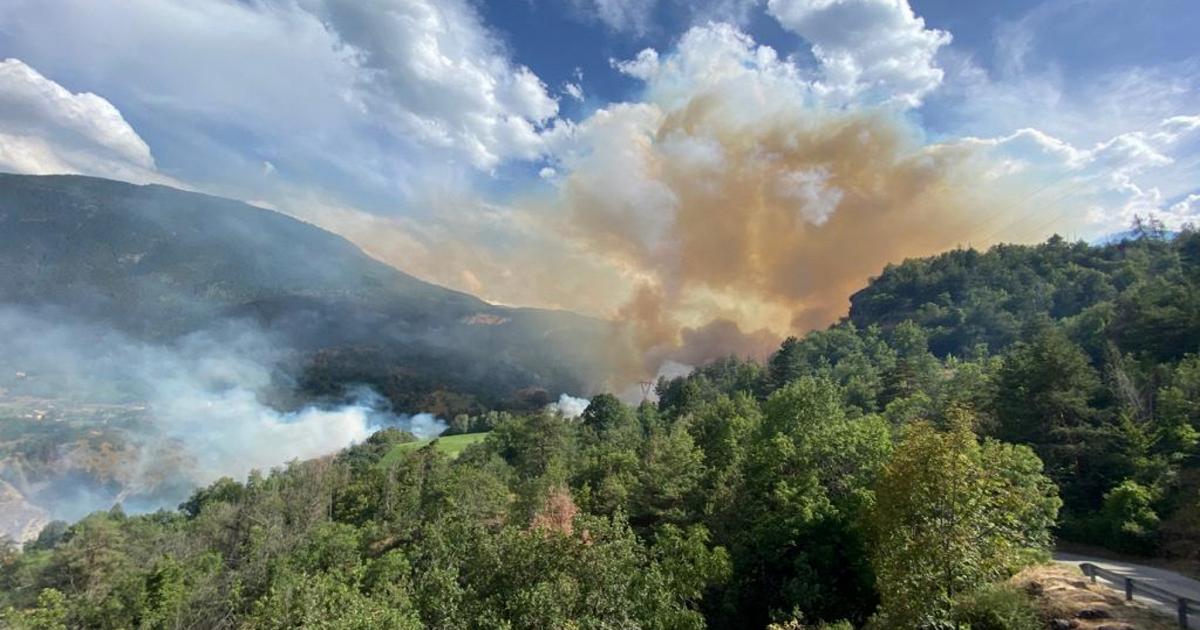
Fire in Aymavilles in the Aosta Valley in the summer of 2025. Photo: Rai News.

While much of this winter has focused on avalanche instability across the Alps, mountain regions elsewhere are facing a different but equally significant hazard: wildfire risk linked to changing climate patterns.

In the U.S. state of Colorado — particularly around high-elevation communities such as Aspen — authorities are increasingly concerned about longer fire seasons, drought stress and more extreme weather variability.

📈 A Growing Trend in Mountain Environments

Over the past two decades, Colorado has experienced:

  • Larger and more frequent wildfires
  • Fire seasons extending beyond traditional summer months
  • Increased drought and reduced snowpack
  • Stronger wind events contributing to rapid fire spread

Several of the largest wildfires in Colorado’s recorded history have occurred since 2000 — a shift widely linked to warmer temperatures and drier forest conditions.

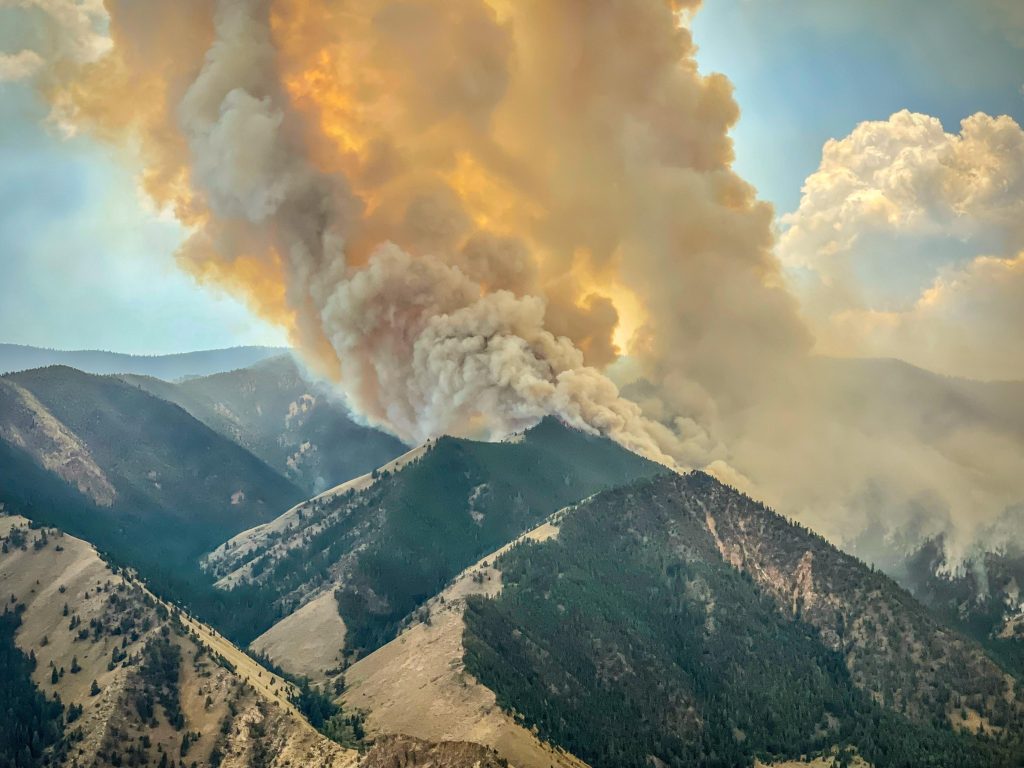
Moose Fire Idaho. July 2022. Sheena Waters/Aspen Public Radio photo. Wildfire risk in mountain regions.

🧠 Technology as Adaptation

In response, some mountain towns are now trialling AI-assisted camera and drone systems designed to detect wildfire smoke at a very early stage.

Continue reading “Mountain Wildfires: Rising Risk in Colorado & the Alps”

Milano-Cortina 2026: Environmental Impact Under Scrutiny

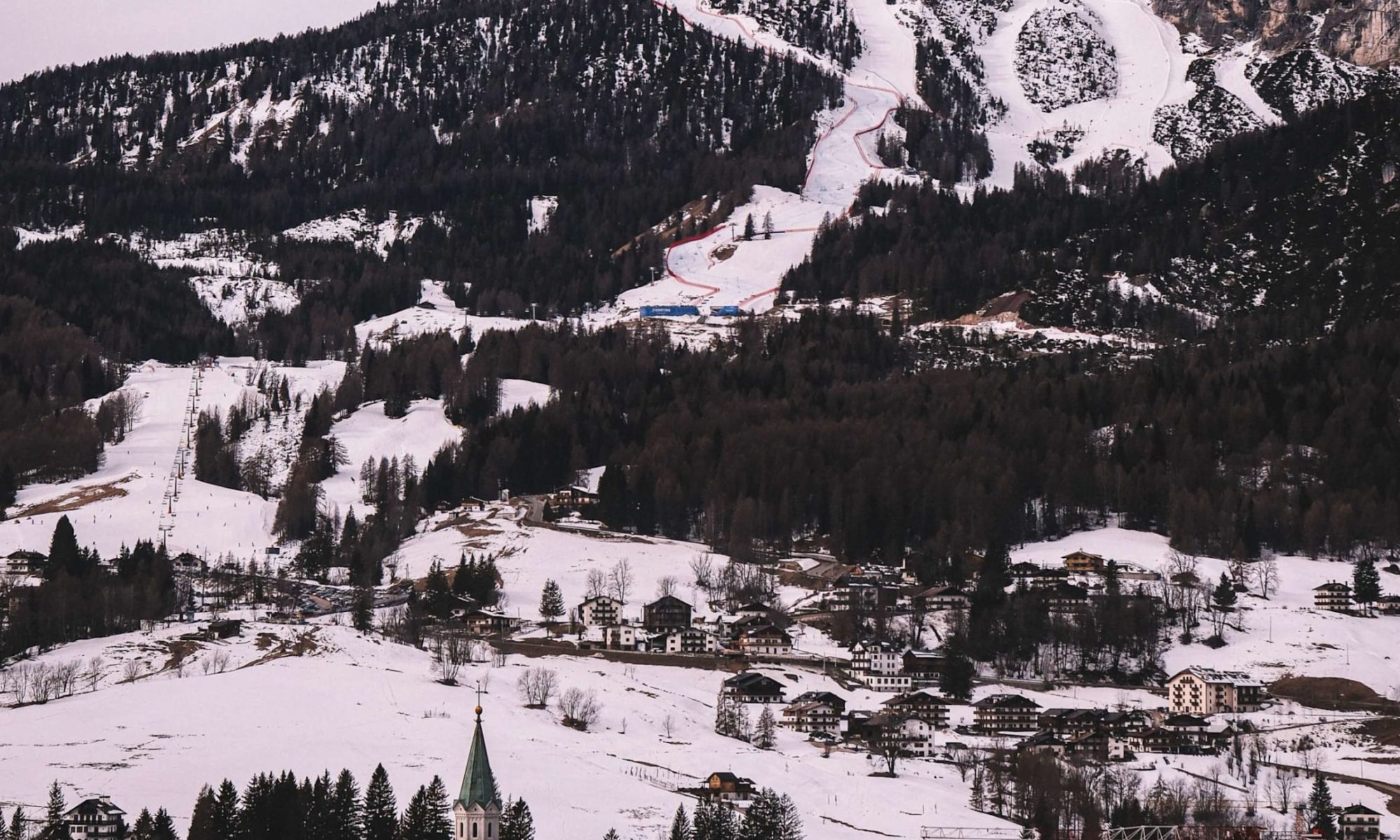
Cortina- Photo credit: Olympics.com

A Growing International Conversation

Recent reporting from The Guardian, alongside coverage from Le Monde, Associated Press and Euronews, has placed the environmental footprint of the Milano Cortina 2026 Winter Olympics under renewed scrutiny.

The focus is not a single project, but the broader ecological implications of hosting a multi-venue Winter Games across sensitive Alpine regions.

For a broader climate perspective, see my full analysis of snow conditions in a warming Alpine climate.


Key Areas of Discussion

Infrastructure & Construction

Particular attention has centred on works in Cortina d’Ampezzo, including sliding sports facilities and related upgrades.

Critics question whether forest clearance and construction activity align with sustainability messaging. Supporters argue that much of the Olympic model relies on upgrading existing venues rather than building entirely new complexes.


Artificial Snow & Water Resources

Like most modern Winter Games, Milano-Cortina 2026 will rely partly on artificial snow production to guarantee competition standards.

This involves:

  • Snowmaking infrastructure
  • Water storage systems
  • Energy use at altitude

Continue reading “Milano-Cortina 2026: Environmental Impact Under Scrutiny”

Snow Conditions in a Warming Alpine Climate

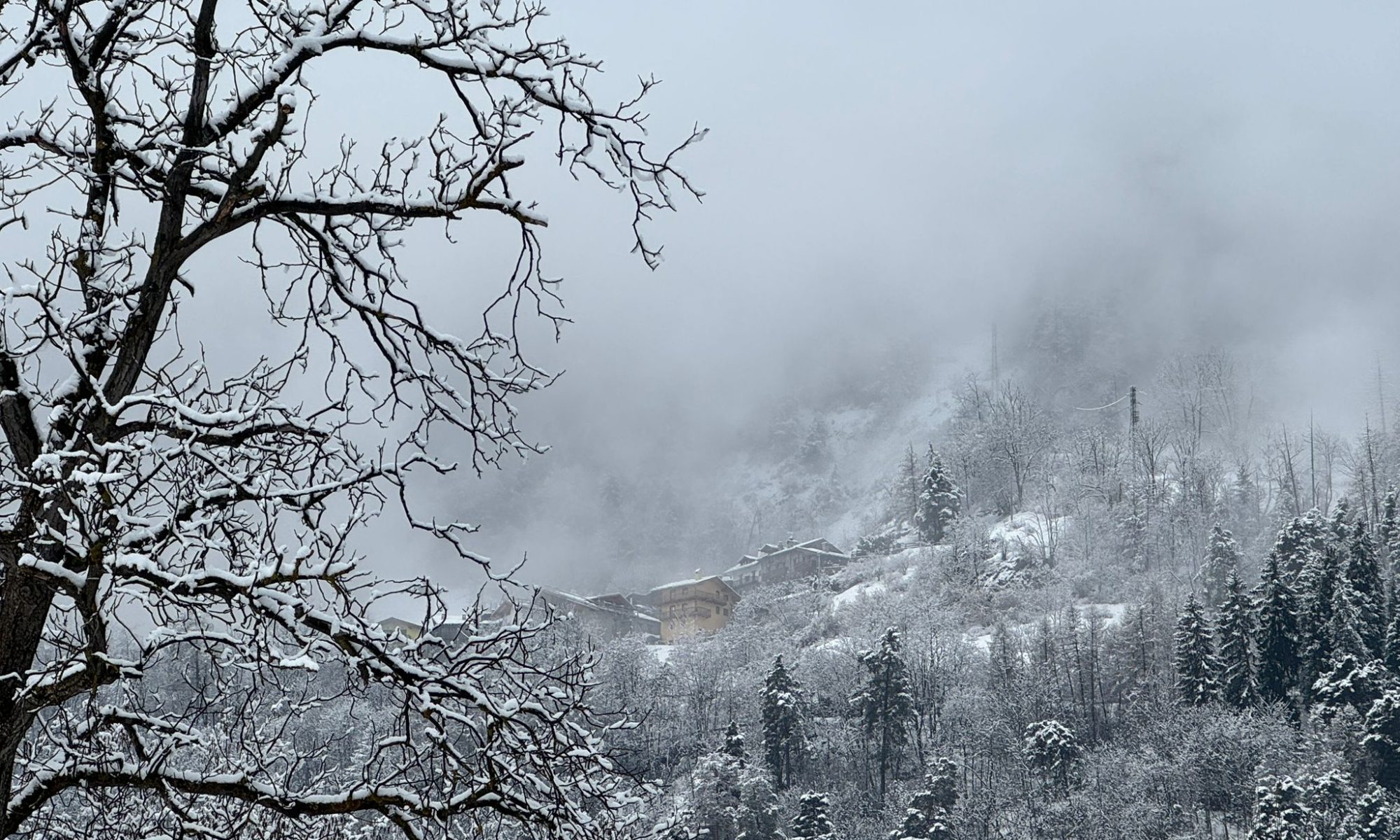
Winter in the Mountains- Photo: The-Ski-Guru. Morgex.

What the 2026 Winter Season Is Showing

A Winter of Extremes

Snow conditions in a warming Alpine climate are becoming more variable, more intense and more dependent on artificial support.

Across the Alps, long-term climate warming is reshaping snowfall patterns, snowline altitude, avalanche behaviour and the economics of winter tourism. The 2026 winter season provides a recent example of these broader trends.

In recent weeks alone, the region has experienced:

  • Intense multi-day storm cycles delivering 80–100 cm in short periods
  • Rapid wind loading and unstable snowpack development
  • Elevated avalanche danger levels across multiple massifs
  • Simultaneous reliance on artificial snow at lower altitudes

Rather than a simple story of “less snow,” the pattern emerging is one of greater variability and concentration. This growing instability is not confined to the Alps. Recent extreme heat events shortening the ski season in North America show how quickly conditions can deteriorate, even in traditionally more snow-reliable regions.


Heavier Storms, Faster Loading

Several recent cycles across the Western Alps demonstrated how quickly snowpack instability can build.

Large accumulations over 24–48 hours — combined with wind transport — created fragile layers and widespread avalanche danger. In many regions, danger levels rose to Level 4 (Strong), and in parts of the French Alps even Level 5 (Very Strong).

Continue reading “Snow Conditions in a Warming Alpine Climate”

Colorado Snowpack at Record Lows — National and Local Media Weigh In

Credit: Image via Vail Daily / Facebook post on historic low snowpack levels.Vail Mountain now facing worst snowpack on record — data from local SNOTEL station.

Colorado’s Snowpack Hits Historic Lows — What the Latest Media Is Reporting

Colorado’s snowpack — the lifeblood of Western water systems and mountain recreation — has fallen to historically low levels this winter season, drawing concern from local and national media alike. According to reporting by The Aspen Times, snowpack across many Colorado basins “remains at record lows with little relief in sight” as dry conditions persist. 

Credit: Image via The Aspen Times / Facebook post showing snowpack conditions.
“Colorado’s snowpack remains at record lows with little relief in sight.”
Credit: Image via The Aspen Times / Facebook post showing snowpack conditions.
“Colorado’s snowpack remains at record lows with little relief in sight.”

What the Data Shows

Government observations confirm these media reports. As of early January 2026, Colorado’s statewide snowpack sat at roughly 56 – 62 % of the median for this time of year, with some river basins — especially in central and northern mountains — recording the lowest levels on record for many stations. 

The Natural Resources Conservation Service (NRCS) reports that while overall precipitation isn’t dramatically below median levels, a larger share of it has fallen as rain instead of snow due to warm temperatures — a key reason for the depressed snowpack. 

Aiguille des Drus et Aiguille Verte, in my shop. Soft Pastels, Pan Pastels and Charcoal on La Carte Pastel. 50 x 65 cm. Check it out here.

Continue reading “Colorado Snowpack at Record Lows — National and Local Media Weigh In”