


Colorado’s Snowpack Hits Historic Lows — What the Latest Media Is Reporting
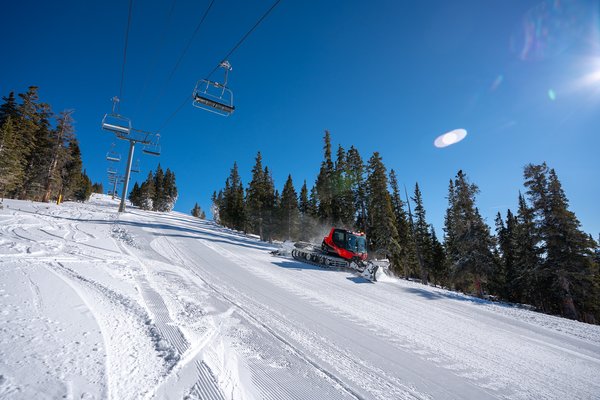
Colorado’s snowpack — the lifeblood of Western water systems and mountain recreation — has fallen to historically low levels this winter season, drawing concern from local and national media alike. According to reporting by The Aspen Times, snowpack across many Colorado basins “remains at record lows with little relief in sight” as dry conditions persist.

“Colorado’s snowpack remains at record lows with little relief in sight.”
What the Data Shows
Government observations confirm these media reports. As of early January 2026, Colorado’s statewide snowpack sat at roughly 56 – 62 % of the median for this time of year, with some river basins — especially in central and northern mountains — recording the lowest levels on record for many stations.
The Natural Resources Conservation Service (NRCS) reports that while overall precipitation isn’t dramatically below median levels, a larger share of it has fallen as rain instead of snow due to warm temperatures — a key reason for the depressed snowpack.

Broad Media Coverage & Context
Several major outlets are covering similar trends:
- Axios Denver reports Colorado is experiencing its worst snowpack since record-keeping began in 1987, with statewide levels around 62 % of normal and serious concerns about water shortages, wildfire risk and economic impacts on ski communities if conditions do not improve.
- CPR News and other Colorado outlets have highlighted that recent months have been unusually warm and dry, suppressing snowfall accumulation and leaving many basins far below historical averages.
These stories are being discussed across social platforms as well, with local Facebook and Instagram posts from Colorado accounts noting newly set all-time record lows for snowpack on this date in history.
Why It Matters
Snowpack isn’t just about winter skiing — it’s a critical natural reservoir that feeds Colorado River headwaters and tributaries. Low snowpack can:
- Lead to lower spring and summer streamflows
- Stress water supplies for agriculture and cities
- Increase drought severity and wildfire risk
- Impact the ski industry’s operational planning and local economies
Experts note that while short-term weather patterns contribute, warmer temperatures are making snow droughts more common, with broader implications for the Western U.S. water balance.
Closing Note
As the season progresses, agencies like the USDA NRCS and state climate networks will continue updating snowpack forecasts and water supply outlooks. For now, the consensus across media — from The Aspen Times to Axios Denver and regional public radio — is clear: Colorado’s 2026 snowpack is concerningly low, historically significant and a story that represents wider environmental stress across the West.
 Planning your next trip to the Italian Alps?
 Planning your next trip to the Italian Alps?
If you’re heading to the Aosta Valley, take a look at Il Cuore della Valdigne, our family-owned apartment in Morgex, available for rent when we’re not using it ourselves.
It’s an ideal base to:
- Ski in Courmayeur, La Thuile and Pila
- Enjoy the mountains in summer (hiking, biking, nature)
- Explore the Mont Blanc valley in a quieter, more authentic setting
 Ski in Courmayeur,
 Enjoy the mountains in summer (hiking, biking, nature)
Check my Mountain Art on my Shop
You can go to my shop and see what have been inspiring me lately, lots mountain landscapes in soft pastels, and now in oils too. Go here to check my latest works!
Featured Image: Credit: Image via Vail Daily / Facebook post on historic low snowpack levels.Vail Mountain now facing worst snowpack on record — data from local SNOTEL station.


Discover more from The-Ski-Guru
Subscribe to get the latest posts sent to your email.
 Subscribe to The-Ski-Guru here.
You must be logged in to post a comment.