Britons and Americans in France Can Use PARAFE E-Gates Again

Photo: CDG Airport. John Cameron. Unsplash.

France has confirmed that eligible British and American passport holders can once again use PARAFE automated e-gates at French borders, restoring access to a system that had been temporarily disrupted during the rollout of the EU’s new Entry/Exit System.

The confirmation is especially relevant for Britons and Americans living in France, as well as for frequent travellers using French airports, Eurostar terminals, ferry ports and the Channel Tunnel at a time when border processing has become a much bigger travel issue. I have already written about Eurotunnel delays and the new EU Entry/Exit System, and this latest update adds another practical layer for travellers moving between the UK, France and the wider Schengen area.

Continue reading “Britons and Americans in France Can Use PARAFE E-Gates Again”

La Thuile Replaces Two Ageing Chairlifts with Major Gondola Upgrade for 2026/27

Pista 3, Franco Berthod, a renown super steep black run in La Thuile. Photo: Tourism Office La Thuile.

Italian resort La Thuile is preparing one of its biggest lift infrastructure upgrades in recent years, with a new 10-seater gondola set to replace two of the ski area’s older chairlifts ahead of the 2026/27 winter season.

The project will replace the ageing La Combe and Chaz Dura fixed-grip chairlifts on the front side of the mountain, one of the main circulation areas linking the Italian resort with the wider Espace San Bernardo ski domain shared with La Rosière in France.

According to local and regional reporting, the new gondola — officially referred to as the Les Suches–Chaz Dura telecabina — is designed to significantly improve uphill transport capacity, skier flow, and beginner access on one of the resort’s busiest sectors.


Update — October 2026: La Thuile’s new gondola will be called Vedette, with opening planned for December 2026. Its design draws inspiration from historic Alpine fortifications, while a panoramic restaurant is expected to follow in December 2027. Read our latest update on the Vedette gondola, its name and the story behind its architecture.


Continue reading “La Thuile Replaces Two Ageing Chairlifts with Major Gondola Upgrade for 2026/27”

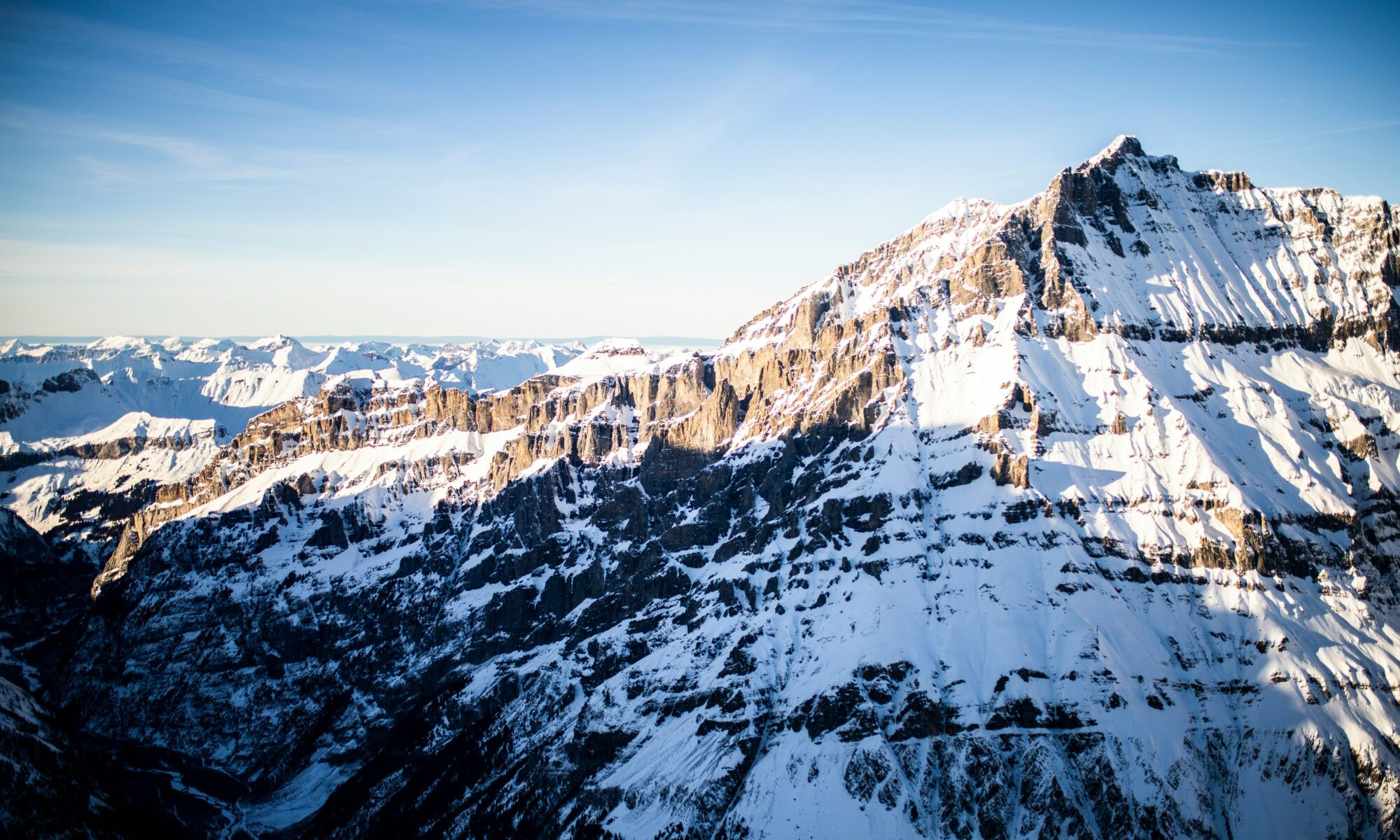
Swiss Glacier Instability Near Blatten Highlights Growing Alpine Risk

Lauchernalp. Lötschental, Valais, Switzerland. Photo: Caspar Camille Rubin. Unsplash.

Nearly a year after the catastrophic collapse that destroyed much of the Swiss village of Blatten, authorities are again monitoring instability in the same high-mountain area above the Lötschental valley. The renewed concerns are a reminder that the risks linked to glacier retreat, thawing permafrost, and unstable rock faces in the Alps are not disappearing after a single event — and may instead become a longer-term operational challenge for mountain communities, infrastructure, transport routes, and tourism regions. 

Swiss authorities confirmed this week that parts of the glacier and surrounding mountain terrain near Blatten continue to show signs of instability, while access to the disaster zone remains dangerous because of ongoing rockfall and debris movement. The original collapse on 28 May 2025 saw millions of cubic metres of rock, ice, and mud surge down the mountain in less than a minute, destroying most of the village after a successful evacuation of around 300 residents. One person died in the disaster. Continue reading “Swiss Glacier Instability Near Blatten Highlights Growing Alpine Risk”

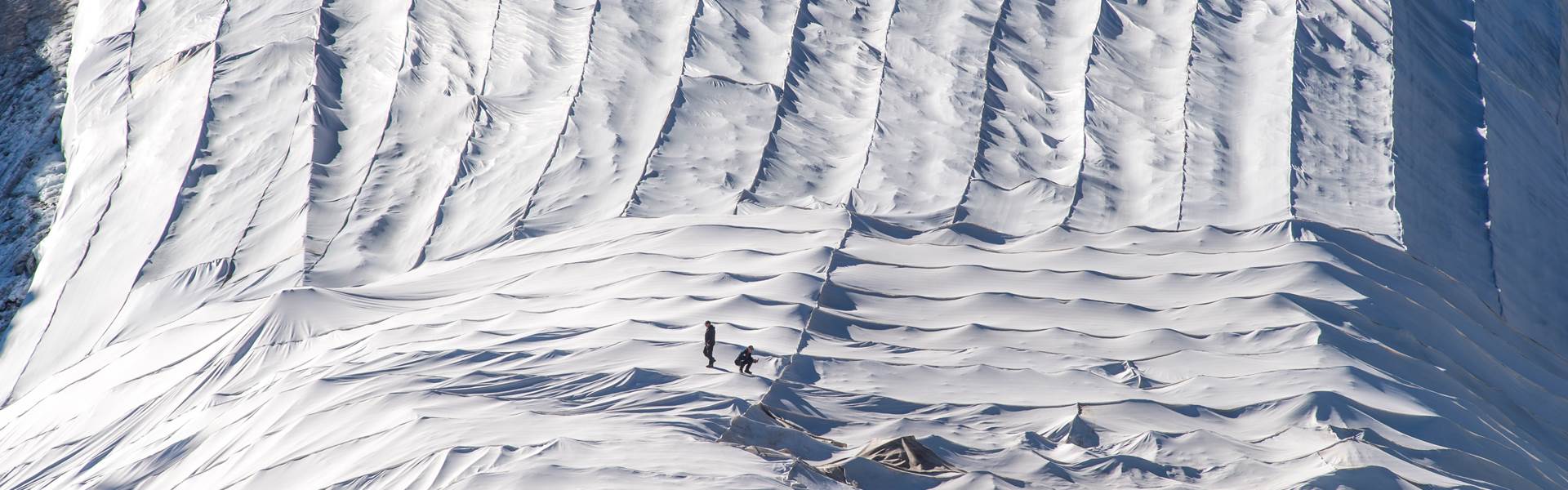
Alpine Ski Resorts Are Covering Glaciers to Slow Melting — But Can It Last?

Photo credit: Pontedilegno Tonale- pontedilegnotonale.com

As glaciers across the Alps continue to shrink, some ski resorts are increasingly turning to reflective geotextile covers, snow farming, and other snow-preservation techniques in an attempt to protect glaciers, maintain ski operations, and preserve critical mountain infrastructure.

The images often go viral online as “ski resorts covering glaciers with plastic sheets,” but the reality is more complex. Most resorts use reflective geotextile fleece designed to reduce summer melting by insulating snow and ice from solar radiation.

The latest example attracting attention is the glacier area around Diavolezza in Switzerland’s Engadin region, where snow preservation and glacier management techniques have become part of long-term ski operations at altitude. Researchers note that the former glacier skiing area at Diavolezza now survives “solely thanks to snow farming and covering.”

Continue reading “Alpine Ski Resorts Are Covering Glaciers to Slow Melting — But Can It Last?”

Zermatt’s Lina Peak Skyscraper Plan: Radical Housing Solution or a Step Too Far for the Alps?

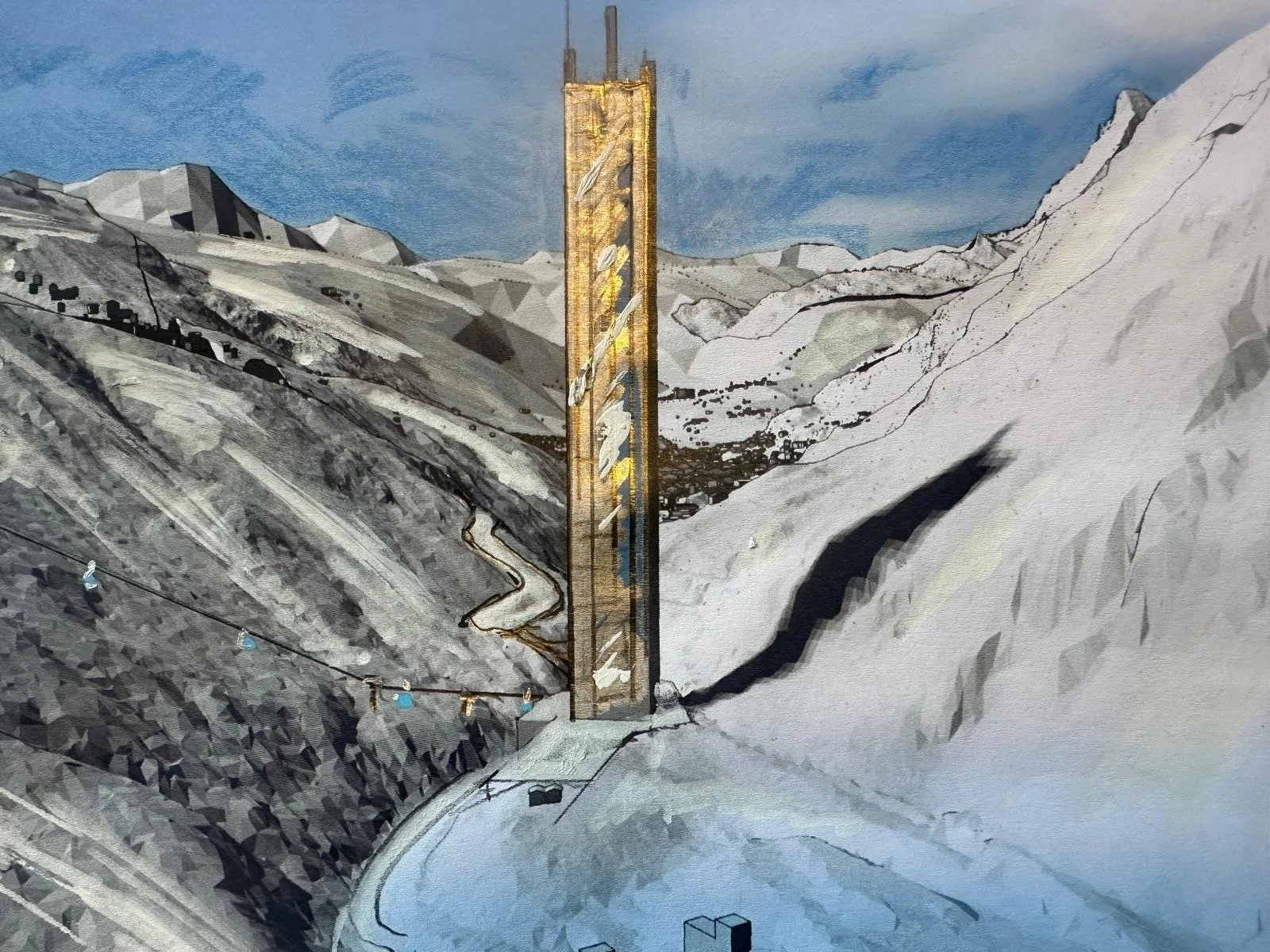
Lina Peak rendering. www.linapeak-zermatt.com

A proposed 260-metre residential tower near Zermatt has reopened one of the most difficult questions facing high-profile Alpine resorts: how do ski towns house the people who make tourism possible, when land is scarce, property prices are soaring and local workers are increasingly pushed out?

The project, called Lina Peak, is the idea of Zermatt-born artist, architect and hotelier Heinz Julen. It would be a striking departure from the image most visitors associate with Zermatt: not a low-rise chalet-style development, but a vertical “village” rising near one of the most famous mountain landscapes in the world. According to the project’s own website and Swiss media reports, the tower would stand around 260 metres high and include housing, public services, parking, leisure facilities and a potential link into the ski area. 

Continue reading “Zermatt’s Lina Peak Skyscraper Plan: Radical Housing Solution or a Step Too Far for the Alps?”

Advice When Booking a Luxury Ski Chalet

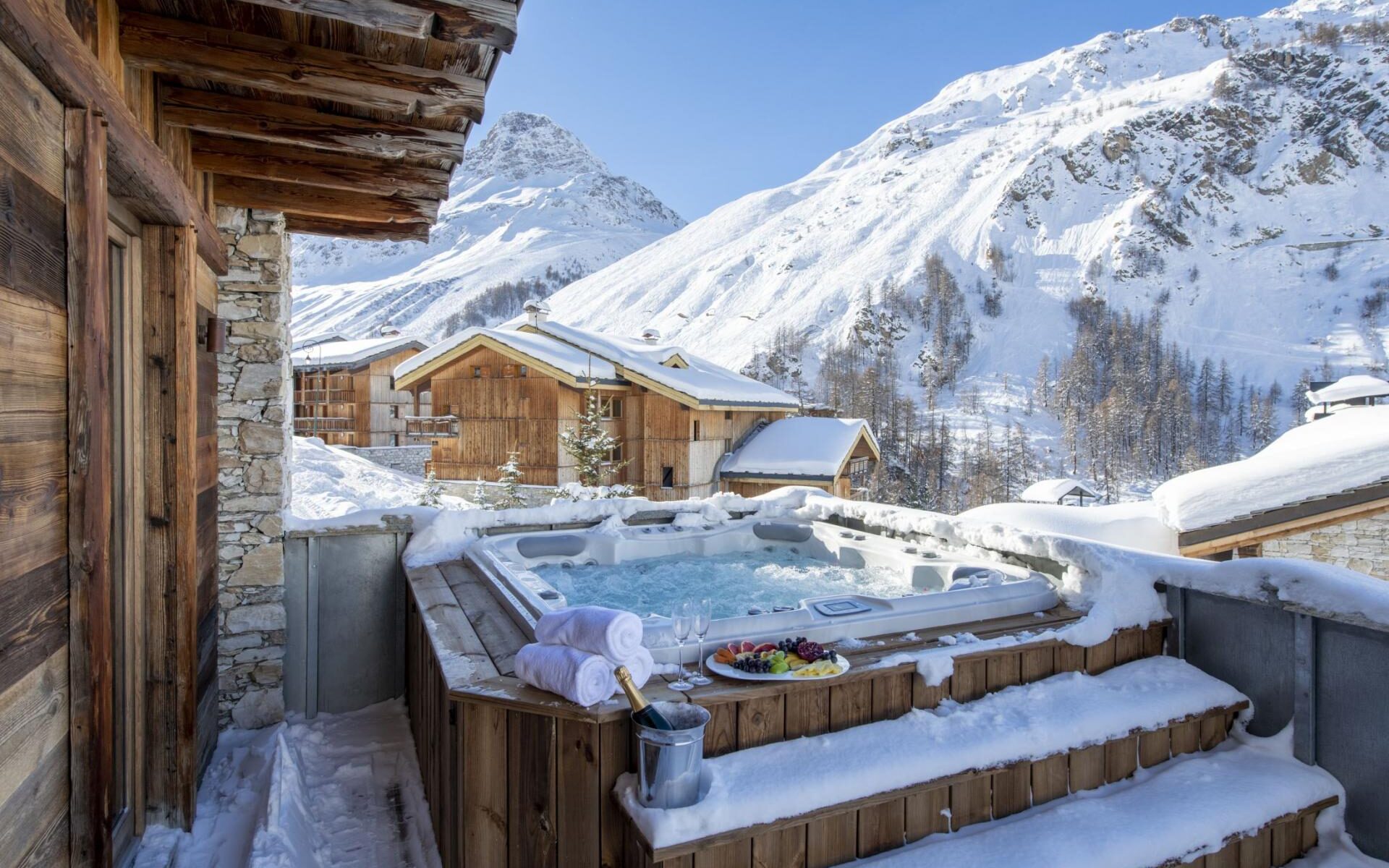
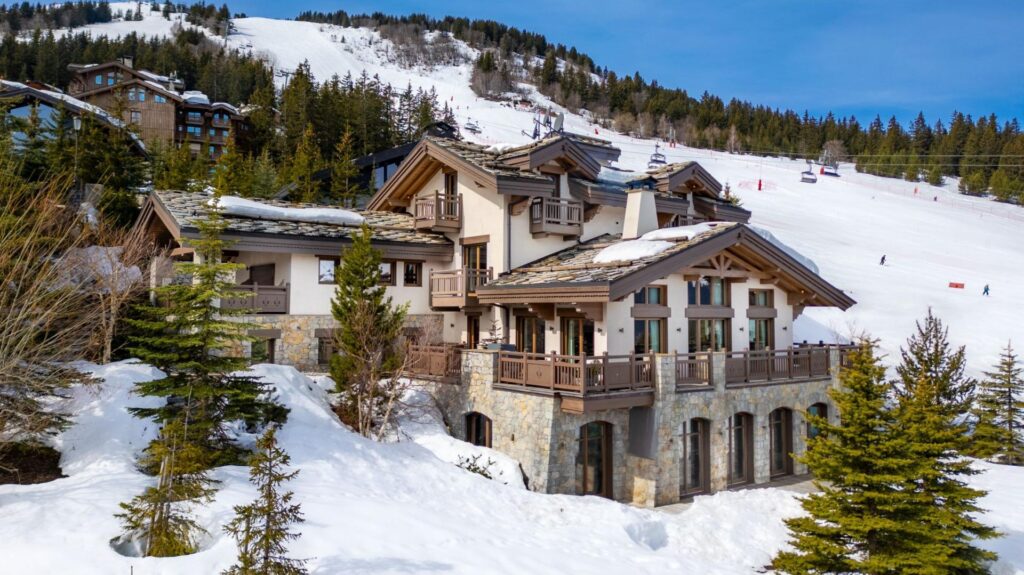
Photo: The Luxury Chalet Company. A balcony offering majestic mountain views.

Disclosure: This article has been published in collaboration with The Luxury Chalet Company. It may contain affiliate or compensated links. For full information, please see our disclaimer here.

Booking a luxury ski chalet starts long before anyone puts on their skis for the first morning on the mountain. The Luxury Chalet Company explain that the best trips are refined by small details early on: choosing the right resort, finding the perfect property before peak weeks disappear, and understanding what separates a genuinely high-end chalet from a standard catered stay.

An external view of one of the chalets run by The Luxury Chalet Company.
Imagine staying in one of the chalets run by The Luxury Chalet Company this coming ski season. Photo: The Luxury Chalet Company.

For many travellers, luxury chalet holidays are less about flashy extras and more about how effortless the experience feels once everything comes together. From private airport transfers and dedicated chalet staff to restaurant reservations, ski guides, and wellness facilities, the best chalet experiences are those that allow guests to settle into alpine life as soon as they arrive.

Continue reading “Advice When Booking a Luxury Ski Chalet”

Zermatt’s Gornerli Dam Shows the Rising Cost of Climate Adaptation in the Alps

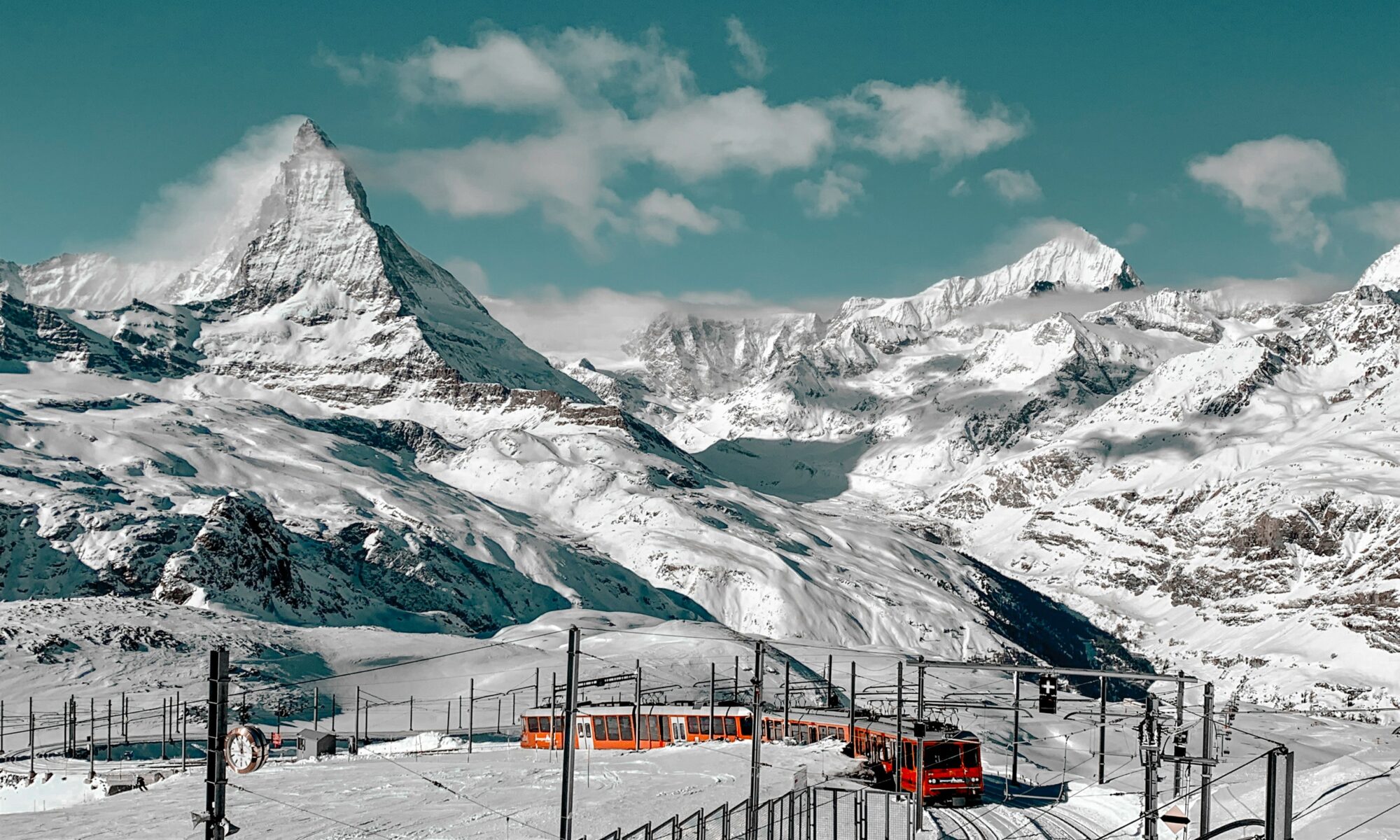
Zermatt. Photo: Victor He. Unsplash.

The planned Gornerli reservoir above Zermatt has become one of the clearest examples yet of how expensive climate adaptation in the Alps is becoming.

The project, designed as a major winter energy storage scheme for Switzerland, has been revised after new climate, hydrological, geological and logistical studies. According to Alpiq’s latest project update, the planned useful storage volume has been reduced from around 150 million cubic metres to 120 million cubic metres, while the estimated cost has risen sharply to around CHF 510 million. Earlier project material had placed the investment cost at around CHF 300 million.

That makes Gornerli more than a hydropower story. It is a mountain infrastructure story, a climate adaptation story and, for Zermatt and the Mattertal valley, a question of how Alpine communities prepare for a warmer and less predictable future.

Continue reading “Zermatt’s Gornerli Dam Shows the Rising Cost of Climate Adaptation in the Alps”

Cortina Olympic Cable Car Investigation Adds to Questions Over Mountain Infrastructure Delivery

News of Cortina d’Ampezzo for the 2021-22 ski season. Photo credit: Pietro Albarelli. Cortina Marketing.

Italian police have searched companies linked to the Apollonio–Socrepes cable car in Cortina d’Ampezzo, one of the most controversial infrastructure projects connected to the Milano-Cortina 2026 Winter Olympics.

According to Reuters, searches were carried out at Simico, the state-backed Olympic infrastructure agency, and Graffer, the company responsible for building the lift, as part of a bid-rigging investigation linked to the cable car contract. Prosecutors said searches also took place in several Italian cities, including Rome, Milan, Brescia, Naples and Cortina. Simico has said it is cooperating fully with prosecutors and is confident it acted correctly, while Graffer did not immediately respond to Reuters’ request for comment. 

Continue reading “Cortina Olympic Cable Car Investigation Adds to Questions Over Mountain Infrastructure Delivery”

Eurotunnel, Dover and the New EU EES: What UK Drivers to the Alps Should Know This Summer

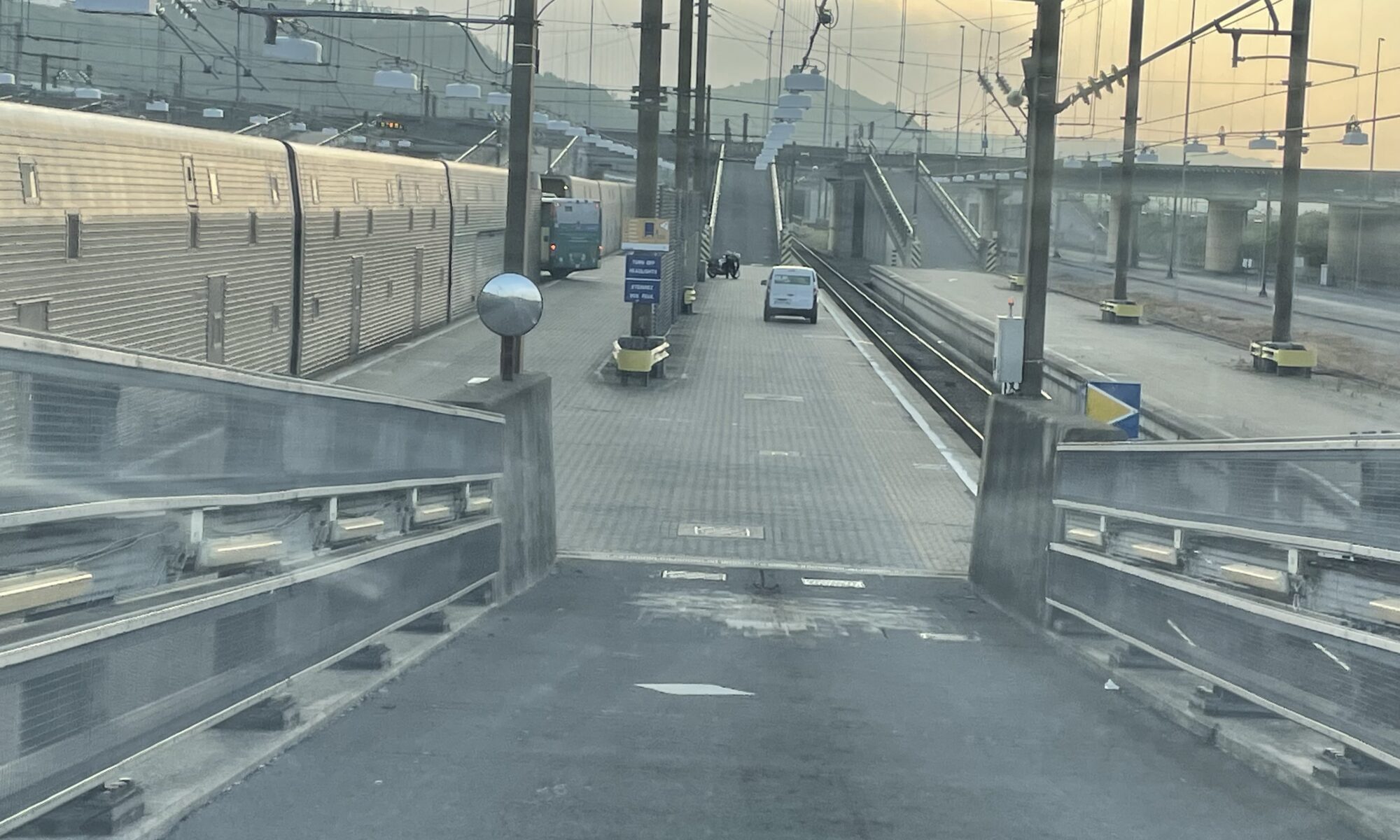
Getting onboard the Eurotunnel from Folkestone to Calais.

UK travellers driving to France, the Alps or onward to Italy and Switzerland may need to allow extra time at Channel crossings this summer, as the EU’s new Entry/Exit System continues to bed in at major UK-France border points.

The EU Entry/Exit System, known as EES, became fully operational on 10 April 2026. It replaces manual passport stamping for non-EU short-stay travellers with a digital record of entry and exit, including passport data and, where required, biometric information such as facial images and fingerprints.

For many mountain travellers, the practical question is not the technology itself, but whether it could add time at the border. Eurotunnel LeShuttle explains that EES records biometric data and border-crossing details for non-EU nationals entering or leaving the Schengen Area, while Getlink has said the system began with a gradual rollout at Eurotunnel terminals before extending to passenger vehicles.

Continue reading “Eurotunnel, Dover and the New EU EES: What UK Drivers to the Alps Should Know This Summer”

Why Detachable Ski Lifts Are Often Emptied at the End of the Season

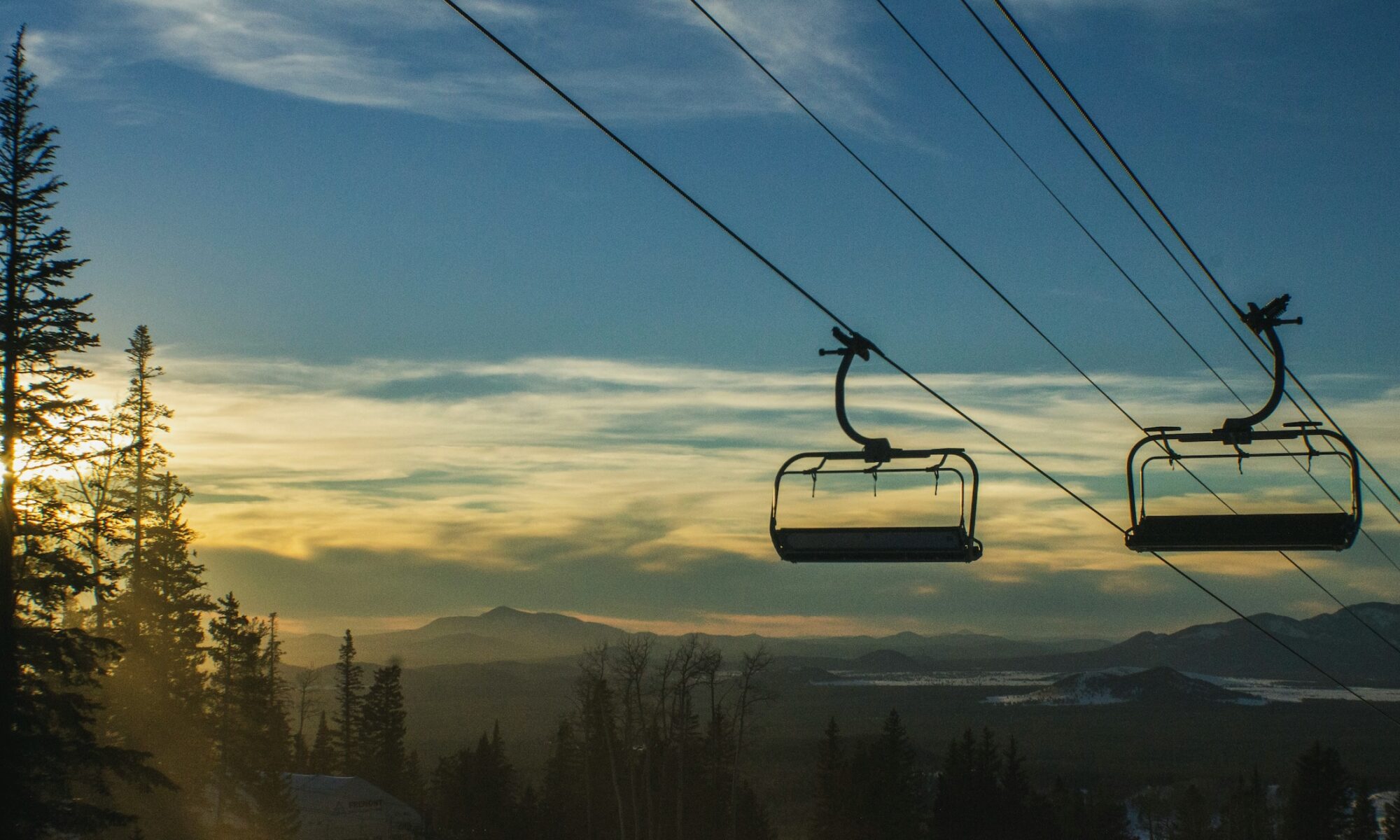
An empty chairlift. Arizona Snowbowl. Photo: Spencer James Lucas. Unsplash.

Why Detachable Ski Lifts Are Removed After Winter

At the end of the ski season, many mountain resorts remove the chairs, gondola cabins or bubbles from their high-speed detachable lifts and store them in a garage. Visitors often notice the empty cables in spring or summer and wonder why some lifts have no chairs on the line, while older chairlifts nearby still have all their chairs hanging.

The answer lies in the way the two types of lift are engineered, but it also connects to a wider question of mountain infrastructure risk in the Alps and how resorts protect expensive mechanical systems in harsh high-altitude environments.

On a high-speed detachable lift, the chair or cabin is attached to the main cable by a detachable grip. The main cable, known as the haul rope, moves continuously at high speed along the lift line. But when the chair or cabin enters the station, the grip opens and releases the haul rope.

This does not usually mean that there are two separate cables. The main cable continues moving through the station, but the chair or cabin is no longer being pulled by it. Instead, once detached, the carrier is moved through the station by a separate mechanical system, usually a series of tyres, wheels, rails, chains or a carousel-style mechanism. This system moves the chair or cabin much more slowly, giving passengers time to get off and on safely.

Continue reading “Why Detachable Ski Lifts Are Often Emptied at the End of the Season”