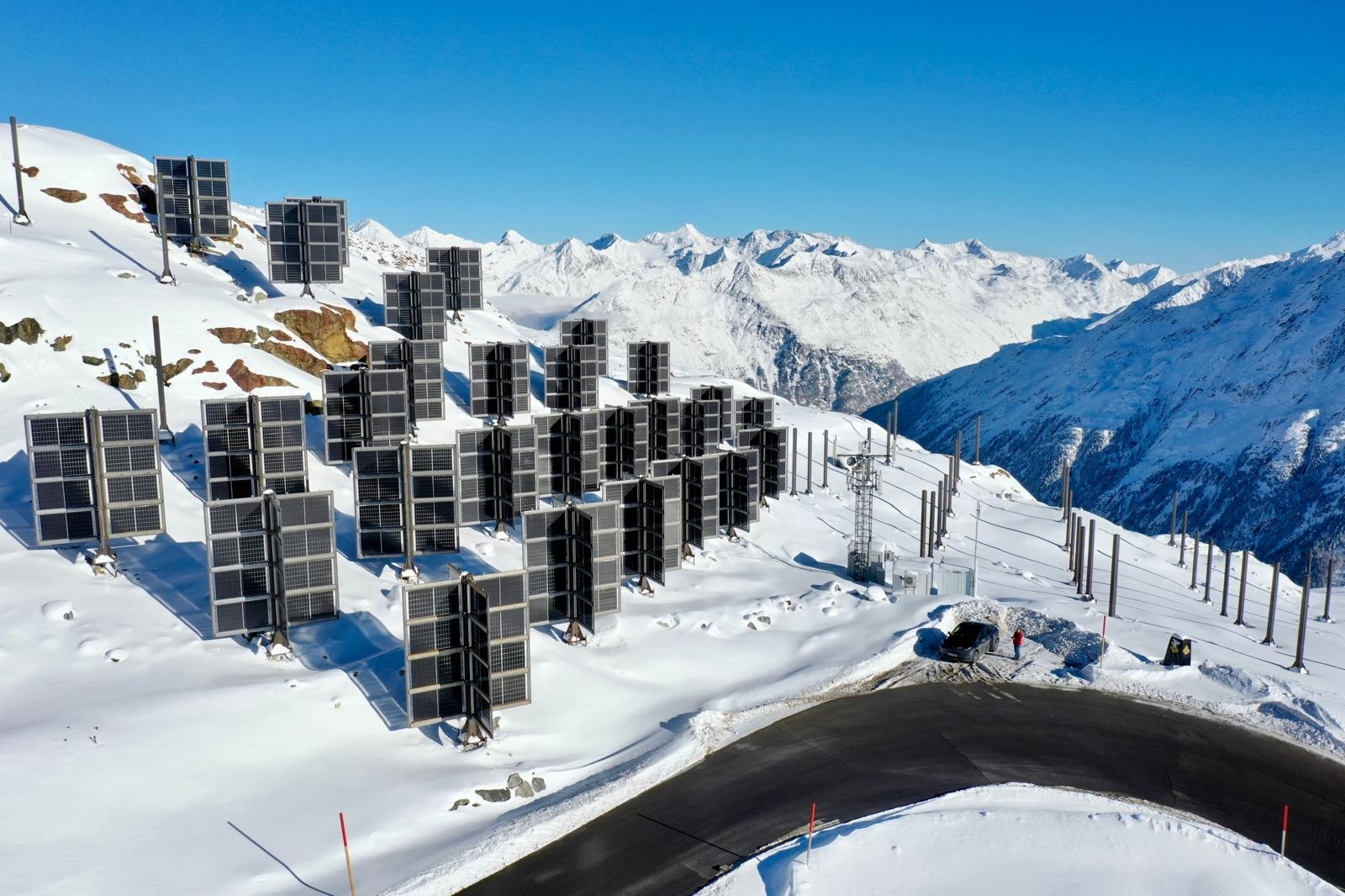
Unusual, tree-like solar structures in Sölden are part of a project designed to generate electricity where the Austrian ski resort uses it: high on the mountain.
The HELIOPLANT installation in the Tiefenbach Glacier area uses vertically mounted, cross-shaped solar arrays designed for snowy alpine conditions. Its expansion could supply a substantial share of Bergbahnen Sölden’s electricity needs, helping power the infrastructure behind a day on the slopes.
However, the project’s operating history and its forecasts need to be distinguished. Solar generation has already been demonstrated at the pilot installation, while the full development’s capacity and contribution to the resort’s electricity supply remain figures announced by the companies involved.
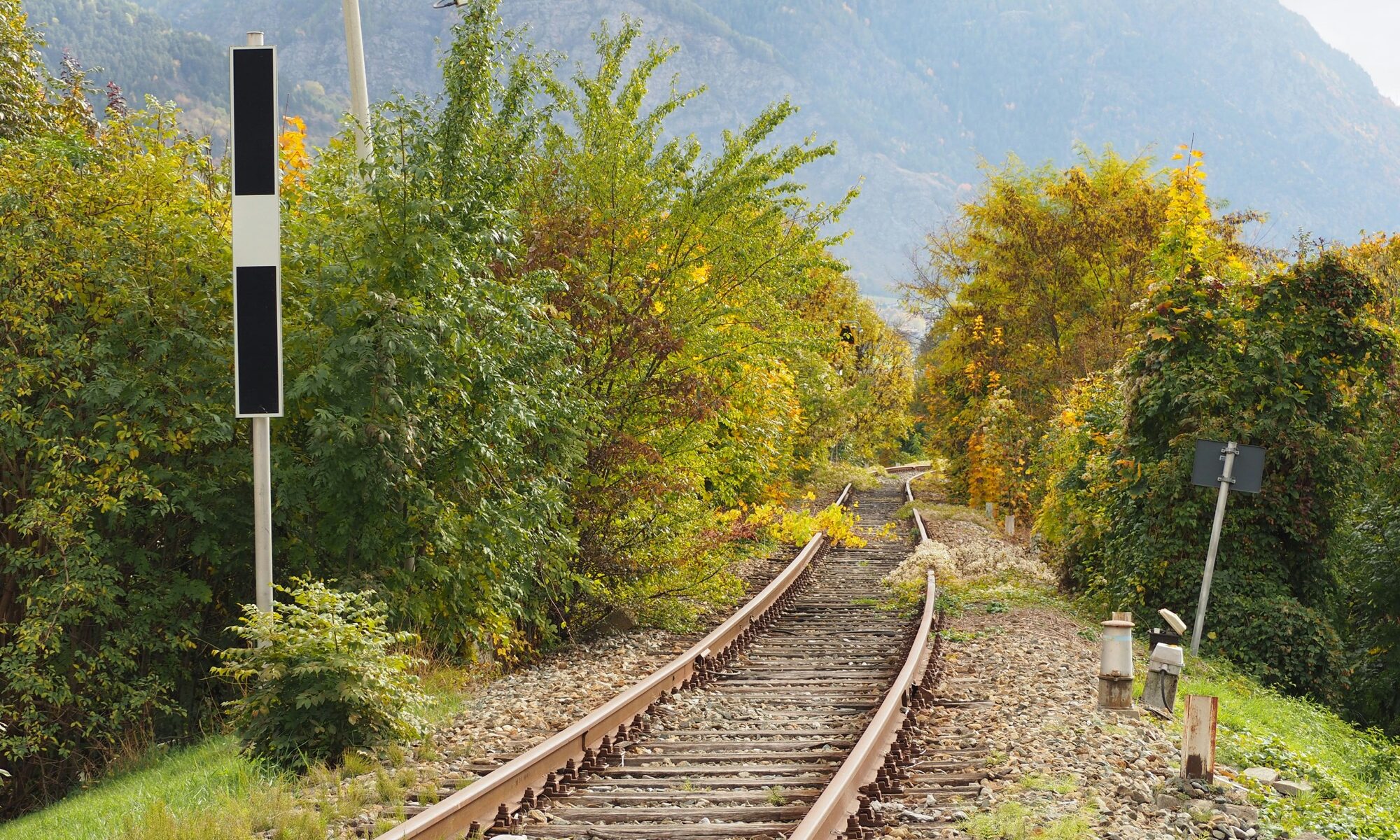
New direct rail services between Milan and Aosta could begin in summer 2027, while the Turin–Aosta railway is preparing for a phased reopening after more than two years of disruption.
Published: 14 October 2026
The Aosta Valley could be approaching a turning point in its railway connections. After years of complaints about slow journeys, inconvenient transfers and replacement buses, plans are advancing for direct trains between Aosta and Milan from summer 2027.
At the same time, the long-awaited reopening of the railway between Turin and Aosta is expected to begin in January 2027, although passengers will have to wait longer before the entire route is operational again.
From ski instructors and Michelin-starred restaurants to husky sledding, heliskiing and helicopter sightseeing, the best winter holidays require more planning than simply booking flights and accommodation.
By Martina Diez-Routh | The-Ski-Guru
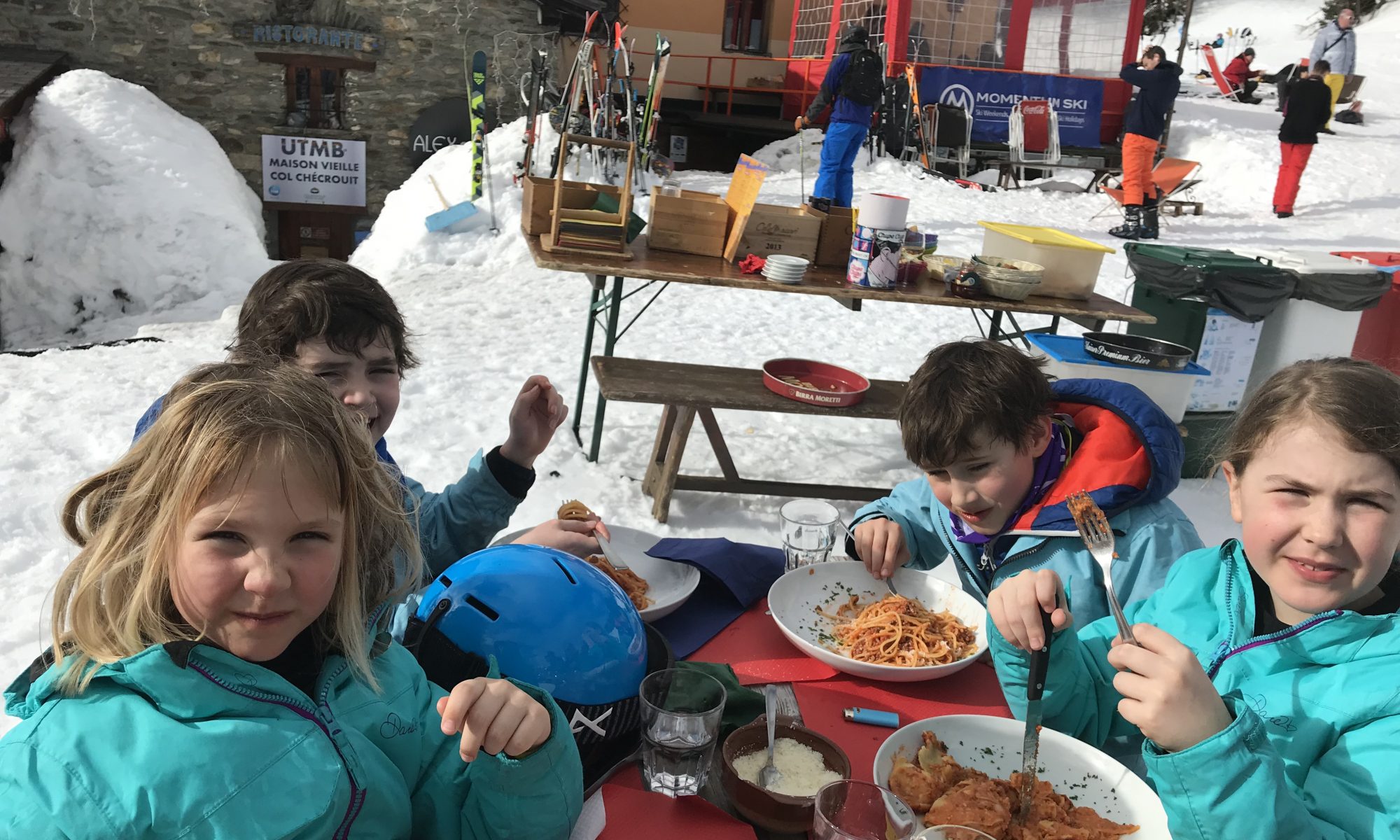
October is when many families begin finalising their winter ski holidays. Flights are booked, accommodation is confirmed, airport transfers are arranged, and everyone is looking forward to getting back on the slopes.
But have you booked your ski instructor? What about that mountain restaurant you have been dreaming of visiting, or the special winter experience you promised the children?
During a recent visit to Cortina d’Ampezzo, a conversation with Davide Peterlin of Snowdreamers Cortina reminded me of something I have learned over 40 years in the ski and mountain tourism industry: booking your ski holiday and organising your ski holiday are two very different things.
In popular destinations such as Cortina, Courchevel, Val d’Isère, Verbier, Zermatt, Aspen and Vail, the experiences visitors most want can be booked up well before they arrive.
This becomes particularly important during Christmas, New Year, February half-term, Presidents’ Day week and other major school holiday periods.
Here is what I recommend organising before you leave home.
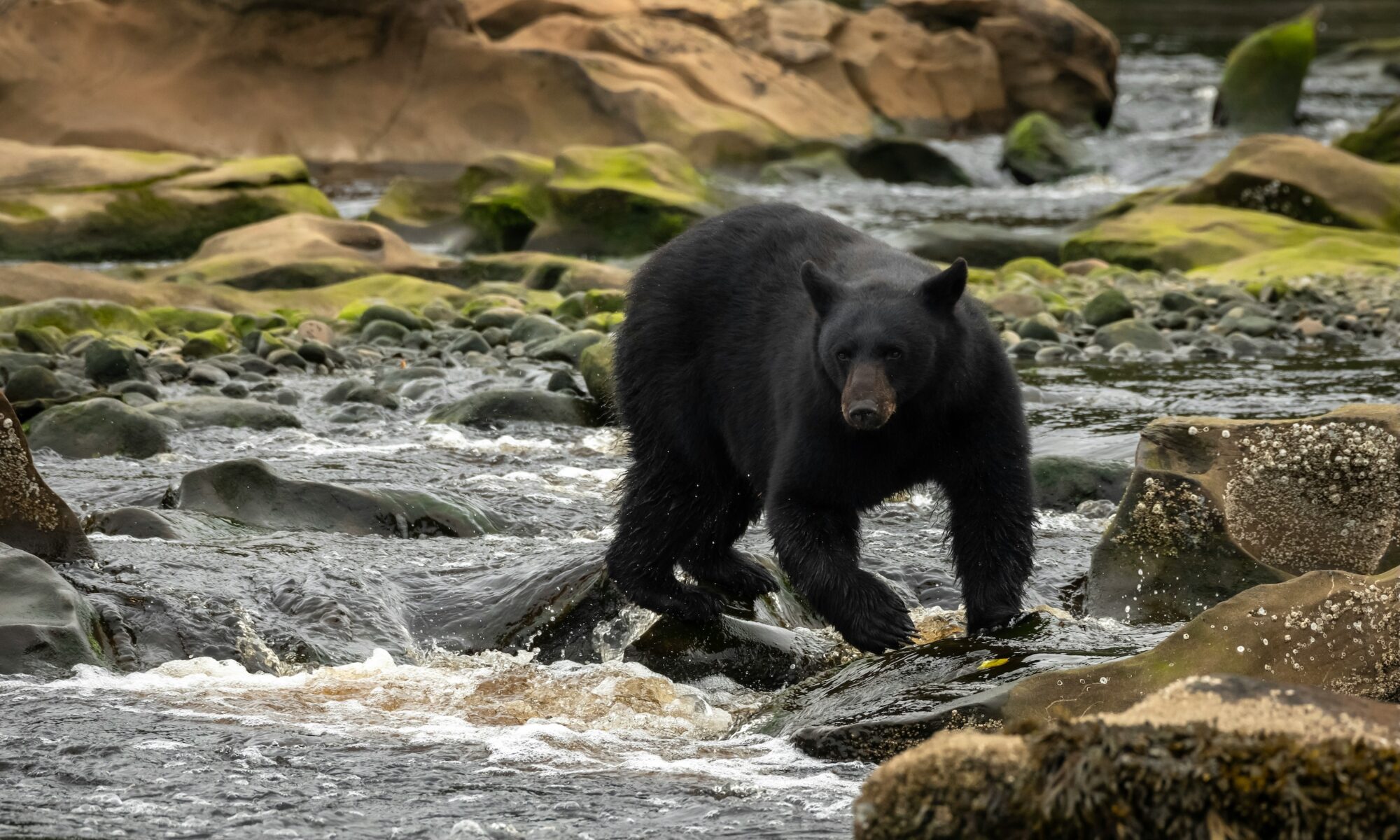
A black bear wandering into a hotel in Breckenridge and apparently helping itself to a bag of M&M’s made headlines this week. Police safely escorted the animal back into the forest, nobody was injured and the story quickly spread around the world.
It was an amusing reminder that mountain towns can produce some unforgettable moments.
But for people who live and work in mountain destinations, there was another reaction.
“That doesn’t happen often… but it isn’t exactly surprising either.”
Whether it’s black bears in Colorado and British Columbia, brown bears in Italy’s Trentino or wolves in the Italian Alps, sharing spectacular mountain landscapes with large carnivores has become part of life.
For visitors, however, these encounters can be unexpected.
Understanding how to behave around wildlife is becoming just as important as checking the weather before heading onto the trails.
Planning a ski holiday is about much more than choosing a destination with plenty of snow. The hotel you book will shape almost every part of your trip—from how easily you reach the slopes each morning to how relaxed you feel after skiing, where you eat dinner and even how much you enjoy the resort itself.
Many travellers naturally focus on the number of stars, the size of the rooms or whether breakfast is included. While those details matter, experienced skiers know that the best ski hotel is not always the most luxurious or the most expensive. It’s the one that suits the type of holiday you want.
Whether you’re travelling as a family, planning your first ski trip, organising a luxury escape or simply looking to maximise your time on the mountain, choosing the right hotel can make the difference between a good holiday and an unforgettable one.
Here’s what to consider before making your reservation.
One of the Alps’ most iconic mountain resorts has reached a major milestone. Breuil-Cervinia is celebrating the 90th anniversary of the opening of its first cable car, the Breuil-Cervinia–Plan Maison lift inaugurated in 1936, a project that forever changed access to the slopes beneath the Matterhorn and helped shape the resort into one of Europe’s premier ski destinations.
The anniversary celebrations, held on August 1–2, bring together residents, visitors and industry partners for two days of concerts, storytelling, exhibitions and outdoor activities that honour nine decades of engineering innovation and mountain tourism.
As climate change reshapes the Alps, ski resorts are beginning to discover that one of their most valuable investments may have a second life beyond winter.
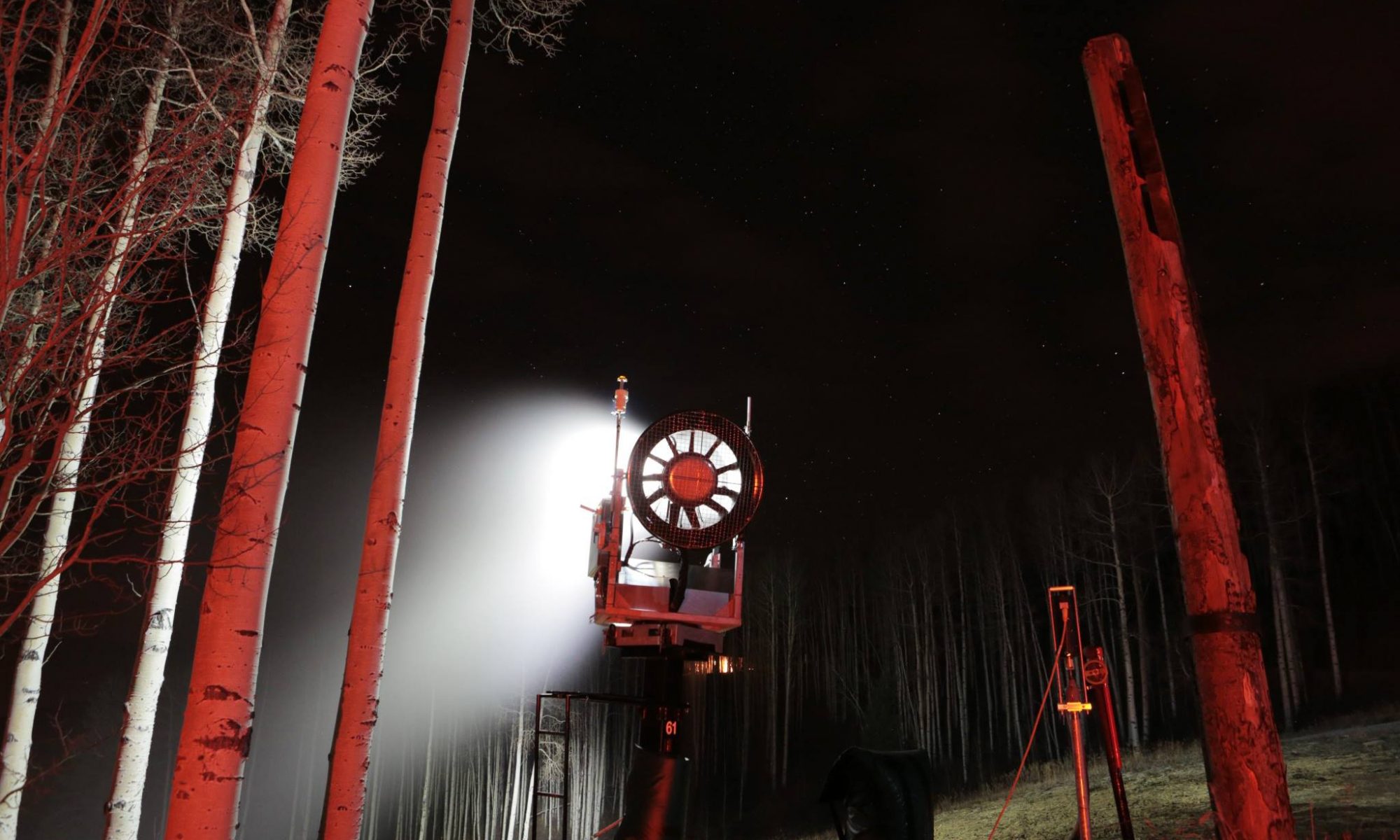
In Switzerland, researchers are exploring whether snowmaking systems—traditionally used to guarantee ski conditions during increasingly unpredictable winters—could also help combat one of the mountains’ fastest-growing threats: forest fires.
The concept is surprisingly simple. The same network of reservoirs, pumping stations and high-pressure snow cannons that cover ski slopes with artificial snow during winter could potentially be used in summer to spray water onto vulnerable forest areas, helping firefighters slow or contain wildfires before they spread.
A New Role for Snowmaking Infrastructure
Swiss mountain resorts already possess extensive water management systems designed to support snowmaking operations. These include water reservoirs, underground pipelines, powerful pumps and strategically positioned snow cannons across the mountainside.
Rather than building entirely new firefighting infrastructure, researchers believe these existing systems could be adapted to provide rapid water distribution during wildfire emergencies.
The proposal is not intended to replace traditional firefighting methods or aerial water bombing. Instead, it could provide valuable support by creating wet buffer zones, protecting critical infrastructure, slowing the advance of flames and buying precious time until emergency services arrive.
Climate Change Is Changing the Alps
The idea reflects a broader reality facing mountain destinations.
Today, the conversation has expanded dramatically.
Longer periods of drought, rising temperatures and increasingly frequent heatwaves are creating conditions that make wildfires more likely even in regions traditionally associated with snow-covered landscapes.
Several Alpine countries have already experienced more frequent forest fires during recent summers, highlighting that mountain communities now face climate challenges throughout the entire year—not just during winter.
Year-Round Resorts Face Year-Round Risks
Modern ski resorts are no longer purely winter destinations.
Many now depend heavily on summer tourism, attracting hikers, mountain bikers, trail runners and nature lovers. Protecting forests, trails, lift infrastructure, hotels and surrounding communities has become essential for maintaining year-round operations.
Using existing snowmaking infrastructure for wildfire prevention could therefore offer an additional layer of resilience while maximising investments that were originally designed solely for winter operations.
A Smarter Use of Existing Resources
One of the most attractive aspects of the proposal is that it makes use of infrastructure already in place.
Many ski resorts have invested millions in sophisticated snowmaking systems over recent decades to adapt to changing winter conditions. Repurposing those networks during summer could provide added value without requiring entirely new water distribution systems.
Researchers still need to determine how effective snow cannons would be under real wildfire conditions, including factors such as wind, terrain, water pressure and accessibility. However, the concept represents an innovative example of climate adaptation using existing mountain infrastructure.
This Is Part of a Bigger Trend
Switzerland’s proposal is not an isolated idea. Around the world, mountain destinations are exploring new ways to use technology and existing infrastructure to reduce wildfire risk.
Earlier this year, The-Ski-Guru reported on how mountain communities in Colorado are testing AI-powered drones capable of detecting and attacking wildfires within minutes of ignition. While Colorado is looking to the skies with autonomous aircraft, Switzerland is focusing on the ground by repurposing snowmaking systems already installed across its ski resorts.
Together, these initiatives point to a new era in mountain management, where ski infrastructure is evolving beyond winter tourism to help protect forests, communities and alpine ecosystems throughout the year.
The Future of Mountain Tourism
As climate change continues to reshape alpine environments, ski resorts are increasingly being asked to perform multiple roles.
Beyond winter recreation, they are becoming year-round tourism destinations, environmental managers and, potentially, valuable partners in protecting mountain communities from natural hazards.
The Swiss proposal illustrates how infrastructure originally designed for skiing may become an important tool in adapting to a changing climate—demonstrating that the future of mountain tourism may depend as much on resilience as on recreation.
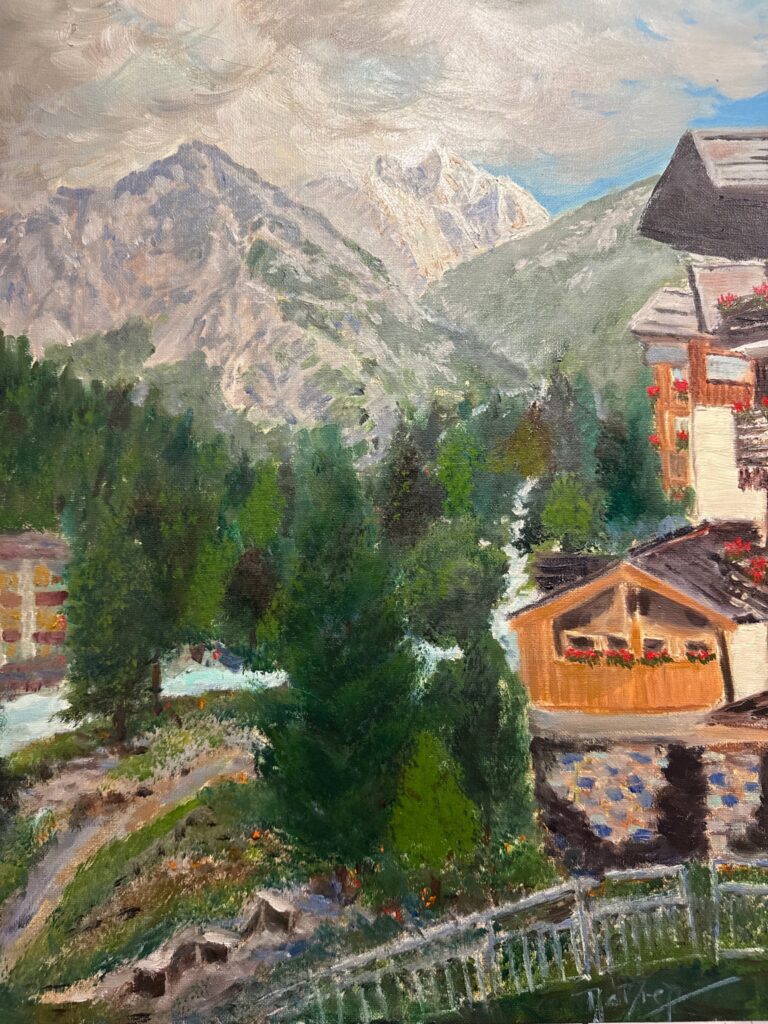
Madonna di Campiglio – after the storm. See the painting in my shop here.Changing seasons in Courmayeur. Oil on board. In my shop here.
Planning your next trip to the Italian Alps?
If you’re heading to the Aosta Valley, take a look at Il Cuore della Valdigne, our family-owned apartment in Morgex, available for rent when we’re not using it ourselves.
You can go to my shop and see what have been inspiring me lately, lots mountain landscapes in soft pastels, and now in oils too. Go here to check my latest works!
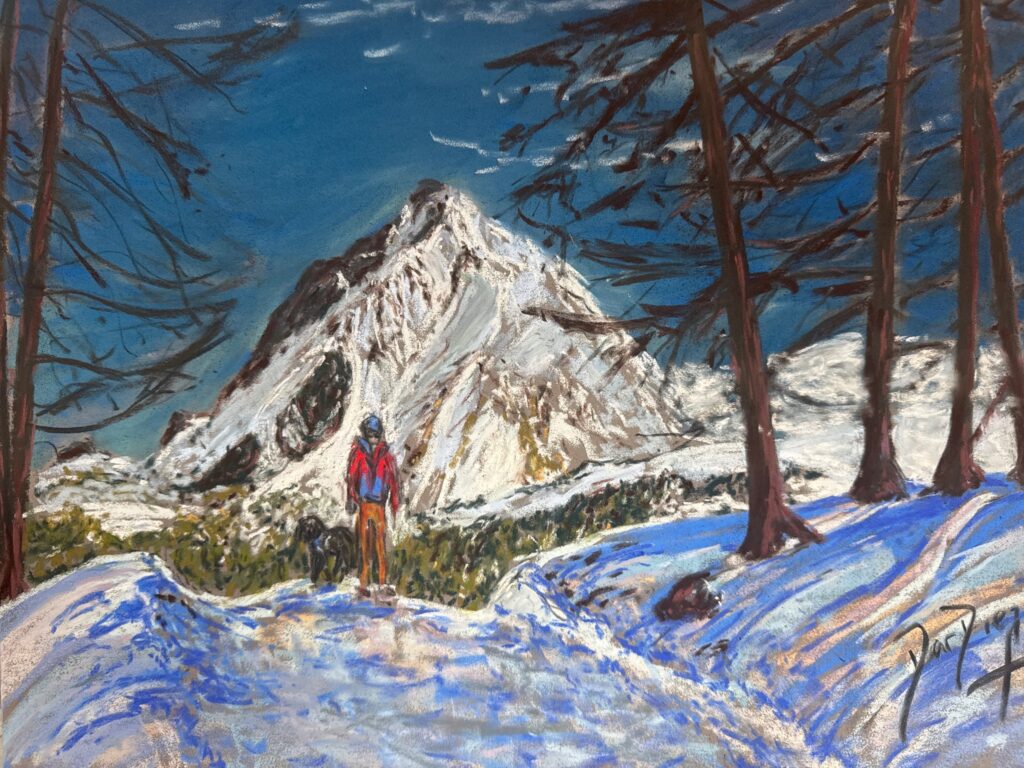
Becca di Nona in Pila, walking with the dog. Soft pastels in pastel paper. In my shop here.
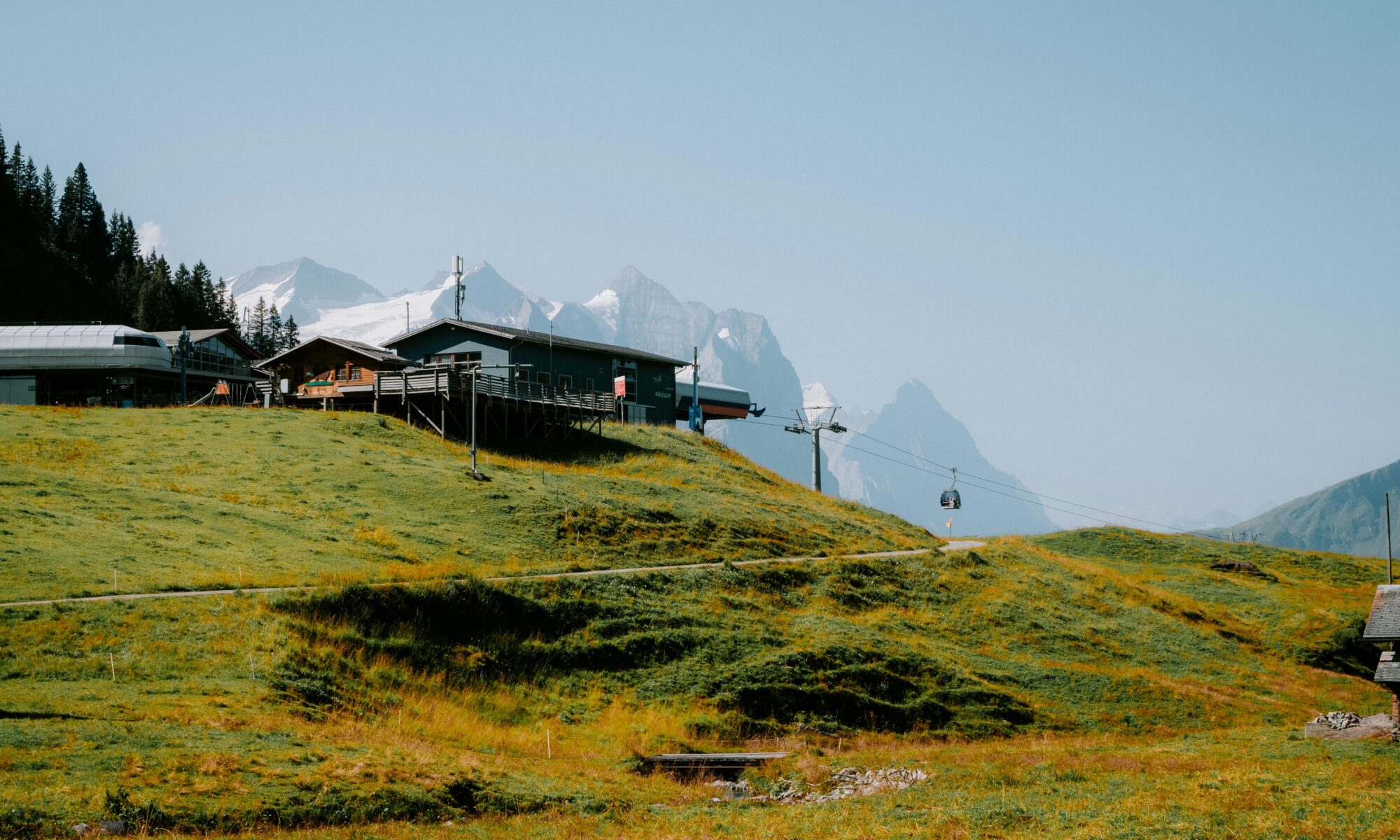
Featured Image: Hasliberg- Photo: Ben Grayland. Unsplash.
Colorado’s 2025/26 ski season will undoubtedly be remembered as one of the most challenging in recent history. Low snowfall, unusually warm temperatures and an early snowmelt created difficult conditions across much of the state, prompting renewed debate about the future of skiing in a warming climate.
A recent investigation by The Denver Post examines how climate change contributed to one of Colorado’s poorest snow seasons on record and explores what this could mean for the ski industry going forward.
The findings are certainly thought-provoking, but they should also be viewed in context.
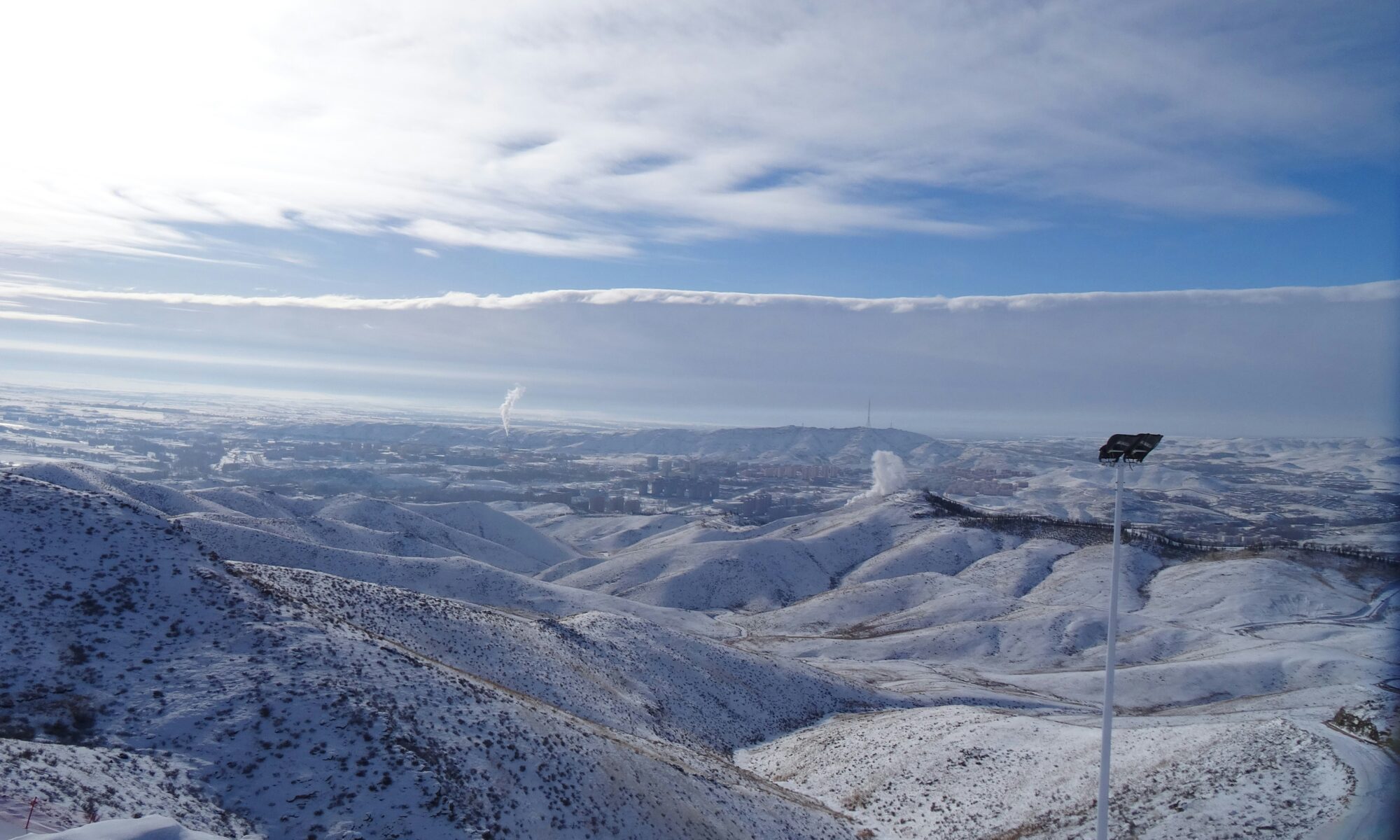
China’s latest ski-growth story is not a new lift, a new hotel, or another Olympic legacy project. It is a school holiday.
In Altay Prefecture, in China’s Xinjiang Uygur Autonomous Region, more than 70,000 primary and secondary school students were given an official “snow break” from December 1 to 5, 2025. Including the surrounding weekends, the break created nine days off school. During that period, students were offered free access to local ski resorts, free public transport within Altay City, and discounts on ski equipment rental, food, accommodation, coaching and cultural activities. Free introductory ski lessons were also made available to beginners.
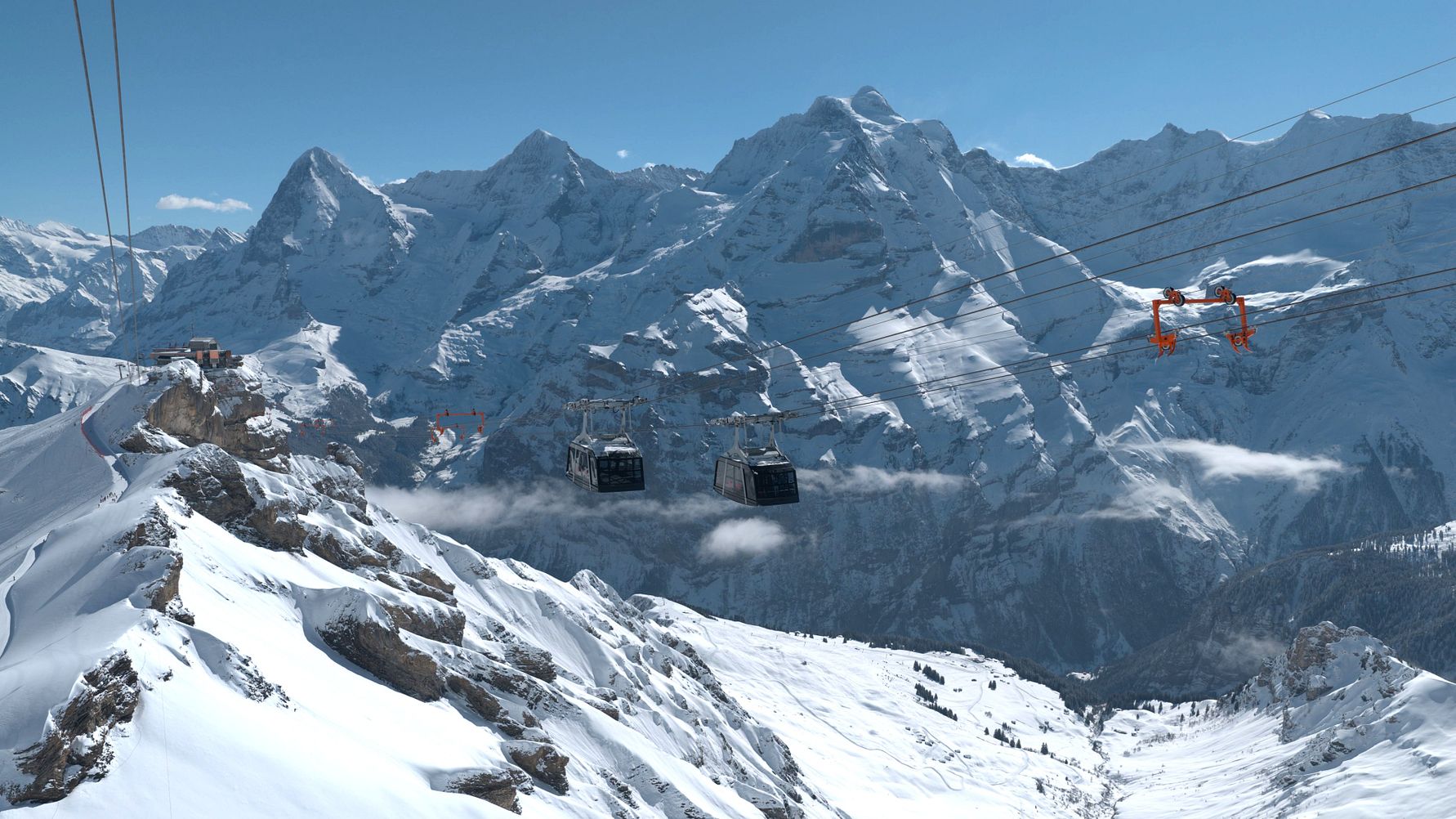
One of the most ambitious lift infrastructure projects in the Swiss Alps has now reached completion, with the final section of the multi-year SCHILTHORNBAHN 20XX redevelopment entering service at the famous Schilthorn summit above Mürren.
The project has transformed access to the 2,970-metre peak overlooking the Bernese Oberland, with entirely new cable cars, stations and visitor facilities linking Stechelberg, Mürren, Birg and the summit.
The redevelopment includes the reopening of the famous Piz Gloria summit complex, known worldwide as the James Bond filming location for On Her Majesty’s Secret Service, as well as new panoramic visitor areas, upgraded retail and hospitality facilities, and the completion of a modern Funifor cable car system designed to improve wind stability and year-round operations.
Enjoyed this post? Get my latest ski guides, weather insights, resort updates and travel tips directly in your inbox. Subscribe to The-Ski-Guru here.
Manage Cookie Consent
To provide the best experiences, we use technologies like cookies to store and/or access device information. Consenting to these technologies will allow us to process data such as browsing behavior or unique IDs on this site. Not consenting or withdrawing consent, may adversely affect certain features and functions.
Functional
Always active
The technical storage or access is strictly necessary for the legitimate purpose of enabling the use of a specific service explicitly requested by the subscriber or user, or for the sole purpose of carrying out the transmission of a communication over an electronic communications network.
Preferences
The technical storage or access is necessary for the legitimate purpose of storing preferences that are not requested by the subscriber or user.
Statistics
The technical storage or access that is used exclusively for statistical purposes.The technical storage or access that is used exclusively for anonymous statistical purposes. Without a subpoena, voluntary compliance on the part of your Internet Service Provider, or additional records from a third party, information stored or retrieved for this purpose alone cannot usually be used to identify you.
Marketing
The technical storage or access is required to create user profiles to send advertising, or to track the user on a website or across several websites for similar marketing purposes.



 Subscribe to The-Ski-Guru here.