Ski Tourer Found Alive More Than 24 Hours After Maurienne Avalanche

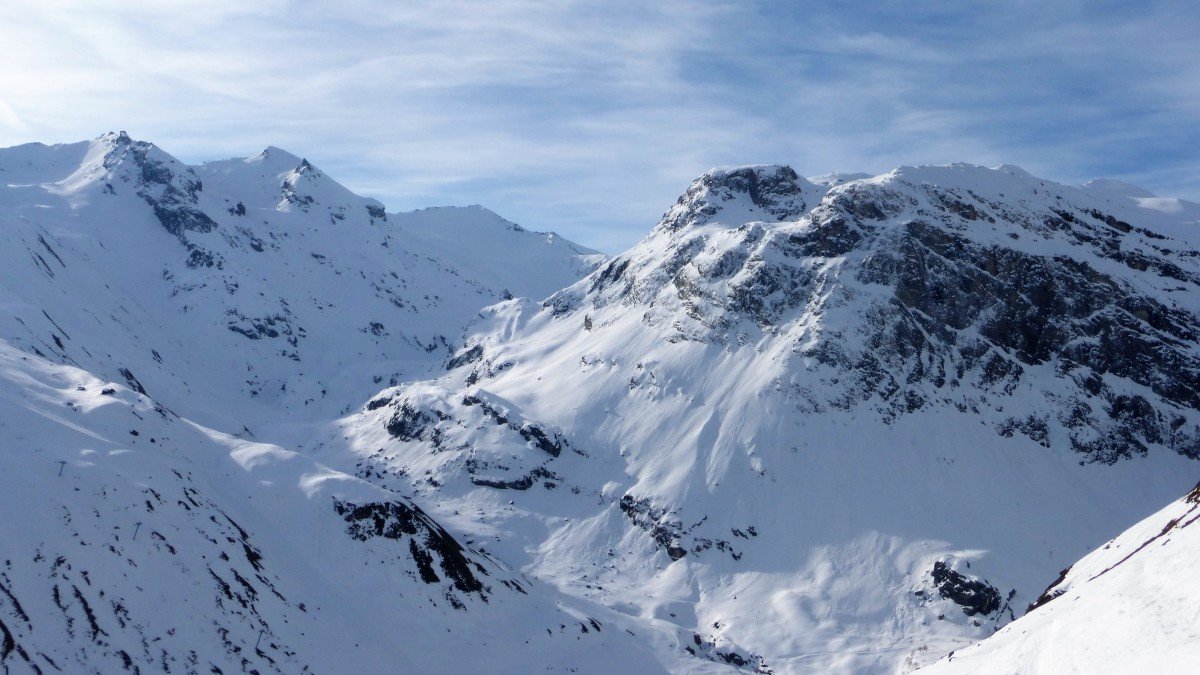
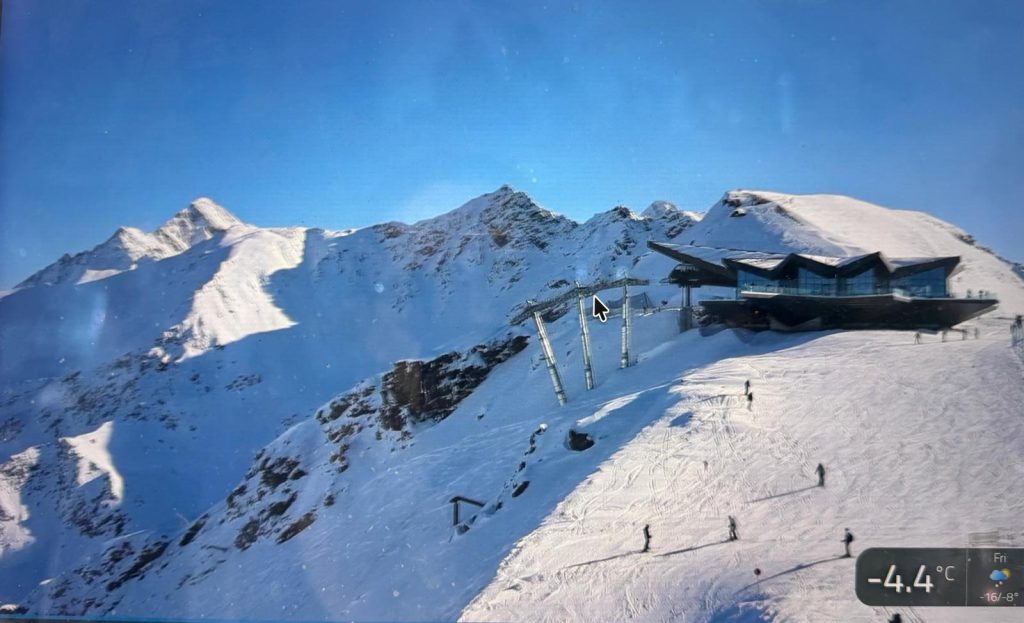
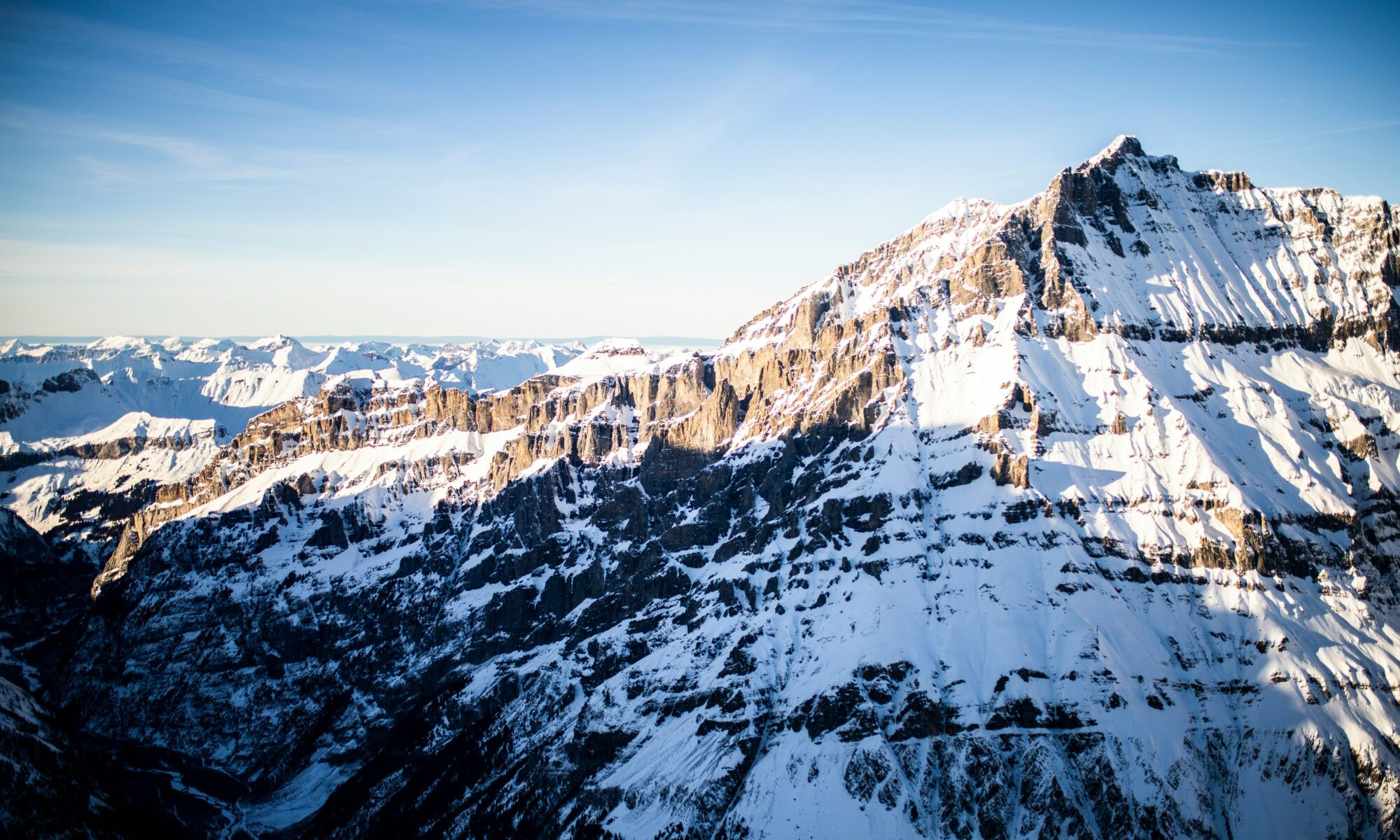
Pointe Sommelier- Image capture on Peak Visor.

A 39-year-old ski tourer has been rescued alive in the French Alps more than 24 hours after an avalanche swept him into a crevasse in the Maurienne valley, Savoie.

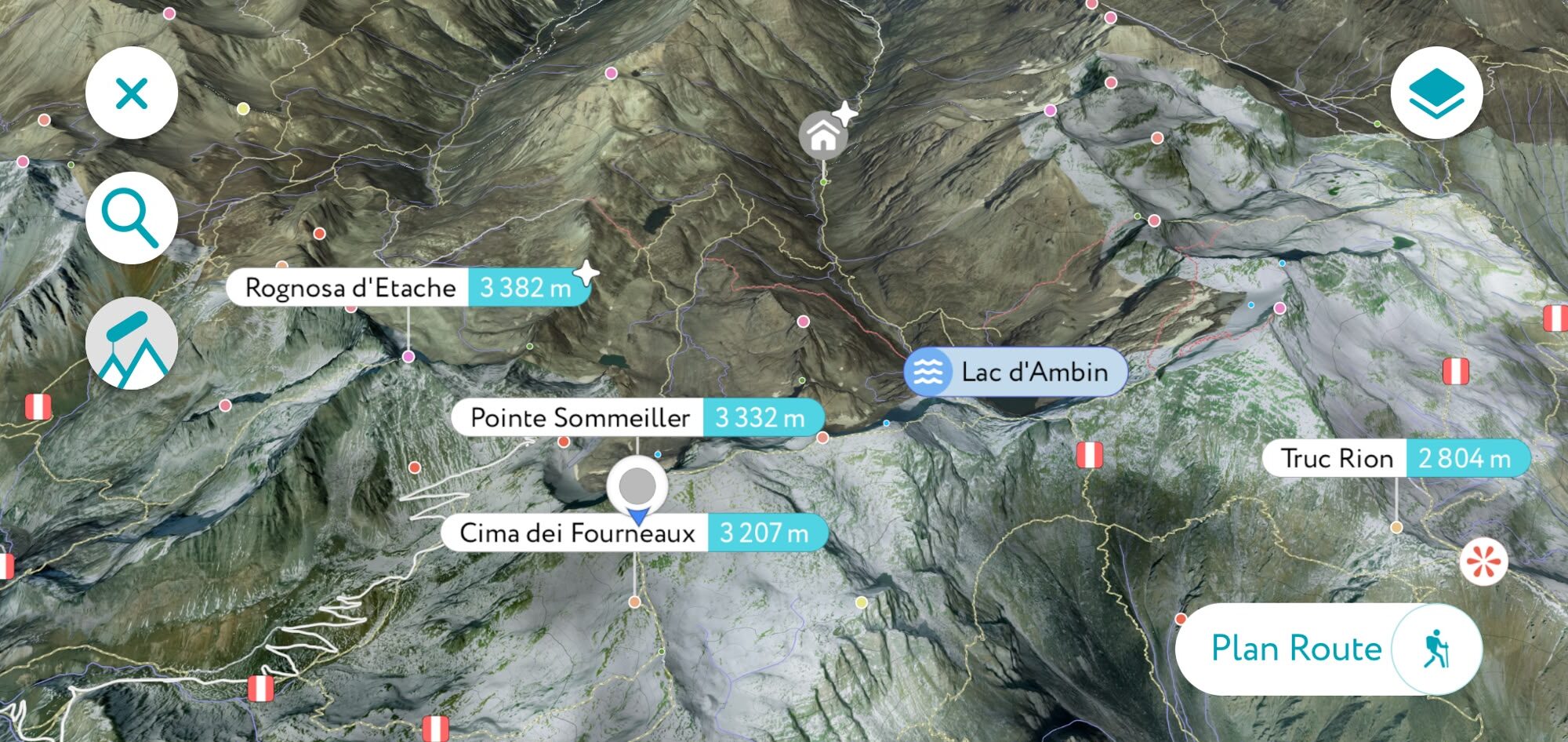
The accident happened on Sunday 8 November 2026 during an ascent towards Pointe Sommeiller. Rescuers recovered him on Monday 9 November with serious leg injuries and hypothermia.

A new TF1 report, broadcast on Tuesday 10 November, includes his account from hospital in Grenoble, adding details about how he survived until help arrived.

A weekend tour followed by an avalanche

According to Le Dauphiné Libéré, the man left Bramans on Saturday 7 November and spent the night at the Ambin refuge.

He continued towards Sommeiller on Sunday morning. The newspaper reports that he removed his skis and began climbing a steep couloir on crampons when a slab avalanche released, sweeping him into a crevasse.

The sequence explains the different dates in early coverage: his outing began on Saturday, while the avalanche occurred on Sunday.

Continue reading “Ski Tourer Found Alive More Than 24 Hours After Maurienne Avalanche”
Swiss Glacier Instability Near Blatten Highlights Growing Alpine Risk

Lauchernalp. Lötschental, Valais, Switzerland. Photo: Caspar Camille Rubin. Unsplash.

Nearly a year after the catastrophic collapse that destroyed much of the Swiss village of Blatten, authorities are again monitoring instability in the same high-mountain area above the Lötschental valley. The renewed concerns are a reminder that the risks linked to glacier retreat, thawing permafrost, and unstable rock faces in the Alps are not disappearing after a single event — and may instead become a longer-term operational challenge for mountain communities, infrastructure, transport routes, and tourism regions. 

Swiss authorities confirmed this week that parts of the glacier and surrounding mountain terrain near Blatten continue to show signs of instability, while access to the disaster zone remains dangerous because of ongoing rockfall and debris movement. The original collapse on 28 May 2025 saw millions of cubic metres of rock, ice, and mud surge down the mountain in less than a minute, destroying most of the village after a successful evacuation of around 300 residents. One person died in the disaster. Continue reading “Swiss Glacier Instability Near Blatten Highlights Growing Alpine Risk”

Why Detachable Ski Lifts Are Often Emptied at the End of the Season

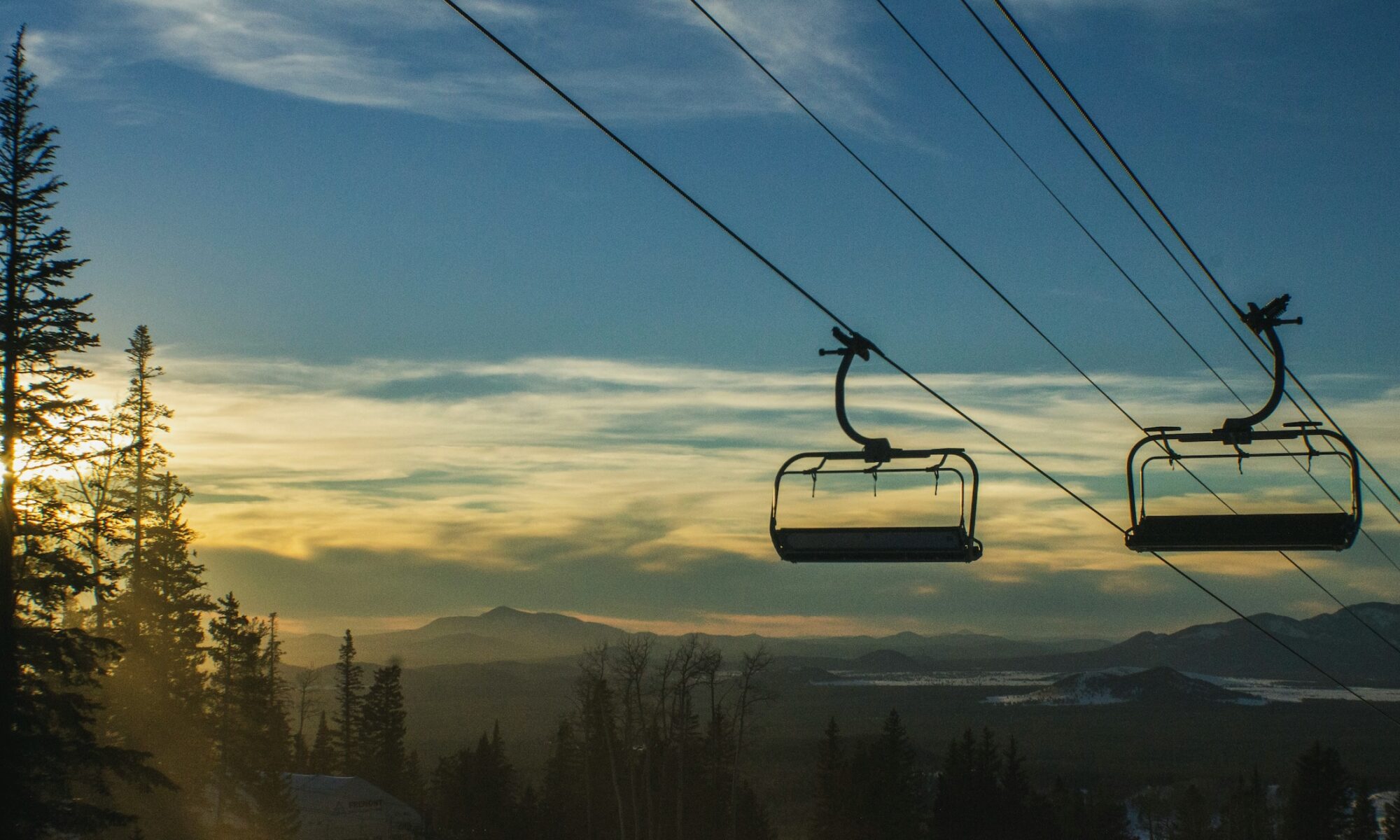
An empty chairlift. Arizona Snowbowl. Photo: Spencer James Lucas. Unsplash.

Why Detachable Ski Lifts Are Removed After Winter

At the end of the ski season, many mountain resorts remove the chairs, gondola cabins or bubbles from their high-speed detachable lifts and store them in a garage. Visitors often notice the empty cables in spring or summer and wonder why some lifts have no chairs on the line, while older chairlifts nearby still have all their chairs hanging.

The answer lies in the way the two types of lift are engineered, but it also connects to a wider question of mountain infrastructure risk in the Alps and how resorts protect expensive mechanical systems in harsh high-altitude environments.

On a high-speed detachable lift, the chair or cabin is attached to the main cable by a detachable grip. The main cable, known as the haul rope, moves continuously at high speed along the lift line. But when the chair or cabin enters the station, the grip opens and releases the haul rope.

This does not usually mean that there are two separate cables. The main cable continues moving through the station, but the chair or cabin is no longer being pulled by it. Instead, once detached, the carrier is moved through the station by a separate mechanical system, usually a series of tyres, wheels, rails, chains or a carousel-style mechanism. This system moves the chair or cabin much more slowly, giving passengers time to get off and on safely.

Continue reading “Why Detachable Ski Lifts Are Often Emptied at the End of the Season”

Avalanche Hits Two Pistes at La Flégère, Chamonix — Skiers Rescued, No Fatalities

Flegere in Chamonix- Photo by Tim Hughes. Chamonix Tourism Office.

Chamonix, France – 24 February 2026

An avalanche struck two marked ski runs in the La Flégère sector of the Chamonix-Mont-Blanc ski area on Tuesday, briefly burying three skiers before they were rescued safely.

The slide crossed sections of the red Crochues piste and the black Floria run around midday. According to regional newspaper Le Dauphiné Libéré, the avalanche debris spread across approximately 100 metres of terrain within the ski domain.


What Happened at La Flégère?

The avalanche released above the pistes in the Floria sector of La Flégère, one of the main lift-accessed areas in Chamonix.

Three skiers were partially buried — reportedly up to chest height — but were quickly located and freed by piste patrol and rescue teams. None are believed to have suffered life-threatening injuries.

Given the scale of the slide, a full rescue operation was launched as a precaution.

🏔 Official Statement from Compagnie du Mont Blanc

Following the avalanche that struck two pistes at La Flégère, Mont Blanc Natural Resort — operated by Compagnie du Mont Blanc — issued a detailed statement via social media describing the event as:

Continue reading “Avalanche Hits Two Pistes at La Flégère, Chamonix — Skiers Rescued, No Fatalities”

🚨 Val d’Isère Avalanche February 13, 2026: Two British Skiers Among Three Killed After Level 5 Warnings

Val d'Isere avalanche off piste terrain February 2026

The Val d’Isère avalanche February 2026 claimed three lives on Friday, 13 February 2026, during a period of High (Level 4/5) avalanche danger in Savoie, France.

Authorities have confirmed:

  • Three fatalities

  • Two of the victims were British nationals

  • One victim was French

  • Six people were caught in total

  • The avalanche occurred off-piste, outside secured ski runs

  • A formal investigation has been opened

Names have not yet been officially released.

Update: The two British victims have now been formally named as Stuart Leslie and Shaun Overy. Authorities have opened a manslaughter investigation.

🔎 Latest Alpine update: A hiker was rescued after a large avalanche in Gressoney-La-Trinité (Aosta Valley), highlighting continued instability across the western Alps. 👉 Read the full rescue story here.


This incident forms part of the broader February 2026 avalanche cycle across the Alps, which saw widespread Level 4 and Level 5 danger across multiple countries.

A Day After Level 5 (Very High) Avalanche Risk

Crucially, the tragedy occurred just one day after parts of the Alps were under Level 5 – Very High avalanche danger, the maximum on the European scale.

Level 5 means:

  • Numerous large natural avalanches likely

  • Travel in avalanche terrain not recommended

  • Widespread snowpack instability

Although the risk in Val d’Isère was listed as Level 4 (High) on Friday, the snowpack remained extremely unstable following:

Continue reading “🚨 Val d’Isère Avalanche February 13, 2026: Two British Skiers Among Three Killed After Level 5 Warnings”

Skiing Under the Influence Could Soon Be Illegal in France — What You Need to Know

Helmets Might be obligatory in France for everyone soon. Photo: The-Ski-Guru.

Skiing Under the Influence Could Soon Be Illegal in France

France is considering new legislation that would explicitly ban skiing or snowboarding under the influence of alcohol or drugs — and could make helmet use mandatory for all slope users.

The proposal would bring France closer to ski safety laws already in force in neighbouring Italy.


🇫🇷 What the Proposed French Law Would Change

The draft bill would introduce two major changes.


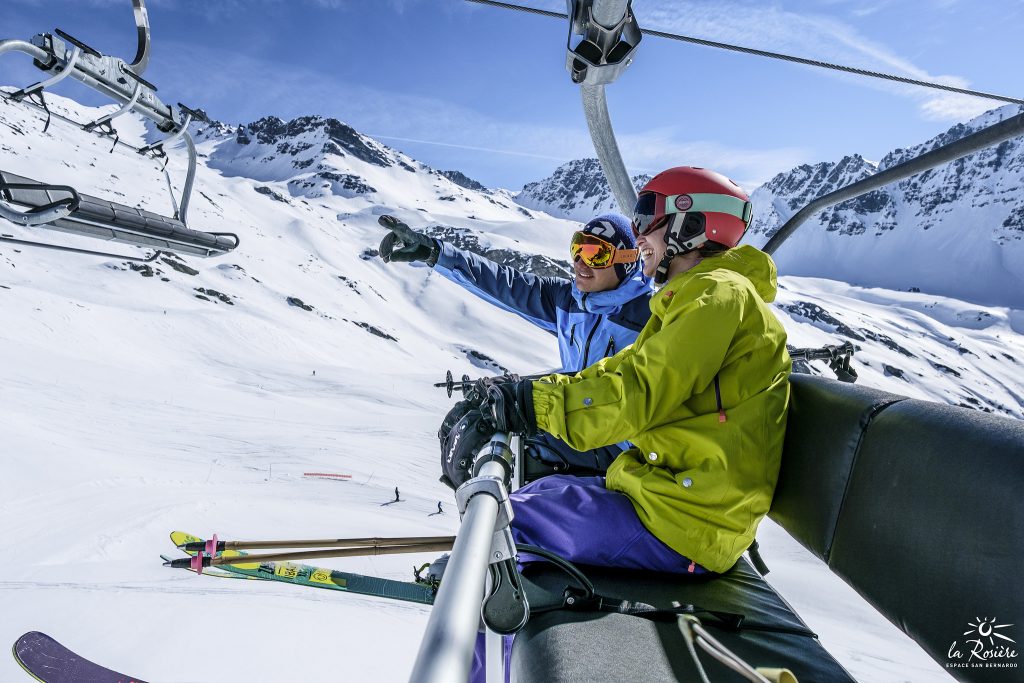
A chairlift ride in La Rosière.
A chairlift ride in La Rosière. Photo: OT La Rosière- Espace San Bernardo.

Continue reading “Skiing Under the Influence Could Soon Be Illegal in France — What You Need to Know”

Why Ski Resorts Close Terrain After Heavy Snowfall — And Why That’s a Safety Decision

Avalanche control methods graphic. Copyright: The-Ski-Guru. Why Ski Resorts Close Terrain After Heavy Snowfall — And Why That’s a Safety Decision.

Why Ski Resorts Close Terrain After Heavy Snowfall

Introduction

Ski resorts often close terrain after heavy snowfall because fresh snow can increase avalanche risk, reduce visibility, overload lifts and make rescue access harder. Closures are not usually a sign that the resort is disorganised; they are a safety decision made while ski patrol, lift teams and avalanche-control crews work to reopen terrain safely.

After major snowstorms, skiers and snowboarders often arrive expecting perfect powder conditions — only to find lifts closed, terrain restricted, or entire sectors shut down. Frustration is common, especially during short holidays or peak winter weeks.

But more snow does not automatically mean safer skiing. In fact, the period immediately after heavy snowfall is often when avalanche risk is highest. Terrain closures following big storms are not a failure to open — they are a deliberate risk-management decision designed to protect lives.


Heavy snowfall doesn’t automatically mean safe skiing

Large snowfalls can dramatically increase instability in the snowpack. Factors that contribute to heightened risk include:

  • rapid accumulation of fresh snow
  • wind loading on leeward slopes
  • weak layers buried beneath new snow
  • limited visibility preventing safe assessment

In many cases, the first 24 to 72 hours after a storm are critical. During this window, ski patrol teams need time to evaluate conditions, access terrain safely, and reduce risk before opening slopes to the public.


Why resorts keep terrain closed after big snowfalls

When ski resorts close terrain after heavy snow, it is usually because avalanche control work is underway or still incomplete.

Stella di Pilla today- Notice the Gasex further down on the slope. Photo: Webcam Pila.it. Why Ski Resorts Close Terrain After Heavy Snowfall — And Why That’s a Safety Decision.

Common reasons for keeping slopes closed include:

Continue reading “Why Ski Resorts Close Terrain After Heavy Snowfall — And Why That’s a Safety Decision”

Panda Optics RS2 Goggles Review: Tested in Flat Light and Snowfall

Wearing my Panda Optics Goggles in the gondola, ready to get out to ski in a very bad visibility day. Photo: The-Ski-Guru. Panda Optics RS2 Goggles Review: Tested in Flat Light and Snowfall.

I tested the RS2 ski goggles from Panda Optics during my Christmas holidays skiing in Pila (Aosta Valley) — and they genuinely ended up saving my ski day.

I’ll be honest from the start: at first, I didn’t immediately understand how the lens-change system worked. You need to open a small side tab to release the lens. Once I realised that, the whole system made sense. The lenses are held in place by very strong magnets, and once fitted, they feel solid and secure.


Flat Light, Snowfall… and Why These Goggles Mattered

The first day I used the RS2 goggles, visibility was really poor. Heavy snowfall combined with flat light meant the slope almost disappeared — that classic white-on-white situation where depth perception vanishes.

I normally ski with sunglasses, switching to goggles only when it’s actively snowing. On sunny days, this is simply a personal preference. I also use an older pair of Panda sunglasses with interchangeable lenses, which I’m very comfortable with in good visibility.

That day in Pila, sunglasses were not an option.

Continue reading “Panda Optics RS2 Goggles Review: Tested in Flat Light and Snowfall”

Crevasses & Glaciers: The Hidden Winter Danger

Crevasses in Passo dello Stelvio. Photo: Dario Morandotti. Unsplash. Crevasses & Glaciers: The Hidden Winter Danger.

Crevasses & Glaciers: The Hidden Winter Danger

Glaciers are often associated with summer mountaineering — ropes, harnesses and visible crevasses. In winter, however, glaciers can appear deceptively smooth, white and skiable.

This illusion of safety is one of the reasons crevasses and glaciers remain among the most underestimated winter dangers in the mountains.

This article explains why glaciers are still hazardous in winter, how crevasses behave under snow, and why even experienced skiers can fall victim to hidden traps.


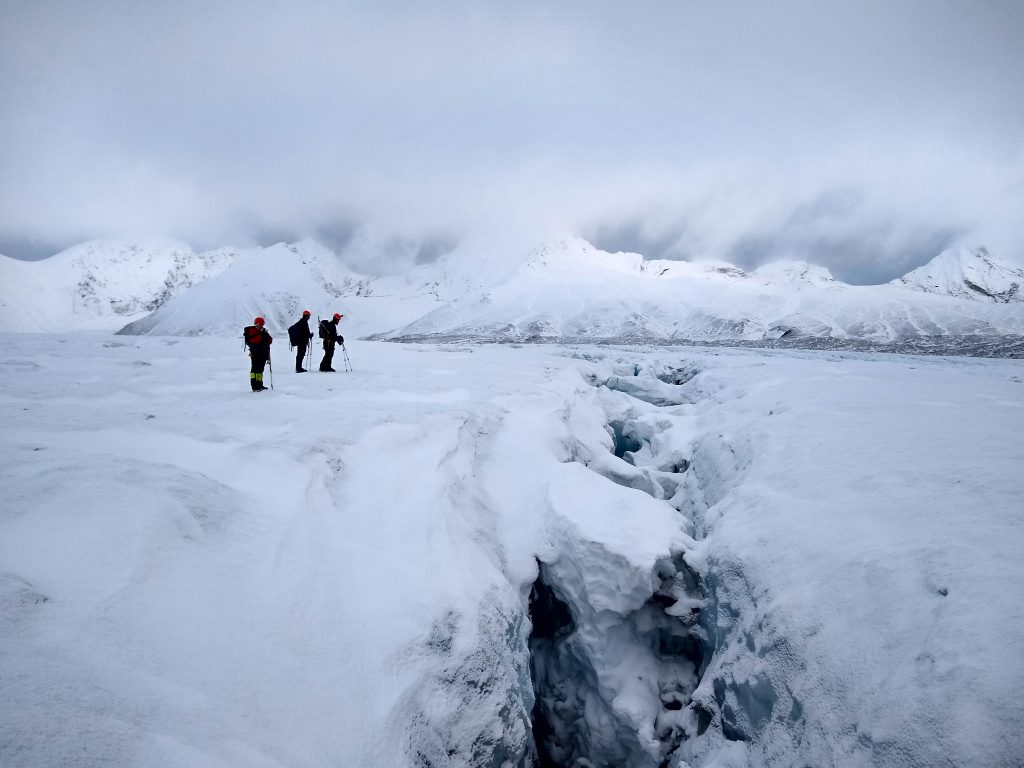
Hansbreen Glacier, Svalsbard. Photo: Bartek Luks Aya. Unsplash. Crevasses & Glaciers: The Hidden Winter Danger.

Why Glaciers Are Still Dangerous in Winter

Snow does not remove crevasses — it hides them.

During winter:

  • Crevasses are covered by snow bridges
  • Surface terrain appears uniform
  • Visual warning signs are often absent

Snow bridges can collapse suddenly under the weight of a skier, snowboarder or group — often without warning.

Unlike avalanches, crevasse falls:

  • Are silent
  • Are highly localised
  • Often involve a single victim

Rescue is complex and time-critical.

Continue reading “Crevasses & Glaciers: The Hidden Winter Danger”

Why Skiing Alone Is Dangerous in the Mountains

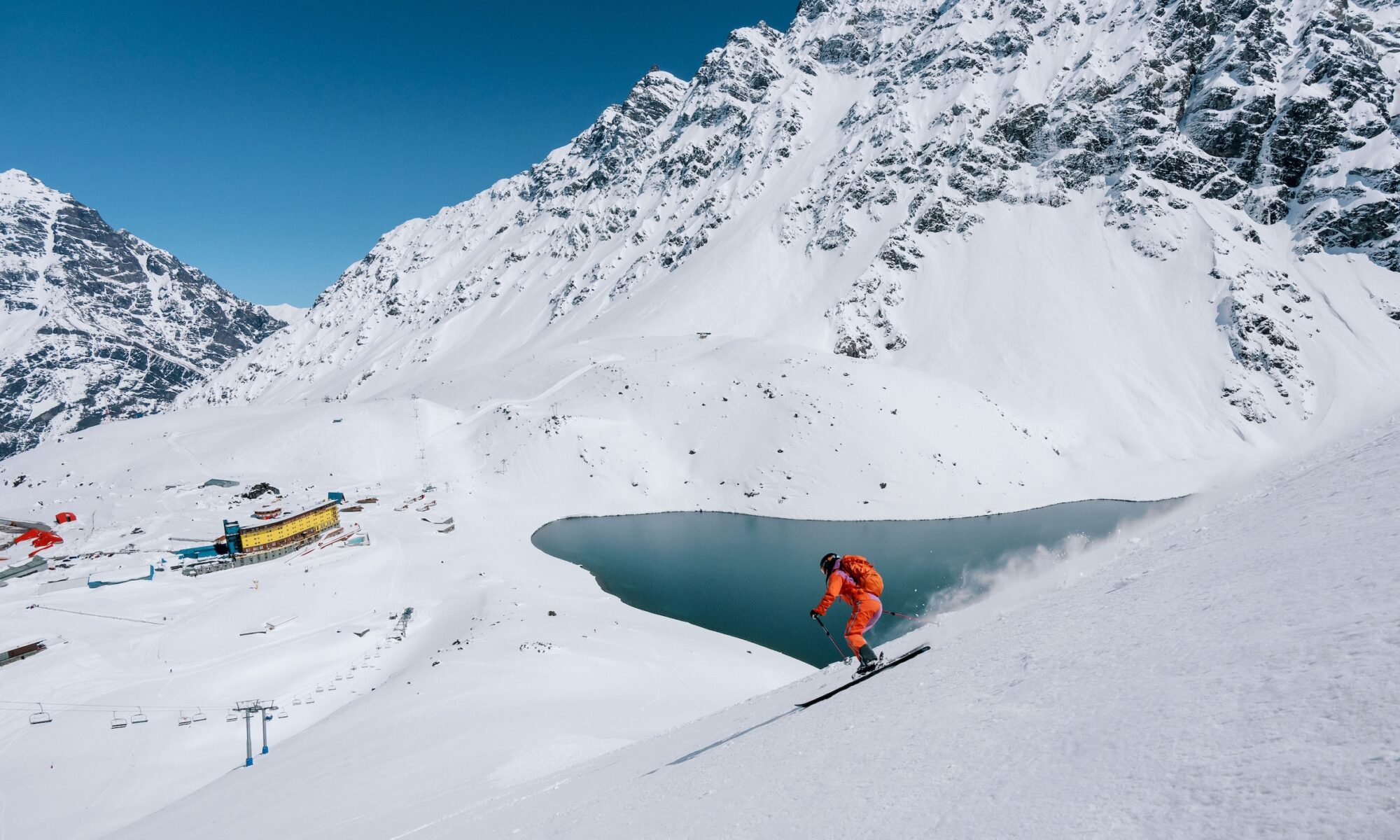
Skier coming down the slopes- views of the hotel and the Laguna del Inca. Photo by Tamara Susa. Courtesy Ski Portillo.

Why Skiing Alone Is Dangerous in the Mountains

Skiing alone is often seen as peaceful, efficient or even safer — fewer people, fewer variables, fewer mistakes. For experienced skiers in particular, solo skiing can feel controlled and familiar.

In reality, skiing alone is one of the strongest risk factors in fatal mountain accidents, whether caused by avalanches, collisions, falls or medical emergencies.

This article explains why skiing alone dramatically increases danger, even for skilled and cautious skiers.


The Most Critical Factor: No Immediate Help

When skiing alone, there is no margin for error.

In many mountain accidents:

  • The victim is unable to call for help
  • Injuries prevent movement or communication
  • Time becomes the decisive factor

Continue reading “Why Skiing Alone Is Dangerous in the Mountains”